

6 Reasons Your Driver’s License Can Get Suspended
Fewer and fewer teenagers are getting their driver’s licenses. No matter your age, the lack of a license can cause all kinds of problems. In fact, you’re more vulnerable to getting your driver’s license suspended than many drivers realize.
Why would my license be suspended? Read on to learn about the top six driver’s license suspension causes and what steps to take to protect your driving rights.
1. Traffic Violations Leading to Suspension
Repeated or serious traffic violations can put your license in danger. Every traffic violation generates points on your driving record.
When these points accumulate past a specific level, your license can be automatically suspended. States have point systems to monitor driving habits, meaning consistent or severe violations can lead to suspension.
For example, in many states, accumulating 12 points within a 12-month period can trigger a license suspension. Reckless driving or DUI violations may carry a higher penalty, leading to an immediate suspension.
Resolution
To avoid a suspension due to points, consider driving defensively and observing all traffic laws. If you’ve already accumulated points, some states offer driver improvement courses that can help reduce them. It’s also a good idea to regularly review your driving record to monitor your point count.
2. Driving Under the Influence
Driving with either alcohol or drugs in your system is one of the most common reasons for a suspended license. DUI laws vary across states, but most impose harsh penalties, including immediate suspension.
In many cases, even a first offense can lead to a suspension lasting several months. It’s especially true if you’re found with a blood alcohol content level that’s over the legal limit.
DUI suspensions can affect other aspects of your life as well, often leading to the following:
- Mandatory drug or alcohol counseling programs
- Higher insurance premiums
- A criminal record
Resolution
If you’ve had a DUI, consult with a lawyer focusing on DUI cases for guidance. Many drivers benefit from legal assistance to navigate DUI consequences, especially when dealing with court hearings or applying for limited driving permits.
3. Failure to Pay Traffic Tickets or Court Fines
Unpaid traffic tickets, fines, or court fees can lead to suspension in many states. Ignoring tickets or missing payment deadlines signals non-compliance, and the state may use suspension as a way to ensure you resolve outstanding fines. Suspensions due to unpaid fines often catch drivers by surprise, as they might be unaware of missed payments or forgotten deadlines.
Resolution
Pay all fines and fees as soon as possible. If you’re unable to pay the entire amount, contact the court to set up a payment plan, which may prevent suspension. Staying proactive about payments will demonstrate responsibility and increase the likelihood of keeping or reinstating your driving privileges.
4. Driving Without Insurance
Most states require all drivers to carry active auto insurance. Driving without it not only puts you and others at financial risk but can also lead to suspended license consequences.
States can suspend your license if you’re caught driving without proof of insurance, especially after an accident. In some cases, even a lapse in coverage can result in suspension if your insurance company notifies the Department of Motor Vehicles of the lapse.
Resolution
Avoid this issue by maintaining continuous auto insurance coverage. If your license is suspended, you’ll likely need to provide proof of insurance and, in some cases, pay a reinstatement fee. Some states may also require an SR-22 form to prove your insurance meets basic state requirements.
5. Failure to Appear in Court (FTA)
If you’re scheduled to appear in court for a traffic violation or other legal matters and fail to do so, it can result in a suspended license. Courts consider failing to appear as non-compliance, and states use suspension as leverage to encourage the resolution of legal matters. Even minor infractions that are left unaddressed can eventually lead to suspension.
Resolution
If you missed a court date, contact the court right away. Be sure to explain the situation and reschedule.
Resolving the issue demonstrates a willingness to cooperate, which may work in your favor. You might also consider consulting a legal professional, especially if your absence was due to an unavoidable emergency.
6. Non-Driving Violations (Child Support, Taxes, Etc.)
Many states can suspend a license for non-driving-related issues, including failure to pay child support, back taxes, or unpaid court-ordered debts. While these suspensions may not be directly related to driving behavior, they serve as a powerful incentive for individuals to meet financial and legal obligations. License suspension due to unpaid child support, for example, is a common enforcement tool.
Resolution
If you’re facing suspension due to child support or other financial obligations, contact the relevant agency or court to establish a payment plan. In many cases, a partial payment or a demonstrated effort to comply can lead to a reduction in penalties or a pathway to license reinstatement. Some situations may require assistance from a legal advocate to negotiate terms or resolve disputes.
How to Avoid Suspended License Consequences and Protect Your Rights
Preventing a license suspension begins with understanding and respecting the rules of the road, as well as staying compliant with legal and financial obligations.
You should keep the following general tips for protecting your license in mind:
- Stay aware of points
- Address tickets promptly
- Maintain auto insurance
- Meet financial obligations
Getting Legal Help for Suspended Licenses
A lawyer who excels in traffic law can offer advice on the following:
- How to handle fines
- Meet court requirements
- Potentially reduce penalties
Plus, they can assist with complicated cases, such as those involving multiple suspensions or out-of-state violations. Having a knowledgeable advocate by your side can make a significant difference in retaining or restoring your driving rights.
Now You Know Why Would My License Be Suspended
Has anyone ever asked, “Why would my license be suspended?” You can explain all the possibilities so that they can stay out of trouble.
RHINO Lawyers are here to help. Our legal professionals can handle traffic tickets, car accidents, and more.
We have convenient locations in Florida and Wisconsin. Start by calling the RHINO Lawyers to discuss your potential case today.
CONTACT TAMPA TRAFFIC TICKET ATTORNEY
RHINO Lawyers can help and guide you through a system molded by law enforcement, judges, and lawyers for decades. Having won cases for our clients in similar circumstances, our criminal defense team knows what it takes to fight on your behalf.
Let RHINO Lawyers answer your questions and review the facts of your case with a Free Consultation. So, get started by completing the “Free Instant Case Evaluation” or by calling us any time, day or night, at (844) RHINO-77.
Read More
Why Texting and Driving is 6 Times More Dangerous Than DUI
When driving, you must focus because any distraction makes it harder to brake or swerve in case of an emergency. Distracted driving is a serious concern, with the National Highway Traffic Safety Administration reporting 3,308 fatalities from such incidents in 2022.
When you think of distracted driving, texting may not always be the first thing that comes to mind. But it’s actually one of the major causes of road accidents, which led to the implementation of the Florida texting and driving law.
Here, we explore how texting compares to driving under the influence (DUI) and discuss Florida texting and driving law in depth.
Texting and Driving Risks vs Driving Under Influence Comparison
Being on your phone while driving involves the following:
- Taking your eyes off the road
- Taking your hands off the wheel
- Losing concentration on driving
Texting while driving may cause you to miss road signs and react slowly to changes in traffic. It also distracts your mind and affects your physical ability to control the car.
While a drunk driver may not be able to brake or swerve quickly due to slow reflexes, they still keep their eyes on the road. Hence, they are more likely to avoid accidents if they have enough time and space to react to an emergency.
When texting, you will likely not just check your phone once and return it. Chances are you’ll be tempted to check your social media for other messages or respond to texts that aren’t even urgent. Due to the repeated distraction, texting while driving is significantly riskier than DUI.
Many people mistakenly believe a quick text won’t affect their driving, and they may feel confident enough to speed or overtake other vehicles. But when driving under the influence, they are more likely to be cautious.
While there are many driving safety tips to avoid the dangers of using phones on the road, teens and young adults are most likely to ignore them. Unfortunately, these groups often lack enough driving experience and may not have defensive skills to help them avoid accidents.
Distracted Driving Statistics
An article by Drive Safe Online compares driving while texting to moving through the length of a football field (360 feet) without looking. While responding or sending a message can typically take 5 seconds, a lot can happen during that time.
For example, a car can join your lane, shortening the distance between you and the driver who was in front of you before. An animal may also cross the road, and another motorist could start backing into the road from their driveway.
Taking your eyes off the streets or controlling the steering wheel with one hand for even five seconds can be deadly.
Drivers who use their phones while on the road are four times more likely to be in a car accident, according to AAA. While hands-free phone use allows you to hold the steering wheel, it still distracts your mind and doesn’t significantly lower the risk of a crash.
The same AAA article says that 12.3% of people involved in car crashes due to distractions admitted to using their phones. Such statistics clearly show that texting and driving are severe hazards, but most people undermine or ignore them.
The Florida Texting and Driving Law
After realizing texting driving dangers, the state government introduced the Florida texting and driving law in 2019.
According to the law, driving while texting in the state is illegal, and a police officer can pull you over if they notice you aren’t compliant. The regulation requires them to issue a driving ticket even if you aren’t breaking other road safety rules.
Who Is Exempt From the Florida Driving and Texting Law?
You may be exempt from the Florida driving and texting law if you are:
- A firefighter
- A law enforcer
- Emergency medical responder
However, you should be able to prove the primary reason for texting was for your work duties. You won’t incur penalties if you use your mobile to report an emergency or criminal activity. The law also exempts motorists who use autonomous or self-driving vehicles.
How Does the Florida Texting and Driving Law Affect You
The Florida driving and texting law only applies when your vehicle is moving. So, you can make calls and text while stuck in traffic or waiting for a red light to turn.
While doing these things protects you from the penalties, it doesn’t necessarily improve safety. When texting at a red light, for example, you may not notice when it’s time to move, and other motorists may crash into your stationary car.
Here are other important things to note about the law:
- Texting while driving in Florida is a primary offense
- Work and school zones have special protection
- You can contest an issued ticket in court
- The tickets cause penalties on your driver’s license
Driving while texting on your phone is a primary offense, so an officer can give you a ticket even under suspicion. In the past, they could only cite you for the mistake if you committed another offense, such as swerving or speeding.
While the Florida texting and driving law lets you text while your car is stationary, you aren’t allowed to do so on a road work site or in a designated school zone. The only exception is when you are in a life-threatening situation or when using virtual assistants like Alexa or Siri.
If a police officer pulls you over because they suspect you were texting while driving, they can’t search your phone records without a warrant. However, you can voluntarily provide consent to prove your innocence.
Regardless, the officer could still issue a ticket, which you may contest in court to avoid penalties and license points.
Avoid Texting and Driving to Protect Yourself
Texting and driving affects road safety and may cause severe injuries or fatalities in case of a crash. Understand the Florida texting and driving law to avoid penalties and other legal consequences. You should also follow texting driving safety tips to prevent distractions and make roads safer.
If you’re wondering how to deal with a traffic ticket in Florida, RHINO Lawyers can help you. We’ll review the facts of your case and fight it on your behalf. Contact us for a consultation.
CONTACT TAMPA TRAFFIC TICKET ATTORNEY
RHINO Lawyers can help and guide you through a system molded by law enforcement, judges, and lawyers for decades. Having won cases for our clients in similar circumstances, our criminal defense team knows what it takes to fight on your behalf.
Let RHINO Lawyers answer your questions and review the facts of your case with a Free Consultation. So, get started by completing the “Free Instant Case Evaluation” or by calling us any time, day or night, at (844) RHINO-77.
Read More
7 Mistakes to Avoid After a DUI Arrest
Despite Florida’s unwarranted reputation for unruly behavior, the Sunshine State is one of the better performers when it comes to drunk driving. When looking at all 50 states, Florida has one of the lower rates for DUI offenses and alcohol-related traffic fatalities.
This is part of a decades-long trend of improving road safety, driven by stricter enforcement and a stronger presence of traffic cops. All of this means that you too could face a DUI arrest, as law enforcement is not taking any chances.
Whatever your situation and what you were doing behind the wheel, a DUI arrest can be a stressful and disorienting experience. If it happens, it is essential to avoid the common DUI mistakes that can make your situation worse or undermine your legal standing. Here are our legal team’s top DUI defense tips on the mistakes to avoid.
1. Failing to Lawyer-Up
The first mistake many people make is not hiring a DUI lawyer. A DUI charge is serious, and Florida law has strict penalties, including fines, license suspension, and even jail time. Trying to handle this on your own can lead to costly mistakes.
It’s crucial to hire an experienced attorney who focuses on DUI cases. They understand the legal landscape and can help you navigate the complexities of Florida DUI law. DUI lawyers know how to challenge evidence, negotiate with prosecutors, and potentially reduce or dismiss charges.
2. Ignoring Your Court Dates and Deadlines
Another common DUI mistake is failing to attend court hearings or meet deadlines. After your arrest, you will have specific court dates, and missing them can lead to additional penalties, such as a bench warrant for your arrest. In Florida, DUI cases have tight timelines, especially for requesting a hearing to keep your driver’s license.
Make sure to mark your calendar and set reminders. Always show up for every court appearance to demonstrate your commitment to resolving the case. Your attorney will help you stay on track and avoid unnecessary legal troubles that could exacerbate the situation.
3. Not Challenging Your Breathalyzer Results
Many assume that the results of a breathalyzer test are final, but that’s not always true. Florida law requires breathalyzer machines to be calibrated regularly, and if the machine wasn’t functioning properly, the results could be inaccurate. This is one of the most overlooked DUI defense tips and one that could make all the difference.
Challenge the validity of the test results as they may be unreliable due to improper calibration or maintenance. Your lawyer can review the evidence and determine if there is a reason to dispute the test.
4. Talking Too Much to the Police
After your arrest, the police will ask questions to gather more information, but anything you say can and will be used against you in court. One of the most critical post-DUI legal advice tips is to remain calm and avoid answering unnecessary questions.
Instead of trying to explain yourself, politely inform the officers that you would like to speak to an attorney before answering any further questions. Do not try to justify your actions to the police, as this can hurt your case later. Protecting your rights in a DUI situation means knowing when to stay silent.
5. Failing to Take Your DUI Arrest Seriously
Some people treat a DUI arrest as a minor offense, especially if it’s their first one. This is a serious mistake. In Florida, even a first-time DUI can lead to severe consequences such as fines, probation, or community service. If your blood alcohol level was particularly high, or if there was an accident, the penalties are even steeper.
Take your DUI charge seriously and cooperate fully with your attorney to build a strong defense. Ignoring the gravity of the situation will only make it harder to resolve the case favorably.
6. Neglecting Your Legal Defenses
Florida DUI law allows for several legal defenses, but many people fail to explore their options fully. Your attorney might argue that the arresting officer did not have reasonable suspicion to stop your vehicle or that the field sobriety tests were not conducted properly.
Some other legal defenses include:
- Improper police procedure
- Inaccurate blood alcohol results
- Violation of rights during arrest
Consult your lawyer to explore these possible defenses, as they can potentially weaken the prosecution’s case. Understanding your options could make a significant difference in the outcome of your DUI case.
7. Ignoring the Consequences
One of the worst mistakes is thinking that a DUI will “just go away” with time. A conviction will stay on your record and can have long-lasting effects, including difficulty finding employment, higher insurance rates, and limitations on future driving privileges.
Florida law allows some individuals to apply for a hardship license, but this is not automatic. Additionally, a DUI conviction will remain on your criminal record for 75 years in Florida, which makes it important to avoid a conviction if possible. Work with your lawyer to explore expungement options or alternative sentencing programs, especially if this is your first offense. Taking these DUI arrest precautions now can protect your future.
Exceptional DUI Defense in the Tampa Bay Area
A DUI arrest is always going to be an incredibly stressful experience. However, thousands of Americans go through this every year, and far from all of these will see lasting consequences as a result.
With the right attitude, approach, and precautions, you can mount your defense and prevent a DUI arrest from spiraling into a burden you carry for a lifetime. As mentioned here, your first step should always be to contact a local, experienced DUI lawyer. For this, you are already in the right place. If you have been charged with a DUI in the Tampa Bay Area, RHINO Lawyers is here to help.
Our veteran team of legal professionals has helped countless individuals like yourself fight their cases and avoid becoming victims of police malpractice or overzealous enforcement. To begin the process of building your defense and staying on the right track, do not hesitate to reach out to our professional, understanding team today. We’re here for you.
CONTACT TAMPA TRAFFIC TICKET ATTORNEY
RHINO Lawyers can help and guide you through a system molded by law enforcement, judges, and lawyers for decades. Having won cases for our clients in similar circumstances, our criminal defense team knows what it takes to fight on your behalf.
Let RHINO Lawyers answer your questions and review the facts of your case with a Free Consultation. So, get started by completing the “Free Instant Case Evaluation” or by calling us any time, day or night, at (844) RHINO-77.
Read More
How to Choose the Right DUI Defense Attorney
There are now over 428,300 law firms throughout the US (via industry research company IBIS World). You shouldn’t have to search through dozens to find the best DUI defense attorney available. Otherwise, you’ll lose valuable time top DUI attorneys could otherwise dedicate to your case.
To save time and energy, use these tips for choosing a DUI defense attorney to streamline your search. With these tips, you can find qualified, experienced attorneys worthy of your trust. Leverage their expertise to ensure a better outcome for your case!
Consider the Charges
Before researching the best defense lawyers in your area, consider the details surrounding your case. Reviewing the charges will help you determine what type of lawyer you need. You can find someone with experience and expertise that’s relevant to your case.
The charges will vary based on where you were arrested. For example, there are 15 different ways crimes involving driving under the influence are charged in Florida. A few include:
- Misdemeanor DUI
- Felony DUI
- Underage DUI
- Suspended license DUI
- Commercial driver’s license DUI
Misdemeanor crimes include first and second DUI convictions. The punishment for these crimes can include less than one year of jail time. This charge only applies to arrests that involve non-fatal drunk driving accidents.
Though a misdemeanor may sound like a minor infraction, a conviction can result in:
- Hundreds to thousands of dollars in fines
- Getting your driver’s license revoked
- Imprisonment for several days up to a year
Felony charges are punishable by over one year in jail. They include third and fourth DUI convictions, accidents involving serious bodily harm, and DUI manslaughter.
DUI manslaughter and vehicular homicide could result in up to 15 years in prison. According to the National Highway Traffic Safety Administration, about 37 people die in drunk-driving crashes in the US daily.
A hit-and-run accident resulting in an accidental death can have the consequence of up to 15 years in prison.
While searching for top DUI attorneys in your area, look for someone with experience relevant to the charges you’re facing. You can leverage their prior case experience to fight for a better outcome.
Review Their Credentials
To build a list of the best defense lawyers in town, visit your local bar association website or the Martindale-Hubbell online directory. Confirm that each lawyer on your list is licensed to practice locally.
Learn more about each lawyer’s education and training. You can use the US Department of Education’s database to confirm that they graduated from an accredited institution. To obtain a license, each lawyer must pass the Multistate Professional Responsibility Examination (MPRE).
The classes they took can speak to their level of expertise as a DUI defense lawyer. Consider what certifications they earned, such as ones from the:
- National College for DUI Defense (NCDD)
- American Bar Association (ABA)
- National Association of Criminal Defense Lawyers (NACDL)
The NACDL is dedicated to the aggressive defense of individuals charged with crimes. They hold an annual DUI Defense Seminar.
The NCDD provides extensive DUI training, covering all areas of DUI defense. These programs prepare lawyers for DUI cases, including:
- Jury selection
- Cross-examination of the arresting officers
- Cross-examination of the testing officers
- Instruction on all aspects of breath and blood alcohol testing
- Evidentiary issues
- DUI lawyers
To become board-certified by the NCDD, lawyers must pass written and oral exams. These lawyers have reached an enhanced level of advocacy in the field of DUI defense.
Finding a lawyer with extensive credentials related to DUI cases will give you peace of mind. You can feel confident in their extensive knowledge related to DUI laws.
Gage Level of Experience
Before finding a DUI attorney, consider their level of hands-on case experience. Ask how long they’ve practiced law locally. How many of those years were dedicated to DUI cases?
Choose a lawyer with extensive experience relevant to your needs. They’ll know how to navigate your case without making costly mistakes.
Ask each lawyer about their most recent DUI defense cases. How many cases did they win versus lose in the past year? Choose a lawyer with a strong success rate.
Request client testimonials from each attorney. Did the client have any issues working with their attorney? Choose a lawyer who already has a glowing reputation that speaks to their capabilities.
Prepare for Court
You can’t anticipate how your case will proceed. To cover your bases, find an attorney with extensive courtroom experience.
If a lawyer is apprehensive about defending you in court, they may settle out of court instead. These lawyers won’t have your best interests in mind. Instead, choose an attorney who will prepare you for any possible outcome, like restoring your driving privileges.
Discuss DUI Defense Strategies
Talk to three local DUI defense attorneys about your case. Ask what strategy they would recommend.
Their process may include:
- Interviewing witnesses
- Reviewing the crime scene
- Gathering research
- Building your defense
- Examining laws and statutes
- Drafting, filing, and arguing appeals
Your lawyer should help you consider the pros and cons of each legal option. They should develop a DUI defense strategy based on your goals.
Plan to Communicate
Ask each lawyer how they plan on communicating with you moving forward. Choose someone who will keep you apprised throughout the entire process.
Consider how many cases the lawyer is currently working on. Confirm that they won’t hand your case off to another attorney at their firm. If they’re too busy, they may neglect your defense.
Compare Costs
Determine each lawyer’s fee structure. Will they charge you a flat or hourly rate? Determine what’s included with each estimate.
Don’t choose the cheapest DUI defense attorney you find. Instead, review your options. Choose an attorney who is most likely to fight with your goals in mind.
Find the Best DUI Attorney for Your Case
Choosing between top DUI attorneys shouldn’t feel daunting. Instead, use these tips to find the best DUI attorney based on your case. They’ll ensure a better outcome while fighting for your rights.
Look no further for an experienced, reliable attorney than RHINO Lawyers. We’ve won hundreds of cases like yours.
We’ll work one-on-one with you to develop unique DUI defense strategies tailored to the specific details of your case. Want to reduce or eradicate your misdemeanor or felony charges? Contact us now for a free video consultation.
CONTACT TAMPA TRAFFIC TICKET ATTORNEY
RHINO Lawyers can help and guide you through a system molded by law enforcement, judges, and lawyers for decades. Having won cases for our clients in similar circumstances, our criminal defense team knows what it takes to fight on your behalf.
Let RHINO Lawyers answer your questions and review the facts of your case with a Free Consultation. So, get started by completing the “Free Instant Case Evaluation” or by calling us any time, day or night, at (844) RHINO-77.
Read More
What to Do if You Get Pulled over for Driving With an Expired Tag
Police pull over more than 50,000 drivers on a typical day; that’s over 20 million motorists every year (The Stanford Open Policing Project). If you’re among those who get stopped for driving with an expired tag, it can feel like a nightmare.
A simple trip can quickly turn into a stressful encounter with law enforcement. Your heart races as you see the flashing lights in your rearview mirror; this moment can lead to unexpected penalties. Knowing how to handle the situation is crucial.
Staying calm and informed can help you navigate this stressful experience without further complications. Here’s what to do when faced with an expired tag and how to minimize the potential fallout.
Stay Calm and Composed
When the police officer approaches your vehicle, remain calm. Take a deep breath and keep your hands visible on the steering wheel.
The officer will likely ask for your license and registration; provide these items without reaching for them until instructed. Keeping your composure shows respect and can set a positive tone for the interaction.
Polite communication is key. Greet the officer and answer their questions clearly.
A courteous demeanor can make a significant difference. Avoid arguing or becoming defensive; remember, the officer is doing their job. Showing respect might lead to a more favorable outcome.
Here are some tips to help you manage the situation:
- Keep hands visible
- Speak clearly
- Avoid sudden movements
- Remain respectful
- Stay calm under pressure
Handling this moment well can influence the outcome of the stop.
Understand the Situation
An expired tag means your vehicle registration is overdue. Each state has different penalties for expired tags.
In many places, driving with an expired tag can result in fines or even a traffic ticket. Knowing your state’s specific laws is helpful; this knowledge can empower you during the police traffic stop.
The potential consequences include:
- Expired tag fine
- Traffic ticket
- Possible court appearance
- Increased insurance rates
- Impoundment of vehicle
Fines vary by state, and repeat offenses often incur higher penalties. Familiarizing yourself with the rules can help ease your anxiety during the stop. Understanding your rights and obligations can also prepare you for any discussion about penalties for expired tags.
Ask Questions
If the officer issues a ticket, don’t hesitate to ask questions. Understanding what led to the fine can clarify your options.
Politely inquire about the specific penalty for your expired tag. You might also want to ask about how to avoid future penalties for expired tags.
Here’s what to focus on:
- What’s the fine amount?
- Are there options to contest?
- How do I renew my vehicle registration?
- Is there a grace period?
- What happens if I ignore this?
Requesting information shows that you are taking the situation seriously. An officer may explain how to renew vehicle registration; some may even provide alternatives depending on your circumstances.
Plan Your Next Steps
After the stop, it’s time to focus on what comes next. First, make sure to renew your vehicle registration as soon as possible; delays can lead to further complications. Check your state’s Department of Motor Vehicles (DMV) website for specific renewal procedures and requirements.
Taking action right away can prevent additional fines. Consider the following steps:
- Visit DMV website
- Gather required documents
- Pay any outstanding fees
- Complete registration forms
- Confirm renewal confirmation
Next, review any fines or penalties you may face. In some cases, you might have the option to contest the ticket in court.
Consider consulting a traffic ticket lawyer if you feel the ticket was unwarranted or if you want guidance. A lawyer can help you understand your rights and options and can make the process easier.
Keep Track of Your Registration
Maintaining your vehicle registration can help prevent future issues. Set reminders for when your registration is due.
Using a calendar or a smartphone app can be beneficial. Regular checks can ensure your tags are current and prevent future encounters with law enforcement.
If you drive a vehicle that requires annual inspection or registration, stay ahead of the deadlines. Familiarize yourself with local laws and ensure all documents are up to date. Smart planning can save you time and money in the long run.
Here are some useful tips:
- Use calendar reminders
- Check state laws
- Keep documents organized
- Set alerts on your phone
- Review registrations regularly
Being proactive ensures that you avoid fines or penalties for expired tags.
Know Your Rights
When stopped for an expired tag, it’s essential to know your rights. You have the right to remain silent and not answer questions beyond providing your identification and registration. If you feel uncomfortable with how the officer conducts the stop, calmly express your concerns.
Keep the interaction respectful; aggression or hostility can escalate the situation. Understanding your rights allows you to navigate the process with confidence.
Remember, you can also request the officer’s badge number and ask for a supervisor if needed. Knowing your rights empowers you to handle unexpected situations calmly and legally.
Learn from the Experience
Getting pulled over for an expired tag can serve as a valuable lesson. Use this situation to educate yourself about your vehicle’s requirements and registration deadlines. Familiarize yourself with the specific laws in your state to avoid future issues.
Take this opportunity to spread awareness among friends and family, reminding them to check their registrations regularly. By sharing your experience, you can help others stay informed and avoid similar encounters. Embracing this lesson can turn a stressful situation into a learning opportunity, ultimately leading to better driving habits and safer roads for everyone.
Moving Forward with an Expired Tag
Experiencing a police traffic stop for an expired tag is unsettling. Remaining calm and respectful can significantly influence the interaction. Understanding the situation, asking questions, and planning your next steps are all essential for handling the aftermath effectively.
When facing the stress of an expired tag or any legal issue, you deserve a law firm that understands your needs. At RHINO Lawyers, we leverage modern communication methods to ensure you receive fast, reliable, and friendly service tailored to your preferences. Our Millennial-led team is here to change the game; reach out today and experience the difference of working with a forward-thinking law firm that puts your needs first.
CONTACT TAMPA TRAFFIC TICKET ATTORNEY
RHINO Lawyers can help and guide you through a system molded by law enforcement, judges, and lawyers for decades. Having won cases for our clients in similar circumstances, our criminal defense team knows what it takes to fight on your behalf.
Let RHINO Lawyers answer your questions and review the facts of your case with a Free Consultation. So, get started by completing the “Free Instant Case Evaluation” or by calling us any time, day or night, at (844) RHINO-77.
Read More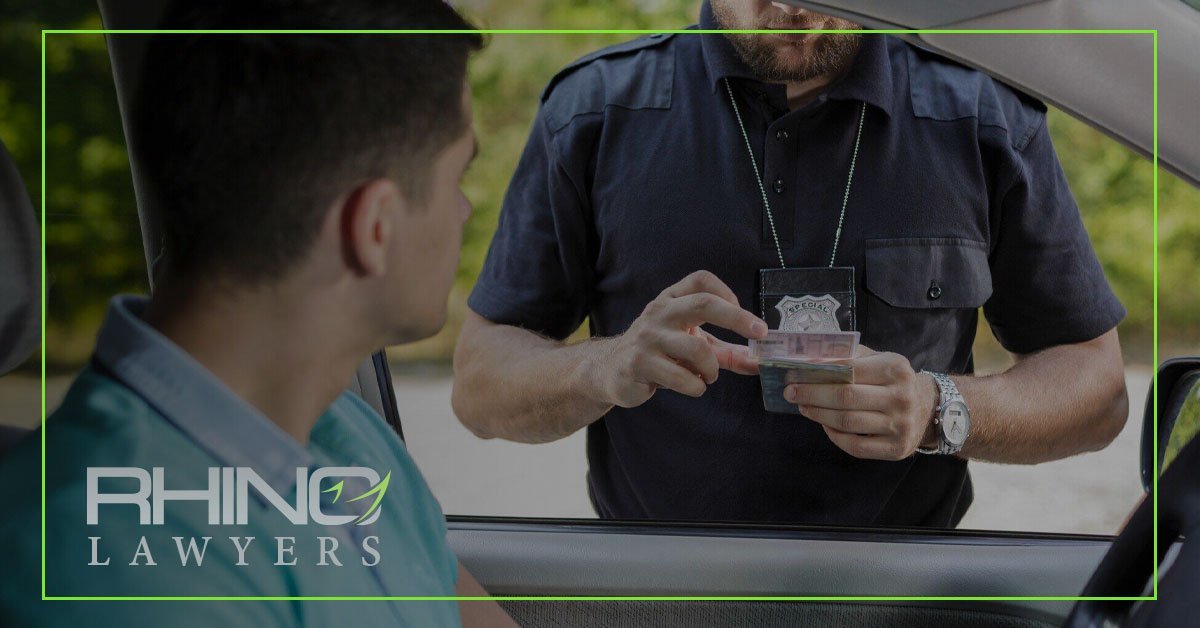
Don’t Take it Lightly: Why a Careless Driving Ticket Deserves Your Attention
Receiving a careless driving ticket might not seem like a big deal at first. However, what seems like a small issue can quickly escalate into serious problems if you choose to ignore it. Failing to address a careless driving ticket can:
- Impact your driving record
- Lead to higher insurance rates
- Affect your legal right to drive
Are you wondering what is careless driving? We’ve got you covered as we explore this topic and discuss why a careless driving ticket should never be ignored. Keep reading to find out what steps you can take to avoid driving penalties and ensure your safety and that of others on the road.
What is Careless Driving?
Careless driving is a broad traffic violation that refers to driving a vehicle without regard for the safety of others or property. It can include actions such as:
- Speeding
- Tailgating
- Failing to stop at a red light
Unlike reckless driving, which involves intentional dangerous behavior, careless driving is usually unintentional but still creates a risk on the road. Careless driving tickets are often issued when a driver’s actions fall short of reckless driving but still pose a danger. The specific definition of careless driving varies by state, but it generally involves a failure to follow basic traffic rules or driving in a way that could cause harm to others.
Why You Must Not Ignore a Careless Driving Ticket
Many drivers underestimate the seriousness of a careless driving ticket. Ignoring this can lead to severe consequences that go beyond just paying a fine. Here’s why you need to take it seriously:
Fines
Careless driving tickets often come with hefty fines. The amount can vary by state, and the circumstances surrounding the violation, but fines can easily reach hundreds of dollars.
Points on Your License
In many states, a careless driving conviction adds points to your driving record. Having too many points can lead to a license suspension or even mandatory driving courses.
Increased Insurance Premiums
Insurance companies view careless driving as a red flag. If you’re convicted of this offense, you can expect your insurance premiums to rise significantly.
Court Appearances
In some cases, a careless driving ticket may require you to appear in court. Failing to show up for a scheduled court appearance can lead to additional penalties, including possible arrest warrants. In rare and severe cases, such as if your careless driving resulted in serious injury or death, you could face jail time.
The penalties for careless driving differ depending on where you live, but they generally involve a combination of fines, points on your license, and possibly even jail time for repeat offenders or severe cases.
How to Avoid Driving Penalties
Facing a careless driving ticket doesn’t mean you are stuck with the maximum penalties. You can take steps to address the situation and potentially reduce the impact. Here are some options to consider:
1. Address the Ticket Promptly
The first and most important step is to address the ticket as soon as you receive it. Failing to respond can lead to more penalties, including increased fines, license suspension, and even arrest warrants. Pay the fine if that’s an option, or contest the ticket if you believe you were wrongly accused.
2. Attend Traffic School
In some states, you may be able to attend a defensive driving course or traffic school to have the points from a careless driving ticket removed from your record. This is often available for first-time offenders and can help lower the impact on your driving record and insurance rates.
3. Hire Legal Representation
If you believe the ticket was issued unfairly or are facing severe penalties, seeking legal advice is a good idea. A skilled traffic attorney can help you contest the ticket, negotiate reduced penalties, or even have it dismissed, especially if your driving record is at risk.
Traffic attorneys are trained in handling traffic law and can represent your best interests in court. With their knowledge of local laws and strategies, they can work to lower penalties and help you avoid costly consequences. Getting legal advice ensures you have the support needed to achieve the best possible outcome.
4. Contest the Ticket in Court
If you believe the ticket was issued in error or if you have evidence to support your case, you may be able to contest the ticket in court. This could involve proving that you were not driving carelessly or that the officer mistakenly issued the ticket. However, contesting a ticket can be complicated, so getting legal advice is advisable before taking this step.
5. Keep a Clean Driving Record
Avoiding future tickets is the best way to protect your driving record. Obey traffic laws, drive cautiously, and avoid distractions while driving. A clean driving record keeps your insurance premiums low and demonstrates responsible driving behavior.
Long-Term Impact of Careless Driving Convictions
A careless driving conviction can have long-term effects on your life beyond the immediate penalties. For instance:
Job Implications
Certain jobs, especially those that involve driving, may require you to have a clean driving record. A careless driving conviction can, therefore, limit your employment opportunities.
Car Insurance
As mentioned, insurance companies view careless driving convictions negatively. You may see an increase in your premiums or even have difficulty finding coverage.
License Status
Multiple traffic violations, including careless driving, can result in the suspension or revocation of your driver’s license. Driving with a suspended license carries additional penalties and can make everyday life difficult.
Understanding What Is Careless Driving
What is careless driving? It is a serious offense that can lead to major problems if not addressed correctly. Understanding the importance of dealing with this can protect you from any negative impacts on your driving record and insurance rates. Stay aware and take action to keep your driving record clean.
Do you need assistance with a careless driving charge? At RHINO Lawyers, you will receive fast and reliable service from an experienced team that knows how to get the job done. Contact us today to learn how Tampa’s leading auto injury and traffic attorneys can manage careless driving consequences.
CONTACT TAMPA TRAFFIC TICKET ATTORNEY
RHINO Lawyers can help and guide you through a system molded by law enforcement, judges, and lawyers for decades. Having won cases for our clients in similar circumstances, our criminal defense team knows what it takes to fight on your behalf.
Let RHINO Lawyers answer your questions and review the facts of your case with a Free Consultation. So, get started by completing the “Free Instant Case Evaluation” or by calling us any time, day or night, at (844) RHINO-77.
Read More
What to Do if Your Teen is Arrested for DUI: 7 Key Steps
Discovering that your teen has been arrested for a DUI (Driving Under the Influence) can be a heart-wrenching experience. As a parent, it’s natural to feel overwhelmed and uncertain about what to do about a teen DUI. This situation brings immediate legal concerns and emotional and long-term implications for your child’s future.
Knowing what steps to take is essential for navigating this difficult time. It ensures you provide your teen with the best support while addressing the legal challenges head-on. This guide will walk you through seven crucial steps to help you manage the situation effectively while protecting your teen’s future.
Keep reading for information on where to find the best teen arrest legal help in Tampa.
1. Stay Calm and Gather Information
Initially, parents might experience shock or disbelief upon learning about their teen’s DUI arrest. They may have trouble processing the news and understanding how it happened. However, staying calm and focused is essential as you must collect all the relevant information about the arrest, such as:
- Details on why the teen was pulled over, and any specifics about the incident that led to the stop
- Find out the teen’s blood alcohol concentration (BAC) level at the time of the arrest
- Get the specific charges filed, such as DUI or underage drinking
- Review the police report for details on the arrest, including any field sobriety tests conducted and statements made
- Get the arrest record, which includes information about the date and location of the arrest
- Collect any legal documents related to the case, such as citation tickets and court summons
- If applicable, gather statements from any witnesses or the events leading up to it
- Document the teen’s version of the events, including their actions and any interactions with law enforcement
Detailed information will help you better understand the situation and assist your legal team in developing a defense strategy.
2. Understand the DUI Charges
Teenage DUI consequences can be severe and can change according to local laws and case specifics. Generally, these may include:
- Fines and penalties
- License suspension
- Community service
- Jail time
Understanding these potential penalties helps you prepare for what’s ahead and plan accordingly.
3. Hire a Qualified Attorney
Securing a lawyer focusing on DUI cases involving minors is crucial. Choose a lawyer known for their successful case outcomes. Here’s how a skilled lawyer can help your case:
Professional Guidance
They can give valuable insights and solutions suited to the specific aspects of your teen’s case. Beyond legal representation, a good attorney will offer support and advice on how to handle the situation. They can help you understand court procedures, what to expect at each stage, and how to prepare for hearings and trials.
Develop a Defense Strategy
Your lawyer will work to create a defense strategy based on the details of the case. This may include:
- Negotiating plea deals
- Challenging evidence
- Exploring alternative sentencing options
Their goal is to minimize the impact of the charges on your teen’s future.
Protect Your Teen’s Rights
They will advocate in court on your teen’s behalf, ensuring that they receive a fair hearing and that potential errors or injustices are addressed.
If the case results in a conviction or plea deal, the attorney can help with post-trial issues, such as:
- Appealing the decision
- Handling probation terms
- Addressing any further legal or administrative requirements
4. Review and Prepare for Court
Preparation for the court is vital. Work with your attorney to collect any relevant evidence that might support your teen’s case, such as character references or mitigating factors.
Develop and practice any statements or testimonies that will be presented in court. Familiarize yourself with the court process, including what to expect during hearings and trials.
Proper preparation can significantly impact the case outcome and help your teen navigate the legal proceedings effectively.
5. Support Your Teen Emotionally
A DUI arrest can be emotionally overwhelming for a teenager, and providing emotional support is essential. Support your teen in sharing their feelings and concerns. Listen without judgment and offer reassurance.
Demonstrate responsible behavior in alcohol use and driving. Your actions set a powerful example for your teen. Share with your teen how you make decisions about alcohol and driving and the reasons behind your choices.
Emotional support from family can positively influence how your teen handles the legal process and their overall well-being.
6. Consider Rehabilitation or Counseling
Depending on the case, enrolling your teen in a rehabilitation or counseling program might be beneficial. This can:
- Address underlying issues
- Show responsibility
Research local programs specializing in adolescent substance abuse and consult your attorney for recommendations.
Clearly outline the rules on alcohol use, driving, and curfews. Make sure your teen understands the importance of following these rules. Explain what behavior is acceptable and the consequences of not following the rules, and get professional help to do this if needed.
7. Educate Them on Teenage Dui Consequences
Educating your teen about the long-term effects of a DUI conviction is crucial. Have an open and honest conversation about the impact of a DUI on college admissions, scholarship opportunities, and future job opportunities.
A criminal record can affect their driving record and insurance rates, and helping them understand the consequences can motivate them to take responsibility and make better decisions in the future. Understanding the potential outcomes makes teens more likely to avoid risky behavior.
Education about the dangers of substance abuse and its effects on health can motivate teens to adopt healthier habits and avoid substance use. Education will give them skills like:
- Critical thinking
- Problem-solving
Final Tips for Teen DUI Cases
Navigating a teen DUI case can be challenging. Effectively addressing this involves a combination of legal preparation, supportive parenting, and proactive guidance. Start by understanding the charges and legal process and find a qualified attorney to guide you on this.
When faced with teen DUI charges, consult with the experienced team at RHINO Lawyers for tailored advice and support. We use industry-leading trends and proven strategies to achieve the most favorable settlements for our clients. Reach out now to book a consultation and take the first step toward resolving your teen’s case.
CONTACT TAMPA TRAFFIC TICKET ATTORNEY
RHINO Lawyers can help and guide you through a system molded by law enforcement, judges, and lawyers for decades. Having won cases for our clients in similar circumstances, our criminal defense team knows what it takes to fight on your behalf.
Let RHINO Lawyers answer your questions and review the facts of your case with a Free Consultation. So, get started by completing the “Free Instant Case Evaluation” or by calling us any time, day or night, at (844) RHINO-77.
Read More
How to Stop DUI Charges on Vacation in Florida From Following You Home
It’s estimated that there are approximately 135.02 million visitors to Florida each year. When you take a trip to the Sunshine State, you likely imagine many things: beach trips, nights out on the town, and amusement parks. However, what you likely don’t picture is getting a DUI charge. Unfortunately, this is more common than you’d think with Florida tourists. Many visitors drink while they visit the state and all it takes is one unlucky encounter to get a DUI in Florida.
So how exactly do out-of-state DUI charges work in Florida? And is there anything you can do to stop them? In this guide, we’ll answer these questions so you can deal with this stressful situation as soon as possible.
Can a Florida DUI Charge Follow You Home?
Many drivers have the unfounded hope that because their vacation DUI charges occurred in another state, they will stay in that state.
Unfortunately, that’s just not the case. Depending on the state you live in there are a variety of ways that Florida traffic police can relay your record and charges back home. Specifically, this is due to things like:
- Non-resident Violator Compact of 1997
- Driver License Compact
- The National Driver Register
These interstate agreements can get confusing quickly. However, all you need to know is that once you get charged with a DUI one way or another, it will make its way back to your home state’s Department of Motor Vehicles.
What Are the Consequences of DUI in Florida?
As Florida DUI laws note, the out-of-state DUI consequences for even first-case impaired driving can be quite strict. For starters, if convicted, you will have your license suspended for at least one hundred eighty days.
You will face fines that range between $500 to $5,000, as well as mandatory driver education. In addition, you also need to worry about:
- Out-of-pocket expenses from court fees or traveling
- Jail time
- Community service
- Ignition interlock device
- Probation
Additionally, a DUI conviction will remain on your permanent record for up to seventy-five years. Because of this, you must do everything in your power to fight the DUI charge in Florida.
What Should You Do During the Arrest?
When you’re stopped by an officer after drinking and driving, you should make sure to be calm and respectful. You must provide them with documents like your license, insurance, and registration.
That being said, once they start asking questions like where you were, or whether you’ve been drinking, we encourage you to remain silent. It’s your right to do so.
And keeping quiet during this point of the arrest can help ensure you don’t say anything incriminating. After refusing to speak, the officer will likely ask for a breathalyzer. Now comes the big question: should you take a breathalyzer if you know you’ve been drinking?
Refusing a breathalyzer in Florida can have some big consequences. Specifically, it results in automatic license suspension. As such, we generally recommend that you take the sobriety test.
Even if things are bad (you blow over a .16%) the consequences are still comparable to refusing to blow the test in the first place.
And, as we’ll see, breathalyzer evidence isn’t always reliable. So if it’s done incorrectly, there’s a chance you might be able to get your case dropped.
How Can You Stop DUI Charges?
There are a variety of DUI defense strategies you can use in Florida. You might argue that the results of the breathalyzer aren’t accurate. Breathalyzers frequently give incorrect readings, so this is a popular route to go.
You might also challenge the validity of other field sobriety tests that were issued. Another strategy is to challenge whether or not the traffic stop was even legal in the first place.
Regardless of the strategy you use, you’re going to need a DUI lawyer. These professionals know all the ins and outs of getting certain types of evidence dismissed. If you try to represent yourself, you’ll almost surely fail at avoiding DUI penalties.
How to Navigate the Court Process When You Live Out-of-State
One of the biggest hassles of an out-of-state DUI trial is that they take place in the state and county where the arrest occurred. That means that you’ll likely need to travel back to the state to navigate the court process.
This isn’t always necessary. Sometimes, attendance might not be mandatory. However, it usually looks a lot better if you attend.
This doesn’t always mean flying out there. Often, you’ll be given the option to attend via Zoom or a similar web conference.
How to Pick the Right DUI Attorney
As you can see, hiring an attorney for your DUI case is all but essential when you live out of state. Unfortunately, not all of them are created equally. Some might not have enough experience or skill to win the case.
Others might not be responsive enough to deal with an out-of-state client. That’s why you need to know what to look for when choosing a DUI attorney. For starters, make sure they focus on impaired driving cases.
Ideally, they’ll also have some experience working with out-of-state drivers. They should also be able to meet remotely. This is especially important because you can’t fly down to Florida every time you want a consultation with your legal team.
Make sure you also clarify fee structures. A legitimate lawyer will have no problem being upfront about how they’re charging you. Lastly, just go with your gut.
This professional will mean the difference between a lenient sentence and serious consequences.
You’ll also need to be vulnerable around them about a potentially embarrassing event. So if at any time you feel like they’re not a good fit, don’t be afraid to try someone else.
Need Help With Your Florida DUI? Contact RHINO Lawyers
We hope this guide helped you learn more about how visitors can avoid a DUI in Florida. Here at RHINO Lawyers, we know that dealing with a DUI charge is already stressful.
Unfortunately, it becomes even more complicated when you’re an out-of-state visitor. You need a remote law team that’s not afraid to use tech to be in constant communication with their clients.
At RHINO Lawyers, we’re here to answer questions whether it’s through social media or Facetime. So if you’re ready for the legal defense team you need, get in touch with us today.
CONTACT TAMPA TRAFFIC TICKET ATTORNEY
RHINO Lawyers can help and guide you through a system molded by law enforcement, judges, and lawyers for decades. Having won cases for our clients in similar circumstances, our criminal defense team knows what it takes to fight on your behalf.
Let RHINO Lawyers answer your questions and review the facts of your case with a Free Consultation. So, get started by completing the “Free Instant Case Evaluation” or by calling us any time, day or night, at (844) RHINO-77.
Read More
Unknowingly Driving on a Suspended License in Florida
You’re cruising down the sunny streets of Miami, wind in your hair, not a care in the world. Suddenly, red and blue lights flash behind you. As you pull over, confused, you’re about to learn a shocking truth. Your license has been suspended, and you had no idea. Welcome to a surprisingly common Florida nightmare. Read on to learn what happens if you accidentally are driving with a suspended license in Florida.
Strict Liability
Under Florida traffic laws, driving on a suspended license is considered a strict liability offense, meaning that your intent or knowledge of the suspension is irrelevant when it comes to being charged.
Whether you were aware that your license was suspended or not, the law holds you accountable for driving with a suspended license. This can be surprising for many drivers who may not have received a suspension notice or were unaware of the suspension due to administrative errors, such as an incorrect address on file.
License Suspension Reasons
Understanding the common causes of license suspension can help you stay informed and prevent unintentional violations.
One of the most frequent reasons for suspension is unpaid traffic tickets. If you receive a ticket and fail to pay it within the designated timeframe, your license could be suspended until the fine is settled. Similarly, failure to appear in court for a traffic violation or other legal matters can lead to an automatic suspension.
Lack of auto insurance is another common cause. Florida law requires all legal drivers to keep up a certain level of car insurance. If your insurance lapses or you fail to provide proof of insurance when required, your license may be suspended.
Accumulating too many points on your Florida driving record due to traffic violations can also trigger a suspension. Each violation adds points, and reaching a specific threshold within a set period can result in the temporary loss of your driving privileges.
Other reasons include DUI convictions, failure to pay child support, and certain criminal offenses. Even administrative issues, such as not updating your address, can lead to missed notices and a subsequent suspension.
Driving Penalties Florida
For a first offense, driving with your license suspended is typically classified as a second-degree misdemeanor. The penalties for this can include:
- Up to 60 days in Florida jail
- A fine of up to $500
- Court fees
- License reinstatement fees
The court may also impose probation, community service, or other corrective actions.
A second offense brings the driving charge up to a first-degree misdemeanor. This increases the potential penalties to up to one year in jail and a fine of up to $1,000. The consequences become more severe as the state recognizes repeated violations as a pattern of disregard for legal obligations.
If you are caught a third time, the offense is often charged as a third-degree felony, especially if it is within five years of prior offenses.
Felony penalties can include up to five years in prison, a fine of up to $5,000, and a long-term impact on your criminal record, which can cause problems for employment, housing, and other aspects of your life.
Avoiding Charges
One of the most effective ways to avoid unknowingly driving on a suspended license is to regularly look into your license status.
You can do this easily through the Florida Department of Highway Safety and Motor Vehicles website. A quick online check can alert you to any issues that may have arisen, such as unpaid tickets or administrative suspensions.
Ensure that the FLHSMV has your current mailing address and contact information. Many drivers miss suspension notices simply because they’ve moved or changed addresses without updating their records.
Florida law requires you to update your address with the FLHSMV within 30 days of moving. Staying on top of this can ensure you receive important notifications regarding your driving privileges.
If you receive a ticket, fine, or any other notice that could affect your license, address it immediately. Pay any fines, appear in court as required, and provide proof of insurance when needed. Taking prompt action can prevent your license from being suspended in the first place.
Depending on the situation, completing a defensive driving course can reduce points on your license and help you avoid suspension. This can be particularly useful if you’ve accumulated several traffic violations and are close to the point threshold that leads to suspension.
Hiring Traffic Violation Help
It’s important to fight for any legal issues you’re stuck with, just like you would a traffic ticket. A qualified traffic attorney can provide you with exceptional advice on the specifics of your case. They understand the complexities of Florida’s traffic laws and can help you explore all possible defenses.
Whether your suspension was due to an administrative error or a misunderstanding, an attorney can work to ensure your side of the story is effectively presented in court.
They may be able to reduce your charges, lessen the penalties, or even have the case dismissed altogether, depending on the circumstances.
For instance, if you were genuinely unaware of the suspension and could provide evidence to support this, your attorney might argue for leniency. They can also help you figure out which way you should plead.
Court procedures can be a lot, especially if you’ve never faced legal issues before. An attorney can guide you through the process, from filing the necessary paperwork to representing you in court, ensuring that all legal necessities are met and that your rights are protected throughout.
Suspended license charges can be a ton of energy, especially if you were unaware of the suspension. Hiring a traffic attorney allows you to work on your daily life while they handle the legal aspects of your case. This peace of mind can be invaluable as you work through the situation.
Driving With a Suspended License in Florida: Now You Know
Clearly, driving with a suspended license in Florida can be a problem, even if you don’t know you’re doing it.
Do you need a lawyer? RHINO Lawyers is here for you. We’re the leading auto attorneys in Tampa because of our ability to communicate with you however you need to. Contact us today.
CONTACT TAMPA TRAFFIC TICKET ATTORNEY
RHINO Lawyers can help and guide you through a system molded by law enforcement, judges, and lawyers for decades. Having won cases for our clients in similar circumstances, our criminal defense team knows what it takes to fight on your behalf.
Let RHINO Lawyers answer your questions and review the facts of your case with a Free Consultation. So, get started by completing the “Free Instant Case Evaluation” or by calling us any time, day or night, at (844) RHINO-77.
Read More
What is “Aggressive” Careless Driving in Florida? Legal Implications Explained
Careless driving in Florida is a serious road issue. This behavior endangers everyone and often leads to accidents. But do you know the difference between careless and “aggressive” careless driving and how Florida law addresses it?
The National Highway Traffic Safety Administration (NHTSA) identifies aggressive driving as the act of committing multiple traffic violations that put others or property at risk.
In this article, we’ll break down the legal implications of both offenses in Florida so you can better understand the consequences and know how to protect yourself if you ever face a traffic citation.
Keep reading for information on where to find the best Tampa traffic attorneys to assist with criminal charges or traffic tickets.
Understanding Careless Driving in Florida
Careless driving is a common traffic violation. According to Florida Statute 316.1925, careless driving occurs when drivers operate their vehicles without proper care and attention. This could mean:
- Speeding
- Failing to yield
- Driving too close to other vehicles
This law is designed to ensure that all drivers follow the rules of the road and drive in a manner that protects others.
What Constitutes “Aggressive” Careless Driving?
While careless driving can happen due to simple mistakes or distractions, “aggressive” careless driving goes a step further. This typically involves a pattern of dangerous behaviors, such as:
- Excessive speeding
- Tailgating
- Weaving in and out of traffic
- Disregarding traffic signals
Florida driving laws do not have a specific statute for “aggressive” careless driving, but such behavior can lead to more severe penalties under existing laws. For example, if careless driving is combined with actions like road rage, it could result in charges of reckless driving or even assault with a motor vehicle.
Careless Driving Penalties in Florida
Penalties for careless driving in Florida vary based on the seriousness of the offense and whether it’s classified as standard careless driving or involves aggressive elements. For standard careless driving, penalties may include points on your license or fines.
This offense can add three points to your driving record, and fines can typically range from $160 to $500, depending on the county where the violation occurred. It can also include additional court costs.
Penalties for “Aggressive” Careless Driving
If careless driving is deemed aggressive, the penalties can be much harsher. You should be aware of the following:
- Aggressive driving often results in fines at the higher end of the spectrum
- They may add extra points to your license, increasing the risk of suspension
- In extreme cases, such as when aggressive driving leads to an accident or injury, you could face jail time
- Courts may require you to attend a defensive driving course or an anger management class
Legal Consequences of “Aggressive” Careless Driving
The difference between penalties and legal consequences lies in their scope and application. Legal consequences of “aggressive” careless driving in Florida can extend beyond just fines and points on your license. Depending on the circumstances, you could face more charges and penalties.
Reckless Driving Charges
If the court determines that your aggressive driving was reckless, you might face charges for reckless driving, which is a more serious offense. Simply put, reckless driving is risky behavior that disregards the safety of others.
A reckless driving conviction will be added to your criminal record, affecting employment opportunities, background checks, and your reputation.
Civil Liability
If your “aggressive” careless driving results in an accident, you could be held liable for damages in a civil lawsuit. This means you may have to pay for:
- Medical expenses
- Damage to property
- Other costs associated with the accident
Impact on Insurance
Another significant consequence is the impact on your auto insurance. Insurance companies view careless driving, especially if it’s aggressive, as a high-risk behavior. As a result, you can expect a substantial increase in your insurance premiums.
In certain situations, your insurance provider might even cancel your policy.
Defending Against a Careless Driving Citation
If you get a citation for careless driving in Florida, especially if it involves aggressive behavior, it’s important to take it seriously. The consequences can be severe, but there are ways to defend against the charges.
Consult With a Traffic Ticket Defense Lawyer
One of the first steps you should take is to consult with a knowledgeable traffic lawyer. They can help you:
- Understand the charges against you
- Review the evidence
- Develop a defense strategy
They may be able to argue that your driving behavior did not meet the legal standard for careless or aggressive driving, or they may negotiate with the court to reduce the penalties. Traffic attorneys can use several defenses in careless driving cases, such as:
- The prosecution must prove that you were driving carelessly, and if the evidence is insufficient, the charges may be dismissed
- Emergency situations could be a valid defense if you were driving aggressively due to an emergency (such as avoiding an accident)
- If you believe you were wrongly identified as the driver, you may be able to challenge the citation
How RHINO Lawyers Can Help
Our team focuses on criminal/traffic ticket defense and understands the complexities of Florida driving laws. We’ll work with you to build a strong defense and aim to minimize the impact of the charges on your life. Why Choose RHINO Lawyers?
- Our lawyers have extensive experience handling careless driving cases, including those involving aggressive behavior
- We tailor our defense strategies to each client’s unique situation, ensuring the best possible outcome
- RHINO Lawyers has a history of successfully defending clients against traffic violations in Florida
The Dangers of Careless Driving in Florida
“Aggressive” careless driving in Florida is a serious matter with major legal implications. Understanding driving violations and their potential penalties can help you avoid costly mistakes. Getting legal help from a knowledgeable traffic ticket defense lawyer is crucial if you face such a citation.
RHINO Lawyers is here to assist you in navigating Florida’s complex traffic laws and defending your rights. As Tampa’s leading auto injury and traffic attorneys, we are there when you need us. Get your free case evaluation from us today, and let us help you make the right decisions.
CONTACT TAMPA TRAFFIC TICKET ATTORNEY
RHINO Lawyers can help and guide you through a system molded by law enforcement, judges, and lawyers for decades. Having won cases for our clients in similar circumstances, our criminal defense team knows what it takes to fight on your behalf.
Let RHINO Lawyers answer your questions and review the facts of your case with a Free Consultation. So, get started by completing the “Free Instant Case Evaluation” or by calling us any time, day or night, at (844) RHINO-77.
Read More