
The Impact of Points on Your License and How to Minimize Them
In a recent YouGov poll, 47% of drivers rated themselves excellent, while only 1% said they were terrible.
In the eyes of the law, the quality of your driving is based on a points system. Every infraction you’ve ever gotten is tallied up on your license.
Knowing how many points you have is more than helpful information. It can help you stay on the road and out of jail.
Read on to learn about the impact of points on your driver’s license and what to do about them.
What Are Driver’s License Points?
The Department of Motor Vehicles (DMV) in most states uses a driver violation points system to track traffic violation penalties. The only states that use other systems are:
- Hawaii
- Kansas
- Lousianna
- Mississippi
- Minnesota
- Oregon
- Rhode Island
- Wyoming
- Washington
Depending on the violation, you’ll get a certain number of points on your driver’s license. They range from three for the least serious offenses to six for major ones such as a hit-and-run.
Effects of License Points
The most serious effects of license points include a license suspension and even criminal charges.
They can also lead to financial problems. You may face higher traffic fines and insurance premiums.
Higher Fines
Points tend to stack onto each other.
Once you have one point for a traffic violation, you’ll face a higher fine for the next one. The more you have, the worse the penalties will get.
Higher Insurance Premiums
Florida car insurance rates are among the highest in the US. According to USA Today, the national average is $2,067 a year, but Sunshine State residents pay $4,326 per year.
That number is for drivers with clean records. Each license point is reported to your insurance company, but they also use their own systems to calculate points. Both can increase your insurance premiums.
What if you rack up too many points too quickly? You may also be considered a high-risk driver. That’ll send your premiums through the roof.
License Suspension
Once you get enough points, your license will be suspended. There are also certain infractions that result in immediate suspension, including:
- Speeding to elude arrest
- Drug or alcohol offenses while driving
- Failure to pay traffic violation fines
- Street racing
- Manslaughter or negligent homicide
How long will the suspension last? It depends on how many points you’ve accumulated and how quickly. Lengths include:
- 30 days for 12 points within 12 months
- Three months for 18 points within 18 months
- One year for 24 points within 36 months
Jail Time
Taking away your license due to point accumulation is serious, but taking away your freedom is worse.
You may have to go to jail if you’re a habitual offender with multiple points on your license in a short time. You could also face a manslaughter charge after a traffic accident.
Duration of Points
Points don’t stay on your license forever. Most states allow them to be removed after a period of safe driving. Depending on the severity, they can last for three years.
Being removed from your license doesn’t mean they don’t have an impact. Points may remain on your auto insurance record and affect your insurance rates.
How to Check for Points
Many drivers may be unaware of how many points they currently have on their licenses. It’s even possible to unknowingly drive with a suspended license.
That’s why it’s important to check to see how many points you have. The simplest way is to check the Online Services section of your state DMV website.
You can also go to the local DMV office in person or mail a written request for a copy of your driving record. Have your driver’s license number and identifying information ready.
How to Remove Points On Your Driver’s License
Once you know how many points you have, your next goal should be to remove them. Once they’re gone, they can even be removed from your record.
That starts with proper vehicle maintenance and defensive driving habits. You may also have to go to driving school. If you get points unfairly for an issue that wasn’t your fault, you can challenge the ticket in court.
Keep Up With Vehicle Maintenance
Maintaining your vehicle helps you avoid traffic violation penalties that could lead to points on your license.
It prevents the nonmoving ones you can when you’re not in the car. You won’t have to worry about getting pulled over for a broken taillight.
It also helps you drive more safely. Your vehicle will run better and make it easier to control.
Go to Driving School
One way to reduce driving penalties for certain infractions is to attend traffic school. The classes you’ll need depend on the infractions you received points for.
Removing points from a DUI requires completing an Advanced Driving Improvement (ADI) course and providing proof of FR44 insurance. A basic driver improvement class will help remove points for speeding.
Going to driving school does more than help protect driving privileges. It reduces the cost of your ticket and prevents your insurance rates from going up. Also, the infraction won’t go on your record and the points won’t be applied to your license.
Challenge the Ticket
Points on your driving license may not always be your fault. Perhaps you didn’t realize you were speeding or got back-ended by another car.
Cases involving removing points are often complex, but the right lawyer can help you navigate them. They’ll negotiate with the court and other relevant authorities to prove you weren’t in the wrong. They’ll convince the court to have the unearned points removed from your record.
Find an Exceptional Lawyer to Help Reduce Points on your Driver’s License
Points on your driver’s license come from any traffic law infractions, from a broken headlight to a DUI. You can avoid and/or remove them with vehicle maintenance or traffic school. You can also go to court to challenge points you’ve received unfairly.
RHINO Lawyers has a team of criminal defense lawyers who are passionate about modernizing the legal industry. That means fast, reliable communication on your terms.
We use the latest technology to work with you and to analyze trends that can help us win your case. Contact us for representation today.
CONTACT TAMPA TRAFFIC TICKET ATTORNEY
RHINO Lawyers can help and guide you through a system molded by law enforcement, judges, and lawyers for decades. Having won cases for our clients in similar circumstances, our criminal defense team knows what it takes to fight on your behalf.
Let RHINO Lawyers answer your questions and review the facts of your case with a Free Consultation. So, get started by completing the “Free Instant Case Evaluation” or by calling us any time, day or night, at (844) RHINO-77.
Read More
How To Handle a Speeding Ticket in Florida, as an Undocumented Citizen Without a License?
A Florida Politics post, citing MarketWatch, reports that 6.92% of drivers in Florida receive a speeding ticket yearly.
A speeding ticket in Florida can lead to fines, higher insurance rates, or even court. Some cases result in license suspension or mandatory traffic school.
Certain factors make the situation worse. Being undocumented adds legal risks. Not having a driver’s license makes it even harder.
You might worry about paying fines or facing legal trouble. But you have options.
Knowing your rights helps you avoid mistakes. The right steps can reduce penalties.
Ignoring the ticket can lead to bigger problems. Here’s how to handle a speeding ticket in Florida as an undocumented citizen without a license.
Stay Calm and Compliant
If an officer pulls you over, stay calm. Keep your hands visible and follow instructions. Do not argue or admit guilt.
Speak politely and avoid sudden movements. If asked for a license, say you don’t have one. Do not lie or give false documents.
If the officer asks about your immigration status, you can stay silent. You have the right to refuse to answer. Ask if you are free to leave.
Handling traffic violations the right way can help you avoid bigger problems. Being respectful may prevent further issues. Stay focused, follow the law, and respond carefully to protect yourself from unnecessary trouble.
Check the Ticket Details
After receiving a traffic ticket, many people are anxious to leave the scene. They don’t check the ticket, which can be a big mistake. Errors may lead to higher fines or legal trouble.
After receiving a speeding ticket, check:
- Your name and address
- The date and time
- Location of the stop
- Recorded speed
- The officer’s name
- The court date and fine
Mistakes on the ticket could help your defense. If anything seems wrong, speak with a lawyer or legal aid. Understanding the ticket details can help you handle the situation better and avoid extra penalties.
Understand the Consequences
A speeding ticket in Florida can lead to:
- Expensive fines and court fees
- Extra penalties for unlicensed drivers
- Higher insurance costs
- License suspension if you get one later
- A warrant for unpaid tickets
- Possible immigration risks after multiple offenses
Florida speeding laws are strict – ignoring a ticket can worsen things. Unpaid fines may lead to more charges. If you get multiple violations, it can bring legal trouble.
Even a minor ticket can cause problems if not handled properly. Take action quickly to avoid bigger issues.
Consult an Attorney
You might wonder if an attorney is necessary after getting a speeding ticket. You may assume paying the fine is the easiest way to avoid problems. But paying means accepting guilt, which can cause future legal trouble.
Our attorneys at RHINO Lawyers can help. We can review your case and look for errors on the ticket. Our team will fight to reduce fines or dismiss charges.
We also explain undocumented citizens’ legal rights and how to protect yourself. Speaking with a lawyer can give you better options. Getting the right legal advice can prevent bigger issues and protect your record.
Request a Court Hearing
If you want to fight the ticket, request a hearing before the deadline. A judge may reduce or dismiss your fine. Arrive on time, dress respectfully, and bring strong evidence.
You can apply one of these defenses for a speeding ticket in Florida:
- Faulty speed detection device
- The speed limit was not posted
- Officer’s mistaken identification
- Emergency situation
- Obstructed or incorrect speed sign
- Pacing errors by police
- Radar or laser interference
- Weather or road conditions
Navigating traffic court can be stressful, but a strong defense can help your case. If unsure, seek legal advice. A lawyer can explain your best options and improve your chances.
Ask for Mitigation or Traffic School
Some courts allow drivers to take traffic school instead of paying a fine. The option may not be available without a license, but asking never hurts. If traffic school is not allowed, you can request mitigation to reduce penalties.
Judges may lower fines if you can prove financial hardship. A clean driving record or a minor violation may also help your case. If an emergency led to the violation, explain it clearly.
Some courts offer payment plans or community service instead of fines. Handling a traffic ticket the right way can prevent bigger problems. Always explore your options before making a decision.
Avoid Missing Deadlines
Courts have strict deadlines for paying fines or requesting hearings. Missing them can lead to extra fees, a suspended license (if you later get one), or an arrest warrant. Keep track of all deadlines and respond on time.
People miss deadlines for many reasons. Some forget, lose the traffic ticket, or don’t understand the process.
Others assume they have more time than they do. Ignoring a ticket makes things worse.
Set reminders on your phone or write the deadline somewhere visible. If unsure, call the court to confirm the date. Dealing with speeding fines quickly helps avoid bigger problems.
Be Prepared for Immigration Risks
A traffic violation alone does not lead to deportation, but repeated offenses can cause problems. If you have past legal issues, a ticket may increase risks. Avoid future violations by following traffic laws and seeking legal advice.
A traffic officer cannot report you to ICE for a ticket. However, serious violations or multiple offenses can draw attention. Courts do not always involve ICE, but some cases may lead to arrests.
If you must go to court, consult a lawyer first. Having legal guidance can protect your rights. Stay informed and handle tickets properly to prevent bigger issues in the future.
Speeding Ticket in Florida: Why Seeking Legal Help Matters
Handling a speeding ticket in Florida can be stressful, especially without a license. Ignoring it can lead to serious consequences, including fines and legal trouble.
Taking the right steps can help protect your future. Seeking legal advice can make a big difference.
At RHINO Lawyers, we understand the challenges you face. Founded in 2014, we have over 14 years of experience helping people navigate legal issues.
Our team fights for your rights and works to ease your worries. Contact us today for a free consultation. Let us help you handle your ticket the right way.
CONTACT TAMPA TRAFFIC TICKET ATTORNEY
RHINO Lawyers can help and guide you through a system molded by law enforcement, judges, and lawyers for decades. Having won cases for our clients in similar circumstances, our criminal defense team knows what it takes to fight on your behalf.
Let RHINO Lawyers answer your questions and review the facts of your case with a Free Consultation. So, get started by completing the “Free Instant Case Evaluation” or by calling us any time, day or night, at (844) RHINO-77.
Read More
Can You Get a DUI Without Drinking Alcohol?
Those three little letters, DUI, can become like the red A from The Scarlet Letter. They follow you around in your criminal record. Your family and friends start to think differently of you.
It may seem like the way to avoid them is not to drink. Is it that simple? Are there other ways you could encounter those three dreaded letters?
Read on to learn whether or not you can get a DUI without drinking alcohol.
Causes of a DUI Without Drinking Alcohol
Remember that the acronym DUI means “driving under the influence.” The word “influence” is the hardest to define. It can refer to any substance that impairs your ability to drive.
That explains why you can get a DUI without drinking alcohol. The most common causes are drugs, whether illicit or bought over-the-counter.
Illicit Drugs
Driving plus illegal drugs equals a non-alcohol-related DUI. Even a trace amount of a Schedule 1 drug could be enough to charge you. These substances include:
- Heroin
- LSD
- Ecstasy
- Quadalates
- Bath salts
You may also get a drug charge added on top of the DUI. The penalties build on each other.
Prescription Medication
You can also get DUI charges without alcohol while using legal medications.
A KFF or Kaiser Family Foundation study found that at least 60% of Americans use prescription medications, with 25% taking four or more.
Certain prescription drugs can interfere with the ability to drive. These include:
- Antipsychotic medications
- Antiepileptic medications
- Diet pills
- Stimulants
It’s also essential to carefully read the side effects of any medication you’ve been prescribed. If they cause dizziness, drowsiness, or other impairments, you may be unable to take them and drive.
Over-the-Counter Meds
Even medications you can get without a prescription can impair your driving ability. There are over 300,000 over-the-counter medications available today. There is a chance for misuse, particularly in the elderly population.
Sleep aids and antihistamines cause drowsiness, which can lead to falling asleep at the wheel. They can also have side effects, especially when abused.
Understanding Impaired Driving Laws in Florida
Many states have impaired driving laws that cover alcohol and drug impairment. Some use the term DUI(D) or drugged driving for non-alcohol-related cases.
The penalties for a DUI in Florida apply regardless of whether or not alcohol was involved. They depend on how much of the impairing substance was in your body and how many times you’ve faced a DUI charge before.
Potential penalties can include:
- Fines
- Jail time
- Impounding of your vehicle
- Suspension or loss of license
- Wearing a Breath Alcohol Ignition Interlock Device
- Substance abuse counseling
- DUI school
Evidence in a Non-Alcohol-Related DUI
Just like with alcohol-related DUIs, one of the first signs that may cause an officer to suspect a driver to be under the influence of alcohol is poor driving habits such as swerving or speeding. They’ll also look for signs such as:
- High blood pressure or pulse rate
- Dilated pupils
- Injection marks
If an officer suspects a driver may be under the influence of a drug, they’ll typically rely on various types of field sobriety tests. The most common include the following:
- Walk and Turn
- One Leg Stand
- Horizontal Gaze Nystagmus
These tests are the most common method for determining impairment, but they are often flawed. They are performed in the dark under stressful circumstances.
Other evidence may include:
- Blood or urine tests
- Expert testimonies
- Dashcam or bodycam footage
Defending a Non-Alcohol-Related DUI
Understanding DUI laws is a messy business, especially with how they relate to non-alcohol-related cases. It throws another wrench into the mix that’s difficult to handle yourself.
Get an exceptional DUI defense attorney to handle it for you. They know how to argue your case with as little damage to your driving record as possible. They can help you choose the right plea and fight any evidence against you.
Choose the Right Plea
Pleading guilty won’t necessarily resolve a non-alcohol-related DUI. It could still cost you your license and increase your insurance premiums, among other issues.
A no-contest plea may be better. Your lawyer can advise you on the best option and keep you from taking a deal you don’t want.
Question the Arrest
The best place to start is at the beginning. That’s why your defense should begin at the night of the traffic stop and arrest.
It’s important to question whether it was done legally. The officer needs to have respected you and read you your Miranda rights during the procedure, or the entire case could be thrown out.
Challenge Drug Tests and Evidence
A lawyer’s job is to create reasonable doubt. Questioning the validity of any evidence against you is the key to getting the DUI claim dropped.
That means challenging the accuracy of any drug testing methods. They can often lead to false positives and be influenced by external factors. A breathalyzer can be wrong, and so can blood or urine tests. Your defense should try to prove this or at least bring up the possibility.
The lawyer’s next step is to move on to sow doubt about other evidence brought up against you. Did that dashcam footage show what the court thought it showed? How much did the experts who were on the stand know?
Use Expert Witnesses
The prosecution in your case is bound to use expert witnesses such as doctors or pharmacists. They’ll attempt to say that the medications you were on the day of your arrest made you incapable of driving.
Your lawyer can turn it around and use their expert witnesses. Have them testify on the effects of medications. They can prove the ones you used on the day of your DUI wouldn’t have impaired your driving ability.
Know Where to Get DUI Legal Advice
It is possible to get a DUI without drinking alcohol. Other substances can impair your ability to drive. They range from illicit drugs to over-the-counter medications.
Turn to RHINO Lawyers to get out of this legal loophole. With our long history of successful casework, we’ve seen all the tricks. We’ll talk you through it all with a friendly attitude on whatever communication platforms you prefer. Contact us for DUI legal advice today.
CONTACT TAMPA TRAFFIC TICKET ATTORNEY
RHINO Lawyers can help and guide you through a system molded by law enforcement, judges, and lawyers for decades. Having won cases for our clients in similar circumstances, our criminal defense team knows what it takes to fight on your behalf.
Let RHINO Lawyers answer your questions and review the facts of your case with a Free Consultation. So, get started by completing the “Free Instant Case Evaluation” or by calling us any time, day or night, at (844) RHINO-77.
Read More
Can a DUI Be Reduced to Reckless Driving?
A single mistake shouldn’t define your future but a DUI conviction can do exactly that. A momentary lapse in judgment, a night out that went too far, or even a misunderstanding with law enforcement can lead to serious charges.
The consequences? Skyrocketing insurance rates, a suspended license, thousands in fines, and a criminal record that follows you for years. But what if there was another way?
Many people assume that once you’re charged with a DUI, you’re out of options. That’s simply not true. In some cases, a DUI charge reduction to reckless driving is possible and can lead to fewer penalties and a better outcome. If you’re wondering whether you qualify, what factors impact your case, and how to fight for a reduced charge, you’re in the right place.
Reckless Driving vs DUI in Florida
Florida law makes a clear distinction between DUI (Driving Under the Influence) and reckless driving, yet the two offenses sometimes overlap in legal proceedings. Knowing the difference between them is the first step in understanding whether a DUI charge reduction is possible.
Under Florida Statute 316.193, a person commits a DUI when they are:
- Driving or in actual physical control of a vehicle while impaired by alcohol, drugs, or a combination of both
- Having a blood alcohol concentration (BAC) of 0.08% or higher
According to Florida Statute 316.192, reckless driving occurs when someone operates a vehicle with willful or wanton disregard for the safety of others. Actions that could qualify include:
- Excessive speeding
- Weaving through traffic
- Running red lights
- Aggressive tailgating
A reckless driving charge often comes with fewer penalties than a DUI, which makes it a preferred outcome for many defendants.
A first-time DUI conviction in Florida comes with penalties that may include:
- A $500 to $1,000 fine
- Up to six months in jail
- Mandatory license suspension for at least six months
- DUI school and possible ignition interlock device
By contrast, a reckless driving conviction carries significantly lighter consequences. Fines for a first offense generally fall between $25 and $500, with potential jail time capped at 90 days. Unlike a DUI, reckless driving does not lead to an automatic license suspension, and the impact on insurance rates tends to be far less severe.
Can a DUI Be Reduced to Reckless Driving?
A DUI charge can sometimes be reduced to reckless driving, but it depends on several factors. The prosecution must agree to the reduction, and they usually consider the strength of their case, the driver’s history, and the specific details of the arrest.
What is a “Wet Reckless” Plea?
A wet reckless is a reckless driving charge that involves alcohol or drugs. It’s not a separate legal offense in Florida but rather a negotiated plea deal in DUI cases.
While a wet reckless is preferable to a DUI, it can still carry penalties, such as:
- Probation
- Community service
- DUI school
When is a DUI Charge Reduction Possible?
Prosecutors might agree to downgrade a DUI to reckless driving when certain conditions apply. This decision often depends on whether there is enough solid evidence to convict the driver of a DUI.
Some common factors that increase the chances of a DUI charge reduction include:
- The driver had a low BAC, close to 0.08%
- No accident, injuries, or property damage occurred
- The driver had no prior DUI arrests
- There are problems with the evidence, such as a faulty breathalyzer or improper police procedures
Factors That Affect Whether a DUI Can Be Reduced
Not all DUI cases are the same. Several factors influence whether a prosecutor will agree to a reduction or push for a full DUI conviction.
Blood Alcohol Content (BAC)
The higher a driver’s BAC, the harder it is to get a charge reduction. Prosecutors are more likely to reduce a charge when:
- The BAC is just over 0.08% rather than significantly higher
- There’s no clear evidence of extreme impairment
Strength of the Evidence
If the prosecution’s case is weak, a DUI charge reduction is more likely. Issues with evidence that can help a defendant include:
- Unreliable breath or blood test results
- Improper field sobriety tests (e.g., bad lighting, uneven ground)
- Illegal traffic stops without probable cause
Prior Driving Record
A clean record makes a driver a stronger candidate for a plea deal. Someone with no previous DUI or reckless driving charges is more likely to get a reduction than a repeat offender.
Whether an Accident Occurred
If a DUI resulted in a crash, injuries, or property damage, prosecutors are far less likely to negotiate. Cases involving harm to others often lead to harsher penalties.
How a Lawyer Can Help Reduce a DUI Charge
Fighting a DUI charge without legal help can be extremely difficult. A DUI defense attorney understands how to challenge evidence, negotiate with prosecutors, and increase the chances of a charge reduction.
Examining the Evidence
A lawyer will review the arrest details and look for flaws in the prosecution’s case. Some key areas of focus include:
- Breathalyzer calibration and accuracy
- Errors in field sobriety testing
- Violation of legal rights during the stop
Negotiating with Prosecutors
Prosecutors don’t always offer a reduced charge unless an attorney presents strong reasons for them to consider it. A skilled lawyer can negotiate for a traffic offense downgrade by highlighting weaknesses in the case.
Challenging Sobriety Tests and Arrest Procedures
If police violated procedures during the stop, the defense can challenge the evidence. Some arguments that might work include:
- The breath test wasn’t properly administered
- The officer lacked probable cause for the stop
- The driver was denied access to legal counsel
Protect Your Future with the Right Legal Defense
A DUI is serious, but it can be reduced to reckless driving under the right circumstances. Your BAC level, prior record, and the strength of the evidence all play a role in whether a DUI charge reduction is possible. But you don’t have to face it alone.
At RHINO Lawyers, we don’t operate like traditional law firms. We use modern communication methods, including text, social media, and virtual meetings, to stay accessible whenever you need us. Our team has inside knowledge of how prosecutors and insurance companies think, giving us an edge in negotiations.
Get a free, instant case evaluation today, and don’t let one mistake define your future.
CONTACT TAMPA TRAFFIC TICKET ATTORNEY
RHINO Lawyers can help and guide you through a system molded by law enforcement, judges, and lawyers for decades. Having won cases for our clients in similar circumstances, our criminal defense team knows what it takes to fight on your behalf.
Let RHINO Lawyers answer your questions and review the facts of your case with a Free Consultation. So, get started by completing the “Free Instant Case Evaluation” or by calling us any time, day or night, at (844) RHINO-77.
Read More
Must-Know E-Bike Laws for All Riders
More than 1 million electric bicycles were sold in the U.S. in 2022, according to the Department of Energy. E-bikes are changing the way people commute, exercise, and explore cities, but many riders don’t realize they’re also subject to specific e-bike laws, and violating them can lead to serious consequences.
Some states require helmets. Others restrict where you can ride. A few even impose speed limits depending on the bike’s class.
Whether you’re cruising to work or hitting a scenic trail, knowing the rules keeps you safe and prevents fines. Here’s what you need to know to ride legally and confidently.
What are E-Bike Classifications?
E-bikes fall into three categories, and each one has different rules. This classification system is used in most states to determine where and how e-bikes can be used.
- Class 1 bikes only provide motor assistance when the rider is pedaling and stop assisting at 20 mph
- Class 2 bikes have a throttle that works without pedaling, and also stop assisting at 20 mph
- Class 3 bikes assist only when pedaling but allow speeds up to 28 mph
Some states restrict Class 3 e-bikes from bike paths or require extra safety measures like helmets and speedometers.
Federal Regulations Governing E-Bikes
Federal law provides a basic definition of e-bikes, treating them like traditional bicycles rather than motor vehicles. This classification means e-bikes don’t require a driver’s license, registration, or insurance under federal law.
However, they must meet specific conditions to qualify:
- Must have operable pedals
- Motor power must not exceed 750 watts
- Assistance must cut off at 20 mph when not pedaling
These regulations come from the Consumer Product Safety Commission, which oversees bicycle manufacturing and safety standards. However, this only applies to how e-bikes are sold, not how they are used on the road. That part is left up to states and local governments.
Because of this, traffic rules for e-bikers vary depending on location. Some states follow federal guidelines, while others impose stricter rules on speed, where e-bikes can be ridden, and who can operate them. This inconsistency often confuses riders, especially those traveling between states.
State-Specific E-Bike Laws
E-bike laws change significantly from state to state. Some states regulate e-bikes like traditional bicycles, while others impose extra restrictions. Understanding e-bike regulations by state is necessary for riders to stay compliant and avoid unexpected fines.
For instance, Florida allows all three e-bike classes on roads and bike lanes, but local governments can ban them from sidewalks. There is no age restriction for riding e-bikes, but helmets are required for riders under 16.
Meanwhile, California has stricter laws. Class 3 e-bikes (which can reach 28 mph) are not allowed on multi-use paths unless local governments permit them. Helmets are also required for all Class 3 riders, regardless of age.
Some state rules that impact riders include:
- New York requires helmets for all Class 3 riders and anyone under 18 on any e-bike
- Oregon does not allow anyone under 16 to operate an e-bike, regardless of class
- Illinois requires e-bikes to have a label displaying their classification, motor wattage, and max speed
In some states, violations of these rules result in small fines, but in others, breaking e-bike laws can lead to citations similar to traffic violations. Riders should always check state and city laws before heading out, as local governments can impose their own rules.
Local Ordinances and Trail Access
Even when state laws allow e-bikes in certain places, local governments might set additional restrictions. Some cities ban them from parks or require special permits.
For example, Denver allows e-bikes on trails but limits speeds to 15 mph. Meanwhile, New York City permits e-bikes on streets and bike lanes but not on sidewalks. Violating these rules could result in e-bike traffic violations, which might include fines or confiscation of the bike.
- Some cities prohibit e-bikes on pedestrian trails
- Many parks require lower speed limits for e-bike riders
- Some local governments require permits for certain e-bike uses
Checking with city or park officials before riding is the best way to avoid penalties.
Safety Equipment and Operational Requirements
Riding safely means more than just following the law. Some states require helmets, lights, or reflectors depending on the bike class and rider age. Following electric bicycle safety tips can reduce the risk of accidents.
- Helmets are required for Class 3 e-bikes and riders under 18 in most states
- Lights and reflectors are needed for nighttime riding in many areas
- Hand signals are often required when turning to alert other road users
Even where not legally required, using safety gear improves visibility and protection.
Potential Penalties for Non-Compliance
Breaking e-bike laws can lead to fines, impoundment, or even criminal charges in some cases. E-bike traffic violations vary by location but tend to involve similar offenses.
- Riding a Class 3 e-bike on a restricted bike path may result in fines
- Exceeding local speed limits can lead to warnings or citations
- Riding without a required helmet may result in a ticket in some states
Avoiding penalties means knowing the law and following it every time you ride.
Recommendations for Staying Informed and Compliant
Rules for e-bikes can change, so staying informed is important. Riders can keep up with legal requirements for e-bikes by checking state websites or local government pages.
- Reviewing state and city laws regularly helps avoid unexpected rule changes
- Joining local e-bike communities can provide updates on restrictions and enforcement
- Contacting legal professionals like RHINO Lawyers can clarify complex regulations
A little research before heading out can prevent costly mistakes and keep you riding legally.
Avoid Costly Fines and Legal Trouble
Breaking e-bike laws can lead to hefty fines, or worse, an accident that could have been avoided. From understanding bike classifications to following local ordinances, staying informed is the key to a hassle-free ride.
If you’ve been hit with a ticket or involved in an e-bike-related accident, RHINO Lawyers is here to help. Unlike traditional firms, we handle legal matters on your terms; text, chat, or call us when it’s convenient for you. Fast, reliable, and aggressive representation is what we do best.
Get a free case evaluation today and take control of your situation before it’s too late.
CONTACT TAMPA TRAFFIC TICKET ATTORNEY
RHINO Lawyers can help and guide you through a system molded by law enforcement, judges, and lawyers for decades. Having won cases for our clients in similar circumstances, our criminal defense team knows what it takes to fight on your behalf.
Let RHINO Lawyers answer your questions and review the facts of your case with a Free Consultation. So, get started by completing the “Free Instant Case Evaluation” or by calling us any time, day or night, at (844) RHINO-77.
Read More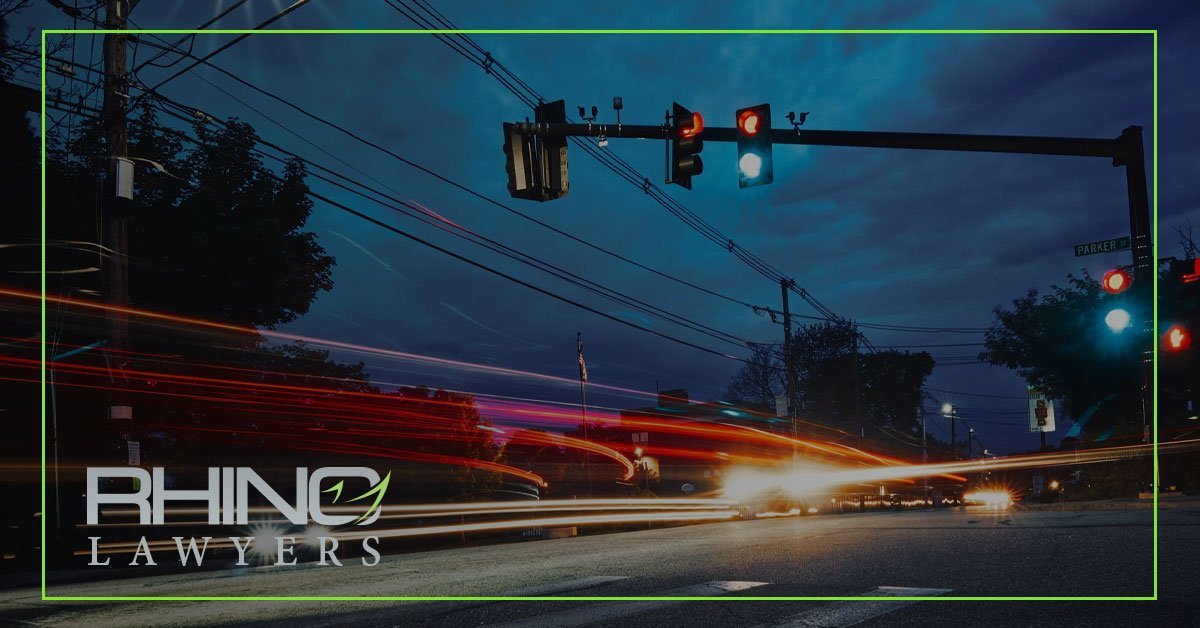
What Is The Blue Light On Some Traffic Signals For
You’re driving through an intersection late at night, and something catches your eye: a blue light glowing above the traffic signals. You weren’t speeding, you didn’t run a red light, so what is it for?
This small but noticeable addition to some traffic lights isn’t just for decoration. It plays a crucial role in law enforcement that allows officers to spot violations more efficiently without needing to be in direct line of sight.
But how exactly does it work, and why are more cities installing them? Keep reading to uncover the surprising purpose behind these blue lights and what they mean for drivers.
Blue Lights on Traffic Signals
Blue lights on traffic signals are small, often unnoticeable at first, but they serve a specific function in law enforcement. These lights are mounted on or near standard traffic signals, usually facing away from the driver’s direct line of sight.
Their placement is intentional; they are not designed for drivers but rather for police officers monitoring traffic from a distance.
Unlike the familiar red, yellow, and green traffic signal colors, blue lights provide a different advantage. When a traffic light turns red, the blue light illuminates simultaneously, allowing officers to see the change from various angles, even if their view of the main traffic light is obstructed.
This design helps police enforce red-light violations more efficiently without needing to position themselves right next to an intersection.
The blue traffic light function makes it easier to monitor multiple lanes of traffic at once. Instead of focusing on one direction, officers can observe violations from:
- Side streets
- Parking lots
- Hidden vantage points
That means fewer instances where drivers attempt to fight red-light tickets by claiming the officer didn’t have a clear view. Since blue lights mirror the red light’s status, there is no delay, making enforcement nearly instantaneous.
Why Are Blue Lights Installed?
The purpose of blue signals is straightforward. They improve traffic law enforcement, especially at busy intersections where monitoring violations can be difficult. Cities have been adopting them as a way to increase compliance with traffic laws while reducing the resources needed for enforcement.
How Blue Lights Help Police Identify Violations
Unlike traditional enforcement methods, blue lights allow officers to identify red-light violations without needing to be in direct line of sight with the traffic signal itself. This is particularly helpful in urban areas where trees, buildings, or other vehicles may block visibility.
Some reasons cities install these lights include:
- Better visibility of red-light violations from multiple angles
- Reduced need for officers to be directly at the intersection
- Lower risk of officers engaging in unsafe chases to catch offenders
- Increased accuracy in ticketing, leading to fewer disputed citations
Impact on Traffic Compliance
Studies suggest that red-light running is a leading cause of intersection-related crashes. According to the Insurance Institute for Highway Safety (IIHS), in 2022 alone, red-light running led to nearly 1,149 fatalities and around 107,000 injuries in the U.S.
Blue lights help reduce these numbers by increasing enforcement efficiency, which, in turn, discourages drivers from attempting to beat the light.
How Law Enforcement Uses Blue Lights
Police departments use blue lights in a way that significantly improves their ability to monitor and enforce red-light violations. Officers no longer need to position themselves dangerously close to intersections or rely on their reaction time to catch violations.
Monitoring From a Distance
With blue lights, officers can monitor intersections from various vantage points, including side streets, gas stations, or even areas further back from the intersection. This allows them to observe violations without being obvious to drivers.
Are Blue Lights Replacing Red-Light Cameras?
In some areas, blue lights are used alongside or instead of red-light cameras. While cameras can capture violations automatically, they are controversial due to privacy concerns and the potential for errors in ticketing. Blue lights give officers the ability to enforce traffic laws in real-time, rather than relying on automated systems.
Several cities, such as Orlando and Miami, have expanded their use of blue lights because they allow law enforcement to be more proactive while addressing concerns over automated surveillance.
Are Blue Lights Legal in All States?
Not every state has adopted blue lights on traffic signals, and some areas have regulations that limit their use. While they are commonly seen in states like Florida, North Carolina, and Ohio, some jurisdictions still rely on traditional methods of enforcement.
Some opponents argue that blue lights create confusion for drivers, especially those unfamiliar with their purpose. While they are not meant to be followed like standard traffic lights, some drivers mistakenly believe they indicate a change in signal timing. Others worry about potential misuse, claiming they could be used as a form of increased surveillance.
So far, there are no federal regulations against blue lights on traffic signals, but local governments decide how and where they are installed.
Common Misconceptions About Blue Lights
Many drivers have misconceptions about blue lights and their function. These misunderstandings can lead to confusion, unnecessary concerns, or incorrect assumptions about their role in traffic enforcement.
Myth: Blue Lights Are an Extra Traffic Signal
Some drivers think the blue light is an indicator they need to follow, similar to how they obey red, yellow, and green lights. That is not the case. The blue light is only visible to law enforcement and serves no function for regular drivers.
Myth: Blue Lights Track Speeding
A common assumption is that blue lights work like speed cameras. However, they do not track speed, measure acceleration, or issue automated tickets. They strictly indicate when a traffic light turns red, allowing officers to determine if a driver violated the signal.
Stay Aware and Stay Ticket-Free
Blue lights on traffic signals aren’t a mystery anymore. They’re a practical tool for law enforcement, making it easier to spot red-light violations while keeping officers out of direct traffic. Their use is growing, and whether you agree with them or not, they’re a part of modern traffic control.
For drivers, getting caught at one of these intersections could mean a ticket, and that’s where RHINO Lawyers can help. We focus on fighting traffic citations, offering a no-court, no-points, or your money-back guarantee. Our team uses innovative legal strategies to challenge tickets and protect your driving record.
Schedule a free consultation today and find out how we can fight for you.
CONTACT TAMPA TRAFFIC TICKET ATTORNEY
RHINO Lawyers can help and guide you through a system molded by law enforcement, judges, and lawyers for decades. Having won cases for our clients in similar circumstances, our criminal defense team knows what it takes to fight on your behalf.
Let RHINO Lawyers answer your questions and review the facts of your case with a Free Consultation. So, get started by completing the “Free Instant Case Evaluation” or by calling us any time, day or night, at (844) RHINO-77.
Read More
Can Homeland Security Arrest You for a DUI in Florida?
A DUI (driving under the influence) is a serious charge in Florida. In fact, in one month alone, DUIs can contribute to over 470 car crashes resulting in more than 40 fatalities and 40 cases of bodily injuries. This data comes directly from Florida’s Highway Safety and Motor Vehicles (FLHSMV) Department.
Typically, penalties range from fines to even imprisonment, depending on the severity of the case. However, what if you’re charged with a DUI in Florida on federal property? Can a Homeland Security agent arrest you for driving under the influence?
This answer is YES. Homeland Security has the authority to arrest any driver for a DUI on federal property. Thus, this also includes entries to federal properties like ports and military base entries.
Learn more about Homeland Security processes for Florida DUI penalties.
Where Can Homeland Security Make a DUI Arrest?
A Homeland Security agent would make a DUI arrest while on duty on federal property. Their typical duties involve issues of national security, immigration matters, and border security. However, an agent may make a DUI arrest if they witness driving under the influence on federal property.
There are several types of federal properties to know about in Florida.
Florida’s national parks are federal property. So, a federal agent may arrest drivers under the influence on the premises. This also applies to federal courthouse property, and federal courts handle these DUI cases.
If a Homeland Security agent suspects you’re driving under the influence on a military base, they may arrest you for a DUI. And, the same applies to any other federal agents who have the power to make DUI arrests.
Federal Homeland Security agents can make DUI arrests at Florida’s border crossings. Suspected DUI behavior at seaports, patrol airports, and other federal ports of entry can also lead to federal DUI arrests.
In some cases, federal agents may make DUI arrests near schools or religious institutions, depending on the circumstances.
It’s important to note that Homeland Security agents don’t typically patrol public properties and roads. If a Homeland Security agent arrests a driver on a public road, the agent may be conducting border security work. The agency may hand the case over to the state in this case.
Cases of DUI arrests made by Homeland Security are complex and require legal expertise.
What Are Your DUI Arrest Rights In These Cases?
It’s important to remember that you have the same DUI arrest rights on federal property as you do on public property.
You have the right to:
- Remain silent and not answer any questions from the arresting Homeland Security agent
- Be informed of the DUI charges made against you
- A lawyer or one will be appointed to you
- Challenge the DUI evidence against you in court
- Request a court hearing within 10 days of the arrest
- A fair trial in your case
While your rights remain the same, you may be subject to harsher federal penalties for a DUI charge. Depending on the case, you may be subject to federal sentencing. The case may go to the state, depending on the charge and location.
The Legal Complexities of DUI Arrests By Homeland Security
There are complexities involved in any DUI arrest made by a federal officer. The first complex legal question pertains to jurisdiction. If the DUI arrest was made on a public road, the state court has jurisdiction in the case, even if the arrest was made by a federal agent.
The next question is whether a federal DUI case could be moved to state court. Only an experienced lawyer can answer this question. That’s why contacting a lawyer immediately should be your top priority in this case.
If you’re an immigrant, being charged with a DUI by Homeland Security could impact your immigration status. An experienced lawyer can give you the proper legal advice in this case.
Homeland Security agents must follow the same procedural protocols for making a DUI arrest. Like Florida police officers, they’re responsible for collecting DUI evidence properly before making an arrest. If the federal agent doesn’t follow these protocols properly, a lawyer can challenge their evidence in court before a judge.
Putting Together a DUI Legal Defense
Your first step is to contact a lawyer after your Homeland Security DUI arrest. You may also contact a trusted family member who can also get in touch with a lawyer.
If possible, collect as much evidence as you can about your DUI arrest, including:
- Eyewitness testimony
- The location of the DUI
- The arresting agent’s information
- Time and date of the incident
- DUI protocols followed (or not followed)
For example, a Homeland Security agent is still mandated to calculate BAC levels to determine a DUI. If law enforcement protocols for DUI arrests aren’t followed, a lawyer can challenge the charge in court.
The case may stay in federal court or be sent to state court, depending on the circumstances.
Take advantage of a free case consultation to get exceptional legal analysis. This step will point you in the right direction. RHINO Lawyers will provide a free case evaluation to ensure you receive the best legal advice possible.
Get Exceptional Advice After a Homeland Security DUI in Florida
Whether you’re arrested by a Homeland Security agent or a state police officer, you have the same DUI arrest rights. So, remember the above tips during your arrest and to keep calm. Your first step is to call a law firm that can provide a detailed consultation, providing exceptional legal advice for your case.
At RHINO Lawyers, we’re happy to provide a free case evaluation for your Homeland Security DUI arrest. We know what it takes to defend a DUI in Florida court and can help you navigate the complexities of your case.
We’re a team of experienced lawyers and legal professionals dedicated to the rights of our communities. We believe in rapid response to our clients’ needs and bring over a decade of experience to multiple practice areas.
Start your free case evaluation today or contact us to learn more about our firm.
CONTACT TAMPA TRAFFIC TICKET ATTORNEY
RHINO Lawyers can help and guide you through a system molded by law enforcement, judges, and lawyers for decades. Having won cases for our clients in similar circumstances, our criminal defense team knows what it takes to fight on your behalf.
Let RHINO Lawyers answer your questions and review the facts of your case with a Free Consultation. So, get started by completing the “Free Instant Case Evaluation” or by calling us any time, day or night, at (844) RHINO-77.
Read More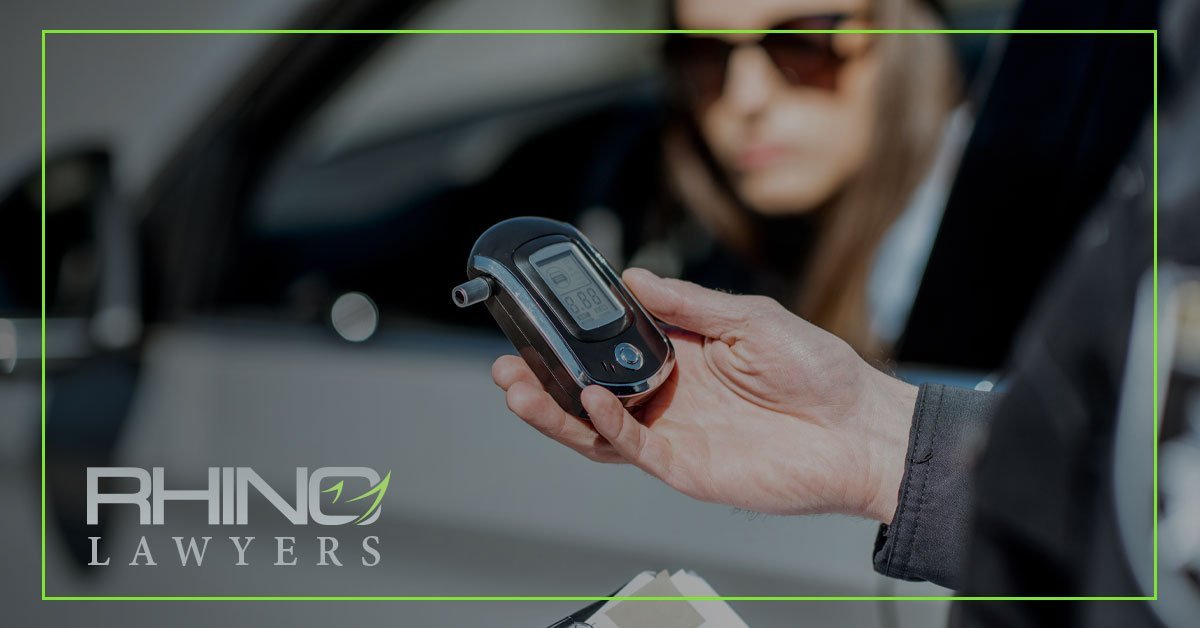
Is a DUI With a Minor in the Car Automatically a Felony in Florida?
A Cornerstone Healing Center post, citing CDC data, states that drunk-driving crashes cause about 1 in 5 child passenger deaths yearly.
Florida enforces strict DUI laws to reduce these tragedies. Police closely monitor impaired drivers, especially those with minors in the car.
If you’re facing a DUI with a child passenger, penalties can be severe. You may face heavy fines, license suspension, or even felony charges.
But is it always a felony? Understanding the law can help you prepare. Read on to learn whether a DUI with a minor in the car in Florida automatically results in felony charges.
DUI With a Minor in Car: Misdemeanor or Felony?
A first-time DUI with a minor in the car is usually a misdemeanor in Florida. So it’s not an automatic felony. However, it can be a felony if there are other aggravating circumstances, such as:
- A high BAC (0.15% or higher)
- Multiple past DUI convictions
- Causing injury to the child or another person
- Driving with a suspended license
- Reckless driving or excessive speeding
- Refusing a breath or blood test after arrest
A felony means harsher DUI penalties, including longer jail time and bigger fines. It also stays on your record for life.
Potential Penalties for a DUI With a Minor in Florida
Knowing the penalties can help you understand how to handle the issue. The consequences depend on the details of your case. A first-time offense may bring lighter penalties, while repeat violations can lead to harsher punishment.
Child Endangerment DUI Charge
A DUI with a minor is often considered a child-endangerment DUI in Florida. This means you could face additional charges beyond a regular DUI.
Prosecutors may argue that you put the child’s life at risk. If convicted, you could face higher fines, longer jail time, or even a felony charge. A child endangerment conviction also makes it harder to reduce penalties through plea deals.
License Suspension
A DUI with a minor often leads to a suspended license. The suspension period depends on past offenses and BAC level.
For a first offense, you may lose your driving privileges for six months to a year. If you have prior convictions, the suspension can last several years. In some cases, you may qualify for a hardship license, allowing you to drive for work or school.
Jail Time
Jail time is possible, especially if a minor was in the car. Repeat offenders face harsher penalties.
Even first-time offenders may serve time, depending on their case. A high BAC or past convictions can increase the sentence.
If an accident occurred, the penalty could be several years in jail. Courts consider the impaired driving risks when determining punishment.
Increased Fines
According to Florida Highway Safety and Motor Vehicles (FLHSMV), a first-time offender faces a fine between $500 and $1,000.
If a minor is in the car, the fine increases. The amount must be at least $2,000 but cannot exceed $4,000.
Repeat offenders face even steeper fines. In some cases, the court may impose penalties of up to $5,000. Additional court fees and alcohol treatment costs may also apply.
Community Service
Florida often requires community service for DUI sentences. First-time offenders must complete a set number of hours.
If you can’t finish the hours, you may pay a fine instead. Repeat offenders face longer hours or stricter penalties. Community service allows offenders to give back while reflecting on their actions.
Legal Defenses for a DUI With a Minor in the Car Charge
After a DUI arrest, you may need to explore different legal defenses. The goal is to choose the best one for your case. When used properly, a defense can help minimize DUI penalties and improve your outcome.
Illegal Traffic Stop
If a police officer stopped you without reasonable cause, your defense could be an illegal traffic stop. The officer must have a valid reason to pull you over. If the stop was unlawful, any evidence gathered might be thrown out.
To prove the stop was illegal, you can show the officer had no probable cause or suspicion of wrongdoing. You can support your case with:
- Video Footage
- Witness testimony
- Data like traffic camera recordings
Faulty Sobriety Tests
Field sobriety tests (FSTs) measure impairment, but they’re not always reliable. These tests depend on the officer’s judgment and the conditions. The test results may be inaccurate due to:
- Poor weather conditions such as rain or fog
- Physical or medical conditions affecting balance
- Inadequate test administration by the officer
- Stress or nervousness influencing performance
- Uneven or dangerous surfaces for the test
If any of these factors affect the results, it may weaken the case against you. The court may consider these issues when deciding your sentence.
Lack of Proof of the Minor’s Presence
To be charged with a DUI with a minor in the car, the prosecution must prove the minor was present. If they cannot show the child was in the vehicle during your arrest, the charge may be dropped or reduced.
Police might charge you with a DUI with a minor even if no child was in the car. This could happen if the officer made an error or misinterpreted the situation. Inaccurate reports or assumptions about passengers can lead to incorrect charges.
Necessity to Drive
Certain circumstances might force you to drive a car with a minor while under the influence. For example, you may have had to drive to avoid a dangerous situation or emergency.
The court may reduce your charge if you can prove that this was the case. However, this defense only works if you can provide enough evidence to prove the necessity to drive.
Facing a DUI With a Minor in the Car Charge? Seek Legal Help
A DUI with a minor in the car charge can lead to severe penalties, even though it’s not automatically a felony. Understanding the charges you face and seeking exceptional legal help is crucial to minimize the impact.
At RHINO Lawyers, we have over a decade of experience handling DUI cases. We pride ourselves on forming partnerships with our clients.
Our team will guide you through the legal process, keeping you informed every step of the way. Contact us today for the legal support you need.
CONTACT TAMPA TRAFFIC TICKET ATTORNEY
RHINO Lawyers can help and guide you through a system molded by law enforcement, judges, and lawyers for decades. Having won cases for our clients in similar circumstances, our criminal defense team knows what it takes to fight on your behalf.
Let RHINO Lawyers answer your questions and review the facts of your case with a Free Consultation. So, get started by completing the “Free Instant Case Evaluation” or by calling us any time, day or night, at (844) RHINO-77.
Read More
Why Professional Drivers Must Contest Every Traffic Ticket
Are you a professional driver by trade or looking to earn a commercial driver’s license (CDL) soon? This career path requires a thorough review of driving laws in your state. Florida, like most states, imposes harsher penalties on professional drivers who don’t follow traffic regulations.
Professional drivers who are ticketed may face the following consequences:
- Traffic violation points against their driver’s license and CDL
- Possible revocation or suspension of a CDL
- Costly legal fines
These consequences may also increase your insurance premium rates if you’re a professional driver. As a CDL holder, you must contest a traffic ticket as promptly as possible to safeguard road safety and your career.
Take note of the following legal tips for traffic tickets in the state of Florida.
Types of CDL Traffic Offenses
Professional drivers are subject to the same traffic violations as regular class D license holders, except, CDL holders may be subject to much harsher penalties and more serious charges.
Several careers require a CDL, including:
- Taxi drivers
- Transportation drivers
- Delivery truck drivers
- Driving instructors
- Professional movers
- Chauffeurs
- Equipment operators
In Florida, you must go through the necessary testing and training to earn a CDL, which includes reviewing the last 10 years of your driving record. Therefore, keeping a clean driving record should be the number one priority of every current and aspiring professional driver.
Florida enforces several types of traffic regulations, impacting all professional driving sectors. These traffic offenses include:
- Reckless driving on the road
- An unsecured truckload
- Driving over the speed limit
- Improper lane changes
- DUI offenses (driving under the influence)
- Running red lights and stop signs
- Refusing to yield
- Following a vehicle too closely
- Leaving an accident scene
- Driving a professional vehicle without insurance
The above violations are just some of the possible charges that every professional driver in Florida must know. It’s important to note that CDL drivers can’t attend a local driving school to remove license points; therefore, every professional driver must fight every traffic violation.
How to Approach CDL Traffic Violations
The first step any professional driver should take in the event of a traffic violation is to contact an attorney. Professional drivers are subject to both state and federal traffic regulations and must notify Florida’s Department of Highway Safety and Motor Vehicles (FLHSMV) of the violation. Drivers have up to 30 days to notify the FLHSMV.
Even a minor traffic violation requires legal representation in court to protect your driving record; this type of charge also includes failure to pay unpaid parking tickets. A DUI or injury-causing traffic accident is considered a major offense; however, all drivers should be steadfast in fighting all traffic violations.
Traffic Ticket Legal Advice
Contact an attorney who focuses on professional driving violations as quickly as possible. Research the practice areas of local attorneys to find the right experience for your case. For example, RHINO Lawyers has a practice area for traffic tickets on its website.
Under this practice area, you’ll find traffic violation defense expertise in the following areas:
- Speeding
- Stop signs
- Traffic control
- Toll violations
- Careless driving
- Misdemeanors and felony violations
Look for language that understands that a ticket doesn’t equate to guilt. For example, a professional driver may be ticketed for speeding, but that doesn’t make the charge true. If there isn’t sufficient proof of a violation, an attorney can fight the charge in court by proving a lack of evidence, gathering eyewitness testimony, and proving procedural errors.
Lack of Evidence
An experienced defense attorney will challenge a prosecutor’s evidence against you. If the evidence isn’t sufficient, there’s a much greater chance of the case being dismissed in court, especially in cases where video evidence doesn’t prove the charge
Eyewitness Testimony
If a prosecutor fails to produce sufficient evidence against you, a traffic ticket attorney will produce eyewitness testimony from the scene if available; this method is typically used in traffic accident cases. This step speaks to the importance of calling an attorney as soon as possible after a violation.
Procedural Errors
An experienced traffic defense attorney can prove mistakes made by a ticketing officer, also known as procedural errors. If a lawyer can prove this error, the case is more likely to be dismissed by the judge. Not following procedures properly is also grounds for dismissal.
How to Find a Traffic Violation Defense Team to Contest a Traffic Ticket
Every professional driver should have a legal solution ready to go. It’s also never too late to research local law firms with demonstrated legal experience in practice areas that impact your career, especially traffic tickets.
Never appear in court on your own nor take on your own defense in court. Look for a team that appears in court for you like RHINO Lawyers. Experienced attorneys know how to negotiate with police departments and present evidence effectively.
Experienced law firms also provide free case consultations to ensure that you’re hiring the right team for your case. This is your opportunity to discuss as many details as possible; an attorney will also gather all necessary evidence, strengthening your case in court.
You can also receive a free quote to estimate the cost of fighting traffic fines. Never underestimate the value of this return on investment. Not only are you more likely to have a case dismissed in court, but you can keep your clean driving record without negatively impacting your career.
Fight Traffic Fines the Right Way
Don’t risk your professional driving career by defending yourself in court. Increase your chances of having your case dismissed in court with the right legal team by your side. Consider the above points moving forward as you safeguard your career future on the road.
RHINO Lawyers’ experience is the ideal solution for professional drivers across the industry spectrum. Whether you’re a taxi driver or operate a delivery truck, you can’t waste a moment after receiving a traffic ticket. We know how important it is to contest a traffic ticket.
At RHINO Lawyers, we pride ourselves on being a forward-thinking law firm that acts quickly to meet the legal needs of our community. We apply the latest technological platforms and data-driven expertise to win cases and keep driving records clean. We’re also reachable by online chat and a 24-hour hotline.
Contact us today to discuss your case.
CONTACT TAMPA TRAFFIC TICKET ATTORNEY
RHINO Lawyers can help and guide you through a system molded by law enforcement, judges, and lawyers for decades. Having won cases for our clients in similar circumstances, our criminal defense team knows what it takes to fight on your behalf.
Let RHINO Lawyers answer your questions and review the facts of your case with a Free Consultation. So, get started by completing the “Free Instant Case Evaluation” or by calling us any time, day or night, at (844) RHINO-77.
Read More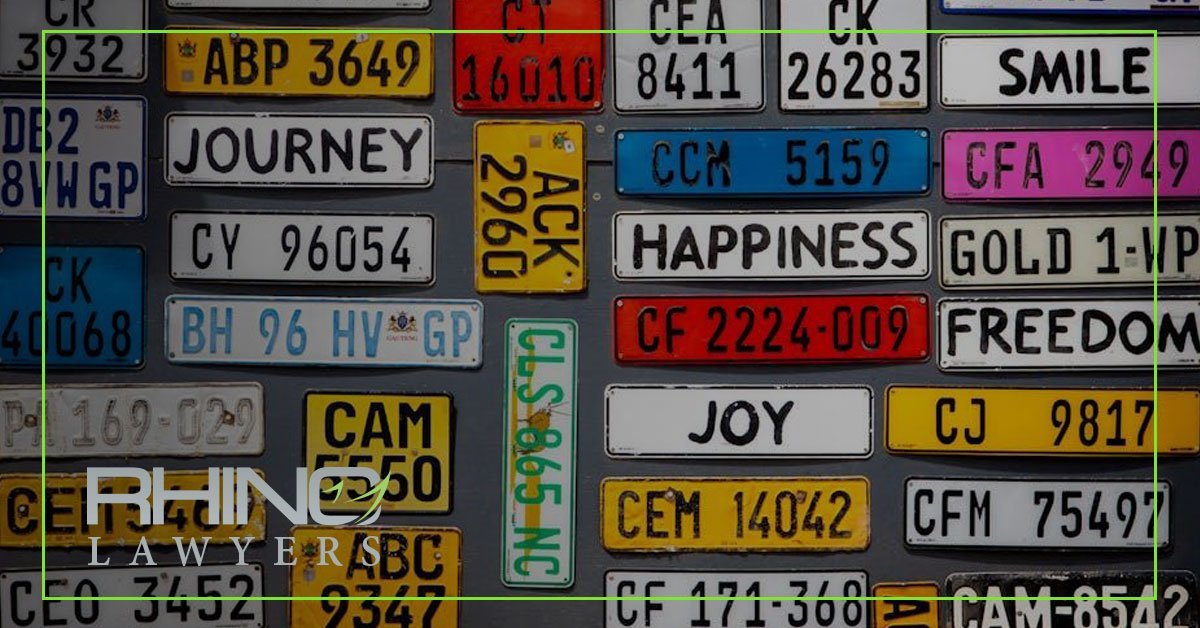
Illegal License Plate Personalization: What You Need To Know
CivicScience reports that 18% of people in the US have owned a personalized license plate before – and they tend to be happier than those without one.
A vanity plate lets you personalize your car with custom letters or numbers, making it fun and unique. Thinking of getting one? Before you apply, it’s important to understand the rules.
Some custom plates are banned which could lead to legal problems. Keep reading as this blog uncovers what you need to know about illegal license plate personalization.
Commonly Rejected Personalized Plates
If you want a personalized license plate, you must apply through your state’s DMV. The process includes selecting a design, choosing your letters or numbers, and paying a fee. Officials will then review your request to ensure it follows license plate laws.
You cannot skip this process. Even if your choice seems harmless, it must be approved. If it breaks the rules, the DMV will reject it.
Most states reject custom plate applications due to:
- Vulgar or offensive words
- Racist or discriminatory terms
- Plates that look like government vehicles
- References to illegal activities
- Plates that encourage reckless driving (e.g., “SPD KNG”)
- Misleading numbers or letters that resemble existing plates
If your request is denied, you’ll need to choose a different combination. Following the rules from the start can save you time and money. Always check your state’s guidelines before applying.
The Risks of Personalizing Your Plate Illegally
Many people think customizing a license plate is harmless. They assume a rejected request is the worst that can happen. But breaking the rules can bring serious trouble.
Every state has strict rules about what can appear on a plate. Ignoring these rules can result in severe illegal plate consequences.
Fines and Penalties
Fines for illegal plates vary by state and can reach hundreds of dollars. Some states also charge extra fees if you need to submit a new request.
If police stop you for an illegal plate, the penalty can be worse. You could face traffic violation penalties, adding points to your driving record. Too many points may lead to license suspension.
Registration Suspension
A custom plate is tied to your vehicle registration. If your plate doesn’t meet state regulations, officials can suspend your registration. This means you won’t be able to legally drive your vehicle until you fix the issue.
Driving with a suspended registration is a serious offense. If caught, you could face additional penalties and fines. In some states, you may need to pay a reinstatement fee before you can register your vehicle again.
Plate Confiscation
If law enforcement notices an illegal plate on your car, they can take it away immediately. This often happens during routine traffic stops or inspections. Without a valid plate, you can’t drive your vehicle legally.
In some cases, you may need to visit the DMV to apply for a new, legal plate. This process can take time and require additional fees. If your plate was linked to another violation, the process could be even longer.
Increased Scrutiny
Once you’ve been flagged for an illegal plate, you may face more frequent stops by law enforcement. Officers may check your registration more often, leading to additional inspections.
This extra attention can be frustrating, especially if you often drive in areas with a heavy police presence. Even if you fix your plate, your vehicle might still be on record for past violations. This could lead to delays and extra questioning in future traffic stops.
Increased scrutiny can also impact your driving experience. You may feel nervous about being pulled over, even if you’ve corrected the issue.
Vehicle Impoundment
In serious cases, authorities may impound your vehicle if you continue using an illegal plate. This usually happens if the plate is linked to fraud or repeated violations.
Getting your vehicle back can be expensive. You’ll need to pay impound fees, storage costs, and possibly fines before it’s released. Some states also require you to fix the plate issue before retrieving your car.
Insurance Issues
If your plate is flagged as improper, your insurance company may see you as a higher-risk driver. This could result in higher premiums or even policy cancelation.
Some insurance companies require valid registration and legal plates for coverage. If your registration is suspended due to an illegal plate, your insurer may refuse to cover accidents or claims.
Fixing insurance problems can be costly and time-consuming. If your policy is canceled, finding a new provider may be difficult. To prevent these issues, ensure your plate follows state regulations.
What to Know Before Applying for a Personalized Plate
You can be creative with your plate, but you must follow plate customization regulations. Each state enforces rules to ensure plates are clear, readable, and appropriate.
Your plate must always be visible. Faded letters, blocked numbers, or covered designs can lead to fines. Some states restrict special fonts or colors that affect readability.
Offensive words, misleading numbers, or references to illegal activities are also banned. Even innocent phrases may be rejected if they have double meanings.
Size and design matter, too. Plates must meet standard dimensions and use approved lettering. Before customizing, check your state’s guidelines to avoid fines.
Can You Appeal a Rejected Plate?
Yes, you can appeal if your custom plate is rejected. However, success is rare. Most appeals fail unless you can prove the rejection was unfair or a mistake.
To appeal, you usually need to submit a formal request. Some states require a written explanation or supporting evidence.
The review process can take weeks or even months. Even if approved, you may still face restrictions.
Seek Help for Illegal License Plate Personalization Issues
Breaking plate laws can lead to fines, suspension, or even vehicle impoundment. Many people underestimate the risks, but the consequences can be serious. Always follow the rules to avoid legal trouble.
If you’re dealing with illegal license plate personalization issues, consider getting legal help. At RHINO Lawyers, we offer fast, modern, and reliable legal support.
We communicate on your terms – text, social media, or video calls. Contact us today for exceptional legal help with your case.
CONTACT TAMPA TRAFFIC TICKET ATTORNEY
RHINO Lawyers can help and guide you through a system molded by law enforcement, judges, and lawyers for decades. Having won cases for our clients in similar circumstances, our criminal defense team knows what it takes to fight on your behalf.
Let RHINO Lawyers answer your questions and review the facts of your case with a Free Consultation. So, get started by completing the “Free Instant Case Evaluation” or by calling us any time, day or night, at (844) RHINO-77.
Read More