

DUI Enforcement in Tampa: Laws, Checkpoints & Your Rights
DUI enforcement in Tampa continues to ramp up. In a recent initiative, 41 people were arrested during a weekend crackdown, highlighting how seriously local agencies take impaired driving.
Even a first DUI charge can bring lasting consequences. Understanding Tampa DUI laws and checkpoint procedures helps protect DUI rights in Tampa and may even affect the outcome of a case.
This legal guide for DUI charges covers everything from BAC limits and penalties to what to expect at Tampa DUI checkpoints. Whether someone is facing charges or wants to be prepared, staying informed is the first step.
Tampa DUI Laws Explained
Florida Statute 316.193 defines DUI as driving or being in actual physical control of a vehicle while impaired by alcohol, drugs, or both. “Actual physical control” means a person doesn’t need to be driving to face charges, so simply having access to the keys and sitting behind the wheel can be enough.
In Florida, the legal blood alcohol concentration (BAC) limit for adults is 0.08%. For drivers under 21, Florida enforces a zero-tolerance policy, with penalties starting at a BAC of 0.02%. Even small amounts of alcohol can lead to charges for young drivers.
Florida law also covers drug impairment without requiring a BAC measurement. Law enforcement can use observed behavior, field sobriety tests, or chemical testing to support DUI charges involving prescription or illegal substances. This broader authority helps officers enforce DUI laws more effectively.
DUI Penalties and Long-Term Impact
Florida law sets clear penalties for DUI offenses. First-time convictions may lead to jail time, fines, and suspension of driving privileges. Repeat offenses bring harsher consequences, including longer suspensions and mandatory use of ignition interlock devices. The severity depends on factors such as BAC level and prior records.
Penalties increase significantly if a DUI causes bodily injury or property damage. Such cases often lead to felony charges and extended jail time. Beyond legal penalties, a DUI conviction affects many areas of life long after the sentence ends.
Potential impacts to consider:
- Difficulty securing or keeping certain jobs
- Increased auto insurance premiums
- Permanent criminal record affecting background checks
- Restrictions on professional licenses or certifications
Tampa DUI Checkpoints and Patrols
DUI checkpoints help law enforcement identify impaired drivers early to keep roads safer. The U.S. Supreme Court ruled in Michigan Dept. of State Police v. Sitz (1990) that sobriety checkpoints are constitutional when conducted properly. Florida follows this ruling along with guidelines from the Florida Department of Law Enforcement.
Key checkpoint requirements include:
- Public notice of checkpoint locations ahead of time
- Use of safe, well-lit areas for stops
- Brief and consistent questioning of all drivers
- Presence of a supervising officer at the checkpoint
- Minimal detention time to reduce inconvenience
How Florida Handles DUI Enforcement
DUI enforcement in Tampa includes both publicized checkpoints and unannounced saturation patrols. Checkpoint details must be shared in advance, but announcements often list only general locations or timeframes. Drivers may still be surprised, even when operations follow legal notice rules.
Saturation patrols target high-traffic or high-risk areas without prior public notice. Officers monitor behavior and stop drivers showing signs of impairment. These patrols are a key part of DUI enforcement in Tampa and often run alongside checkpoint activity.
Your Rights at DUI Checkpoints
Every driver stopped at a checkpoint has the right to remain silent and avoid self-incrimination. Calm, respectful responses help keep the interaction smooth while protecting important legal rights. Speaking less can prevent accidental statements that might complicate a case later.
Refusing field sobriety or breath tests remains an option, but refusal triggers specific legal consequences. Under Florida law, drivers may face automatic license suspension when tests are declined. Knowing this ahead of time allows for clearer decision-making under pressure.
Law enforcement officers must follow strict protocols during checkpoint stops, including proper notice and reasonable detention times. If officers fail to meet these standards, attorneys may challenge the stop’s validity. Courts can exclude evidence obtained improperly, safeguarding rights through the legal process.
Navigating DUI Charges in Tampa
Getting arrested at a DUI checkpoint starts a legal process that unfolds over several steps. After the arrest, the officer usually takes you to a booking facility where they collect information, fingerprints, and may administer chemical tests. Depending on the situation, you might be released on bond shortly after booking.
An arraignment hearing typically happens within a few days or weeks after an arrest. The court will formally read the charges and ask for your plea. If you haven’t been released yet, the judge will decide on bail or bond conditions at this time. Understanding each step helps reduce uncertainty and prepares you to respond confidently.
Keeping track of appointments, court dates, and paperwork plays a big role in managing the process. Staying organized and informed helps protect your rights and supports your defense.
Legal Representation After a DUI Arrest
DUI charges involve complex laws and procedures that can be difficult to navigate without professional help. An experienced attorney guides you through the process, explains options, and builds a defense tailored to the case. Early legal advice can identify mistakes in the arrest or checkpoint procedures that might affect the outcome.
Having a lawyer also helps in negotiating plea deals or seeking alternatives to harsher penalties. Representation ensures rights stay protected throughout every step, from arraignment to possible trial. Legal support provides confidence and clarity during a stressful time.
How a DUI lawyer helps:
- Reviews evidence and police reports for accuracy
- Challenges improper checkpoint or arrest procedures
- Explains rights and legal options clearly
- Negotiates reduced charges or alternative sentencing
- Represents you in court hearings and at trial
- Advises on license suspensions and reinstatement processes
Protect Your Future After a Tampa DUI Arrest
A DUI stop can escalate quickly, from roadside questions to arrest and court dates. With DUI enforcement in Tampa including both announced checkpoints and surprise patrols, knowing how the system works offers you a major advantage.
RHINO Lawyers brings real courtroom experience to every case, with a legal team focused specifically on traffic and DUI defense. We don’t just handle paperwork; we challenge weak charges and fight to protect your record.
Don’t face the system without support from attorneys who know how it works. Reach out now for a free case review.
CONTACT TAMPA TRAFFIC TICKET ATTORNEY
RHINO Lawyers can help and guide you through a system molded by law enforcement, judges, and lawyers for decades. Having won cases for our clients in similar circumstances, our criminal defense team knows what it takes to fight on your behalf.
Let RHINO Lawyers answer your questions and review the facts of your case with a Free Consultation. So, get started by completing the “Free Instant Case Evaluation” or by calling us any time, day or night, at (844) RHINO-77.
Read More
Florida DUI Laws for Marijuana
Driving under the influence (DUI) in Florida doesn’t only apply to alcohol. If you’re caught operating a vehicle while impaired by drugs, including marijuana, you can be charged with a DUI. This includes both recreational and medical marijuana, even if legally prescribed.
In 2024, Florida had around 890 thousand medical cannabis patients, according to Statista.com.
Unlike alcohol, where impairment is measured with a blood alcohol concentration (BAC), marijuana DUI cases are often more subjective and complex. This article explores how Florida handles DUIs involving marijuana, the penalties you may face, and what you need to know about DUI laws in Florida to stay on the right side of the law.
Is Marijuana Legal in Florida?
As of now, recreational marijuana is illegal in Florida, but medical marijuana is legal for qualifying patients who have been certified by a physician and possess a valid Medical Marijuana Use Registry Identification Card.
That said, legal use of marijuana (even for medical purposes) does not exempt you from DUI laws in Florida. If law enforcement determines that you’re impaired while driving, you can be arrested and charged.
Florida’s Definition of DUI
Under Florida Statutes §316.193, a person is guilty of a DUI if they are:
“Driving or in actual physical control of a vehicle within this state while under the influence of alcoholic beverages, any chemical substance… or any substance controlled under chapter 893, when affected to the extent that the person’s normal faculties are impaired.”
THC, the psychoactive compound in marijuana, is a Schedule I controlled substance under Florida law, meaning it qualifies under the statute.
In simpler terms, if you’re under the influence of marijuana and it affects your judgment, motor skills, coordination, or reaction time, you can be charged with a DUI, even if you’re a medical marijuana cardholder.
No Legal Limit: Unlike Alcohol
One of the biggest challenges with marijuana DUIs is the lack of a clear impairment threshold. With alcohol, Florida has a legal BAC limit of 0.08%. For marijuana, there’s no such number.
Instead, officers rely on:
- Behavioral signs of impairment
- Performance on field sobriety tests (FSTs)
- Statements or admissions from the driver
- Observations (e.g., bloodshot eyes, smell of cannabis)
- Drug recognition expert (DRE) evaluations
- Urine or blood test results
The presence of THC in your system does not automatically prove impairment because THC can remain detectable for days or even weeks after use. This makes marijuana DUI cases more subjective and open to legal challenges.
How Police Detect Marijuana DUIs
If an officer suspects you’re under the influence of marijuana during a traffic stop, they will likely:
- Observe your behavior: Slurred speech, confusion, slow responses, or poor coordination can raise suspicion.
- Conduct field sobriety tests: These include tests like walking in a straight line or standing on one leg.
- Ask for consent to search the vehicle: They may look for cannabis or paraphernalia.
- Use a drug recognition expert (DRE): A specially trained officer may conduct an in-depth evaluation.
- Request a urine or blood sample: Florida’s implied consent law requires you to submit to chemical testing if lawfully arrested.
Refusing chemical tests can result in automatic license suspension and can be used as evidence against you in court.
Marijuana DUI Penalties in Florida
DUI penalties in Florida are severe, and a conviction, whether from alcohol or marijuana, can have lasting consequences. Here’s what you can expect:
First Offense:
- Up to 6 months in jail
- $500 to $1,000 in fines
- License suspension of 6 to 12 months
- DUI school and substance abuse counseling
- 50 hours of community service
- Vehicle impoundment for 10 days
Second Offense (within 5 years):
- Mandatory 10 days in jail, up to 9 months
- Fines between $1,000 and $2,000
- 5-year license revocation
- Ignition interlock device (IID) for at least one year
Third Offense (within 10 years):
- Felony DUI
- Up to 5 years in prison
- Fines up to $5,000
- 10-year license revocation
Additional penalties may apply if there was property damage, injury, or a minor in the vehicle.
Medical Marijuana and DUI: No Special Exemption
While Florida allows medical marijuana, being a cardholder does not protect you from DUI charges. The law explicitly prohibits driving while impaired, regardless of the drug’s legality or prescription status.
If you are a medical marijuana user:
- Use your medication responsibly and in safe environments
- Avoid driving after consumption, especially if you feel even slightly impaired
- Keep documentation and your card with you, but know it won’t excuse impaired driving
There’s no need to take chances with marijuana usage and driving. If you feel there’s even a small risk of you being under the influence, avoid driving.
There are so many other options, like getting an Uber or a taxi, or asking a sober friend to drive you home. Better to be safe than sorry in such cases.
Fighting a Marijuana DUI Charge
Because there’s no set THC limit and testing methods are flawed, marijuana DUIs can be difficult for prosecutors to prove, but only with the right DUI legal defenses. A knowledgeable Florida DUI attorney may challenge:
- The validity of field sobriety tests
- The qualifications of the arresting officer or DRE
- The reliability of chemical tests (especially urine tests)
- Whether there was probable cause for the traffic stop
- The accuracy of impairment assessments
If successful, charges may be reduced or dismissed, or penalties minimized.
Cannabis DUI Consequences
Even a first-time marijuana DUI conviction can affect:
- Employment opportunities, especially for commercial drivers
- Auto insurance rates
- Professional licenses
- College applications and scholarships
- Custody arrangements in family law
Additionally, DUI convictions in Florida are not eligible for expungement or sealing, meaning they stay on your permanent criminal record.
DUI Laws in Florida – Be Aware and Careful
DUI laws in Florida for marijuana are serious and carry long-term consequences. The best course of action is to avoid driving after any marijuana use, understand your rights, and seek legal counsel if charged.
RHINO Lawyers have won hundreds of cases for our clients and are ready to do the same for you. Don’t go at it alone when you are charged with a marijuana DUI, as a conviction can negatively affect so many aspects of your life.
Contact our team to learn more about your options so you can decide what’s best for you in such dire circumstances.
CONTACT TAMPA TRAFFIC TICKET ATTORNEY
RHINO Lawyers can help and guide you through a system molded by law enforcement, judges, and lawyers for decades. Having won cases for our clients in similar circumstances, our criminal defense team knows what it takes to fight on your behalf.
Let RHINO Lawyers answer your questions and review the facts of your case with a Free Consultation. So, get started by completing the “Free Instant Case Evaluation” or by calling us any time, day or night, at (844) RHINO-77.
Read More
Traffic Violations and Public Records: Who Can See Your Tickets?
Whether it’s a speeding ticket or a failure to stop at a red light, most drivers will receive a traffic violation at some point. In July 2024, for example, almost 200 citations were given in a matter of two weeks, as officers were cracking down on speeding and traffic violations, Fox 13 Tampa Bay reported.
But what happens to that ticket after it’s issued? Are traffic tickets public record, or is it just between you and the justice system?
Understanding how traffic violations are recorded and who can see them is essential for protecting your privacy, maintaining your driving record, and anticipating how these infractions may impact everything from insurance premiums to job prospects.
In this article, we’ll explore how traffic violations are documented, whether they become part of the public record, and who can legally view your driving history.
Are Traffic Tickets Public Record?
Yes, in most states, traffic violations are considered public record. This means that, generally speaking, the information is accessible by others, although the extent of access depends on local laws, the type of violation, and the record-keeping system in place.
There are two main types of traffic violations:
- Moving Violations – These occur when a traffic law is broken while the vehicle is in motion (e.g., speeding, running a red light, DUI).
- Non-Moving Violations – These include infractions like parking tickets, expired registration, or equipment violations.
Both types can become part of the public record, but moving violations are more likely to be tracked and have broader implications for insurance, employment, and legal matters.
What Information Becomes Public?
The information that may become part of the public record when you receive a traffic citation includes:
- Your name and driver’s license number
- Date and location of the violation
- Nature of the offense (e.g., speeding, DUI, failure to yield)
- Court information (if applicable)
- Case outcome (e.g., guilty, dismissed, not guilty, paid fine)
- Points added to your driving record
While personal identifiers like your Social Security number are protected, the citation itself, especially if it resulted in a conviction, is often part of searchable databases.
Public Access Traffic Tickets
Many interested parties can access your traffic ticket records. Surprised to hear that? Here they are, so you can prepare yourself for traffic ticket disclosure:
1. Insurance Companies
Perhaps the most common and impactful access to your driving history comes from insurance companies. They routinely check your driving record to assess your risk level and set premiums accordingly.
A single speeding ticket may raise your rates slightly, but multiple violations, or serious infractions like DUIs, can result in significant increases or even denial of coverage.
2. Employers (Especially in Driving-Related Jobs)
Employers, particularly those hiring for jobs involving vehicle operation (e.g., delivery drivers, commercial truck drivers, sales reps), often review applicants’ driving histories. A record with multiple violations could disqualify you from consideration.
Some employers also perform background checks that include motor vehicle records (MVRs), especially for government, law enforcement, or security positions.
3. Law Enforcement and the Courts
Law enforcement officers and court officials have full access to your driving record, including both recent and past violations. This information may influence:
- Whether you’re cited or warned during a traffic stop
- Sentencing in court
- Eligibility for traffic school or diversion programs
4. Attorneys and Legal Investigators
In legal cases, especially personal injury, accident, or liability claims, attorneys may request your driving record to evaluate patterns of behavior or support claims. This is often done through formal record requests or discovery processes.
5. The General Public (To a Limited Extent)
In some states, traffic court cases and violations are accessible to the public through online court databases. However, this access is usually limited:
- You may need to know the individual’s name or case number.
- Some jurisdictions require fees or formal requests.
- Access may be limited to recent cases.
For example, someone might be able to look up your citation if they know when and where it occurred, but they won’t be able to see your entire driving history without legal justification.
What About Expungement or Sealing of Records?
While traffic violations are often public, not all records are permanent. Some infractions can eventually be removed or sealed, especially if:
- You successfully completed traffic school.
- Your driving record remains clean for a certain number of years.
- You petition the court for expungement (varies by state and type of offense).
More serious violations, like DUIs, are often harder to remove and may remain on your record for 5 to 10 years or more, depending on the state.
How to Check Your Own Driving Record
It’s a good idea to periodically check your driving record to ensure accuracy and be aware of what others might see. You can typically obtain a copy through:
- Your state’s Department of Motor Vehicles (DMV) or equivalent
- Online driving record request services
- Insurance agents or brokers (some provide free reports)
Be prepared to pay a small fee and provide identification. When viewing traffic citations, look for:
- Errors in dates, violations, or outcomes
- Old violations that should have expired
- Incorrect point totals
If you spot inaccuracies, contact the issuing court or DMV to correct them.
How Long Do Violations Stay on Your Record?
This varies by state and type of violation. Common timeframes include:
- 3 to 5 years – For minor moving violations like speeding or failing to yield
- 5 to 10 years – For more serious infractions like reckless driving
- 10+ years or permanent – For DUIs or multiple offenses
Insurance companies may consider violations for 3 to 5 years when setting premiums, even if they no longer appear on your official driving record.
Driving Record Privacy – There’s No Such Thing
Now you know the answer to the question, “Are traffic tickets public record?”
Pay attention to your tickets, act quickly, and check your driving history regularly to ensure your public record reflects the safe, responsible driver you strive to be.
At RHINO Lawyers, we are dedicated to helping clients from start to finish, ensuring that their records stay squeaky clean and they can go back to their daily routine without any delays. Don’t hesitate to contact our team as soon as you receive a traffic violation, especially if you are a professional driver.
CONTACT TAMPA TRAFFIC TICKET ATTORNEY
RHINO Lawyers can help and guide you through a system molded by law enforcement, judges, and lawyers for decades. Having won cases for our clients in similar circumstances, our criminal defense team knows what it takes to fight on your behalf.
Let RHINO Lawyers answer your questions and review the facts of your case with a Free Consultation. So, get started by completing the “Free Instant Case Evaluation” or by calling us any time, day or night, at (844) RHINO-77.
Read More
What’s the Difference Between Moving and Non-Moving Violations?
6.92% of Florida drivers get a speeding ticket every year, according to a MarketWatch study.
When you receive a traffic ticket, it typically falls into one of two categories: moving violations and non-moving violations. Understanding the difference between these two types of offenses can help you know how serious the infraction is, what penalties may apply, and how it could affect your driving record or insurance premiums.
This guide breaks down the differences between moving and non-moving violations, with examples, legal consequences of violations, and how to handle them.
What Is a Moving Violation?
A moving violation occurs when a driver breaks traffic laws while the vehicle is in motion. These are considered more serious than non-moving violations because they often involve a greater risk of causing accidents or injuries.
As a result, moving violations typically carry heavier penalties, including fines, points on your driving record, and potential increases in auto insurance rates.
Common examples of moving violations include:
- Speeding: Driving above the posted speed limit.
- Running a red light or stop sign: Failing to obey traffic signals.
- Reckless driving: Driving dangerously or aggressively.
- DUI/DWI: Driving under the influence of alcohol or drugs.
- Illegal lane changes: Swerving or switching lanes without signaling.
- Failure to yield: Not giving the right-of-way when required.
- Following too closely: Tailgating other vehicles.
- Distracted driving: Using a phone or other device while driving.
Penalties for Moving Violations
The consequences of a moving violation vary depending on the severity of the offense and local laws. In general, you can expect:
- Fines: Monetary penalties vary widely by state and violation.
- Points on your license: Accumulating too many points can lead to license suspension.
- Increased insurance rates: Insurers view moving violations as signs of risky driving behavior.
- Court appearances: Some violations, like DUI or reckless driving, may require a court hearing.
- License suspension or revocation: For serious or repeated violations.
What Is a Non-Moving Violation?
A non-moving violation refers to an infraction that occurs when the vehicle is not in motion or involves issues unrelated to the driver’s operation of the vehicle on the road. These are generally considered less serious and often relate to vehicle maintenance, documentation, or parking.
Common examples of non-noving violations include:
- Parking violations: Parking in a no-parking zone, handicap spot without a permit, or expired meter.
- Expired registration: Driving a vehicle with outdated license plates or registration tags.
- Broken taillights or headlights: Equipment failures that must be fixed.
- Window tint violations: Having window tints that exceed legal limits.
- Expired inspection sticker: Driving without a current inspection or emissions test.
- No front license plate: In states that require it, missing a front plate is a violation.
- Illegal vehicle modifications: Certain aftermarket mods may violate local regulations.
Penalties for Non-Moving Violations
While generally less severe than moving violations, non-moving offenses can still carry consequences. They are as follows:
- Fines: Most common penalty, often payable without a court appearance.
- Vehicle impoundment: In cases of repeated or severe violations, your vehicle may be towed.
- Fix-it tickets: Some violations (like a broken light) allow you to correct the issue and show proof to avoid the fine.
- Administrative penalties: May affect registration renewal or lead to late fees if not resolved promptly.
Impact of Traffic Tickets on Your Driving Record
Now that you have traffic violations explained to you, you might be wondering how getting a moving or non-moving violation affects your driving record. Here’s what you need to know:
Moving Violations and Points Systems
Most states operate on a points system. When you commit a moving violation, points are added to your license. Too many points within a set period (e.g., 12 points in 12 months) can result in:
- Mandatory driving courses
- License suspension
- Higher insurance premiums
Insurance companies often check your driving record when setting premiums. A single speeding ticket may cause your rates to increase, especially if you have multiple violations on file.
Non-Moving Violations and Administrative Issues
Non-moving violations usually don’t add points to your license, but they can cause administrative problems. For example, unpaid parking tickets or failing to fix a broken headlight could prevent you from renewing your registration. Accumulating multiple unpaid tickets may also lead to vehicle booting or towing.
Can Violations Be Contested?
Yes, you can contest violations. Here’s all you need to know about that:
Fighting a Moving Violation
You can usually contest a moving violation in traffic court. Some defenses may include:
- Radar calibration errors for speeding
- Conflicting witness testimony
- Malfunctioning traffic signals
- Medical emergencies (in rare, justified cases)
Hiring a traffic attorney can improve your chances, especially for serious offenses like DUI or reckless driving.
Contesting a Non-Moving Violation
Many non-moving violations can also be disputed, especially parking tickets. Common defenses include:
- Lack of signage
- Valid permit or exemption
- Errors in the ticket (wrong date, license plate, etc.)
- Correcting the violation (for fix-it tickets)
Providing documentation or photos can often help your case. That’s why having a good traffic ticket attorney on your side, like RHINO Lawyers, is such a great idea.
Tips for Avoiding Violations
There are many ways you can avoid getting violations of any kind when driving. Of course, it means you need to be extra careful, but there’s more to it than that.
Here are some tips to follow:
- Obey all posted traffic signs and speed limits.
- Avoid distracted driving, including texting behind the wheel.
- Keep your vehicle in good condition (lights, tires, tags).
- Stay current on registration and insurance.
- Pay attention to parking rules and avoid leaving your car in restricted zones.
- Check your local traffic laws; they can vary from state to state.
Avoid the Legal Consequences of Violations: Hire RHINO Lawyers
While both moving and non-moving violations are forms of traffic infractions, they differ significantly in severity, consequences, and impact on your driving record.
Don’t try to deal with the consequences of these violations on your own. RHINO Lawyers has helped hundreds of people deal with their traffic tickets without leaving a permanent mark on their driving records. If you are a professional driver, you need our help even more to avoid any issues with your livelihood.
Schedule a free consultation with our team today.
CONTACT TAMPA TRAFFIC TICKET ATTORNEY
RHINO Lawyers can help and guide you through a system molded by law enforcement, judges, and lawyers for decades. Having won cases for our clients in similar circumstances, our criminal defense team knows what it takes to fight on your behalf.
Let RHINO Lawyers answer your questions and review the facts of your case with a Free Consultation. So, get started by completing the “Free Instant Case Evaluation” or by calling us any time, day or night, at (844) RHINO-77.
Read More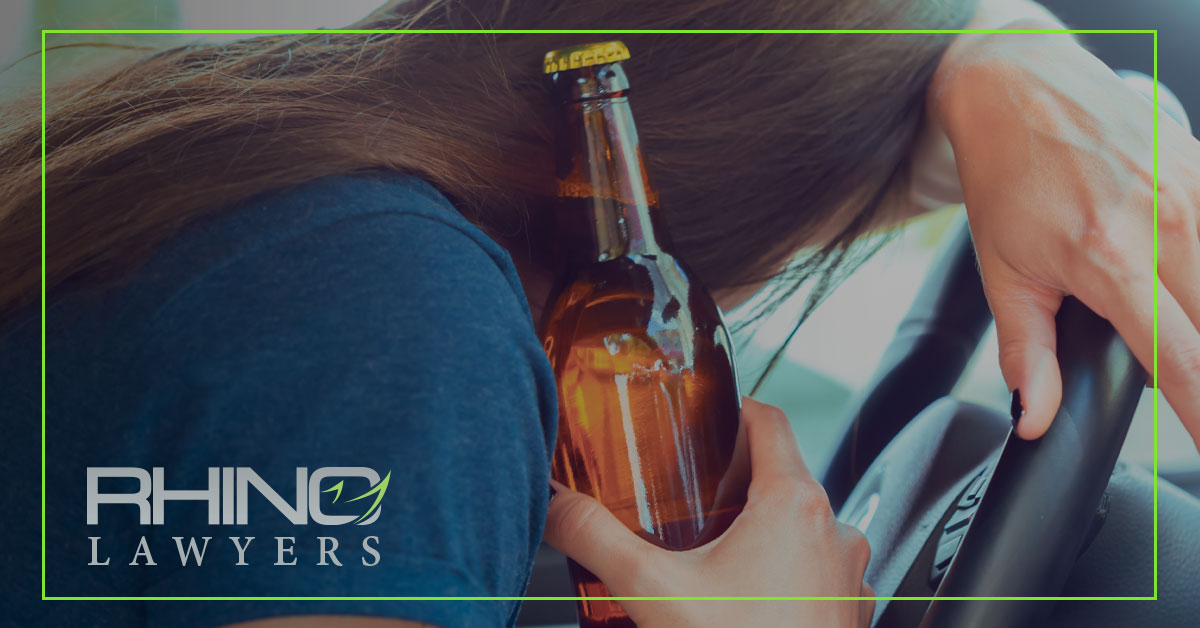
Florida Felony DUI with Property Damage
According to the Florida Department of Transportation, driving under the influence accounts for 25% of motor vehicle deaths in the state. In Florida, a DUI charge involving property damage can escalate to a felony under certain conditions.
While a standard DUI is typically a misdemeanor, adding property damage can lead to more severe consequences.
Today, we’re taking a closer look at DUI with property damage in Florida, the factors that can lead to felony charges, and what individuals should know about their rights and potential defenses.
What Constitutes a DUI in Florida?
Florida has strict laws that define what counts as driving under the influence. There are three main factors involved:
- Blood alcohol content (BAC) limits
- Loss of normal faculties
- Prior DUI history or incidents
Blood Alcohol Content (BAC) Limits
A driver with a BAC of 0.08% or higher is legally impaired in Florida. This limit applies to drivers over 21. For drivers under 21, any reading above 0.02% can result in penalties.
Commercial drivers face a limit of 0.04%. The higher the BAC, the more serious the penalties can become.
Loss of Normal Faculties
Even if a person’s BAC is under the legal limit, they can still be charged with DUI. If law enforcement believes someone has lost normal faculties such as balance, coordination, or clear speech, that alone can support a DUI charge. Officers may use field sobriety tests or video evidence to support this.
Prior DUI History or Incidents
The number of previous DUI offenses plays a major role. A first offense is often treated less severely, but repeated charges lead to more serious consequences. Property damage or injuries during any DUI incident can push the charge beyond a misdemeanor.
DUI with Property Damage in Florida: When It Becomes a Felony
A DUI with property damage in Florida is often a first-degree misdemeanor, but there are specific situations where it becomes a felony.
These situations usually fall into three categories:
- The driver has prior DUI convictions
- Someone was injured in the incident
- The damage caused is extensive or reckless
The Driver Has Prior DUI Convictions
If the person charged has two or more previous DUI convictions, the current offense can be upgraded. Florida law allows repeat offenders to face felony charges, even if the new incident caused only property damage. The courts look at patterns of behavior, and past charges play a big role in the final outcome.
Someone Is Injured in the Incident
If anyone is hurt in the crash, the charge can rise to a felony. This includes passengers, pedestrians, or people in another vehicle. When there is an injury, the law treats the case more seriously, even if the original charge was tied to property damage alone.
The Damage Caused is Extensive or Reckless
Sometimes, the way the damage occurs can raise the charge. If a driver crashes into a building, hits multiple parked cars, or causes power outages, prosecutors may argue that the act was reckless enough to justify a felony. The cost and impact of the damage can influence this decision.
Common Types of Property Damage in DUI Cases
The most common form of property damage in DUI cases involves crashing into another car. This can happen:
- At intersections
- On highways
- In parking lots
Whether the vehicle is moving or parked, any damage caused while driving under the influence becomes part of the legal case. Repair bills and insurance claims can raise the seriousness of the charge.
Some DUI crashes involve more than just other cars. Drivers might run into fences, light poles, mailboxes, or even buildings.
When this happens, the cost of repairs can be high. It may involve city property or private homes and businesses. The court may weigh these details when deciding if the damage was reckless or excessive.
Not all damage is from direct impact. Some DUI incidents lead to chain reactions, like knocking out power to nearby homes or damaging landscaping.
These cases can involve more people and raise the cost of the accident. The more people affected, the more attention the case may get from prosecutors.
Importance of DUI Legal Representation in Florida
Facing a DUI charge in Florida is never easy, and things become more serious when property damage is involved. Once the case reaches felony level, the risks are much higher.
A skilled defense attorney can help guide someone through the court process and reduce some of the stress that comes with it.
Legal help is especially important in property damage DUI cases for three key reasons:
- Understanding the legal process and charges
- Protecting rights and building a strong defense
- Reducing penalties or reaching better outcomes
Understanding the Legal Process and Charges
Many people don’t know how Florida’s DUI laws work, or how fast a case can go from a minor charge to a felony. DUI legal representation gives the person charged a better picture of what they are facing and what options are available.
Protecting Rights and Building a Strong Defense
A defense attorney can look at every part of the case, from how the stop was made to how tests were handled. If any rights were violated, that could help in court. Legal guidance helps keep the process fair and can lead to dropped or reduced charges.
Reducing Penalties or Reaching Better Outcomes
Sometimes the goal is not to win at trial but to lessen the penalties. An experienced lawyer may be able to work out a plea deal or push for probation instead of jail. In some cases, charges can even be lowered from felony to misdemeanor.
Understanding Florida DUI Laws
A DUI with property damage in Florida can lead to serious and lasting consequences. From felony charges to financial loss and lost rights, the impact can follow someone for years. Understanding the law, knowing your options, and getting legal help early can make a major difference in how your case ends.
At RHINO Lawyers, we meet you where you are – whether that’s by text, FaceTime, or social media. Our team blends personal, easygoing communication with a sharp, results-driven approach. We speak your language, move fast, and focus on outcomes. From crash to settlement, we keep things simple, modern, and on your terms.
Get in touch today to find out how we can help with your DUI case.
CONTACT TAMPA TRAFFIC TICKET ATTORNEY
RHINO Lawyers can help and guide you through a system molded by law enforcement, judges, and lawyers for decades. Having won cases for our clients in similar circumstances, our criminal defense team knows what it takes to fight on your behalf.
Let RHINO Lawyers answer your questions and review the facts of your case with a Free Consultation. So, get started by completing the “Free Instant Case Evaluation” or by calling us any time, day or night, at (844) RHINO-77.
Read More
How a Felony DUI Can Impact Your Right to Own Firearms in Florida
Over 35% of adults in Florida currently own guns, according to the RAND Corporation, with only Texas exceeding that number for firearm licenses in the US. However, these firearm rights do not extend to felons, and with Florida’s strict DUI laws, you could find yourself without firearms rights if you have a DUI conviction.
In this guide, we’ll lay out the facts about DUIs and firearm ownership and help you navigate this issue if you are in this situation. So, can felons own firearms? Let’s find out.
Firearm Ownership Laws in Florida if You Have a Conviction
Let’s begin with a look at what state law says about possession of firearms if you are a felon. The law generally states that you cannot own or possess a firearm if you have been convicted of a felony. That includes convictions for violent and non-violent crimes, including old crimes and any DUIs.
Florida laws and federal laws state that felons cannot possess, use, or control firearms. The only exception is if their civil rights and firearm authority have been restored by the Florida Commission on Offender Review and the Office of Executive Clemency.
Florida DUI Laws: Some Facts
There are certain circumstances when a DUI becomes a felony under Florida law. It includes:
- The third DUI within 10 years of a previous conviction
- A fourth or subsequent DUI at any point
In Florida, causing serious bodily injury when driving under the influence also counts as a felony, as does a DUI manslaughter felony. The former counts as a third-degree felony, and the latter a second-degree or first-degree, depending on the case.
It’s important to distinguish between misdemeanor DUIs and more severe felony DUIs, which carry harsher penalties. It’s felony DUIs that will impact your right to own or possess a firearm.
If You Have a Felony DUI: Your Gun Rights
In short, having a felony DUI will impact your gun rights in Florida, and this is why.
State and federal law both state that a conviction of a felony involves losing your right to own, possess, or use a firearm. That happens automatically on conviction and will apply regardless of the type or degree of the felony. It will apply irrespective of whether your DUI involved injury or other aggravating factors.
If you are found in possession of a firearm after a felony conviction, you can face severe criminal penalties. The only way to restore your right to firearm ownership is to go through Florida’s clemency process.
Federal Laws and Gun Rights Restrictions
Federal law forbids felons from owning, possessing, and using a firearm, and Florida law mirrors this.
However, it’s essential to understand that if the state restores your civil rights through the clemency process, it does not necessarily grant you the right to own and possess a firearm. You’ll need to separately apply for clemency that covers the restoration of firearms ownership and possession.
This is why it’s crucial for felons to get proper legal guidance to ensure that regaining civil rights in Florida also lifts the state and federal restrictions on firearms that apply.
How to Restore Your Gun Rights After a DUI Felony
In Florida, restoring firearms rights is done via the clemency process. You’ll need to apply through the Florida Commission on Offender Review. When applying, your request for restoration of firearm rights must be specifically and separately requested after applying for other civil rights like voting or serving on a jury.
You can only begin the clemency process after eight years following your sentence, probation, and payment of fines. When you start the clemency process, you’ll need to make a formal application and go through some background checks. You’ll also find that there is a waiting time of as much as two years or sometimes even longer.
It’s worth noting that completing your sentence or probation alone doesn’t automatically restore your firearms rights. In addition, clemency doesn’t automatically lead to firearms restoration, which is why proper legal guidance is a must.
What Happens if Your DUI Was Later Reduced or Expunged?
There are some circumstances where a felon might have their DUI conviction reduced to a misdemeanor or expunged. In this case, your right to own a firearm may be changed, though it depends on the circumstances.
In situations where the charge was reduced to a misdemeanor, your federal and state firearm bans generally no longer apply.
If your DUI is expunged, the situation becomes more complex. Florida law does not automatically grant you rights to firearms after expungement, as the law limits the ability to expunge convictions. In any situation where you are trying to restore firearms rights after expungement, you should seek proper legal advice.
Illegal Firearm Ownership Consequences
It’s crucial that you understand the law about firearm possession after a DUI felony because the consequences of illegal possession are severe.
It is a second-degree felony and can carry a sentence of up to 15 years in prison, as well as probation and thousands of dollars in fines. You may also face federal charges. You don’t need to use a firearm to be convicted of possession.
Seeking Legal Guidance About Your Firearm Rights
If you currently have a felony DUI, restoring your rights can be a tricky and complex process, and without a legal representative, you face the risk of making mistakes that could have further consequences on your rights.
Always work with a qualified attorney who can assess your case and guide you through the process of applying for clemency.
Can Felons Own Firearms?
So, can felons own firearms? The quick answer is no, but the issue is more nuanced. Getting back your rights to own and possess firearms depends on the clemency process.
RHINO Lawyers has an experienced team of Florida attorneys who fight relentlessly for our clients to restore their rights. We go beyond navigating your rights, and we challenge them using strategic representation. RHINO lawyers have real stories and successes to share, and we’re here to help you get the results you need, so reach out to us for a free case evaluation today.
CONTACT TAMPA TRAFFIC TICKET ATTORNEY
RHINO Lawyers can help and guide you through a system molded by law enforcement, judges, and lawyers for decades. Having won cases for our clients in similar circumstances, our criminal defense team knows what it takes to fight on your behalf.
Let RHINO Lawyers answer your questions and review the facts of your case with a Free Consultation. So, get started by completing the “Free Instant Case Evaluation” or by calling us any time, day or night, at (844) RHINO-77.
Read More
Reckless Driving: Where Does the Law Draw the Line?
Each year, millions are injured in car accidents, according to the US Department of Transportation. Many of these incidents are preventable but are the result of reckless driving.
Law enforcement doesn’t limit these charges to thrill-seekers on the highway. They affect everyday drivers who make sudden, risky decisions behind the wheel.
If you’re wondering what is considered reckless driving, the answer may be closer to your habits than you think. In our guide, we’ll examine the nuances of this charge and how to navigate it appropriately.
What Police Look for During a Stop
Officers don’t need a full investigation to make a reckless driving charge. They often rely on what they see in the moment or ignore signs. Even a single act can lead to arrest if it’s considered dangerous enough.
Many people are surprised at how quickly things escalate during a traffic stop. Once you’re pulled over, what happens next depends on the officer’s judgment.
How Speeding Can Cross the Legal Line
Not all speeding is reckless, but going far over the limit can trigger serious charges. The exact threshold varies by state, but many drivers face arrest when they exceed legal driving limits by a wide margin. Reckless driving penalties often begin at high speeds with little margin for error.
Once you’re in that range, your intentions no longer matter. The law shifts from a ticket to a criminal accusation. Examples of speeding that may lead to reckless driving charges:
- Driving more than 25 mph over the posted limit
- Racing other vehicles on public roads
- Failing to reduce speed in school or construction zones
Even when no injuries occur, the law treats these actions as serious threats.
The Role of Aggressive or Distracted Driving
Tailgating or texting at high speed can all lead to charges. Courts consider these behaviors reckless because they endanger other drivers.
Traffic law violations based on judgment are harder to excuse and often come down to what an officer saw. It doesn’t take a crash for these charges to stick. The act itself is usually enough.
Potential Fines and Jail Sentences
The penalties for reckless driving go far beyond a typical citation. Jail time is a genuine possibility, especially in cases involving injuries or repeat offenses. Some drivers face felony charges depending on the damage or risk involved.
Fines are steep and can grow quickly if the court sees the behavior as especially dangerous. In some states, even a first offense leads to jail. Here are common outcomes for those convicted:
- Court-mandated fines that can exceed $1,000
- Jail sentences ranging from days to a full year
- Higher charges if the property damage or injury occurred
A simple mistake can lead to long-term consequences once the case moves forward.
How a Conviction Affects Your Record
Once a reckless driving charge becomes a conviction, it stays on your record for years. Employers and insurance companies can both see it. Driver safety laws give these convictions more weight than other moving violations.
That means fewer second chances when applying for jobs or insurance. The stigma can follow you via your driving record long after paying the fine.
Insurance and License Consequences
Insurers take reckless driving seriously. Even one conviction can push your premium far above what it used to be. In some cases, companies drop drivers entirely.
A license suspension may follow depending on your state’s rules and how severe the case was. You may need to complete classes or hearings to get it back. Possible consequences on your driving record and insurance status:
- Cancellation of your current insurance policy
- Forced enrollment in high-risk insurance pools
- Immediate or delayed license suspension
Many drivers don’t realize how fast these effects begin until it’s too late.
What to Expect After an Arrest
Getting arrested for reckless driving sets several things in motion. You’ll likely face a court date, and the charge could be criminal.
The process often moves quickly, which leaves little time to prepare. Some people qualify for legal assistance, while others must find an attorney fast. Everything from the police report to your attitude at the stop may come up in court.
Why Judges Take These Cases Seriously
Reckless driving isn’t a technical mistake. It’s seen as a willful act that puts others at risk. Judges apply pressure in these cases to deter future behavior and protect the public.
Past behavior and whether anyone was hurt may affect the outcome. A clean record helps, but it doesn’t erase the charge.
When Legal Help Becomes Essential
You’re not required to have an attorney, but trying to handle a reckless driving case alone is risky. The charge can carry jail time and long-term damage to your record.
Legal driving limits are often misunderstood, and prosecutors may not explain every option. An attorney helps challenge the evidence and may reduce or dismiss the charge.
Having support can make a real difference in the outcome. Some of the ways a lawyer may help during the process are:
- Negotiating to reduce the charge to a civil infraction
- Challenging officer statements or video evidence
- Arguing for no jail time during sentencing
Even if the facts seem stacked against you, legal support gives you a stronger position in court. A conviction can follow you through background checks and insurance renewals. Once it’s on your record, it’s hard to remove.
That’s why early legal action matters. Waiting too long can limit your options and lead to worse outcomes. The right defense strategy can protect both your future and your freedom.
Understand What Is Considered Reckless Driving
Learn what qualifies as reckless driving so you can defend yourself and protect your future. If the police charged you, don’t ignore it or try to handle it alone.
Reckless driving charges are serious and can have lasting consequences on your record, license, and insurance rates. It’s important to take immediate action if you’ve been cited. Delaying your response could make the situation worse.
Reckless driving is more than just a traffic ticket—it can carry criminal penalties, points on your license, and steep fines. Knowing your legal options and acting quickly can make all the difference in protecting your future.
Don’t wait to get the information you need. Take the first step toward resolving your reckless driving charge. Get in touch with us today to learn more about how we can help.
CONTACT TAMPA TRAFFIC TICKET ATTORNEY
RHINO Lawyers can help and guide you through a system molded by law enforcement, judges, and lawyers for decades. Having won cases for our clients in similar circumstances, our criminal defense team knows what it takes to fight on your behalf.
Let RHINO Lawyers answer your questions and review the facts of your case with a Free Consultation. So, get started by completing the “Free Instant Case Evaluation” or by calling us any time, day or night, at (844) RHINO-77.
Read More
Illegal Turns: Common Misconceptions and Avoiding Fines
In a recent YouGov poll, 5% of drivers said the average driver in their state was terrible. Only 1% ranked themselves as terrible.
It’s easy to get overconfident, even about the most basic driving tasks. Improper turning is an underrated but all too real issue. The law takes it seriously, even if drivers don’t always realize they’re doing it.
Read on to learn misconceptions about what constitutes an illegal turn and how to avoid penalties.
What Counts As An Illegal Turn?
What constitutes an illegal turn?
Examples include:
- Turning from the wrong lane
- Ignoring traffic signals
- Disobeying traffic signs
- Improper U-Turns
- Failing to yield
- Turning without signalling
- Making wide turns
- Turning from a one-way street or private property
- Turning on red when prohibited
Common Misconceptions
Even experienced drivers may harbor misconceptions.
U-turns are tricky, and drivers don’t always know when they can or cannot perform them. It’s also easy to forget when and where signalling is required.
U-Turns Are Legal If There Isn’t a No U-Turn Sign
The general rule for U-Turns in Florida is found in Statute 316.1515, which includes specific allowances and restrictions. It says that U-turns are allowed when there isn’t a sign prohibiting them, as long as you can make them safely without interfering with traffic.
That can lead to the assumption they’re allowed anywhere. A U-turn can be an illegal turn at:
- Intersections with traffic signals
- Three-lane roads
- Crosswalks
Residential Areas Always Allow U-Turns
Drivers may assume U-turns are always legal in residential areas. Look at the signage on the road first.
Is there a double yellow line? A U-turn may be acceptable.
Turn Signals Aren’t Required on Empty Roads
If you’re the sole driver on a long stretch of road, you may wonder whether signalling is necessary.
Failing to do so is a violation. Not signaling contributes to accidents, especially on populated roads.
Illegal Turn Penalties
Illegal turns disrupt traffic flow and increase accident risk. That’s why illegal turn penalties are so steep. Prepare to face financial and legal repercussions.
Traffic fines are almost guaranteed for turn violations. The amount you’ll pay depends on the details of the incident and your driving record.
Traffic violations work on a point system. Every violation gives you a certain number of points depending on the severity and how often you’ve received that violation before. Most illegal turns add three points to your license.
If you get too many points, usually twelve or more, you can even have your license suspended. Depending on your driving record, you may have to attend traffic school to get it back.
An illegal turn can raise your insurance premiums by an average of 22.6%, which amounts to an increase of $332. The worst part is that this increase isn’t always temporary. It can remain on your record for years.
Avoiding Traffic Violations
Careful driving is the simplest method for avoiding traffic violations, including illegal turns.
Get an idea of your route beforehand to know where you’ll need to turn and where the signs are. Follow road safety rules and indicate to other drivers when you intend to turn.
Plan Ahead
Plan your trip to identify where and how to make your turns. This prevents you from making risky last-minute maneuvers or lane changes.
Try to only turn in areas where you’ll have high visibility. Avoid turning at:
- Hills
- Curves
- Areas with high pedestrian traffic
Use Your Signals and Mirrors
Always use your turn signals and other indicators. Failing to do so automatically makes any turn an illegal turn.
It’s important to use indicators far in advance. The general rule is to remember to put them on at least 100 feet before the turn.
Look at your rear and sideview mirrors before making a turn. Check to make sure there are no vehicles in your blind spots. It’s essential when changing lanes to make a turn.
Look for Signs
At intersections, look for signs prohibiting U-turns or left turns on red. Don’t initiate a U-turn or a left turn at a red light.
Only turn at lanes marked for a left or right turn. Rush hour lane change accidents are all too common.
Yield, Slow Down, and Stop
Always yield the right-of-way to opposing vehicles and pedestrians during turns.
Slow down when making a turn and come to a complete stop at stop signs or red lights.
Watch Roundabouts
While facilitating traffic flow, roundabouts also challenge drivers in understanding road safety rules.
Slow down and yield to traffic that’s already moving in the circle. Signal your exit and don’t make last-minute turns in the roundabout.
How to Fight Tickets
Illegal turns are common traffic law mistakes, and they’re not always caused by poor driving. You may not have been able to see a sign telling you not to make a U-turn.
Even your best efforts can leave you with a ticket, which you can fight with the right evidence and representation.
Take a look at all the details in your illegal turn ticket. Make sure you understand the specific violation and penalties it comes with.
Gathering evidence is essential for your case.
Start getting into the mind of a detective and jot down anything you can think of that might be important. Get witness statements if anyone saw the turn. Take photographs of:
- Unclear or improper signage
- Road conditions
- Obstructed sightlines
Look for an experienced attorney. They can gather evidence and build a case. If a collision occurred because of the illegal turn, they can help prove fault.
Find a Traffic Law Attorney Today
There are several misconceptions about what constitutes an illegal turn. U-turns aren’t always allowed in residential areas or streets without No U-Turn signs. Failing to signal is as illegal on empty roads as it is on busy highways.
Avoiding illegal turns requires careful driving. Contesting a ticket requires gathering evidence and getting representation.
RHINO Lawyers is passionate about bringing the legal industry into the 21st century. We offer friendly communication on your terms, whether that’s in-person or digitally.
We also have a proven track record, helping thousands of clients in similar situations. Contact us for a free case analysis today.
CONTACT TAMPA TRAFFIC TICKET ATTORNEY
RHINO Lawyers can help and guide you through a system molded by law enforcement, judges, and lawyers for decades. Having won cases for our clients in similar circumstances, our criminal defense team knows what it takes to fight on your behalf.
Let RHINO Lawyers answer your questions and review the facts of your case with a Free Consultation. So, get started by completing the “Free Instant Case Evaluation” or by calling us any time, day or night, at (844) RHINO-77.
Read More
Arrested for DUI on Federal Land in Florida?
Getting pulled over is nerve-wracking. Getting pulled over on federal property? That’s a whole different kind of panic.
Most people assume a DUI is just a state-level issue, something you can handle like any other ticket or misdemeanor. But DUI arrests on federal land, like a national park, military base, or federal building, come with a completely different rulebook; and the consequences can follow you for years. From unexpected court locations to harsher probation and fines, it catches drivers off guard every time.
This article shows you exactly what you’re up against and what you can do right now to protect yourself.
Why a DUI on Federal Property is Different
Most DUIs in Florida go through state court, but DUI arrests on federal property follow federal rules that are often stricter and less flexible.
Federal property in Florida covers a wide range of places, such as:
- National parks like Everglades National Park
- Military installations like MacDill Air Force Base
- Federal buildings and post offices
- Federal roads or land managed by agencies like the U.S. Forest Service
So, who decides whether you get hit with DUI federal charges or state charges? Under the federal DUI laws, the Assimilative Crimes Act (18 U.S.C. § 13) allows the federal government to adopt Florida’s DUI laws when an offense occurs on federal property. That means you will still face penalties similar to Florida’s DUI statute (Section 316.193, Florida Statutes), but your case is handled in federal court.
Arrest Process on Federal Property
The arrest process on federal land is not the same as when a local sheriff or city police officer pulls you over. On federal property, the person who stops you is usually a federal officer.
Depending on where you are, this could be:
- A U.S. Park Ranger,
- A Military Police Officer
- A member of the Federal Protective Service
These officers have the authority to make arrests under federal law, not state law.
Once stopped, you typically go through a process that might feel familiar, yet is actually quite different:
- Field sobriety tests are often administered on the spot
- Portable breath tests may be offered, yet are not always mandatory
- You could be asked to submit to a formal breath or blood test
- Refusing tests on federal property may carry immediate consequences, like license suspension
After the stop, the officer will usually arrest you and take you to the nearest federal detention center or processing location. Booking involves fingerprinting, photographing, and gathering your personal information. That part is similar to state arrests.
Yet, what happens next is that you are not sent to a county court. Instead, your case is routed to the nearest U.S. District Court.
Federal Court vs. Florida State Court DUI Cases
Facing a DUI in federal court is much different than going through a typical Florida state court. First, you are subject to federal criminal procedure rules, which tend to be stricter on timelines and evidence disclosure. Second, your case will be heard by a federal judge, and you may be subject to U.S. Probation if convicted.
Federal courts apply Florida DUI penalties through the Assimilative Crimes Act, but the outcomes may vary depending on how the federal judge views the case. A conviction could lead to the same types of penalties you would expect under Florida law, including:
- Up to six months of jail for a first offense
- Up to a $1,000 fine
- Mandatory substance abuse counseling
- Community service requirements
Yet, supervision is done by the U.S. Probation Office, not a Florida state probation officer. That changes how authorities monitor your probation, who you report to, and what federal conditions may add to the Florida penalties. This can make post-conviction compliance more strict and less flexible than in state court.
Federal court does not allow drivers to easily access state diversion programs, and federal judges have less room for informal resolutions compared to Florida county judges.
Penalties You Could Face
The penalties for a federal DUI tend to be the same as Florida’s, yet the consequences are often more lasting because of the federal process itself.
If convicted, you could face:
- A maximum of six months in jail for a first offense
- Fines that can go up to $5,000 depending on the circumstances
- A probation period under the supervision of the U.S. Probation Office
- License suspension managed by the Florida Department of Highway Safety and Motor Vehicles
These Florida DUI penalties will affect your ability to drive, yet that’s not the full story. Federal convictions become part of your permanent federal record. That means background checks for federal jobs, military clearances, or security-sensitive positions may now flag this offense.
Unlike some state-level cases where diversion or expungement is more common, federal cases tend to leave you with fewer options to erase or lessen the long-term impact.
Many people forget that the Florida DMV will still suspend your license separately, even though the conviction is federal. You will still have to deal with state administrative penalties, which might include a hardship license application or reinstatement fees.
The consequences can stack up quickly:
- Higher car insurance premiums
- Difficulty securing certain jobs
- Loss of professional licenses in regulated industries
Defending Federal DUI Arrests
Mounting a Legal defense federal DUI case is not something you want to take on without a lawyer who knows both federal and state DUI law. Federal DUI cases are prosecuted in a way that leaves less room for informal resolutions, yet a well-prepared defense can still make a big difference.
Federal prosecutors are sometimes open to negotiating plea deals, especially for first-time offenders. The key is having someone who knows how federal courts actually work. This tends to be where local defense attorneys fall short, as they often focus only on state-level cases.
Protect Your Future After a DUI Arrest
DUI arrests on federal property are serious and carry lasting consequences. From federal court appearances to license suspensions under state law, there’s a lot at stake.
At RHINO Lawyers, we’ve built a system around how today’s drivers live and communicate. From digital access to 24/7 support, we make legal help convenient, fast, and effective. Our team knows how to challenge both the evidence and the process in federal DUI cases.
Get a free case evaluation today and let our experience work for you.
CONTACT TAMPA TRAFFIC TICKET ATTORNEY
RHINO Lawyers can help and guide you through a system molded by law enforcement, judges, and lawyers for decades. Having won cases for our clients in similar circumstances, our criminal defense team knows what it takes to fight on your behalf.
Let RHINO Lawyers answer your questions and review the facts of your case with a Free Consultation. So, get started by completing the “Free Instant Case Evaluation” or by calling us any time, day or night, at (844) RHINO-77.
Read More
Understanding Florida DUI Manslaughter Charges
In 2022, a person lost their life in a drunk driving accident every 39 minutes, resulting in over 13,000 fatalities across the United States, according to SafeHome.org. Despite a slight decline from the previous year, these numbers underscore the devastating consequences of driving under the influence. In Florida, individuals involved in fatal DUI-related accidents may face DUI manslaughter charges, one of the most severe offenses under state law. Understanding the legal process, penalties, and potential defense strategies is crucial if you or a loved one is facing these charges.
Keep reading to learn how Florida law handles DUI manslaughter cases and what steps you can take if charged.
Florida Traffic Laws and DUI Manslaughter
According to Florida’s traffic laws, it is illegal to drive with a blood alcohol concentration (BAC) of 0.08% or higher. Drivers who operate a vehicle while impaired by drugs or alcohol and cause a fatal accident can be charged with DUI manslaughter.
Florida law also mandates that drivers remain at the scene of an accident. Fleeing the scene can result in harsher penalties.
What Is DUI Manslaughter in Florida?
DUI manslaughter happens when a motorist, while under the influence of drugs or alcohol, causes a person’s death. This charge does not require intent to harm but is based on the reckless or negligent actions of an impaired driver.
Under Florida law, DUI manslaughter is classified as a felony of the second degree, carrying serious legal consequences that can impact a person’s life permanently. In order to secure a conviction, the prosecution must prove that:
- The driver was influenced by alcohol or drugs
- Their impairment directly caused the accident
- The accident resulted in the death of an individual
Florida DUI Penalties for Manslaughter
A DUI manslaughter conviction is life-altering, with severe legal and personal consequences. Those found guilty may face years behind bars, heavy fines, and the loss of driving privileges.
Being convicted of DUI manslaughter in Florida leads to harsh penalties, including:
- A fine of up to $10,000
- A prison sentence of a maximum of 15 years for a second-degree felony conviction
- Probation following imprisonment
- Driver’s license revocation for a minimum of 3 years
If a driver flees the scene after causing a fatal accident, the charge escalates to a felony that’s first-degree. This increases the potential prison sentence to a maximum of 30 years.
DUI Case Procedures in Florida
Being charged with DUI manslaughter can be overwhelming and life-changing. The legal system is complex, and each step can have significant consequences. If arrested for DUI manslaughter, understanding the legal process can help prepare for what lies ahead.
- Arrest and booking: If impairment is detected, the driver will be taken into custody and booked
- Bail hearing: The court may grant bail, allowing the accused to remain free while awaiting trial
- Pretrial motions: Attorneys may challenge the prosecution’s evidence, such as breathalyzer accuracy or procedural violations
- Trial: The prosecution must prove beyond a reasonable doubt that the driver’s impairment led to the fatal crash
- Sentencing: If convicted, the judge will determine penalties based on Florida’s sentencing guidelines
Manslaughter Defense Strategies
Navigating a DUI manslaughter charge requires a thorough understanding of legal defenses. Without proper representation, defendants may face maximum penalties with little chance of a favorable outcome. Legal representation is crucial when dealing with DUI manslaughter allegations.
Let’s look at some possible manslaughter defense strategies.
Challenging Causation
The defense may argue that the accident was unavoidable or that other factors contributed to the fatality. Poor road conditions, mechanical failure, or the actions of another driver could have played a role in the crash. If the prosecution cannot link the defendant’s impairment to the fatality, the case may weaken significantly.
Disputing BAC Results
Breathalyzer and blood test inaccuracies can be challenged in court. Errors such as improper calibration, human mistakes, or contamination of samples may lead to unreliable results.
If law enforcement fails to follow proper procedures during testing, an attorney can argue for the suppression of this evidence.
Questioning Law Enforcement Procedures
Officers must follow strict protocols when conducting DUI investigations. Critical evidence may be deemed inadmissible in court if they fail to administer field sobriety tests correctly, mishandle evidence, or violate the defendant’s rights. Any procedural errors can impact the strength of the prosecution’s case.
Medical or Prescription Drug Influence
Some medications can cause impairment, even when taken as prescribed. If a driver unknowingly experiences side effects from a legal prescription or was given incorrect medical advice, this may serve as a defense.
A toxicology expert may evaluate whether the medication, rather than alcohol or illegal substances, caused impairment.
Victim Negligence
If the deceased played a role in causing the accident, such as jaywalking, ignoring traffic signals, or engaging in reckless behavior, this could reduce the severity of the charge. Establishing contributory negligence may help mitigate penalties or weaken the prosecution’s argument that the defendant was solely responsible for the crash.
DUI Legal Advice: Why You Need a Lawyer
Securing professional DUI legal advice is essential when facing DUI manslaughter charges. A skilled defense attorney can:
- Analyze the prosecution’s evidence for weaknesses
- Negotiate plea bargains to reduce charges
- Challenge improper law enforcement actions
- Advocate for reduced sentencing if a conviction occurs
RHINO Lawyers, based in Florida, provides experienced legal representation for individuals facing DUI and traffic-related criminal charges. With a strategic and aggressive defense approach, RHINO Lawyers protects the client’s rights, achieving the best possible outcomes.
The Importance of Legal Representation
A DUI manslaughter conviction can lead to lifelong consequences, from imprisonment to financial burdens. Hiring an experienced attorney is vital for navigating the DUI case procedures and protecting your legal rights. A strong defense can mean the difference between a reduced charge and a lengthy prison sentence.
Facing DUI Manslaughter Charges?
If you or a loved one are facing DUI manslaughter charges in Florida, acting quickly is crucial. RHINO Lawyers takes an aggressive, results-driven approach to defending clients, ensuring they receive top-tier legal representation.
With a history of successfully challenging serious traffic offenses, our team is dedicated to protecting your rights. DUI manslaughter cases require strategic legal defense, and RHINO Lawyers is here to fight for your future.
Contact RHINO Lawyers today for a consultation. Let’s take the first step in protecting your rights and securing your best possible defense.
CONTACT TAMPA TRAFFIC TICKET ATTORNEY
RHINO Lawyers can help and guide you through a system molded by law enforcement, judges, and lawyers for decades. Having won cases for our clients in similar circumstances, our criminal defense team knows what it takes to fight on your behalf.
Let RHINO Lawyers answer your questions and review the facts of your case with a Free Consultation. So, get started by completing the “Free Instant Case Evaluation” or by calling us any time, day or night, at (844) RHINO-77.
Read More