

A Guide to Handling a Reckless Driving Ticket and Why You Need a Lawyer
Getting a reckless driving ticket can turn your world upside down. One moment, you’re cruising down the highway, and the next, you’re pulled over with flashing lights behind you. The officer hands you a ticket, and suddenly, you’re facing severe penalties.
You might be overwhelmed by the fines, the possibility of losing your license, or even jail time. What seemed like a minor traffic stop has quickly become a major legal headache.
How do you navigate this stressful situation? We’ll now introduce you to the steps you should take to handle a reckless driving ticket and why having a lawyer on your side can make all the difference.
Why You Should Hire a Traffic Attorney
Navigating the legal system alone can be overwhelming and confusing. A traffic attorney brings experience and knowledge that can make a significant difference in your case.
They understand the complexities of traffic laws and can provide legal advice for traffic tickets tailored to your situation. This experience can often lead to reduced penalties or even the dismissal of charges.
An attorney can identify errors or inconsistencies in the ticket that you might overlook. They can also negotiate with prosecutors to reduce your charges.
With their help, you can avoid the common pitfalls that unrepresented individuals often face. Hiring a traffic attorney can save you time, money, and a lot of stress, giving you the best chance at a favorable outcome.
Defending Reckless Driving Charges
Building a strong defense against reckless driving charges requires experience and careful planning. Your attorney will gather evidence, such as witness statements and dashcam footage, to support your case.
They can challenge the prosecution’s claims by highlighting inconsistencies or errors in their arguments. This strategic approach can weaken the case against you and increase your chances of a favorable outcome.
Negotiation plays a key role in defending reckless driving charges. An experienced attorney can often negotiate with the prosecutor to reduce the charges or penalties.
Traffic Violation Penalties
Penalties for traffic violations like reckless driving can be severe and varied. Fines can range from a few hundred to several thousand dollars, depending on the severity of the offense and your driving history.
These financial penalties can cause significant strain, especially if you’re already facing financial challenges. Jail time, although less common, remains a possibility and adds a layer of stress and fear.
Your driving record will suffer, leading to increased insurance premiums that can last for years. In some cases, you might face the loss of your license, either temporarily or permanently.
Steps to Take After Getting a Reckless Driving Ticket
First, remain calm and collect your thoughts. Carefully read the ticket to understand the specific charges and your court date (don’t ignore it).
Gather any evidence that might support your case, such as photos or witness statements. This initial step is crucial in building a strong defense.
Next, contact a traffic attorney to discuss your situation. They can provide professional advice on the best course of action and guide you through the legal process. And here’s what to do if you’ve lost your ticket.
What to Expect in Court
Going to court for a reckless driving ticket can be daunting. Your attorney will guide you through the process, from entering a plea to presenting your defense. They will help you understand what to expect and how to respond, reducing your stress.
During the trial, the prosecutor will present their case. Your attorney will cross-examine witnesses and challenge the evidence.
The judge will consider both sides before making a decision. Having a skilled attorney by your side ensures strong representation and increases your chances of a favorable outcome.
The Role of Legal Advice for Traffic Tickets
Legal advice for traffic tickets goes beyond basic knowledge of the law. A lawyer understands the intricacies of the legal system and can offer strategic advice on whether to plead guilty, negotiate a plea deal, or fight the charges.
An attorney’s insight can reveal options you might not consider. They can identify procedural errors or weaknesses in the prosecution’s case. With their help, you can build a stronger defense and improve your chances of a favorable outcome.
Avoiding Future Traffic Violations
Learning from a reckless driving ticket is crucial. Reflect on the behaviors that led to the ticket and commit to safer driving practices. Consider attending a defensive driving course to improve your skills and reduce penalties.
Make a conscious effort to drive responsibly by avoiding distractions and obeying speed limits. Staying informed about traffic laws helps you avoid future issues. Adopting these habits reduces the risk of another ticket and associated stress and penalties.
Building a Strong Defense
A strong defense is vital when facing reckless driving charges. Your attorney will gather and analyze evidence to support your case, such as photos, witness statements, or dashcam footage.
Effective negotiation is also key. An experienced attorney can negotiate with the prosecutor to reduce charges or penalties. With a solid defense strategy, you have a better chance of avoiding severe penalties and protecting your driving record.
The Benefits of Professional Legal Help
Professional legal help provides a significant advantage in handling reckless driving tickets. A traffic attorney has the knowledge and experience to navigate the legal system efficiently, offering strategic advice and representing you in court.
Having a lawyer also offers peace of mind. You can rely on their experience to handle complex legal processes and advocate on your behalf. Professional legal help is essential for protecting your rights and securing the best possible outcome.
Why Legal Help Is Vital for a Reckless Driving Ticket
Facing a reckless driving ticket alone can be daunting and risky. The consequences are severe, from fines and jail time to long-term effects on your driving record and insurance rates. Hiring a traffic attorney provides the legal experience and support you need to navigate this challenging situation.
Need help with your reckless driving ticket? Contact us at RHINO Lawyers in Tampa, the forward-thinking law firm that understands your need for fast, reliable, and modern communication. Our Millennial-led team combines innovation with proven strategies to ensure you get the best possible outcome while treating you like family.
CONTACT TAMPA TRAFFIC TICKET ATTORNEY
RHINO Lawyers can help and guide you through a system molded by law enforcement, judges, and lawyers for decades. Having won cases for our clients in similar circumstances, our criminal defense team knows what it takes to fight on your behalf.
Let RHINO Lawyers answer your questions and review the facts of your case with a Free Consultation. So, get started by completing the “Free Instant Case Evaluation” or by calling us any time, day or night, at (844) RHINO-77.
Read More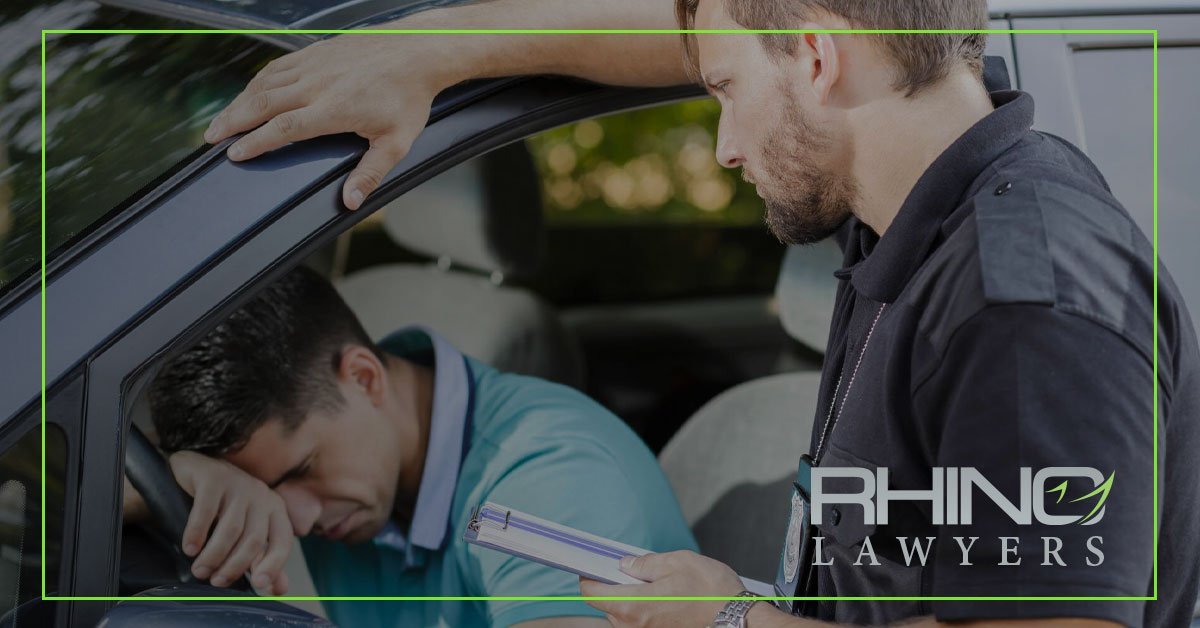
Can You Be Convicted of a DUI Without a Breathalyzer?
After a long night out, you find yourself pulled over. No breathalyzer test is administered, yet the officer is making notes, possibly building a case for DUI.
Alarm bells start ringing. Is this legal? Can you be convicted of a DUI based solely on an officer’s observations and alternative tests? Most importantly, is a DUI a criminal offense?
This article dives deep into the murky waters of DUI charges without the direct evidence of a breathalyzer to unravel the legal threads and explore how these cases unfold in court. Here, you’ll discover the critical aspects of the DUI conviction process, your legal rights, and what constitutes sufficient evidence in such cases.
What Are the DUI Laws?
Driving under the influence (DUI) is a serious offense that involves operating a vehicle while impaired by alcohol, drugs, or other substances. The legal limit for blood alcohol concentration (BAC) in many states, including Florida, is 0.08%.
However, you can still be charged with a DUI even if your BAC is below this threshold if law enforcement believes your driving ability is impaired. DUI charges are not solely based on breathalyzer results. Various types of evidence can be used to prove impairment.
Alternatives to Breathalyzer Evidence
When we think of a DUI, a breathalyzer test is often the first thing that comes to mind. However, police officers have several other tools at their disposal to determine if a driver is under the influence.
Field sobriety tests are commonly used. These include:
- The walk-and-turn
- The one-leg stand
- The horizontal gaze nystagmus test
These tests evaluate a driver’s physical and cognitive abilities to determine impairment.
Officer observations also play a critical role. Erratic driving, the smell of alcohol, slurred speech, and bloodshot eyes are all indicators that an officer might document. These observations can be powerful evidence in court.
Additionally, blood and urine tests can be conducted to detect the presence of alcohol or drugs in the body. Unlike breathalyzer tests, these tests can provide a more accurate reading of a person’s intoxication level over a longer period.
Legal Consequences of Refusing a Breathalyzer
In Florida, like many states, implied consent laws are in place. When you obtain a driver’s license, you automatically consent to submit to chemical tests, such as breathalyzers, if an officer suspects you of DUI.
Refusing a breathalyzer test can lead to severe consequences. For instance, a first refusal results in a one-year license suspension, while a second refusal can lead to an 18-month suspension and misdemeanor charges.
Refusing a breathalyzer does not mean you avoid DUI charges. On the contrary, the refusal itself can be used against you in court as evidence of guilt. This refusal can also complicate your defense, as it limits the available evidence to challenge the DUI accusation.
Defending Against a DUI Without a Breathalyzer
Facing a DUI charge without a breath test can be daunting, but there are defense strategies available. Challenging the evidence is a key approach.
Field sobriety tests, for example, are subjective and can be influenced by various factors such as weather conditions, the driver’s physical condition, or even the officer’s instructions. An experienced lawyer can question the validity of these tests and argue that they do not accurately reflect the driver’s impairment.
Officer credibility is another critical factor. If there are inconsistencies in the officer’s report or testimony, this can be used to cast doubt on the prosecution’s case. For instance, if the officer’s observations were not recorded properly or if there is a history of misconduct, this can weaken the evidence against the defendant.
Is a DUI a Criminal Offense?
A DUI is a criminal offense that can have severe repercussions. It is typically classified as a misdemeanor, but under certain circumstances, it can escalate to a felony.
For instance, if a driver has multiple DUI convictions, causes serious injury or death, or has a particularly high BAC, the charges can be more severe.
The penalties for a DUI conviction can include:
- Fines
- Jail time
- Community service
- Mandatory alcohol education programs
- License suspension
In Florida, a first-time offender can face up to six months in jail and fines up to $1,000. Multiple offenses can result in longer jail terms and higher fines.
The long-term consequences can also include:
- Increased insurance rates
- Difficulty finding employment
- A permanent criminal record
Your DUI Legal Rights
When facing a DUI charge, it is crucial to understand your legal rights. You have the right to remain silent and to refuse to answer any questions without an attorney present. You also have the right to request an attorney if you cannot afford one.
During a traffic stop, it’s important to be polite and cooperative, but you are not required to perform field sobriety tests or answer incriminating questions.
If you’re arrested, you have the right to challenge the arrest and the evidence against you. This includes questioning:
- The legality of the traffic stop
- The administration of field sobriety tests
- The officer’s observations
Alternative DUI Tests
Aside from breathalyzer tests, there are other methods used to determine a person’s level of intoxication. Blood tests are often considered the most accurate because they measure the actual amount of alcohol or drugs in the bloodstream. However, they require a warrant and must be administered by a medical professional.
Urine tests can also detect the presence of drugs and alcohol, but they are less reliable due to the possibility of contamination and the fact that substances can remain in the body for days.
Another alternative is the use of chemical swab tests, which are becoming more common. These tests involve swabbing the inside of a person’s mouth to detect the presence of drugs.
Legal Insights and Rights for DUI Charges
We explored how to pursue DUI charges without breathalyzer results. We detailed the DUI conviction process and the types of evidence, such as officer observations and alternative DUI tests, that can be used to substantiate a charge. Is a DUI a criminal offense? Yes, and it can carry significant legal and personal consequences.
At RHINO Lawyers, we focus on turning the tide in such complex situations. Our proactive approach ensures that your DUI legal rights are fiercely protected, and we leverage innovative strategies to challenge DUI evidence types effectively. Contact us now to secure a free case evaluation and ensure your rights and future are robustly defended.
CONTACT TAMPA TRAFFIC TICKET ATTORNEY
RHINO Lawyers can help and guide you through a system molded by law enforcement, judges, and lawyers for decades. Having won cases for our clients in similar circumstances, our criminal defense team knows what it takes to fight on your behalf.
Let RHINO Lawyers answer your questions and review the facts of your case with a Free Consultation. So, get started by completing the “Free Instant Case Evaluation” or by calling us any time, day or night, at (844) RHINO-77.
Read More
DUI: Are There Exceptions to Florida’s Open Container Laws?
If you’re a Florida resident, you’re expected to follow the law when it comes to open container laws. But are there exceptions that can save you from hefty fines or even a DUI?
Join us as we look closer at the details of Florida’s open container laws and explore any exceptions that might exist. We’ll cover what to know about open containers, DUI regulations, and how to stay on the right side of Florida traffic laws.
Understanding Florida’s Open Container Law
Florida’s open container law prohibits the possession of open alcoholic beverages in vehicles. This law applies whether the vehicle is in motion or parked. An open container is any bottle, can, or other receptacle that contains any amount of alcohol and is either open, has a broken seal, or has had some contents removed.
The law is clear about where these open containers can’t be. It’s illegal to have an open container in the passenger area of a car, truck, or any vehicle on a public highway or road.
This includes the driver’s seat, passenger seat, and even the back seat if it’s accessible from the driver’s area. If you’re parked on a public street or road, the same rules apply.
Violating Florida’s open container law can lead to fines and other penalties. If you’re caught with an open container, you could face a non-criminal moving violation.
This might result in a ticket and a fine. The penalties can be more severe if you’re also found to be driving under the influence.
Florida DUI Laws Overview
Florida DUI laws are strict and aim to reduce accidents caused by impaired drivers. In Florida, driving under the influence means operating a vehicle with a blood alcohol concentration (BAC) of 0.08% or higher.
For drivers under 21, the limit is even lower at 0.02%. The law applies to both alcohol and drugs, whether they are legal or illegal substances.
If you’re caught driving under the influence, the consequences can be severe. For a first-time offense, you might face fines, community service, probation, and even jail time.
Your driver’s license will likely be suspended, and you’ll need to complete a DUI education program. The penalties increase with each subsequent offense, leading to longer license suspensions, higher fines, and longer jail sentences.
Florida also has a zero-tolerance policy for drivers under 21. If you’re underage and caught with a BAC of 0.02% or higher, your license will be automatically suspended. This is part of the state’s efforts to discourage underage drinking and driving.
DUI convictions can have long-lasting effects on your life. They can impact your job, insurance rates, and even personal relationships.
Open Container Exceptions
Open container laws generally prohibit the presence of open alcoholic beverages in vehicles. However, there are some exceptions that can vary from state to state.
In many places, the rules differ for specific types of vehicles and situations. For instance, passengers in vehicles, like limousines or party buses, often have more lenient rules.
These vehicles are designed for groups and special events, so they might be allowed to have open containers in certain areas.
Another common exception is for recreational vehicles (RVs). When an RV is parked and being used as a temporary living space, open container laws might not apply in the same way they do for regular cars.
The key is that the RV must be parked and not in motion. The same rules often apply to motor homes and campers.
Florida also has specific rules for certain areas, such as beaches and parks, where local ordinances might allow open containers under controlled conditions.
It’s important to note that while these exceptions exist, they come with strict conditions. Even in situations where open containers are allowed, everyone in the vehicle must comply with all other Florida traffic laws.
The driver, in particular, must remain alcohol-free to ensure safety. Violating these conditions can result in severe penalties, including fines and possible DUI charges if the driver is found to be impaired.
Legal Advice on Handling Open Container and DUI Situations
If you find yourself in a situation involving open containers or a possible DUI, it’s important to know how to handle it. First, always ensure that you comply with all traffic laws.
If you’re transporting alcohol, keep it in the trunk or another area that’s not accessible to the driver or passengers. This simple step can help you avoid a violation of Florida’s open container law.
If you get pulled over, stay calm and respectful. Provide your license, registration, and proof of insurance when asked.
If the officer asks about alcohol in the vehicle, answer truthfully but don’t offer additional information. It’s your right to remain silent beyond basic questions.
If you’re suspected of DUI, you may be asked to take a field sobriety test or a breathalyzer test. You have the right to refuse these tests, but doing so can have consequences, such as automatic license suspension. Weigh your options carefully, knowing that refusal might lead to penalties even if you’re not under the influence.
If you’re charged with a DUI, contact a lawyer who focuses on traffic ticket defense and DUI cases. A knowledgeable attorney can provide the best advice based on your situation and help you navigate the legal process.
They can also help you understand your rights and the potential outcomes of your case.
It’s always best to avoid drinking and driving altogether. Plan ahead if you know you’ll be consuming alcohol. Use a designated driver, call a taxi, or use a ride-sharing service.
The Best DUI Legal Advice
Understanding Florida’s open container law and DUI regulations is essential for every driver. By knowing the rules and exceptions, you can avoid legal trouble and ensure safety on the roads.
At RHINO Lawyers, our mission is to form a lasting partnership with every client. Our passion is the people we help and the lives that we help change. So, whether you have been arrested or ticketed, we are here to help.
Get in touch today to find out how we can help with your case.
CONTACT TAMPA TRAFFIC TICKET ATTORNEY
RHINO Lawyers can help and guide you through a system molded by law enforcement, judges, and lawyers for decades. Having won cases for our clients in similar circumstances, our criminal defense team knows what it takes to fight on your behalf.
Let RHINO Lawyers answer your questions and review the facts of your case with a Free Consultation. So, get started by completing the “Free Instant Case Evaluation” or by calling us any time, day or night, at (844) RHINO-77.
Read More
The Difference Between Moving Violations and Non-Moving Violations
Ever received a traffic ticket and felt your stomach drop? Whether it’s a flash of red and blue lights in your rearview mirror or a slip tucked under your windshield wiper, the onset of panic is almost immediate. What many drivers don’t realize is the distinct difference between moving violations and non-moving violations. Understanding this can significantly affect the repercussions on your driving privileges and wallet. Moving violations might sound straightforward, but what about non-moving violations?
This article demystifies each category, explains their potential impacts on your driving record, and outlines the steps you can take if ticketed. Knowing these details will not only help in managing current penalties, but also in preventing future tickets. Dive into the specifics to protect your driving status and ensure you’re not paying more than you should.
What are Moving Violations?
Moving violations occur when a vehicle is in motion and the driver breaks a traffic law. These violations are usually considered more serious because they directly relate to the safety of the driver, passengers, and other road users.
Common examples of moving violations include:
- Speeding
- Running a red light
- Driving under the influence (DUI)
- Reckless driving
Speeding is one of the most frequent moving violations. According to the National Highway Traffic Safety Administration, speeding contributed to 29% of all traffic fatalities in 2021. This statistic highlights the severe impact speeding can have on road safety.
What are Non-Moving Violations?
Non-moving violations are offenses that occur when the vehicle is stationary or not directly related to driving behavior. These violations typically involve issues with the vehicle’s condition or parking.
These types of traffic tickets include:
- Parking tickets
- Expired registration
- Broken taillights
- Illegal parking in a handicapped zone
Parking tickets are the most common type of non-moving violation. They can be issued for a variety of reasons, such as parking in a no-parking zone, exceeding the time limit in a metered space, or parking in front of a fire hydrant.
Expired registration is another frequent non-moving violation. If a vehicle’s registration is not renewed on time, the owner can receive a ticket, even if the car is parked.
Equipment violations, such as having a broken taillight or missing mirrors, also fall under non-moving violations. These infractions often result in a “fix-it” ticket, where the driver is required to correct the issue and provide proof of the repair to avoid further penalties.
Parking in a handicapped space without the proper permit is another serious non-moving violation that can result in hefty fines.
Legal Implications and Penalties
The penalties for moving and non-moving violations differ significantly. Moving violations penalties are often harsher because they are considered more dangerous.
Common moving violation penalties include:
- Fines
- Points on the driver’s license
- Increased insurance rates
- Jail time (in severe cases)
The points system is a method many states use to track driving infractions. For example, in Florida, speeding can add three to six points to a driver’s record, depending on the severity.
Accumulating too many points can lead to license suspension. For example, accumulating 12 points within 12 months results in a 30-day suspension of driving privileges.
Non-moving violation consequences, while generally less severe, still carry penalties. Parking tickets typically result in fines, which can vary depending on the city or municipality.
An expired registration ticket usually requires the owner to pay a fine and update the registration. Equipment violations often come with smaller fines and the requirement to fix the issue.
The long-term consequences of traffic violations can be substantial. Moving violations can lead to increased insurance premiums. Insurers view drivers with multiple violations as higher risk, which can result in higher rates. A single speeding ticket can increase a driver’s insurance premium by 25%.
Non-moving violations, while less impactful on insurance rates, can still result in significant fines and inconvenience if left unresolved.
How to Handle Traffic Violations
Receiving a traffic ticket can be stressful, but knowing how to handle it can make the process smoother. The first step is to read the ticket carefully and understand the violation and the associated penalties. For moving violations, it’s crucial to know the points that may be added to your license and the fines involved.
Many jurisdictions offer ways to contest traffic tickets. If you believe the ticket was issued in error, you can challenge it in court. This may involve gathering evidence, such as photographs or witness statements, to support your case.
For moving violations, attending traffic school can sometimes reduce points on your license or lower fines.
Non-moving violations often require a different approach. For parking tickets, you may be able to contest the ticket if you believe it was issued unfairly. This might involve providing evidence that you were not parked illegally or that the signage was unclear.
For equipment violations, fixing the issue promptly and providing proof to the court can often result in the dismissal of the ticket.
Timely responses are critical. Ignoring a traffic ticket can lead to additional penalties, including increased fines and possible warrants for your arrest.
Preventive Measures
The best way to avoid traffic violations is through preventive measures. Safe driving practices can significantly reduce the risk of receiving a moving violation. Always obey speed limits, signal when changing lanes, and avoid distracted driving.
Regular vehicle maintenance is also crucial. Ensuring that your car is in good working condition can help avoid non-moving violations.
Check your lights, brakes, and tires regularly to make sure they are functioning correctly. Keeping your vehicle registration up to date is another easy way to avoid fines.
Parking carefully can prevent many non-moving violations. Always check for signage indicating parking restrictions, and avoid parking in handicapped spaces unless you have the proper permit.
Get Exceptional Help with Your Traffic Tickets Today
Understanding the difference between moving violations and non-moving violations is crucial for every driver. Having these traffic violations explained not only helps in contesting or managing penalties but also empowers you to maintain a clean driving record.
At RHINO Lawyers, we focus on turning your traffic ticket impacts into manageable solutions. With our track-proven strategies and client-centered approach, we ensure your case is handled efficiently and effectively.
Don’t let a traffic ticket disrupt your life. Let us help you navigate the complexities of traffic laws to secure the best possible outcome. Contact us today to receive a free case evaluation.
CONTACT TAMPA TRAFFIC TICKET ATTORNEY
RHINO Lawyers can help and guide you through a system molded by law enforcement, judges, and lawyers for decades. Having won cases for our clients in similar circumstances, our criminal defense team knows what it takes to fight on your behalf.
Let RHINO Lawyers answer your questions and review the facts of your case with a Free Consultation. So, get started by completing the “Free Instant Case Evaluation” or by calling us any time, day or night, at (844) RHINO-77.
Read More
How to Protect Your Teen After a Careless Driving Charge
Traffic deaths are reaching historic levels in many states even though fewer people were on the road in 2023.
One of the biggest issues that we see on the roads, and one that leads to a significant number of injuries and fatalities, is distracted driving. If you’re a parent, you must be concerned about your teenager getting behind the wheel, as they could be the victim or the cause of a careless driving-related accident.
Being at fault in a teen car accident can overwhelm any young person. If your teen just got charged with careless driving, protecting them as best you can should be your number one priority.
Today, we’ll give you some actionable tips, legal advice, and post-driving charge steps to keep your teen safe. Careless driving implications can be severe, so keep reading and do everything you can to keep your child out of trouble.
Consequences of a Careless Driving Charge
The first thing to understand as a parent is the consequences of a careless driving charge. It depends on the state in which you live and the severity of damage/injuries that the accident caused. If your child is under 18, you could be held liable for their careless driving.
Wisconsin
In Wisconsin, a careless driving charge that doesn’t result in injuries gets fines instead of jail time. The maximum fine for injury-free careless driving is just $400. Penalties increase a lot when bodily harm comes to another driver or pedestrian.
Fines for reckless driving causing bodily harm can reach $10,000. 18-year-olds tried as adults may even face up to 6 years of jail time.
Florida
Things are a little bit different in Florida. It’s considered a second-degree misdemeanor, however, the charges can result in up to 90 days in jail, 6 months of probation, or a $500 fine.
As in Wisconsin, the penalties increase significantly when the accident involves property damage or bodily harm. If the resulting injuries are considered serious, the charge becomes a third-degree felony and the driver could potentially get up to 5 years of jail time.
Post-Driving Charge Steps
So, if your teen finds themselves charged with distracted driving, they’re going to need your help. Facing thousands of dollars in fines and potential jail time is something a teen can’t truly comprehend. Follow these steps and you’ll be able to navigate the process with calmness and confidence.
Speak to Your Child
If your teen calls you after they’ve been charged with careless driving, make sure to get the whole story out of them. It can be frightening for a young person to deal with such a serious situation, so they may be liable to withhold some of the truth.
Encourage them to be truthful so that you can help them navigate the next steps. The more you know about what happened leading up to the accident, the easier it’ll be to relay that information to your legal counsel.
Speak to the Police
Next, you’ll want to speak to the police. In serious circumstances, your teen may be taken to the station. Either way, get hold of the responding officer to ask them questions about the charges and legal implications.
Get hold of the police report. This is an important piece of information that your legal team will need when helping you deal with the charge.
Talk to the Insurance Company
You need to speak to your insurance company to start the claims process. Your insurance company may have to pay for property damage, medical bills, and any other damages that result from your teen’s careless driving.
Contact a Lawyer
Lastly, and most importantly, find a great traffic ticket lawyer to guide you through the rest of the process. You can’t face something like this alone and your teen certainly can’t, so it’s crucial to find legal counsel who has experience with these kinds of cases.
Building a Case
Building a case to protect your teen against these charges will depend on the severity of the accident. The goal will be to prove that your teen was driving poorly, but not recklessly.
Inexperience
If they’re a relatively new driver, your legal team will use inexperience as a way to prove that they shouldn’t be criminally liable. For that to work, your teen can’t have been driving under the influence or driving while distracted by their smartphone.
False Witness Testimony
A lawyer could also challenge police report accuracy or witness observations to prove that your teen was driving carelessly out of necessity to avoid a greater danger. If successful, they may be able to reduce the charges or even have them dismissed.
Legal Advice for Teen Drivers
For their part, your teen needs to listen to legal counsel and avoid doing anything that could jeopardize their chances of success. After an accident, they should avoid admitting fault, but be respectful and allow the process to play out.
Whether or not your lawyer can lessen careless driving charges, your teen should take more care on the road from now on. The law has no tolerance for repeat offenders, no matter how young they are.
Teens need to refrain from looking at their phones while driving. Under no circumstances should they have any alcohol before driving, as this can result in far more severe penalties.
Teach your teen more about the traffic laws in your area. The more aware they are of the rules, especially after an incident, the more likely they’ll be to follow them.
If your teen is ever in another traffic stop, make sure they know how to act. They must always comply with the officer’s requests, and not seem combative.
Getting Legal Help After a Teen Careless Driving Charge
A teen car accident and careless driving charge are nothing to scoff at. They could change your teen’s life, whether it affects getting into schools or finding a job later in life. If you’re going to give them the best chance at getting back on track, you need a great lawyer.
RHINO Lawyers are Tampa’s leading auto injury and traffic attorneys with services in Wisconsin and New York as well. We’ll work one-on-one with you and your teen to develop the perfect legal strategy to keep them out of trouble. Contact us today for your free case evaluation.
CONTACT TAMPA TRAFFIC TICKET ATTORNEY
RHINO Lawyers can help and guide you through a system molded by law enforcement, judges, and lawyers for decades. Having won cases for our clients in similar circumstances, our criminal defense team knows what it takes to fight on your behalf.
Let RHINO Lawyers answer your questions and review the facts of your case with a Free Consultation. So, get started by completing the “Free Instant Case Evaluation” or by calling us any time, day or night, at (844) RHINO-77.
Read More
What Is the Difference Between a DUI and a DWI?
If you are pulled over on suspicion of driving under the influence, the experience can be confusing and frightening. However, you’re not alone; in 2023, Florida law enforcement issued 34,342 DUI citations.
The officer might use the terms DUI (Driving Under the Influence) or DWI (Driving While Intoxicated), and you might wonder – is there a difference between a DUI and a DWI? The answer depends on your state; understanding these legal distinctions can have significant consequences.
This article dives deep into the difference between a DUI and a DWI.
What Is a DUI?
Driving Under the Influence, commonly known as DUI, occurs when a person operates a vehicle while impaired by alcohol or drugs. This impairment can significantly affect one’s ability to drive safely and responsibly. In Florida, law enforcement uses various methods like field sobriety tests and breathalyzers to determine if a driver is over the legal limit of blood alcohol concentration.
What Is a DWI?
A DWI, which stands for Driving While Intoxicated, is a serious charge that involves operating a vehicle while under the influence of alcohol or drugs. In states where this term is used, it typically signifies a more severe offense compared to a DUI.
If they arrested you for a DWI. It means law enforcement believes your impairment level was significant. As well as enough to endanger yourself and others on the road. This can lead to harsh penalties and legal consequences that may impact various aspects of your life.
Difference Between a DUI and a DWI Based on Where You Live
Understanding the difference between a DUI and a DWI can be confusing, especially since it varies depending on where you live. In some states, like Florida, both terms are used interchangeably to refer to impaired driving offenses. However, in other states, each charge may have distinct definitions.
For example, in Texas, a DUI typically refers to minors caught driving under the influence of alcohol or drugs, while a DWI is reserved for adults facing similar charges. To avoid misunderstandings, you must familiarize yourself with the specific laws and terminology related to impaired driving in your state.
DWI vs. DUI in Florida
Confused about the differences between a DWI and a DUI in Florida? Simply put, there isn’t one. In Florida, the terminology used is DUI.
Consequences for a DUI in Florida?
In Florida, the consequences of a DUI can be severe. If convicted, you could face fines ranging from $500 to $5,000, depending on the circumstances of your case. Additionally, your driver’s license may be suspended for a period of time determined by the court.
A DUI conviction in Florida might also result in mandatory community service hours or even imprisonment. Your vehicle can also be impounded in these cases.
How to Respond to DUI Charges
If you’re facing DUI charges, knowing how to respond is important. Keep these things in mind.
Remain Calm and Cooperative
The first step in responding to DUI charges is to remain calm and cooperative with law enforcement officers. Avoid hostile or confrontational behavior. This can only worsen the situation.
Know Your Rights
You have the right to remain silent and the right to an attorney. If arrested or questioned about the incident use these rights. It is always important to exercise caution when speaking to law enforcement. As they can use anything you say against you in court.
Gather Information
Take note of the details surrounding your arrest, such as the time, location, and circumstances leading up to it. This information may be helpful for your defense later on.
Seek Legal Representation
It is crucial that you seek legal representation from a qualified DUI attorney as soon as possible after being charged with a DUI. A lawyer can advise you on the best course of action and help protect your rights throughout the legal process.
Don’t Discuss the Case With Anyone
Do not discuss your case with anyone other than your attorney. This includes friends, family members, or even social media posts. They can potentially use anything you say about your case against you in court.
Understand the Potential Consequences
DUI charges can have serious consequences, including fines, license suspension, and even jail time. Understanding and taking seriously the potential consequences of a DUI conviction in your state is important.
Attend All Court Dates
Attend all court dates and follow any instructions given by the court. Failing to appear or violating any conditions of your release can result in additional charges and penalties.
Consider Attending a DUI Education Program
Some states require individuals charged with a DUI to attend a DUI education program. Even if it is not required in your state, attending this program can show the court that you are taking responsibility for your actions and may benefit your case.
Avoid Alcohol and Drugs
While awaiting trial, avoid alcohol and drugs completely. Violating this rule can result in additional charges, making defending against the DUI charge more difficult.
Prepare Yourself for a License Suspension
If authorities convict you of a DUI, they will likely suspend your driver’s license. Make alternative transportation arrangements to prepare for this possibility.
Follow Any Conditions of Your Release
If they released you from custody on certain conditions. Such as abstaining from alcohol or submitting to drug testing. Make sure you strictly follow these conditions. Violating them can result in further legal trouble.
How Can a Lawyer Help With Your DUI Charges?
Facing DUI charges can be overwhelming, but having a skilled lawyer on your side can make a significant difference in the outcome of your case. A seasoned attorney knows the ins and outs of DUI laws, which means they can help you navigate the legal process with expertise. They can assess your situation, identify potential weaknesses in the prosecution’s case, and develop a strategic defense tailored to your specific circumstances.
Your Case Is Our Passion
In understanding the difference between a DUI and a DWI, it’s crucial to recognize that terminology can vary depending on where you live. While some states use these terms interchangeably, others differentiate between them based on the severity of the offense.
Have authorities charged you with a DUI in Florida? RHINO Lawyers is here to help. Our passion is your case, and we’ll form a lasting partnership to help you receive the best outcome.
Contact us today for a free case review.
CONTACT TAMPA TRAFFIC TICKET ATTORNEY
RHINO Lawyers can help and guide you through a system molded by law enforcement, judges, and lawyers for decades. Having won cases for our clients in similar circumstances, our criminal defense team knows what it takes to fight on your behalf.
Let RHINO Lawyers answer your questions and review the facts of your case with a Free Consultation. So, get started by completing the “Free Instant Case Evaluation” or by calling us any time, day or night, at (844) RHINO-77.
Read More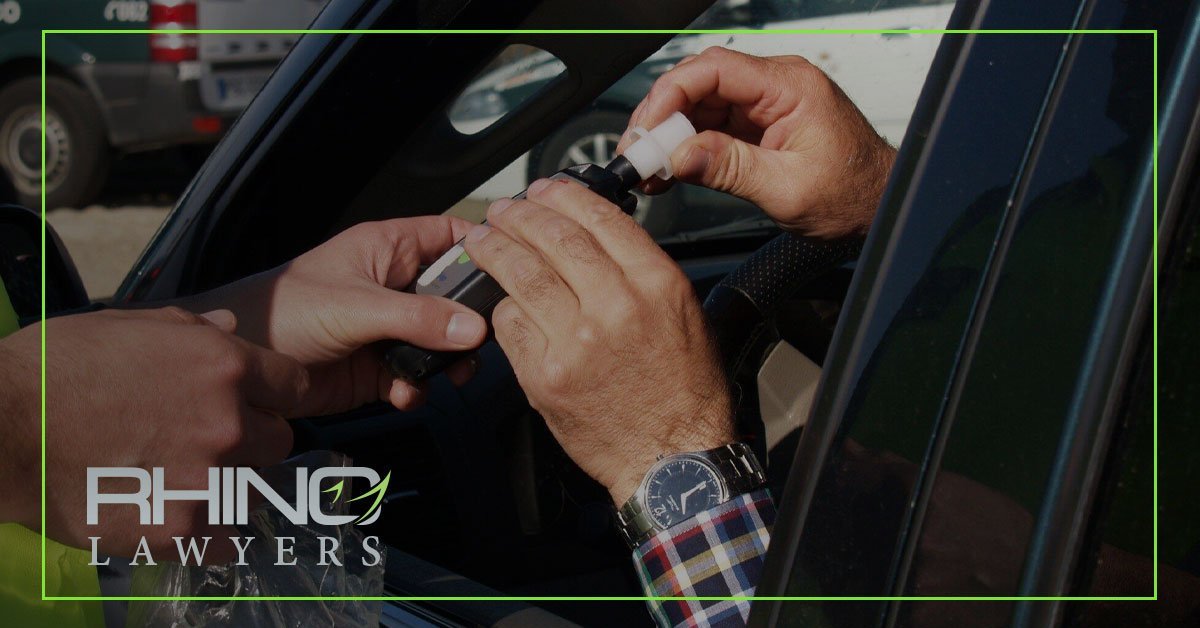
What Happens if You Refuse a Breathalyzer in Tampa, Florida?
Imagine this situation: it’s a quiet night in Tampa and you’re driving home from a party. Suddenly, you see police lights flashing behind you.
Though you’re not sure why, it’s clear you’re about to get pulled over. You know where this is going: the officer will ask you to take a breathalyzer. The thing is, you’re not sure just how many drinks you’ve had.
In situations like these, it’s often tempting to refuse a breathalyzer. About 35% of Florida drivers do it, far more than the national average of 24%. The question is: what happens if you refuse a breathalyzer?
To answer that, we need to go over your rights as a driver. Read on to learn more about breathalyzer tests in Tampa, FL!
How Breathalyzer Tests Work
First things first: how do breathalyzer tests work?
As the name implies, this test measures how much alcohol is in the air you breathe out. It does so by looking at your blood alcohol content (BAC). Like in the rest of the country, the legal alcohol limit in Florida is .08% BAC.
Breath analyzer tests come in two types. The first one is the preliminary alcohol screening (PAS) test, which involves a small portable machine. This is what most people think of when they imagine a breathalyzer test.
The second test is the evidential breath test (EBT). This test involves a larger, stationary machine at the police station or jail. EBT tests are more reliable, and many officers will use them to confirm the earlier PAS results.
Implied Consent Laws in Florida
Once a police officer stops you for a DUI, they’ll likely ask you to do a PAS test. Though you can refuse it, there will be consequences for doing so.
Why is this the case? Simple: in Florida, the implied consent law states you must agree to a chemical or physical test if you’re stopped for DUI. This can include a breath test, urine test, blood test, or field sobriety test.
If you refuse to take one of these tests, your license will get suspended for a year. Keep in mind this is an automatic suspension. It will happen regardless of whether you get convicted of DUI later.
The only caveat to the implied consent law is that the police officer needs probable cause to stop you. If you can prove they didn’t have one, your refusal to blow won’t affect your driving privileges.
What Happens if You Refuse a Breathalyzer?
Refusing a breathalyzer can have several possible consequences. This depends on whether this is your first refusal or not.
If this is your first refusal, you’ll face a mandatory license suspension. During the first 90 days, you won’t be eligible for a hardship license. This license allows you to drive to work and other essential appointments.
A second refusal of a breath test counts as a misdemeanor. According to breathalyzer laws, this will result in an 18-month license suspension. You won’t be eligible for a hardship license for those 18 months.
If you’re facing a criminal trial, refusing a breath test allows the prosecutor to use it against you. This falls under the “consciousness of guilt” argument. This can dramatically increase your odds of going to jail.
It’s also worth noting that refusing a breathalyzer doesn’t mean you won’t get convicted of DUI. If you were driving erratically, the police officer could still take you in for driving under the influence.
Should You Refuse a Breathalyzer?
So, is it better to take or refuse a breathalyzer if you’re unsure you’ll pass it? In most situations, your best bet would be to take it.
Let’s look at this from this perspective: what’s most likely to happen? If you’re convicted of DUI, you’ll get your license suspended and face fines. In some cases, jail time is also a possibility.
However, this is the worst-case scenario. If this is your first offense and you blow under .16% BAC, you may qualify for the Diversion Program. This is a far lighter sentence than what you’d get for refusing to blow.
The Diversion program can involve several requirements. These include:
- Community service
- Attendance at DUI school
- Victim Awareness Program
If you complete the Diversion program, your DUI charges will go away. At this point, you can choose to have your record expunged. This would remove the arrest from your criminal record.
Other Ways to Refuse a Breathalyzer
If you have no good reasons to refuse a breathalyzer, you may decide to take it. However, refusing a breathalyzer isn’t always as simple as saying “no.”
For starters, a breathalyzer test involves providing two breath samples. If these samples aren’t within 0.02% BAC of one another, you’ll need to take a third one. If you refuse to do so, the first two tests won’t matter.
The two samples you provide must also have a sufficient quantity. If they don’t, this may classify as a refusal to take the test. The same applies if you don’t provide the samples within the allowed time frame.
Issues With the Breathalyzer Test
As mentioned above, a PAS breathalyzer test can be unreliable. Being aware of what influences it can help you decide whether to refuse the test or not.
First, there may be something wrong with the machine itself. It may not be properly calibrated, maintained, or warmed up. Similarly, the officer administering the test may not have the necessary training for it.
Some people may produce higher BAC readings than they should. If you have a slow metabolism, for instance, you’ll need longer to absorb alcohol. If so, the test may state you have more alcohol in your bloodstream than you do.
The officer testing you must also observe you for 20 minutes beforehand. If you burp or vomit during this time, the officer will need to wait another 20 minutes. Otherwise, your test results could be artificially inflated.
Refusing a Breathalyzer: What to Do?
Knowing what happens if you refuse a breathalyzer is essential for protecting your rights as a driver. The above guide will help you decide what to do the next time you get pulled over in Tampa, FL!
Looking to fight your DUI charges? Our experienced attorneys at RHINO Lawyers have litigated thousands of cases like yours! Contact us here for a free case evaluation or video consultation!
CONTACT TAMPA TRAFFIC TICKET ATTORNEY
RHINO Lawyers can help and guide you through a system molded by law enforcement, judges, and lawyers for decades. Having won cases for our clients in similar circumstances, our criminal defense team knows what it takes to fight on your behalf.
Let RHINO Lawyers answer your questions and review the facts of your case with a Free Consultation. So, get started by completing the “Free Instant Case Evaluation” or by calling us any time, day or night, at (844) RHINO-77.
Read More
What to Do if You Have Multiple Traffic Tickets
More than 32 million Americans are pulled over for traffic violations every year. While some may drive away with a warning, others face traffic tickets and hefty fines. A habitual traffic offender may begin to see multiple traffic tickets pile up.
This can feel overwhelming; fortunately, there are things you can do to address this. Let’s discuss the consequences of having too many tickets on your driving record and what you can do about it.
The Consequences of Too Many Traffic Tickets in Florida
Getting slapped with multiple traffic tickets in Florida can put the brakes on your freedom to drive without consequences. These infractions come with hefty fines that can drain your wallet faster than a pit stop at a gas station and lead to points piling up on your driving record. Accumulating too many points may result in license suspension or even revocation, leaving you stranded without the ability to legally operate a vehicle.
Too many traffic violations can also cause your auto insurance rates to skyrocket. Insurance companies view multiple tickets as red flags for risky behavior behind the wheel. This can prompt them to charge you a higher insurance premium or potentially drop coverage altogether.
Neglecting multiple traffic violations could land you in hot water with the law if left unaddressed. Failure to pay fines or appear in court for citations can result in warrants being issued for your arrest or other legal repercussions that extend beyond mere inconveniences. It’s essential to take proactive steps toward resolving each ticket to avoid escalating penalties and potential legal troubles ahead.
What to Do if You Have Multiple Traffic Tickets
Facing a stack of traffic tickets can be stressful. Here are some tips to help you navigate the situation.
Contest Tickets
Contesting tickets might be an option worth exploring. If you believe you were wrongly issued a ticket, you have the right to challenge it in court. This process involves presenting your case and evidence to prove your innocence or mitigate the charges.
Contesting tickets requires preparation and an understanding of the legal procedures involved. Gathering relevant documentation, such as witness statements or dashcam footage, can strengthen your defense. Following the court’s guidelines and deadlines for submitting evidence to support your claim is also essential.
While contesting tickets can be challenging, it allows you to defend yourself against unjust penalties and protect your driving record. Consider consulting with a traffic attorney for guidance on navigating the legal system effectively.
Negotiating With the Court
When dealing with several citations, it’s essential to approach the court respectfully and professionally. Explaining your situation calmly and providing any relevant documentation can help in reaching a more favorable outcome.
Courts may offer options such as reducing fines or points on your license through negotiation. Being proactive and willing to cooperate can demonstrate your commitment to resolving the issue responsibly. Consider seeking legal advice or representation for complex cases involving multiple traffic tickets.
Attending Traffic School
Attending traffic school is not just about fulfilling a court requirement. It’s also an opportunity to brush up on your driving knowledge and potentially reduce the impact of the tickets on your record.
Traffic school provides valuable insights into safe driving practices, helping you become a more responsible driver on the road. By attending these classes, you may even qualify for ticket dismissal or point reduction, ultimately saving you money on fines and insurance premiums.
Preventing Future Tickets
Studies confirm that people who commit traffic violations are more likely to do so again in the future. However, you don’t have to be another number.
You can avoid consequences and save money on fines by avoiding future traffic tickets. We’ve compiled a few tips to help you navigate the roads safely.
Improve Driving Habits
Safe driving reduces the chances of receiving more tickets and helps protect yourself and others on the road. Start by practicing defensive driving techniques like staying alert and avoiding distractions. You can reduce the risk of accidents by keeping a safe distance from other vehicles and obeying speed limits.
Another way to enhance your driving habits is to avoid aggressive behavior on the road. Stay calm in traffic jams and practice patience with other drivers. Remember, being courteous behind the wheel can prevent unnecessary confrontations that may lead to more violations.
Additionally, regularly maintain your vehicle for optimal road safety. Ensure all lights are functioning correctly, tires are properly inflated, and brakes are in good condition.
Stay Informed About Current Florida Driving Laws
Knowing the latest regulations can help you avoid unnecessary tickets and fines. Make it a habit to check for updates on speed limits, traffic signals, and any new laws that may impact your driving. Knowledge of these regulations will keep you out of trouble and contribute to safer roads for everyone.
Use Technology to Your Advantage
By utilizing technology to your advantage, you can stay on top of important information such as traffic updates, road closures, and speed limit changes. Apps like Waze can help you navigate efficiently and avoid potential traffic violations. Additionally, dashcams can provide evidence in case of disputes or accidents.
How Can a Lawyer Help With Traffic Tickets?
A skilled traffic ticket defense attorney can help navigate the legal process, negotiate on your behalf, and potentially reduce fines or penalties. They should understand traffic laws and know how to build a strong defense for your case.
A lawyer can represent you in court, saving you time and stress. They may also provide valuable advice on preventing future tickets and improving your driving habits. With their experience and guidance, you can work towards resolving your current situation while taking steps to avoid similar issues in the future.
Your Case Is Our Passion
Dealing with multiple traffic tickets in Florida can be overwhelming. But it’s essential to take proactive steps to address the situation.
RHINO Lawyers is here to help you with your traffic ticket case. We want to form a lasting partnership with you. We’ll take your side and be available for help when you need it. Contact us today for a free case review.
CONTACT TAMPA TRAFFIC TICKET ATTORNEY
RHINO Lawyers can help and guide you through a system molded by law enforcement, judges, and lawyers for decades. Having won cases for our clients in similar circumstances, our criminal defense team knows what it takes to fight on your behalf.
Let RHINO Lawyers answer your questions and review the facts of your case with a Free Consultation. So, get started by completing the “Free Instant Case Evaluation” or by calling us any time, day or night, at (844) RHINO-77.
Read More
A Guide on Avoiding Careless Driving Tickets in Tampa, Florida
Behind the wheel in Tampa, Florida, the fun can quickly fade if you find yourself facing a careless driving ticket. Imagine cruising down the palm-lined streets, the warm breeze in your hair, only to be pulled over for a moment of inattentiveness.
So how do you avoid having this situation happen to you? We’re here to help.
Read on to learn how to avoid a careless driving ticket in Tampa.
Follow the Speed Limit
One of the most significant factors contributing to such citations is speeding. Get familiar with the listed speed limits on different types of roads, including highways, residential areas, and school zones.
Pay attention to special speed limit signs, such as construction zones or reduced speed areas.
Allow as much time as possible for your journey to avoid rushing and the temptation to speed. Consider traffic conditions, potential delays, and the distance to your destination when planning your travel schedule.
Regularly check your speedometer to ensure you are within the legal speed limits. Avoid any distractions that can grab your attention from monitoring your speed.
Avoid Traffic Violations
You should also try and avoid non-speeding careless driving issues. Learn about Florida’s traffic laws. That should include speed limits, right-of-way rules, and traffic signals. Stay up to date on any new or coming changes to traffic regulations that may affect your driving behavior.
Always use your turn signals when you’re changing lanes, merging lanes, or making turns at intersections. Signal in advance to give other drivers and pedestrians ample notice of your intentions.
Keep a safe distance from the vehicle in front of you to avoid rear-end collisions and potential careless driving citations. Use the three-second rule or adjust your following distance based on road conditions and speed.
Park in specifically designated areas and avoid blocking traffic, driveways, fire hydrants, or handicapped spaces without proper authorization. Follow parking regulations to prevent parking-related citations.
Get Away From Distracted Driving
Distracted driving is a leading cause of careless driving tickets and accidents in Tampa, Florida.
Program your GPS, adjust mirrors, and set climate controls before starting your journey. Preparing in advance reduces the need for adjustments while driving.
Refrain from eating, drinking, or handling food and beverages while driving. Take breaks in safe areas if you need to consume food or drinks.
Set up music playlists or podcasts before driving to minimize distractions. Adjust volume levels to a comfortable and non-distracting level.
If possible, enlist a passenger to handle navigation, adjust settings, or manage incoming calls. Passengers can help reduce distractions and enhance overall safety.
If you need to attend to an urgent matter, find a safe location to pull over. Use hazard lights to signal your intention to stop and address the situation.
Ensure children and pets are properly secured in appropriate seats or restraints. Minimize interactions with passengers that may cause distractions.
Improve Situational Awareness
Continuously scan the road ahead, checking mirrors and blind spots for potential hazards. Be aware of changing traffic conditions, pedestrians, cyclists, and other vehicles.
Stick to posted speed limits and adjust your speed based on weather conditions, visibility, and traffic flow. Reduce speed in unfamiliar areas or during adverse weather to maintain control of your vehicle.
Use all your senses while driving, including sight, hearing, and touch, to detect potential dangers. Listen for sirens, horns, and other auditory cues signaling hazards or emergency vehicles.
Exercise caution at intersections. Be prepared for sudden stops, turns, and yield situations.
Avoid driving when fatigued or drowsy, as it impairs situational awareness and reaction times. Take regular breaks when you need to during long trips to rest and refresh your focus.
Practice Defensive Driving
Practice defensive driving by paying attention to the possible actions of other Tampa drivers and being prepared to react safely. Maintain a buffer zone around your vehicle to allow for evasive maneuvers if necessary.
Maintain a well-equipped vehicle with essential safety items such as a spare tire, tools, first aid kit, and emergency contact information. Know how to handle emergency situations such as vehicle breakdowns or collisions safely and responsibly.
Think about signing up for a defensive driving course to improve your driving skills, learn defensive techniques, and reinforce safe driving habits. Defensive driving courses may also help reduce insurance premiums and points on your driving record.
Ensure your vehicle is well-maintained with properly functioning brakes, lights, tires, and mirrors. Regular maintenance lowers the risk of mechanical failures that could contribute to accidents or violations.
Hire a Lawyer
If you’ve run into problems before, you might want to look into some professional support.
A lawyer specializing in traffic laws can help you understand the particular regulations and requirements around driving in Tampa, Florida. Plus, they can clarify speed limits, right-of-way rules, and other traffic laws to ensure compliance and prevent careless driving violations.
They can help you fight back against traffic tickets you feel are undeserved. They can represent you in court and present arguments to mitigate or dismiss the charges, potentially avoiding fines and penalties.
These professionals can also support you in trickier legal scenarios. Lawyers skilled in traffic law often have relationships with prosecutors and judges. That allows them to negotiate plea deals on your behalf.
They may secure reduced charges, lower fines, or alternative penalties through plea bargaining.
Careless driving tickets can result in points on your driving record. That can lead to increased insurance premiums and could even get your license suspended. A lawyer can help minimize points, negotiate for traffic school options, or explore options to keep your record clean.
Hiring a lawyer for traffic-related matters provides peace of mind knowing that you have professional legal representation. They handle the complexities of the legal process, allowing you to focus on safe driving practices without the stress of legal issues.
Avoid a Careless Driving Ticket in Tampa Today
There’s a lot you can do to avoid a careless driving ticket in Florida. Hopefully, you can use this guide to keep your driving record squeaky clean for years to come.
Do you need a traffic ticket attorney in Florida? RHINO Lawyers’ team of millennials is ready and willing to defend you with anything you need.
Contact us today.
CONTACT TAMPA TRAFFIC TICKET ATTORNEY
RHINO Lawyers can help and guide you through a system molded by law enforcement, judges, and lawyers for decades. Having won cases for our clients in similar circumstances, our criminal defense team knows what it takes to fight on your behalf.
Let RHINO Lawyers answer your questions and review the facts of your case with a Free Consultation. So, get started by completing the “Free Instant Case Evaluation” or by calling us any time, day or night, at (844) RHINO-77.
Read More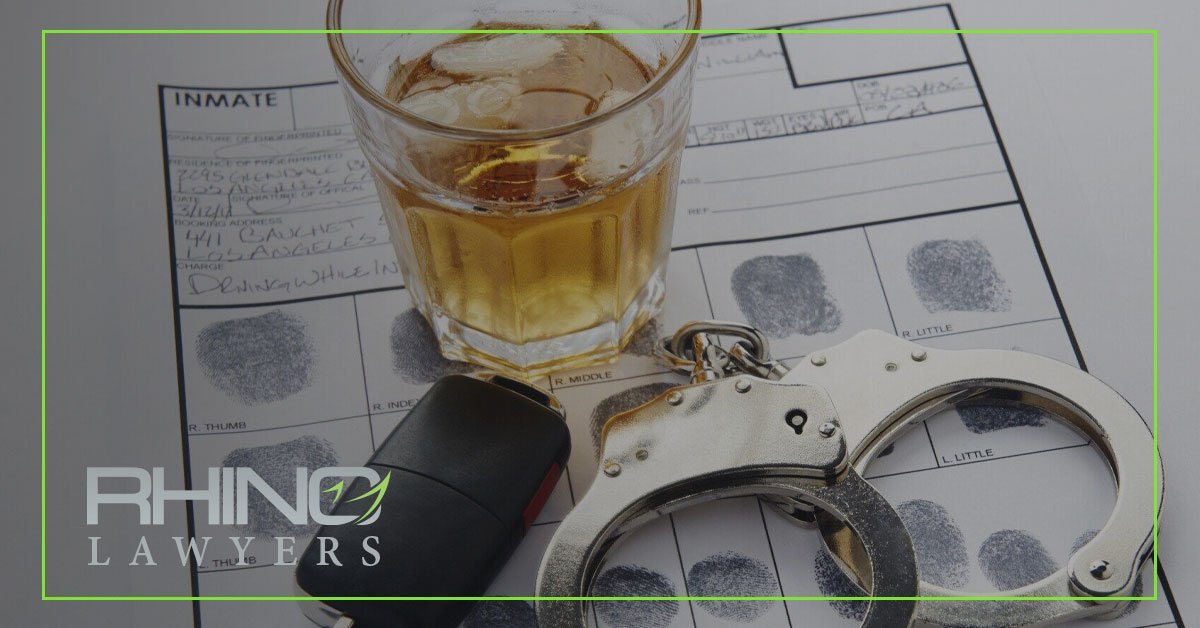
How Law Enforcement Patrols for DUIs
According to reports, the typical DUI violator commits such an offense around 80 times a year. These individuals are also more likely to get involved in fatal crashes.
Law enforcement patrol protocols are in place to mitigate such injury-causing and deadly collisions. These processes aim to stop motorists who may be driving under the influence of alcohol or drugs before they get into a crash.
But how exactly do law enforcement officers conduct such patrols? And how can DUI lawyers assist drivers who may have been wrongly stopped, charged, or arrested for drunk driving?
This article sheds light on those questions, so read on.
How Do Law Enforcement Officers Patrol for DUI Drivers?
The exact strategies vary from one state to another; however, in Florida, DUI checkpoints and saturation patrols are two commonly used methods to identify and apprehend impaired drivers. Many counties in the state also employ DUI task forces to conduct these patrols.
DUI Checkpoints
DUI checkpoints are also known as sobriety checkpoints. Law enforcers use these temporary roadblocks to screen motorists for impaired or drunk driving.
DUI checkpoints are legal only in 38 states, including Florida. For them to be lawful, they must adhere to legal guidelines, including:
- Having a predetermined and neutral formula for stopping vehicles
- Providing public notice of the DUI checkpoint in advance
- Holding each motorist whom they screen for no more than three minutes
An example of a formula for stopping vehicles at a DUI checkpoint is stopping only every third car.
What Happens at a DUI Checkpoint?
Law enforcement officers initiate a brief conversation with the driver at DUI checkpoints. They then observe the motorist for signs of alcohol- or drug-related impairment. For example, they look for visible signs of alcohol or drug use, such as:
- The smell of alcohol on the driver
- Slurred speech
- Impaired coordination and mental faculties
- Bloodshot or dilated eyes
If an officer detects one or more of those signs, they can direct the driver to another area for further evaluation.
What Does Further Evaluation at DUI Checkpoints Mean?
Florida law enforcers can ask drivers who exhibit signs of DUI to submit to field sobriety tests. These include the following:
- Horizontal Gaze Nystagmus (HGN)
- Walk-and-Turn
- One-Leg Stand
If a driver fails those, law enforcement officers can request them to undergo a breathalyzer or blood test. These tests determine one’s breath or blood alcohol level (BAL) or concentration (BAC). Under Florida statutes, a person can face a DUI case if their BAL or BAC is 0.08 or higher.
Saturation Patrols
Saturation patrols refer to an increased number of law enforcement officers patrolling specific areas for DUI. The police often conduct them in locations and at times when impaired driving is more common. Studies found they can be effective in lowering rates of alcohol-related crashes.
DUI Task Forces
DUI task forces consist of law enforcement officers who’ve undergone specialized training in identifying and apprehending DUI drivers. They often conduct targeted operations during peak hours, including weekends and holidays. They can stop motorists they believe are under the influence not only at DUI checkpoints but anywhere on the road.
Officers conducting DUI patrols can pull over and stop motorists who exhibit the following behaviors:
- Erratic driving patterns, such as swerving or following vehicles too closely
- Driving well above or below the speed limit
- Traffic violations, including failing to stop at stop signs or running red lights
Once officers stop drivers, they can employ the same methods used at DUI checkpoints.
What Happens if You Get a DUI Conviction?
If you get convicted of DUI in Florida, you can face fines, jail time, probation, and loss of driving privilege.
The severity of your penalties depends on whether it’s your first or subsequent DUI conviction. If it’s the first time, you can get fined between $500 and $1,000, be in jail for one day up to nine months, and lose your license for 180 days to a year. If it’s a second charge within five years, the fine can go up to $2,000, jail time for a minimum of 10 days to nine months, and loss of license for five years or more.
How Can DUI Lawyers Help With DUI Cases?
Since a DUI charge can severely impact your finances, driving privileges, freedom, and future, you should consider fighting it. Even more so if you believe the officers mistakenly charged you or failed to follow due procedures.
A DUI attorney can help fight for your rights by performing the following.
Ensure You Get Fair Treatment
A DUI lawyer will serve as your advocate, helping protect your rights. They’ll help ensure you receive fair treatment throughout the legal process.
For example, your attorney will investigate the circumstances before and during your DUI stop. They’ll look for any indication that the law enforcers may have discriminated against you. They’ll also scrutinize the process by which the police charged you, such as if they had probable cause.
Provide Exceptional Legal Advice
A DUI defense attorney can provide exceptional legal advice based on the specifics of your case. For example, they may tell you that the best approach is to take your case to trial because there’s a chance they can get your charges dropped. They can do this by building reasonable doubt around your arrest, such as questioning the following:
- The legality of the DUI stop
- The reliability of the breathalyzer or blood test results
- The qualifications of the law enforcement officer who performed the sobriety tests
While not all DUI cases get dropped, a seasoned DUI lawyer will do everything to reach this outcome for you. If not possible, they will, at the very least, negotiate on your behalf. For instance, they may engage in plea bargaining to help reduce charges or penalties.
Protect Your Rights With a DUI Attorney
From DUI checkpoints to saturation patrols, all these are methods law enforcers use to catch impaired drivers. However, while they can help mitigate DUI crashes, they’re not always conducted legally and correctly.
So, if you’re facing a DUI charge, let the RHINO Lawyers’ exceptional team of DUI lawyers assist you. We’ve won cases for many of our clients in similar situations. We also offer free instant case evaluations and have a 24-hour hotline you can contact for help.
Call us today so we can get started in reviewing your DUI case.
CONTACT TAMPA TRAFFIC TICKET ATTORNEY
RHINO Lawyers can help and guide you through a system molded by law enforcement, judges, and lawyers for decades. Having won cases for our clients in similar circumstances, our criminal defense team knows what it takes to fight on your behalf.
Let RHINO Lawyers answer your questions and review the facts of your case with a Free Consultation. So, get started by completing the “Free Instant Case Evaluation” or by calling us any time, day or night, at (844) RHINO-77.
Read More