

The Fine for Passing a School Bus in Florida: What Is It?
Florida’s sunshine and palm trees paint a picture of carefree living, but for the state’s schoolchildren, the journey to and from school can be fraught with danger. A shocking statistic reveals that motorists illegally passed about one in three school buses operating during a single day of data collection. Thus, translating to a staggering 1.9 million such violations in a typical school year.
Because of this, in recent years, the state has cracked down on Florida drivers. Failure to follow bus stop signage can result in fines and more.
Keep reading to learn more about the laws for school bus safety in the Sunshine State.
Why Passing a School Bus is Illegal
Passing a school bus is not just a minor traffic violation; it is illegal for good reason. The safety of students is paramount, and the laws surrounding school bus stops are designed to protect them.
When a school bus comes to a stop and turns on its flashing lights and stop sign arm, it means children are getting on or off the bus. Passing the bus during this time puts these vulnerable young individuals at risk.
One of the main reasons passing a school bus is illegal is because it can lead to tragic accidents. Students may be crossing the street in front of or behind the bus, often in unpredictable ways. By disregarding the stop sign and continuing to drive past the stopped school bus, drivers put these students in danger.
New Laws Allowing School Buses to Use Cameras to Catch People Illegally Passing School Buses
In recent years, Florida has taken a proactive approach to enforcing school bus safety laws. Because the state recognizes the dangers of passing a school bus and the potential harm it can cause students. So, they implemented new regulations to catch those who disregard these rules.
One such measure is a Bill signed in the summer of 2023 by Governor Ron DeSantis. It allows the use of cameras on school buses.
In fact, they strategically placed these cameras on buses. So they could capture evidence of drivers illegally passing stopped school buses. This technology serves as a deterrent and provides concrete proof for law enforcement agencies.
By allowing school buses to utilize cameras in this way, Florida is sending a clear message that they prioritize the safety of their students above all else.
Consequences for Failure to Stop for a School Bus
Passing a school bus when its stop sign is extended, and lights are flashing is not only illegal but also incredibly dangerous. In Florida, the consequences of this violation can be severe. The state takes the safety of students on school buses very seriously.
Fines
Florida’s fine and penalty structure for passing a school bus is designed to deter drivers from committing this offense. The minimum fine you will face is $165. If you pass on the side of the bus where kids enter and exit, your fine will start at a minimum of $265.
Fines can increase depending on the exact circumstances and subsequent violations.
Drive Improvement Course
Drivers caught passing a stopped school bus may have to complete a driver improvement course, in addition to fines. All first-time offenders must do this, and it may also be a requirement for subsequent offenses.
Points On Your License
In Florida, drivers who pass a stopped school bus commit a moving violation. Points will get added to your driving record if convicted.
You will receive four points for this offense. The authorities may suspend your license if you collect too many points within a specific period.
Increased Insurance Rates
Passing a stopped school bus can also result in higher insurance rates. Insurance companies view this offense as a serious violation and may increase your rates or cancel your policy.
The Cameron Mayhew Act
In Florida, there is a law named after a 16-year-old boy named Cameron. Tragically, a driver passing a stopped school bus killed him. This law states that drivers will face more severe consequences if they injure or kill someone as a result of passing a stopped school bus.
This can include:
- 120 hours of community service in a trauma center or hospital
- Attending an FLHSMV-approved driver improvement course or participating in a victim’s impact panel session
- Six points on their driver’s license
- One-year minimum suspension of their driver’s license
- A fine of $1,500
How Can a Lawyer Help With Your Ticket?
If you find yourself facing a ticket for passing a school bus in Florida, it’s important to understand that you have options. One of the best things you can do is consult with an experienced traffic lawyer focusing on handling cases like yours.
A knowledgeable lawyer can help navigate the legal process and work towards achieving the best possible outcome for your case. They will thoroughly review all evidence, including any video footage or witness statements, to build a strong defense on your behalf.
With their expertise, they may be able to challenge the validity of the ticket or negotiate for reduced penalties. In some cases, they might even get the charges dismissed altogether.
Possible Defenses
Luckily, a person charged with passing a stopped school bus in Florida has a few possible defenses that their attorney can use in their defense. These include:
- The bus stop signage was not displayed properly
- You were following the instructions of a police officer
- It wasn’t you driving
However, it is important to note that these defenses may not always be successful. It is best to consult with an experienced attorney for guidance on your specific case.
Bus Stop Signage: Find Help From Traffic Law Attorneys
With school bus safety, there is no room for complacency. The lives and well-being of our students are at stake, and we must do everything in our power to protect them. That starts with understanding the importance of obeying school bus stop signage and symbols.
However, we all make mistakes. That’s why RHINO Lawyers are here. One mistake shouldn’t destroy your driving record.
We prioritize communication, and it’s our goal to exceed your expectations. Our passion is you and your case. Contact us today for your free case evaluation.
CONTACT TAMPA TRAFFIC TICKET ATTORNEY
RHINO Lawyers can help and guide you through a system molded by law enforcement, judges, and lawyers for decades. Having won cases for our clients in similar circumstances, our criminal defense team knows what it takes to fight on your behalf.
Let RHINO Lawyers answer your questions and review the facts of your case with a Free Consultation. So, get started by completing the “Free Instant Case Evaluation” or by calling us any time, day or night, at (844) RHINO-77.
Read More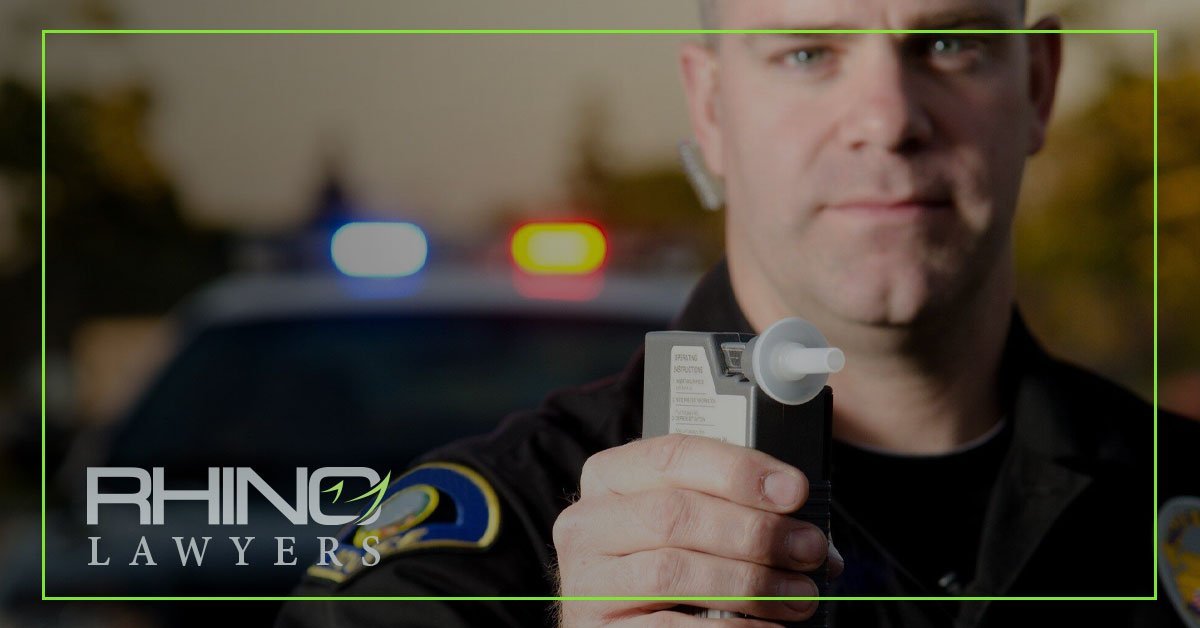
Can the Police Search Your Vehicle After You Have Been Arrested for a DUI?
Each year, more than a million DUI arrests occur in the United States. If you find yourself in this situation in Florida, a critical question emerges: Can the police search your vehicle post-arrest?
In this blog post, we will take a closer look at what happens after a DUI arrest. We’ll highlight Florida’s vehicle search laws, your rights, challenges to unlawful searches, and more. Let’s get started.
The Initial Arrest
In Florida, the process of a DUI arrest is a pivotal moment with far-reaching legal implications. Following the apprehension, law enforcement’s primary objective is to establish probable cause for the arrest.
This involves a series of field sobriety tests, breathalyzer examinations, and other assessments to gather evidence related to the alleged offense. Once the arrest is made, the spotlight shifts to the question of whether the police have the authority to search your vehicle. Understanding the dynamics of this situation is crucial.
The legal concept of a “search incident to arrest” comes into play during a DUI stop, allowing law enforcement to conduct a warrantless search of the immediate surroundings. This could potentially extend to the vehicle if there’s reasonable suspicion of pertinent evidence.
Search Incident to Arrest
Let’s expand further on the concept of search incident to arrest. This legal doctrine grants law enforcement the authority to conduct a warrantless search of the individual and the immediate surroundings at the time of arrest.
In the context of a DUI arrest, this includes the possibility of extending the search to the suspect’s vehicle. The rationale behind this legal principle is twofold: ensuring the safety of officers and preventing the potential destruction of evidence.
If there is a reasonable belief that the vehicle contains evidence relevant to the DUI charge, such as open containers or substances, the search incident to arrest may encompass the passenger compartment and accessible containers within the vehicle.
Florida’s Vehicle Search Laws
In Florida, after a DUI arrest, law enforcement has the authority to search the passenger compartment of the vehicle and any accessible containers within it. This includes areas like the glove compartment and center console, essentially spaces reachable by the driver or passengers.
However, it’s crucial to recognize that this authority is not without limits. The search must be directly tied to the circumstances of the arrest and specifically linked to the alleged DUI offense. Exploiting the arrest as a pretext for an extensive, unjustified search of the entire vehicle is not permissible under Florida law.
The scope of the vehicle search must remain reasonable, ensuring that it aligns with the pursuit of evidence directly connected to the DUI charge. This understanding is vital for individuals facing DUI charges in Florida. This is because it delineates the boundaries of law enforcement’s search authority in the post-arrest scenario.
Challenges to Unlawful Searches
When faced with an unlawful vehicle search after a DUI arrest in Florida, individuals have the right to challenge the evidence obtained through that search.
Seeking legal guidance becomes imperative in these situations. A skilled defense attorney, such as those at RHINO Lawyers, can assess the circumstances surrounding the search, determining whether it violated Fourth Amendment rights.
The Fourth Amendment safeguards individuals against unreasonable searches and seizures. If law enforcement exceeded the permissible scope of the search incident to arrest or lacked probable cause. Then the court can deem any evidence obtained inadmissible. This can significantly impact the prosecution’s case.
Understanding these legal nuances empowers individuals to assert their rights. Do you believe your vehicle was unlawfully searched? Then consulting with our exceptional team is a crucial step in building a robust defense strategy tailored to your specific circumstances.
Know Your Rights
It is crucial for individuals facing DUI charges in Florida to be aware of their rights during and after an arrest. If you find yourself in this situation, remember the following key points.
Consent Matters
Your ability to control the situation post-DUI arrest in Florida extends to the crucial aspect of consenting to a vehicle search. You are well within your rights to refuse such a search, and doing so does not automatically imply guilt.
When law enforcement requests your consent, it is your prerogative to politely decline unless they present a valid search warrant. By withholding consent, you maintain a level of control over the situation. Thus, ensuring they respect your rights and that law enforcement follows proper legal procedures.
Invoke Your Right to Remain Silent
In the aftermath of a DUI arrest in Florida, invoking your right to remain silent is a powerful shield against self-incrimination. Until you’ve had the opportunity to consult with an attorney, exercising this right is paramount
Law enforcement can use anything you say during the arrest and subsequent interactions against you in court. Prioritize seeking legal advice to navigate the complexities of your case without inadvertently providing information that might compromise your defense.
By remaining silent, you take a proactive step to protect your legal interests and ensure a fair and just resolution to your DUI case.
Consult with an Attorney if Arrested for a DUI
Amidst the legal intricacies following a DUI arrest in Florida, consulting with an experienced attorney is a pivotal step. If you suspect your rights were violated during the arrest or subsequent vehicle search, timely legal advice is crucial.
Here at RHINO Lawyers, we focus on DUI defense. We can assess the details of your case, evaluate the legality of the search, and build a robust defense strategy.
Our expertise allows us to navigate the complexities of Florida’s DUI laws. Thus, ensuring that your rights stay protected. As well as we provide guidance on the most effective course of action. More importantly, we tailor it to your specific situation.
Arrested for a DUI: Yours Rights
Facing the aftermath of a DUI arrest in Florida demands a clear understanding of your rights. From the crucial decision to withhold consent to the powerful act of remaining silent, every choice matters. When it comes to securing your defense, consulting with an experienced attorney is non-negotiable.
RHINO Lawyers stands as your leading choice for DUI defense in Tampa, FL. Our dedicated team is committed to safeguarding your rights and crafting a strategic defense aligned with your unique case. Schedule a free video consultation today to discuss your case.
CONTACT TAMPA TRAFFIC TICKET ATTORNEY
RHINO Lawyers can help and guide you through a system molded by law enforcement, judges, and lawyers for decades. Having won cases for our clients in similar circumstances, our criminal defense team knows what it takes to fight on your behalf.
Let RHINO Lawyers answer your questions and review the facts of your case with a Free Consultation. So, get started by completing the “Free Instant Case Evaluation” or by calling us any time, day or night, at (844) RHINO-77.
Read More
Can I Get a DUI For Sleeping It Off In My Car?
Fun fact: during the New Year’s holiday of 2021-2022, south Florida reported no deadly DUI or BUI accidents. While that is an incredible achievement, it doesn’t mean that Florida has gotten any less strict regarding a DUI charge. Some people realize in the midst of driving drunk that they’ve made a terrible mistake, and want to remedy it. So what happens, for example, if you get caught while trying to sleep it off?
Today, we discuss what could happen if an officer finds you sleeping it off.
What Constitutes a DUI in Florida?
Florida has DUI laws that are very similar to other states. They determine your penalty based on whether you reached a certain BAC or blood alcohol level. You are driving drunk, legally, if you have a BAC of 0.08%.
This penalty is quite harsh for underage drinkers. Someone under the age of 21 will get a DUI if they have a BAC of just 0.02.
The higher your BAC is, the worse the penalty will be. A BAC of 0.15% (someone who is incredibly drunk) would result in an aggravated, enhanced penalty. In that case, you might have some questions for a DUI attorney about how to proceed.
Also, Florida is an implied consent state. Upon getting your driver’s license, you agree to submit to BAC testing when pulled over. Refusal to do so would result in a license suspension, provided the officer has reasonable suspicion.
Can You Get a DUI Charge for Sleeping It Off?
It would seem, in theory, that there is no crime if you are sleeping in a vehicle drunk. After all, a DUI (driving under the influence) involves handling the vehicle. Sleeping in a vehicle while drunk is not technically handling it, right?
That’s the case in many states, but not the state of Florida. While it is true that in Florida you must have “actual physical control,” that doesn’t mean you’re exempt because you’re sleeping.
A few factors may give an officer reasonable suspicion to arrest with a DUI conviction.
Your BAC
First of all, the officer will test your BAC if they suspect that you are drunk. If you have slept it off, you will still have some alcohol content in your blood. It may be less than the legal limit, but the officer might suspect it used to be higher when you stopped the vehicle to sleep.
It’s not conclusive evidence that you were above the 0.08% limit, but it does look suspicious. Any BAC at all will weaken your case before a judge and possibly lead to a DUI charge.
Alcohol in the Vehicle
Worse than BAC would be an alcohol container in the vehicle. Like most states, Florida has open bottle laws. Any open receptacles of alcohol in the vehicle even if you’re not drunk-will lead to harsh penalties.
Suppose you’re found to be sleeping and have no BAC, but there’s alcohol in the car. You could be in serious trouble even if you never drank.
Where You Are Sitting
It’s going to make a world of difference where you sleep in the vehicle. If you’re sleeping in the driver’s seat, then you are giving the officer more reasonable suspicion. After all, it looks like you were driving before you stopped to sleep.
This doesn’t mean that you’re off the hook if you’re sleeping in the passenger seat or in the back. Sleeping in a car in public places is still illegal in many public and private places in Florida. However, your legal help will have a stronger case if you’re not in the driver’s seat.
Where Your Car Is
Most people “sleep it off” only after they have started driving. It’s rare that somebody gets in their vehicle at a friend’s house or a bar solely with the intention of sleeping. Especially if it’s cold outside, such as during New Year!
Police officers will take note of where you parked. Are you parked on the shoulder of a highway, or in a parking lot on the way home? They will logically conclude that you drove there drunk, even though it would appear you got there safely and harmed no one.
Where the Keys Are
Another dead giveaway is where the keys are. DUI cases usually catch you with keys in the ignition. If you put the keys in the ignition, then it’s only logical that you were in active physical control at some point.
If the keys are not in the ignition, then the officer will check to see where they are. Even if they are in your pocket, that only makes your case a tiny bit stronger. Not having the keys will make it much harder for officers to prosecute you for a DUI according to Florida laws.
The Condition of the Vehicle
Another factor is whether or not the vehicle is in working condition. There is a chance that you broke down and had to pull over, rather than pulling over intentionally to sleep it off.
This could invite questions about whether reckless (and drunk) driving caused the car to break down, too.
Who Is Present
Another factor is who is present with you. Is there another adult present, or a minor who can drive? If they are in the driver’s seat or have the keys, then the officer might assume they’re a designated driver.
That said, the presence of a minor, for example, could result in a more severe penalty. The first offense of having a DUI with a minor sitting in the car could result in a $1,000 fine and up to a year in jail. After all, it looks like you risked the life of a child while driving drunk.
Hire a Lawyer from RHINO
A DUI charge is a serious offense, but it requires you to be in active physical control of a vehicle. That said, sleeping it off in the car is a risky strategy to avoid a DUI. Officers will take careful note of circumstantial evidence and may still convict you with a DUI.
At RHINO Lawyers, we focus on DUIs, and we have 14+ years of experience to back up our services. If you have a potential DUI charge, get a free case review here.
CONTACT TAMPA TRAFFIC TICKET ATTORNEY
RHINO Lawyers can help and guide you through a system molded by law enforcement, judges, and lawyers for decades. Having won cases for our clients in similar circumstances, our criminal defense team knows what it takes to fight on your behalf.
Let RHINO Lawyers answer your questions and review the facts of your case with a Free Consultation. So, get started by completing the “Free Instant Case Evaluation” or by calling us any time, day or night, at (844) RHINO-77.
Read More
What Is the New Florida Bill HB 317? How Will It Affect My Commute?
The New Florida bill HB 317 would make it illegal to drive in the left-hand lane on certain roadways except for under special circumstances. If passed, it will take effect on January 1st, 2025.
This bill aims to improve interstate safety for all drivers. However, it also has the potential to increase your commute time and even earn you a traffic ticket if you fail to comply.
We want to help you avoid the consequences of violating this bill should it pass. So, check out this guide to learn more about the qualifying roadways, exceptions, and fines for left-lane driving.
Which Roadways Would Qualify?
If HB 317 becomes law, roadways with posted speed limits of 65 MPH or higher and two or more lanes would qualify. If you drive in the left lane on one of these roadways, you may get a ticket.
65+ MPH Speed Limits
Roads and urban interstates with speed limits over 65 that have at least two lanes would qualify under HB 317. If the bill passes, it will be illegal to drive in the left lane on these roads, even if you drive at the posted speed limit.
It would also be illegal to drive in the left lane on any rural interstate or limited access road, as these roadways have 70 MPH speed limits in Florida.
Two or More Lanes
To clarify, a roadway with two lanes heading in either direction would not qualify under HB 317. A roadway with two or more lanes heading in the same direction would qualify.
If HB 317 becomes law, it would be illegal to drive in the left-hand lane on these legs except for in specific situations.
Would There Be Any Exceptions?
Yes, there would be exceptions to HB 317’s rule that you can’t drive in the left lane. These exceptions include if you need to pass another vehicle, exit the roadway via the left lane, or under legal direction.
HB 317 also gives exceptions to authorized emergency vehicles and vehicles doing highway maintenance or construction. These automobiles can drive in the left lane without exception.
Passing Other Vehicles
Say you are driving the posted speed limit on a roadway with two or more lanes, and you encounter a driver who is going below the speed limit. Under HB 317, you can legally use the left lane to pass the slower driver.
Now, say you are driving on the open highway, and you decide you’d prefer to use the left lane. Even if you go the posted speed limit, you could be ticketed.
Exiting the Roadway
Say you are driving on the interstate, and your exit comes up, but it is on the left-hand side. HB 317 would make it legal to use the left lane to exit.
However, if you exit onto another two-lane roadway with a speed limit of 65 MPH or higher, you must return to the right lane. Failing to do so would earn you a ticket under HB 317.
Under Legal Direction
Say you’re driving on a two-lane, 65+ MPH highway and see traffic control devices taking up the right lane. In this case, you could legally drive in the left lane without worrying about a ticket under HB 317.
The same exception holds if a law enforcement officer directs you to drive in the left lane. You would not get a ticket for complying under HB 317.
What About HOV and Left-Turn Lanes?
HOV lanes and left-turn lanes are another exception to HB 317’s no-left-lane-driving rule. It will still be perfectly legal to use these lanes so long as you stick to the posted speed limit and all other relevant driving laws.
Keep in mind that left-hand turn and HOV lanes do not count as the left lane under HB 317 unless there is only one other lane. The lane immediately to the right of the left-hand turn or HOV lane counts as the left lane under HB 317.
What Would Be the Penalty for Not Complying?
The penalty for not complying with HB 317’s new left-lane driving law would be a fine of up to $158. The driver would also receive a non-criminal moving violation, also known as a civil infraction.
You can compare and contrast non-criminal moving violations vs. non-moving violations. Moving violations occur when the car is in motion; non-moving violations occur when the car is at a standstill.
The bad news about a non-criminal moving violation is that you will obtain points against your driver’s license. If you accumulate too many points on your driving record, your license could become subject to suspension.
Another consequence of earning too many points on your driving record is higher insurance rates. Experts estimate your premium could increase by up to 50 percent for obtaining too many points against your license.
Florida Bill HB 317 vs. SB 258
Even if HB 317 does not become law, driving in the left lane may still be illegal soon. A similar Senate bill, SB 258, will also be considered during the 2024 legislative session.
SB 258 is virtually identical to HB 317. And with many similar bills proposed in the past, it seems that banning left-lane driving is a major goal for Florida’s current government.
What to Do If You Get a Ticket
A $158 fine may not sound like a big deal to you. But if you rack up too many non-criminal moving violations, you could have your license suspended. That’s why it’s crucial to fight any traffic ticket you receive in Florida.
A traffic lawyer can help you avoid the consequences of left-lane driving if HB 317 or SB 258 becomes law. After all, just because you get a ticket does not automatically prove your guilt.
RHINO Lawyers: Your Traffic Ticket Allies
Florida bill HB 317 intends to make it illegal to drive in the left lane on certain roadways. Failing to adhere to this law would result in a fine and points to your driving record, which can drive up your insurance rates or even result in getting your license suspended.
Did you recently receive a traffic ticket? The traffic ticket attorneys at RHINO Lawyers can help you get your ticket dismissed or your money back! Request a free case evaluation today to get started.
CONTACT TAMPA TRAFFIC TICKET ATTORNEY
RHINO Lawyers can help and guide you through a system molded by law enforcement, judges, and lawyers for decades. Having won cases for our clients in similar circumstances, our criminal defense team knows what it takes to fight on your behalf.
Let RHINO Lawyers answer your questions and review the facts of your case with a Free Consultation. So, get started by completing the “Free Instant Case Evaluation” or by calling us any time, day or night, at (844) RHINO-77.
Read More
Why a Ticket for Speeding in a School Zone Costs So Much Money
School zones ought to be some of the safest places in the world, but in recent years that certainly hasn’t been the case. Even before kids enter school each year, 25,000 suffer injuries walking there, and 100 die.
Speeding in a school zone is naturally a big no-no. Yet most of the time when you drive through one, no children are crossing the street. Why are speeding penalties so expensive?
Today, we take a look at school zone laws. We’ll examine how they affect the cost of tickets in a Florida school zone.
School Zone Laws in Florida
Like most states, Florida has a strict 15-mile-an-hour speed limit in school zones. School zone laws only apply during school hours. Drivers must slow down immediately upon entering the area-usually after passing the speed limit sign.
Some schools have permanent speed limit signs on the roadside, while others place signs on the road during effective hours. Some have crossguards who wear vests and use reflective signs, but not all. Pay close attention, as the way your local school does things may differ from the rest.
This is not like other speed limits where you can go a couple of miles over and be fine. Although the real speed limit by law is 20 miles per hour, anything over 15 miles per hour will almost always incur a fine. Keep an eye on that speedometer!
It’s important to note that police presence is heavy around school zones, especially during busy days. Expect to see a large police presence on the first day of school, as well as before and after the holidays.
Penalty for Speeding in a School Zone
Tickets in a Florida school zone are high enough to make your eyes water. They’re double what you’d get for a regular ticket.
To make matters worse, the fine increases the faster you go. Once you have exceeded that 15 MPH speed limit (as we said, it’s pretty strict) by 1-9 mph, you get an additional $50 fine.
The maximum fine that you can receive is $500 once you’ve eclipsed more than 30 mph. From that point onward, you are at risk of criminal speeding.
What About Other Moving Violations?
Other types of infractions incur equally strict penalties when committed in a school zone. For example, using your phone while driving. Drivers caught with a phone in hand get a $60 ticket penalty, minimum.
It’s likely that the penalty will be even more severe if you have a DUI. Especially if there is a child in the passenger seat.
Like all tickets, this will go on your driving record. Since it’s a school zone, there may be a special note mentioning it. Imagine trying to plead your case before a judge, and he notices that you are in a school zone!
Long story short, a school zone is the last place you want to have a traffic violation.
Why Are School-Zone Penalties So Strict?
It makes sense to most people that you should have harsher penalties around a place with so many children. But why have a speeding ticket double in cost? Let’s take a look at a few reasons.
Deterrence
Perhaps the number one reason for such strict school zone laws is deterrence. Many of the laws in the United States aim to prevent certain behavior by leveling harsh penalties. Because most people are aware that school zones are much more strict than other places, they drive slower.
Think about it. If the ticket in a school zone was the average price, you’d be much more likely to speed, the same as you might risk speeding on the highway. A heavy penalty makes people very, very scared of doing so, and thus they are far more likely to slow down.
Children Have Poor Decision-Making
The second most obvious reason is that children have poor decision-making skills. Due to their developing brains, children are incapable of making rational decisions like adults. This is why parents have to be so strict about playing in the street, for example; kids really cannot tell any better.
School zones tend to be complex places. There are tons of crosswalks and intersecting streets, creating a dangerous maze for children to navigate through. They are busy carrying their school supplies, talking to friends, and thinking about the day ahead of them.
As a result, kids are less likely to make intelligent decisions in these circumstances. They may not pay attention when crossing the street, may not look both ways, and may not look for oncoming traffic.
Most of the laws in the United States and Florida are no exception and introduce harsh penalties for crimes against children. It just makes sense. These are the most vulnerable members of our society, so we must protect them at all costs.
The Laws of Physics
You’d be surprised how slow a driver needs to be going for you (as a pedestrian) to suffer serious injuries or death. Being hit by a vehicle at 23 mph kills 10% of involved pedestrians. That number goes up to 90% at high speeds, such as 58 mph.
That’s right, going just 8 miles over the school zone’s speed limit has a 10% chance of killing a pedestrian. That’s a one-in-ten chance!
But that’s not all. Children are much smaller, and therefore much weaker in a vehicle-pedestrian collision. By the laws of physics, children have a much higher risk of mortality than adults. Though we can’t say for sure, it’s likely double or triple the risk in the same theoretical collision at 23 mph.
This doesn’t mean that children are safe if a vehicle hits them at 15 mph or less. They can still suffer grave injuries at slow speeds. In truth, 15 mph might be too generous for drivers; it’s high enough to prevent stalling traffic that passes through.
Get Legal Help With RHINO Lawyers
Speeding in a school zone is no joke and will cost you double the normal penalty price. The reason for such steep penalties is likely deterrence and a way to protect vulnerable children who make poor decisions. Whatever the case, exercise extra caution when driving in a school zone.
RHINO Lawyers focuses on moving violations of all kinds. We have 14+ years of experience and licensing in multiple jurisdictions. If you’ve got a big school zone speeding ticket, contact us for a free case review.
CONTACT TAMPA TRAFFIC TICKET ATTORNEY
RHINO Lawyers can help and guide you through a system molded by law enforcement, judges, and lawyers for decades. Having won cases for our clients in similar circumstances, our criminal defense team knows what it takes to fight on your behalf.
Let RHINO Lawyers answer your questions and review the facts of your case with a Free Consultation. So, get started by completing the “Free Instant Case Evaluation” or by calling us any time, day or night, at (844) RHINO-77.
Read More
What Are the Penalties for a BUI in Florida?
Florida is the #1 state for registered recreational boats and yachts in the US. In 2022, there were over one million vessels registered in The Sunshine State.
Tourists and residents alike love taking advantage of Florida’s beautiful coastlines. But if you aren’t careful during your recreational boating activities, you could end up with a boating under the influence (BUI) citation.
The consequences of violating Florida BUI laws are just as severe as DUI penalties. Find out more about the outcomes of driving a boat while under the influence of alcohol or drugs in this post.
BUI Laws in Florida
Florida laws make it illegal to drive a boat under the influence of alcohol, drugs, or a combination of the two. Grounds for a BUI include:
- Having a blood or breath alcohol concentration over 0.08%
- Having any amount of alcohol or drugs in the system and showcasing signs of intoxication
Signs of impaired boating include driving too fast, being aggressive or careless, and forgetting to turn on required night-time lights and equipment.
What Counts as a Boat in Florida?
A boat is any vessel that floats on the water. That includes barges, airboats, sloops, pontoons, dinghies, catamarans, inflatable boats, and canoes. However, a seaplane is not a boat in Florida.
What About Drivers Under the Drinking Age?
Minors aged 20 or younger face stricter BUI laws. A person under the age of 21 found operating a boat with any amount of alcohol in their system will receive a citation under Florida’s zero-tolerance rules.
The Penalties for Getting a BUI in Florida
A BUI can be a misdemeanor or a felony, depending on how many convictions the person has on their record. Importantly, driving while intoxicated (DWI) and DUI charges also count as prior offenses when determining BUI penalties in Florida.
No matter the number of offenses, a BUI can earn you jail time, thousands of dollars in fines, probation, mandatory treatment, or all of the above.
The First Offense
A first BUI offense will earn you a second-degree misdemeanor. Second-degree misdemeanors come with up to six months in jail or a $500 to $1,000 fine.
BUI first-time offenders will also be sentenced to probation and 50 hours of community service. Probation and jail time combined cannot last longer than one year.
Additionally, the offender may not operate their boat for at least ten days after a first-time BUI.
The Second Offense
A second BUI offense is also a second-degree misdemeanor. However, the penalties are higher. Offenders must pay $1,000 to $2,000 in fines or up to nine months in jail.
Second-time BUI offenders are prohibited from operating a vessel for 30 days. If they pay the fine, they may not have to complete community service hours.
The penalties are higher if the second BUI occurs within five years of the first one. In that case, the offender must spend at least ten days or up to nine months in jail.
Third and Subsequent Offenses
A third-time BUI is a misdemeanor in some cases. It is punishable by up to 12 months in jail or $2,000 to $5,000 in fines. The person will also be prohibited from operating their vessel for 90 days.
The penalties are higher for third offenses occurring within 10 years of the previous one. These third-time offenders will receive a third-degree felony punishable by at least 30 days in jail, up to five years in prison, $5,000 in fines, or all of these.
Any subsequent BUI offenses, no matter when they occur, are automatically third-degree felonies punishable by a minimum $2,000 fine.
Aggravating Factors
Certain circumstances can enhance an intoxicated boat driver’s penalties. Learn more about these aggravating factors and the punishments they incur below.
Refusing a Breath, Blood, or Urine Test
Refusing a BUI breath, blood, or urine test for a first-time offense will earn you a $500 fine. If you fail to pay the fine within 30 days of the citation, you will receive a first-degree misdemeanor punishable by up to one year in jail, probation, a $1,000 fine, or all of these.
Refusing a blood, urine, or breathalyzer test a second time is automatically a first-degree misdemeanor punishable by the same penalties as a first-time refusal.
Importantly, only BUI refusals count toward the second-time offense. Refusing a DUI breath test, for example, will not elevate a first-time BUI refusal to an automatic first-degree misdemeanor.
A BAC of 0.15% or Higher
A BAC of 0.15% or higher will earn boaters an automatic second-degree misdemeanor for a first offense. The consequences are up to nine months in jail and $1,000 to $2,000 in fines.
Second-time offenders with BACs over 0.15% will face higher penalties- up to a year in jail and $2,000 to $4,000 in fines.
Third-time offenders with BACs over 0.15% must pay a minimum fine of $4,000.
Carrying a Passenger Under 18
First-time BUI offenders caught with passengers under the age of 18 will receive an automatic second-degree misdemeanor. This charge comes with up to nine months in jail or $1,000 to $2,000 in fines.
Second-time BUI offenders carrying passengers under 18 will qualify for a punishment of up to a year in jail or a $2,000 to $4,000 fine.
Third-time BUI offenders carrying passengers under 18 will pay a minimum fine of $4,000.
Property Damage
If a person receives a BUI after getting into an accident that caused damage to someone else’s property, it’s an automatic first-degree misdemeanor. The penalties are up to one year in jail or a $1,000 fine.
Injuries and Fatalities
If a person receives a BUI after getting into an accident that caused injury to someone else, it’s an automatic first-degree misdemeanor. However, this is only if the person’s injuries are considered minor.
Causing serious injury to someone else as a result of a BUI-related accident is an automatic third-degree felony that could earn offenders up to five years in prison or $5,000 in fines.
Fatalities that happen as a result of a BUI-related accident are grounds for a first- or second-degree felony. These charges come with up to 15 to 30 years in prison or a $10,000 fine.
Arrested While Driving a Boat?
Boating under the influence (BUI) is a serious crime in Florida. You can receive a misdemeanor on up to a first-degree felony, depending on how many priors you have and any aggravating factors involved.
Did you get arrested for intoxicated boating in Tampa? RHINO Lawyers are experienced in reducing the penalties for driving a boat under the influence in Florida. Request a free case analysis to get started.
CONTACT TAMPA TRAFFIC TICKET ATTORNEY
RHINO Lawyers can help and guide you through a system molded by law enforcement, judges, and lawyers for decades. Having won cases for our clients in similar circumstances, our criminal defense team knows what it takes to fight on your behalf.
Let RHINO Lawyers answer your questions and review the facts of your case with a Free Consultation. So, get started by completing the “Free Instant Case Evaluation” or by calling us any time, day or night, at (844) RHINO-77.
Read More
Why It Is Important to Fight Any Traffic Ticket You Get in Tampa
Florida has a reputation for being full of terrible drivers, with Florida Highway Patrol pulling over about three million people in the last five years. Many of these traffic stops resulted in the driver receiving a traffic ticket.
You have two options if you find yourself with a Florida traffic ticket. You could pay it, or you could fight it. Before paying, consider the many benefits that come with fighting your ticket.
Whether it is a speeding ticket or another driving infraction, speaking with a traffic defense attorney can help you fight your ticket.
Correct Inaccuracies and Mistakes
Police officers are human, and they can make mistakes. They use equipment, such as radar detectors, that can become faulty. If either happens, you may have an unjustly issued ticket.
By fighting your ticket, you hold the police officer and law enforcement accountable. Identified mistakes and errors can result in your ticket getting dropped.
Protect Your Legal Rights
By fighting your ticket, you can exercise your legal rights. Getting a traffic ticket is getting accused of breaking the law. You are entitled to defend your innocence at a trial.
During your trial, you can present your evidence and witnesses. You can also cross-examine the police officer’s testimony, witnesses, and evidence. You could prove your innocence and get the ticket dropped with an effective defense.
Police Officer May Not Show Up
Part of being a police officer is testifying in court. This includes testifying about what happened that led to them issuing you a traffic ticket. Unfortunately, they don’t always make it.
Unforeseen circumstances can prevent them from showing up. It doesn’t always happen, but you automatically win when the officer doesn’t attend your traffic court date.
Points on Your License
One of the most significant drawbacks of not fighting your traffic ticket is the points. When you simply pay your fine, you accept responsibility, and the points are automatically assessed. You can fight the ticket or take a driver improvement course if you want to avoid the points.
There are limits on how many times and how often you can take the driver improvement course. This could leave you with no option but to fight the ticket to avoid the points.
Florida traffic laws outline which infractions come with three, four, or six points. Minor driving infractions and speeding less than 15 miles over the speed limit come with three points. Speeding over 15 mph over the speed limit, running red lights, engaging in reckless behavior, or endangering the public comes with four points.
The most severe violations, such as speeding caused accidents, fleeing an accident scene, or causing severe injury, come with six points.
Fines and Fees
Many people avoid hiring a lawyer because they assume it is expensive. However, not hiring a lawyer and not fighting your ticket can be more expensive. Traffic tickets come with a broad range of fines and fees depending on the infraction.
Hiring a lawyer can result in your ticket getting thrown out, saving you from having to pay these fines.
Increased Insurance Costs
You may not see an increase in your insurance rates right away. However, your insurance company will eventually require you to renew your policy. When this happens, it will run a report on your driving history.
You can expect your insurance company to increase your rates. People who get traffic tickets are viewed as a higher risk than those who do not. The increased risk means a greater liability for the insurance company.
The insurance company then passes this increased risk to you by increasing your rates. This is a common hidden cost of speeding tickets, making fighting a traffic ticket essential.
In extreme cases, an insurance company could cancel your policy entirely. Now, you must look for a new policy. This can become difficult, as other insurance companies are less likely to approve a policy when your current company has dropped you.
Avoid License Suspension or Revocation
If you get too many points on your license, you face getting your license suspended or even revoked. Accumulate 12 points in 12 months, and you face license suspension for 30 days.
You face a three-month suspension if you get 18 points in 18 months. Then, 24 points in 36 months results in a one-year suspension. This may seem like a lot, but you can quickly rack up this many in a single traffic stop.
For example, you could get three points for speeding 15 mph or less over the posted speed limit. Then, there are another four points for running a red light. Then, there are three more points for driving too fast in the current conditions.
This adds up to 10 points in a single traffic stop. One more traffic stop in the next year gives you points, and you are over the minimum limit for driver’s license suspension.
Revocation
In a worse situation, if you accumulate 15 violations that give you points in five years, your license will get revoked. These traffic laws are in place to protect the general public from individuals who are habitual offenders of the Florida traffic laws.
Potential Employment Issues
If your employment involves driving, even a minor infraction can disastrously affect your career. Because of liability, companies do not want to hire someone with driving infractions on their record for a driving position. Fighting a traffic ticket is a must to ensure you protect your current livelihood and future career.
Even if your career doesn’t involve driving, you may need to drive as part of your commute to and from work. Getting traffic tickets could result in points that lead to a suspended license and increases insurance costs. This could prevent you from being able to commute, creating a hardship in your career.
Hire a Traffic Defense Attorney
If you recently received a traffic ticket, speak with a traffic defense attorney. Because every situation is different, your legal rights and options can vary significantly.
The team at RHINO Lawyers can help you strategize the best approach for fighting your traffic ticket. That way, you can avoid many negative impacts of getting traffic tickets.
Fight your ticket with RHINO Lawyers and avoid extra expenses and points on your license.
CONTACT TAMPA TRAFFIC TICKET ATTORNEY
RHINO Lawyers can help and guide you through a system molded by law enforcement, judges, and lawyers for decades. Having won cases for our clients in similar circumstances, our criminal defense team knows what it takes to fight on your behalf.
Let RHINO Lawyers answer your questions and review the facts of your case with a Free Consultation. So, get started by completing the “Free Instant Case Evaluation” or by calling us any time, day or night, at (844) RHINO-77.
Read More
How to Restore Your Driving Privileges After a DUI Conviction
Floridians have the dubious honor of being some of the worst drivers in the country. Unfortunately, one of the primary reasons for this is the high arrest and conviction rate for DUI and DWI. While a DUI attorney can represent you during the arrest and trial phase, they can also help you post-conviction.
If you have recently received a DUI conviction, it is understandable that you are looking forward to getting your license reinstated. Learn about your options and how to get your driving privileges back sooner.
Wait For the Suspension to End
The Florida traffic laws outline how long you could have your license suspended. Those with their first DUI conviction face a suspended license for 180 days to one year.
A second conviction within five years of the first increases license suspension time to up to five years. A third conviction within ten years of the first two increases suspension times to up to ten years.
A Florida Department of Motor Vehicles notification letter will tell you how long your license suspension is. You can simply wait for this time to end, and then you can file for reinstatement.
File for a Hardship License
Waiting for the suspension to end is not a viable option for many people. In this situation, you can file for a hardship license hearing. Once you file, you will get a hearing as soon as possible and no more than 30 days after filing.
At this hearing, you will need to show why losing your license is a hardship on you that requires you to get a limited license. Examples would be that you can no longer work or are your family’s sole caregiver.
They limit a hardship license. Thus, giving you limited driving privileges for specific purposes. It will not permit you to drive recreationally or for non-essential driving activities.
Pay the Required Fees
Multiple fees rack up quickly when dealing with a DUI conviction. These could include penalties, lawyers’ fees, court costs, and damages.
The maximum fine for a first DUI conviction can be up to $1,000. Second DUI penalties could come with fines of up to $2,000. A felony DUI can come with penalties of up to $5,000. The fees don’t stop after this, though.
To get your driving privileges reinstated, you need to pay a reinstatement and an administrative fee. The amount for these fees can vary significantly based on the type of license you want reinstated. The Florida Department of Highway Safety and Motor Vehicles website outlines all the fees to help you plan.
Complete a DUI School
A standard DUI penalty in Florida is the requirement to complete a DUI school or program. If a judge orders this as a penalty for your conviction, you must complete this program before getting your license reinstated.
These programs require you to complete a certain number of hours or courses. Upon completion, you will receive a certificate that you can present to the Department of Highway Safety and Motor Vehicles as proof.
First-time offenders will take a level one DUI program. This is a 12-hour course.
Repeat DUI offenders will be required to attend a level 2 DUI program. This is a 21-hour course.
The class is typically in-person or over video attendance. It will include various interactive activities and formats, including videos, handouts, lectures, and class discussions. You will also have an interview with an evaluator to determine the likelihood of your reoffending.
Complete an Alcohol Treatment Program
If the judge orders you to complete an alcohol treatment program, you will need to complete this program before you can reinstate your license. Your program will issue you a completion certificate. You need this certificate to prove you completed your penalty requirements when reinstating your license.
Complete Community Service Hours
If your conviction penalties require you to complete community service hours, do not wait. The sooner you get started, the sooner you complete them. Doing them before your suspension ends ensures you can file for reinstatement as soon as your suspension ends.
A first-time DUI conviction comes with a mandatory requirement of 50 hours of community service. The community service requirement is increased to 100 hours for enhanced DUI conviction. There is a buy-out option of paying $10 per community service hour that is at the court’s discretion.
Obtain Insurance
Florida drivers are legally required to have insurance when operating a motor vehicle. This also applies when reinstating your license after a DUI. There are some slight differences with the insurance you need, though.
The standard state minimum insurance is $10,000 in PIP AND PDL. For those seeking insurance after a DUI conviction, these minimums increase to $100,000 per person, $300,000 per accident, and $50,000 for property damage. You will also need to obtain a Florida FR44 Policy.
FR-44 is not insurance specifically. Instead, it is a supplemental document stating financial responsibility. You will need this form to show the DMV that you’ve purchased the required amount of car insurance.
Depending on the circumstances of your conviction, you may also need to obtain an SR-22 policy. While FR-44 is primarily for DUI and DWI convictions, SR-22 is typically issued for other serious driving offenses. Examples include driving without a license or reckless driving.
Ignition Interlock Device (IID) Installation
Whether you get a hardship license or wait for your suspension to end, you may have an order to install an ignition interlock device. This is a small device that plugs into your vehicle ignition system. You must breathe into the device so that it can measure your alcohol level.
If the device detects alcohol on your breath, your vehicle will not start. You are responsible for the cost of installing and maintaining an IID device in your vehicle.
Hire a DUI Attorney To Help Restore your Driving Privileges
A DUI attorney can help you regain your life and driving privileges after a DUI conviction. There are multiple options for you to restore your driver’s license. Speaking with the team at RHINO Lawyers can help you understand your options and the best course of action for your situation.
Stop waiting to get your driving privileges back by hiring RHINO Lawyers.
CONTACT TAMPA TRAFFIC TICKET ATTORNEY
RHINO Lawyers can help and guide you through a system molded by law enforcement, judges, and lawyers for decades. Having won cases for our clients in similar circumstances, our criminal defense team knows what it takes to fight on your behalf.
Let RHINO Lawyers answer your questions and review the facts of your case with a Free Consultation. So, get started by completing the “Free Instant Case Evaluation” or by calling us any time, day or night, at (844) RHINO-77.
Read More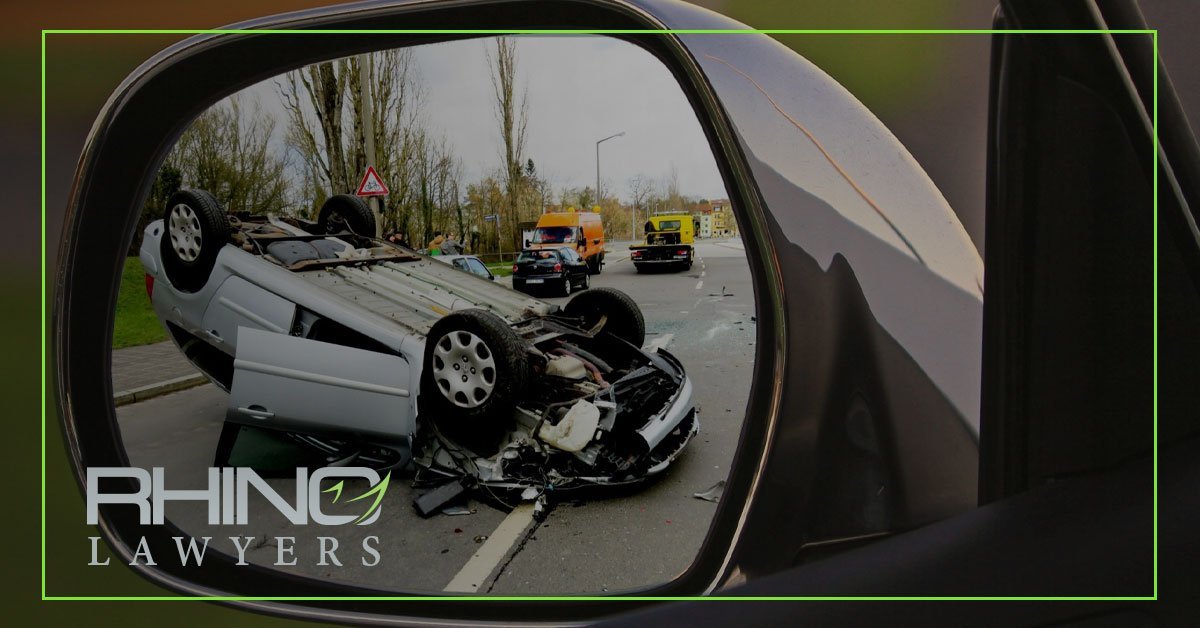
Consequences for Leaving the Scene of an Accident Causing a Death
In recent years, the alarming increase in fatal hit-and-run incidents has become a concerning trend. Across the United States, these incidents pose a significant threat to public safety. Unfortunately, Florida is not exempt from this troubling phenomenon.
With the Sunshine State ranking as the 8th highest in deadly crashes involving hit-and-runs. Thus, accounting for 7.2% of such incidents. Therefore, it is crucial to understand the severe consequences that individuals may face when leaving the scene of an accident that results in a tragic loss of life.
In this blog post, we will highlight everything you need to know about what happens if you leave the scene of an accident. Let’s get started.
Understanding the Legal Landscape
When involved in an accident, drivers have a legal obligation to remain at the car wreck scene. Which includes providing necessary information and assistance to those involved and emphasizing the importance of responsible behavior in the aftermath of an incident.
The Florida Statutes, Section 316.027, explicitly outlines the legal consequences for individuals who flee after causing a fatal accident.
Florida’s laws explicitly outline the responsibilities of drivers after an accident, emphasizing the gravity of leaving the scene without fulfilling these duties. Understanding and adhering to these statutes is crucial to avoiding legal consequences.
Consequences for Leaving the Scene
Leaving the scene of an accident that results in a fatality can lead to charges of vehicular homicide. Now, this is a grave criminal offense with severe penalties. The legal system takes such incidents very seriously, recognizing the impact on the lives of the victims and their families.
The act of fleeing the scene can elevate the offense to a felony hit-and-run, compounding the legal consequences. This designation indicates the severity of the incident. As well as, the corresponding penalties they may impose.
Perpetrators may face significant jail time, the duration of which depends on the circumstances surrounding the accident. This punitive measure aims to hold individuals accountable for their actions and to deter others from engaging in similar behavior.
Monetary penalties can also be substantial. This can add financial strain to the already dire legal consequences. The fines imposed serve as both a punishment and a means of compensating society for the harm caused.
Additionally, leaving the scene of a fatal accident often results in the suspension of the driver’s license. This restriction aims to prevent individuals from continuing to pose a potential danger on the roads.
Wrongful Death Lawsuits
Family members of the deceased can pursue justice through wrongful death lawsuits, seeking compensation and accountability. These legal actions serve to hold the responsible party financially responsible for the emotional and financial burdens placed on the surviving family members.
Monetary compensation may be awarded to surviving family members to alleviate the financial burdens resulting from the loss. While no amount of money can replace a lost life, it can provide some level of support for those left behind.
Aggravating Factors
If the driver was under the influence at the time of the accident, charges and penalties can be further escalated. Because, driving under the influence is a serious offense on its own. And when combined with leaving the scene of a fatal accident, the legal consequences become even more severe.
Plus, a history of criminal offenses can also impact the severity of sentencing, adding an additional layer of complexity to the legal proceedings. In fact, individuals with a prior criminal record may face harsher penalties due to their established history of legal violations.
The Role of Legal Counsel
Facing charges for leaving the scene of an accident causing death is a daunting prospect. As such, it is imperative to seek legal counsel immediately. Understanding the nuances of the law, potential defenses, and negotiating strategies is crucial in mounting a robust case.
By knowing your rights and having a knowledgeable legal advocate by your side, you can navigate the legal challenges more effectively, increasing the chances of a fair and just resolution.
Legal Process and Defense Strategies
First, securing legal representation is crucial during the arrest and investigation phases to navigate the complexities of the legal system effectively. Because, an experienced attorney can guide individuals through the process, ensuring their rights are protected and building a strong defense strategy.
Compiling evidence, including witness testimonies and expert opinions, is vital for constructing a robust defense. Hence, the legal team can work to gather evidence that may prove crucial in establishing the facts of the case and supporting the defense.
Eyewitness accounts can also play a pivotal role in building a defense against charges of leaving the accident scene. The legal team can interview witnesses, gather statements, and present compelling evidence to challenge the prosecution’s case.
Expert analyses, such as accident reconstruction, can provide valuable insights into the circumstances surrounding the incident. These expert opinions can strengthen the defense’s case and offer a more comprehensive understanding of the events leading to the accident.
Why Trust RHINO Lawyers?
RHINO Lawyers bring extensive experience to traffic offense cases, offering clients a comprehensive understanding of the legal intricacies involved. With a focus on achieving the best possible outcome for their clients, our legal team is well-equipped to handle the complexities of hit-and-run cases.
We recognize the unique challenges presented by hit-and-run cases and provide tailored defense strategies. By understanding the nuances of these cases, our attorneys can develop effective strategies to navigate the legal process.
What Happens if You Leave the Scene of an Accident?
The bottom line is that in Florida, leaving the scene of an accident resulting in death carries severe consequences. Understanding the legal landscape, potential penalties, and the significance of proper legal representation is essential for individuals facing such charges.
RHINO Lawyers, with our experience in traffic offenses, stand as advocates for justice, guiding clients through the complexities of the legal system to ensure the best possible outcome.
Schedule your free video consultation now and let us guide you through this challenging time. Understanding what happens if you leave the scene of an accident is the first step toward a more informed and empowered defense. Click here to get in touch with our team.
CONTACT TAMPA TRAFFIC TICKET ATTORNEY
RHINO Lawyers can help and guide you through a system molded by law enforcement, judges, and lawyers for decades. Having won cases for our clients in similar circumstances, our criminal defense team knows what it takes to fight on your behalf.
Let RHINO Lawyers answer your questions and review the facts of your case with a Free Consultation. So, get started by completing the “Free Instant Case Evaluation” or by calling us any time, day or night, at (844) RHINO-77.
Read More
What Are the Consequences of a DUI Hit-And-Run in Florida?
It’s estimated that every day, roughly thirty-seven people die from DUI-related accidents. This alarming statistic helps explain why states like Florida are so hard on DUI offenses.
Driving drunk is already a serious offense that carries wide-ranging consequences. However, what happens if you drive away from the scene of a crash while intoxicated?
As you can guess, a DUI hit-and-run combines many of the penalties of both these charges. In this guide, we’ll be discussing the laws that dictate punishments for these kinds of offenses. That way, you get a better idea of what you’re facing and possible defenses.
What Are Florida Hit-and-Run Laws?
Before we learn about DUI hit-and-run laws in Florida, it’s important to first learn about the consequences of these two separate offenses. Let’s start with hit-and-run laws.
In the Sunshine State, these laws come from Florida Statute 316.027. It states that following an accident, you are legally required to stop your car either at the scene of the crash or as close as you can to where the accident occurred.
You’re then required to stay at the scene of the crash until you’ve provided the other party with your driver’s license, name, address, and vehicle registration number.
You will also need to show the police your license during the investigation of the accident. Additionally, if someone was injured in the accident, you’re legally responsible for providing a reasonable level of assistance.
This includes organizing transportation of the individual to a hospital. The consequences of a hit-and-run will depend on the circumstances surrounding it. They can include:
- Hit-and-run with a less than serious injury (3rd-degree felony): a $5,000 fine and a sentence of up to five years
- A hit-and-run with a serious injury (2nd-degree felony): a $10,000 fine and a sentence of up to fifteen years
- Hit-and-run with death (1st-degree felony): a $10,000 fine and a sentence of up to thirty years (minimum of four years)
That’s why it’s vital to always stay at the scene of the crime, no matter how scared you get following an accident.
What Are Florida DUI Laws?
The consequences associated with a DUI in Florida will depend on the number of past DUIs and whether or not the property was damaged. If it’s your first DUI, then you face a fine of up to $1,000 and a maximum of six months in jail.
There’s also the possibility that you’ll lose your license for six months and require fifty hours of community service to reinstate it. If it’s your second or third DUI conviction, you will face fines and jail sentences.
With these types of DUIs, your fines will be up to $4,000. You’ll also face a potential sentence of twelve months in jail (and a minimum of ten days). What’s more, you’ll likely have your driver’s license suspended for up to ten years.
If you’ve been convicted of a DUI a fourth time in the state of Florida, it can turn into a third-degree felony. Also, keep in mind that this only applies to DUIs that don’t end in property damage, injuries, or death.
Like hit-and-run charges, the fines and sentences will increase steadily depending on whether the DUI accident caused a less-than-serious injury, serious injury, or death.
What Happens If You Leave the Scene of a DUI Hit-and-Run?
If you were involved in a DUI accident, you might get the urge to drive away to avoid the heavy fines and sentences associated with the crime. However, this is never a good idea.
For starters, hit-and-run drivers are almost always caught, especially if they’re intoxicated. On top of that, you are doubling whatever fines and sentences are handed down to you.
Not only are you facing potential felony charges with your DUI, but now you’re also facing hit-and-run charges. These sentences don’t cancel each other out. That means that when you engage with DUI hit-and-run charges, you’ll likely be facing multiple felonies. This needs to be avoided at all costs.
What Are the Defenses for a DUI Hit-and-Run?
We understand how DUI hit-and-runs can happen. Often, you’re in a state of panic and fright that can lead you to make a rash, unwise decision. However, if you’re in the process of being convicted on these charges, is there any defense that can help you?
The good news is that some hit-and-run defense strategies can get your DUI evidence thrown out. One way is to cast doubt on the evidence that you were intoxicated.
Things like hearsay, faulty breathalyzers, or incomplete evidence can all help prove you weren’t intoxicated. You might also get out of the case by proving that you weren’t the driver responsible for the DUI hit-and-run.
If you were injured, you might make the case that you left the scene immediately to receive treatment for your injuries. Or, you could say that a head injury caused you not to think straight. Read this full guide to learn some of the ways to get DUI evidence thrown out.
How Can the Right Lawyer Help You
Facing multiple felony charges is not something to mess around with. A criminal defense attorney can help you utilize some of the strategies listed above to minimize a DUI hit-and-run case.
Without them, there’s a high chance you’ll be facing serious jail time and steep fines. Just make sure you find one that focuses on both hit-and-run cases as well as DUI cases. That way, they have the overlap in knowledge to get you out of your hit-and-run conviction.
Need Legal Help With a DUI Hit-and-Run in Florida?
We hope this guide helped you learn more about the consequences of a DUI hit-and-run in Florida. Here at RHINO Lawyers, we know how scary it can be to face charges like this. Unfortunately, many law offices can be awful at communicating updates or questions about your case.
This can just add to your anxiety. That’s why we strive to be different. Whether it’s with FaceTime or an Instagram DM, we prioritize communication with our clients above all else.
So if you want to get the attention that your DUI case deserves, contact us today to get a free case review.
CONTACT TAMPA TRAFFIC TICKET ATTORNEY
RHINO Lawyers can help and guide you through a system molded by law enforcement, judges, and lawyers for decades. Having won cases for our clients in similar circumstances, our criminal defense team knows what it takes to fight on your behalf.
Let RHINO Lawyers answer your questions and review the facts of your case with a Free Consultation. So, get started by completing the “Free Instant Case Evaluation” or by calling us any time, day or night, at (844) RHINO-77.
Read More