
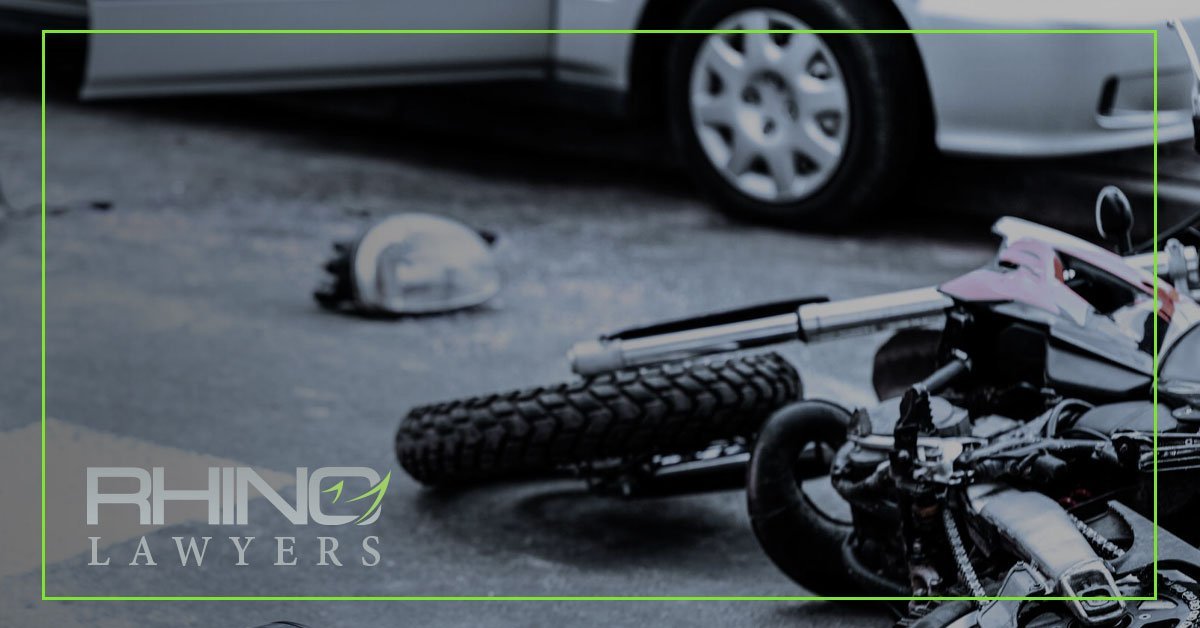
Property Damage to a Motorcycle: How to Collect Compensation?
You got into an accident and your motorcycle suffered damage. You know you need to file a property damage claim but aren’t sure how. What now?
Today we’re going over the steps you’ll need to follow to secure the compensation you deserve. Whether it’s a minor scratch or major repairs, understanding how to manage your claim effectively will help you handle the aftermath of an accident with confidence.
Property Damage Claims for Motorcycles
When you file a property damage claim for your motorcycle, you’re asking an insurance company to pay you for the damage to your bike.
First, let’s define what we mean by a “property damage claim.” This is a formal request to an insurance company for money to cover the costs of repairs needed because of damage to property. In this case, it’s your motorcycle.
This kind of claim is part of the broader field of insurance claims, which also includes claims for things like medical expenses.
Now, let’s talk about “motorcycle property damage.” This refers to any damage that happens to your motorcycle.
It can range from minor issues like scratches and dents to major damage from a crash. Understanding the extent of the damage and how it affects your bike is key to filing an effective claim.
Initial Steps Following the Incident
The first thing you should always do is make sure everyone involved is safe. Then, you can focus on dealing with the damage to your motorcycle.
Your immediate priority is to ensure everyone’s safety. Move your motorcycle away from traffic if it’s safe to do so. Check for any hazards like leaking fuel or broken parts.
Documentation of the Accident Scene
Once it’s safe, start documenting the accident scene. Use your phone to take pictures from different angles showing the damage to your motorcycle.
Also, capture any skid marks, road conditions, and the location of the vehicles involved. These photos will be important when you explain what happened to your insurance company.
Notify Insurance Immediately
Contact your insurance company as soon as you can. Tell them about the accident and the damage to your motorcycle. They will start the process of your property damage claim. The sooner you report the incident, the quicker they can begin evaluating your claim.
Filing Your Property Damage Claim
The first step in filing a claim is to contact your insurance provider. You’ll need to inform them about the accident and provide basic details such as the date, time, and nature of the damage. This initial call will open your claim file and start the process.
Working with a Claims Adjuster
After your claim is filed, an insurance claims adjuster will be assigned to your case. This person reviews the damage to your motorcycle, assesses the repair costs, and verifies the claim details against your policy coverage.
The adjuster plays a vital role in determining how much the insurance company will pay for the repairs. It’s important to provide them with all necessary documents and evidence to support your claim.
Submission of Required Documentation
You will need to submit several documents to support your property damage claim. These typically include a copy of the police or accident report, photographs of the damage, and repair estimates from certified mechanics.
If available, provide receipts or proof of any out-of-pocket expenses related to the accident. All this documentation helps the insurance company understand the extent of the damage and the associated costs.
Handling these steps effectively is key to a successful claim. Clear communication with your insurance provider and prompt submission of all required documents can significantly smooth the process.
Dealing with Motorcycle Repairs
Once your property damage claim is accepted, the next step is getting your motorcycle repaired. You might prefer using a mechanic or repair shop you trust.
However, insurance companies often have partnerships with certain repair shops that they recommend. These recommended shops usually meet the insurer’s standards for quality and pricing. So while you can choose your own mechanic, keep in mind that using a recommended shop can sometimes make the claim process smoother and faster.
Ensuring that your repairs are adequately estimated is important. Insurance companies and repair shops typically provide repair estimates.
It’s also a good idea to get a few different estimates. This helps you understand the range of repair costs and can also provide leverage if you need to negotiate with the insurance company.
If the damage to your motorcycle is extensive, multiple estimates are particularly important. They ensure that all necessary repairs are identified and priced appropriately.
Challenges in the Claim Process
Delays in processing can be frustrating. Insurance companies often have many claims to handle, which can slow down your own claim’s progress. Staying in regular contact with your claims adjuster and providing all required documentation promptly can help speed up the process.
Keep track of all communications and follow up if you feel things are moving too slowly. Disputes over repair costs often occur when there is a difference between what the insurance company thinks the repair should cost and what the repair shops estimate.
To handle these disputes, present your claims adjuster with multiple repair estimates. This shows the consistency in the estimates you received from different shops. It can also strengthen your position during negotiations.
If you disagree with the claims adjuster’s assessment, it’s important to stay calm and collected. Explain your concerns clearly and provide additional evidence if needed.
This could include more photos of the damage, expert opinions from mechanics, or additional quotes for repairs.
Handling these challenges effectively involves good communication, thorough documentation, and sometimes a bit of negotiation.
A Smooth Insurance Process
The property damage claim process can be tricky, but with proper guidance and careful consideration, you can get through it with a positive outcome.
At RHINO Lawyers, our mission is to form a lasting partnership with every client. Our passion is the people we help and the lives we help change.
So, if you have questions or need assistance, we’re here to help. Get in touch today to find out how we can help your case!
CONTACT A TAMPA Motorcycle ACCIDENT ATTORNEY
In short, after a motorcycle accident, you may not know your rights. Above all, don’t struggle through the process alone. Actually, our personal injury team is here to help you with any legal needs you might have regarding your accident.
Lastly, let RHINO Lawyers answer your questions and review the facts of your case with a Free Consultation. So, get started by completing the “Free Instant Case Evaluation” or by calling us any time, day or night, at 844.RHINO.77.
Read More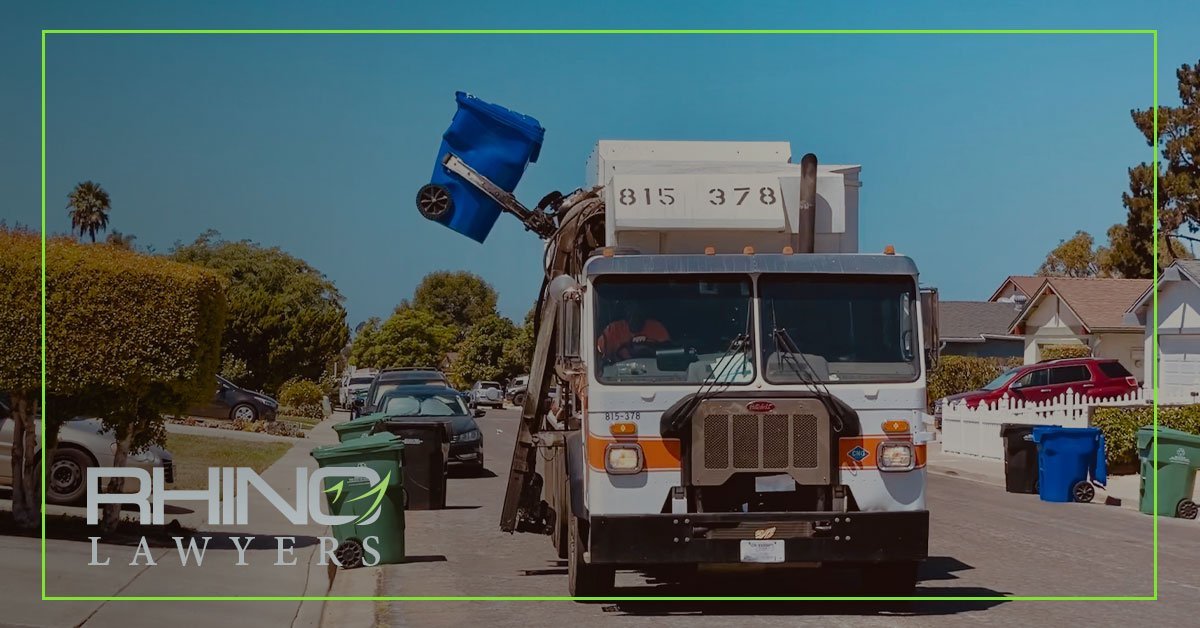
How Dangerous Are Tampa Garbage Truck Accidents?
Garbage trucks and solid waste professionals are integral to the health and sanitation of our city. Is it possible that garbage trucks also pose a public safety risk?
Back in 2018, Tampa lost a beloved retired teacher to a fatal garbage truck driver. While these types of fatalities are fortunately rare, they still teach us an important lesson: garbage truck accidents can and do happen.
Today, we’re going to look at the potential risks associated with garbage truck accidents. We’ll also share information about what to do and who to call if you are in a garbage truck accident. Read on for everything you need to know.
Why Garbage Trucks Pose a Unique Risk
We share just about every roadway with garbage truck drivers. In a single day, a garbage truck may stop and start dozens of times. In the process, they’re passing pedestrians, cyclists, and drivers.
Due to the size and shape of garbage trucks, drivers are navigating with multiple blind spots. Because garbage trucks stop and start so often, many people become desensitized to them and don’t notice when they’re pulling over, changing lanes, or merging back into traffic.
Garbage truck accidents tend to result from distracted driving, failure to yield, or failure to account for blind spots. Because garbage trucks are so large and heavy, even a low-speed accident can cause serious damage and injuries.
Types of Injuries Associated with Garbage Truck Accidents
Injuries resulting from garbage truck accidents range from mild to severe. Common injuries that are disruptive but aren’t permanently life-altering include:
- Whiplash
- Sprains and muscle tears
- External bleeding
- Broken bones
When garbage trucks hit vehicles at a high rate of speed or hit unprotected cyclists and pedestrians, the injuries may be more severe. Severe garbage truck accident injuries include:
- Traumatic brain injuries
- Internal bleeding
- Spinal cord injuries
- Amputations
As experienced accident injury attorneys in Tampa, we know how dangerous garbage truck accidents can be.
What to Do After a Garbage Truck Accident
If you were hit by a garbage truck, there are three important steps to take as soon as possible. Let’s take a look at what to do in the aftermath of a garbage truck accident.
Document the Scene
The more evidence you have from the scene of the accident, the better. In many cases, victims aren’t able to document the accident themselves, but a witness should.
Take photos and videos that show the location of the accident. Photograph the garbage truck and any other property (like your car or bicycle) from multiple angles. The goal is to provide proof of how the accident occurred.
Seek Medical Help
Even if you don’t notice immediate injuries, it’s crucial to seek medical attention right away after a garbage truck accident. Many victims don’t notice early signs of internal injuries because they’re in shock.
In the aftermath, make sure to keep up with any recommended medical appointments. Specialists like chiropractors can make a big difference in the healing process.
Contact an Experienced Accident Attorney
Once you are medically stable, the next step is to contact an experienced accident attorney. Accident attorneys can evaluate the facts of your case to determine the estimated value of your claim. They can also take over the process of compiling evidence and quantifying damages to put you in the best position possible to win your claim.
Because the city government employs 100% of our residential garbage collectors in Tampa, you’re most likely going to file a claim against the government. This is a unique situation that requires legal experience and familiarity with precedents in similar cases.
Damages Associated with Garbage Truck Accidents
If a garbage truck accident results in serious injuries and financial strain, victims have the option of filing a claim in civil court. The purpose of these claims is to seek financial justice and recover damages associated with the accident. Let’s take a look at the types of damages you can include in your accident claim.
Medical Bills
With serious injuries come significant medical bills. Even with health insurance, many accident victims face mounting out-of-pocket costs that put them in debt.
In a garbage truck accident claim, you can request compensation for all related medical bills, including future medical bills. Your attorney can help you to request estimates for future care and the cost of that care.
Lost Income
When you’re recovering from serious injuries, you may have a reduced capacity to work. Even after exhausting things like paid leave, many accident victims lose thousands in the form of lost income. For victims with resulting disabilities, this diminished capacity to work can be a life-long affliction.
In a garbage truck accident claim, you can fight for lost income compensation. Not only does that include lost wages, but also lost benefits like retirement fund contributions.
Property Damage
Depending on the nature of the accident, victims may also request compensation for damaged property in an accident claim.
For example, if your bike was destroyed by the garbage truck that hit you, you can include the value of the bike in your claim. If you need vehicle repairs because the garbage truck dented or damaged your car, you can include the value of the repairs in your claim.
Intangible Damages
An experienced lawyer also knows how to quantify intangible damages when calculating how much garbage truck accident compensation a victim is due. Intangible damages include things like:
- Pain and suffering
- Diminished quality of life
- Loss of consortium
They’re considered intangible because there’s no immediately apparent dollar value. For example, if you suffer from post-accident trauma, you may have associated tangible damages (therapy bills, e.g.) as well as the intangible damage of diminished mental health. Both should be accounted for in your claim.
Get Garbage Truck Accident Support
If you were in a recent garbage truck accident in Tampa, you don’t have to suffer alone. These accidents can result in severe injuries and serious financial strain. RHINO Lawyers are here to help.
At RHINO Lawyers, we have a big team but function like a small law firm. That allows us to devote ample time and resources to every one of our clients. Contact us and get started with your free case consultation.
CONTACT A TAMPA AUTO ACCIDENT ATTORNEY
In short, after a car accident, you may not know your rights. Above all, don’t struggle through the process alone. Actually, our personal injury team is here to help you with any legal needs you might have regarding your accident.
Lastly, let RHINO Lawyers answer your questions and review the facts of your case with a Free Consultation. So, get started by completing the “Free Instant Case Evaluation” or by calling us any time, day or night, at 844.RHINO.77.
Read More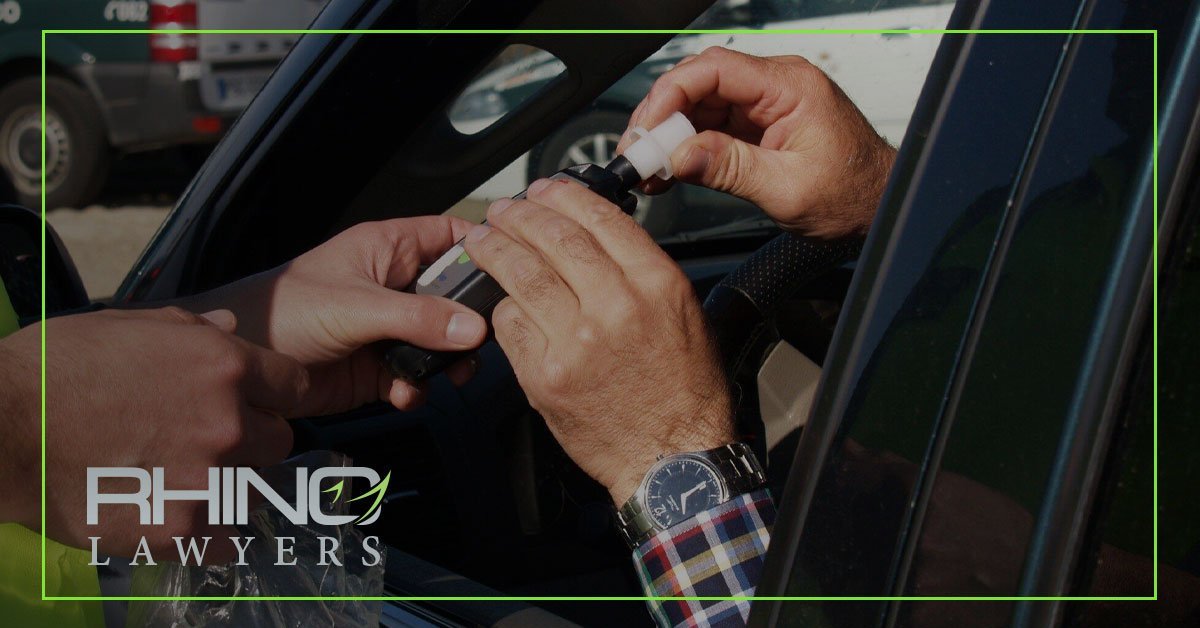
What Happens if You Refuse a Breathalyzer in Tampa, Florida?
Imagine this situation: it’s a quiet night in Tampa and you’re driving home from a party. Suddenly, you see police lights flashing behind you.
Though you’re not sure why, it’s clear you’re about to get pulled over. You know where this is going: the officer will ask you to take a breathalyzer. The thing is, you’re not sure just how many drinks you’ve had.
In situations like these, it’s often tempting to refuse a breathalyzer. About 35% of Florida drivers do it, far more than the national average of 24%. The question is: what happens if you refuse a breathalyzer?
To answer that, we need to go over your rights as a driver. Read on to learn more about breathalyzer tests in Tampa, FL!
How Breathalyzer Tests Work
First things first: how do breathalyzer tests work?
As the name implies, this test measures how much alcohol is in the air you breathe out. It does so by looking at your blood alcohol content (BAC). Like in the rest of the country, the legal alcohol limit in Florida is .08% BAC.
Breath analyzer tests come in two types. The first one is the preliminary alcohol screening (PAS) test, which involves a small portable machine. This is what most people think of when they imagine a breathalyzer test.
The second test is the evidential breath test (EBT). This test involves a larger, stationary machine at the police station or jail. EBT tests are more reliable, and many officers will use them to confirm the earlier PAS results.
Implied Consent Laws in Florida
Once a police officer stops you for a DUI, they’ll likely ask you to do a PAS test. Though you can refuse it, there will be consequences for doing so.
Why is this the case? Simple: in Florida, the implied consent law states you must agree to a chemical or physical test if you’re stopped for DUI. This can include a breath test, urine test, blood test, or field sobriety test.
If you refuse to take one of these tests, your license will get suspended for a year. Keep in mind this is an automatic suspension. It will happen regardless of whether you get convicted of DUI later.
The only caveat to the implied consent law is that the police officer needs probable cause to stop you. If you can prove they didn’t have one, your refusal to blow won’t affect your driving privileges.
What Happens if You Refuse a Breathalyzer?
Refusing a breathalyzer can have several possible consequences. This depends on whether this is your first refusal or not.
If this is your first refusal, you’ll face a mandatory license suspension. During the first 90 days, you won’t be eligible for a hardship license. This license allows you to drive to work and other essential appointments.
A second refusal of a breath test counts as a misdemeanor. According to breathalyzer laws, this will result in an 18-month license suspension. You won’t be eligible for a hardship license for those 18 months.
If you’re facing a criminal trial, refusing a breath test allows the prosecutor to use it against you. This falls under the “consciousness of guilt” argument. This can dramatically increase your odds of going to jail.
It’s also worth noting that refusing a breathalyzer doesn’t mean you won’t get convicted of DUI. If you were driving erratically, the police officer could still take you in for driving under the influence.
Should You Refuse a Breathalyzer?
So, is it better to take or refuse a breathalyzer if you’re unsure you’ll pass it? In most situations, your best bet would be to take it.
Let’s look at this from this perspective: what’s most likely to happen? If you’re convicted of DUI, you’ll get your license suspended and face fines. In some cases, jail time is also a possibility.
However, this is the worst-case scenario. If this is your first offense and you blow under .16% BAC, you may qualify for the Diversion Program. This is a far lighter sentence than what you’d get for refusing to blow.
The Diversion program can involve several requirements. These include:
- Community service
- Attendance at DUI school
- Victim Awareness Program
If you complete the Diversion program, your DUI charges will go away. At this point, you can choose to have your record expunged. This would remove the arrest from your criminal record.
Other Ways to Refuse a Breathalyzer
If you have no good reasons to refuse a breathalyzer, you may decide to take it. However, refusing a breathalyzer isn’t always as simple as saying “no.”
For starters, a breathalyzer test involves providing two breath samples. If these samples aren’t within 0.02% BAC of one another, you’ll need to take a third one. If you refuse to do so, the first two tests won’t matter.
The two samples you provide must also have a sufficient quantity. If they don’t, this may classify as a refusal to take the test. The same applies if you don’t provide the samples within the allowed time frame.
Issues With the Breathalyzer Test
As mentioned above, a PAS breathalyzer test can be unreliable. Being aware of what influences it can help you decide whether to refuse the test or not.
First, there may be something wrong with the machine itself. It may not be properly calibrated, maintained, or warmed up. Similarly, the officer administering the test may not have the necessary training for it.
Some people may produce higher BAC readings than they should. If you have a slow metabolism, for instance, you’ll need longer to absorb alcohol. If so, the test may state you have more alcohol in your bloodstream than you do.
The officer testing you must also observe you for 20 minutes beforehand. If you burp or vomit during this time, the officer will need to wait another 20 minutes. Otherwise, your test results could be artificially inflated.
Refusing a Breathalyzer: What to Do?
Knowing what happens if you refuse a breathalyzer is essential for protecting your rights as a driver. The above guide will help you decide what to do the next time you get pulled over in Tampa, FL!
Looking to fight your DUI charges? Our experienced attorneys at RHINO Lawyers have litigated thousands of cases like yours! Contact us here for a free case evaluation or video consultation!
CONTACT TAMPA TRAFFIC TICKET ATTORNEY
RHINO Lawyers can help and guide you through a system molded by law enforcement, judges, and lawyers for decades. Having won cases for our clients in similar circumstances, our criminal defense team knows what it takes to fight on your behalf.
Let RHINO Lawyers answer your questions and review the facts of your case with a Free Consultation. So, get started by completing the “Free Instant Case Evaluation” or by calling us any time, day or night, at (844) RHINO-77.
Read More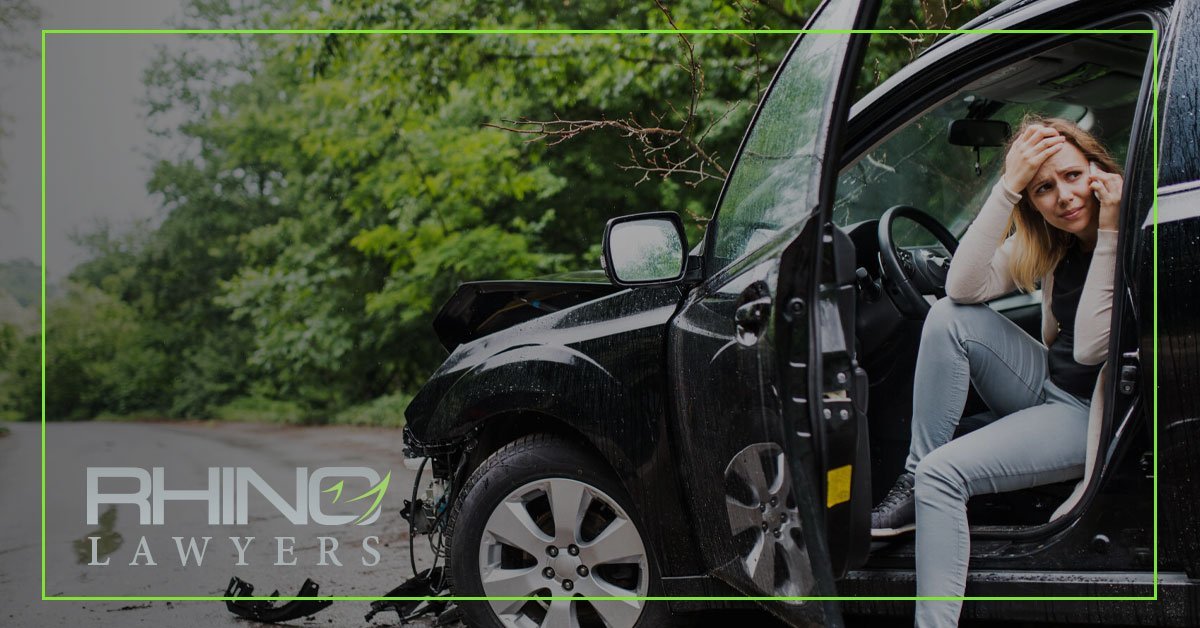
Car Accidents Caused by a Medical Emergency: How Does Liability Work?
You’re driving along safely, but all of a sudden a medical emergency strikes. What happens next? A car accident caused by a medical emergency can bring a whirlwind of questions about liability and fault.
Today we’re diving into the legal landscape to determine where responsibility lies and what compensation might be available.
Car Accident Caused by a Medical Emergency
A car accident caused by a medical emergency involves situations where a driver suffers a sudden health issue that leads to loss of control over the vehicle. Common examples include heart attacks, strokes, or severe diabetic reactions.
These incidents are different from other types of car accidents. Because the driver may not have been able to prevent the crash due to an unexpected medical condition.
In these cases, it’s important to first establish that a genuine medical emergency occurred at the time of the accident. This involves looking at medical records and testimonies from medical experts. Understanding that these emergencies are sudden and unpredictable helps in assessing the situation fairly.
Identifying a medical emergency as the cause of an accident impacts how we view the driver’s actions. It shifts the focus from negligence to uncontrollable circumstances. This distinction is important because it affects how liability is assigned and how the law treats these unique cases.
The law often recognizes that a driver facing a sudden and unforeseeable medical condition may not be held to the same standard of responsibility as a driver who causes an accident due to carelessness or recklessness.
Legal Framework Governing Liability
When a car accident is caused by a medical emergency, understanding the legal principles that govern liability is key. One important concept here is driver liability.
Normally, drivers are responsible for controlling their vehicles and avoiding accidents. However, if a driver suddenly becomes incapacitated due to a medical issue they could not anticipate, this standard changes.
The Sudden Emergency Doctrine comes into play in these scenarios. This legal principle recognizes that a person facing a sudden and unexpected situation that leaves them unable to conform to the standard legal requirements may not be held liable for the resulting harm.
Two Conditions
The doctrine applies when two main conditions are met: the emergency must be unforeseen and must not be caused by the person claiming the doctrine’s protection.
For example, if a driver has a heart attack while driving and crashes, this doctrine might apply. This is only if the driver had no prior knowledge of any heart condition and the attack was sudden and unexpected.
The key is that the incident must be truly unforeseeable and not due to any negligence on the part of the driver, such as ignoring known health warnings or failing to take prescribed medication.
In applying the Sudden Emergency Doctrine, courts look at whether a reasonable person in the same situation would have been able to act differently.
Damages and Compensation
In car accidents caused by a medical emergency, assessing damages and compensation becomes a focus. The victims of these accidents, including the incapacitated driver, might face significant medical expenses and lost wages. These financial impacts are considered when determining compensation.
Medical expenses can cover a wide range of costs, from emergency services at the accident scene to prolonged medical treatments and rehabilitation costs. Lost wages account for the income the injured parties lose if they’re unable to work during their recovery.
In some cases, the compensation might also include potential future earnings, especially if the injuries lead to long-term disabilities affecting the victim’s ability to work.
The process of claiming these damages usually begins with gathering all relevant medical records and employment documents. These are items that can verify the costs and lost income.
Insurance plays a crucial role in how these claims are processed and paid. In a no-fault state, for instance, each person’s own insurance pays for their medical expenses and lost income regardless of who caused the accident. This can simplify the claims process, but there might still be limits on what expenses can be covered and to what extent.
For those in states that are not no-fault, the process can be more complex. They may need to prove the other party’s liability to claim damages. However, in accidents involving a medical emergency, the Sudden Emergency Doctrine might limit or eliminate the incapacitated driver’s liability, affecting the compensation process.
Navigating the Legal Process
When a car accident occurs due to a medical emergency, proving this fact is a critical step in the legal process. The driver who experienced the medical issue has to collect and present clear medical evidence.
This evidence often includes medical records and expert testimony to support the claim that the emergency was unexpected and severe enough to cause loss of control.
Legal professionals play a key role in these cases. They help gather the necessary documentation and expert opinions. They also represent the client in any legal discussions or proceedings that determine liability and compensation.
Their expertise ensures that the evidence is presented effectively and that the client’s rights are protected throughout the process. In some situations, if the medical emergency is well-documented and clearly the cause of the accident, the process might be straightforward.
But in cases where the details are less clear or the insurance companies dispute the claims. As well as, legal proceedings might become necessary. This could involve negotiations between lawyers or even a court case to sort out the extent of liability and the compensation due.
For anyone involved in such an accident, having legal representation is beneficial. A lawyer can guide you through the process, ensuring that all legal rights are considered. They help in communicating with insurance companies and, if necessary, presenting the case in court.
Legal Experience Can Help!
As you can see, there are lots of legal intricacies involved in a car accident caused by a medical emergency. Getting experienced legal help is your best bet in situations like these.
At RHINO Lawyers, our mission is to form a lasting partnership with every client. Our passion is the people we help and the lives that we help change.
If you have questions or need assistance, we are here to help. Get in touch today to find out how we can help your case!
CONTACT A TAMPA AUTO ACCIDENT ATTORNEY
In short, after a car accident, you may not know your rights. Above all, don’t struggle through the process alone. Actually, our personal injury team is here to help you with any legal needs you might have regarding your accident.
Lastly, let RHINO Lawyers answer your questions and review the facts of your case with a Free Consultation. So, get started by completing the “Free Instant Case Evaluation” or by calling us any time, day or night, at 844.RHINO.77.
Read More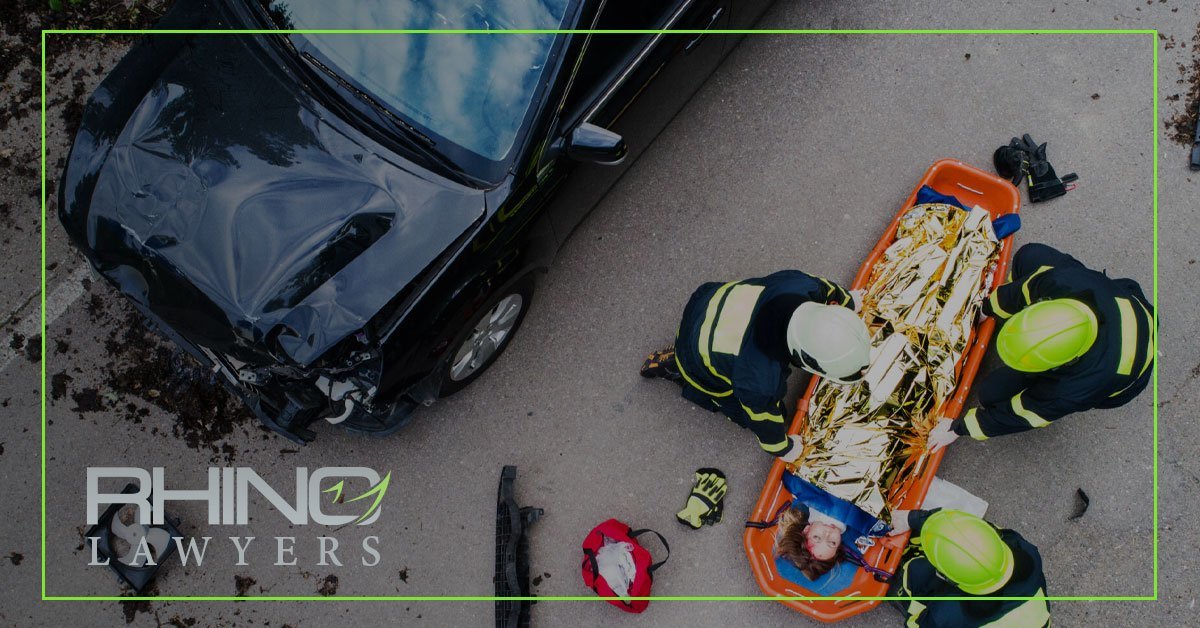
Understanding What Happens if a Car Accident Is Caused by a Medical Condition
Imagine you’re behind the wheel when suddenly, a medical condition strikes. What happens next? A car accident caused by a medical condition can bring a whirlwind of questions about legal and insurance outcomes.
Today we’re diving into the surrounding liability, insurance claims, and securing monetary compensation in these types of accidents.
Understanding a Car Accident Caused By a Medical Condition
When a medical condition causes a car accident, it can be a complicated issue. First, let’s define what we mean by “medical conditions.”
These could be sudden events like a heart attack or stroke, or ongoing issues like epilepsy that might lead to a loss of consciousness while driving. Knowing what types of medical conditions can lead to accidents helps everyone understand the risks on the road.
Research shows that these kinds of incidents make up a significant portion of the total number of accidents each year. This data helps us see how big the issue is.
From a legal standpoint, if a car accident is caused by a medical condition, the situation gets complex. Laws vary by location but generally focus on whether the driver knew about their medical condition and if it could impact their driving.
If a driver is aware and still chooses to drive, the legal outcomes can be different than if the condition was unknown and sudden.
Liability and the Sudden Emergency Doctrine
In most car accidents, figuring out who is at fault is key. Fault determines who pays for damages. Normally, if a driver breaks a traffic rule or drives carelessly, they are likely to be considered at fault. However, when a medical condition leads to an accident, determining fault can become more complex.
The Sudden Emergency Doctrine is a legal concept that might apply in cases where a driver has a sudden medical emergency that leads to an accident. This doctrine acknowledges that a person who faces a sudden, unexpected situation that leaves little or no time to react should not be treated under the same standards as someone who has full control and time to react. It’s crucial in cases where the driver had no prior warning signs or reasonable expectation that a medical condition would impair their driving.
For this doctrine to apply, two main conditions must be met. First, the emergency must be sudden and unforeseen. This means the driver must not have known about the medical condition or its potential to cause impairment.
Second, the reaction to the emergency must be reasonable. This considers what an ordinary person might reasonably do if placed in a similar situation. If the Sudden Emergency Doctrine is applicable, a driver may not be held liable for the accident.
Insurance Implications and Claims Process
After an accident caused by a medical condition, the first step is ensuring everyone’s safety. Then, it’s important to notify the police and seek medical help as needed.
Documentation from these first responders can be vital later. The driver or their representative should also inform their insurance company about the accident as soon as possible. This initial report should mention that a medical condition may have contributed to the accident.
How to Report an Accident to Insurance Companies
When reporting an accident, providing detailed information is important. This includes the time and place of the accident, a description of what happened, and any medical attention received at the scene.
It’s helpful to note that the incident involved a medical condition right from the start. This sets the context for the insurance claim and can influence how the claim is processed.
Insurance claims for accidents caused by medical conditions are handled differently from standard claims. The insurance company will likely require detailed medical records and possibly a statement from a doctor.
These documents should show that the medical condition is real, sudden, and unexpected. The insurance company may also need to verify that the driver was compliant with any medical advice given before the accident, including any restrictions on driving.
Pursuing Monetary Compensation
After a car accident caused by a medical condition, there are a few ways to pursue monetary compensation. The primary source is often the insurance company.
Depending on the policy and the circumstances of the accident, the insurance may cover damages and medical expenses. If insurance does not fully cover the costs, or if the situation involves another driver, filing a personal injury lawsuit might be necessary. This allows the affected party to seek compensation for additional damages like lost wages and pain and suffering.
Securing compensation involves several legal requirements. The key is proving that the driver suffering from the medical condition was not negligent. This means showing that the medical condition was unforeseen. It also means showing that the driver had no prior knowledge that their condition could lead to an accident.
Medical documentation and expert testimony play crucial roles here. Doctors may need to testify about the driver’s medical condition and its impact. Legal challenges can arise if there’s evidence that the driver ignored medical advice or was aware of the risks but chose to drive anyway.
Navigating the Compensation Process Effectively
Navigating the compensation process requires careful planning and execution. It’s wise to consult with a lawyer who focuses on personal injury and understands the nuances of accidents caused by medical conditions.
They can offer guidance on how to document the medical condition properly and how to present the case effectively to insurance adjusters or in court. It’s also important for drivers to keep detailed records of all medical treatments and communications with their insurance provider.
Being organized and proactive can significantly impact the outcome of the compensation process.
Car Accident Legal Help
Today we’ve explored the complexities of handling a car accident caused by a medical condition. We’ve discussed legal liability, insurance claims, and compensation. Understanding these elements is crucial for anyone affected.
At RHINO Lawyers, our mission is to form a lasting partnership with every client. Our passion is the people we help and the lives that we help change.
If you have questions or need assistance, we’re here to help. Get in touch today to find out how we can help your case!
CONTACT A TAMPA AUTO ACCIDENT ATTORNEY
In short, after a car accident, you may not know your rights. Above all, don’t struggle through the process alone. Actually, our personal injury team is here to help you with any legal needs you might have regarding your accident.
Lastly, let RHINO Lawyers answer your questions and review the facts of your case with a Free Consultation. So, get started by completing the “Free Instant Case Evaluation” or by calling us any time, day or night, at 844.RHINO.77.
Read More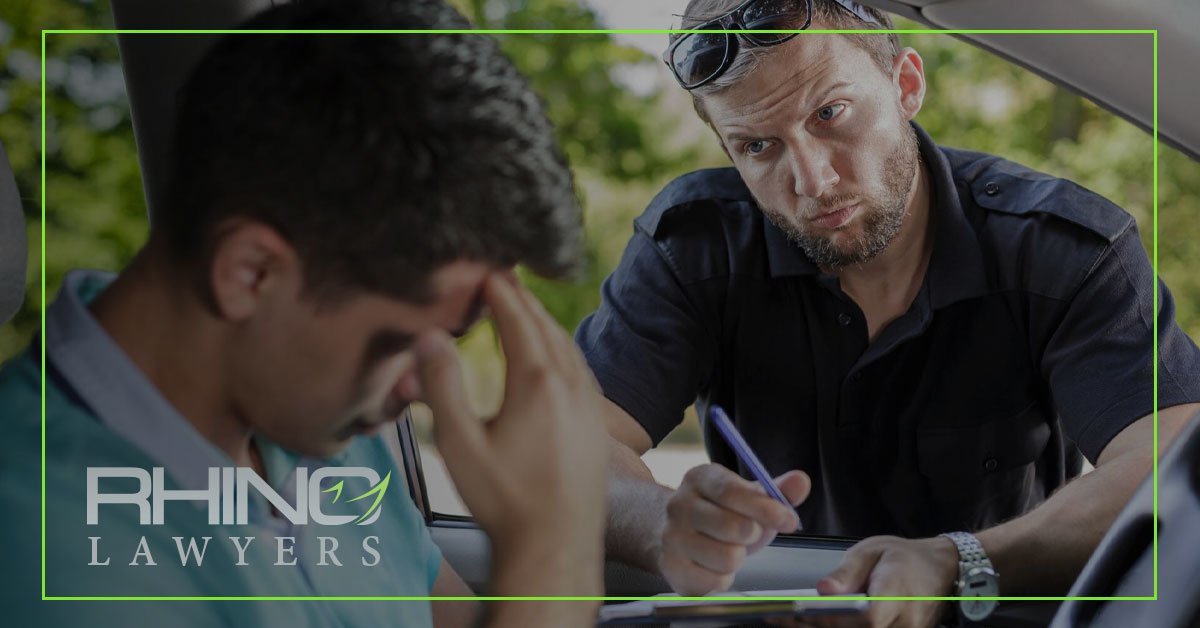
What to Do if You Have Multiple Traffic Tickets
More than 32 million Americans are pulled over for traffic violations every year. While some may drive away with a warning, others face traffic tickets and hefty fines. A habitual traffic offender may begin to see multiple traffic tickets pile up.
This can feel overwhelming; fortunately, there are things you can do to address this. Let’s discuss the consequences of having too many tickets on your driving record and what you can do about it.
The Consequences of Too Many Traffic Tickets in Florida
Getting slapped with multiple traffic tickets in Florida can put the brakes on your freedom to drive without consequences. These infractions come with hefty fines that can drain your wallet faster than a pit stop at a gas station and lead to points piling up on your driving record. Accumulating too many points may result in license suspension or even revocation, leaving you stranded without the ability to legally operate a vehicle.
Too many traffic violations can also cause your auto insurance rates to skyrocket. Insurance companies view multiple tickets as red flags for risky behavior behind the wheel. This can prompt them to charge you a higher insurance premium or potentially drop coverage altogether.
Neglecting multiple traffic violations could land you in hot water with the law if left unaddressed. Failure to pay fines or appear in court for citations can result in warrants being issued for your arrest or other legal repercussions that extend beyond mere inconveniences. It’s essential to take proactive steps toward resolving each ticket to avoid escalating penalties and potential legal troubles ahead.
What to Do if You Have Multiple Traffic Tickets
Facing a stack of traffic tickets can be stressful. Here are some tips to help you navigate the situation.
Contest Tickets
Contesting tickets might be an option worth exploring. If you believe you were wrongly issued a ticket, you have the right to challenge it in court. This process involves presenting your case and evidence to prove your innocence or mitigate the charges.
Contesting tickets requires preparation and an understanding of the legal procedures involved. Gathering relevant documentation, such as witness statements or dashcam footage, can strengthen your defense. Following the court’s guidelines and deadlines for submitting evidence to support your claim is also essential.
While contesting tickets can be challenging, it allows you to defend yourself against unjust penalties and protect your driving record. Consider consulting with a traffic attorney for guidance on navigating the legal system effectively.
Negotiating With the Court
When dealing with several citations, it’s essential to approach the court respectfully and professionally. Explaining your situation calmly and providing any relevant documentation can help in reaching a more favorable outcome.
Courts may offer options such as reducing fines or points on your license through negotiation. Being proactive and willing to cooperate can demonstrate your commitment to resolving the issue responsibly. Consider seeking legal advice or representation for complex cases involving multiple traffic tickets.
Attending Traffic School
Attending traffic school is not just about fulfilling a court requirement. It’s also an opportunity to brush up on your driving knowledge and potentially reduce the impact of the tickets on your record.
Traffic school provides valuable insights into safe driving practices, helping you become a more responsible driver on the road. By attending these classes, you may even qualify for ticket dismissal or point reduction, ultimately saving you money on fines and insurance premiums.
Preventing Future Tickets
Studies confirm that people who commit traffic violations are more likely to do so again in the future. However, you don’t have to be another number.
You can avoid consequences and save money on fines by avoiding future traffic tickets. We’ve compiled a few tips to help you navigate the roads safely.
Improve Driving Habits
Safe driving reduces the chances of receiving more tickets and helps protect yourself and others on the road. Start by practicing defensive driving techniques like staying alert and avoiding distractions. You can reduce the risk of accidents by keeping a safe distance from other vehicles and obeying speed limits.
Another way to enhance your driving habits is to avoid aggressive behavior on the road. Stay calm in traffic jams and practice patience with other drivers. Remember, being courteous behind the wheel can prevent unnecessary confrontations that may lead to more violations.
Additionally, regularly maintain your vehicle for optimal road safety. Ensure all lights are functioning correctly, tires are properly inflated, and brakes are in good condition.
Stay Informed About Current Florida Driving Laws
Knowing the latest regulations can help you avoid unnecessary tickets and fines. Make it a habit to check for updates on speed limits, traffic signals, and any new laws that may impact your driving. Knowledge of these regulations will keep you out of trouble and contribute to safer roads for everyone.
Use Technology to Your Advantage
By utilizing technology to your advantage, you can stay on top of important information such as traffic updates, road closures, and speed limit changes. Apps like Waze can help you navigate efficiently and avoid potential traffic violations. Additionally, dashcams can provide evidence in case of disputes or accidents.
How Can a Lawyer Help With Traffic Tickets?
A skilled traffic ticket defense attorney can help navigate the legal process, negotiate on your behalf, and potentially reduce fines or penalties. They should understand traffic laws and know how to build a strong defense for your case.
A lawyer can represent you in court, saving you time and stress. They may also provide valuable advice on preventing future tickets and improving your driving habits. With their experience and guidance, you can work towards resolving your current situation while taking steps to avoid similar issues in the future.
Your Case Is Our Passion
Dealing with multiple traffic tickets in Florida can be overwhelming. But it’s essential to take proactive steps to address the situation.
RHINO Lawyers is here to help you with your traffic ticket case. We want to form a lasting partnership with you. We’ll take your side and be available for help when you need it. Contact us today for a free case review.
CONTACT TAMPA TRAFFIC TICKET ATTORNEY
RHINO Lawyers can help and guide you through a system molded by law enforcement, judges, and lawyers for decades. Having won cases for our clients in similar circumstances, our criminal defense team knows what it takes to fight on your behalf.
Let RHINO Lawyers answer your questions and review the facts of your case with a Free Consultation. So, get started by completing the “Free Instant Case Evaluation” or by calling us any time, day or night, at (844) RHINO-77.
Read More
A Guide on Avoiding Careless Driving Tickets in Tampa, Florida
Behind the wheel in Tampa, Florida, the fun can quickly fade if you find yourself facing a careless driving ticket. Imagine cruising down the palm-lined streets, the warm breeze in your hair, only to be pulled over for a moment of inattentiveness.
So how do you avoid having this situation happen to you? We’re here to help.
Read on to learn how to avoid a careless driving ticket in Tampa.
Follow the Speed Limit
One of the most significant factors contributing to such citations is speeding. Get familiar with the listed speed limits on different types of roads, including highways, residential areas, and school zones.
Pay attention to special speed limit signs, such as construction zones or reduced speed areas.
Allow as much time as possible for your journey to avoid rushing and the temptation to speed. Consider traffic conditions, potential delays, and the distance to your destination when planning your travel schedule.
Regularly check your speedometer to ensure you are within the legal speed limits. Avoid any distractions that can grab your attention from monitoring your speed.
Avoid Traffic Violations
You should also try and avoid non-speeding careless driving issues. Learn about Florida’s traffic laws. That should include speed limits, right-of-way rules, and traffic signals. Stay up to date on any new or coming changes to traffic regulations that may affect your driving behavior.
Always use your turn signals when you’re changing lanes, merging lanes, or making turns at intersections. Signal in advance to give other drivers and pedestrians ample notice of your intentions.
Keep a safe distance from the vehicle in front of you to avoid rear-end collisions and potential careless driving citations. Use the three-second rule or adjust your following distance based on road conditions and speed.
Park in specifically designated areas and avoid blocking traffic, driveways, fire hydrants, or handicapped spaces without proper authorization. Follow parking regulations to prevent parking-related citations.
Get Away From Distracted Driving
Distracted driving is a leading cause of careless driving tickets and accidents in Tampa, Florida.
Program your GPS, adjust mirrors, and set climate controls before starting your journey. Preparing in advance reduces the need for adjustments while driving.
Refrain from eating, drinking, or handling food and beverages while driving. Take breaks in safe areas if you need to consume food or drinks.
Set up music playlists or podcasts before driving to minimize distractions. Adjust volume levels to a comfortable and non-distracting level.
If possible, enlist a passenger to handle navigation, adjust settings, or manage incoming calls. Passengers can help reduce distractions and enhance overall safety.
If you need to attend to an urgent matter, find a safe location to pull over. Use hazard lights to signal your intention to stop and address the situation.
Ensure children and pets are properly secured in appropriate seats or restraints. Minimize interactions with passengers that may cause distractions.
Improve Situational Awareness
Continuously scan the road ahead, checking mirrors and blind spots for potential hazards. Be aware of changing traffic conditions, pedestrians, cyclists, and other vehicles.
Stick to posted speed limits and adjust your speed based on weather conditions, visibility, and traffic flow. Reduce speed in unfamiliar areas or during adverse weather to maintain control of your vehicle.
Use all your senses while driving, including sight, hearing, and touch, to detect potential dangers. Listen for sirens, horns, and other auditory cues signaling hazards or emergency vehicles.
Exercise caution at intersections. Be prepared for sudden stops, turns, and yield situations.
Avoid driving when fatigued or drowsy, as it impairs situational awareness and reaction times. Take regular breaks when you need to during long trips to rest and refresh your focus.
Practice Defensive Driving
Practice defensive driving by paying attention to the possible actions of other Tampa drivers and being prepared to react safely. Maintain a buffer zone around your vehicle to allow for evasive maneuvers if necessary.
Maintain a well-equipped vehicle with essential safety items such as a spare tire, tools, first aid kit, and emergency contact information. Know how to handle emergency situations such as vehicle breakdowns or collisions safely and responsibly.
Think about signing up for a defensive driving course to improve your driving skills, learn defensive techniques, and reinforce safe driving habits. Defensive driving courses may also help reduce insurance premiums and points on your driving record.
Ensure your vehicle is well-maintained with properly functioning brakes, lights, tires, and mirrors. Regular maintenance lowers the risk of mechanical failures that could contribute to accidents or violations.
Hire a Lawyer
If you’ve run into problems before, you might want to look into some professional support.
A lawyer specializing in traffic laws can help you understand the particular regulations and requirements around driving in Tampa, Florida. Plus, they can clarify speed limits, right-of-way rules, and other traffic laws to ensure compliance and prevent careless driving violations.
They can help you fight back against traffic tickets you feel are undeserved. They can represent you in court and present arguments to mitigate or dismiss the charges, potentially avoiding fines and penalties.
These professionals can also support you in trickier legal scenarios. Lawyers skilled in traffic law often have relationships with prosecutors and judges. That allows them to negotiate plea deals on your behalf.
They may secure reduced charges, lower fines, or alternative penalties through plea bargaining.
Careless driving tickets can result in points on your driving record. That can lead to increased insurance premiums and could even get your license suspended. A lawyer can help minimize points, negotiate for traffic school options, or explore options to keep your record clean.
Hiring a lawyer for traffic-related matters provides peace of mind knowing that you have professional legal representation. They handle the complexities of the legal process, allowing you to focus on safe driving practices without the stress of legal issues.
Avoid a Careless Driving Ticket in Tampa Today
There’s a lot you can do to avoid a careless driving ticket in Florida. Hopefully, you can use this guide to keep your driving record squeaky clean for years to come.
Do you need a traffic ticket attorney in Florida? RHINO Lawyers’ team of millennials is ready and willing to defend you with anything you need.
Contact us today.
CONTACT TAMPA TRAFFIC TICKET ATTORNEY
RHINO Lawyers can help and guide you through a system molded by law enforcement, judges, and lawyers for decades. Having won cases for our clients in similar circumstances, our criminal defense team knows what it takes to fight on your behalf.
Let RHINO Lawyers answer your questions and review the facts of your case with a Free Consultation. So, get started by completing the “Free Instant Case Evaluation” or by calling us any time, day or night, at (844) RHINO-77.
Read More
Tips for Building a Strong Accident Case in Tampa, Florida
You’ve been in a car accident, but you aren’t sure what you should do next. What steps can you take to make sure you proceed safely and in your best interests?
Today we’re diving into why the steps you take immediately afterward can significantly impact the outcome of your car accident case. We’ll talk you through what steps to take in order to assemble a strong accident case.
Immediate Actions Post-Accident
Right after a car accident, your first priority is safety. Make sure you and anyone else involved are safe.
If the cars are causing a hazard on the road and it’s safe to do so, move them to the side. If not, turn on your hazard lights to alert other drivers to avoid further accidents.
Even if you feel fine, it’s important to see a doctor after an accident. Some injuries, like whiplash, don’t show symptoms right away. Getting checked out by a medical professional provides a record of your health status immediately following the accident.
This can be essential for your car accident case. A doctor’s report details your injuries. This becomes a key piece of evidence if you need to prove the impact of the accident on your health.
By taking these steps, you help ensure everyone’s immediate safety and begin the process of building a strong foundation for your car accident case.
Gathering and Preserving Evidence
After an accident, taking photos and videos of the scene is one of the best ways to capture what happened. Use your smartphone to take clear pictures from different angles.
Make sure to include shots of all vehicles involved, visible damage, traffic signs, and road conditions. These images serve as factual evidence that can help explain how the accident occurred.
Collecting Witness Information
If there were people who saw the accident, their accounts could be helpful to your case. Ask for the names and contact details of any witnesses.
If they agree, you can also record a brief statement from them on your phone. Witness statements can support your version of the events, especially in situations where the facts are disputed.
Accident Report
Always call the police to the scene of an accident. Officers will create an accident report, a formal document that outlines the details of the incident.
This report can be critical when dealing with insurance companies and in legal matters. It includes the officer’s assessment of the accident scene and details about the drivers and vehicles involved. Make sure you get a copy of this report as it is an authoritative piece of evidence for your car accident case.
Collecting this evidence might feel overwhelming, but it’s important for building a strong case. Photos, witness statements, and the official accident report are key pieces of evidence that can clearly show what happened during the accident. They provide strong support for your claims, helping you prove your case effectively.
Documenting the Accident and Injuries
After an accident, keeping detailed records of everything related to the incident is essential. This includes a copy of the accident report, receipts for any repairs done to your vehicle, and any correspondence with insurance companies.
These documents are vital as they provide a timeline and a paper trail that can prove valuable during claims or legal proceedings.
Recording Medical Visits and Treatments
It’s equally important to document every medical appointment and treatment related to injuries from the accident. Keep copies of all medical records, bills, and prescriptions.
These documents show the extent of your injuries and the impact they’ve had on your life. They also help prove the financial burden the accident caused due to medical expenses.
Impact on Daily Life
Accidents can affect more than just your physical health. They can also impact your daily life significantly. Keep a journal that notes any difficulties you face during your daily routine due to your injuries.
This might include not being able to perform your job duties, struggling with household tasks, or not being able to participate in activities you once enjoyed. This personal record can be very persuasive in demonstrating how the accident has affected your quality of life.
Documenting these aspects of the accident and its aftermath creates a comprehensive overview that supports your case.
Understanding and Establishing Liability
In Florida, determining who is at fault in a car accident involves understanding specific state laws. Florida follows a comparative negligence system. This means that each party involved in an accident can be held responsible for a portion of the fault based on their actions.
Understanding these laws is key to establishing liability in your car accident case. Knowing how the law applies to your situation can help you and your attorney argue more effectively for your side.
Working with Legal Professionals
Finding the right attorney is a crucial step in dealing with your car accident case. Look for a lawyer who focuses on car accident cases and has a good track record in Tampa. An experienced attorney understands local laws and how they can impact your case.
They should be someone you feel comfortable communicating with, as you’ll need to share details about the accident and your injuries. Ask for recommendations from friends or check online reviews to find a reputable attorney.
Role of Legal Advice in a Car Accident Case
Having legal support can make a big difference in how your case is handled. A skilled attorney can guide you through the complex process of claims and negotiations.
They know how to deal with insurance companies and can prevent you from settling for less than you deserve. Your lawyer will also handle all legal paperwork and deadlines, ensuring that everything is filed correctly and on time.
With their expertise, you can focus on your recovery while they take care of securing the compensation you need.
Accident Advice
Successfully building a car accident case requires diligent documentation, thorough evidence gathering, and skilled legal representation.
At RHINO Lawyers, our mission is to form a lasting partnership with every client. Our passion is the people we help and the lives that we help change.
If you have questions or need assistance, we’re here to help. Get in touch today to find out how we can help your case!
CONTACT A TAMPA AUTO ACCIDENT ATTORNEY
In short, after a car accident, you may not know your rights. Above all, don’t struggle through the process alone. Actually, our personal injury team is here to help you with any legal needs you might have regarding your accident.
Lastly, let RHINO Lawyers answer your questions and review the facts of your case with a Free Consultation. So, get started by completing the “Free Instant Case Evaluation” or by calling us any time, day or night, at 844.RHINO.77.
Read More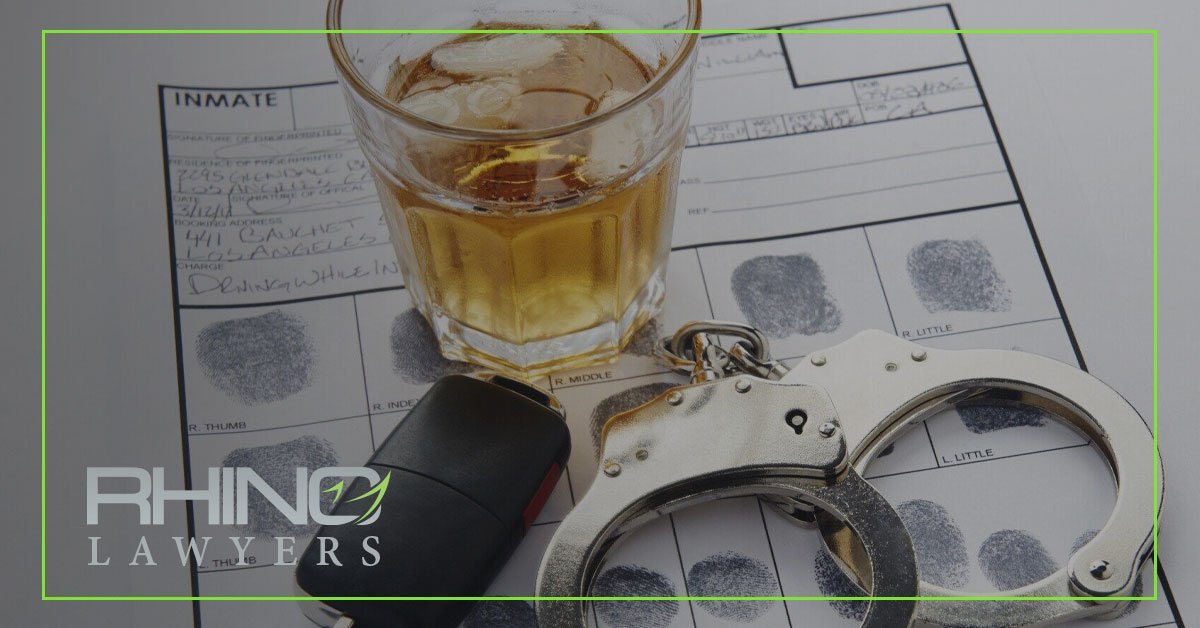
How Law Enforcement Patrols for DUIs
According to reports, the typical DUI violator commits such an offense around 80 times a year. These individuals are also more likely to get involved in fatal crashes.
Law enforcement patrol protocols are in place to mitigate such injury-causing and deadly collisions. These processes aim to stop motorists who may be driving under the influence of alcohol or drugs before they get into a crash.
But how exactly do law enforcement officers conduct such patrols? And how can DUI lawyers assist drivers who may have been wrongly stopped, charged, or arrested for drunk driving?
This article sheds light on those questions, so read on.
How Do Law Enforcement Officers Patrol for DUI Drivers?
The exact strategies vary from one state to another; however, in Florida, DUI checkpoints and saturation patrols are two commonly used methods to identify and apprehend impaired drivers. Many counties in the state also employ DUI task forces to conduct these patrols.
DUI Checkpoints
DUI checkpoints are also known as sobriety checkpoints. Law enforcers use these temporary roadblocks to screen motorists for impaired or drunk driving.
DUI checkpoints are legal only in 38 states, including Florida. For them to be lawful, they must adhere to legal guidelines, including:
- Having a predetermined and neutral formula for stopping vehicles
- Providing public notice of the DUI checkpoint in advance
- Holding each motorist whom they screen for no more than three minutes
An example of a formula for stopping vehicles at a DUI checkpoint is stopping only every third car.
What Happens at a DUI Checkpoint?
Law enforcement officers initiate a brief conversation with the driver at DUI checkpoints. They then observe the motorist for signs of alcohol- or drug-related impairment. For example, they look for visible signs of alcohol or drug use, such as:
- The smell of alcohol on the driver
- Slurred speech
- Impaired coordination and mental faculties
- Bloodshot or dilated eyes
If an officer detects one or more of those signs, they can direct the driver to another area for further evaluation.
What Does Further Evaluation at DUI Checkpoints Mean?
Florida law enforcers can ask drivers who exhibit signs of DUI to submit to field sobriety tests. These include the following:
- Horizontal Gaze Nystagmus (HGN)
- Walk-and-Turn
- One-Leg Stand
If a driver fails those, law enforcement officers can request them to undergo a breathalyzer or blood test. These tests determine one’s breath or blood alcohol level (BAL) or concentration (BAC). Under Florida statutes, a person can face a DUI case if their BAL or BAC is 0.08 or higher.
Saturation Patrols
Saturation patrols refer to an increased number of law enforcement officers patrolling specific areas for DUI. The police often conduct them in locations and at times when impaired driving is more common. Studies found they can be effective in lowering rates of alcohol-related crashes.
DUI Task Forces
DUI task forces consist of law enforcement officers who’ve undergone specialized training in identifying and apprehending DUI drivers. They often conduct targeted operations during peak hours, including weekends and holidays. They can stop motorists they believe are under the influence not only at DUI checkpoints but anywhere on the road.
Officers conducting DUI patrols can pull over and stop motorists who exhibit the following behaviors:
- Erratic driving patterns, such as swerving or following vehicles too closely
- Driving well above or below the speed limit
- Traffic violations, including failing to stop at stop signs or running red lights
Once officers stop drivers, they can employ the same methods used at DUI checkpoints.
What Happens if You Get a DUI Conviction?
If you get convicted of DUI in Florida, you can face fines, jail time, probation, and loss of driving privilege.
The severity of your penalties depends on whether it’s your first or subsequent DUI conviction. If it’s the first time, you can get fined between $500 and $1,000, be in jail for one day up to nine months, and lose your license for 180 days to a year. If it’s a second charge within five years, the fine can go up to $2,000, jail time for a minimum of 10 days to nine months, and loss of license for five years or more.
How Can DUI Lawyers Help With DUI Cases?
Since a DUI charge can severely impact your finances, driving privileges, freedom, and future, you should consider fighting it. Even more so if you believe the officers mistakenly charged you or failed to follow due procedures.
A DUI attorney can help fight for your rights by performing the following.
Ensure You Get Fair Treatment
A DUI lawyer will serve as your advocate, helping protect your rights. They’ll help ensure you receive fair treatment throughout the legal process.
For example, your attorney will investigate the circumstances before and during your DUI stop. They’ll look for any indication that the law enforcers may have discriminated against you. They’ll also scrutinize the process by which the police charged you, such as if they had probable cause.
Provide Exceptional Legal Advice
A DUI defense attorney can provide exceptional legal advice based on the specifics of your case. For example, they may tell you that the best approach is to take your case to trial because there’s a chance they can get your charges dropped. They can do this by building reasonable doubt around your arrest, such as questioning the following:
- The legality of the DUI stop
- The reliability of the breathalyzer or blood test results
- The qualifications of the law enforcement officer who performed the sobriety tests
While not all DUI cases get dropped, a seasoned DUI lawyer will do everything to reach this outcome for you. If not possible, they will, at the very least, negotiate on your behalf. For instance, they may engage in plea bargaining to help reduce charges or penalties.
Protect Your Rights With a DUI Attorney
From DUI checkpoints to saturation patrols, all these are methods law enforcers use to catch impaired drivers. However, while they can help mitigate DUI crashes, they’re not always conducted legally and correctly.
So, if you’re facing a DUI charge, let the RHINO Lawyers’ exceptional team of DUI lawyers assist you. We’ve won cases for many of our clients in similar situations. We also offer free instant case evaluations and have a 24-hour hotline you can contact for help.
Call us today so we can get started in reviewing your DUI case.
CONTACT TAMPA TRAFFIC TICKET ATTORNEY
RHINO Lawyers can help and guide you through a system molded by law enforcement, judges, and lawyers for decades. Having won cases for our clients in similar circumstances, our criminal defense team knows what it takes to fight on your behalf.
Let RHINO Lawyers answer your questions and review the facts of your case with a Free Consultation. So, get started by completing the “Free Instant Case Evaluation” or by calling us any time, day or night, at (844) RHINO-77.
Read More
How Safe Are Motor Scooters for Vacationers?
Motor scooters were first introduced over a century ago with the Autoped, which came out in 1915. The world of motor scooters has evolved in the years since. The creation of the dual motor scooter has been among the biggest innovations.
A dual-motor scooter is a scooter with a motor for each wheel, which makes for a more powerful vehicle. However, when discussing any vehicle, the issue of safety is going to come up. How safe are motor scooters?
This issue gets even more complicated when the issue of vacation is brought up. American roads are one thing, but what about roads in other countries? We’ll talk about that here.
Moped vs Scooter
Before discussing how safe scooters are, we should first talk about what a scooter is. You probably have a decent idea of what defines a scooter, but the issue comes in when discussing details. What’s the difference between a scooter and a moped? How about a scooter and a motorcycle?
Mopeds
Pedestrian vehicles have come a long way since 1915, and the lines between the various types of pedestrian vehicles have blurred. The term moped was coined to describe a motorized vehicle that could be pedaled like a bike when the engine wasn’t powerful enough or broke down.
Modern engines were, in a sense, the death knell of mopeds, because they rendered the pedals useless. These days, the wheels are decorative if the vehicle even has them.
Some places still legally recognize mopeds as any scooter-like vehicle with a certain engine size. Usually, the engine must be 50 Cubic Centimeters (CCs) or less.
Scooters
Scooters differ from mopeds in a few ways. The first is that scooters don’t have pedals. They date back to the early 19th century and were never meant to have pedals. Mopeds, meanwhile, were created by attaching motors to bicycles.
Motorized scooters also have a step-through frame. This means that there is a large space between the handle and the seat so that the driver can get in and out with ease.
Motor size is another major factor. While mopeds can have motors up to 50CCs, scooter motors can be 5 times that large. This allows scooters to reach much higher speeds.
Staying Safe
While riding a scooter isn’t dangerous by itself, you do need to be careful. The best advice we can offer for traveling on a scooter is to keep the scooter in good condition and be wary of cars. An accident on a scooter can be catastrophic.
Stand Out
The best way to prevent accidents with other vehicles is to stand out. Try dressing in bright colors, especially if you’re driving at night. This will help drivers notice you so they don’t accidentally hit you.
You should also familiarize yourself with basic scooter safety and how all the lights and signals work. Please remember that on rare occasions, accidents still happen. Between distracted drivers, speeding issues, and various other irresponsible behaviors on the part of motorists, it’s still dangerous out there.
Gear Up
Trying to prevent accidents is one part of road safety, but the other part is just as important. Make sure you have all the proper safety gear in case you do get in an accident.
Helmet
You’ve probably been hearing about the importance of helmets since you were a kid, but it’s good advice. Our brain is the control panel for everything that happens in our bodies, and any damage done to it could lead to a loss of ability, changes in personality, and any number of other issues. Wearing a helmet makes that a lot less likely.
Jacket and Pants
Jackets and thick clothes help, too. Layers won’t do much against the initial impact, but they’ll absorb some of the shock when you hit the ground, which prevents road rash.
Road rash might not be the most dangerous part of an accident, but it can cause serious injuries. Our brain is one of the most important parts of our bodies, but our skin is the largest. Severe road rash can burn off large chunks of skin, causing bleeding and a serious risk of infection.
Eye Protection
Motorized scooters can travel at speeds of up to 30 miles per hour. While that’s not as fast as a motorcycle or a car, it is fast enough for dirt, insects, and other debris to be an issue. Not only can they seriously damage your eye, but any loss of vision is a serious issue.
Keeping your eye protection on at all times when driving is important, but you should also take the time to pull over and clean your helmet or goggles if they get too dirty.
The good news is that eye protection and head protection are often one and the same. Most helmets have built-in visors or other eye protection, which gives you one less thing to worry about.
Traffic
Scooters and other small, motorized vehicles arguably work best in areas with heavy traffic. Their small size and low speed often make it easier for them to navigate in heavy traffic. It’s often much safer since other vehicles aren’t moving very quickly.
You still need to follow the rules of the road, but you might find that smaller vehicles can maneuver better on crowded roads and that you have more opportunities than the average driver. You also need to stay on the road, since it’s dangerous and often illegal to ride a scooter on the sidewalk in most places.
Staying Safe on a Motor Scooter
Driving a motor scooter has a lot of advantages. However, you also need to stay safe when driving one. That requires a lot of responsibility on your part, whether you’re driving in the US or on foreign roads.
We’ve discussed some safety essentials for motorized scooters here, but there’s always more to learn. You can learn some things about scooters and a lot about traffic laws by reading our blog.
If you’ve been injured in an accident, we can help. At RHINO Lawyers, motor vehicle accidents are one of our specialties.
CONTACT A TAMPA AUTO ACCIDENT ATTORNEY
In short, after a car accident, you may not know your rights. Above all, don’t struggle through the process alone. Actually, our personal injury team is here to help you with any legal needs you might have regarding your accident.
Lastly, let RHINO Lawyers answer your questions and review the facts of your case with a Free Consultation. So, get started by completing the “Free Instant Case Evaluation” or by calling us any time, day or night, at 844.RHINO.77.
Read More