

What Is the “Move Over” Law in Florida?
Police vehicles, ambulances, and fire trucks are lifelines in emergencies. Yet, tragically, hundreds of people die each year in crashes involving these emergency vehicles. The ‘Move Over’ law aims to ensure the safety of individuals when they are stopped on the side of the road. Under this law, drivers must take specific actions to create a safer environment for everyone.
In this guide, we’ll examine the ‘Move Over’ law in Florida, detailing its history, specific regulations, and the consequences of non-compliance.
A Brief History of the ‘Move Over’ Law in Florida
Florida’s ‘Move Over’ Act was enacted in 2002. It was a response to the rising number of injuries and fatalities among law enforcement officers and emergency personnel. The law aims to ensure the safety of those working on the roadside.
Before this law, many drivers did not realize the dangers posed to stalled emergency vehicles and their operators.
The ‘Move Over’ law has become a key part of Florida’s traffic regulations. It promotes roadway compliance and driver awareness. The state has worked hard to educate the public about this law.
Despite these efforts, many drivers remain unaware of it. This highlights the need for continued education and enforcement.
As you drive in Florida, remember that the ‘Move Over’ law is more than just a rule: it’s a measure to protect lives. By following this law, you’re not only complying with Florida’s traffic regulations but also showing respect for the safety of others.
Florida’s ‘Move Over’ Law Explained
Understanding and following Florida’s ‘Move Over’ rules and regulations is crucial for ensuring everyone’s safety on the road. Here, we’ll break down the key provisions of this law, so you can stay informed and compliant.
Move Over a Lane for Emergency Vehicles
When approaching stopped emergency vehicles, like police cars, ambulances, and fire trucks, drivers must move over to a lane not adjacent to the stopped vehicle. This applies when driving on a multi-lane road and it is safe to do so.
Slow Down If Moving Over Is Not Possible
If it’s not safe or possible to change lanes due to traffic or other conditions, drivers must slow down to a speed that is 20 mph below the posted speed limit. If the speed limit is 20 mph or less, they must slow down to 5 mph.
Extend Courtesy to Service Vehicles
Initially, the law focused on emergency vehicles like police cars, ambulances, and fire trucks. Over time, Florida expanded the law to include other service vehicles, including:
- Tow trucks
- Utility service vehicles
- Sanitation vehicles
- Maintenance or construction vehicles
In addition to emergency and service vehicles, the Move Over law protects drivers of stopped vehicles displaying hazard lights, flares, or warning signs. These additions extend protection to a wider range of road users.
Potential Consequences of Non-Compliance
Failing to adhere to the ‘Move Over’ law in Florida can lead to severe consequences. Here are some common consequences you could face:
Traffic Ticket Fines
Non-compliance with Florida’s ‘Move Over’ law can lead to hefty fines. Fines for violating this law typically range from $120 to $180, depending on the county. These penalties serve as a financial reminder of the importance of following driving safety rules.
Higher Insurance Premiums
When you receive a traffic ticket for failing to move over, it goes on your driving record. Insurance companies often review your record to assess risk. If they see violations, they may consider you a higher-risk driver, thus raising your premiums.
Points on Your Driver’s License
Violating the ‘Move Over’ law can result in points being added to your driver’s license. You’ll receive three points for non-compliance. Accumulating points can lead to further consequences, like higher insurance costs.
If you reach a certain threshold, it could even lead to the suspension of your driving privileges. These ‘Move Over’ law penalties are in place to encourage traffic compliance and ensure driver safety.
Impact on Driving Record
A ‘Move Over’ law violation also becomes part of your permanent driving record. This can impact your future, especially in legal matters or work-related driving.
How to Avoid ‘Move Over’ Violations in Florida
Staying compliant with Florida’s “Move Over” law is crucial for your safety and to avoid penalties. Here are some tips to help you follow the law and prevent violations.
Stay Alert and Watch for Emergency Vehicles
Always be on the lookout for emergency vehicles with flashing lights. These vehicles may include police cars, fire trucks, and ambulances. When you spot one, it’s important to act quickly. Move over to the next lane if possible.
If you cannot change lanes safely, slow down and prepare to stop if needed. This simple action helps ensure the safety of both the emergency responders and other drivers.
Understand Lane Change Requirements
In Florida, the ‘Move Over’ law requires you to switch lanes when an emergency vehicle is on the shoulder. Make sure to move over a full lane if it is safe to do so. If you cannot change lanes due to traffic or road conditions, reduce your speed and proceed with caution.
Following these Florida traffic laws helps maintain roadway compliance and keeps everyone safer.
Be Prepared for Various Driving Conditions
Driving conditions can affect how you respond to emergency vehicles. In bad weather or heavy traffic, it might be harder to move over or slow down quickly. Stay extra alert and be ready to adjust your driving.
Slow down safely and carefully navigate around any emergency vehicles you encounter. This will help you avoid a traffic ticket and keep your driving record clean.
Regularly Review Traffic Safety Rules
Make it a habit to review Florida traffic laws regularly. Staying updated on driving safety rules ensures you are aware of any changes or additional requirements. This proactive approach helps you stay compliant with the ‘Move Over’ law and avoid violations.
Avoid a ‘Move Over’ Ticket Today
Even with cautious driving and compliance with the ‘Move Over’ law in Florida, unexpected circumstances can occur. The good news is that you don’t have to navigate these situations alone.
RHINO Lawyers can help if you’ve received a ticket for a ‘Move Over’ violation. Reach out to us today and schedule a free instant case evaluation!
CONTACT TAMPA TRAFFIC TICKET ATTORNEY
RHINO Lawyers can help and guide you through a system molded by law enforcement, judges, and lawyers for decades. Having won cases for our clients in similar circumstances, our criminal defense team knows what it takes to fight on your behalf.
Let RHINO Lawyers answer your questions and review the facts of your case with a Free Consultation. So, get started by completing the “Free Instant Case Evaluation” or by calling us any time, day or night, at (844) RHINO-77.
Read More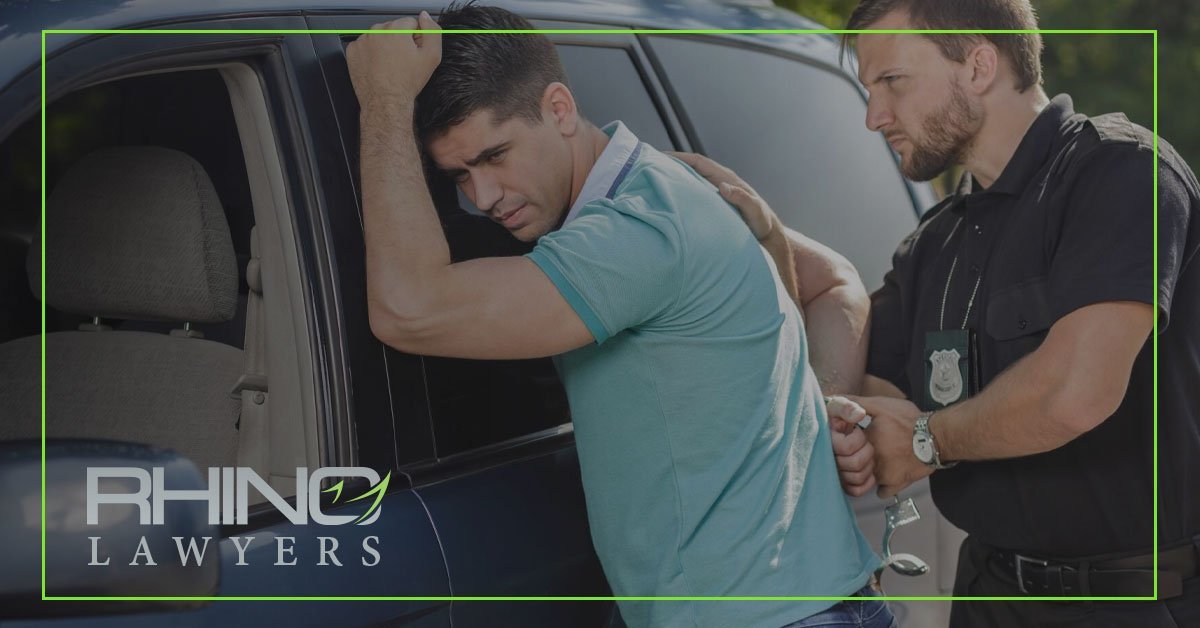
What Is a Habitual Traffic Offender Under Florida Law?
Florida’s roads have seen a 43% spike in fatal crashes over the past decade. The alarming road safety trend calls for stricter enforcement of traffic laws. Drivers should avoid the label of habitual traffic offender (HTO) at all costs.
So, what exactly does that mean for you?
Understanding the consequences and legal implications of an HTO designation can help you avoid harsh penalties. In this article, we’ll dive into what it means to be a habitual traffic offender in Florida and how it can impact your driving privileges and daily life.
What It Means To Be a Habitual Traffic Offender in Florida
Being labeled a repeat traffic offender in Florida means you’ve accumulated multiple traffic offenses within a specific period, which Florida law considers a pattern of dangerous behavior. This status isn’t limited to serious crimes only: even a series of less severe violations can add up to this designation.
To be classified as a habitual traffic offender, you must have either three or more major traffic offenses within five years or fifteen or more convictions for moving violations within that same timeframe.
Major offenses include:
- Driving under the influence (DUI)
- Driving with a suspended or revoked license,
- Leaving the scene of an accident with injuries
Understanding what it means to be a habitual traffic offender in Florida is crucial for protecting your driving privileges and maintaining your freedom on the road. By being aware of the laws and making safer choices behind the wheel, you can avoid this serious designation and its consequences.
Understanding the Consequences of Being a Habitual Traffic Offender in Florida
Habitual traffic offenders in Florida could face severe penalties. These penalties are designed to discourage repeat violations and maintain public safety on the road. Habitual traffic offender penalties can vary based on the nature and frequency of your violations.
Here are some common ones to watch out for:
Loss of Driving Privileges
One of the most significant penalties you face as an HTO in Florida is the revocation of your driver’s license. Under Florida traffic laws, your license can be revoked, typically for five years, if you’re labeled as a habitual traffic offender. This means you’re not allowed to legally drive during this time.
Losing your license can impact your life in many ways. You may find it difficult to commute to work, run errands, or even fulfill family obligations. A license revocation can also affect your insurance rates and lead to additional legal consequences.
While you might be eligible for a hardship license, which allows limited driving, it still places heavy restrictions on your freedom to move about as you please.
Financial Consequences
Being designated as a habitual traffic offender doesn’t just affect your ability to drive: it also hits your wallet. You may face hefty fines for your repeated driving offenses in Florida, adding financial stress to an already challenging situation.
In addition to fines, your car insurance rates are likely to skyrocket. Many insurance companies view habitual traffic offenders as high-risk drivers, which can lead to exorbitant premiums or even difficulty in securing coverage at all.
The financial burden doesn’t stop there. If your driving offenses involve serious violations like DUI or leaving the scene of an accident, you could be subject to additional costs such as:
- Court fees
- Attorney fees
- Restitution payments
Navigating these financial penalties can be overwhelming, making it essential to seek Florida legal advice to understand your options and potentially minimize costs.
Jail Time and Criminal Record
If your traffic offenses include serious violations like careless or reckless driving, you may face incarceration, adding a criminal record to your list of consequences. This can be particularly damaging, as a criminal record can impact your employment opportunities, housing options, and overall reputation.
The possibility of jail time underscores the importance of understanding Florida’s traffic laws and adhering to them strictly.
Traffic offenses can follow you for years, affecting various aspects of your life. For example, employers often conduct background checks, and a criminal history can be a red flag that limits your career prospects.
Additionally, a criminal record can complicate personal relationships and community standing, making it harder to move past your past mistakes.
Restricted Personal and Professional Life
The penalties for being a habitual traffic offender extend beyond legal and financial consequences: they also affect your personal and professional life.
With a revoked license and possible criminal record, you may find it challenging to maintain employment, especially if your job requires driving. Even if driving isn’t a part of your job, employers may hesitate to hire someone with a history of serious traffic violations, fearing liability issues.
On a personal level, the stigma of being a habitual traffic offender can strain relationships and affect your standing in the community.
Friends and family may view you differently, and the loss of independence can lead to feelings of isolation and frustration. It’s crucial to understand the full scope of these penalties and consider seeking traffic ticket defense to navigate this challenging situation.
Different Ways to Challenge an HTO Designation
Contesting your HTO status requires a strategic approach and a thorough understanding of Florida traffic laws. Implementing these strategies can improve your chances of retaining your driving privileges and avoiding severe penalties:
- Review and correct errors on your driving record
- Seek professional legal advice for reclassification
- Contest the validity of previous offenses
- Enroll in traffic school or rehabilitation programs
- File for a hardship license
Remember that challenging an HTO designation is a time-sensitive process, so it’s crucial to act promptly and document all your efforts to demonstrate your commitment to safe driving.
We Can Help You Maintain a Clean Driving Record
In Florida, a habitual traffic offender label can lead to serious consequences, including losing your driving privileges, facing hefty fines, and potentially even jail time. Understanding the law and taking steps to avoid accumulating traffic violations is crucial to protecting your driving rights.
Do you need professional legal help to explore your options and possible defenses? Look no further than RHINO Lawyers! We can fight traffic tickets on your behalf, so you can keep a good driving record.
Don’t hesitate to get in touch with us today!
CONTACT TAMPA TRAFFIC TICKET ATTORNEY
RHINO Lawyers can help and guide you through a system molded by law enforcement, judges, and lawyers for decades. Having won cases for our clients in similar circumstances, our criminal defense team knows what it takes to fight on your behalf.
Let RHINO Lawyers answer your questions and review the facts of your case with a Free Consultation. So, get started by completing the “Free Instant Case Evaluation” or by calling us any time, day or night, at (844) RHINO-77.
Read More
Daydreaming and Car Accidents in Florida
Imagine driving down a sunny Florida highway, your mind wandering through various thoughts. Suddenly, a car swerves into your lane, jolting you back to reality. Daydreaming, a common form of distracted driving, can have serious consequences.
Understanding how to deal with a car accident in Florida and finding the right lawyer can help you overcome issues like these. In our guide below, we’ll explore the key information you should keep in mind. Let’s take a closer look.
What Is Distracted Driving?
Distracted driving occurs when a driver’s attention is diverted from the road. This can include activities like texting, eating, or even daydreaming.
In Florida, distracted driving is a leading cause of car accidents, making it crucial to stay focused while behind the wheel. Recognizing the dangers of distracted driving and committing to remain attentive can help reduce the risk of accidents.
Taking Action After a Car Accident
There are certain steps you need to take after a car accident. Doing so will help you navigate the process fluidly. Let’s take a closer look below.
Call the Police
Before doing anything else, call the police. Officers will respond to prevent conflicts from escalating.
They will also document their findings in a report. Police reports hold substantial weight in court and are some of the best pieces of evidence you can use to support your case.
Document the Accident Scene
Take photos of the accident scene, including vehicle damage, road conditions, and any visible injuries. Collect contact information from witnesses and make note of their statements.
This documentation can support your car accident claims and assist your attorney. Proper documentation provides crucial evidence that can influence the outcome of your claim.
Exchange Information With Other Drivers
Exchange contact and insurance information with the other driver involved. Include names, addresses, phone numbers, driver’s license numbers, and insurance details.
Maintaining accurate information is vital for insurance purposes. Having thorough and precise records can prevent complications during the claims process.
Notify Your Insurance Company
Report the accident to your insurance company as soon as possible. Provide them with the necessary details and documentation.
Timely reporting ensures your car accident claims process starts as soon as possible. It also helps you protect your right to compensation.
Seek Medical Attention
Even if you feel fine after the accident, seek medical attention. Some injuries may not be immediately apparent.
A medical report is essential for car accident claims and can be valuable evidence if you decide to pursue legal action. Early medical intervention can also prevent minor injuries from becoming more severe over time.
It’s worth noting that this is one of the most important steps to take. Sometimes, issues can arise even if you don’t have immediate symptoms. For example, you could have internal bleeding and not know until the problem becomes more serious.
Understand Florida Car Accident Laws
Familiarize yourself with Florida car accident laws, such as the statute of limitations for filing claims and the state’s no-fault insurance system. Knowing your rights and responsibilities can help you navigate the aftermath of a car accident.
Understanding these laws can also guide you in making informed decisions about your case. Seeking advice from a Florida car accident lawyer can further clarify these laws.
Handling Insurance Adjusters
Be cautious when speaking with insurance adjusters. They may try to minimize your claim.
Provide factual information but avoid discussing fault or accepting any settlement offers without consulting a Florida car accident lawyer. Legal representation can help ensure you receive fair compensation for your damages.
Finding the Right Lawyer
It’s essential to work with the right lawyer for your case. This will help you avoid potential issues and maximize your chance of success. Listed below are key ways to find the right professional.
Make a Shortlist
Research potential lawyers by reading online reviews and testimonials. Look for lawyers with experience in car accident cases and a history of favorable outcomes.
Personal recommendations can also be valuable. Conducting thorough research helps you find a lawyer who is well-qualified to handle your case.
Initial Consultation With a Lawyer
Schedule an initial consultation with potential lawyers. Discuss your case, ask questions about their experience, and understand their approach to handling car accident claims.
This meeting helps you determine if they’re the right fit. A reputable lawyer will listen to your concerns and provide clear explanations of how they can help.
Experience and Expertise
Evaluate the lawyer’s experience and expertise in handling car accident cases in Florida. Ensure they are well-versed in Florida car accident laws and have a successful track record.
Their expertise can make a significant difference in the success of your claim. Choosing a lawyer with the right experience ensures you have robust legal representation.
Keep in mind that inexperienced lawyers won’t always fall short of your goals. However, they will be much less likely to reach them.
Legal Fees and Costs
Understand the lawyer’s fee structure and any additional costs involved. Many Florida car accident lawyers work on a contingency fee basis, meaning they only get paid if you win your case.
Clarify any questions about fees during your initial consultation. Knowing the costs upfront helps you make an informed decision.
Communication and Availability
Choose a lawyer who communicates clearly and is readily available to answer your questions. Effective communication ensures you stay informed about your case’s progress.
A responsive lawyer provides peace of mind during a stressful time. Regular updates and clear explanations are signs of a dedicated legal professional.
Take Action After a Car Accident in Florida
Dealing with a car accident in Florida can be overwhelming, but following these steps and finding the right lawyer can make the process smoother. The tips in this guide will help ensure you take the appropriate steps after the incident. Just be sure to research your potential attorney options.
RHINO Lawyers have successfully recovered over $50 million for their injured clients, demonstrating their expertise and commitment. Available 24/7, we provide free consultations and boast a 5-star rating based on 943 Google reviews. You’ll learn more about what we have to offer when you schedule a consultation with us today.
CONTACT A TAMPA AUTO ACCIDENT ATTORNEY
In short, after a car accident, you may not know your rights. Above all, don’t struggle through the process alone. Actually, our personal injury team is here to help you with any legal needs you might have regarding your accident.
Lastly, let RHINO Lawyers answer your questions and review the facts of your case with a Free Consultation. So, get started by completing the “Free Instant Case Evaluation” or by calling us any time, day or night, at 844.RHINO.77.
Read More
The Importance of Documenting Your Injuries and Treatment
Florida’s rate of motor vehicle injuries is 27.25% above the national average.
If you’re unfortunate enough to become part of that statistic, you may react like many do when they see a car crash. You’re too stunned to do anything but can’t look away.
It’s understandable to be shocked, but the clock starts ticking the moment you get injured. Every second you stand staring is one where you could be collecting valuable evidence.
Read on to learn why you need to document the auto accident injury treatment process and how to do it.
Why Documentation Matters
Documentation can help you get the post-accident care you need. It helps your healthcare providers find the right diagnosis and treatment for faster recovery. It can also establish the need for ongoing care.
Your documents provide credibility to your case. They’re an invaluable source of evidence for court proceedings and insurance claims.
They prove a causal relationship between the accident and your injuries and show they weren’t pre-existing injuries. As well as, they establish the severity of your injuries and the medical expenses you pay to treat them. They can also demonstrate any loss of income you suffered from being unable to work.
Types of Documentation to Get
There’s no such thing as too much information when it comes to documenting car accident injuries. The more you have, the more you can use to make your case credible and fight against the claims of the other side in court.
Knowing a few essentials to look for can make the process easier, though. Document anything that relates to the details of the accident, your medical treatments, and their financial implications.
Accident Reports and Witness Accounts
Get a copy of the official auto accident report and any witness statements. They’ll give a clear, unbiased, in-the-moment idea of what happened.
Take note of any correspondence with the insurance company. Did they give you an initial quote for what your claim would be worth? Did they deny you outright? Record all of it because you may need to bring it up again later.
Photographs and Video
Photographic or filmed evidence is difficult to refute, and that makes it valuable. Take pictures of how your injuries develop. You should also record or take photos of any property damage or damage to vehicles from the accident.
These photos are useful as evidence but be careful not to post them online. This can sabotage your claim.
The other side’s media or legal team could use language or images you put up in the past to invalidate you. Tell your friends and family to also watch what they put on social media until the case is over.
Medical Records
Get all the medical records you can from the healthcare providers involved in your treatment. These include:
- Doctor’s notes
- Test results
- Imaging studies
- Prescriptions
- Treatment plans
- Expert reports
- Rehabilitation records
Maintain an auto accident injury treatment calendar. Note the dates, times, and locations of any appointments or therapy sessions,
Pain and suffering is one of the most difficult parts of an auto injury case to prove. One of the best ways is to keep a pain journal. Use a pain scale to rate how much pain the injury is causing you each day. Note any symptoms you feel and how they affect your life.
Financial Records
It’s also important to keep note of the financial effects of your car accident treatment. That’s how you prove that you deserve compensation for them.
Keep receipts of the cost of any costs you’ve incurred, such as:
- Medications
- Treatments
- Assistive devices
- Travel
- Property damage
- Legal expenses
- Medical record or administrative fees
If you want to claim lost wages, you’ll need proof. Ask for documentation from your employer about any missed work or reduced hours.
How to Document Your Auto Accident Injury Treatment
Seek medical attention immediately after your accident. Report any new symptoms to your doctor as soon as possible. It keeps you safe and makes sure you have accurate medical records. Courts and insurance companies also appreciate a willingness to get prompt treatment.
File a claim as soon as you’re healthy enough to do so. The statute of limitations for any personal injury claim in Florida is four years.
You’ll be gathering a lot of paperwork, so make sure you keep everything organized. Put them together in folders so that you can find everything easily.
Don’t assume that everyone will automatically hand over the records you need. Speak to and record your conversations with everyone involved in the case, including:
- Law enforcement
- Witnesses
- Medical professionals
- Insurance companies
- Attorneys
The Importance of Legal Help
Don’t wait until you think you have all the right documents to hire an attorney. It’s one of the first steps you should take after getting medical attention.
They won’t do all of the documentation for you, but they will help you gather evidence. They’ll support you in finding what you need and deciding what the best evidence for your case is. That includes finding medical experts to support your claims.
You’ll need someone on your side to negotiate with the insurance companies. A professional attorney understands the complex process and won’t be tricked into taking a low offer.
They’ll use all the available evidence to ensure you get the best possible results. This may be in court or out of court. Either way, they’ll get you the money you deserve.
Find Attorneys for Your Auto Injury Case
Consistent documentation can make or break an auto accident case. Record every auto accident injury treatment you receive and how much it costs. Keep track of conversations between you and your doctors, insurance adjusters, witnesses, and anyone else involved in the case.
RHINO Lawyers believes that the law industry suffers from an outdated approach and aims to change that. Our personal injury team provides fast, friendly, and convenient communication, both in-person and through technology.
Our track record of successful settlements proves that our approach works. Get a Free Instant Case Evaluation or call us anytime, day or night, at 844.RHINO.77.
CONTACT A TAMPA AUTO ACCIDENT ATTORNEY
In short, after a car accident, you may not know your rights. Above all, don’t struggle through the process alone. Actually, our personal injury team is here to help you with any legal needs you might have regarding your accident.
Lastly, let RHINO Lawyers answer your questions and review the facts of your case with a Free Consultation. So, get started by completing the “Free Instant Case Evaluation” or by calling us any time, day or night, at 844.RHINO.77.
Read More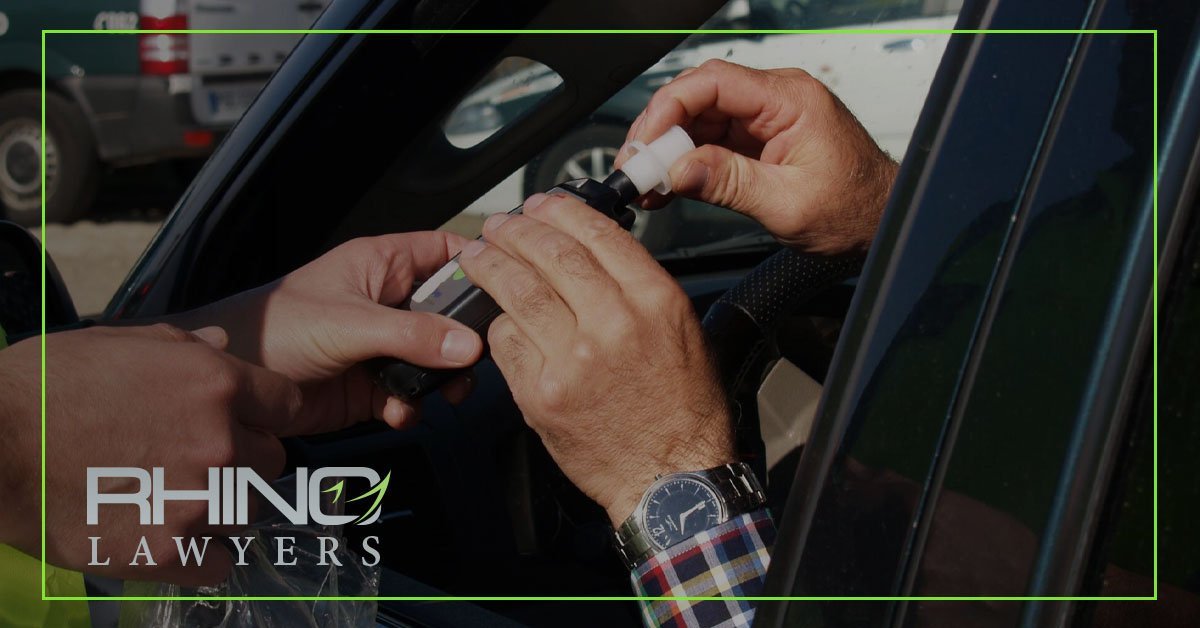
How Is BAC Calculated?
At a blood alcohol concentration of .08, the risk of a vehicle crash rises. Driving with a BAC above this number puts you on the wrong side of the law anywhere in America.
Calculating BAC legal limits will keep you from running afoul of a traffic cop. Before you drive home from a night on the town, you need to know how those martinis will affect your driving.
If you’re looking for a clear explanation of blood alcohol concentration limits, we’ll walk you through everything. Keep reading for more on impaired driving law.
What Is BAC?
Blood alcohol concentration or blood alcohol content refers to the amount of alcohol you have compared to the amount of blood you have. It refers to grams per 100 mL of blood, making it a percentage. A BAC of .08 indicates you have a little under a tenth of a gram of alcohol in your bloodstream per 100 mL.
Calculating BAC Legal Limits
When setting BAC limits for a DUI conviction, states look at the statistics. In every state but Utah, including Florida, the legal limit stands at .08. This translates to about two to three drinks for a 160-pound adult, depending on how much time passes after the first drink.
Your body processes alcohol out of your bloodstream through the liver and kidneys. About .015 grams of alcohol leave your bloodstream through urine, sweat, and breathing per hour. If you stick to one standard drink per hour, your blood alcohol level will remain low.
The Other BAC Numbers You Should Know
While a blood alcohol content of .08 will reduce the need for DUI legal assistance in Florida, another number you should keep in mind is .40. A blood alcohol concentration of .40 or higher elevates your risk of death from acute alcohol poisoning. At numbers like these, breathing slows and your risk of respiratory failure increases.
In between these two points falls .15. A BAC of .15 or higher can up your DUI to an aggravated DUI even if you don’t cause a traffic accident or ride with a child. If you blow a .15 on a test, look for legal BAC advice as soon as possible.
BAC Myths and Half-Truths
If you don’t serve as a police officer or BAC levels attorney, you may have some misinformation in your head about blood alcohol levels. Many people share folk myths or older laws as if they stood true today.
Myth: Low Levels Don’t Affect Driving
Legal liability and potential effects don’t always line up. While a blood alcohol level lower than .08 reduces your risk of legal issues, a concentration as low as .02 can have adverse effects on driving. If a cop feels your driving represents a risk, you can still face legal challenges, though the prosecution must prove impairment in this case.
The ideal driver hasn’t had any drinks. For this reason, most people plan their path home ahead of time. Bringing a designated driver or calling a taxi will keep you safe and on the right side of the law.
Myth: You Can Sober Up Faster
Your body will eliminate alcohol at the rate it can do so irrespective of anything you do. Stimulants like coffee, energy drinks, or cigarettes do not eliminate alcohol from your body. A cold shower won’t help either.
Myth: Putting Things in Your Mouth
Many myths about BAC involve putting something in your mouth to beat the breathalyzer. Gum, mints, pennies, batteries, and mouthwash comprise the usual suspects in this myth.
None of them work. Some even cause false positives.
Half-Truth: Food Helps
Food and BAC have a complex relationship. Eating while drinking slows the rate of absorption, leading to lower peaks. If you’ve already had drinks on an empty stomach, though, that burrito combo won’t help you.
Seeking Legal Help
If you blow a .08 on a breathalyzer test, you may feel like you have no recourse. The number dooms you to a DUI conviction and the significant changes that will cause in your life. Why hire a drunk-driving defense attorney?
Don’t trick yourself into giving up. A good attorney can still help. Even if you get convicted, a well-handled DUI case can still reduce long-term issues.
Judge Attitude
Judges see many DUI defendants who try to represent themselves and end up wasting the court’s time. Having an upset judge can lead to worse consequences if you make an uninformed challenge to your BAC.
DUI attorneys may also have experience with the judge assigned to your case. They will help you present the best version of yourself to that judge.
Avoiding Self-Incrimination
Insurance companies and prosecutors may encourage you to admit liability. Reporting your BAC to these parties could put you in a worse situation. An attorney can help you navigate these conversations without putting yourself at further risk.
Challenging the Test
Many drivers want to challenge the test itself. Even if the breathalyzer test indicates a blood alcohol level of .08, that number could seem suspect in court. A lawyer can help you challenge the test.
Maintenance Requirements
Law enforcement institutions must perform regular calibration and maintenance on breathalyzer equipment. If the organization hasn’t performed the necessary maintenance, the test might not stand in court.
This can turn an aggravated DUI into a lesser offense or get you out of a DUI conviction. It places an additional burden on the prosecution.
Medical Issues
Some medical conditions that affect the gastrointestinal tract affect your breathalyzer results. If you have a condition that brings air and fluid up from your stomach, such as gastroesophageal reflux disease (GERD), your results will shift.
Even burping can affect a breathalyzer. Before issuing the test, an officer should observe the test subject for 10 minutes and ensure no burping or vomiting occurs. An officer who fails to follow this procedure could see the results of their breathalyzer test challenged.
A Calculated Risk
Calculating BAC legal limits for summary DUI convictions and DUI enhancements can change the course of your life. A higher BAC can make a court case harder. Always contact an attorney, no matter how hopeless you think your case could get.
If you ran afoul of a traffic cop, we can help you. At RHINO Lawyers, we have decades of legal experience and speak both English and Spanish. Contact us today to get a free case review for your Florida traffic case.
CONTACT TAMPA TRAFFIC TICKET ATTORNEY
RHINO Lawyers can help and guide you through a system molded by law enforcement, judges, and lawyers for decades. Having won cases for our clients in similar circumstances, our criminal defense team knows what it takes to fight on your behalf.
Let RHINO Lawyers answer your questions and review the facts of your case with a Free Consultation. So, get started by completing the “Free Instant Case Evaluation” or by calling us any time, day or night, at (844) RHINO-77.
Read More
Top 10 Consequences of a DUI Conviction in Florida
Few people set out with the intent to drive after getting impaired by alcohol or other substances. Despite that, Florida saw 38,000 DUI crashes in 2021. Statistics like these leave people wondering, “What is a DUI conviction and what kind of penalties do DUI drivers face?”
Florida DUI penalties are varied and depend on several factors. We’re here to help you untangle them. Read on to learn about some of the consequences you or a loved one could face if caught driving under the influence in the Sunshine State.
1. Fines
Nearly every single person arrested for a DUI in Florida has to pay some form of a fine. The amount of your fine depends on several factors, including:
- Previous convictions
- Your blood alcohol levels
- The presence of a minor
- Property damage
- Serious injuries
- Fatalities
Fines typically range from $500 to $5,000 depending on factors at play. In addition, you may also face financial consequences from a civil lawsuit for property damages, physical injuries, and wrongful death. Between criminal and civil fines, a DUI has the potential to have long-term financial impacts.
2. Jail Time
Some people end up facing jail or time in prison in addition to fines. Like fines, several factors determine whether you get jail time and how much. Low-level first-time DUIs may not result in any jail time, while repeat offenders might see a year or more.
In addition, if you are arrested for a DUI, police are permitted to conduct a search of your car incident to arrest. This means that if you have things like open containers, drugs or drug paraphernalia, or any other illegal items, your jail time could go up.
3. Loss of License
Driving in Florida is a privilege, and the judicial system uses that privilege as leverage. When you receive your first DUI, the state suspends your license for a minimum of 180 days up to one year. Second-time offenders risk a five-year license suspension, and you can even lose your license permanently if you offend four or more times.
4. Vehicle Impoundment
Whenever you’re arrested for driving under the influence, the police don’t leave your car on the side of the road to pick up the next day. Most either impound or immobilize your vehicle for a minimum of 10 days. Subsequent offenders see impoundments of 30 days up to 90 or more days.
5. Interlock Device Requirements
People who have multiple DUI convictions are frequently required to install interlock ignition devices on their cars for one to five years following their arrests.
Interlock devices attach to your car’s ignition, and they require drivers to blow into a tube in order to operate their vehicle. The tube analyzes their breath to determine if their blood alcohol concentration is above a certain level. The car will not start unless the driver clears the test.
6. Probation
Another one of Florida’s DUI penalties is probation. Probation is when someone is convicted or pleaded guilty to a crime, but they have the opportunity to serve some or all of their sentence outside of jail. Probation for DUIs ranges from one to five years, depending on the number of offenses and the circumstances of the DUI.
If you find yourself on probation, take special care not to violate it. Violating your DUI probation terms can result in serious consequences.
7. Community Service
Florida courts recognize that jail time is devastating for many families. You lose income and child care, among many other things. One of the many ways that the state compromises with DUI offenders is by offering them the opportunity to participate in community service in lieu of jail.
The judge assigns a set number of hours and a timeframe in which they must be completed. Failure to complete community service in the time allotted may result in jail time.
8. Loss of Employment
You know that going to jail results in job loss, but having one or more DUIs on your record has a major impact on your ability to get hired. Many employers require a complete background check before they hire a job candidate, and a DUI might result in a disqualification.
Beyond that, suspended licenses and not having access to your car limit your ability to get to work when you find an employer who permits DUIs on a background check. These are long-term financial impacts that you should consider before getting behind the wheel.
9. DUI School
Courts know that punishing people with jail and fines for DUIs is not often enough to deter them from re-offending. For this reason, courts have come up with innovative ways to prevent future DUIs. One such program is DUI school.
DUI school is a series of courses designed to raise awareness of the serious impact of drunk and impaired driving. You have to pay for the courses out of your pocket, and many classes require you to attend in person. In exchange, you may see reduced jail time or fines.
10. Mandatory Treatment Programs
Alcohol has a lot of impacts on your body, and it is not a substance that everyone can use responsibly. If the court suspects that you have a drinking problem, they may require you to attend a treatment program to help you get sober.
You’ll need to follow the terms of your punishment to successfully avoid more serious consequences. This might mean attending an inpatient alcohol treatment program or attending AA meetings, with proof of attendance. Like DUI school and community service, failure to complete treatment leads to more strenuous punishments.
What Is a DUI Conviction Going to Cost You?
It doesn’t matter whether you get in the car thinking you’re sober enough or know you’re impaired; the consequences of a DUI still apply. The next time you get behind the wheel after having a few drinks, stop and think, “What is a DUI conviction going to cost you?” If you’ve made a mistake, make sure to hire a DUI lawyer in Florida to help protect your rights.
The team at RHINO Lawyers has years of experience defending folks facing DUI charges. Our criminal defense team will craft a defense strategy to help you get the best possible outcome. Contact us today for a free case analysis!
CONTACT TAMPA TRAFFIC TICKET ATTORNEY
RHINO Lawyers can help and guide you through a system molded by law enforcement, judges, and lawyers for decades. Having won cases for our clients in similar circumstances, our criminal defense team knows what it takes to fight on your behalf.
Let RHINO Lawyers answer your questions and review the facts of your case with a Free Consultation. So, get started by completing the “Free Instant Case Evaluation” or by calling us any time, day or night, at (844) RHINO-77.
Read More
Whiplash Injuries in Children: What Parents Need to Know
Did you know that children are almost two-thirds as likely as adults to sustain whiplash injuries in auto accidents? Despite their resilience, our youngest are not immune to the long-term repercussions that follow.
These injuries can be deceptive, initially hidden behind the resilience of youth, yet they pave the way for a range of whiplash injury long-term symptoms that can profoundly impact a child’s life. As parents, understanding these risks and recognizing the signs is crucial.
This article is crafted to help you identify these symptoms early and take decisive steps to support your child’s recovery. Read on to learn how to mitigate the hidden, lingering effects of whiplash that could shadow your child’s health long after the accident.
What is Whiplash in Children?
Whiplash is a neck injury that occurs when the neck is suddenly jolted back and forth with force, causing strain and damage. This injury commonly occurs in car accidents but can also result from sports injuries or physical abuse. The sudden movement can strain or tear the muscles and ligaments in the neck which leads to pain and discomfort.
In children, whiplash injuries are particularly concerning because their bodies are still developing. Their neck muscles and ligaments are not as strong as those in adults which makes them more susceptible to injury.
Additionally, the symptoms of whiplash in children can be harder to identify because children might not communicate their pain as clearly as adults.
Auto accidents are the leading cause of childhood whiplash, but sports activities like football, gymnastics, and even playground mishaps can also lead to such injuries.
Whiplash Injury Long-Term Symptoms in Children
Recognizing whiplash symptoms in children early can make a significant difference in their recovery. Immediately after an injury, children might complain of neck pain or stiffness.
They may also experience:
- Headaches
- Dizziness
- Tenderness in the shoulder or upper back
These symptoms are the body’s immediate response to the trauma.
However, the tricky part about whiplash is that symptoms can be delayed. Days or even weeks after the incident, a child might start to exhibit symptoms like irritability, difficulty concentrating, and fatigue. These delayed symptoms often catch parents off guard, as the initial injury may seem minor or forgotten.
The long-term effects of whiplash can be severe if not treated properly. Common long-term effects are:
- Chronic neck pain
- Reduced range of motion
- Headaches
In some cases, children might also experience difficulties in school due to persistent pain or concentration issues. Addressing these symptoms promptly with the appropriate medical care is crucial to prevent them from becoming long-term problems.
Diagnosis and Treatment
Diagnosing a whiplash injury in children involves a thorough medical examination. Doctors will often start with a detailed history of the injury and a physical examination to assess the child’s pain and range of motion. Imaging tests like X-rays, CT scans, or MRIs might be used to rule out more serious injuries like fractures or spinal damage.
Once diagnosed, whiplash treatment focuses on alleviating pain and promoting healing. Rest is essential. It allows the neck muscles and ligaments time to recover.
Physical therapy can help restore movement and strength in the neck. Therapists may use exercises to improve flexibility and reduce stiffness to gradually help the child return to normal activities.
Pain management is also a crucial part of treatment. Over-the-counter pain relievers like ibuprofen or acetaminophen can help manage pain and reduce inflammation. In some cases, doctors might prescribe stronger medications or muscle relaxants.
Follow-up care is vital to monitor the child’s progress and adjust treatment as needed. Regular check-ups ensure that the child is healing correctly and not developing long-term complications. Parents should keep track of their child’s symptoms and communicate any changes to the healthcare provider.
Recovery and Rehabilitation
Recovery from a childhood whiplash injury requires time and patience. It’s essential to follow a structured rehabilitation plan to prevent long-term issues.
Gradual reintroduction to physical activities is key. Start with light activities and slowly progress to more strenuous exercises as the child’s condition improves.
Parents play a crucial role in their child’s recovery:
- Encourage proper posture
- Ensure they follow their treatment plan
- Be attentive to any recurring symptoms
Regular check-ups with the healthcare provider are necessary to monitor progress and make any needed adjustments to the treatment plan.
Support at home is just as important. Providing a comfortable environment where the child can rest and recover without stress is beneficial. Using supportive pillows while sleeping and ensuring they take breaks from prolonged activities like screen time can aid in recovery.
Legal Considerations
When a whiplash injury results from an auto accident, there are legal considerations parents need to be aware of. It’s important to document all aspects of the injury, including medical visits, treatments, and any changes in the child’s condition. This documentation can be critical if there is a need to pursue legal action for compensation.
Consulting with a lawyer experienced in personal injury cases can help navigate the legal process. They can provide advice on how to proceed with claims against the at-fault party’s insurance company.
Legal action can help cover:
- Medical expenses
- Rehabilitation costs
- Compensation for pain and suffering
Understanding the statute of limitations in your state is crucial. This law dictates the timeframe within which you can file a claim. Acting promptly ensures that you do not miss out on the opportunity to seek compensation for your child’s injury.
Take Action for Your Child’s Recovery
In the wake of an accident, understanding the whiplash injury long-term symptoms in children is vital for initiating timely medical and legal responses. This article has walked you through recognizing the immediate and delayed symptoms to ensure accurate diagnosis and embrace appropriate treatments.
At RHINO Lawyers, we grasp the urgency and delicacy of these situations. Our team is dedicated to guiding you through the legal intricacies to secure the support your child needs for a full recovery. Remember, timely action can transform your child’s recovery journey.
Get your free case analysis today and ensure your child’s health and rights are championed effectively.
CONTACT A TAMPA AUTO ACCIDENT ATTORNEY
In short, after a car accident, you may not know your rights. Above all, don’t struggle through the process alone. Actually, our personal injury team is here to help you with any legal needs you might have regarding your accident.
Lastly, let RHINO Lawyers answer your questions and review the facts of your case with a Free Consultation. So, get started by completing the “Free Instant Case Evaluation” or by calling us any time, day or night, at 844.RHINO.77.
Read More
The Emotions Car Accidents Cause and How to Deal With Them
In a single year, over 42.5k Americans die each year in car accidents. As someone who survived, you likely feel lucky – and more alone and anxious than ever before.
Shock after a car accident is an understandable reaction, as are fear and stress. Here, we’re going to talk about post-accident trauma and how you can feel with the painful feelings you’re having. Read on to learn some tips for returning to normal life after a crash.
Seek Physical Care
Because your mind and body are extremely connected, getting medical assistance right after a collision can help you with car accident trauma. Emergency room visits, physical therapy, and chiropractic care can all help you heal.
If you’re distracted by or preoccupied with physical pain, the road to recovery will be challenging. Having your physical needs met with expert treatment will let you begin to figure out crash-related feelings so you can start getting better.
Understand Your Feelings
Those who survived car accidents will naturally have several emotions about their experience. Fear and anxiety are common since a car accident blindsided and shocked you out of nowhere. It’s especially common for those to have strong negative feelings about driving again since you associate it with the experience.
Anger, irritability, and hopelessness are also common. This frequently causes mood swings that stem from anxiety and depression. When you have too many emotions to manage, they’ll manifest in unpredictable ways.
Almost 40% of accident survivors also develop PTSD as a result of the incident. This can lead to flashbacks, nightmares, panic attacks, and bouts of irritability with no apparent cause.
By understanding your feelings, you’ll know why you’re reacting in the way that you are. This can help you be more aware of your emotions and their underlying causes. Gaining awareness is the first step to regaining control.
You’ll also likely feel less alone since researching car accident trauma connects you with other victims. Whether you interact with them or simply read their stories, you won’t feel like the only one going through trauma.
See a Therapist for Shock After a Car Accident
If you’re struggling to understand your symptoms, seeing a mental health professional can give you more insight. Many of them specialize in helping car crash victims or others with PTSD. They have the tools and resources needed to get you in touch with your emotions so you can recover from trauma more easily.
Even if you have a fairly thorough understanding of PTSD and its symptoms, seeing an expert is still important. They may be able to help you with activities and talk therapy. You may also need cognitive behavioral therapy (CBT) or other professional assistance before getting behind the wheel again.
Seeing a therapist can also help assuage feelings of guilt and shame. Many people don’t understand why they feel ashamed post-crash, especially when they are not at fault. A therapist can help you identify the underlying causes of this shame and combat it.
Practice Rest and Relaxation
Irritation, anxiety, panic, and stress all cause similar symptoms. A tight chest, shortness of breath, and difficulty sleeping are some of the most common.
Recovering from accident shock is easier when you understand how to do deep breathing exercises. From breath focus to belly breathing, there are limitless exercises that could help you feel more relaxed.
Taking some time to rest is also a good idea. Whether you were physically injured or not, taking a couple of days off work to unwind and get in touch with your feelings is a good choice.
Read a good book. Soak in the bath. Try aromatherapy.
Then, seek out a therapist.
You also will want to make good sleep a priority. Create a restful environment that’s quiet and dark. Stick to a sleep schedule so your body gets used to resting at certain times.
This can help you relax so you have the energy needed to heal.
Seek Damages for Car Accident Trauma
It’s hard to rest when justice isn’t served, so seeking legal help for your pain and suffering is important after a crash. Whether you bear some fault for the crash or no fault whatsoever, an attorney can help you figure out the right course of action.
In addition to non-financial pain and suffering damages, you’ll likely get funds to cover:
- Wages to cover time lost at work
- Money to cover loss of earning potential
- Funds to cover medical bills
- Money to cover therapy bills and other mental health assistance
- Compensation for lost quality of life (due to PTSD or other long-term problems)
The exact damages will depend on your unique situation, which an attorney will help you unpack.
No matter how much money you get, taking legal action can provide you with closure. You’ll have done all you can to get justice, which means that you’ll be able to rest easier. You also won’t need to stress about money when seeing a psychiatrist or seeking group therapy.
Start Driving Again Slowly
Getting in a car can be daunting and feel impossible when recovering from accident shock. However, it’s going to eventually be necessary. Luckily, it’s possible to do so over time with baby steps.
When you feel ready and your therapist agrees, start small. Get in your car and sit behind the wheel while it’s stationary. Play some music and get used to the feeling of being in the driver’s seat again.
Then, focus on driving around a neighborhood slowly. Don’t immediately hop on the highway!
Over time, you’ll feel more confident driving again. While post-accident anxiety may not completely go away, it will become less and less present over time.
Get Car Accident Compensation ASAP
Now that you know how to contend with anxiety and shock after a car accident, it’s time to begin getting compensation for your pain and suffering. RHINO Lawyers is committed to helping crash survivors take their lives back into their own hands with legal assistance and advocacy.
Our team will listen to you compassionately, understand the ins and outs of your accident, and compile a case that can help you come to grips with car accident trauma. Reach out to us for a free consultation to talk about your case.
CONTACT A TAMPA AUTO ACCIDENT ATTORNEY
In short, after a car accident, you may not know your rights. Above all, don’t struggle through the process alone. Actually, our personal injury team is here to help you with any legal needs you might have regarding your accident.
Lastly, let RHINO Lawyers answer your questions and review the facts of your case with a Free Consultation. So, get started by completing the “Free Instant Case Evaluation” or by calling us any time, day or night, at 844.RHINO.77.
Read More
Most Common Misdemeanor Traffic Tickets and Your Options
If it feels like it’s easier than ever to get a ticket while driving in the Sunshine State, that’s because it is. Florida passed a law in 2023 that permits local jurisdictions to place speed cameras in school zones to automatically ticket drivers going 10 mph or more over the speed limit.
These laws might help with safety, but they leave many Floridians asking, “Are traffic tickets misdemeanors?” The answer to that question is, it depends. Read on to learn more about traffic violation penalties and your options!
Are Traffic Tickets Misdemeanors?
Florida has two categories of traffic tickets: infractions and violations. Most simple traffic tickets are infractions because they aren’t as severe as violations. Violations are criminal offenses of driving laws, and they are subdivided into misdemeanors and felonies.
Of the two categories of violations, felonies carry stronger consequences. A misdemeanor might carry a fine or a small amount of jail time, but a felony typically carries stiffer fines and lengthier jail terms. Infractions generally carry a small fine or other smaller penalties, but their fines increase based on things like miles over the speed limit in a school zone.
Most Common Misdemeanor Traffic Offenses
It’s important to be informed when you hit the road so you can avoid costly mistakes. The following violations are serious enough to fall within the misdemeanor traffic category in Florida.
Hit and Run Accidents
There were 104,273 hit-and-run accidents in Florida in 2023. As a result, 271 people died, and 871 people suffered serious bodily injury. It should come as no surprise that you’re required to stop when you’ve been involved in an accident. It doesn’t matter if you’re on public or private property if any of the following factors exist, you must stop:
- Property damage
- Injury
- Fatalities
Misdemeanors for hit-and-run accidents are limited to accidents that only have property damage. If there are injuries or fatalities and you fail to stop, you face a first-, second-, or third-degree felony. Make it a rule to always stop when you’ve been in an accident to avoid major consequences.
Driving Without Insurance
Every state in the U.S. requires drivers to carry auto insurance, no matter what your car is worth. Florida residents must carry auto insurance at all times. It must be issued by an insurance company licensed in Florida to sell policies, and meet the following standards:
- Minimum of $10,000 in Personal Injury Protection
- Minimum of $10,000 in Property Damage Liability
In addition to the penalties outlined below, driving without insurance coverage might result in the suspension of your driver’s license and license plates for up to three years.
Driving Without a Valid License
Driving in the Sunshine State is a privilege, and all drivers must have a valid license for the vehicle they’re operating. That means, if you’re operating a passenger vehicle in Florida, you need to have a valid class E license. Your license needs to be current in order to be valid, expired and suspended licenses are not acceptable.
The law exempts visitors from out-of-state who have valid licenses in their home state. However, if someone is a new resident of Florida, they must obtain a Florida license within 30 days of establishing residency.
If you’re caught driving on a suspended license, the following charges apply:
- The first conviction results in a second-degree misdemeanor
- The second conviction results in a first-degree misdemeanor
- The third conviction results in a third-degree felony
Reckless Driving
It might sound fun to see how fast your car can go, but joyrides often have devastating results. Florida law defines reckless driving as driving a motor vehicle with willful or wanton disregard for the safety of persons or property. If you’re racing another car or speeding and weaving in and out of traffic, a reckless driving ticket might be in your future.
Like other misdemeanors, the number of offenses you have on your record and the extent of the injuries determines whether you’re charged with a misdemeanor or a felony.
Driving Under the Influence
Driving under the influence is a serious violation of the law. Florida has initiatives to raise awareness and prevent DUI driving across the state.
Traffic violation penalties for DUIs have a little bit more nuance than other misdemeanors. Your penalty depends on the following factors:
- Your number of previous convictions
- Your blood alcohol level
- The presence of a minor in the vehicle
- The extent of damage to property
- The presence of serious bodily injury
- Fatalities
Ticket Legal Consequences
Misdemeanor traffic ticket offenses fall into two degrees.
First-degree offenses are the most serious and have a fine of up to $1,000 and one year in jail or on probation. Second-degree offenses have jail terms of up to 180 days and/or a maximum fine of $1,000. Ultimately, the punishment for a traffic ticket depends on the circumstances surrounding the incident.
You should also know that repeat offenders face more serious penalties than first-time offenders.
For example, driving under the influence is a misdemeanor, but if you’ve hit your fourth conviction, you face felony charges and up to five years in prison and at least $2,000 in fines. Similarly, first-time offenders lose their license for 180 or more days while fourth-time offenders lose their license permanently.
Legal consequences aren’t the only fallout from misdemeanor traffic tickets. Having more points on your record means you’ll have to pay more for car insurance. You can also lose your job depending on company policy.
With all of this to lose, it’s critical that you find an attorney to represent you.
Are You Dealing with the Fallout from a Traffic Ticket?
Are traffic tickets misdemeanors? The answer to that question depends on several factors, including how fast you were going, the extent of damage and injuries, and other circumstances. If you get a traffic ticket, don’t head to court on your own-make sure you have legal representation to avoid unnecessary consequences.
Our team at RHINO Lawyers is passionate about giving clients the best legal representation possible. Whether you need help defending traffic tickets in Florida or fighting a felony, we’re here for you. Contact us today for a free case analysis!
CONTACT TAMPA TRAFFIC TICKET ATTORNEY
RHINO Lawyers can help and guide you through a system molded by law enforcement, judges, and lawyers for decades. Having won cases for our clients in similar circumstances, our criminal defense team knows what it takes to fight on your behalf.
Let RHINO Lawyers answer your questions and review the facts of your case with a Free Consultation. So, get started by completing the “Free Instant Case Evaluation” or by calling us any time, day or night, at (844) RHINO-77.
Read More
How to Handle a Multiple-Party Auto Injury Claim
In the blink of an eye, a simple drive can turn into a chaotic nightmare with multiple cars tangled and injuries piling up. Afterward, you’re suddenly faced with the daunting task of managing a multi-party auto injury claim.
Your head spins with questions: How will I pay for medical bills? What treatments do I need? How do I deal with all these insurance companies?
This overwhelming scenario is all too common. But don’t worry; you’re not alone.
With the right strategies, you can navigate this complex situation, get the necessary treatments, and secure the compensation you deserve. Auto injury treatment is the crucial first step on your road to recovery. let’s look into the subject some more.
Medical Treatment Is a Priority
Your health is the most important thing. After an accident, get medical attention immediately. Whiplash, fractures, and internal injuries need prompt treatment.
Even if you feel fine, see a doctor. Some injuries don’t show symptoms right away, which can lead to serious complications later. Early diagnosis and treatment can prevent these issues from escalating.
Document Everything
Keep records of all medical treatments. Save receipts and bills from doctors, hospitals, and therapists. Take photos of injuries and damages.
Documentation supports your car accident claim and helps you get the compensation you need. The more detailed your records, the stronger your case will be. This information can be crucial when negotiating with insurance companies.
Communicate Clearly
Dealing with insurance companies can be tricky. They might try to minimize your claim. Stay calm and be clear in your communication.
Provide all necessary documents and be honest about your injuries and treatments. Don’t sign anything without understanding it completely. Clear communication can prevent misunderstandings and ensure that your claim is processed smoothly.
Seek Legal Advice
Seek legal advice early in the process. A lawyer focusing on multi-party auto injury claims can guide you. They know the ins and outs of the legal system and can help you get a fair settlement.
Legal advice can make a significant difference in the outcome of your claim. Lawyers can help gather evidence, negotiate with insurance companies, and represent you in court if necessary. Their expertise can relieve much of the stress involved in the process.
Consider Physical Therapy
Consider physical therapy as part of your post-accident care. Whiplash treatments and other therapies can speed up healing and reduce pain. Follow your doctor’s advice and stick to your treatment plan.
Physical therapy can help restore mobility and strength. It also reduces the risk of long-term complications. Regular sessions can improve your overall well-being and help you get back to your daily activities faster.
Mental Health Matters
Mental health is also important. Accidents can cause emotional distress. Don’t hesitate to seek counseling if you’re feeling overwhelmed.
Taking care of your mental well-being is part of the healing process. Anxiety, depression, and PTSD are common after accidents. Professional help can guide you through these challenges and support your recovery.
Stay Organized
Stay organized throughout your claim process. Keep a dedicated folder or digital file with all related documents. This makes it easier to track your progress and provides quick access to information when needed.
Organization helps you stay on top of deadlines and requirements. It also ensures that nothing gets lost in the shuffle. This approach can make a significant difference in managing your claim effectively.
Be Patient and Persistent
Understand that the process might take time. Be patient and persistent. Insurance companies and legal proceedings can be slow.
But with the right approach, you’ll move closer to resolving your claim and recovering fully. Persistence pays off, and staying focused on your goal will help you get through the tough times. Keep pushing forward, and don’t lose hope.
Keep Medical Providers Informed
Stay in contact with your medical providers. Regular check-ups ensure your injuries are healing properly. Adjust treatments if necessary and keep your lawyer informed of any changes.
Your medical team needs to know about your progress and any new symptoms. Open communication helps them provide the best care. It also strengthens your claim by showing that you’re actively managing your recovery.
Know Your Rights
Stay informed about your rights and responsibilities. Knowledge empowers you to make the best decisions for your health and financial recovery. Understanding your rights can prevent you from being taken advantage of during the claims process.
Consult with a lawyer if you have questions about your legal rights. They can provide clarity and guidance. Knowing what you’re entitled to can help you navigate the complexities of a multi-party auto injury claim more effectively.
Communicate with Others Involved
Communicate with others involved in the accident. Clear and respectful communication can help resolve disputes and misunderstandings. It also shows that you’re serious about finding a fair solution.
Maintaining open lines of communication can ease tensions. It can also expedite the resolution process. Cooperation from all parties involved is essential for a smooth and fair settlement.
Document Pain and Suffering
Document your pain and suffering. Auto accident pain and suffering are real and should be included in your claim. Keep a journal of your physical and emotional challenges.
Detailed records of your experiences can strengthen your claim. They provide evidence of the impact the accident has had on your life. This documentation can be crucial in securing fair compensation for your suffering.
Involve Family and Friends
Involve your family and friends in your recovery. Support from loved ones can make a big difference. They can help with daily tasks and provide emotional support.
Having a support system can aid in your physical and emotional recovery. They can also offer valuable assistance in managing your claim. Don’t hesitate to lean on them during this challenging time.
Start Your Multi-party Auto Injury Claim Today
Dealing with a multi-party auto injury claim is tough, but you can manage it with the right approach. Focus on your health, document everything, and seek professional advice.
Contact us at RHINO Lawyers to manage your multi-party auto injury claim with speed and precision. Our Millennial-led team uses modern communication methods and data-driven strategies to ensure you get the best treatment and compensation quickly. Let us help you navigate the complexities of your claim and make the process as seamless as possible.
CONTACT A TAMPA AUTO ACCIDENT ATTORNEY
In short, after a car accident, you may not know your rights. Above all, don’t struggle through the process alone. Actually, our personal injury team is here to help you with any legal needs you might have regarding your accident.
Lastly, let RHINO Lawyers answer your questions and review the facts of your case with a Free Consultation. So, get started by completing the “Free Instant Case Evaluation” or by calling us any time, day or night, at 844.RHINO.77.
Read More