

What Is a “No Contact” Motorcycle Accident?
Motorcycles make up only 3% of registered vehicles in the U.S., yet motorcyclists accounted for a shocking 14.6% of traffic deaths in 2022 (NSC). This highlights the importance of riders knowing what to do in crash situations, especially when no physical contact occurs.
If you’ve been involved in a motorcycle wreck without touching another vehicle, you’re not alone. These “no contact” motorcycle accidents happen more often than you might think. The real challenge in such situations is proving liability.
With no collision, holding the other driver responsible becomes tricky; but it’s far from impossible. Want to know how you can protect your rights and prove fault in a “no contact” crash? Keep reading to find out.
What Is a “No Contact” Motorcycle Accident?
A “no contact” motorcycle accident happens when a rider crashes because of another driver’s actions, without the two vehicles touching. These types of motorcycle accident causes are common when a car cuts off a motorcyclist or forces them into sudden maneuvers. Even though the vehicles don’t collide, the motorcyclist may lose control, crash, and suffer injuries or damage.
The challenge with “no contact” accidents is determining liability. Since there’s no physical impact, proving that another driver’s reckless behavior caused the crash can be tough. However, it’s possible if you gather the right evidence and follow the right steps.
Common situations that lead to no contact accidents:
- Drivers cutting off riders
- Cars merging without checking
- Speeding or reckless driving
- Failure to signal turns
Gathering evidence is crucial in these accidents. Even though there’s no crash, witness statements, traffic cameras, or dashcam footage can help prove the other driver’s negligence.
Understanding what caused your accident and proving the other driver’s actions were at fault is essential for filing motorbike accident claims. Without proof, insurance companies might deny your claim. This is why documenting the scene and knowing your legal options can make all the difference.
Determining Liability in a “No Contact” Crash
Determining liability in a no contact motorcycle accident can be tricky. The lack of physical contact makes it harder to prove fault, but it’s still possible.
When a car’s actions lead to a rider crashing, the driver can still be held liable even without a collision. The key is gathering evidence that shows the driver’s reckless behavior directly caused the accident.
Here’s what you can do to strengthen your case:
- Get witness statements
- Document the scene with photos
- Check for nearby traffic cameras
- Collect dashcam footage if available
If another driver’s negligence, like cutting you off or failing to signal, caused the accident, they may still be responsible for your damages. Police reports, witness accounts, and even expert testimony can help build a strong case. A motorcycle accident attorney can also help gather the necessary evidence to prove liability.
By building a solid case with clear evidence, you increase your chances of getting the compensation you deserve. In “no contact” crashes, the lack of physical impact doesn’t remove the other driver’s responsibility, as long as you can show their actions caused your wreck.
What to Do After a Motorcycle Crash
After a motorcycle crash, whether contact or no contact, it’s crucial to act fast. Knowing what to do after a motorcycle crash can have a huge impact on your claim and recovery.
Here’s a simple list of steps to follow:
- Call the police
- Get medical attention
- Take photos of the scene
- Collect witness information
- Document vehicle damage
Even in a no contact crash, the other driver’s insurance might still be responsible. Reporting the accident to the police is important, as the official report can serve as valuable evidence later. If possible, take photos of your surroundings, including any skid marks, nearby vehicles, and road conditions.
When it comes to injuries, always seek medical help, even if they seem minor at first. Some injuries take time to show symptoms, so a medical checkup can help identify any hidden problems. In addition, medical records will support your claim and connect your injuries to the accident.
By following these steps and working with a motorcycle accident attorney, you can build a solid case. This will help protect your rights and ensure you’re treated fairly in the aftermath of the crash.
Filing Motorbike Accident Claims
Filing motorbike accident claims for a “no contact” crash can feel overwhelming and cause anxiety, but it’s crucial for getting compensation. Start by gathering all the evidence from the scene, such as:
- Witness statements
- Photos
- Police reports
The documentation will help strengthen your claim by showing how the other driver’s actions caused the crash.
Insurance companies often deny claims if there’s no physical contact, so it’s important to stay persistent. Having a motorcycle accident attorney on your side can make the process smoother, as they know how to handle insurance disputes and fight for your rights.
Remember, time is a factor when filing claims. The sooner you take action, the better your chances are for a successful outcome.
Common Motorcycle Accident Causes
Several factors can lead to a motorcycle accident, and no contact crashes are just one of them. Some common motorcycle accident causes include distracted driving, speeding, and sudden lane changes by other vehicles. Even road conditions, like potholes or debris, can force riders to lose control without any other vehicle being involved.
Other factors contributing to accidents:
- Poor weather
- Failing to signal
- Aggressive driving
Even though these causes vary, what remains the same is the need to act fast. Proving fault is crucial, and gathering evidence early makes all the difference. In any type of motorcycle crash, protecting yourself legally and medically should always come first.
Protect Your Rights After a Motorcycle Wreck
If you’ve been involved in a motorcycle wreck, don’t hesitate to take action. Gathering evidence and seeking legal help can protect your rights and ensure you get the compensation you deserve.
If you’ve been involved in a motorcycle wreck, don’t settle for outdated legal help. At RHINO Lawyers, we bring modern, fast, and reliable communication that fits your lifestyle; whether it’s through text, social media, or virtual meetings. Contact us today to experience data-driven settlements and a human connection that sets us apart from the competition.
CONTACT A TAMPA Motorcycle ACCIDENT ATTORNEY
In short, after a motorcycle accident, you may not know your rights. Above all, don’t struggle through the process alone. Actually, our personal injury team is here to help you with any legal needs you might have regarding your accident.
Lastly, let RHINO Lawyers answer your questions and review the facts of your case with a Free Consultation. So, get started by completing the “Free Instant Case Evaluation” or by calling us any time, day or night, at 844.RHINO.77.
Read More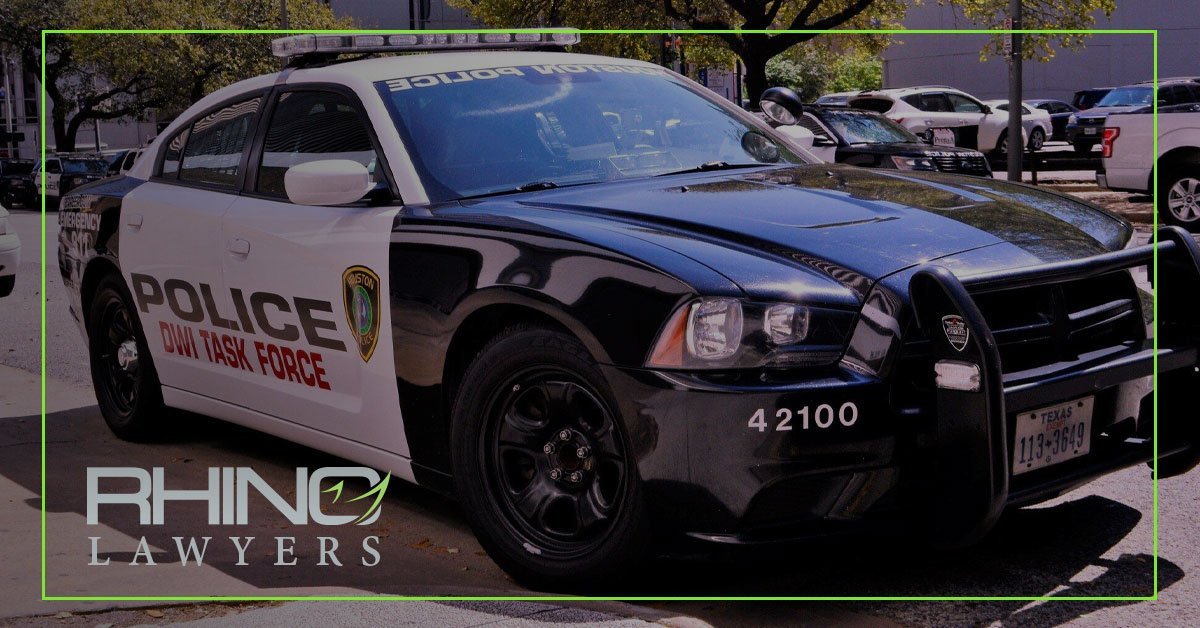
7 Mistakes to Avoid After a DUI Arrest
Despite Florida’s unwarranted reputation for unruly behavior, the Sunshine State is one of the better performers when it comes to drunk driving. When looking at all 50 states, Florida has one of the lower rates for DUI offenses and alcohol-related traffic fatalities.
This is part of a decades-long trend of improving road safety, driven by stricter enforcement and a stronger presence of traffic cops. All of this means that you too could face a DUI arrest, as law enforcement is not taking any chances.
Whatever your situation and what you were doing behind the wheel, a DUI arrest can be a stressful and disorienting experience. If it happens, it is essential to avoid the common DUI mistakes that can make your situation worse or undermine your legal standing. Here are our legal team’s top DUI defense tips on the mistakes to avoid.
1. Failing to Lawyer-Up
The first mistake many people make is not hiring a DUI lawyer. A DUI charge is serious, and Florida law has strict penalties, including fines, license suspension, and even jail time. Trying to handle this on your own can lead to costly mistakes.
It’s crucial to hire an experienced attorney who focuses on DUI cases. They understand the legal landscape and can help you navigate the complexities of Florida DUI law. DUI lawyers know how to challenge evidence, negotiate with prosecutors, and potentially reduce or dismiss charges.
2. Ignoring Your Court Dates and Deadlines
Another common DUI mistake is failing to attend court hearings or meet deadlines. After your arrest, you will have specific court dates, and missing them can lead to additional penalties, such as a bench warrant for your arrest. In Florida, DUI cases have tight timelines, especially for requesting a hearing to keep your driver’s license.
Make sure to mark your calendar and set reminders. Always show up for every court appearance to demonstrate your commitment to resolving the case. Your attorney will help you stay on track and avoid unnecessary legal troubles that could exacerbate the situation.
3. Not Challenging Your Breathalyzer Results
Many assume that the results of a breathalyzer test are final, but that’s not always true. Florida law requires breathalyzer machines to be calibrated regularly, and if the machine wasn’t functioning properly, the results could be inaccurate. This is one of the most overlooked DUI defense tips and one that could make all the difference.
Challenge the validity of the test results as they may be unreliable due to improper calibration or maintenance. Your lawyer can review the evidence and determine if there is a reason to dispute the test.
4. Talking Too Much to the Police
After your arrest, the police will ask questions to gather more information, but anything you say can and will be used against you in court. One of the most critical post-DUI legal advice tips is to remain calm and avoid answering unnecessary questions.
Instead of trying to explain yourself, politely inform the officers that you would like to speak to an attorney before answering any further questions. Do not try to justify your actions to the police, as this can hurt your case later. Protecting your rights in a DUI situation means knowing when to stay silent.
5. Failing to Take Your DUI Arrest Seriously
Some people treat a DUI arrest as a minor offense, especially if it’s their first one. This is a serious mistake. In Florida, even a first-time DUI can lead to severe consequences such as fines, probation, or community service. If your blood alcohol level was particularly high, or if there was an accident, the penalties are even steeper.
Take your DUI charge seriously and cooperate fully with your attorney to build a strong defense. Ignoring the gravity of the situation will only make it harder to resolve the case favorably.
6. Neglecting Your Legal Defenses
Florida DUI law allows for several legal defenses, but many people fail to explore their options fully. Your attorney might argue that the arresting officer did not have reasonable suspicion to stop your vehicle or that the field sobriety tests were not conducted properly.
Some other legal defenses include:
- Improper police procedure
- Inaccurate blood alcohol results
- Violation of rights during arrest
Consult your lawyer to explore these possible defenses, as they can potentially weaken the prosecution’s case. Understanding your options could make a significant difference in the outcome of your DUI case.
7. Ignoring the Consequences
One of the worst mistakes is thinking that a DUI will “just go away” with time. A conviction will stay on your record and can have long-lasting effects, including difficulty finding employment, higher insurance rates, and limitations on future driving privileges.
Florida law allows some individuals to apply for a hardship license, but this is not automatic. Additionally, a DUI conviction will remain on your criminal record for 75 years in Florida, which makes it important to avoid a conviction if possible. Work with your lawyer to explore expungement options or alternative sentencing programs, especially if this is your first offense. Taking these DUI arrest precautions now can protect your future.
Exceptional DUI Defense in the Tampa Bay Area
A DUI arrest is always going to be an incredibly stressful experience. However, thousands of Americans go through this every year, and far from all of these will see lasting consequences as a result.
With the right attitude, approach, and precautions, you can mount your defense and prevent a DUI arrest from spiraling into a burden you carry for a lifetime. As mentioned here, your first step should always be to contact a local, experienced DUI lawyer. For this, you are already in the right place. If you have been charged with a DUI in the Tampa Bay Area, RHINO Lawyers is here to help.
Our veteran team of legal professionals has helped countless individuals like yourself fight their cases and avoid becoming victims of police malpractice or overzealous enforcement. To begin the process of building your defense and staying on the right track, do not hesitate to reach out to our professional, understanding team today. We’re here for you.
CONTACT TAMPA TRAFFIC TICKET ATTORNEY
RHINO Lawyers can help and guide you through a system molded by law enforcement, judges, and lawyers for decades. Having won cases for our clients in similar circumstances, our criminal defense team knows what it takes to fight on your behalf.
Let RHINO Lawyers answer your questions and review the facts of your case with a Free Consultation. So, get started by completing the “Free Instant Case Evaluation” or by calling us any time, day or night, at (844) RHINO-77.
Read More
How to Choose the Right DUI Defense Attorney
There are now over 428,300 law firms throughout the US (via industry research company IBIS World). You shouldn’t have to search through dozens to find the best DUI defense attorney available. Otherwise, you’ll lose valuable time top DUI attorneys could otherwise dedicate to your case.
To save time and energy, use these tips for choosing a DUI defense attorney to streamline your search. With these tips, you can find qualified, experienced attorneys worthy of your trust. Leverage their expertise to ensure a better outcome for your case!
Consider the Charges
Before researching the best defense lawyers in your area, consider the details surrounding your case. Reviewing the charges will help you determine what type of lawyer you need. You can find someone with experience and expertise that’s relevant to your case.
The charges will vary based on where you were arrested. For example, there are 15 different ways crimes involving driving under the influence are charged in Florida. A few include:
- Misdemeanor DUI
- Felony DUI
- Underage DUI
- Suspended license DUI
- Commercial driver’s license DUI
Misdemeanor crimes include first and second DUI convictions. The punishment for these crimes can include less than one year of jail time. This charge only applies to arrests that involve non-fatal drunk driving accidents.
Though a misdemeanor may sound like a minor infraction, a conviction can result in:
- Hundreds to thousands of dollars in fines
- Getting your driver’s license revoked
- Imprisonment for several days up to a year
Felony charges are punishable by over one year in jail. They include third and fourth DUI convictions, accidents involving serious bodily harm, and DUI manslaughter.
DUI manslaughter and vehicular homicide could result in up to 15 years in prison. According to the National Highway Traffic Safety Administration, about 37 people die in drunk-driving crashes in the US daily.
A hit-and-run accident resulting in an accidental death can have the consequence of up to 15 years in prison.
While searching for top DUI attorneys in your area, look for someone with experience relevant to the charges you’re facing. You can leverage their prior case experience to fight for a better outcome.
Review Their Credentials
To build a list of the best defense lawyers in town, visit your local bar association website or the Martindale-Hubbell online directory. Confirm that each lawyer on your list is licensed to practice locally.
Learn more about each lawyer’s education and training. You can use the US Department of Education’s database to confirm that they graduated from an accredited institution. To obtain a license, each lawyer must pass the Multistate Professional Responsibility Examination (MPRE).
The classes they took can speak to their level of expertise as a DUI defense lawyer. Consider what certifications they earned, such as ones from the:
- National College for DUI Defense (NCDD)
- American Bar Association (ABA)
- National Association of Criminal Defense Lawyers (NACDL)
The NACDL is dedicated to the aggressive defense of individuals charged with crimes. They hold an annual DUI Defense Seminar.
The NCDD provides extensive DUI training, covering all areas of DUI defense. These programs prepare lawyers for DUI cases, including:
- Jury selection
- Cross-examination of the arresting officers
- Cross-examination of the testing officers
- Instruction on all aspects of breath and blood alcohol testing
- Evidentiary issues
- DUI lawyers
To become board-certified by the NCDD, lawyers must pass written and oral exams. These lawyers have reached an enhanced level of advocacy in the field of DUI defense.
Finding a lawyer with extensive credentials related to DUI cases will give you peace of mind. You can feel confident in their extensive knowledge related to DUI laws.
Gage Level of Experience
Before finding a DUI attorney, consider their level of hands-on case experience. Ask how long they’ve practiced law locally. How many of those years were dedicated to DUI cases?
Choose a lawyer with extensive experience relevant to your needs. They’ll know how to navigate your case without making costly mistakes.
Ask each lawyer about their most recent DUI defense cases. How many cases did they win versus lose in the past year? Choose a lawyer with a strong success rate.
Request client testimonials from each attorney. Did the client have any issues working with their attorney? Choose a lawyer who already has a glowing reputation that speaks to their capabilities.
Prepare for Court
You can’t anticipate how your case will proceed. To cover your bases, find an attorney with extensive courtroom experience.
If a lawyer is apprehensive about defending you in court, they may settle out of court instead. These lawyers won’t have your best interests in mind. Instead, choose an attorney who will prepare you for any possible outcome, like restoring your driving privileges.
Discuss DUI Defense Strategies
Talk to three local DUI defense attorneys about your case. Ask what strategy they would recommend.
Their process may include:
- Interviewing witnesses
- Reviewing the crime scene
- Gathering research
- Building your defense
- Examining laws and statutes
- Drafting, filing, and arguing appeals
Your lawyer should help you consider the pros and cons of each legal option. They should develop a DUI defense strategy based on your goals.
Plan to Communicate
Ask each lawyer how they plan on communicating with you moving forward. Choose someone who will keep you apprised throughout the entire process.
Consider how many cases the lawyer is currently working on. Confirm that they won’t hand your case off to another attorney at their firm. If they’re too busy, they may neglect your defense.
Compare Costs
Determine each lawyer’s fee structure. Will they charge you a flat or hourly rate? Determine what’s included with each estimate.
Don’t choose the cheapest DUI defense attorney you find. Instead, review your options. Choose an attorney who is most likely to fight with your goals in mind.
Find the Best DUI Attorney for Your Case
Choosing between top DUI attorneys shouldn’t feel daunting. Instead, use these tips to find the best DUI attorney based on your case. They’ll ensure a better outcome while fighting for your rights.
Look no further for an experienced, reliable attorney than RHINO Lawyers. We’ve won hundreds of cases like yours.
We’ll work one-on-one with you to develop unique DUI defense strategies tailored to the specific details of your case. Want to reduce or eradicate your misdemeanor or felony charges? Contact us now for a free video consultation.
CONTACT TAMPA TRAFFIC TICKET ATTORNEY
RHINO Lawyers can help and guide you through a system molded by law enforcement, judges, and lawyers for decades. Having won cases for our clients in similar circumstances, our criminal defense team knows what it takes to fight on your behalf.
Let RHINO Lawyers answer your questions and review the facts of your case with a Free Consultation. So, get started by completing the “Free Instant Case Evaluation” or by calling us any time, day or night, at (844) RHINO-77.
Read More
Collapsed Lungs Are a Potential Injury in Car Collisions
Every year, there are between five and six million car accidents in the United States, leading to various injuries. Among these injuries, one that is particularly concerning is a collapsed lung, also known as pneumothorax. This injury can arise from blunt force trauma or broken ribs during a collision.
For many victims, a key question arises: how do you know if a chest injury is serious? Understanding the symptoms and implications of a collapsed lung is crucial for anyone involved in a car accident.
In this blog post, we will explore what a collapsed lung is, its causes, symptoms, treatment options, and your legal rights if you suffer from this injury. Let’s get started.
What Is a Collapsed Lung?
A collapsed lung happens when air escapes into the pleural cavity, the space located between the lung and the chest wall. This accumulation of air can cause the lung to collapse, resulting in challenges with breathing and pain in the chest.
There are two main types of pneumothorax:
- Spontaneous
- Traumatic
A spontaneous pneumothorax happens without any obvious cause, often affecting tall, young men. Traumatic pneumothorax is usually the result of injury, such as from a car accident, where blunt force can damage the lung tissue or rib cage.
The lung’s ability to expand and contract is essential for breathing. Lung trauma can reduce the amount of oxygen that reaches the bloodstream, leading to serious health issues.
It’s vital to recognize chest injury symptoms and seek medical attention quickly, as a pneumothorax can worsen if left untreated, potentially leading to severe complications.
Causes of Collapsed Lungs in Car Accidents
Several factors can cause a collapsed lung in a car accident, with blunt force trauma being the most common. During a collision, the impact can exert significant pressure on the chest, potentially damaging the lung tissue. This can happen if the chest strikes the:
- Steering wheel
- Dashboard
- Seatbelt
Broken ribs are another frequent cause; fractured ribs can puncture or tear the lung, allowing air to escape into the pleural space.
Additionally, rapid deceleration in a crash can create extreme forces on the body, which may contribute to lung injuries. Even minor accidents can lead to pneumothorax if the impact is severe enough. In some cases, a pre-existing lung condition, such as chronic obstructive pulmonary disease (COPD) or asthma, can increase the risk of a collapsed lung during an accident.
Symptoms to Watch For
Of course, recognizing the symptoms of a collapsed lung is crucial for timely treatment. Common signs here can include sudden chest pain and shortness of breath. The pain may worsen with deep breaths, coughing, or movement.
Some individuals may also experience a rapid heart rate or feel anxious. In severe cases, the skin may develop a bluish tint, indicating low oxygen levels. If you notice any of these symptoms after a car accident, it’s important to seek medical attention immediately.
Early diagnosis and treatment can improve outcomes as well as decrease the risk of complications associated with pneumothorax.
Diagnosis and Treatment
Diagnosing a collapsed lung typically involves a physical examination and imaging tests, such as a chest X-ray or CT scan. These tests help confirm the presence of air in the pleural space and assess the lung’s condition. Once diagnosed, treatment options depend on the severity of the pneumothorax.
For small cases, observation may be sufficient, with the body reabsorbing the air naturally. However, more severe cases might require procedures like chest tube insertion to remove excess air and allow the lung to re-expand.
In more critical situations, surgery may be necessary to repair the lung and prevent future occurrences. Prompt medical attention is essential for effective treatment and recovery.
Legal Implications and Your Rights
Knowing the legal implications of a collapsed lung from a car accident is crucial for victims seeking compensation. If your injury resulted from someone else’s negligence, you have the right to pursue a personal injury claim. This could cover:
- Medical expenses
- Lost wages
- Pain and suffering
At RHINO Lawyers, we encourage you to gather evidence, such as police reports, medical records, and witness statements, to strengthen your case.
Consulting with our experienced personal injury attorneys can help you navigate the complexities of your situation. Many states have time limits for filing a claim, known as statutes of limitations, and missing these deadlines can result in losing your right to compensation.
Insurance companies may attempt to minimize your claim or shift blame onto you. Our skilled attorneys will ensure your rights are protected and that you receive the compensation you deserve for your injuries.
Why Choose RHINO Lawyers?
Choosing RHINO Lawyers for your personal injury case is a smart decision for several reasons. Our team is dedicated to helping victims of car accidents, including those with collapsed lungs. We understand the physical, emotional, and financial toll these injuries can take, and, with over $50 million recently recovered for our clients, we have a proven track record of achieving results.
Our attorneys have extensive experience in personal injury law, and we leverage our insider knowledge of how insurance companies operate. This insight helps us build strong cases and negotiate effectively on your behalf. We focus on your needs, providing personalized support throughout the legal process.
Moreover, we offer free consultations to evaluate your case and discuss your options. You can trust that we will handle the details while you focus on recovery.
With RHINO Lawyers, you’re not just another case; you’re a valued client. Our commitment is to protect your rights and ensure you receive the compensation you deserve. Reach out to us today for assistance.
How Do You Know if a Chest Injury Is Serious?
So, to sum up, if you’re asking yourself, “How do you know if a chest injury is serious,” it’s crucial to seek medical attention right away after a car accident. A collapsed lung can lead to severe complications and requires immediate care.
At RHINO Lawyers, we understand the challenges you face and are here to help you navigate your legal rights. Our experienced team is dedicated to securing the compensation you deserve for your injuries. Contact us today for a free consultation, and let us assist you in taking the necessary steps toward recovery and justice.
CONTACT A TAMPA AUTO ACCIDENT ATTORNEY
In short, after a car accident, you may not know your rights. Above all, don’t struggle through the process alone. Actually, our personal injury team is here to help you with any legal needs you might have regarding your accident.
Lastly, let RHINO Lawyers answer your questions and review the facts of your case with a Free Consultation. So, get started by completing the “Free Instant Case Evaluation” or by calling us any time, day or night, at 844.RHINO.77.
Read More
What to Do if You Get Pulled over for Driving With an Expired Tag
Police pull over more than 50,000 drivers on a typical day; that’s over 20 million motorists every year (The Stanford Open Policing Project). If you’re among those who get stopped for driving with an expired tag, it can feel like a nightmare.
A simple trip can quickly turn into a stressful encounter with law enforcement. Your heart races as you see the flashing lights in your rearview mirror; this moment can lead to unexpected penalties. Knowing how to handle the situation is crucial.
Staying calm and informed can help you navigate this stressful experience without further complications. Here’s what to do when faced with an expired tag and how to minimize the potential fallout.
Stay Calm and Composed
When the police officer approaches your vehicle, remain calm. Take a deep breath and keep your hands visible on the steering wheel.
The officer will likely ask for your license and registration; provide these items without reaching for them until instructed. Keeping your composure shows respect and can set a positive tone for the interaction.
Polite communication is key. Greet the officer and answer their questions clearly.
A courteous demeanor can make a significant difference. Avoid arguing or becoming defensive; remember, the officer is doing their job. Showing respect might lead to a more favorable outcome.
Here are some tips to help you manage the situation:
- Keep hands visible
- Speak clearly
- Avoid sudden movements
- Remain respectful
- Stay calm under pressure
Handling this moment well can influence the outcome of the stop.
Understand the Situation
An expired tag means your vehicle registration is overdue. Each state has different penalties for expired tags.
In many places, driving with an expired tag can result in fines or even a traffic ticket. Knowing your state’s specific laws is helpful; this knowledge can empower you during the police traffic stop.
The potential consequences include:
- Expired tag fine
- Traffic ticket
- Possible court appearance
- Increased insurance rates
- Impoundment of vehicle
Fines vary by state, and repeat offenses often incur higher penalties. Familiarizing yourself with the rules can help ease your anxiety during the stop. Understanding your rights and obligations can also prepare you for any discussion about penalties for expired tags.
Ask Questions
If the officer issues a ticket, don’t hesitate to ask questions. Understanding what led to the fine can clarify your options.
Politely inquire about the specific penalty for your expired tag. You might also want to ask about how to avoid future penalties for expired tags.
Here’s what to focus on:
- What’s the fine amount?
- Are there options to contest?
- How do I renew my vehicle registration?
- Is there a grace period?
- What happens if I ignore this?
Requesting information shows that you are taking the situation seriously. An officer may explain how to renew vehicle registration; some may even provide alternatives depending on your circumstances.
Plan Your Next Steps
After the stop, it’s time to focus on what comes next. First, make sure to renew your vehicle registration as soon as possible; delays can lead to further complications. Check your state’s Department of Motor Vehicles (DMV) website for specific renewal procedures and requirements.
Taking action right away can prevent additional fines. Consider the following steps:
- Visit DMV website
- Gather required documents
- Pay any outstanding fees
- Complete registration forms
- Confirm renewal confirmation
Next, review any fines or penalties you may face. In some cases, you might have the option to contest the ticket in court.
Consider consulting a traffic ticket lawyer if you feel the ticket was unwarranted or if you want guidance. A lawyer can help you understand your rights and options and can make the process easier.
Keep Track of Your Registration
Maintaining your vehicle registration can help prevent future issues. Set reminders for when your registration is due.
Using a calendar or a smartphone app can be beneficial. Regular checks can ensure your tags are current and prevent future encounters with law enforcement.
If you drive a vehicle that requires annual inspection or registration, stay ahead of the deadlines. Familiarize yourself with local laws and ensure all documents are up to date. Smart planning can save you time and money in the long run.
Here are some useful tips:
- Use calendar reminders
- Check state laws
- Keep documents organized
- Set alerts on your phone
- Review registrations regularly
Being proactive ensures that you avoid fines or penalties for expired tags.
Know Your Rights
When stopped for an expired tag, it’s essential to know your rights. You have the right to remain silent and not answer questions beyond providing your identification and registration. If you feel uncomfortable with how the officer conducts the stop, calmly express your concerns.
Keep the interaction respectful; aggression or hostility can escalate the situation. Understanding your rights allows you to navigate the process with confidence.
Remember, you can also request the officer’s badge number and ask for a supervisor if needed. Knowing your rights empowers you to handle unexpected situations calmly and legally.
Learn from the Experience
Getting pulled over for an expired tag can serve as a valuable lesson. Use this situation to educate yourself about your vehicle’s requirements and registration deadlines. Familiarize yourself with the specific laws in your state to avoid future issues.
Take this opportunity to spread awareness among friends and family, reminding them to check their registrations regularly. By sharing your experience, you can help others stay informed and avoid similar encounters. Embracing this lesson can turn a stressful situation into a learning opportunity, ultimately leading to better driving habits and safer roads for everyone.
Moving Forward with an Expired Tag
Experiencing a police traffic stop for an expired tag is unsettling. Remaining calm and respectful can significantly influence the interaction. Understanding the situation, asking questions, and planning your next steps are all essential for handling the aftermath effectively.
When facing the stress of an expired tag or any legal issue, you deserve a law firm that understands your needs. At RHINO Lawyers, we leverage modern communication methods to ensure you receive fast, reliable, and friendly service tailored to your preferences. Our Millennial-led team is here to change the game; reach out today and experience the difference of working with a forward-thinking law firm that puts your needs first.
CONTACT TAMPA TRAFFIC TICKET ATTORNEY
RHINO Lawyers can help and guide you through a system molded by law enforcement, judges, and lawyers for decades. Having won cases for our clients in similar circumstances, our criminal defense team knows what it takes to fight on your behalf.
Let RHINO Lawyers answer your questions and review the facts of your case with a Free Consultation. So, get started by completing the “Free Instant Case Evaluation” or by calling us any time, day or night, at (844) RHINO-77.
Read More
DVT: A Common Car Accident Complication
Millions of Americans are injured in car accidents every year, with many facing complications that go beyond the immediate aftermath. One lesser-known but serious complication is deep vein thrombosis (DVT). Which can develop after a traumatic injury like those sustained in a car crash.
Here at RHINO Lawyers, we understand how overwhelming these situations can be, especially when unexpected conditions like DVT arise. Our goal is to ensure that victims receive the care and compensation they deserve.
In this guide, we’ll explore how DVT can develop after a severe car crash, the risks involved, and how our legal team can help you secure justice.
What Is Deep Vein Thrombosis?
Deep Vein Thrombosis (DVT) is a condition that occurs when a blood clot forms in one of the deep veins in the body, usually in the legs. These clots can cause swelling, pain, and redness in the affected area.
While some clots may dissolve on their own, others can break off and travel through the bloodstream, potentially causing life-threatening complications like a pulmonary embolism, where the clot reaches the lungs.
DVT is often associated with prolonged immobility, which can occur during long car rides or hospital stays after a car accident. When the blood flow slows down or is restricted, clots are more likely to form. This makes it essential to monitor for any signs of DVT, especially after a traumatic event like a car accident.
Early detection is crucial, as it can prevent the clot from growing or causing more severe complications down the line.
DVT Risk Factors After a Car Accident
Several risk factors increase the likelihood of developing DVT after a car accident and one of the most significant is immobility. After an accident, many victims are confined to bed rest or have reduced mobility due to injuries, which can cause blood to pool in the legs. The longer a person remains immobile, the higher the risk of DVT.
Injuries to the veins themselves can also trigger DVT. Trauma to the lower body, such as fractures or deep bruising, can damage blood vessels, leading to clot formation.
Additionally, certain pre-existing conditions, such as obesity, heart disease, or a history of blood clots, can heighten the risk of developing DVT. Even lifestyle factors, such as smoking, may contribute to an increased risk.
Properly understanding these risk factors is essential for anyone recovering from a car accident. If you’re facing prolonged immobility or severe injuries, it’s vital to watch for DVT symptoms and seek medical care immediately.
Symptoms of DVT to Be Aware Of
Recognizing the signs of DVT early can be life-saving following a car accident. One common symptom is swelling in one leg, particularly in the calf.
This swelling may be accompanied by pain or tenderness, which often worsens when standing or walking. Additionally, the skin over the affected area may appear red or feel warm to the touch.
Another sign of DVT is leg cramping or a heavy, achy sensation in the leg. It’s important to note that DVT can sometimes occur without obvious symptoms, making it crucial to be aware of any changes in your body, especially after a car accident.
Diagnosing and Treating DVT After a Car Accident
Diagnosing DVT after a car accident involves a medical professional assessing your symptoms and medical history. Tests such as an ultrasound, D-dimer test, or venography are commonly used to detect the presence of blood clots. These tests help doctors determine the location and severity of the clot.
Treatment typically includes anticoagulant medications to prevent the clot from growing or new clots from forming. In severe cases, thrombolytic therapy or surgery may be required to remove or break up the clot.
Early diagnosis and treatment are key to preventing complications like pulmonary embolism, where a clot travels to the lungs and becomes life-threatening.
Legal Rights and Compensation for DVT Injuries
If you develop DVT after a car accident, you may be entitled to compensation for your lost wages and medical bills, as well as pain and suffering.
Since DVT is a serious condition that can lead to long-term complications, it’s crucial to hold the responsible party accountable. Proving that your DVT was caused by the accident can strengthen your case.
At RHINO Lawyers, we have the necessary experience to support your claim. Insurance companies often try to minimize payouts, but with legal representation, you stand a better chance of securing a fair settlement.
If DVT leads to further complications, such as a pulmonary embolism, you could be entitled to additional compensation. Our team will fight for you to ensure all damages are considered.
We’re Here to Help Following a Severe Car Crash
When dealing with the complications of DVT after a car accident, having the right legal team on your side is essential. RHINO Lawyers brings a unique blend of experience and passion to each case. Ensuring that our clients receive the justice and compensation they deserve.
Our team understands the complexities of post-accident injuries like DVT and works diligently to prove that your condition was caused by the accident.
As noted above, insurance companies are notorious for downplaying claims and attempting to settle for less than what you are owed. We are not intimidated by insurance tactics. In fact, we have extensive experience negotiating. And when necessary, taking cases to trial to ensure our clients are treated fairly.
We take pride in our results. Having recovered millions for our injured clients and our proven track record speaks for itself. If you are suffering from DVT after an accident, trust RHINO Lawyers to fight for your rights and secure the compensation you deserve.
Get Compensation for Car Crash Injuries
The bottom line is that a severe car crash can lead to unexpected complications like DVT, making your recovery more difficult. If you’ve been in a severe accident and are experiencing unusual symptoms, it’s crucial to seek medical attention immediately.
At RHINO Lawyers, we are here to support you through every step of your legal journey. Our experienced team will fight to get you the compensation you deserve. Contact us today for a free consultation and learn how we can help with your case.
CONTACT A TAMPA AUTO ACCIDENT ATTORNEY
In short, after a car accident, you may not know your rights. Above all, don’t struggle through the process alone. Actually, our personal injury team is here to help you with any legal needs you might have regarding your accident.
Lastly, let RHINO Lawyers answer your questions and review the facts of your case with a Free Consultation. So, get started by completing the “Free Instant Case Evaluation” or by calling us any time, day or night, at 844.RHINO.77.
Read More
Don’t Take it Lightly: Why a Careless Driving Ticket Deserves Your Attention
Receiving a careless driving ticket might not seem like a big deal at first. However, what seems like a small issue can quickly escalate into serious problems if you choose to ignore it. Failing to address a careless driving ticket can:
- Impact your driving record
- Lead to higher insurance rates
- Affect your legal right to drive
Are you wondering what is careless driving? We’ve got you covered as we explore this topic and discuss why a careless driving ticket should never be ignored. Keep reading to find out what steps you can take to avoid driving penalties and ensure your safety and that of others on the road.
What is Careless Driving?
Careless driving is a broad traffic violation that refers to driving a vehicle without regard for the safety of others or property. It can include actions such as:
- Speeding
- Tailgating
- Failing to stop at a red light
Unlike reckless driving, which involves intentional dangerous behavior, careless driving is usually unintentional but still creates a risk on the road. Careless driving tickets are often issued when a driver’s actions fall short of reckless driving but still pose a danger. The specific definition of careless driving varies by state, but it generally involves a failure to follow basic traffic rules or driving in a way that could cause harm to others.
Why You Must Not Ignore a Careless Driving Ticket
Many drivers underestimate the seriousness of a careless driving ticket. Ignoring this can lead to severe consequences that go beyond just paying a fine. Here’s why you need to take it seriously:
Fines
Careless driving tickets often come with hefty fines. The amount can vary by state, and the circumstances surrounding the violation, but fines can easily reach hundreds of dollars.
Points on Your License
In many states, a careless driving conviction adds points to your driving record. Having too many points can lead to a license suspension or even mandatory driving courses.
Increased Insurance Premiums
Insurance companies view careless driving as a red flag. If you’re convicted of this offense, you can expect your insurance premiums to rise significantly.
Court Appearances
In some cases, a careless driving ticket may require you to appear in court. Failing to show up for a scheduled court appearance can lead to additional penalties, including possible arrest warrants. In rare and severe cases, such as if your careless driving resulted in serious injury or death, you could face jail time.
The penalties for careless driving differ depending on where you live, but they generally involve a combination of fines, points on your license, and possibly even jail time for repeat offenders or severe cases.
How to Avoid Driving Penalties
Facing a careless driving ticket doesn’t mean you are stuck with the maximum penalties. You can take steps to address the situation and potentially reduce the impact. Here are some options to consider:
1. Address the Ticket Promptly
The first and most important step is to address the ticket as soon as you receive it. Failing to respond can lead to more penalties, including increased fines, license suspension, and even arrest warrants. Pay the fine if that’s an option, or contest the ticket if you believe you were wrongly accused.
2. Attend Traffic School
In some states, you may be able to attend a defensive driving course or traffic school to have the points from a careless driving ticket removed from your record. This is often available for first-time offenders and can help lower the impact on your driving record and insurance rates.
3. Hire Legal Representation
If you believe the ticket was issued unfairly or are facing severe penalties, seeking legal advice is a good idea. A skilled traffic attorney can help you contest the ticket, negotiate reduced penalties, or even have it dismissed, especially if your driving record is at risk.
Traffic attorneys are trained in handling traffic law and can represent your best interests in court. With their knowledge of local laws and strategies, they can work to lower penalties and help you avoid costly consequences. Getting legal advice ensures you have the support needed to achieve the best possible outcome.
4. Contest the Ticket in Court
If you believe the ticket was issued in error or if you have evidence to support your case, you may be able to contest the ticket in court. This could involve proving that you were not driving carelessly or that the officer mistakenly issued the ticket. However, contesting a ticket can be complicated, so getting legal advice is advisable before taking this step.
5. Keep a Clean Driving Record
Avoiding future tickets is the best way to protect your driving record. Obey traffic laws, drive cautiously, and avoid distractions while driving. A clean driving record keeps your insurance premiums low and demonstrates responsible driving behavior.
Long-Term Impact of Careless Driving Convictions
A careless driving conviction can have long-term effects on your life beyond the immediate penalties. For instance:
Job Implications
Certain jobs, especially those that involve driving, may require you to have a clean driving record. A careless driving conviction can, therefore, limit your employment opportunities.
Car Insurance
As mentioned, insurance companies view careless driving convictions negatively. You may see an increase in your premiums or even have difficulty finding coverage.
License Status
Multiple traffic violations, including careless driving, can result in the suspension or revocation of your driver’s license. Driving with a suspended license carries additional penalties and can make everyday life difficult.
Understanding What Is Careless Driving
What is careless driving? It is a serious offense that can lead to major problems if not addressed correctly. Understanding the importance of dealing with this can protect you from any negative impacts on your driving record and insurance rates. Stay aware and take action to keep your driving record clean.
Do you need assistance with a careless driving charge? At RHINO Lawyers, you will receive fast and reliable service from an experienced team that knows how to get the job done. Contact us today to learn how Tampa’s leading auto injury and traffic attorneys can manage careless driving consequences.
CONTACT TAMPA TRAFFIC TICKET ATTORNEY
RHINO Lawyers can help and guide you through a system molded by law enforcement, judges, and lawyers for decades. Having won cases for our clients in similar circumstances, our criminal defense team knows what it takes to fight on your behalf.
Let RHINO Lawyers answer your questions and review the facts of your case with a Free Consultation. So, get started by completing the “Free Instant Case Evaluation” or by calling us any time, day or night, at (844) RHINO-77.
Read More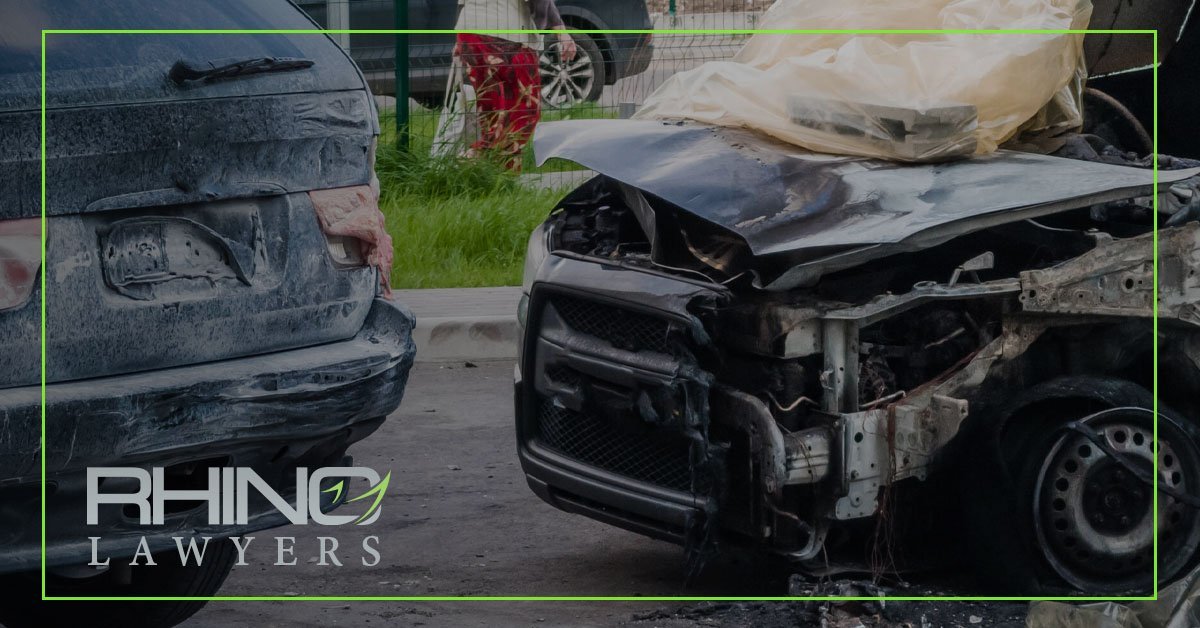
Why Auto Injury Claims Get Rejected and How to Avoid It
Filing an auto accident injury settlement claim can feel overwhelming, especially when you’re dealing with the stress of recovery. Unfortunately, many valid claims get rejected for avoidable reasons, leaving victims without the compensation they deserve.
If you’ve been in an auto accident, knowing why claims are denied and how to avoid these pitfalls could make all the difference in your settlement. Don’t let a simple mistake cost you. Keep reading to uncover the most common reasons auto accident injury claims are rejected and how you can secure the compensation you’re entitled to.
Lack of Coverage for Specific Claims
One of the most frequent causes for claim denials is that your insurance policy doesn’t cover the type of claim you’ve filed. If you only have liability insurance, it covers damages to others when you’re at fault, but it won’t cover your own injuries or vehicle repairs. For example, without personal injury protection (PIP) or medical payment coverage, claims for your injuries may be denied.
Another potential reason for claim rejection is if the driver involved in the accident is excluded from your policy. If someone not listed on your policy drives your car during the accident, your insurer may refuse to cover the claim.
Failure to Report the Accident on Time
Insurance companies often have strict deadlines for reporting accidents. If you fail to report the incident within the required timeframe, your claim might be denied, even if it’s otherwise valid. Reporting delays make it harder for insurers to investigate the accident, which can raise suspicion.
Incorrect or Incomplete Documentation
Another common indicator for rejecting auto accident injury claims is incomplete or incorrect paperwork. The claims process requires detailed documentation, including medical reports, police records, and accident details. Missing even a single document can slow down your claim or cause outright rejection.
How to Avoid It:
Ensure that all documents related to the accident are collected and organized. This includes:
- Police reports
- Witness statements
- Medical bills
- Vehicle damage assessments
Double-check all forms for errors. Simple mistakes, like misspelled names or incorrect dates, can lead to delays or rejections.
Delayed Medical Treatment
After an auto accident, get medical attention immediately, even if your injuries seem minor. Waiting too long to see a doctor can weaken your claim, as the insurer may argue that your injuries either were not caused by the accident or are less severe than you have reported.
Visit a doctor as soon as possible after the accident to get an accurate diagnosis of your injuries. Keep all medical records and receipts to prove the extent of your injuries and the treatments received.
Failure to Follow Medical Advice
Adjusters review your medical documentation to determine how severe your injuries are. If they notice that you haven’t followed your doctor’s treatment plan, they may reject your claim, arguing that your failure to comply shows that your injuries aren’t as serious as stated.
How to Avoid It:
Always follow your doctor’s orders for treatment and recovery. This includes attending all follow-up appointments and taking prescribed medications. Document your treatment plan and recovery process to show that you’re doing everything possible to recover from your injuries.
Lack of Evidence of Fault
Establishing who was at fault in an auto accident is vital for securing a settlement. Your claim could be denied if you cannot provide enough evidence to prove the other driver was responsible. In certain cases, the insurance company might argue that you may be partially or fully at fault, reducing or eliminating your settlement.
How to Avoid It:
Get evidence from the accident scene. This includes taking enough photos of:
- All the vehicles
- Any visible injuries
- Road conditions
Get contact information from witnesses and request their statements to support your case during the claims process.
Pre-existing Injuries
Insurance companies often scrutinize claims for pre-existing injuries, arguing that the injuries you’re claiming compensation for were not caused by the accident. They may claim the injuries were pre-existing conditions, reducing your compensation eligibility.
Be upfront about any pre-existing conditions during your medical evaluation. This transparency will prevent the insurance company from accusing you of hiding information. Medical reports should explain the distinction between old injuries and the new trauma caused by the accident.
Discrepancies in Your Statements
Consistency in your statements is crucial when filing a car accident injury settlement claim. It could raise red flags if your story changes between the:
- Accident report
- Your medical records
- Your interactions with the insurance company
Insurance adjusters will look for any discrepancies to reduce or reject your claim.
How to Avoid It:
When discussing the accident and your injuries, stick to the facts. Avoid guessing or exaggerating details. Make detailed notes of the accident and your injuries so you can give consistent information throughout the claims process.
Expired Statute of Limitations
Every state has a time limit or deadline for filing an auto accident injury compensation claim. Victims of auto accidents, whether in car, trucking, or motorcycle accidents, should be aware of these time limits to protect their rights to compensation. If you miss this deadline, the system will most likely deny your claim, no matter how strong your case is.
Find out the statute of limitations for filing an auto accident claim in your state, and make sure to file well before the deadline. Talk to an attorney soon after the accident to ensure you file your case within the appropriate timeframe.
Reasons for Auto Accident Injury Settlement Denials
Dealing with the auto accident claims process can be challenging, with various reasons leading to claim denials. Understanding these reasons can help you secure a successful auto accident injury settlement. Your path to fair compensation starts with being proactive and making a solid claim.
RHINO Lawyers can help you get the right answers to make the best decision about your rejected auto injury claims. We offer immediate assistance by analyzing your case to guide you through the process, and our team will set you on your journey toward fair car accident compensation. For bold representation and results, contact us today.
CONTACT A TAMPA AUTO ACCIDENT ATTORNEY
In short, after a car accident, you may not know your rights. Above all, don’t struggle through the process alone. Actually, our personal injury team is here to help you with any legal needs you might have regarding your accident.
Lastly, let RHINO Lawyers answer your questions and review the facts of your case with a Free Consultation. So, get started by completing the “Free Instant Case Evaluation” or by calling us any time, day or night, at 844.RHINO.77.
Read More
What to Do if Your Teen is Arrested for DUI: 7 Key Steps
Discovering that your teen has been arrested for a DUI (Driving Under the Influence) can be a heart-wrenching experience. As a parent, it’s natural to feel overwhelmed and uncertain about what to do about a teen DUI. This situation brings immediate legal concerns and emotional and long-term implications for your child’s future.
Knowing what steps to take is essential for navigating this difficult time. It ensures you provide your teen with the best support while addressing the legal challenges head-on. This guide will walk you through seven crucial steps to help you manage the situation effectively while protecting your teen’s future.
Keep reading for information on where to find the best teen arrest legal help in Tampa.
1. Stay Calm and Gather Information
Initially, parents might experience shock or disbelief upon learning about their teen’s DUI arrest. They may have trouble processing the news and understanding how it happened. However, staying calm and focused is essential as you must collect all the relevant information about the arrest, such as:
- Details on why the teen was pulled over, and any specifics about the incident that led to the stop
- Find out the teen’s blood alcohol concentration (BAC) level at the time of the arrest
- Get the specific charges filed, such as DUI or underage drinking
- Review the police report for details on the arrest, including any field sobriety tests conducted and statements made
- Get the arrest record, which includes information about the date and location of the arrest
- Collect any legal documents related to the case, such as citation tickets and court summons
- If applicable, gather statements from any witnesses or the events leading up to it
- Document the teen’s version of the events, including their actions and any interactions with law enforcement
Detailed information will help you better understand the situation and assist your legal team in developing a defense strategy.
2. Understand the DUI Charges
Teenage DUI consequences can be severe and can change according to local laws and case specifics. Generally, these may include:
- Fines and penalties
- License suspension
- Community service
- Jail time
Understanding these potential penalties helps you prepare for what’s ahead and plan accordingly.
3. Hire a Qualified Attorney
Securing a lawyer focusing on DUI cases involving minors is crucial. Choose a lawyer known for their successful case outcomes. Here’s how a skilled lawyer can help your case:
Professional Guidance
They can give valuable insights and solutions suited to the specific aspects of your teen’s case. Beyond legal representation, a good attorney will offer support and advice on how to handle the situation. They can help you understand court procedures, what to expect at each stage, and how to prepare for hearings and trials.
Develop a Defense Strategy
Your lawyer will work to create a defense strategy based on the details of the case. This may include:
- Negotiating plea deals
- Challenging evidence
- Exploring alternative sentencing options
Their goal is to minimize the impact of the charges on your teen’s future.
Protect Your Teen’s Rights
They will advocate in court on your teen’s behalf, ensuring that they receive a fair hearing and that potential errors or injustices are addressed.
If the case results in a conviction or plea deal, the attorney can help with post-trial issues, such as:
- Appealing the decision
- Handling probation terms
- Addressing any further legal or administrative requirements
4. Review and Prepare for Court
Preparation for the court is vital. Work with your attorney to collect any relevant evidence that might support your teen’s case, such as character references or mitigating factors.
Develop and practice any statements or testimonies that will be presented in court. Familiarize yourself with the court process, including what to expect during hearings and trials.
Proper preparation can significantly impact the case outcome and help your teen navigate the legal proceedings effectively.
5. Support Your Teen Emotionally
A DUI arrest can be emotionally overwhelming for a teenager, and providing emotional support is essential. Support your teen in sharing their feelings and concerns. Listen without judgment and offer reassurance.
Demonstrate responsible behavior in alcohol use and driving. Your actions set a powerful example for your teen. Share with your teen how you make decisions about alcohol and driving and the reasons behind your choices.
Emotional support from family can positively influence how your teen handles the legal process and their overall well-being.
6. Consider Rehabilitation or Counseling
Depending on the case, enrolling your teen in a rehabilitation or counseling program might be beneficial. This can:
- Address underlying issues
- Show responsibility
Research local programs specializing in adolescent substance abuse and consult your attorney for recommendations.
Clearly outline the rules on alcohol use, driving, and curfews. Make sure your teen understands the importance of following these rules. Explain what behavior is acceptable and the consequences of not following the rules, and get professional help to do this if needed.
7. Educate Them on Teenage Dui Consequences
Educating your teen about the long-term effects of a DUI conviction is crucial. Have an open and honest conversation about the impact of a DUI on college admissions, scholarship opportunities, and future job opportunities.
A criminal record can affect their driving record and insurance rates, and helping them understand the consequences can motivate them to take responsibility and make better decisions in the future. Understanding the potential outcomes makes teens more likely to avoid risky behavior.
Education about the dangers of substance abuse and its effects on health can motivate teens to adopt healthier habits and avoid substance use. Education will give them skills like:
- Critical thinking
- Problem-solving
Final Tips for Teen DUI Cases
Navigating a teen DUI case can be challenging. Effectively addressing this involves a combination of legal preparation, supportive parenting, and proactive guidance. Start by understanding the charges and legal process and find a qualified attorney to guide you on this.
When faced with teen DUI charges, consult with the experienced team at RHINO Lawyers for tailored advice and support. We use industry-leading trends and proven strategies to achieve the most favorable settlements for our clients. Reach out now to book a consultation and take the first step toward resolving your teen’s case.
CONTACT TAMPA TRAFFIC TICKET ATTORNEY
RHINO Lawyers can help and guide you through a system molded by law enforcement, judges, and lawyers for decades. Having won cases for our clients in similar circumstances, our criminal defense team knows what it takes to fight on your behalf.
Let RHINO Lawyers answer your questions and review the facts of your case with a Free Consultation. So, get started by completing the “Free Instant Case Evaluation” or by calling us any time, day or night, at (844) RHINO-77.
Read More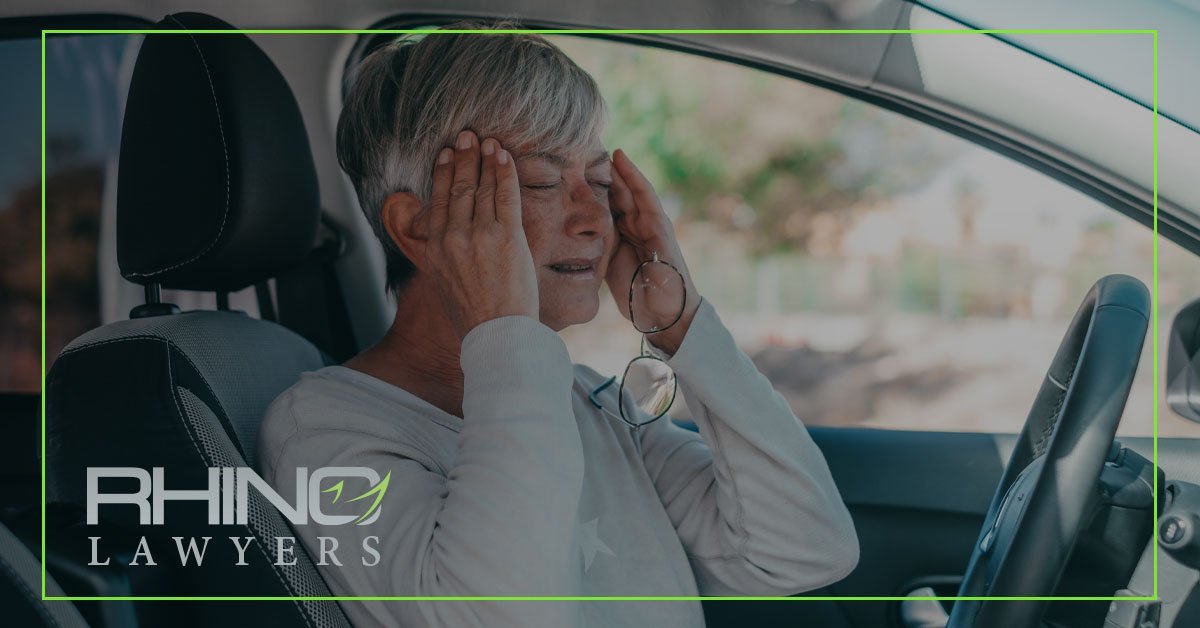
Are Migraines a Factor in Car Accident Risks for Seniors?
According to the CDC, elderly drivers have higher crash death rates than middle-aged drivers. But how many of these accidents are potentially due to health issues like migraines?
Today we’re taking a closer look into how migraines could be a significant factor in senior car accident risks, exploring how these headaches might impair driving abilities and contribute to the dangers on the road for elderly drivers.
Understanding Migraines in the Elderly
Migraines in seniors may not follow the same patterns seen in younger individuals. As people age, the intensity of migraines can lessen, but the frequency might increase.
Elderly individuals often experience migraines without the severe headache that typically defines the condition. Instead, they may suffer from more visual disturbances or dizziness.
Even when the pain is less intense, other symptoms of migraines can still be disabling. Visual disturbances, such as light flashes or blind spots, are common. Sensitivity to light and sound, as well as dizziness, can also occur.
Symptoms can severely impact daily activities, making concentrating or completing tasks difficult. For elderly drivers, these effects can be particularly dangerous, as they may impair vision and reaction times.
The Potential Impact on Daily Activities Like Driving
As people age, their physical abilities tend to decline. There are three primary risks associated with elderly drivers:
- Slower reaction times
- Vision impairments
- Medication side effects
Slower Reaction Times
As people age, their physical abilities tend to decline. It includes slower reflexes and reaction times, which are critical when driving.
A delay in response, even by a fraction of a second, can make the difference between avoiding a collision and being involved in one. The issue is especially concerning for elderly drivers who may not have the agility to quickly adapt to sudden changes on the road, such as unexpected stops or pedestrians crossing.
Vision Impairments
Vision tends to deteriorate with age. Conditions like cataracts, glaucoma, and macular degeneration can make it harder for seniors to see clearly, especially in low light or at night.
The impairments can lead to difficulties in reading road signs, judging distances, or noticing hazards in time. Even if a senior’s vision is only mildly affected, it can still increase the risk of accidents, particularly in challenging driving conditions.
Medication Side Effects
Many seniors take medications to manage various health conditions. Some of these medications can cause side effects like drowsiness, dizziness, or confusion, all of which can impair driving abilities.
The combination of these side effects with other age-related issues, such as slower reaction times or vision problems, can further elevate the risk of car accidents. It’s important to understand how these factors interact to increase the overall danger on the road for elderly drivers.
The Impact of Migraines on Driving Abilities
Migraines can severely impact driving abilities in several ways. Here are three primary ways:
- Cognitive Impairment
- Vision Problems
- Delayed Reactions
Cognitive Impairment
Migraines often come with cognitive symptoms that can make it difficult to concentrate or think clearly. For elderly drivers, this cognitive fog can lead to dangerous situations on the road.
When a person is unable to focus fully, they may miss important cues, such as traffic signals or the actions of other drivers. The lack of attention can result in poor decision-making, increasing the likelihood of accidents.
Vision Problems
Vision problems are a common symptom of migraines. These can include blurred vision, double vision, or even temporary blindness in one eye. For any driver, these symptoms would be alarming, but for elderly drivers, they can be especially dangerous.
Even a momentary lapse in vision can prevent a driver from seeing obstacles, pedestrians, or other vehicles. The risk is heightened when driving in poor weather conditions or at night when visibility is already compromised.
Delayed Reactions
Migraines can slow down reaction times, which is a critical factor when driving. A driver experiencing a migraine might be slower to brake, swerve, or accelerate in response to changing road conditions.
For elderly drivers, whose reaction times may already be slower due to age, this delay can be even more pronounced.
Preventative Measures for Senior Car Accidents
Taking steps to manage migraines and reduce the risk of accidents is important for elderly drivers. There are three key approaches that seniors can take:
- Managing Migraine Triggers
- Planning for Migraine Episodes
- Evaluating Driving Habits
Managing Migraine Triggers for Elderly Drivers
One of the best ways to prevent migraines is to identify and manage their triggers. Seniors should keep a journal to track what might cause their migraines, such as certain foods, stress, or lack of sleep.
By understanding what triggers their migraines, they can take steps to avoid these factors, reducing the likelihood of experiencing a migraine while driving. Regular check-ups with a healthcare provider can also help in adjusting treatments to better manage these triggers.
Planning for Migraine Episodes
It’s essential for senior drivers to have a plan in place for when a migraine does occur. If a senior feels the onset of a migraine while driving, they should pull over safely and wait until the symptoms subside before continuing.
Carrying medication and knowing how to use it effectively can also help in managing symptoms quickly. Planning routes that avoid heavy traffic or dangerous driving conditions can further reduce risks.
Evaluating Driving Habits
Seniors should regularly assess their driving abilities, especially if they suffer from migraines. It includes being honest about how migraines affect their driving and whether they should consider limiting driving during certain times of the day or in specific conditions.
In some cases, it may be wise to consider alternative transportation options, particularly if migraines are frequent or severe. Consulting with a healthcare provider can help in making these decisions, ensuring that seniors stay safe on the road.
Migraine-Related Accidents
Elderly drivers face unique challenges, especially when migraines are a factor.
At RHINO Lawyers, we’re proud to be a forward-thinking law firm in Tampa that has been pioneering a tech-driven legal experience for several years. And this might just be because our leadership team is comprised of Millennials. We are a high-tech, high-touch law firm that will communicate with you quickly, just the way you want to communicate with us.
Get in touch with us today to find out how we can help with your legal needs!
CONTACT A TAMPA AUTO ACCIDENT ATTORNEY
In short, after a car accident, you may not know your rights. Above all, don’t struggle through the process alone. Actually, our personal injury team is here to help you with any legal needs you might have regarding your accident.
Lastly, let RHINO Lawyers answer your questions and review the facts of your case with a Free Consultation. So, get started by completing the “Free Instant Case Evaluation” or by calling us any time, day or night, at 844.RHINO.77.
Read More