
Is It Important to Take Photos After a Car Accident?
Approximately 77% of road users will be involved in at least one car accident during their lifetime. Whether the incident is minor or major, the aftermath can be stressful and confusing. One crucial step in protecting your rights is gathering evidence, and one of the most effective ways to do this is by taking photos.
Proper documentation can play a significant role in car accident settlements, ensuring that you have the proof needed for your case. In this post, we’ll discuss why taking photos after an accident is essential, what you should photograph, and how this evidence can support your claim.
At RHINO Lawyers, we’re here to guide you through the process and help secure the compensation you deserve. Let’s take a closer look at the details.
Why Taking Photos Is Essential After a Car Accident
After a car accident, taking photos can be a game-changer when it comes to documenting the scene and supporting your case. Photos serve as objective evidence, capturing crucial details that may be overlooked or forgotten over time. They help provide a clear picture of the accident, such as the:
- Positions of the vehicles
- Damage caused
- Any road conditions that might have contributed to the crash
Additionally, photos can document injuries, weather conditions, and traffic signs or signals that may have played a role in the accident. This visual evidence is invaluable in car accident settlements, as it strengthens your claim and provides a more accurate account of what happened.
Without photos, it can be harder to prove the severity or cause of the accident, which may result in lower compensation. Essentially, by taking photos, you’re giving yourself the best chance at a fair and favorable outcome.
What Car Accident Photos Should You Take?
After a car accident, it’s important to take photos of key elements that will help support your case. You should start by capturing wide-angle shots of the accident scene, including all vehicles involved. This will show the positioning of the cars and help establish how the crash occurred.
Be sure to take close-up photos of any damage to the vehicles, including dents, scratches, or broken parts. Also, photograph the surroundings, including traffic signs, signals, and any road hazards that might have contributed to the incident.Don’t forget to document visible injuries on yourself or others involved, as well as the conditions of the road, weather, and lighting.
These details can be critical in car accident settlements. The more thorough your photos are, the better equipped you’ll be to prove your case and ensure you’re fairly compensated for your damages.
How Photos Can Strengthen Your Case
Photos can significantly strengthen your case by providing visual evidence that supports your version of events. Clear and detailed images can help establish fault, especially when there is a dispute about how the accident occurred. Photos of vehicle damage, road conditions, and any relevant traffic signs or signals can all serve as crucial evidence.
They allow insurance companies and legal teams to assess the situation more accurately. Additionally, photos of injuries or medical conditions can demonstrate the severity of the accident, making it easier to secure a fair settlement.
With RHINO Lawyers by your side, you can be confident that every detail, including your photos, will be used to maximize your chances for a successful outcome in your car accident settlement.
When Should You Take Photos?
Timing is key when taking photos after a car accident. It’s important to capture images as soon as possible, ideally right after the collision, before vehicles are moved or the scene changes.
The earlier you take photos, the more accurately they can document the conditions of the scene, including vehicle positions, road hazards, and weather conditions.If possible, also take photos before leaving the area, even if emergency responders have arrived.
It’s also a good idea to take more pictures as soon as any injuries become visible or if you seek medical treatment. With our support, you can ensure that all the crucial details of your accident are documented for your case
What to Do If You Can’t Take Photos
Now, if you’re unable to take photos after a car accident, it’s important not to panic. You can start by gathering as much information as possible in other ways. It’s important to exchange contact and insurance details with all involved parties, and if safe, write down the scene’s conditions and any notable factors, such as:
- Road signs
- Traffic lights
- Weather conditions
If possible, ask witnesses for their contact information and if they are willing to give statements about what they saw. Emergency responders will also document important details, and their reports can be helpful in strengthening your case.
How Our Team Can Help With Car Accident Settlements
Lastly, choosing the right legal team is crucial when dealing with the aftermath of a car accident. At RHINO Lawyers, we focus on handling all types of car accident claims, including those involving complicated car accident settlements. Our experienced attorneys are dedicated to protecting your rights and fighting for the compensation you deserve.
We understand how overwhelming the process can be and provide personalized attention to each client, ensuring that no detail is overlooked. From gathering evidence to negotiating with insurance companies, we are here to guide you every step of the way. Let us put our experience to work for you, so you can focus on recovering.
How Photos Strengthen Your Car Accident Case
The bottom line is that documenting the scene of a car accident is essential for securing car accident settlements. Photos are key pieces of car accident evidence that help establish the facts and prove fault in your case. They can clarify details, support your claims, and strengthen your position during negotiations or in court.
Here at RHINO Lawyers in Florida and Wisconsin, we are committed to guiding you through the complexities of car accident cases and helping you obtain the compensation you deserve. Whether you need advice on taking photos or assistance in proving fault, our team is ready to help. Reach out for a free case review and let us support you through the process.
CONTACT A TAMPA AUTO ACCIDENT ATTORNEY
In short, after a car accident, you may not know your rights. Above all, don’t struggle through the process alone. Actually, our personal injury team is here to help you with any legal needs you might have regarding your accident.
Lastly, let RHINO Lawyers answer your questions and review the facts of your case with a Free Consultation. So, get started by completing the “Free Instant Case Evaluation” or by calling us any time, day or night, at 844.RHINO.77.
Read More
Why Professional Drivers Must Contest Every Traffic Ticket
Are you a professional driver by trade or looking to earn a commercial driver’s license (CDL) soon? This career path requires a thorough review of driving laws in your state. Florida, like most states, imposes harsher penalties on professional drivers who don’t follow traffic regulations.
Professional drivers who are ticketed may face the following consequences:
- Traffic violation points against their driver’s license and CDL
- Possible revocation or suspension of a CDL
- Costly legal fines
These consequences may also increase your insurance premium rates if you’re a professional driver. As a CDL holder, you must contest a traffic ticket as promptly as possible to safeguard road safety and your career.
Take note of the following legal tips for traffic tickets in the state of Florida.
Types of CDL Traffic Offenses
Professional drivers are subject to the same traffic violations as regular class D license holders, except, CDL holders may be subject to much harsher penalties and more serious charges.
Several careers require a CDL, including:
- Taxi drivers
- Transportation drivers
- Delivery truck drivers
- Driving instructors
- Professional movers
- Chauffeurs
- Equipment operators
In Florida, you must go through the necessary testing and training to earn a CDL, which includes reviewing the last 10 years of your driving record. Therefore, keeping a clean driving record should be the number one priority of every current and aspiring professional driver.
Florida enforces several types of traffic regulations, impacting all professional driving sectors. These traffic offenses include:
- Reckless driving on the road
- An unsecured truckload
- Driving over the speed limit
- Improper lane changes
- DUI offenses (driving under the influence)
- Running red lights and stop signs
- Refusing to yield
- Following a vehicle too closely
- Leaving an accident scene
- Driving a professional vehicle without insurance
The above violations are just some of the possible charges that every professional driver in Florida must know. It’s important to note that CDL drivers can’t attend a local driving school to remove license points; therefore, every professional driver must fight every traffic violation.
How to Approach CDL Traffic Violations
The first step any professional driver should take in the event of a traffic violation is to contact an attorney. Professional drivers are subject to both state and federal traffic regulations and must notify Florida’s Department of Highway Safety and Motor Vehicles (FLHSMV) of the violation. Drivers have up to 30 days to notify the FLHSMV.
Even a minor traffic violation requires legal representation in court to protect your driving record; this type of charge also includes failure to pay unpaid parking tickets. A DUI or injury-causing traffic accident is considered a major offense; however, all drivers should be steadfast in fighting all traffic violations.
Traffic Ticket Legal Advice
Contact an attorney who focuses on professional driving violations as quickly as possible. Research the practice areas of local attorneys to find the right experience for your case. For example, RHINO Lawyers has a practice area for traffic tickets on its website.
Under this practice area, you’ll find traffic violation defense expertise in the following areas:
- Speeding
- Stop signs
- Traffic control
- Toll violations
- Careless driving
- Misdemeanors and felony violations
Look for language that understands that a ticket doesn’t equate to guilt. For example, a professional driver may be ticketed for speeding, but that doesn’t make the charge true. If there isn’t sufficient proof of a violation, an attorney can fight the charge in court by proving a lack of evidence, gathering eyewitness testimony, and proving procedural errors.
Lack of Evidence
An experienced defense attorney will challenge a prosecutor’s evidence against you. If the evidence isn’t sufficient, there’s a much greater chance of the case being dismissed in court, especially in cases where video evidence doesn’t prove the charge
Eyewitness Testimony
If a prosecutor fails to produce sufficient evidence against you, a traffic ticket attorney will produce eyewitness testimony from the scene if available; this method is typically used in traffic accident cases. This step speaks to the importance of calling an attorney as soon as possible after a violation.
Procedural Errors
An experienced traffic defense attorney can prove mistakes made by a ticketing officer, also known as procedural errors. If a lawyer can prove this error, the case is more likely to be dismissed by the judge. Not following procedures properly is also grounds for dismissal.
How to Find a Traffic Violation Defense Team to Contest a Traffic Ticket
Every professional driver should have a legal solution ready to go. It’s also never too late to research local law firms with demonstrated legal experience in practice areas that impact your career, especially traffic tickets.
Never appear in court on your own nor take on your own defense in court. Look for a team that appears in court for you like RHINO Lawyers. Experienced attorneys know how to negotiate with police departments and present evidence effectively.
Experienced law firms also provide free case consultations to ensure that you’re hiring the right team for your case. This is your opportunity to discuss as many details as possible; an attorney will also gather all necessary evidence, strengthening your case in court.
You can also receive a free quote to estimate the cost of fighting traffic fines. Never underestimate the value of this return on investment. Not only are you more likely to have a case dismissed in court, but you can keep your clean driving record without negatively impacting your career.
Fight Traffic Fines the Right Way
Don’t risk your professional driving career by defending yourself in court. Increase your chances of having your case dismissed in court with the right legal team by your side. Consider the above points moving forward as you safeguard your career future on the road.
RHINO Lawyers’ experience is the ideal solution for professional drivers across the industry spectrum. Whether you’re a taxi driver or operate a delivery truck, you can’t waste a moment after receiving a traffic ticket. We know how important it is to contest a traffic ticket.
At RHINO Lawyers, we pride ourselves on being a forward-thinking law firm that acts quickly to meet the legal needs of our community. We apply the latest technological platforms and data-driven expertise to win cases and keep driving records clean. We’re also reachable by online chat and a 24-hour hotline.
Contact us today to discuss your case.
CONTACT TAMPA TRAFFIC TICKET ATTORNEY
RHINO Lawyers can help and guide you through a system molded by law enforcement, judges, and lawyers for decades. Having won cases for our clients in similar circumstances, our criminal defense team knows what it takes to fight on your behalf.
Let RHINO Lawyers answer your questions and review the facts of your case with a Free Consultation. So, get started by completing the “Free Instant Case Evaluation” or by calling us any time, day or night, at (844) RHINO-77.
Read More
Rush Hour Lane Change Accident: Who Is at Fault?
According to the National Safety Council, the peak time for both fatal and nonfatal car accidents is between 4 p.m. and 7:59 p.m., often due to the heavy traffic during rush hour. One of the most common causes of accidents during this time is an improper lane change.
As drivers rush to get home or to their next destination, mistakes happen more frequently. And the consequences can be severe. If you’ve been involved in a rush hour lane change accident, understanding who is at fault can be complex.
In this blog post, we’ll explore the details of these accidents. As well as, explain how RHINO Lawyers can help you navigate your case. Let’s get started.
What Are Rush Hour Lane Change Accidents?
Rush hour lane change accidents are more common than you might think, especially, as noted above, between the hours of 4 p.m. and 7:59 p.m., when traffic congestion peaks. During these hours, drivers are often in a hurry to get to their destination, which increases the likelihood of unsafe driving behaviors.
Lane changes, whether sudden or improperly executed, can cause accidents when drivers fail to check their surroundings or signal their intentions. Additionally, when traffic is dense, there’s less room to maneuver, making even a small mistake potentially dangerous.
In these accidents, the driver changing lanes may collide with another vehicle or cause a chain reaction. Determining fault can be complicated, as it often involves analyzing the actions of both drivers, traffic patterns, and the surrounding conditions. Knowing your rights and how to proceed can help ensure you receive the compensation you deserve for injuries and property damage caused by an improper lane change.
Common Causes of Lane Change Accidents
Lane change accidents can happen for several reasons, particularly during rush hour when traffic is heavy, and one common cause is improper lane change due to a lack of attention. Drivers may not check their blind spots, fail to signal, or misjudge the speed and distance of other vehicles. In these moments, even small mistakes can lead to serious accidents.
Another factor is aggressive driving, which increases during high-traffic times. Drivers may speed or cut across lanes without proper caution, putting others at risk. Distracted driving is also a significant cause, as drivers may be:
- Texting
- Talking on the phone
- Distracted by something inside or outside their vehicle
Poor weather conditions, like rain or fog, can further reduce visibility and make lane changes even riskier. Regardless of the cause, these accidents can lead to severe injuries or even fatalities.
Who Is at Fault in a Lane Change Accident?
Determining fault in a lane change accident can be complex, as several factors play a role in the incident. In general, the driver who made the improper lane change is often considered at fault. This can occur if they:
- Failed to signal
- Didn’t check their blind spots
- Misjudged the traffic conditions
If a driver changes lanes without giving enough space or cuts off another vehicle, they may be liable for the collision.
However, fault can also be shared between drivers in some cases. For instance, if one driver was speeding or driving recklessly and another made an improper lane change, both could be considered partially responsible for the accident. It’s essential to gather evidence, such as witness statements, traffic camera footage, and police reports, to determine liability accurately.
The Role of Traffic Laws in Lane Change Accidents
Traffic laws are crucial in determining fault in lane change accidents. These laws are designed to maintain order and road safety at all times, guiding drivers in situations like lane changes.
For example, traffic laws require drivers to signal their intentions when changing lanes, giving other drivers a chance to adjust. Failure to signal or use proper caution when changing lanes can be seen as negligence, making the driver responsible for any resulting accident.
Additionally, laws also mandate that drivers check their blind spots before switching lanes. If a driver changes lanes without ensuring it’s safe, they may be at fault if an accident occurs. In some cases, a lane change accident could also involve traffic control devices, such as signs or signals indicating lane usage restrictions.
By adhering to traffic laws, drivers reduce the risk of accidents. Violating lane change laws, however, can have serious legal and financial consequences, especially in the case of an improper lane change.
Why Choose Us for Your Lane Change Accident Case?
So, when dealing with a rush hour lane change accident, it’s essential to have experienced legal support on your side. RHINO Lawyers stands out due to our commitment to protecting your rights and providing aggressive representation for clients in Florida.
We understand the complexities involved in determining fault in improper lane change cases and work tirelessly to gather the necessary evidence to support your claim.
Our team of Florida car crash lawyers brings extensive knowledge and experience to every case. We’re skilled at navigating the legal system, ensuring that your case progresses efficiently and with the best possible outcome. From gathering witness testimonies and obtaining traffic camera footage to reviewing accident reports, we leave no stone unturned in proving liability.
Additionally, RHINO Lawyers offers personalized attention to every client, treating your case with the focus and care it deserves. We understand the stress of dealing with an accident and its aftermath, so we’re here to handle the legal aspects while you focus on recovery.
Dealing With Improper Lane Change Accidents
To sum up, if you’ve been involved in a rush hour improper lane change accident, it’s crucial to partner with experienced legal professionals. RHINO Lawyers understands the complexities of lane change accidents and is committed to helping victims seek justice.
Our team will guide you through every step of the process, from investigating the accident to negotiating with insurance companies. We believe in the importance of driving safety and holding negligent drivers accountable.
With RHINO Lawyers on your side, you can focus on recovery while we handle the legal details. Contact us for a free case review and take the first step toward the compensation you deserve.
CONTACT A TAMPA AUTO ACCIDENT ATTORNEY
In short, after a car accident, you may not know your rights. Above all, don’t struggle through the process alone. Actually, our personal injury team is here to help you with any legal needs you might have regarding your accident.
Lastly, let RHINO Lawyers answer your questions and review the facts of your case with a Free Consultation. So, get started by completing the “Free Instant Case Evaluation” or by calling us any time, day or night, at 844.RHINO.77.
Read More
Who Is At Fault in a Left-Turn Collision in Florida?
There are 36,000 auto accidents in the United States every day, as reported by Progressive, and left-turn collisions are among the most common. These accidents often happen at intersections when drivers misjudge speed, fail to yield, or don’t see oncoming traffic.
At RHINO Lawyers, we know how dangerous these crashes can be, especially when they involve reckless driving or poor road conditions. In this blog post, we’ll explore the causes of left-turn collisions, ways to prevent them, what to do if you’re involved in one, and how our team can help you get the justice and compensation you deserve. Let’s get started with this Florida auto accident guide.
Florida’s Traffic Laws on Left Turns
Florida law requires drivers making a left turn to yield to oncoming traffic unless they have a green arrow. Even at intersections without signals, drivers must ensure the turn can be completed safely before proceeding. Failing to yield can result in:
- A moving violation
- Points on your license
- Increased insurance rates
Florida follows a comparative negligence system, meaning fault can be shared between drivers. If another vehicle is speeding or runs a red light, they may be partially responsible for the crash. However, the driver making the left turn is often presumed at fault unless evidence proves otherwise.
Traffic cameras, witness statements, and accident reconstruction reports can help establish liability. If you’re involved in a left-turn accident, understanding these laws is crucial when seeking compensation. RHINO Lawyers can analyze your case, determine fault, and help you recover damages for medical bills, lost wages, and vehicle repairs.
When the Left-Turning Driver Is at Fault
A driver making a left turn is usually at fault in an accident because they must yield to oncoming traffic. If they misjudge the speed of another vehicle, turn too soon, or fail to check for pedestrians and cyclists, they can cause a crash. Florida law requires left-turning drivers to wait until the road is clear before proceeding.
However, there are exceptions. If the other driver was speeding, ran a red light, or was distracted, they may share some fault. As noted above, Florida’s comparative negligence system allows the fault to be divided, which can impact compensation in a personal injury claim.
Proving liability often requires evidence like traffic camera footage, eyewitness testimony, and police reports. If you were injured in a left-turn collision, RHINO Lawyers can investigate the details, challenge unfair fault assignments, and fight to recover damages for medical expenses, lost wages, and other losses.
When the Other Driver Might Be at Fault
Now, while left-turning drivers are often at fault in collisions, there are situations where the other driver may be responsible. If the oncoming driver was speeding, ran a red light, or was distracted, they could be liable for the crash. Traffic laws require all drivers to obey signals and maintain a safe speed, as violations can shift responsibility in the event of an accident.
In some cases, the oncoming driver may have been engaged in reckless behavior, such as aggressive driving or failing to yield when required. Eyewitness accounts, traffic camera footage, and accident reconstructions can help determine what happened. If the other driver was texting, under the influence, or otherwise impaired, they may be found at fault.
Strong evidence is critical in these cases, and photographs, witness statements, and police reports can all help establish liability. Properly understanding the details of the accident can make a significant difference when determining who is responsible for the damages.
Comparative Negligence in Florida
Let’s now take a closer look at comparative negligence in Florida. This legal principle is important when determining liability in accidents, including left-turn collisions. As Florida follows a comparative negligence system, more than one party can be found partially at fault for an accident.
In a left-turn collision, both the driver making the turn and the other driver could share some responsibility. For example, if the turning driver didn’t signal or failed to yield, but the other driver was speeding, both actions may have contributed to the crash.
Florida’s laws allow for damages to be reduced based on the degree of fault. If a driver is found 30% responsible for the accident, they may only be able to recover 70% of their damages. This system ensures that fault is shared fairly, but it can also complicate the claims process.
Proving Fault in a Left-Turn Collision
Proving fault in a left-turn collision requires gathering evidence to demonstrate which driver was responsible for the crash. This can include:
- Traffic camera footage
- Witness statements
- Police reports
If the driver making the turn failed to yield the right of way or didn’t signal properly, that could establish their liability. On the other hand, if the other driver was speeding or ran a red light, it could shift some responsibility onto them.
In some cases, skid marks or vehicle damage can also help reconstruct the accident. A thorough investigation is key to proving who was at fault in the collision.
What to Do After a Florida Auto Accident?
When dealing with a left-turn accident, having the right legal support is crucial. Our team at RHINO Lawyers is experienced in handling traffic accident cases, ensuring that your rights are protected every step of the way. We understand Florida’s traffic laws and are committed to getting you the compensation you deserve.
With a reputation for aggressive representation and a focus on client satisfaction, we offer personalized attention to each case. Whether negotiating with insurance companies or taking the case to court. At RHINO Lawyers, we are dedicated to achieving the best possible outcome for you.
Our Florida Car Crash Lawyers Are Here For You
If you’ve been involved in a Florida auto accident, especially a left-turn accident, knowing your legal rights is essential. With the help of experienced Florida car crash lawyers, you can navigate the complexities of your case and work toward the compensation you deserve.
At RHINO Lawyers, we’re committed to providing strong, reliable legal support tailored to your needs. Schedule a free case review today. Let us help you secure the best possible outcome for your situation.
CONTACT A TAMPA AUTO ACCIDENT ATTORNEY
In short, after a car accident, you may not know your rights. Above all, don’t struggle through the process alone. Actually, our personal injury team is here to help you with any legal needs you might have regarding your accident.
Lastly, let RHINO Lawyers answer your questions and review the facts of your case with a Free Consultation. So, get started by completing the “Free Instant Case Evaluation” or by calling us any time, day or night, at 844.RHINO.77.
Read More
Illegal License Plate Personalization: What You Need To Know
CivicScience reports that 18% of people in the US have owned a personalized license plate before – and they tend to be happier than those without one.
A vanity plate lets you personalize your car with custom letters or numbers, making it fun and unique. Thinking of getting one? Before you apply, it’s important to understand the rules.
Some custom plates are banned which could lead to legal problems. Keep reading as this blog uncovers what you need to know about illegal license plate personalization.
Commonly Rejected Personalized Plates
If you want a personalized license plate, you must apply through your state’s DMV. The process includes selecting a design, choosing your letters or numbers, and paying a fee. Officials will then review your request to ensure it follows license plate laws.
You cannot skip this process. Even if your choice seems harmless, it must be approved. If it breaks the rules, the DMV will reject it.
Most states reject custom plate applications due to:
- Vulgar or offensive words
- Racist or discriminatory terms
- Plates that look like government vehicles
- References to illegal activities
- Plates that encourage reckless driving (e.g., “SPD KNG”)
- Misleading numbers or letters that resemble existing plates
If your request is denied, you’ll need to choose a different combination. Following the rules from the start can save you time and money. Always check your state’s guidelines before applying.
The Risks of Personalizing Your Plate Illegally
Many people think customizing a license plate is harmless. They assume a rejected request is the worst that can happen. But breaking the rules can bring serious trouble.
Every state has strict rules about what can appear on a plate. Ignoring these rules can result in severe illegal plate consequences.
Fines and Penalties
Fines for illegal plates vary by state and can reach hundreds of dollars. Some states also charge extra fees if you need to submit a new request.
If police stop you for an illegal plate, the penalty can be worse. You could face traffic violation penalties, adding points to your driving record. Too many points may lead to license suspension.
Registration Suspension
A custom plate is tied to your vehicle registration. If your plate doesn’t meet state regulations, officials can suspend your registration. This means you won’t be able to legally drive your vehicle until you fix the issue.
Driving with a suspended registration is a serious offense. If caught, you could face additional penalties and fines. In some states, you may need to pay a reinstatement fee before you can register your vehicle again.
Plate Confiscation
If law enforcement notices an illegal plate on your car, they can take it away immediately. This often happens during routine traffic stops or inspections. Without a valid plate, you can’t drive your vehicle legally.
In some cases, you may need to visit the DMV to apply for a new, legal plate. This process can take time and require additional fees. If your plate was linked to another violation, the process could be even longer.
Increased Scrutiny
Once you’ve been flagged for an illegal plate, you may face more frequent stops by law enforcement. Officers may check your registration more often, leading to additional inspections.
This extra attention can be frustrating, especially if you often drive in areas with a heavy police presence. Even if you fix your plate, your vehicle might still be on record for past violations. This could lead to delays and extra questioning in future traffic stops.
Increased scrutiny can also impact your driving experience. You may feel nervous about being pulled over, even if you’ve corrected the issue.
Vehicle Impoundment
In serious cases, authorities may impound your vehicle if you continue using an illegal plate. This usually happens if the plate is linked to fraud or repeated violations.
Getting your vehicle back can be expensive. You’ll need to pay impound fees, storage costs, and possibly fines before it’s released. Some states also require you to fix the plate issue before retrieving your car.
Insurance Issues
If your plate is flagged as improper, your insurance company may see you as a higher-risk driver. This could result in higher premiums or even policy cancelation.
Some insurance companies require valid registration and legal plates for coverage. If your registration is suspended due to an illegal plate, your insurer may refuse to cover accidents or claims.
Fixing insurance problems can be costly and time-consuming. If your policy is canceled, finding a new provider may be difficult. To prevent these issues, ensure your plate follows state regulations.
What to Know Before Applying for a Personalized Plate
You can be creative with your plate, but you must follow plate customization regulations. Each state enforces rules to ensure plates are clear, readable, and appropriate.
Your plate must always be visible. Faded letters, blocked numbers, or covered designs can lead to fines. Some states restrict special fonts or colors that affect readability.
Offensive words, misleading numbers, or references to illegal activities are also banned. Even innocent phrases may be rejected if they have double meanings.
Size and design matter, too. Plates must meet standard dimensions and use approved lettering. Before customizing, check your state’s guidelines to avoid fines.
Can You Appeal a Rejected Plate?
Yes, you can appeal if your custom plate is rejected. However, success is rare. Most appeals fail unless you can prove the rejection was unfair or a mistake.
To appeal, you usually need to submit a formal request. Some states require a written explanation or supporting evidence.
The review process can take weeks or even months. Even if approved, you may still face restrictions.
Seek Help for Illegal License Plate Personalization Issues
Breaking plate laws can lead to fines, suspension, or even vehicle impoundment. Many people underestimate the risks, but the consequences can be serious. Always follow the rules to avoid legal trouble.
If you’re dealing with illegal license plate personalization issues, consider getting legal help. At RHINO Lawyers, we offer fast, modern, and reliable legal support.
We communicate on your terms – text, social media, or video calls. Contact us today for exceptional legal help with your case.
CONTACT TAMPA TRAFFIC TICKET ATTORNEY
RHINO Lawyers can help and guide you through a system molded by law enforcement, judges, and lawyers for decades. Having won cases for our clients in similar circumstances, our criminal defense team knows what it takes to fight on your behalf.
Let RHINO Lawyers answer your questions and review the facts of your case with a Free Consultation. So, get started by completing the “Free Instant Case Evaluation” or by calling us any time, day or night, at (844) RHINO-77.
Read More
Understanding When You Have a Claim for an Auto Injury
Millions of Americans are injured by car accidents each year (U.S. Department of Transportation).
Auto accidents can be life-changing events. Each one can leave victims grappling with physical injuries, emotional distress, and more.
Have you been involved in a car accident? If so, fighting for a valid auto accident personal injury claim is vital. That way, you can get the compensation you deserve.
Read on to learn about the auto injury claim process, personal injury attorney advice, and more.
What Makes an Auto Injury Claim Valid?
First, you must determine if your auto accident personal injury claim is valid. It’s worth considering the following factors:
Who Is at Fault?
Understanding accident liability is the cornerstone of any auto injury claim. To be eligible for compensation, you must establish that the other party’s negligence caused the accident. Common examples of negligence include:
- Distracted driving, like texting
- Speeding or reckless driving
- Failing to obey traffic signals
If you can prove the other party was at fault, your case has the foundation needed to move forward.
Injury Severity
A valid claim often requires proof that the accident caused physical, emotional, or financial harm. Documentation, including medical records and expert evaluations, plays a major role in proving your injuries.
Timely Filing
Every state has a statute of limitations for filing an auto injury claim. Going beyond this deadline could mean that you’ve lost your right to pursue compensation. As such, you should work with a personal injury attorney to guarantee that you meet any deadlines.
Steps in the Auto Injury Claim Process
The auto injury claim process can indeed feel overwhelming. Taking it step by step can help you overcome it with confidence.
Get Medical Treatment
Your health should always be your top priority. Even if you don’t believe your injuries are that bad, getting immediate medical care ensures they’re well-documented. Such records will be indispensable when you file a car accident claim.
Collect Relevant Evidence
Evidence strengthens your claim. It can include the following:
- Photographs of the accident scene
- Police report that details the incident
- Witness statements
- Any dashcam or surveillance footage
Notify Your Insurance Company
Most policies call for prompt reporting, but delays can complicate the claims process. Provide factual details, but avoid admitting fault until all investigations are complete.
Consult a Personal Injury Attorney
Navigating the complexities of accident liability and claim evaluation calls for the right personal injury attorney advice. A tried and true lawyer can assess your case, among other staple tasks.
File Your Claim
When filing your claim, include all relevant documentation and a detailed account of how the accident impacted your life. Working with an attorney ensures that your claim is comprehensive and well-organized.
Understanding Accident Liability
Accident liability refers to determining who is responsible by law. Establishing liability is crucial in ensuring that your auto accident claim guide is built on solid ground. Here’s what you need to know:
Comparative Fault States
In many states, liability is assigned based on comparative fault. It means both parties may share responsibility for the accident. If you are partially at fault, your compensation may be reduced by your percentage of liability.
For instance, if you’re deemed a quarter at fault, your settlement may be reduced by that amount.
No-Fault States
In no-fault states, your insurance often covers your medical expenses and lost wages. It applies no matter who ended up causing the accident.
Still, you can pursue a personal injury claim in certain cases, such as when injuries meet a threshold of severity.
Evidence and Expert Testimony
Proving liability often requires robust evidence and, in some cases, expert testimony. Accident reconstruction specialists or medical experts can provide valuable insights to strengthen your claim.
When to File a Car Accident Claim
Timing is everything when pursuing an auto injury claim. Filing on time ensures that you follow legal deadlines. It allows you to access evidence while it’s still fresh.
Here are some considerations:
Statute of Limitations
Limits often range from one to six years, depending on the state. Acting fast ensures you don’t miss your opportunity to recover damages.
Impact of Delays
Delaying your claim can weaken your case. Evidence may be lost, witnesses may become unavailable, and other things can throw a wrench in the legal gears.
Maximizing Compensation
To achieve the best possible outcome, focus on building a strong case and working with prestigious professionals. Do you want some tips to maximize your compensation?
Keep Thorough Records
Maintain detailed records. Don’t lose info on any of the following:
- Medical treatments
- Lost wages
- Repair costs
- Any other expenses related to the accident
Such documentation is vital when calculating damages.
Include Non-Economic Damages
Economic damages, aren’t the only thing you should focus on. For instance, you may be eligible for non-economic damages. Examples include the following:
- Pain and suffering
- Emotional distress
- Loss of enjoyment of life
Such damages can boost the value of your claim.
Work Alongside Experts
Your attorney may collaborate with medical experts, vocational specialists, or financial analysts. Doing this can accurately determine the far-sighted impact of your injuries.
The Helpful Role of a Personal Injury Attorney
Always having a dependable attorney by your side can make all the difference in the outcome of your claim. Are you wondering how they can help?
Case Evaluation
An attorney will determine the realistic strength of your case. From there, they can advise you on whether it’s worth pursuing.
Negotiation With Insurers
Insurance companies often aim to settle claims for the lowest possible amount. An attorney’s experience ensures you’re treated fairly during negotiations.
Peace of Mind
Navigating the legal system can be stressful. A personal injury attorney provides guidance and support, allowing you to focus on recovery.
It’s Time to Fight For Your Auto Accident Personal Injury Claim
You deserve to succeed in your auto accident personal injury claim.
RHINO Lawyers is known for using every resource at their disposal to ensure you have the best legal outcome. Our passion and experience have led to us winning nearly $100,000,000 for our injured clients.
Would you like to get the money you deserve? If so, schedule a free consultation with RHINO Lawyers right now.
CONTACT A TAMPA AUTO ACCIDENT ATTORNEY
In short, after a car accident, you may not know your rights. Above all, don’t struggle through the process alone. Actually, our personal injury team is here to help you with any legal needs you might have regarding your accident.
Lastly, let RHINO Lawyers answer your questions and review the facts of your case with a Free Consultation. So, get started by completing the “Free Instant Case Evaluation” or by calling us any time, day or night, at 844.RHINO.77.
Read More
How to Minimize the Consequences of a Florida DUI Conviction
Facing a driving under the influence (DUI) charge in Florida is a serious matter with far-reaching consequences. Florida has some of the strictest DUI laws in the United States, and a conviction can impact your driver’s license, finances, employment opportunities, and personal reputation.
However, a DUI charge doesn’t automatically mean your life has to take a turn for the worse. There are steps you can take to minimize the consequences if you are convicted of a DUI and protect your future.
This guide will walk you through practical strategies to reduce DUI impact, from understanding Florida’s DUI laws to seeking legal help and exploring options for reduced DUI penalties in Florida.
What Is a DUI in Florida?
In Florida, you can be charged with a DUI if:
- Your blood alcohol concentration (BAC) is 0.08% or higher
- You are impaired by alcohol or drugs to the extent that your normal faculties are affected, even if your BAC is below 0.08%
There are many steps you can take to minimize the consequences of a DUI conviction. We listed some of these below.
1. Seek Legal Representation Immediately
A knowledgeable lawyer can evaluate the details of your case, identify potential defenses, and work to have the charges reduced or dismissed. Key benefits of hiring a DUI attorney include the following:
Understanding legal options: Your attorney can explain whether plea bargaining, entering a diversion program, or fighting the charges in court is the best course of action
Evidence review: A skilled lawyer can review evidence such as breathalyzer results, police procedures, and field sobriety test accuracy to identify any errors
Advocacy in court: Your lawyer will represent you in hearings and negotiations, advocating for reduced penalties or alternative sentencing options
2. Consider a Plea Bargain
In some cases, your attorney may be able to negotiate a plea bargain to reduce your charges. For instance, you might agree to plead guilty to a lesser charge like reckless driving, which carries lighter penalties than a DUI. This approach can help you avoid the long-term consequences of a DUI conviction on your record.
3. Complete DUI School and Rehabilitation Programs
Florida law often requires DUI offenders to complete DUI school, which provides education about the dangers of impaired driving. Voluntarily enrolling in DUI school before your court date can demonstrate your willingness to take responsibility for your actions, potentially leading to a more favorable outcome.
Additionally, completing a rehabilitation or treatment program for substance abuse demonstrates to the court your commitment to making positive changes. Judges often view proactive efforts to address the root causes of a DUI favorably.
4. Challenge the Evidence Against You
Errors or inconsistencies in the evidence against you can provide grounds to challenge the charges. For example:
- Was the breathalyzer machine calibrated correctly?
- Were proper procedures followed during your arrest?
- Were you stopped without probable cause?
A skilled attorney can identify weaknesses in the prosecution’s case, which could lead to reduced charges or even dismissal.
5. Request a Hardship License
If authorities suspend your license after a DUI arrest, you may qualify for a hardship license, allowing you to drive to work, school, or medical appointments. To obtain a hardship license in Florida, you’ll need to:
- Complete DUI school
- Apply for a hearing with the Florida Department of Highway Safety and Motor Vehicles (FLHSMV)
A hardship license can help you maintain your job and fulfill essential responsibilities while your full driving privileges are suspended.
Long-Term Strategies to Minimize DUI Consequences
There are many ways you can help minimize DUI consequences for yourself. Here are some of them.
1. Avoid Repeat Offenses
Florida imposes increasingly severe penalties for repeat DUI offenses. To avoid escalating consequences, take steps to prevent future incidents.
- Using rideshare services or designated drivers
- Seeking treatment for alcohol or substance abuse if necessary
- Installing an ignition interlock device voluntarily to prevent driving under the influence
2. Seek Expungement or Record Sealing
Florida law typically does not allow expunging or sealing a DUI conviction, but certain related charges, such as reckless driving, may qualify. Consult your attorney to explore whether you’re eligible to have your record sealed or expunged, which can improve your employment and housing prospects.
3. Rebuild Your Reputation
A DUI conviction can tarnish your reputation, but taking proactive steps can help you rebuild trust and credibility. Consider the following.
- Volunteering in your community
- Pursuing personal or professional development opportunities
- Demonstrating a commitment to safe driving habits
The Emotional and Financial Costs of a DUI
A DUI conviction often comes with emotional and financial challenges.
Emotional stress: Feelings of shame, guilt, and anxiety are common after a DUI arrest. Seeking counseling or support groups can help you cope.
Financial burden: Between fines, legal fees, increased insurance premiums, and potential job loss, a DUI can be costly. Creating a financial plan to address these expenses is crucial.
By addressing these challenges head-on, you can begin to recover from the consequences of a DUI and move forward with your life.
How to Avoid a DUI in the Future
While minimizing the consequences of a DUI is important, prevention is always the best strategy. Here are some Florida DUI lawyer tips to avoid future incidents.
- Plan ahead: Arrange for a designated driver or rideshare service if you plan to drink
- Know your limits: Understand how alcohol affects your body and avoid drinking excessively
- Invest in tools: Portable breathalyzers can help you determine whether you’re safe to drive
- Stay educated: Regularly review Florida’s DUI laws to understand the risks and responsibilities of driving under the influence
Now You Know What to Do If You Are Convicted of a DUI
A DUI conviction in Florida is a serious matter, but it doesn’t have to define your future. Knowing what steps to take after a DUI conviction helps you minimize the consequences and rebuild your life.
At RHINO Lawyers, we deal with Florida DUI convictions for our clients with bold representation and bold results. We have dealt with thousands of such cases and know we can bring you the decision you want and need.
Get free advice from RHINO Lawyers today.
CONTACT TAMPA TRAFFIC TICKET ATTORNEY
RHINO Lawyers can help and guide you through a system molded by law enforcement, judges, and lawyers for decades. Having won cases for our clients in similar circumstances, our criminal defense team knows what it takes to fight on your behalf.
Let RHINO Lawyers answer your questions and review the facts of your case with a Free Consultation. So, get started by completing the “Free Instant Case Evaluation” or by calling us any time, day or night, at (844) RHINO-77.
Read More
I Got a Second DUI, Now What?
Being arrested for a second DUI can turn your world upside down. The consequences are more severe, with the possibility of:
- Longer license suspensions
- Higher fines
- Jail time
You may feel overwhelmed when facing this situation, and acting quickly is crucial, as your choices can drastically impact the outcome of your case.
This article will explain what you need to know, including the penalties, your legal options for DUI, and how to build a strong defense.
1. Understand the Consequences of a Second DUI
Second DUI penalties are significantly harsher than for a first offense. In many states, including Florida, a second DUI conviction can result in:
- Increased fines that typically range from $1,000 to $2,000 or more
- A longer license suspension of up to one year, compared to six months for a first offense
- DUI education programs, where you have to attend programs that address the dangers of impaired driving
- Jail time, especially if your BAC is high or you were involved in an accident
- Authorities that require an ignition interlock device to keep your car from starting if it detects alcohol
- Probation with regular probation officer check-ins and strict court-ordered conditions adherence
2. Take Immediate Action to Protect Your Rights
If law enforcement charges you with a second DUI, protect your rights. Avoid making statements that they could use against you.
Feeling nervous during an arrest is natural, but anything you say may hurt your case. Calmly decline to answer questions until you have a lawyer present.
Remember, you have the right to remain silent and the right to an attorney. Taking advantage of these rights early on can be vital to protecting yourself throughout the legal process.
Your lawyer can prevent statements or actions from further incriminating you during the investigation or trial.
3. Hire Experienced DUI Legal Representation
A strong defense is essential when facing a second DUI charge. The penalties are serious, and a skilled attorney can help you navigate DUI laws. They will protect your rights and give you the best chance to reduce or avoid harsh penalties.
Your attorney will check the details of your arrest, such as the stop, field sobriety tests, and chemical tests, for any mistakes. If errors occurred, they can be used to challenge the evidence against you.
In addition, they will guide you through the legal system’s difficulties, giving you the best chance of a favorable outcome.
4. Review the Evidence Against You
Once you have an attorney, they will review the evidence against you. This may include:
Blood Alcohol Concentration (BAC) Results: If your BAC was above the legal limit, your attorney will evaluate how accurate the test was and whether it was administered correctly.
Field Sobriety Tests: Your attorney will check whether those tests were conducted properly, considering any medical conditions or other factors that could have affected your performance.
Witness Statements: If there were witnesses, your attorney would review their statements to ensure no misleading or incorrect information was presented.
A careful review can uncover flaws or inconsistencies in the evidence, which may weaken the prosecution’s case, leading to a reduction or dismissal of the charges.
5. Prepare for Court Appearances
A second DUI charge usually leads to several court appearances. Your attorney will guide you through each stage of the legal process, from the initial arraignment to the pre-trial motions, trial, and sentencing. It’s essential to show up on time for all court dates and comply with any orders from the judge to avoid additional penalties or even a warrant for your arrest.
During court, your attorney will advocate for you, ensuring that all relevant evidence is considered and that you are treated fairly during the proceedings. In certain instances, the prosecution may offer a plea deal, and your attorney will help you understand the implications of accepting or rejecting such an offer.
Your lawyer will also help you prepare emotionally and mentally for court so you can confidently face the legal challenges ahead with a solid DUI defense strategy.
6. Explore Your DUI Legal Options
When facing a second DUI charge, there are several legal options for DUI that your attorney may consider. These options include the following:
Plea Bargaining: As part of a guilty plea, your attorney may work with the prosecutor to reduce the charges or penalties, such as lower fines or less jail time.
Diversion Programs: Some states offer diversion programs for second-time offenders, allowing you to avoid jail time by completing a rehabilitation program or DUI education courses.
Challenging the Evidence: If there were issues with the arrest, testing, or evidence collection, your attorney could challenge the evidence in court, potentially leading to a dismissal or reduction of charges.
Defending on Legal Grounds: Your attorney may argue that the stop was unlawful, sobriety tests were not properly administered, or the BAC test was unreliable.
Exploring these options with your lawyer can help you determine the best strategy, potentially reducing your penalties or resulting in a favorable plea deal.
7. Understand the Long-Term Impacts of Multiple DUIs
A second DUI can have long-lasting consequences beyond legal penalties. This may include the following:
- Higher insurance rates
- Employment issues
- Social stigma
- Ongoing legal obligations
Understanding these long-term effects is important as you work through the legal process to decide your defense and future. The lasting consequences of a second DUI could affect one’s relationships, career opportunities, and mental well-being. So it is crucial to make informed decisions from the outset.
Moving Forward After a Second DUI Charge
A second DUI charge can lead to serious consequences, but you can take several steps to protect your future. Understanding the penalties, exploring your options, and getting help from an experienced attorney can increase the odds of a better outcome.
We understand the importance of keeping you in control with a clean driving record. With the help of RHINO Lawyers, disputing your second DUI charge is your best chance at getting it dismissed. We know the system and have successfully helped clients in similar situations. So contact us today and let our experience work for you.
CONTACT TAMPA TRAFFIC TICKET ATTORNEY
RHINO Lawyers can help and guide you through a system molded by law enforcement, judges, and lawyers for decades. Having won cases for our clients in similar circumstances, our criminal defense team knows what it takes to fight on your behalf.
Let RHINO Lawyers answer your questions and review the facts of your case with a Free Consultation. So, get started by completing the “Free Instant Case Evaluation” or by calling us any time, day or night, at (844) RHINO-77.
Read More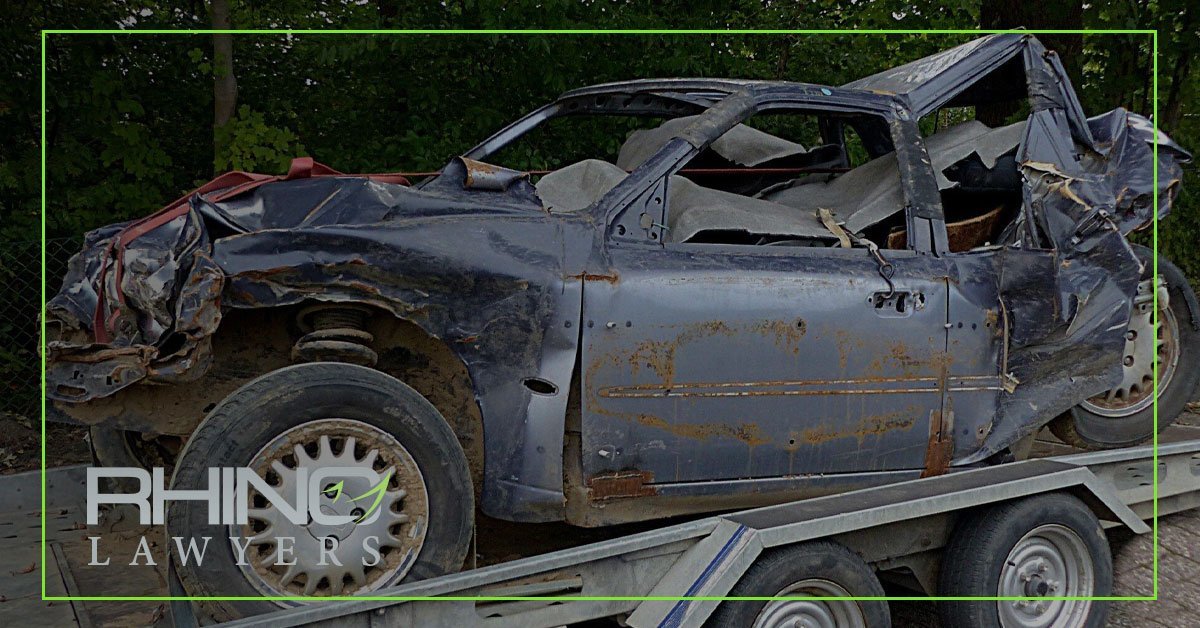
Most Common Factors in Auto Accidents
You’re cruising down the highway on a sunny afternoon, your favorite playlist setting the perfect mood. The road feels open and easy until – out of nowhere – a car veers into your lane, forcing you to slam on the brakes. Tires screech, hearts race, and within seconds, what started as a routine drive becomes a near miss – or worse, a devastating accident.
Unfortunately, scenarios like this happen far too often. But what factors should you be watching out for to prevent situations like these?
We can help. Read on to learn about factors in bad auto accidents.
Distracted Driving
Distracted driving remains one of the biggest causes of serious car crashes. It occurs when a driver’s attention is diverted from the road by activities such as texting, talking on the phone, eating, adjusting the radio, or even daydreaming.
The rapid rise in smartphone usage has particularly exacerbated this problem. Even a few seconds of looking away from the road can have catastrophic consequences, as a vehicle traveling at high speeds covers significant distances in that time.
Speeding: Frequent Collision Causes
Driving above the speed limit cuts down on a person’s ability to react to sudden hazards, such as:
- Stopped traffic
- Road obstacles
- Unexpected maneuvers by other drivers
Speeding makes it harder to navigate curves or stop the vehicle in time to stop a crash. When Florida drivers go over the speed limit, they not only endanger themselves but also put other road users at greater risk.
The physics of speeding plays a significant role in the devastation it can cause. Higher speeds translate into greater kinetic energy, meaning the impact of a crash is far more severe at higher velocities. This results in more extensive vehicle damage, higher injury severity, and increased fatality likelihood.
Driving Under the Influence
DUI is one of the biggest causes of serious car crashes. Impaired driving significantly reduces a driver’s ability to:
- Make proper judgments
- React in time to changing traffic conditions
- Maintain proper vehicle control
Even small amounts of alcohol or certain medications can affect coordination, vision, and concentration, making it much harder to drive safely. The risks are even higher with illicit drugs or excessive alcohol consumption, which can completely impair cognitive and motor functions. Driving while hungover isn’t safe, either.
Reckless or Aggressive Driving
Reckless or aggressive driving is a significant contributor to bad auto accidents, as it creates unpredictable and dangerous conditions for everyone on the road. This behavior often stems from impatience, frustration, or the desire to dominate traffic. Common examples include:
- Tailgating
- Excessive speeding
- Weaving in and out of lanes
- Running red lights
- Failing to yield the right of way
Aggressive drivers may also engage in road rage, which involves hostile interactions with other motorists, such as honking, flashing lights, or making rude gestures.
Weather Conditions
Florida’s unique weather patterns pose significant challenges for drivers, making weather conditions part of frequent collision causes. The state is known for:
- Sudden downpours
- High humidity
- Severe storms
Especially during hurricane season. These conditions can reduce visibility, create slippery roads, and make it harder for vehicles to stop or maneuver safely. Even light rain can mix with oil on the roads to form a slick surface, increasing the risk of skidding and hydroplaning.
Heavy rainstorms are particularly dangerous in Florida. They can flood roads and obscure lane markings, making navigation difficult. High winds during storms can also destabilize vehicles, particularly high-profile ones like SUVs and trucks.
Florida’s tropical climate often results in foggy mornings, reducing visibility and reaction times for drivers. These hazards are further compounded by the state’s flat terrain, where water tends to accumulate rather than drain away quickly, increasing the possibility of accidents in low-lying areas.
Running Red Lights and Stop Signs
These reckless actions often result from impatience, distractions, or a deliberate disregard for traffic laws. Intersections, where red light and stop sign violations typically occur, are among the most hazardous areas on the road. Failing to stop at these critical traffic controls can lead to:
- High-speed T-bone collisions
- Rear-end accidents
- Pedestrian or cyclist injuries
Often with devastating consequences.
The risks associated with running red lights or stop signs are amplified by the unpredictable nature of intersections. Other drivers and pedestrians rely on traffic signals and stop signs to guide their actions, making them vulnerable to violations.
Fatigue: Precipitating Factors in Crashes
Driving while tired can be just as dangerous as driving under the influence of alcohol. Fatigue impairs a driver’s reaction time, decision-making ability, and overall awareness, making it difficult to respond to sudden changes in traffic conditions.
- Prolonged periods of wakefulness
- Insufficient sleep
- Physically demanding schedules
This contributes to fatigue, which is especially common among long-distance drivers, shift workers, and those with demanding lifestyles.
One of the most insidious aspects of fatigue is its gradual onset. Drivers may not realize how impaired they are until it is too late, often succumbing to micro-sleeps while behind the wheel. These moments of inattention can lead to:
- Veering off the road
- Failing to stop in time
- Crossing into oncoming traffic
Inexperienced Drivers
New drivers, particularly teenagers, are more prone to making critical errors that trigger typical car accident reasons, such as misjudging speed, failing to anticipate the actions of other drivers, or struggling with proper lane discipline. Their unfamiliarity with handling emergencies, such as sudden stops or adverse weather conditions, further increases the likelihood of accidents.
One of the main challenges inexperienced drivers face is reacting appropriately to unpredictable situations. Without years of practice, they may overcorrect their steering, panic when faced with hazards, or fail to adjust their speed to road conditions.
Bad Auto Accidents: Watch Out Today
Bad auto accidents tend to have a few things in common. With this guide, you should be able to keep yourself safer on the road.
But, if you are in an accident, you’ll want to protect yourself legally. RHINO Lawyers is Tampa’s go-to team for auto accident cases. Why? We’re modern, innovative, and put YOU first. From texting or FaceTiming us on your terms to using data-driven strategies that get faster, better results, we’re built for today’s fast-paced world.
Don’t settle for outdated lawyers. Experience the RHINO Lawyers’ difference and let us fight for the justice – and money – you deserve. Contact us to get started.
CONTACT A TAMPA AUTO ACCIDENT ATTORNEY
In short, after a car accident, you may not know your rights. Above all, don’t struggle through the process alone. Actually, our personal injury team is here to help you with any legal needs you might have regarding your accident.
Lastly, let RHINO Lawyers answer your questions and review the facts of your case with a Free Consultation. So, get started by completing the “Free Instant Case Evaluation” or by calling us any time, day or night, at 844.RHINO.77.
Read More
Your Rights After a Recreational Vehicle Accident
Over 11 million households across the United States have at least one RV, according to Consumer Affairs. Recreational vehicles offer an incredible way to travel and explore. Still, when an RV accident occurs, it can be much more involved than a regular car accident.
Taking stock of rights and knowing the right steps can be critical. Doing this can ensure you receive appropriate compensation. Read on to learn about your rights after an RV collision and the legal steps you should take to protect your interests.
Understanding Your Rights After an RV Collision
An RV accident may result in severe physical injuries, extensive property damage, and significant financial implications. Knowing your rights is essential to ensure fair treatment and compensation. Some key aspects of your rights include:
The Right to Compensation
As a victim of an RV accident, you can fight for compensation for your losses. It may include medical bills, property damage, and more.
RV accident compensation rights ensure that you’re not left financially burdened by someone else’s accident.
The Right to Legal Representation
It’s worth exercising your right to consult and hire a lawyer to represent your interests. Getting RV accident legal assistance can provide guidance and support throughout the claims process.
The Right to Evidence
You are entitled to gather and present evidence to support your claim. It should include the following:
- Police reports
- Photographs of the accident scene
- Medical records
- Witness statements
Your Rights After RV Collision
You can negotiate with an insurance company or file a lawsuit. Either way, you have the right to pursue fair compensation for your damages.
Post-RV Accident Steps to Protect Your Rights
Do you want to secure your rights and maximize your compensation? If so, it’s crucial to act fast after an RV collision. Legal steps after an RV accident and more should always be followed.
Prioritize Safety and Get Medical Attention
After an RV accident, safety should be your top priority. Even if injuries seem not that bad, getting a medical evaluation is non-negotiable. That way, you can document your condition and prevent complications.
Contact Law Enforcement
Always report the accident to the police. Doing this is especially vital in cases involving major property damage or injury.
A police report is an invaluable piece of evidence in proving fault. It also supports your RV accident compensation rights.
Document the Accident Scene
Bring together as much evidence as you can from the entire accident scene. It includes taking photographs of the following:
- Damage to vehicles and property
- Skid marks, road conditions, and any visible traffic signs
- Injuries sustained by you or others involved
Detailed documentation strengthens your claim and helps your legal team build a compelling case.
Exchange Information
Don’t forget to swap contact and insurance info with the others involved in the accident. Be sure to include:
- Names
- Phone numbers
- Addresses
- Insurance policy details
- Driver’s license numbers
Notify Your Insurance Company
Always report the accident to your insurance provider. Provide accurate details, but be cautious about sharing information that could be misconstrued. It’s particularly important when negotiating RV accident compensation rights.
Legal Steps After an RV Accident
An RV accident claim can be intricate, involving various laws and insurance complexities. Follow these legal steps to protect your interests and secure fair compensation:
Consult an RV Accident Lawyer
Obtaining RV accident legal assistance is crucial for navigating the claims process effectively. A skilled attorney will do the following:
- Evaluate your case and determine the liability
- Communicate with insurance companies on your behalf
- Help gather evidence and build a solid case
- Advocate for maximum compensation in negotiations or court
Lawyers experienced in RV accidents understand the unique aspects of these claims, such as the size and weight of RVs.
File a Claim
Filing a claim is one of the first steps toward getting what you’re owed. Your lawyer will guide you in preparing a compelling claim that outlines:
- The cause of the accident
- The extent of your injuries and damages
- The financial and emotional damages
Filing a claim as soon as possible is critical because delays can weaken your case.
Negotiate a Settlement
Most recreational vehicle accident claims are resolved through settlement negotiations. Your lawyer will engage in open dialogue with the insurance adjuster. A fair settlement should cover the following:
- Medical bills
- Property repair costs
- Lost wages
- Other damages
Be prepared for insurers to offer low initial settlements, which is why legal representation is essential.
Common Challenges in RV Accident Claims
RV accidents can be complex for several reasons. Are you wondering what you might encounter?
Determining Liability
Recreational vehicle accidents often involve multiple parties, such as drivers, manufacturers, or even rental companies.
Pinpointing the responsible party can be challenging. Still, it’s essential for a successful claim.
Insurance Complications
RVs may require different types of insurance coverage, including auto and homeowner’s insurance. Disputes may arise over which policy applies and the extent of coverage.
Severe Damages
The large size of RVs can result in catastrophic damages and injuries, leading to higher compensation demands. Insurers may resist paying substantial claims, necessitating strong evidence and legal expertise.
Maximizing Your RV Accident Compensation Rights
Do you want to ensure you receive full compensation? If so, consider some common tips.
Document Everything
Keep a detailed record of medical treatments, repair costs, and any other expenses related to the accident. Retain copies of bills, receipts, and correspondence.
Follow Medical Advice
Don’t miss any follow-up appointments, and always follow your doctor’s recommendations. If you don’t, it could affect how much you end up getting.
Be Patient
Resolving recreational vehicle accident claims can take time, especially if a lawsuit is involved. Know that your legal team will always have your best interests in mind.
It’s Time to Handle the Aftermath of a recreational vehicle accident
An RV accident doesn’t have to upend your life. Instead, you can have a lawyer fight for you to get the best possible outcome.
You can rely on the expertise of RHINO Lawyers. Our knowledge and persistence have led to the recovery of almost $100,000,000 for our clients. We focus on criminal defense, personal injury, and more.
Don’t wait to schedule a complimentary consultation with RHINO Lawyers today.
CONTACT A TAMPA AUTO ACCIDENT ATTORNEY
In short, after a car accident, you may not know your rights. Above all, don’t struggle through the process alone. Actually, our personal injury team is here to help you with any legal needs you might have regarding your accident.
Lastly, let RHINO Lawyers answer your questions and review the facts of your case with a Free Consultation. So, get started by completing the “Free Instant Case Evaluation” or by calling us any time, day or night, at 844.RHINO.77.
Read More