

Who Can File a Wrongful Death Lawsuit in Florida?
According to Injury Facts, at least 222,698 people lost their lives due to preventable injuries in 2023.
Many of these tragedies resulted from negligence or recklessness. Losing a loved one this way is devastating. But your family may have legal options.
Filing a wrongful death lawsuit can help you seek justice. But who is eligible to file? The laws can be confusing, and not all family members qualify.
Understanding your rights is the first step. Knowing the process makes it easier to move forward. Read on to learn who can file a wrongful death claim and what steps to take.
What Is a Wrongful Death Lawsuit?
A wrongful death lawsuit allows someone to seek legal action when another person’s negligence, recklessness, or wrongful actions cause a death. It can include death caused by:
- Car accidents
- Medical malpractice
- Defective products
- Workplace accidents
- Criminal acts
In Florida, wrongful death cases are governed by the Florida Wrongful Death Act. It allows certain survivors to seek compensation for their loss. The purpose of a wrongful death lawsuit is to hold the responsible party accountable and to help the family with financial support.
Losing a loved one due to negligence is hard. A wrongful death lawsuit helps survivors get justice.
It also provides relief during a tough time. If you’ve lost someone this way, you can seek compensation.
Who Can File a Florida Wrongful Death Claim?
Not everyone has the legal right to file a Florida wrongful death claim. Under Florida law, only the personal representative of the deceased’s estate can initiate the lawsuit.
The representative is often named in the deceased’s will. If no will is present, the court will appoint one. However, the lawsuit is filed on behalf of the deceased’s survivors.
Surviving Spouse
The surviving spouse has the strongest claim in a wrongful death case. They are impacted the most, suffering both emotional pain and financial losses. A spouse can seek damages for the loss of companionship, support, and other aspects of the relationship that have been affected by the death.
Biological and Adopted Children
Children of the deceased, whether biological or adopted, can file for compensation. They can recover damages for loss of:
- Parental guidance
- Love
- Financial support
- Companionship
It includes the emotional suffering caused by the death. They can also seek compensation for the financial burden of losing a parent who would have provided care and stability.
Parents of the Deceased
Parents may file a claim if the deceased was a minor, as they are directly affected by the loss. In the case of an adult child, parents may only file if no spouse or children are alive to claim damages.
The death of an adult child can still cause immense emotional pain. Parents can seek compensation for their grief and loss of companionship.
Other Dependents
Blood relatives or adoptive siblings who relied on the deceased for financial support may also have a claim. If the deceased was the primary financial provider for these relatives, they may be eligible to seek compensation for the economic hardship caused by their loss.
When the personal representative files the claim, it is ultimately for the benefit of the survivors. Understanding who is eligible to file a wrongful death lawsuit can help ensure that the right people take action. If you are not sure whether you qualify, consulting with an attorney can clarify and guide you through the legal process.
The Wrongful Death Lawsuit Process in Florida
The wrongful death lawsuit process in Florida involves several necessary steps. Each case can vary, but following the correct steps is essential for successful compensation.
Appointing a Personal Representative
The court must approve the person who will file the lawsuit for the survivors. The person is known as the personal representative. If the deceased had a will, it names this person.
If there’s no will, the court appoints someone close to the deceased to serve in this role. The personal representative manages the lawsuit and protects the survivors’ interests.
Filing the Lawsuit
The lawsuit begins when a formal legal complaint is filed. The complaint will explain how the defendant’s actions caused harm.
It will also list the damages the survivors seek, including emotional and financial losses. A lawyer can help you prepare this complaint. Filing the lawsuit starts the legal process and sets a timeline for the case.
Investigation and Evidence Gathering
Once the lawsuit is filed, attorneys begin gathering evidence. It includes collecting the following:
- Medical records
- Witness statements
- Expert opinions
- Accident reports
These pieces of evidence help support the claim. Attorneys may also review accident reports or other documents related to the incident. Strong evidence is essential for proving the case by showing how the defendant’s actions caused harm.
Negotiation or Trial
Many cases settle through negotiations before going to trial. Lawyers for both sides may agree on a settlement. It is often faster and less costly than going to court.
If you don’t reach a settlement, the case goes to trial. During the trial, both sides present their arguments. A judge or jury then decides the outcome.
Compensation Distribution
If the lawsuit succeeds, the survivors will receive compensation. Florida law determines how the damages are shared. The compensation can cover the following:
- Emotional suffering
- Loss of support
- Funeral expenses
- Medical bills
- Lost wages
- Other financial damages
The personal representative handles the distribution according to the law and the survivors’ needs. Each case is unique. Having legal representation will help ensure that all steps are followed correctly.
How an Attorney Can Help With a Wrongful Death Lawsuit
A wrongful death lawsuit can be overwhelming to navigate alone. An experienced attorney can guide you through the process, ensuring you file your case properly and on time.
They can help gather evidence, negotiate with insurance companies, and fight for the compensation you deserve. Attorneys understand the complexities of the law and work to protect your rights.
At RHINO Lawyers, we bring over 14 years of experience to every case. Our team is dedicated to getting results – helping you recover maximum compensation. We will also protect your legal rights in wrongful death claims.
Contact us today and let us help you through this difficult time.
CONTACT A TAMPA AUTO ACCIDENT ATTORNEY
In short, after a car accident, you may not know your rights. Above all, don’t struggle through the process alone. Actually, our personal injury team is here to help you with any legal needs you might have regarding your accident.
Lastly, let RHINO Lawyers answer your questions and review the facts of your case with a Free Consultation. So, get started by completing the “Free Instant Case Evaluation” or by calling us any time, day or night, at 844.RHINO.77.
Read More
Can a DUI Be Reduced to Reckless Driving?
A single mistake shouldn’t define your future but a DUI conviction can do exactly that. A momentary lapse in judgment, a night out that went too far, or even a misunderstanding with law enforcement can lead to serious charges.
The consequences? Skyrocketing insurance rates, a suspended license, thousands in fines, and a criminal record that follows you for years. But what if there was another way?
Many people assume that once you’re charged with a DUI, you’re out of options. That’s simply not true. In some cases, a DUI charge reduction to reckless driving is possible and can lead to fewer penalties and a better outcome. If you’re wondering whether you qualify, what factors impact your case, and how to fight for a reduced charge, you’re in the right place.
Reckless Driving vs DUI in Florida
Florida law makes a clear distinction between DUI (Driving Under the Influence) and reckless driving, yet the two offenses sometimes overlap in legal proceedings. Knowing the difference between them is the first step in understanding whether a DUI charge reduction is possible.
Under Florida Statute 316.193, a person commits a DUI when they are:
- Driving or in actual physical control of a vehicle while impaired by alcohol, drugs, or a combination of both
- Having a blood alcohol concentration (BAC) of 0.08% or higher
According to Florida Statute 316.192, reckless driving occurs when someone operates a vehicle with willful or wanton disregard for the safety of others. Actions that could qualify include:
- Excessive speeding
- Weaving through traffic
- Running red lights
- Aggressive tailgating
A reckless driving charge often comes with fewer penalties than a DUI, which makes it a preferred outcome for many defendants.
A first-time DUI conviction in Florida comes with penalties that may include:
- A $500 to $1,000 fine
- Up to six months in jail
- Mandatory license suspension for at least six months
- DUI school and possible ignition interlock device
By contrast, a reckless driving conviction carries significantly lighter consequences. Fines for a first offense generally fall between $25 and $500, with potential jail time capped at 90 days. Unlike a DUI, reckless driving does not lead to an automatic license suspension, and the impact on insurance rates tends to be far less severe.
Can a DUI Be Reduced to Reckless Driving?
A DUI charge can sometimes be reduced to reckless driving, but it depends on several factors. The prosecution must agree to the reduction, and they usually consider the strength of their case, the driver’s history, and the specific details of the arrest.
What is a “Wet Reckless” Plea?
A wet reckless is a reckless driving charge that involves alcohol or drugs. It’s not a separate legal offense in Florida but rather a negotiated plea deal in DUI cases.
While a wet reckless is preferable to a DUI, it can still carry penalties, such as:
- Probation
- Community service
- DUI school
When is a DUI Charge Reduction Possible?
Prosecutors might agree to downgrade a DUI to reckless driving when certain conditions apply. This decision often depends on whether there is enough solid evidence to convict the driver of a DUI.
Some common factors that increase the chances of a DUI charge reduction include:
- The driver had a low BAC, close to 0.08%
- No accident, injuries, or property damage occurred
- The driver had no prior DUI arrests
- There are problems with the evidence, such as a faulty breathalyzer or improper police procedures
Factors That Affect Whether a DUI Can Be Reduced
Not all DUI cases are the same. Several factors influence whether a prosecutor will agree to a reduction or push for a full DUI conviction.
Blood Alcohol Content (BAC)
The higher a driver’s BAC, the harder it is to get a charge reduction. Prosecutors are more likely to reduce a charge when:
- The BAC is just over 0.08% rather than significantly higher
- There’s no clear evidence of extreme impairment
Strength of the Evidence
If the prosecution’s case is weak, a DUI charge reduction is more likely. Issues with evidence that can help a defendant include:
- Unreliable breath or blood test results
- Improper field sobriety tests (e.g., bad lighting, uneven ground)
- Illegal traffic stops without probable cause
Prior Driving Record
A clean record makes a driver a stronger candidate for a plea deal. Someone with no previous DUI or reckless driving charges is more likely to get a reduction than a repeat offender.
Whether an Accident Occurred
If a DUI resulted in a crash, injuries, or property damage, prosecutors are far less likely to negotiate. Cases involving harm to others often lead to harsher penalties.
How a Lawyer Can Help Reduce a DUI Charge
Fighting a DUI charge without legal help can be extremely difficult. A DUI defense attorney understands how to challenge evidence, negotiate with prosecutors, and increase the chances of a charge reduction.
Examining the Evidence
A lawyer will review the arrest details and look for flaws in the prosecution’s case. Some key areas of focus include:
- Breathalyzer calibration and accuracy
- Errors in field sobriety testing
- Violation of legal rights during the stop
Negotiating with Prosecutors
Prosecutors don’t always offer a reduced charge unless an attorney presents strong reasons for them to consider it. A skilled lawyer can negotiate for a traffic offense downgrade by highlighting weaknesses in the case.
Challenging Sobriety Tests and Arrest Procedures
If police violated procedures during the stop, the defense can challenge the evidence. Some arguments that might work include:
- The breath test wasn’t properly administered
- The officer lacked probable cause for the stop
- The driver was denied access to legal counsel
Protect Your Future with the Right Legal Defense
A DUI is serious, but it can be reduced to reckless driving under the right circumstances. Your BAC level, prior record, and the strength of the evidence all play a role in whether a DUI charge reduction is possible. But you don’t have to face it alone.
At RHINO Lawyers, we don’t operate like traditional law firms. We use modern communication methods, including text, social media, and virtual meetings, to stay accessible whenever you need us. Our team has inside knowledge of how prosecutors and insurance companies think, giving us an edge in negotiations.
Get a free, instant case evaluation today, and don’t let one mistake define your future.
CONTACT TAMPA TRAFFIC TICKET ATTORNEY
RHINO Lawyers can help and guide you through a system molded by law enforcement, judges, and lawyers for decades. Having won cases for our clients in similar circumstances, our criminal defense team knows what it takes to fight on your behalf.
Let RHINO Lawyers answer your questions and review the facts of your case with a Free Consultation. So, get started by completing the “Free Instant Case Evaluation” or by calling us any time, day or night, at (844) RHINO-77.
Read More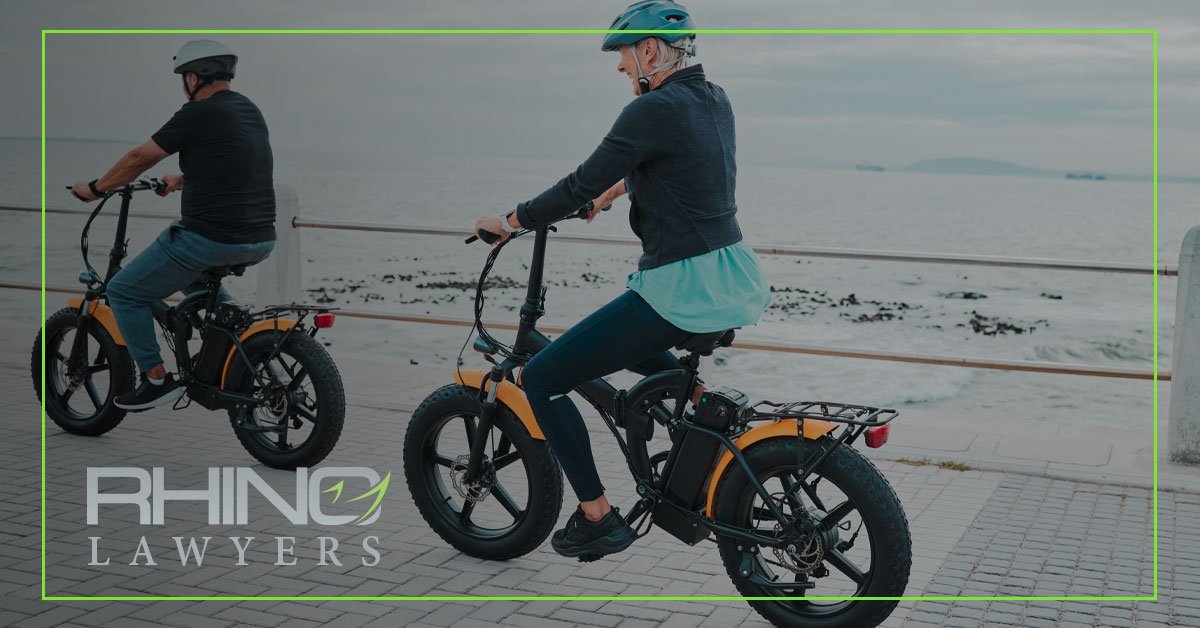
Must-Know E-Bike Laws for All Riders
More than 1 million electric bicycles were sold in the U.S. in 2022, according to the Department of Energy. E-bikes are changing the way people commute, exercise, and explore cities, but many riders don’t realize they’re also subject to specific e-bike laws, and violating them can lead to serious consequences.
Some states require helmets. Others restrict where you can ride. A few even impose speed limits depending on the bike’s class.
Whether you’re cruising to work or hitting a scenic trail, knowing the rules keeps you safe and prevents fines. Here’s what you need to know to ride legally and confidently.
What are E-Bike Classifications?
E-bikes fall into three categories, and each one has different rules. This classification system is used in most states to determine where and how e-bikes can be used.
- Class 1 bikes only provide motor assistance when the rider is pedaling and stop assisting at 20 mph
- Class 2 bikes have a throttle that works without pedaling, and also stop assisting at 20 mph
- Class 3 bikes assist only when pedaling but allow speeds up to 28 mph
Some states restrict Class 3 e-bikes from bike paths or require extra safety measures like helmets and speedometers.
Federal Regulations Governing E-Bikes
Federal law provides a basic definition of e-bikes, treating them like traditional bicycles rather than motor vehicles. This classification means e-bikes don’t require a driver’s license, registration, or insurance under federal law.
However, they must meet specific conditions to qualify:
- Must have operable pedals
- Motor power must not exceed 750 watts
- Assistance must cut off at 20 mph when not pedaling
These regulations come from the Consumer Product Safety Commission, which oversees bicycle manufacturing and safety standards. However, this only applies to how e-bikes are sold, not how they are used on the road. That part is left up to states and local governments.
Because of this, traffic rules for e-bikers vary depending on location. Some states follow federal guidelines, while others impose stricter rules on speed, where e-bikes can be ridden, and who can operate them. This inconsistency often confuses riders, especially those traveling between states.
State-Specific E-Bike Laws
E-bike laws change significantly from state to state. Some states regulate e-bikes like traditional bicycles, while others impose extra restrictions. Understanding e-bike regulations by state is necessary for riders to stay compliant and avoid unexpected fines.
For instance, Florida allows all three e-bike classes on roads and bike lanes, but local governments can ban them from sidewalks. There is no age restriction for riding e-bikes, but helmets are required for riders under 16.
Meanwhile, California has stricter laws. Class 3 e-bikes (which can reach 28 mph) are not allowed on multi-use paths unless local governments permit them. Helmets are also required for all Class 3 riders, regardless of age.
Some state rules that impact riders include:
- New York requires helmets for all Class 3 riders and anyone under 18 on any e-bike
- Oregon does not allow anyone under 16 to operate an e-bike, regardless of class
- Illinois requires e-bikes to have a label displaying their classification, motor wattage, and max speed
In some states, violations of these rules result in small fines, but in others, breaking e-bike laws can lead to citations similar to traffic violations. Riders should always check state and city laws before heading out, as local governments can impose their own rules.
Local Ordinances and Trail Access
Even when state laws allow e-bikes in certain places, local governments might set additional restrictions. Some cities ban them from parks or require special permits.
For example, Denver allows e-bikes on trails but limits speeds to 15 mph. Meanwhile, New York City permits e-bikes on streets and bike lanes but not on sidewalks. Violating these rules could result in e-bike traffic violations, which might include fines or confiscation of the bike.
- Some cities prohibit e-bikes on pedestrian trails
- Many parks require lower speed limits for e-bike riders
- Some local governments require permits for certain e-bike uses
Checking with city or park officials before riding is the best way to avoid penalties.
Safety Equipment and Operational Requirements
Riding safely means more than just following the law. Some states require helmets, lights, or reflectors depending on the bike class and rider age. Following electric bicycle safety tips can reduce the risk of accidents.
- Helmets are required for Class 3 e-bikes and riders under 18 in most states
- Lights and reflectors are needed for nighttime riding in many areas
- Hand signals are often required when turning to alert other road users
Even where not legally required, using safety gear improves visibility and protection.
Potential Penalties for Non-Compliance
Breaking e-bike laws can lead to fines, impoundment, or even criminal charges in some cases. E-bike traffic violations vary by location but tend to involve similar offenses.
- Riding a Class 3 e-bike on a restricted bike path may result in fines
- Exceeding local speed limits can lead to warnings or citations
- Riding without a required helmet may result in a ticket in some states
Avoiding penalties means knowing the law and following it every time you ride.
Recommendations for Staying Informed and Compliant
Rules for e-bikes can change, so staying informed is important. Riders can keep up with legal requirements for e-bikes by checking state websites or local government pages.
- Reviewing state and city laws regularly helps avoid unexpected rule changes
- Joining local e-bike communities can provide updates on restrictions and enforcement
- Contacting legal professionals like RHINO Lawyers can clarify complex regulations
A little research before heading out can prevent costly mistakes and keep you riding legally.
Avoid Costly Fines and Legal Trouble
Breaking e-bike laws can lead to hefty fines, or worse, an accident that could have been avoided. From understanding bike classifications to following local ordinances, staying informed is the key to a hassle-free ride.
If you’ve been hit with a ticket or involved in an e-bike-related accident, RHINO Lawyers is here to help. Unlike traditional firms, we handle legal matters on your terms; text, chat, or call us when it’s convenient for you. Fast, reliable, and aggressive representation is what we do best.
Get a free case evaluation today and take control of your situation before it’s too late.
CONTACT TAMPA TRAFFIC TICKET ATTORNEY
RHINO Lawyers can help and guide you through a system molded by law enforcement, judges, and lawyers for decades. Having won cases for our clients in similar circumstances, our criminal defense team knows what it takes to fight on your behalf.
Let RHINO Lawyers answer your questions and review the facts of your case with a Free Consultation. So, get started by completing the “Free Instant Case Evaluation” or by calling us any time, day or night, at (844) RHINO-77.
Read More
Uncover Top 5 Dangerous Intersections in Tampa & Stay Safe
According to a Forbes Advisor study, Tampa, Florida has some of the most dangerous driving places. The study placed Tampa at number 10 for worst drivers, making safety conditions a concern for locals and visitors.
Unlike many other areas, Tampa experiences many vehicle crashes involving bicyclists. Heavy traffic and bicyclists can quickly fill the streets, increasing the risk of accidents. Our team at RHINO Lawyers understands the obstacles drivers face in Tampa.
We hope to help you avoid crashes and resolve legal issues when necessary. Keep reading to discover the top five most dangerous intersections in Tampa and tips on staying safe!
What Are the Most Dangerous Intersections in Tampa?
Navigating Tampa can be stressful for even those who grew up in the area. High-risk intersections in Tampa can appear out of nowhere, so it helps to research the roads before traveling.
Understanding the driving conditions can prevent accidents that require legal help. At RHINO Lawyers, we work with people who have been arrested or injured. Before you visit our Tampa office, ensure you don’t make a wrong turn.
Below are a few dangerous intersections in Tampa you’ll want to know about!
1. Sligh Avenue & Nebraska Avenue
Knowing what to expect on the roads can help avoid Tampa accidents. At Sligh Ave. and Nebraska Ave., anticipating turning vehicles is essential.
This area sees a lot of accidents because of the heavy traffic going in and out of the residential communities. With large buildings, visibility becomes an issue, hiding oncoming traffic. Along with neighborhoods, multiple retail centers increase traffic and create stop-and-go conditions.
2. I-275 & Busch Boulevard
Students and commuters often rely on I-275 because it connects to major freeways and roads. Heavy traffic tends to occur at this intersection due to the University of South Florida and merging traffic.
Side-swiping and rear-end collisions often occur here, so it’s essential to leave space between your vehicle and the next. If you ever become a victim in an accident, contact our team for representation to avoid having your claim rejected.
3. Gandy Boulevard & West Shore Boulevard
According to the Tampa International Airport, over 25 million passengers travel through the area annually. Offering both domestic and international flights makes this location a hot spot for travelers, which can be seen on the roads.
The Gandy and West Shore Boulevard intersection is dangerous due to traffic lights and vehicle movement. There isn’t an “off-season” for this airport, so it’s important to anticipate sudden stops when you travel.
4. North Boulevard & Waters Avenue
Heavy congestion mixed with high speeds makes North Blvd. and Waters Ave. a dangerous location for drivers.
The intersection is central to neighborhoods and retail centers, which makes things busy during rush hour. Vehicles and pedestrians often fail to signal intentions, which leads to pedestrian-vehicle accidents. You can safely drive in this area by expecting sudden stops and watching for people crossing the road.
With Busch Blvd. and North Florida Ave. just down the road, North Blvd. and Waters Ave. get cut-through traffic. Luckily, you can take the back roads to avoid some of the heavier traffic, but the speeds will be reduced.
5. I-4 & 275
Whether you live in the area or are just visiting, I-4 and 275 can be an unpredictable location. Multi-lane interchanges here become confusing for visitors, which ultimately impacts the locals.
Higher speeds make this a dangerous interchange because the severity of accidents increases. Judging the traffic conditions ahead can be challenging because of merging traffic, with people trying to speed up. Looking at your route before leaving can help you identify when to start changing lanes so you have plenty of time to merge safely.
Tips for Safe Driving in Tampa
If you’re looking for driving tips for Tampa, RHINO Lawyers has you covered. Based on our experience with local cases, we have found the most useful tips for commuting.
Take a look below to discover which tips will keep you safe and prepared!
Stay Vigilant
Unexpected stops and turns are Tampa’s biggest problem on the road. When people aren’t aware of the stop-and-go conditions, it can quickly become dangerous and result in accidents.
Our team has worked with many clients who have become victims of car crashes, particularly at the intersections above. By staying vigilant and keeping a safe distance from other traffic, you can give yourself enough time to avoid accidents.
Watch for Motorcyclists & Bicyclists
The beautiful weather makes biking and motorcycle rides pleasant, but it also increases obstacles on the road. Many auto accidents in Tampa involve bikes because of reduced visibility.
Being prepared to see bicyclists and motorcyclists is essential when you drive in Tampa. Pay attention to your surroundings and always check your blind spots before changing lanes. If you’re driving next to or behind a bike, give them plenty of space and use your turning lights.
Connect with a Local Attorney
Regardless of your driving skills, it’s not uncommon to become a victim or witness to an auto accident in Tampa.
By establishing a relationship with an attorney in Tampa, you can take comfort on the road. Our team focuses on vehicle-related cases to ensure you get compensated for any injuries or auto damage that could occur. Not only can we represent you in court, but RHINO Lawyers can also advise you on safe driving tips based on our case experience.
Our RHINO Lawyers team stays active in the community, where we have built a strong reputation. You can discover more about our community involvement here!
Drive Tampa with Confidence
Dangerous intersections in Tampa, Florida can be hard to avoid. Many of these roads are filled with traffic because they offer quick access to surrounding areas.
At RHINO Lawyers, you can anticipate resolutions and a lasting partnership. Our mission is to help the lives of people with support, whether they cause an accident or become a victim. To avoid legal issues and trouble on the road, take caution at the intersections mentioned above.
If you’re looking for bold representation, get a free case analysis from RHINO Lawyers today!
CONTACT A TAMPA AUTO ACCIDENT ATTORNEY
In short, after a car accident, you may not know your rights. Above all, don’t struggle through the process alone. Actually, our personal injury team is here to help you with any legal needs you might have regarding your accident.
Lastly, let RHINO Lawyers answer your questions and review the facts of your case with a Free Consultation. So, get started by completing the “Free Instant Case Evaluation” or by calling us any time, day or night, at 844.RHINO.77.
Read More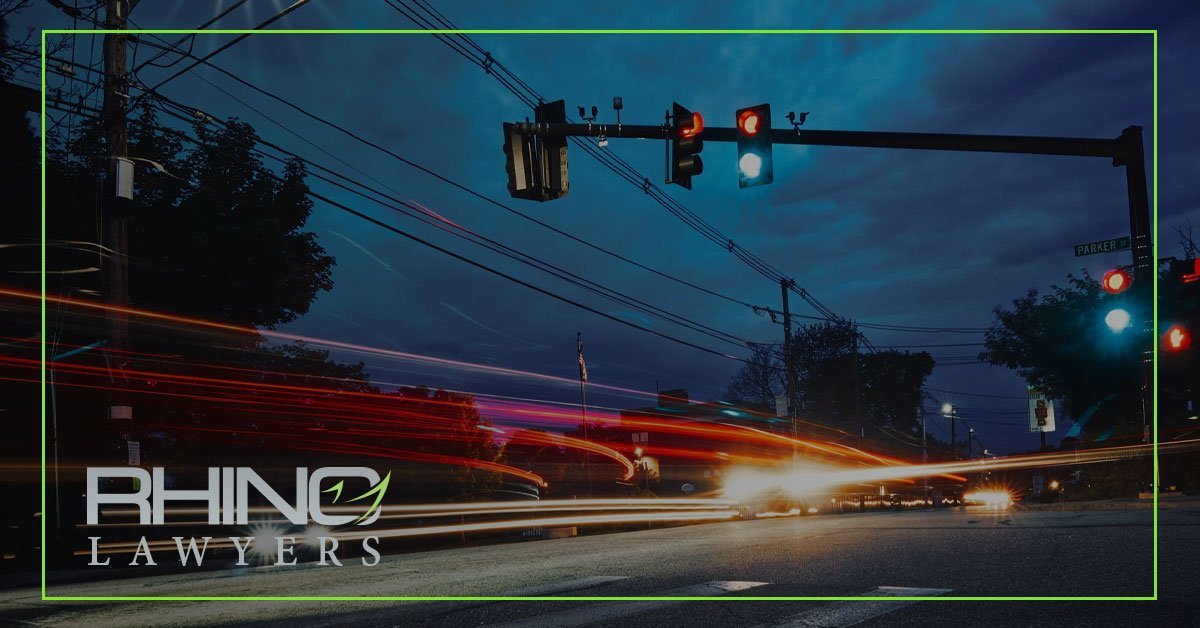
What Is The Blue Light On Some Traffic Signals For
You’re driving through an intersection late at night, and something catches your eye: a blue light glowing above the traffic signals. You weren’t speeding, you didn’t run a red light, so what is it for?
This small but noticeable addition to some traffic lights isn’t just for decoration. It plays a crucial role in law enforcement that allows officers to spot violations more efficiently without needing to be in direct line of sight.
But how exactly does it work, and why are more cities installing them? Keep reading to uncover the surprising purpose behind these blue lights and what they mean for drivers.
Blue Lights on Traffic Signals
Blue lights on traffic signals are small, often unnoticeable at first, but they serve a specific function in law enforcement. These lights are mounted on or near standard traffic signals, usually facing away from the driver’s direct line of sight.
Their placement is intentional; they are not designed for drivers but rather for police officers monitoring traffic from a distance.
Unlike the familiar red, yellow, and green traffic signal colors, blue lights provide a different advantage. When a traffic light turns red, the blue light illuminates simultaneously, allowing officers to see the change from various angles, even if their view of the main traffic light is obstructed.
This design helps police enforce red-light violations more efficiently without needing to position themselves right next to an intersection.
The blue traffic light function makes it easier to monitor multiple lanes of traffic at once. Instead of focusing on one direction, officers can observe violations from:
- Side streets
- Parking lots
- Hidden vantage points
That means fewer instances where drivers attempt to fight red-light tickets by claiming the officer didn’t have a clear view. Since blue lights mirror the red light’s status, there is no delay, making enforcement nearly instantaneous.
Why Are Blue Lights Installed?
The purpose of blue signals is straightforward. They improve traffic law enforcement, especially at busy intersections where monitoring violations can be difficult. Cities have been adopting them as a way to increase compliance with traffic laws while reducing the resources needed for enforcement.
How Blue Lights Help Police Identify Violations
Unlike traditional enforcement methods, blue lights allow officers to identify red-light violations without needing to be in direct line of sight with the traffic signal itself. This is particularly helpful in urban areas where trees, buildings, or other vehicles may block visibility.
Some reasons cities install these lights include:
- Better visibility of red-light violations from multiple angles
- Reduced need for officers to be directly at the intersection
- Lower risk of officers engaging in unsafe chases to catch offenders
- Increased accuracy in ticketing, leading to fewer disputed citations
Impact on Traffic Compliance
Studies suggest that red-light running is a leading cause of intersection-related crashes. According to the Insurance Institute for Highway Safety (IIHS), in 2022 alone, red-light running led to nearly 1,149 fatalities and around 107,000 injuries in the U.S.
Blue lights help reduce these numbers by increasing enforcement efficiency, which, in turn, discourages drivers from attempting to beat the light.
How Law Enforcement Uses Blue Lights
Police departments use blue lights in a way that significantly improves their ability to monitor and enforce red-light violations. Officers no longer need to position themselves dangerously close to intersections or rely on their reaction time to catch violations.
Monitoring From a Distance
With blue lights, officers can monitor intersections from various vantage points, including side streets, gas stations, or even areas further back from the intersection. This allows them to observe violations without being obvious to drivers.
Are Blue Lights Replacing Red-Light Cameras?
In some areas, blue lights are used alongside or instead of red-light cameras. While cameras can capture violations automatically, they are controversial due to privacy concerns and the potential for errors in ticketing. Blue lights give officers the ability to enforce traffic laws in real-time, rather than relying on automated systems.
Several cities, such as Orlando and Miami, have expanded their use of blue lights because they allow law enforcement to be more proactive while addressing concerns over automated surveillance.
Are Blue Lights Legal in All States?
Not every state has adopted blue lights on traffic signals, and some areas have regulations that limit their use. While they are commonly seen in states like Florida, North Carolina, and Ohio, some jurisdictions still rely on traditional methods of enforcement.
Some opponents argue that blue lights create confusion for drivers, especially those unfamiliar with their purpose. While they are not meant to be followed like standard traffic lights, some drivers mistakenly believe they indicate a change in signal timing. Others worry about potential misuse, claiming they could be used as a form of increased surveillance.
So far, there are no federal regulations against blue lights on traffic signals, but local governments decide how and where they are installed.
Common Misconceptions About Blue Lights
Many drivers have misconceptions about blue lights and their function. These misunderstandings can lead to confusion, unnecessary concerns, or incorrect assumptions about their role in traffic enforcement.
Myth: Blue Lights Are an Extra Traffic Signal
Some drivers think the blue light is an indicator they need to follow, similar to how they obey red, yellow, and green lights. That is not the case. The blue light is only visible to law enforcement and serves no function for regular drivers.
Myth: Blue Lights Track Speeding
A common assumption is that blue lights work like speed cameras. However, they do not track speed, measure acceleration, or issue automated tickets. They strictly indicate when a traffic light turns red, allowing officers to determine if a driver violated the signal.
Stay Aware and Stay Ticket-Free
Blue lights on traffic signals aren’t a mystery anymore. They’re a practical tool for law enforcement, making it easier to spot red-light violations while keeping officers out of direct traffic. Their use is growing, and whether you agree with them or not, they’re a part of modern traffic control.
For drivers, getting caught at one of these intersections could mean a ticket, and that’s where RHINO Lawyers can help. We focus on fighting traffic citations, offering a no-court, no-points, or your money-back guarantee. Our team uses innovative legal strategies to challenge tickets and protect your driving record.
Schedule a free consultation today and find out how we can fight for you.
CONTACT TAMPA TRAFFIC TICKET ATTORNEY
RHINO Lawyers can help and guide you through a system molded by law enforcement, judges, and lawyers for decades. Having won cases for our clients in similar circumstances, our criminal defense team knows what it takes to fight on your behalf.
Let RHINO Lawyers answer your questions and review the facts of your case with a Free Consultation. So, get started by completing the “Free Instant Case Evaluation” or by calling us any time, day or night, at (844) RHINO-77.
Read More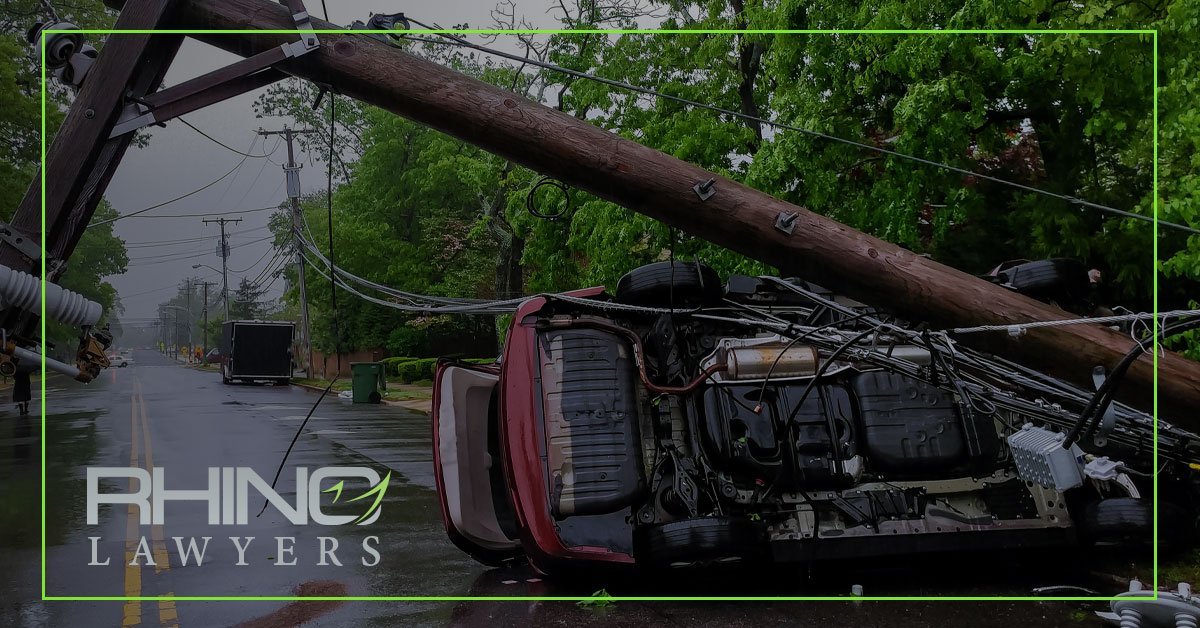
Survive a Storm: Advice For Accidents During Tropical Storms
The U.S. Department of Transportation reports that about 21% of car accidents (1.24 million auto crashes) are weather-related.
Rain, fog, wind, and floods make roads slippery and reduce visibility. Accidents during tropical storms can be devastating. They can cause serious injuries, power outages, and even loss of life.
Homes may flood, trees may fall, and emergency services may struggle to respond. While we cannot prevent storms, we can prepare for their impact. Knowing what to do can help you stay safe.
So, what can you do to minimize damage and injuries? Read on for practical advice on handling accidents during tropical storms and staying protected.
Stay Updated: Listen to Weather Alerts
Knowing when a storm is coming gives you time to prepare. Listen for weather alerts on the radio, TV, or a weather app. Ensure you keep a battery-powered radio in case of power loss.
Emergency alerts provide updates on the following:
- Wind speeds
- Flood risks
- Evacuation orders
- Road closures
- Power outages
If authorities tell you to leave, follow their instructions. Staying behind can trap you in dangerous conditions.
Sign up for local alerts on your phone. Keep a list of emergency contacts in case you lose internet access. Knowing the latest information helps you make smart choices during a storm.
Drive Only If Necessary and Avoid Flooded Roads
Tropical weather driving tips can help you stay safe, but the best choice is to avoid driving. Heavy rain reduces visibility, and strong winds make it harder to control your vehicle. If you must drive, slow down and keep both hands on the wheel.
Never drive through flooded streets. Even shallow water can make you lose control, and deeper water can carry your car away. Roads may collapse under the pressure of rushing water.
If your car gets stuck, stay inside unless the water starts rising. If water enters, roll down the window and climb out. Do not wait until it is too late.
Avoid travel unless necessary. Call for help in a medical emergency instead of driving through unsafe conditions. Staying off the roads protects you and emergency responders.
Prepare Your Home Before the Storm Hits
Strong winds and heavy rain can damage homes. Secure loose items like outdoor furniture and trash cans. Flying debris can break windows or injure someone.
Board up windows or use storm shutters. Trim tree branches that could fall on your house. If you live in a flood-prone area, place sandbags around doors.
Stock up on food, water, and medical supplies, making sure you have enough for at least three days. Also, keep flashlights, extra batteries, and a first-aid kit ready.
Charge your phone and store essential documents in a waterproof bag. Taking these steps reduces the risk of injury and property damage.
What to Do If You’re in a Car Accident
Car accidents are more likely in stormy weather. If you crash, turn on your hazard lights to alert other drivers. Stay inside unless it is unsafe.
Call emergency services as soon as possible. Provide your exact location. Roads may be blocked, so help could take longer to arrive.
If another vehicle is involved, check if anyone is hurt. Do not move injured people unless they are in danger. Wait for professional help.
If your car is near rising water, leave immediately and move to higher ground. Your safety is more important than your vehicle. Knowing what to do after a crash can help you stay calm and avoid further risks.
Handling Injuries When Help Is Delayed
Tropical storms can overwhelm emergency services. If someone is injured, you may need to help until rescuers arrive.
Press a clean cloth on a wound to stop bleeding. Keep broken bones still to avoid more damage.
If someone is unconscious, check for breathing. Perform CPR if needed.
Have a first-aid kit ready before a storm. If you take medicine, store extra doses in a waterproof bag. Learn basic first aid to handle emergencies.
Following tropical storm safety tips can make a big difference. Quick action can prevent injuries from getting worse. Stay calm and do what you can until help arrives.
Stay Safe If Floodwaters Enter Your Home
Flooding can happen fast. Do the following if water starts rising inside your home:
- Move to higher ground quickly
- Turn off the power
- Avoid floodwater; it may be toxic
- Find something that floats
- Call for help if possible
- Swim only as a last option
Floodwaters recede, but dangers remain. Be careful when returning home.
Watch out for weak floors and damaged walls. Stay away from downed power lines.
What to Do If the Power Goes Out
Power outages are common during tropical storms. Prepare in advance to stay safe. Use flashlights instead of candles to prevent fires.
Unplug appliances to protect them from power surges. Keep refrigerator doors closed because food stays cold for about four hours without power. Use a generator safely, and never run it indoors.
If you rely on a backup battery for medical devices, charge it fully before the storm. Check on neighbors, especially the elderly or those with medical needs.
An extended outage can be dangerous for vulnerable people. Stay informed and take precautions to avoid risks.
Look Out for Hidden Dangers After the Storm
Even after a storm passes, dangers remain. Flooded streets, fallen power lines, and unstable buildings can still cause harm.
Stay away from downed power lines and report them. Avoid tap water until it is declared safe. Wear gloves and boots when cleaning up to prevent injuries.
Watch for displaced animals like snakes and rats. If your home is damaged, take photos for insurance claims. Do not enter if the structure looks unsafe.
Stay Safe After Accidents During Tropical Storms
Tropical storms leave destruction behind. Accidents during tropical storms can cause injuries, property loss, and stress. Stay alert, follow safety steps, and seek medical help if needed.
If you need storm accident legal advice or representation, RHINO Lawyers is here for you. Founded in 2014, we have over a decade of experience in personal injury cases. We are fast, modern, and always available.
Contact us your way – text, call, or message us online. We will fight for you so you can focus on recovery.
CONTACT A TAMPA AUTO ACCIDENT ATTORNEY
In short, after a car accident, you may not know your rights. Above all, don’t struggle through the process alone. Actually, our personal injury team is here to help you with any legal needs you might have regarding your accident.
Lastly, let RHINO Lawyers answer your questions and review the facts of your case with a Free Consultation. So, get started by completing the “Free Instant Case Evaluation” or by calling us any time, day or night, at 844.RHINO.77.
Read More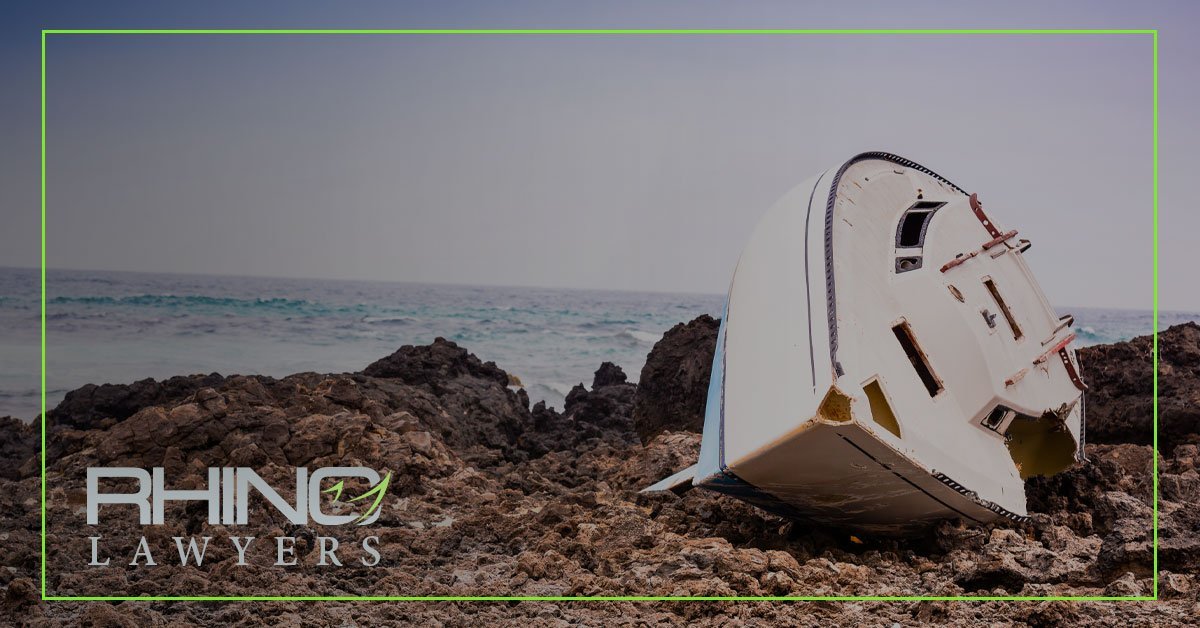
Do Boating Accidents in Florida Have Specific Reporting Requirements?
Florida is known as the boating capital of the world, with over one million registered vessels. It is also the capital of the world for boating accidents.
The Coast Guard says over 10% of all reported incidents in America occurred in Florida. That’s almost double the amount in the next-highest state, California.
What are you legally required to do if you’re in a boat crash and an injury or property damage occurs? Read on to learn more about the filing requirements for a boating accident in Florida and how they can impact your claim.
Common Boating Accidents
Common causes of boat accidents can include:
- Unsafe vessells
- Unsafe driving
- Driver intoxication
The most common boating accidents involve being pushed out of the boat and collisions with objects or other ships. Both can lead to a wide range of injuries.
Falling Overboard
The water can be a dangerous place, and there can be any number of reasons for passengers to fall out of a boat. A sudden storm could push you out. The driver could be intoxicated or make poor choices. The boat may not have the proper safety equipment.
These accidents can cause death from drowning or lead to injuries such as:
- Hypothermia
- TBI or traumatic brain injuries
- Spinal cord injuries
- Bone fractures or dislocations
Collisions
Running into another boat or even a stationary object is almost as common on boats as in cars. It’s primarily due to driver negligence but can also come from sudden changes in the water.
Common injuries from boat collisions include:
- Concussions
- Traumatic brain injuries
- Lacerations or contusions
- Internal organ damage
- Burns
Boating Accident Reporting Criteria
Always exchange insurance information with anyone involved in an accident. Inform your insurance agency about it. Florida statute 327.301 details when you have to go further and submit a written report.
The accident must be reported if it involves:
- Loss of life
- Injuries that require medical treatment
- Disappearance of a person
- Damage to property exceeding $2,000, including boats
- Complete loss of a vessel
How to Submit a boating accident Report
One of the first places to look for the forms necessary to file a written report is the FWC or Florida Fish and Wildlife Conservation Committee. You can also check the NASLBA or National Association of State Boating Law Administrators for state-specific boat accident reporting requirements.
Certain physical locations may have the forms you need, such as:
- Marinas
- Harbormaster offices
- Local law enforcement agencies
Be sure to fill the forms with as much accurate information as possible. Provide a detailed description of how and when the boating accident occurred. Say which boats were involved. Give the names and addresses of anyone involved or any witnesses. Explain any injuries or property damage sustained.
Reporting Timeframes
Boat accident law set by the Coast Guard mandates how long you have to report an accident. You have 48 hours to report accidents involving serious injury, death, or disappearance.
The timeline for all other accidents is 10 days. That includes property damage exceeding $2,000.
Penalties for Not Reporting a boating accident
Failure to report boating accidents that involve serious injuries or death is a serious offense. So is failure to attempt to render aid.
Not meeting boating accident reporting requirements could leave you facing significant fines or even criminal charges.
Other Reasons Boating Accident Reporting Matters
Proper boat accident reporting is about more than avoiding penalties. Think of what you and others can gain from it.
Anyone affected by the accident has a greater chance of finding healing and getting to safety. Your local waterways will be safer because of the information your report provides.
Safety and Facilitating Rescue Operations
Boat accident reports allow for quick, safe responses to accidents. Medical treatment can arrive sooner, and damaged property can be cleared out faster.
They also speed up rescue operations. The sooner law enforcement is aware of a missing person, the sooner they can start looking for them.
Environmental Protection
Boat accidents can result in environmental damage. One of the most common types is fuel spills.
Prompt reporting helps it get cleaned up as soon as possible.
Establishing Regulations
Accurate data from boat accident reports helps encourage new laws that lead to safer boating practices.
If dangerous patterns emerge, laws can help combat them. For example, stricter lighting standards may be implemented for a type of boat involved in several nighttime collisions.
Identifying Boat Defects
Boat defects are a common cause of boat accidents. Having them reported brings them to the attention of manufacturers.
They can address the problem through recalls and design improvements. These prevent the same defects from causing more boating accidents in the future.
Educational Information
Boat owners can look at reports to discover the most common causes of boat accidents.
This knowledge helps them avoid these issues. They’ll know what to do to stay safer in the water.
Getting Legal Assistance After a Boating Accident
A lawyer can help you submit an accident report. They’re also essential if your next step is to take your injury case to court.
The attorney can help you get what you deserve and find a fair settlement offer. It’ll cover components such as:
- Medical bills
- Lost wages
- Pain and suffering
- Property damage
Make sure they understand federal and state laws. There are deadlines for bringing boat accident claims to court.
Your attorney will gather evidence to support your case before time is up. They’ll prove the other party was negligent and responsible for your injuries.
We Can Help With Your Personal Injury Claim
After you recover from the shock of a severe boating accident, submit a report. Several types require you to get the proper forms and outline the details of the incident.
It improves safety by preventing similar incidents from happening again. It can also help your lawyer when you start a personal injury claim for the accident.
RHINO Lawyers has a long history of efficiently and effectively winning cases. We’re also a forward-thinking company that’s willing to use the latest technology to work with and for you. Contact us today for a case evaluation of your personal injury claim.
CONTACT A TAMPA ACCIDENT Injury ATTORNEY
In short, after an accident, you may not know your rights. Above all, don’t struggle through the process alone. Actually, our personal injury team is here to help you with any legal needs you might have regarding your accident.
Lastly, let RHINO Lawyers answer your questions and review the facts of your case with a Free Consultation. So, get started by completing the “Free Instant Case Evaluation” or by calling us any time, day or night, at 844.RHINO.77.
Read More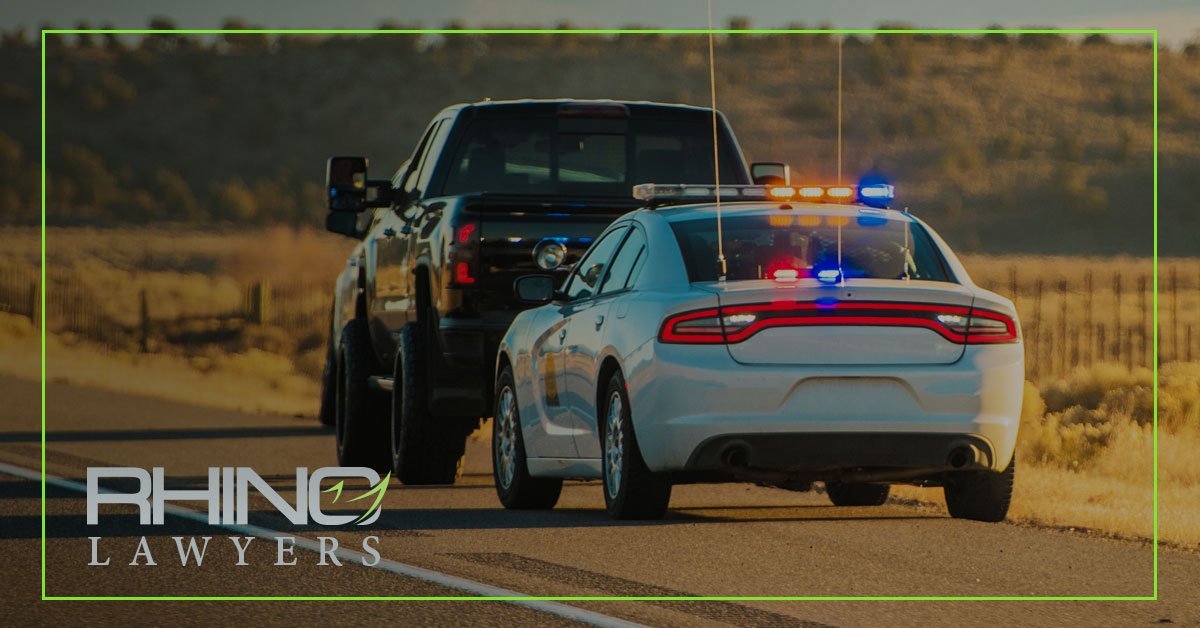
Can Homeland Security Arrest You for a DUI in Florida?
A DUI (driving under the influence) is a serious charge in Florida. In fact, in one month alone, DUIs can contribute to over 470 car crashes resulting in more than 40 fatalities and 40 cases of bodily injuries. This data comes directly from Florida’s Highway Safety and Motor Vehicles (FLHSMV) Department.
Typically, penalties range from fines to even imprisonment, depending on the severity of the case. However, what if you’re charged with a DUI in Florida on federal property? Can a Homeland Security agent arrest you for driving under the influence?
This answer is YES. Homeland Security has the authority to arrest any driver for a DUI on federal property. Thus, this also includes entries to federal properties like ports and military base entries.
Learn more about Homeland Security processes for Florida DUI penalties.
Where Can Homeland Security Make a DUI Arrest?
A Homeland Security agent would make a DUI arrest while on duty on federal property. Their typical duties involve issues of national security, immigration matters, and border security. However, an agent may make a DUI arrest if they witness driving under the influence on federal property.
There are several types of federal properties to know about in Florida.
Florida’s national parks are federal property. So, a federal agent may arrest drivers under the influence on the premises. This also applies to federal courthouse property, and federal courts handle these DUI cases.
If a Homeland Security agent suspects you’re driving under the influence on a military base, they may arrest you for a DUI. And, the same applies to any other federal agents who have the power to make DUI arrests.
Federal Homeland Security agents can make DUI arrests at Florida’s border crossings. Suspected DUI behavior at seaports, patrol airports, and other federal ports of entry can also lead to federal DUI arrests.
In some cases, federal agents may make DUI arrests near schools or religious institutions, depending on the circumstances.
It’s important to note that Homeland Security agents don’t typically patrol public properties and roads. If a Homeland Security agent arrests a driver on a public road, the agent may be conducting border security work. The agency may hand the case over to the state in this case.
Cases of DUI arrests made by Homeland Security are complex and require legal expertise.
What Are Your DUI Arrest Rights In These Cases?
It’s important to remember that you have the same DUI arrest rights on federal property as you do on public property.
You have the right to:
- Remain silent and not answer any questions from the arresting Homeland Security agent
- Be informed of the DUI charges made against you
- A lawyer or one will be appointed to you
- Challenge the DUI evidence against you in court
- Request a court hearing within 10 days of the arrest
- A fair trial in your case
While your rights remain the same, you may be subject to harsher federal penalties for a DUI charge. Depending on the case, you may be subject to federal sentencing. The case may go to the state, depending on the charge and location.
The Legal Complexities of DUI Arrests By Homeland Security
There are complexities involved in any DUI arrest made by a federal officer. The first complex legal question pertains to jurisdiction. If the DUI arrest was made on a public road, the state court has jurisdiction in the case, even if the arrest was made by a federal agent.
The next question is whether a federal DUI case could be moved to state court. Only an experienced lawyer can answer this question. That’s why contacting a lawyer immediately should be your top priority in this case.
If you’re an immigrant, being charged with a DUI by Homeland Security could impact your immigration status. An experienced lawyer can give you the proper legal advice in this case.
Homeland Security agents must follow the same procedural protocols for making a DUI arrest. Like Florida police officers, they’re responsible for collecting DUI evidence properly before making an arrest. If the federal agent doesn’t follow these protocols properly, a lawyer can challenge their evidence in court before a judge.
Putting Together a DUI Legal Defense
Your first step is to contact a lawyer after your Homeland Security DUI arrest. You may also contact a trusted family member who can also get in touch with a lawyer.
If possible, collect as much evidence as you can about your DUI arrest, including:
- Eyewitness testimony
- The location of the DUI
- The arresting agent’s information
- Time and date of the incident
- DUI protocols followed (or not followed)
For example, a Homeland Security agent is still mandated to calculate BAC levels to determine a DUI. If law enforcement protocols for DUI arrests aren’t followed, a lawyer can challenge the charge in court.
The case may stay in federal court or be sent to state court, depending on the circumstances.
Take advantage of a free case consultation to get exceptional legal analysis. This step will point you in the right direction. RHINO Lawyers will provide a free case evaluation to ensure you receive the best legal advice possible.
Get Exceptional Advice After a Homeland Security DUI in Florida
Whether you’re arrested by a Homeland Security agent or a state police officer, you have the same DUI arrest rights. So, remember the above tips during your arrest and to keep calm. Your first step is to call a law firm that can provide a detailed consultation, providing exceptional legal advice for your case.
At RHINO Lawyers, we’re happy to provide a free case evaluation for your Homeland Security DUI arrest. We know what it takes to defend a DUI in Florida court and can help you navigate the complexities of your case.
We’re a team of experienced lawyers and legal professionals dedicated to the rights of our communities. We believe in rapid response to our clients’ needs and bring over a decade of experience to multiple practice areas.
Start your free case evaluation today or contact us to learn more about our firm.
CONTACT TAMPA TRAFFIC TICKET ATTORNEY
RHINO Lawyers can help and guide you through a system molded by law enforcement, judges, and lawyers for decades. Having won cases for our clients in similar circumstances, our criminal defense team knows what it takes to fight on your behalf.
Let RHINO Lawyers answer your questions and review the facts of your case with a Free Consultation. So, get started by completing the “Free Instant Case Evaluation” or by calling us any time, day or night, at (844) RHINO-77.
Read More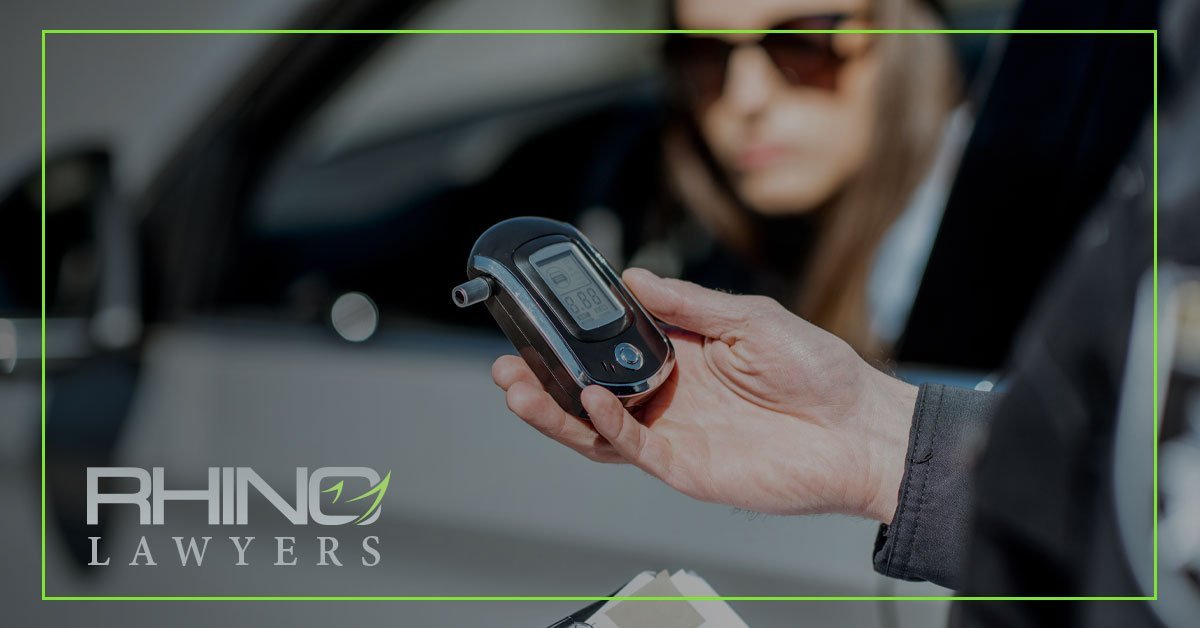
Is a DUI With a Minor in the Car Automatically a Felony in Florida?
A Cornerstone Healing Center post, citing CDC data, states that drunk-driving crashes cause about 1 in 5 child passenger deaths yearly.
Florida enforces strict DUI laws to reduce these tragedies. Police closely monitor impaired drivers, especially those with minors in the car.
If you’re facing a DUI with a child passenger, penalties can be severe. You may face heavy fines, license suspension, or even felony charges.
But is it always a felony? Understanding the law can help you prepare. Read on to learn whether a DUI with a minor in the car in Florida automatically results in felony charges.
DUI With a Minor in Car: Misdemeanor or Felony?
A first-time DUI with a minor in the car is usually a misdemeanor in Florida. So it’s not an automatic felony. However, it can be a felony if there are other aggravating circumstances, such as:
- A high BAC (0.15% or higher)
- Multiple past DUI convictions
- Causing injury to the child or another person
- Driving with a suspended license
- Reckless driving or excessive speeding
- Refusing a breath or blood test after arrest
A felony means harsher DUI penalties, including longer jail time and bigger fines. It also stays on your record for life.
Potential Penalties for a DUI With a Minor in Florida
Knowing the penalties can help you understand how to handle the issue. The consequences depend on the details of your case. A first-time offense may bring lighter penalties, while repeat violations can lead to harsher punishment.
Child Endangerment DUI Charge
A DUI with a minor is often considered a child-endangerment DUI in Florida. This means you could face additional charges beyond a regular DUI.
Prosecutors may argue that you put the child’s life at risk. If convicted, you could face higher fines, longer jail time, or even a felony charge. A child endangerment conviction also makes it harder to reduce penalties through plea deals.
License Suspension
A DUI with a minor often leads to a suspended license. The suspension period depends on past offenses and BAC level.
For a first offense, you may lose your driving privileges for six months to a year. If you have prior convictions, the suspension can last several years. In some cases, you may qualify for a hardship license, allowing you to drive for work or school.
Jail Time
Jail time is possible, especially if a minor was in the car. Repeat offenders face harsher penalties.
Even first-time offenders may serve time, depending on their case. A high BAC or past convictions can increase the sentence.
If an accident occurred, the penalty could be several years in jail. Courts consider the impaired driving risks when determining punishment.
Increased Fines
According to Florida Highway Safety and Motor Vehicles (FLHSMV), a first-time offender faces a fine between $500 and $1,000.
If a minor is in the car, the fine increases. The amount must be at least $2,000 but cannot exceed $4,000.
Repeat offenders face even steeper fines. In some cases, the court may impose penalties of up to $5,000. Additional court fees and alcohol treatment costs may also apply.
Community Service
Florida often requires community service for DUI sentences. First-time offenders must complete a set number of hours.
If you can’t finish the hours, you may pay a fine instead. Repeat offenders face longer hours or stricter penalties. Community service allows offenders to give back while reflecting on their actions.
Legal Defenses for a DUI With a Minor in the Car Charge
After a DUI arrest, you may need to explore different legal defenses. The goal is to choose the best one for your case. When used properly, a defense can help minimize DUI penalties and improve your outcome.
Illegal Traffic Stop
If a police officer stopped you without reasonable cause, your defense could be an illegal traffic stop. The officer must have a valid reason to pull you over. If the stop was unlawful, any evidence gathered might be thrown out.
To prove the stop was illegal, you can show the officer had no probable cause or suspicion of wrongdoing. You can support your case with:
- Video Footage
- Witness testimony
- Data like traffic camera recordings
Faulty Sobriety Tests
Field sobriety tests (FSTs) measure impairment, but they’re not always reliable. These tests depend on the officer’s judgment and the conditions. The test results may be inaccurate due to:
- Poor weather conditions such as rain or fog
- Physical or medical conditions affecting balance
- Inadequate test administration by the officer
- Stress or nervousness influencing performance
- Uneven or dangerous surfaces for the test
If any of these factors affect the results, it may weaken the case against you. The court may consider these issues when deciding your sentence.
Lack of Proof of the Minor’s Presence
To be charged with a DUI with a minor in the car, the prosecution must prove the minor was present. If they cannot show the child was in the vehicle during your arrest, the charge may be dropped or reduced.
Police might charge you with a DUI with a minor even if no child was in the car. This could happen if the officer made an error or misinterpreted the situation. Inaccurate reports or assumptions about passengers can lead to incorrect charges.
Necessity to Drive
Certain circumstances might force you to drive a car with a minor while under the influence. For example, you may have had to drive to avoid a dangerous situation or emergency.
The court may reduce your charge if you can prove that this was the case. However, this defense only works if you can provide enough evidence to prove the necessity to drive.
Facing a DUI With a Minor in the Car Charge? Seek Legal Help
A DUI with a minor in the car charge can lead to severe penalties, even though it’s not automatically a felony. Understanding the charges you face and seeking exceptional legal help is crucial to minimize the impact.
At RHINO Lawyers, we have over a decade of experience handling DUI cases. We pride ourselves on forming partnerships with our clients.
Our team will guide you through the legal process, keeping you informed every step of the way. Contact us today for the legal support you need.
CONTACT TAMPA TRAFFIC TICKET ATTORNEY
RHINO Lawyers can help and guide you through a system molded by law enforcement, judges, and lawyers for decades. Having won cases for our clients in similar circumstances, our criminal defense team knows what it takes to fight on your behalf.
Let RHINO Lawyers answer your questions and review the facts of your case with a Free Consultation. So, get started by completing the “Free Instant Case Evaluation” or by calling us any time, day or night, at (844) RHINO-77.
Read More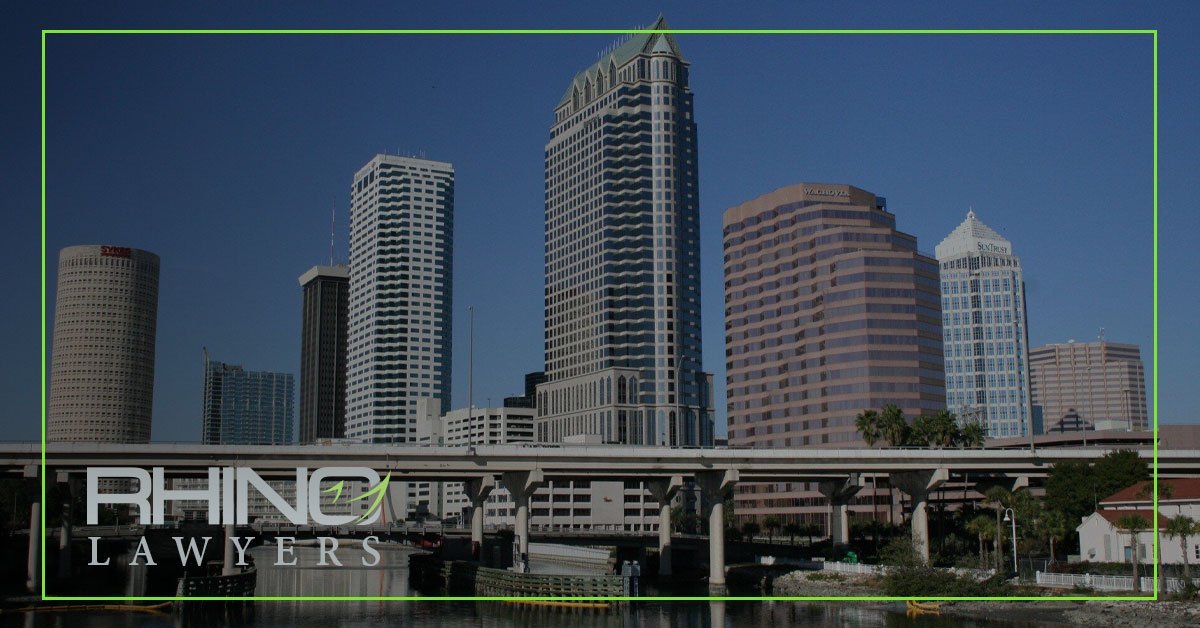
The Most Common Accidents Involving Tourists in Tampa
Tampa is an incredibly popular holiday destination, attracting more than 26 million tourists annually, according to Visit Tampa Bay. Its stunning beaches, vibrant nightlife, theme parks, and sports events make it a must-visit spot for travelers from all over the world.
However, with so many visitors, accidents involving tourists are unfortunately common. Whether it’s due to unfamiliarity with local roads, pedestrian areas, or recreational activities, these accidents can be overwhelming.
In this post, we’ll discuss the most common accidents involving tourists in Tampa, the risks tourists (and locals) face, and how RHINO Lawyers can help if you’re involved in a Tampa accident. Read on to understand what to watch out for and how to stay safe.
Popular Tourist Activities and the Risks Involved
Tampa offers a wide variety of attractions that draw millions of tourists each year, and visitors flock to popular destinations like Busch Gardens, the Florida Aquarium, and the city’s beautiful beaches. These activities are enjoyable, but they also come with certain risks.
For example, navigating busy streets or unfamiliar roads near popular attractions can lead to car accidents. Drivers may be distracted by the sights or unaware of local traffic laws, making accidents more likely. Pedestrian accidents are also common, as tourists may not be familiar with crosswalks or pedestrian signals in unfamiliar areas.
Additionally, activities like jet skiing, boating, and cycling can pose further dangers when safety precautions aren’t followed. These accidents can be serious, especially for those unfamiliar with local safety measures.
Common Types of Accidents Involving Tourists
Tourists in Tampa are often involved in a variety of accidents, and the common types can vary based on the activities they’re participating in. Car accidents are one of the most frequent incidents. Tourists may struggle with local driving conditions, such as:
- Unfamiliar roads
- Heavy traffic
- Navigating busy tourist areas
Pedestrian accidents are also a common concern, especially in busy downtown areas or near major tourist spots like the Riverwalk or Tampa Bay area beaches. Tourists may not always follow local pedestrian signals or could be distracted while walking, increasing the chances of being involved in an accident with a vehicle.
Additionally, tourists are more prone to accidents involving recreational activities, such as boating or jet skiing. These activities come with their own set of risks, particularly for those who aren’t familiar with the equipment or safety regulations. Bike and scooter accidents also occur frequently, as tourists may not always wear proper safety gear or follow traffic laws.
What Tourists Should Know Before Visiting Tampa
Before visiting Tampa, tourists should be aware of a few important things to help ensure their safety. First, driving in Tampa can be tricky, especially for those unfamiliar with the area.
Tourists should be cautious of local traffic laws, parking regulations, and high-traffic areas like downtown or near popular tourist destinations. It’s important to always use GPS for accurate directions, and avoid distractions while driving. Pedestrian safety is another key consideration, and tourists should follow traffic signals, use crosswalks, and stay alert when walking in busy areas.
Additionally, tourists planning to participate in water sports should make sure they are familiar with the equipment and safety rules. Tampa offers many recreational activities, so wearing proper safety gear, following instructions, and ensuring your safety while enjoying these activities is essential to avoid accidents.
What Tourists Involved in Accidents Should Do
If you’re a tourist involved in an accident in Tampa, it’s important to take the right steps to protect your health and legal interests. First, seek medical attention immediately, even if you feel fine, as some injuries, like whiplash, may not appear right away. Medical records will be crucial for your case later on.
Next, report the accident to the local authorities and file a police report. This official document will serve as an important piece of evidence if you need to make a claim or seek compensation.
If possible, take photos of the accident scene, vehicle damage, and any visible injuries. Also, get contact details from any witnesses, given that these photos and statements will help support your case.
Next, notify your insurance company about the accident and be cautious about providing statements to the other party’s insurance without legal guidance. Lastly, contact our team at RHINO Lawyers. We can help you understand Florida laws, handle insurance claims, and guide you through the legal process, ensuring you get the compensation you deserve.
How RHINO Lawyers Support Your Tampa Accident Case
Here at RHINO Lawyers, we are dedicated to helping tourists involved in accidents in Tampa navigate the complexities of the legal process. Our experienced team understands the unique challenges that out-of-town visitors face when dealing with a Tampa accident.
We start by thoroughly investigating the circumstances surrounding your accident. This includes:
- Collecting evidence
- Interviewing witnesses
- Obtaining police reports
Our goal is to gather all necessary information to establish fault and strengthen your case. Our lawyers also handle communication with insurance companies on your behalf. This helps avoid the stress of dealing with complex insurance procedures and ensures you don’t make statements that could hurt your claim.
We assist you in understanding Florida’s legal system, helping you make informed decisions about your case. We know how to pursue fair compensation for medical bills, lost wages, and pain and suffering.
RHINO Lawyers are committed to providing the support and expertise needed to protect your rights. With us by your side, you can focus on your recovery while we handle the legal work, ensuring the best possible outcome for your case.
Navigating Tampa Tourist Accidents
In summary, if you’ve been involved in a Tampa accident while visiting or staying in the area, RHINO Lawyers can help you navigate the legal process. We understand the complexities of Tampa tourist incidents and are dedicated to protecting your rights.
Our experienced team will assist you with everything from gathering evidence to negotiating with insurance companies. Whether you’re dealing with Tampa personal injuries or property damage, we will fight for the compensation you deserve. Contact us for a free consultation and let us support you in your recovery and legal journey.
CONTACT A TAMPA AUTO ACCIDENT ATTORNEY
In short, after a car accident, you may not know your rights. Above all, don’t struggle through the process alone. Actually, our personal injury team is here to help you with any legal needs you might have regarding your accident.
Lastly, let RHINO Lawyers answer your questions and review the facts of your case with a Free Consultation. So, get started by completing the “Free Instant Case Evaluation” or by calling us any time, day or night, at 844.RHINO.77.
Read More