
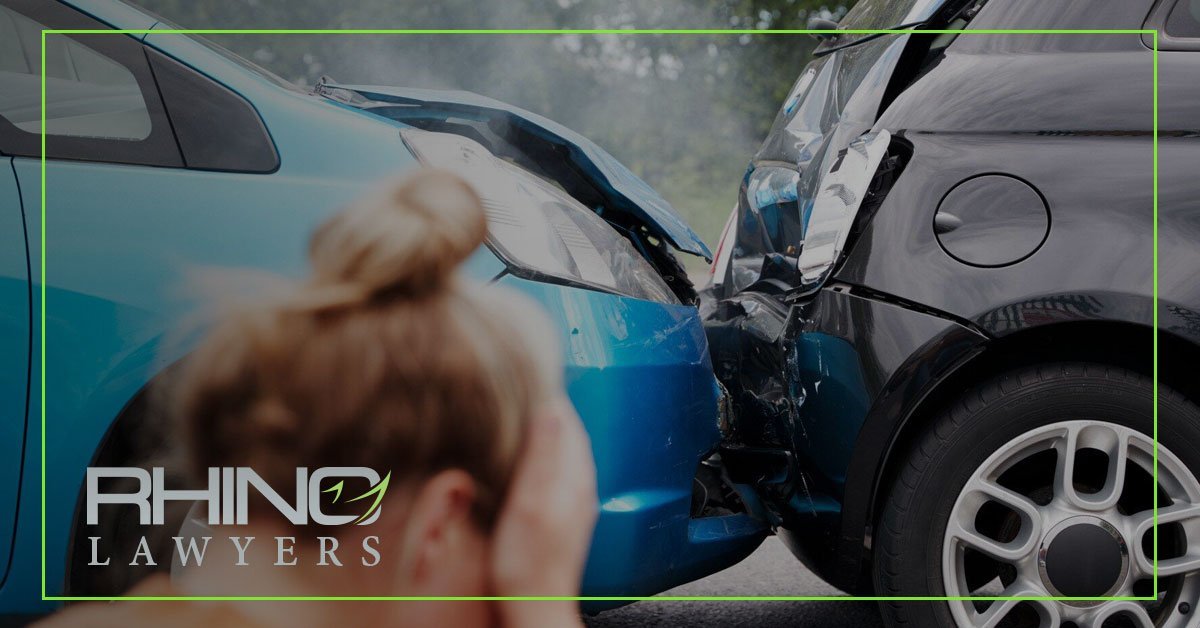
If You Swerve to Avoid an Accident, Are You at Fault?
When you’re driving and another car suddenly veers into your lane, causing a potential collision, your immediate reaction might be to swerve to avoid the accident. But then you start wondering: “If you swerve to avoid an accident, are you at fault?” It’s a common question that many drivers face at one point or another.
In this guide, we will answer that specific question and look more broadly at the nature of car accidents from a legal perspective. Here, we’ll consider fault, negligence, and much more so you can understand this tricky topic more clearly. Let’s get started.
What Is Fault in a Car Accident?
Let’s begin this exploration by considering fault. Essentially, being “at fault” in a car accident means that you’re responsible for what happened. It’s a straightforward concept that determines who should take the blame for what occurred on the road.
This responsibility is not assigned randomly but is based on a legal principle known as negligence. Negligence simply refers to a lack of care or attention. For instance, if a driver fails to stop at a red light and crashes into another vehicle, they are considered negligent because they didn’t follow the rules of the road.
Determining fault in accidents isn’t always clear-cut. In some cases, both drivers may share the responsibility for the collision. However, in other situations, one driver may bear full accountability. It all hinges on who acted carelessly or failed to uphold their duty while driving.
The Principle of Negligence
Above, we mentioned the term negligence and the role it plays in determining fault. Negligence is essentially failing to be careful when you should be. When you’re driving, negligence means not being cautious on the road.
Swerving to avoid an accident is a common example. Imagine someone suddenly cuts into your lane without warning. Your natural reaction might be to swerve to avoid hitting them.
In this situation, swerving is seen as a reaction to a sudden danger, not negligence itself. However, there are times when swerving can be considered negligent. For example, if you swerve recklessly without paying attention to other cars on the road, you could be considered negligent.
The principle of negligence applies to these situations by examining whether a driver exercised reasonable care given the circumstances. So, while swerving to avoid an accident is often a responsible action, it’s essential to do so safely and without putting yourself or others at risk.
Comparative Negligence in Florida
Let’s go a step further now and discuss comparative negligence. In Florida, the concept of comparative negligence recognizes that fault in an accident can be shared among multiple parties.
Unlike some other states where if you’re even slightly at fault, you might not be able to recover any damages, Florida follows a “pure comparative fault” rule. This means that even if you’re partly responsible for an accident, you can still seek compensation for your injuries, although the amount you receive will be reduced by your percentage of fault.
So, let’s say you swerve to avoid an accident, but the other driver is also driving recklessly. In this scenario, both you and the other driver might share some fault for the accident.
Even though you took evasive action, the other driver’s negligence could still play a role in determining fault. As a result, under Florida’s comparative negligence laws, both parties may be held accountable to varying degrees.
Factors That Influence Fault Determination
Now, when it comes to determining fault in car accidents, several factors come into play, shaping the outcome of the investigation. One crucial element is road conditions. Poorly maintained roads or construction zones can create hazards that contribute to accidents.
Similarly, adverse weather conditions like rain, snow, or fog can reduce visibility and traction, increasing the risk of collisions. Speed is another significant factor. Driving above the speed limit or too fast for current conditions can limit a driver’s ability to react to unexpected situations, making them more likely to cause an accident.
Additionally, driver behavior plays a crucial role. Reckless actions such as distracted driving, aggressive maneuvers, or driving under the influence of alcohol or drugs significantly increase the likelihood of accidents and can impact fault determination.
Legal Consequences of Being at Fault
Being deemed at fault in a car accident can have significant legal ramifications, potentially leading to various penalties and consequences.
One common consequence is facing financial liabilities, including paying for damages to the other party’s vehicle, medical expenses, and compensation for pain and suffering. Additionally, you may be subject to fines or citations, depending on the severity of the vehicle crash and local traffic laws.
In more serious cases, being at fault can result in legal action, such as lawsuits for negligence or wrongful death. This could lead to substantial financial settlements or judgments against you. Moreover, your driving privileges may be impacted, with possible consequences including license suspension or revocation.
Another consequence of being at fault is the potential for increased insurance premiums. Insurance companies may deem you a higher-risk driver, leading to higher premiums or even denial of coverage in some cases. This can significantly impact your finances in the long term.
Tips for Preventing Swerve Accidents
To minimize the risk of swerve accidents on the road, it’s crucial to stay alert and anticipate potential hazards. You should always maintain a safe following distance from other vehicles, allowing ample time to react.
Also, avoid distractions such as texting or eating while driving, and always obey traffic laws. Practicing defensive driving techniques and staying focused on the road can help prevent swerve accidents and ensure safer travel.
If You Swerve to Avoid an Accident, Are You at Fault?
To sum up, navigating fault in accidents involving swerving requires a nuanced understanding of negligence and the circumstances surrounding the incident. While fault determination can be complex and influenced by various factors like road conditions and driver behavior, prioritizing safety is always paramount.
So, if you swerve to avoid an accident, are you at fault? To find the answer, speak to the attorneys at RHINO Lawyers. Click here to schedule a free virtual consultation with an accident attorney today.
CONTACT A TAMPA AUTO ACCIDENT ATTORNEY
In short, after a car accident, you may not know your rights. Above all, don’t struggle through the process alone. Actually, our personal injury team is here to help you with any legal needs you might have regarding your accident.
Lastly, let RHINO Lawyers answer your questions and review the facts of your case with a Free Consultation. So, get started by completing the “Free Instant Case Evaluation” or by calling us any time, day or night, at 844.RHINO.77.
Read More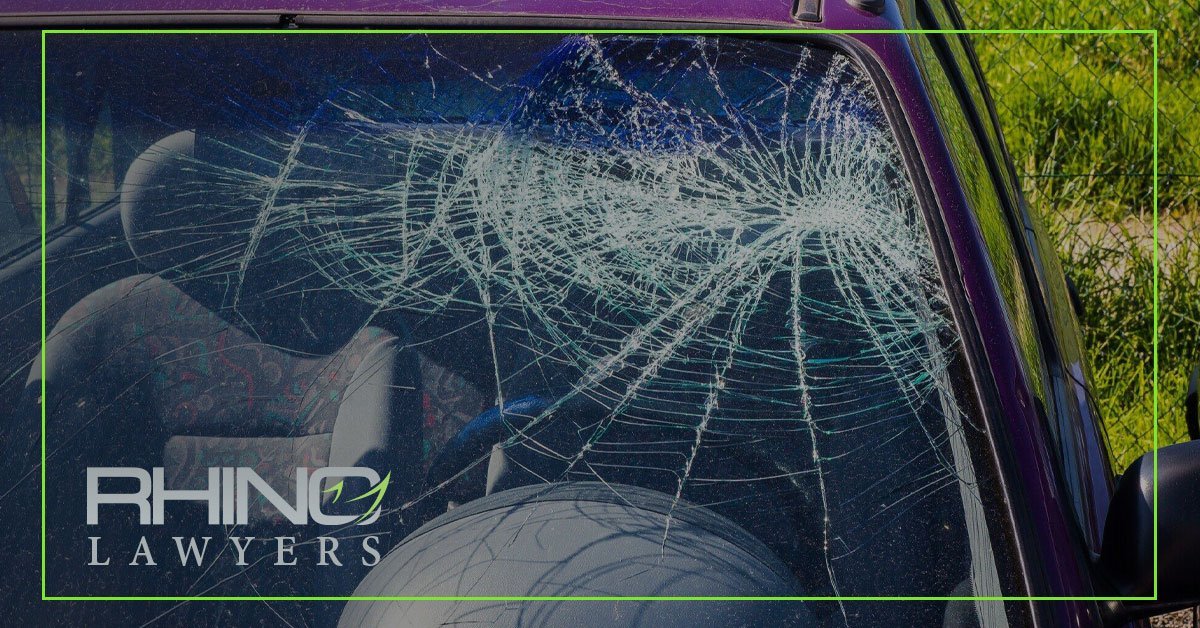
Who Is Liable if My Car Is Hit by an Object From Another Vehicle?
Car accidents can happen in various ways. And, one common scenario involves a vehicle being hit by an object from another vehicle. Whether it’s a stray rock, flying debris, or loose cargo. Such incidents can lead to damage, injury, and confusion about car liability.
Understanding who is responsible in these situations is crucial for protecting your rights and seeking compensation for any losses incurred. In this blog post, RHINO Lawyers will explore the factors that determine liability. Particularly, when your car is hit by an object from another vehicle.
What Does Liability in Car Accidents Mean?
First of all, understanding liability in car accidents is crucial for determining who is responsible for damages. In simple terms, liability refers to legal responsibility. When a car accident occurs, liability often hinges on negligence, which means failing to exercise reasonable care.
For instance, if a driver fails to secure their cargo properly and it falls off their vehicle, hitting another car, they may be considered negligent. Liability can also be shared if both drivers contributed to the accident.
Determining liability involves assessing the actions of each party involved and whether they met their duty of care to others on the road. Ultimately, the party found to be negligent or at fault may be held liable for the damages resulting from the accident.
Types of Objects That Can Hit Your Car
In everyday driving, various road objects can hit your car, causing damage and potential danger. These objects can include debris, such as rocks or branches, which may be kicked up by passing vehicles or fall off trucks.
Additionally, cargo carried by other vehicles, like furniture or construction materials, can come loose and strike your car. Parts of other vehicles, such as loose bumpers or tires, also pose a risk if they detach while in motion.
These objects hitting your car can lead to dents, scratches, broken windows, or even more serious damage. The impact can not only harm your vehicle but also endanger you and other drivers on the road.
Being aware of these potential hazards and taking precautions while driving can help reduce the risk of such incidents.
How Is Liability Determined?
Determining liability in cases where an object from another vehicle hits your car depends on several factors. Firstly, it’s important to consider how the object came to hit your vehicle. If the object fell off the other vehicle due to improper securing or maintenance, the driver of that vehicle may be deemed negligent and held liable for the damages.
Similarly, if the object was intentionally thrown from the other vehicle, such as in a case of road rage or malicious intent, the driver responsible for throwing the object would likely be held liable.
In some instances, liability may also depend on whether both drivers involved exercised reasonable care to prevent such incidents. If both drivers were negligent in some way, liability might be shared between them.
A Look at Common Scenarios
To give you a better idea about how liability might be determined in such cases, let’s look at three common scenarios.
In one situation, a truck neglects to secure its load adequately. Resulting in a piece of furniture falling off and hitting your car. Here, the driver of the truck could be held liable for negligence due to their failure to ensure proper cargo security.
Another scenario involves a passenger in a nearby vehicle throwing a water bottle out the window, which strikes your windshield and causes damage. In this case, the passenger who tossed the object may be held responsible for intentionally causing harm.
Additionally, if a car in front of you swerves suddenly to avoid hitting an animal, causing a loose bumper to detach and strike your vehicle, the driver of the car might not be held liable. This incident could be deemed unforeseeable, and the driver may not have been negligent in their actions.
Insurance Coverage for Such Incidents
Understanding how insurance coverage applies when your car is hit by an object from another vehicle is also crucial here. In these situations, comprehensive coverage often comes into play. Comprehensive coverage protects against non-collision incidents, including car damage from falling objects, theft, vandalism, and natural disasters.
If your car is hit by an object from another vehicle, comprehensive coverage can help cover the cost of repairs or replacement, depending on the extent of the damage.
This coverage is particularly valuable because it applies regardless of who is at fault for the incident. It’s important to review your insurance policy to ensure you have comprehensive coverage and understand any deductibles or limits that may apply.
Pursuing a Legal Claim
Finally, if your car is hit by an object from another vehicle and you believe someone else is at fault, pursuing a legal claim may be necessary to seek compensation for damages.
Firstly, document the incident by taking photos of the damage to your vehicle and the scene of the accident. You can also obtain contact information from any witnesses who saw the incident. This evidence can be crucial in proving liability.
Next, contact your insurance company as soon as possible to notify them about the accident. They can guide you through the claims process and assist in determining liability.
It’s also essential that you seek legal advice by consulting with a personal injury lawyer who focuses on car accidents, like our team at RHINO Lawyers in Florida. We can assess your case, advise you on your rights, and help you navigate the legal process.
Your Guide to Car Liability Following Road Accidents
The bottom line is it’s crucial to understand car liability involving objects from other vehicles. By documenting incidents, contacting insurance companies, seeking legal advice, and knowing their rights, drivers can protect themselves and their vehicles.
If you have been involved in an accident involving an object from another vehicle, then you may be entitled to justice and compensation. We encourage you to schedule a free video consultation with the auto accident professionals at RHINO Lawyers. We will discuss your case and look at the next steps together.
CONTACT A TAMPA AUTO ACCIDENT ATTORNEY
In short, after a car accident, you may not know your rights. Above all, don’t struggle through the process alone. Actually, our personal injury team is here to help you with any legal needs you might have regarding your accident.
Lastly, let RHINO Lawyers answer your questions and review the facts of your case with a Free Consultation. So, get started by completing the “Free Instant Case Evaluation” or by calling us any time, day or night, at 844.RHINO.77.
Read More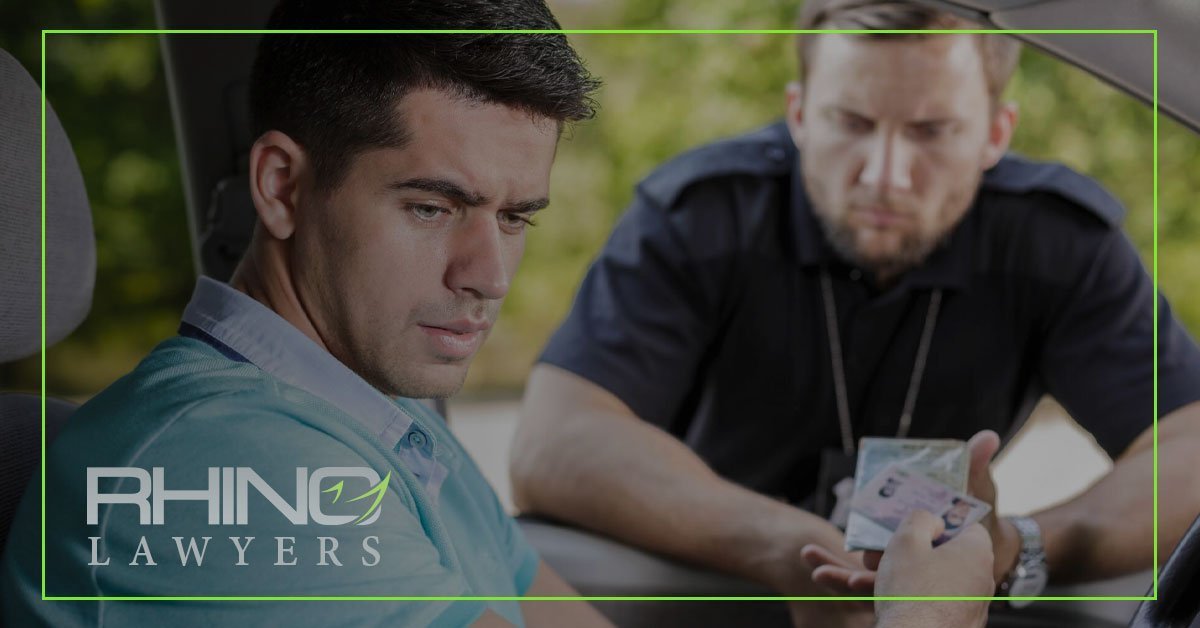
Lost Your Tampa Speeding Ticket? Don’t Panic, Here’s What to Do
Speeding tickets are the most common moving traffic violation in the United States. 41 million drivers receive a speeding ticket each year, totaling around $6 billion.
There are many problems with speeding tickets. One is that they can easily get lost. Whether you receive a violation en route or through the mail, the paper citation can end up in the void.
If you lost your Tampa speeding ticket, don’t panic. Read this guide instead.
Steps to Take After Losing a Tampa Speeding Ticket
Losing a traffic citation isn’t the end of the world. Here’s what to do if you lose your Tampa speeding ticket:
Gather Important Details
It can be difficult to recall important details during a traffic stop. If you lose your Tampa speeding ticket, try to remember as much as possible.
You should know the date and location of where you received the ticket. If you know the approximate time you got pulled over, this information will be helpful too.
The more details you remember, the better. For instance, it’s helpful to recall the officer’s name, but some people don’t check or remember this information.
If you haven’t already, check your records to see if information regarding your ticket was sent via certified mail.
With the details you remember, contact the police department to explain your situation. It’s possible that they can access the record using the provided information. If they can confirm the citation, ask for a copy.
Explore the Different Search Methods
The state DMV might have a record of a speeding citation. You can visit the Florida Department of Highway Safety and Motor Vehicles (DHSMV) or contact them about accessing your driving record.
A basic online search could be helpful in your situation. Some reliable third-party websites offer traffic ticket search tools. Make sure to check the privacy policies of these websites before giving your personal information.
Take a Proactive Approach
If you fail to find your traffic ticket, you may miss your payment or court due date. If you remember enough details about your citation, you can pay the estimated fine.
This is a great way to resolve the issue if you fail to find the ticket. The standard fine for speeding in Tampa depends on how fast over the limit you were going. If you were speeding in a school zone, the price increases.
Keep any receipts of payment if you decide to go this route. The faster you act, the better your chances of avoiding late fees and a possible license suspension.
Typically, you’ll have 30 days from the date you receive the ticket to answer or pay your fine. If you fail to do so within 90 days, the data is sent to a collection agency, and the fines are doubled.
If you had planned on contesting your speeding ticket, hire an attorney. Even without a copy of the citation, they can help you navigate the problem and come up with potential solutions. If it comes down to it, they can also represent you in court.
Why You Should Hire a Lawyer
Many people receive a traffic ticket and immediately pay the fine. While this may seem like the only option, you can contest a traffic violation.
Paying speeding ticket fines means you are admitting guilt. This can lead to driving record consequences. For example, your insurance premium may increase and the increase can last for years.
How to Fix a Traffic Issue
You can fight your traffic ticket, but it will take some effort and time. If you want to fix a traffic issue with or without your citation, take these steps:
Contact the Courthouse
Tampa, Florida has six surrounding counties. Figure out which county you were in when your traffic incident happened. If you end up finding your ticket, you can find the county in the upper left corner.
Contact the Clerk of Court of the listed county and speak with someone in the Traffic Department.
Tell the traffic department that you want to file a Motion for Relief on your ticket. This is a written request to the court to ask to fix your traffic issue. If you didn’t answer your ticket before the 30 days, you can ask to remove your ticket from collections.
Wait for the Verdict
Most often, it’ll take the court up to 30 days to answer your motion. If a traffic attorney files the motion for you, you may hear back sooner.
With a granted motion, the traffic ticket gets removed from collections. The late fees you incurred will also be waived. If your license was suspended, you’ll be able to reinstate it at this time as well.
How to Prevent a Lost Traffic Ticket
Dealing with a lost traffic citation is annoying and inconvenient. You can prevent losing a traffic ticket by dealing with it right away and forwarding your mail when you move.
When you receive a speeding ticket, don’t ignore it. If you receive a ticket while you are driving or if you receive it in the mail from a red light camera, answer it ASAP. Filing it away or leaving it for later is an easy way to lose the ticket.
If you move at any point, always forward your mail. Losing a traffic ticket because you didn’t update your address isn’t an excuse for the court. You’ll still have to go through all the steps to avoid collections.
While the court may provide you with some leniency, it’s not an excuse to get out of the ticket entirely.
It’s common for people to miss a ticket because it was sent to the wrong address. Don’t make this same mistake.
Work With a Tampa Speeding Ticket Lawyer
Losing a Tampa speeding ticket can cause a lot of stress. While there are many solutions to look into, consider hiring a Tampa traffic ticket attorney.
RHINO Lawyers is a forward-thinking law firm in Tampa staffed with attorneys with years of experience. We have a track record of helping clients with bold representations that get results.
Get a free case analysis from RHINO Lawyers today.
CONTACT TAMPA TRAFFIC TICKET ATTORNEY
RHINO Lawyers can help and guide you through a system molded by law enforcement, judges, and lawyers for decades. Having won cases for our clients in similar circumstances, our criminal defense team knows what it takes to fight on your behalf.
Let RHINO Lawyers answer your questions and review the facts of your case with a Free Consultation. So, get started by completing the “Free Instant Case Evaluation” or by calling us any time, day or night, at (844) RHINO-77.
Read More
Out-of-State Traffic Tickets: Dealing with Violations in a Different State
It’s estimated that there are nearly 41 million speeding tickets written each year in the United States. And that’s just the ones that have to do with speeding! It’s not even counting other tickets from things like failing to stop at a red light or careless driving.
Typically, traffic tickets are fairly straightforward to deal with. However, if they occur while you’re traveling in other states, they can quickly get complicated.
So how do you deal with out-of-state traffic tickets in the state of Florida? And do you need to hire a lawyer to help you? In this guide, we’ll answer these questions so you can get a better idea of the best solution for your traffic ticket problems.
How Do Points From Florida Traffic Tickets Work?
Before we learn about how out-of-state tickets work we first need to learn about the point system for Florida traffic tickets. When you get a traffic ticket you also get points that count against your driver’s license.
It’s important to note that you need to get convicted of the ticket crime to get points. These points accumulate over time and if you get enough of them on your record they can result in a license suspension.
The point system works on a graduated scale. That means that certain convicted traffic offenses will earn you more points than others. For example, failing to yield to another driver will earn you three points.
On the other hand, a more serious traffic offense, like crashing and leaving the scene of the crime, can earn you six points. It’s also important to note that the points don’t correspond to the cost of the ticket.
Careless driving and speeding through a school zone will get you the same amount of points. However, a speeding ticket through a school zone can result in a much more expensive traffic fine.
How Do Out-of-State Traffic Tickets Work in Florida?
You might think that if you get an out-of-state traffic ticket while away from Florida you’ll be able to avoid points. Sadly, this simply isn’t the case. When you get a traffic citation in a different state, the police will simply send it to the Florida DMV.
From there, it will be added to your driving record. According to Florida Statute 322.27(3), the points will only be added if they meet the qualifications for a point-relevant violation.
This exchange of information between state agencies is thanks to two different compacts. The first, known as the Driver’s License Compact (DLC), is responsible for reporting any violations and or convictions to the individual residential state.
Similarly, the Nonresident Violator Compact (NVC) is used to ensure that unpaid tickets in other states get dealt with in one way or another. In other words, you should treat any out-of-state traffic tickets as if they occurred in your home state.
The only difference is who you will have to pay, as well as in some cases a different state violation that is specific to where your traffic offense occurred.
What Are Your Options for Dealing With Out-of-State Traffic Tickets?
The specific options you’ll have for dealing with an out-of-state traffic ticket will depend on the state laws where it occurred. That being said, generally, you have three options. In this section, we’ll briefly go over each of them.
Pay the Ticket
The quickest and easiest way to deal with a traffic ticket is to simply pay the fine and move on. Typically, the officer giving you the ticket needs to give you information on how to pay for it.
This might include paying it online, over the phone, or through the mail. If they didn’t provide this information, contact the traffic court where you got your ticket.
While this might be the easiest option, it will likely result in traffic points against your record. And, as we’ll discuss in a different section it can have other consequences too.
Fight the Ticket in Court
If you believe you don’t deserve the traffic ticket, you can always fight it. Unfortunately, this can be harder for out-of-state tickets than in-state ones. That’s because you will likely need to travel to the jurisdiction where the traffic ticket occurred.
As such, you should be sure to get good lawyers on your side. That way, you aren’t wasting money on ticket fees, travel costs, and legal expenses.
Attend Traffic School
In some states, they might agree to drop your ticket charges if you attend traffic school. While this might seem inconvenient for out-of-state drivers, it’s not always the case.
Many schools provide people with online options for completing the courses. So you won’t need to travel to take them. As such, you should always research the options before proceeding.
How Can a Traffic Lawyer Help You?
A traffic lawyer can help you fight the traffic ticket which can often get it dismissed. There’s no denying that it would be easier to just pay the ticket and move on.
So why should you try to fight it with the help of a lawyer? As we’ve mentioned one of the main reasons is to avoid accumulating points on your driving record. However, as we mention in this guide, it’s also important to fight traffic tickets to:
- Correct inaccuracies
- Protect your legal rights as a citizen
- Avoid fines
- Keep your car insurance premium low
- Avoid license suspensions
A traffic lawyer will look at the details surrounding your out-of-state ticket. Then, they’ll suggest the best strategy for dealing with it.
Need Help With Your Traffic Ticket? Contact RHINO Lawyers
We hope this guide helped you learn more about dealing with out-of-state traffic tickets. Here at RHINO Lawyers, we know how annoying these types of tickets can be.
They can result in costly fees, lengthy court stays, long classes, and even license suspensions. However, just because you got a ticket doesn’t mean you’re guilty.
Our legal team goes to court so you don’t have to. And if everything goes right we can get you off without any points or tickets. Schedule a consultation with us today to get the legal help you need.
CONTACT TAMPA TRAFFIC TICKET ATTORNEY
RHINO Lawyers can help and guide you through a system molded by law enforcement, judges, and lawyers for decades. Having won cases for our clients in similar circumstances, our criminal defense team knows what it takes to fight on your behalf.
Let RHINO Lawyers answer your questions and review the facts of your case with a Free Consultation. So, get started by completing the “Free Instant Case Evaluation” or by calling us any time, day or night, at (844) RHINO-77.
Read More
Hit by a Car While Walking in Florida?
Pedestrian deaths in the United States are at a 40-year high. Recent data from 2022 shows that more than 7,500 pedestrians lost their lives in accidents involving motor vehicles. It’s a sobering statistic that underscores the dangers faced by those who simply walk along our streets and roadways.
In this blog post, your experienced team at RHINO Lawyers will look at this concerning trend of pedestrian fatalities. Particularly in Florida, and explore what steps can be taken to mitigate the risks. Remember, if you or someone you love has been hit by a car in Florida, we are here to help you secure the justice and compensation you deserve. Let’s get started.
Factors Contributing to Pedestrian Accidents
Several factors contribute to the prevalence of pedestrian accidents in Florida and across the nation. Here are some of the most common causes of accidents.
Distracted Driving
Distracted driving poses a significant threat to pedestrian safety on Florida’s roadways. Many drivers succumb to the temptation of using their smartphones behind the wheel, diverting their attention from the road ahead. This dangerous behavior can result in delayed reaction times and impaired judgment, increasing the likelihood of accidents involving pedestrians.
Even a momentary lapse in concentration can have devastating consequences. Whether it’s sending a text message or checking social media, distractions divert drivers’ focus away from the task at hand: safely operating a vehicle.
Pedestrians are particularly vulnerable to the risks posed by distracted drivers, as they may not be readily visible or able to anticipate erratic driving behaviors.
Lack of Infrastructure
The lack of proper infrastructure in many Florida cities and towns exacerbates the risks faced by pedestrians. Without sidewalks, crosswalks, and well-lit pedestrian crossings, walkers are forced to navigate hazardous roadways, putting themselves in harm’s way.
In areas where pedestrian infrastructure is lacking, pedestrians may be forced to share the road with fast-moving vehicles, increasing the likelihood of accidents. Additionally, poorly designed or maintained infrastructure can create obstacles and hazards for pedestrians, further compromising their safety.
Speeding and Reckless Driving
Speeding and reckless driving are significant contributors to pedestrian accidents in Florida. When drivers exceed the speed limit or engage in reckless behaviors such as tailgating or weaving in and out of traffic, they put pedestrians at great risk.
The higher the speed of a vehicle, the less time a driver has to react to unexpected obstacles, making it harder to avoid collisions with pedestrians. Additionally, reckless driving behaviors increase the likelihood of losing control of the vehicle.
Speeding and reckless driving not only endanger pedestrians but also other road users, including cyclists and other drivers. The consequences of a collision between a speeding vehicle and a pedestrian can be severe, often resulting in serious injuries or even fatalities.
What to Do If You’re Hit by a Car in Florida
Without question, being hit by a car can be a terrifying and traumatic experience. In the chaos of the moment, it’s crucial to know what steps to take to protect yourself and your legal rights. Here’s a guide on what to do if you find yourself in this unfortunate situation in Florida.
Seek Medical Attention Immediately
The first priority after being hit by a car is to seek medical attention, even if you feel fine or your injuries seem minor. Some injuries, such as internal bleeding or head trauma, may not be immediately apparent but can have serious consequences if left untreated.
Call 911 or ask someone nearby to call for help, and wait for emergency responders to arrive. Be sure to follow their instructions and cooperate fully during the medical evaluation and treatment process.
Document the Scene
If you’re able to do so safely, gather as much information as possible about the incident and the parties involved. Take photos of the scene, including the location of the accident, any visible injuries, and damage to your clothing or belongings.
Collect the contact information of the driver, as well as any witnesses who may have seen what happened. This documentation can be invaluable later when filing a claim or pursuing legal action.
Report the Car Accident
In Florida, it’s important to report any accident involving injuries or property damage to law enforcement authorities. Call the police and wait for them to arrive at the scene.
It’s important to cooperate fully with the responding officers and provide them with your account of what happened. The police report generated from the accident investigation can serve as important evidence when seeking compensation for your injuries and damages.
Seek Legal Guidance
After seeking medical attention and reporting the accident, it’s advisable to consult with a qualified personal injury lawyer who focuses on pedestrian accidents. Our team at RHINO Lawyers has years of experience in auto accident cases involving pedestrians.
Our attorneys can assess the details of your case, explain your legal rights, and guide you through the process of pursuing a claim against the at-fault party. We can also handle communication with insurance companies and negotiate on your behalf to ensure you receive fair compensation for your injuries and losses.
Focus on Recovery
If you’ve been hit by a car in Florida, prioritizing your recovery is paramount. Dealing with the aftermath of such an incident can be overwhelming, both physically and emotionally. It’s essential to seek medical attention immediately, even if injuries seem minor. Additionally, taking time to rest and recuperate is crucial for your overall well-being.
During this challenging time, it’s reassuring to know that our car accident lawyers are available to handle your case. By entrusting your claim to experienced professionals, you can focus on your recovery with peace of mind. Knowing that your legal rights are being protected.
Schedule a FREE Consultation
Being hit by a car in Florida can have serious consequences, but you don’t have to navigate the aftermath alone. With the support of RHINO Lawyers, you can pursue the compensation you deserve while focusing on your recovery.
Don’t delay-reach out today to schedule a free video consultation and take the first step toward securing your legal rights and moving forward with confidence.
CONTACT A TAMPA AUTO ACCIDENT ATTORNEY
In short, after a car accident, you may not know your rights. Above all, don’t struggle through the process alone. Actually, our personal injury team is here to help you with any legal needs you might have regarding your accident.
Lastly, let RHINO Lawyers answer your questions and review the facts of your case with a Free Consultation. So, get started by completing the “Free Instant Case Evaluation” or by calling us any time, day or night, at 844.RHINO.77.
Read More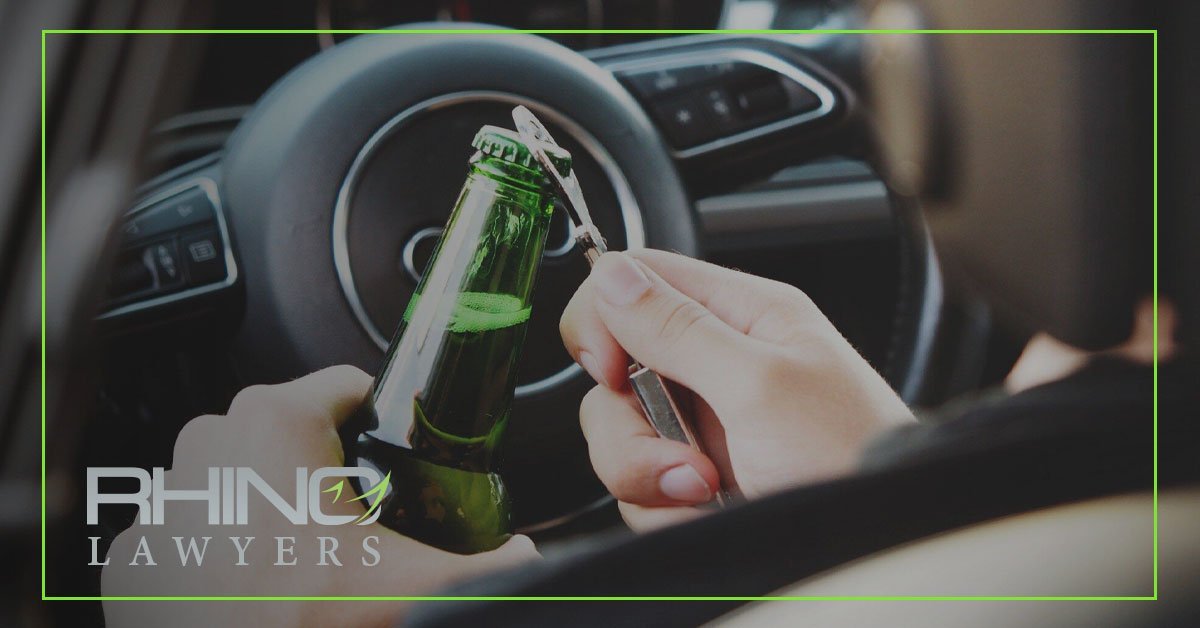
How Does the State of Florida Handle DUI Charges for Those Who Live in Other States?
It’s estimated that every day roughly thirty-seven people die from drunk driving accidents. This alarming statistic helps explain why state laws can be so hard on convicted drunk drivers.
Typically, DUI charges are fairly straightforward. However, there are some gray areas. One example is if you’re arrested for DUI in a state other than your home state.
If this occurred in Florida, you likely want to know how the Sunshine State handles DUI charges for those who live in other states. That’s why we made this guide. In it, we’ll break down everything you need to know about out-of-state DUI charges in the state of Florida.
What Constitutes a DUI in Florida?
In Florida, you can’t drive with a blood alcohol content of over .08%. However, it’s important to note that this limit only applies if you’re over the age of twenty-one.
If you’re below the age of twenty-one, then the limit is much smaller (.02%). If your BAC is less than .02% and you’re under the age of twenty-one, you likely won’t face many serious fines, besides some license suspensions and alcohol education programs.
Also, keep in mind that there might be additional DUI penalties for driving with a child in the car.
How Does Florida Handle Out-of-State DUI Charges?
Many people make the mistake of thinking that if you get a DUI in another state it won’t affect your driving record in your home state. Sadly, this isn’t true.
Like many states, Florida uses interstate compacts to treat any DUI like it occurred in your home state. The first of these compacts is the Non-Resident Violators Compact (aka NRVC).
This compact allows the free flow of information between different state traffic agencies. That means that if you get a DUI charge or any other traffic violations, the police will inform your home state’s DMV.
From there the DMV will take appropriate actions like suspending your license or other penalties. The other agreement that Florida uses to prosecute out-of-state DUIs is the Driver License Compact (aka DLC).
The DLC is quite similar to the NRVC. It requires any sanctions that happen in the state of Florida to be upheld in states that participate in the agreement.
Indeed, some states aren’t members of one of these agreements. For example, the following states don’t take part in the NRVC:
- Montana
- Alaska
- Michigan
- California
- Oregon
- Virginia
- Wisconsin
Similarly, Georgia, Tennessee, Massachusetts, Michigan, and Wisconsin don’t take part in the DLC. That being said, if you live in Wisconsin or Michigan, don’t think you’re off the hook.
The National Driver Register is a database that makes all police records shareable regardless of the state. So if you’re arrested in your home state, they’ll still see that you have a DUI.
Consequences of a DUI
One of the most common consequences of a DUI is the fines associated with it. The specific amount associated with the DUI will depend on circumstances like how many past DUIs you’ve had, how drunk you were, and the context of the charge.
On top of these expensive court fees, out-of-state DUI offenders will also need to worry about travel expenses. Often you’ll need to appear in the local Florida courts where you were charged.
That means that multiple court appearances can get quite expensive, especially if you need to fly. If you’ve had multiple DUIs, you likely could face jail time as well.
Another common consequence of DUI is a suspension of your driver’s license. In some cases, you might need to seek substance use treatment programs.
What Should You Do If Arrested for DUI?
If you’re charged with a DUI, you’ll likely be arrested. If this happens, you must invoke your constitutional right to remain silent. This will prevent you from saying something potentially incriminating.
In many cases, if you act respectfully, refuse a sobriety test, and remain silent, the officer might have a challenging time pinning a DUI charge on you. If you are taken to jail, you’ll most likely be allowed to post bail.
If you can’t afford bail, you can hire a bondsman to help you. Once you get out, one of the first things you should do is contact an attorney who focuses on DUI law.
This is especially important if you were arrested while visiting from out of state. DUI law can already be complicated, but it gets even more confusing when you reside in another state.
A professional can advise you on whether or not you’ll have a chance of beating the charge. If it’s not looking good, they’ll give you strategies to minimize any penalties that might come with the charge.
What to Look for In a Criminal Defense Attorney
As we mentioned in the last section, a DUI defense lawyer is an essential part of making this out-of-state process easier. First, we recommend hiring a local one in the city you were arrested.
For example, if you were arrested in Tampa, you should hire a Tampa lawyer. Once you have a few good options, schedule a consultation with them.
Ideally, if you reside out of state at this time, they’ll be able to meet with you virtually. During your consultation, you should make sure to ask these five questions.
These will give you a much better idea of whether or not the legal professional is the right fit for you. Once you find the right lawyer they’ll advise you on the next steps for your specific case.
DUI Charges in Florida? Get the Help you Need
We hope this guide helped you learn more about what happens when you’re arrested for DUI while being an out-of-state visitor. Here at RHINO Lawyers, we have plenty of experience with all types of DUI cases.
That means we can bring strategies that minimize your penalties or even get you off of the charge entirely. What’s more, we utilize a variety of modern-day communications to ensure that we can answer any questions you might have at any time.
So if you’re ready for the representation you deserve, schedule your free consultation with us today.
CONTACT TAMPA TRAFFIC TICKET ATTORNEY
RHINO Lawyers can help and guide you through a system molded by law enforcement, judges, and lawyers for decades. Having won cases for our clients in similar circumstances, our criminal defense team knows what it takes to fight on your behalf.
Let RHINO Lawyers answer your questions and review the facts of your case with a Free Consultation. So, get started by completing the “Free Instant Case Evaluation” or by calling us any time, day or night, at (844) RHINO-77.
Read More
Debunking Myths about Florida Auto Injury Cases
Have you recently heard that car accidents are on the decline? Car accidents declined around the country during the early months of the pandemic, but we’ve seen a steady increase ever since. In fact, Tampa car accident rates exceed the state average year after year.
Is it possible that you believe other myths about car accidents, too? Unfortunately, misinformation regarding car accident injuries and auto accident injury cases abounds.
If you were recently in a car accident in Florida, it’s time to learn the facts. Read on as we debunk the most common myths we encounter as Florida auto accident attorneys.
Myth 1: You Can File a Claim at Any Time After an Accident
Many insurance policies allow you to file a claim for things like damage or theft years after the incident occurred. As a result, car accident victims often assume the same grace period is granted to file an auto accident claim.
The reality is that the clock is ticking as soon as the accident happens. For the majority of car accident victims, the statute of limitations is two years, meaning that you have two years from the accident to file your claim against the at-fault driver. In rare cases, the state may allow two years to file your claim from the point you discover how serious your car accident injuries are.
Myth 2: You Can’t Sue If You Bear Blame
Some car accidents are cut and dry when it comes to determining fault. For example, if a driver runs a red light and hits another driver who has the right of way, the first driver is at fault. What if both drivers made mistakes that led to the accident?
Florida is a pure comparative negligence state. That means that you can still file a claim if you bear the blame, but your compensation will reflect your level of blame. For example, you can file a claim for 70% of your damages if you bear 30% of the blame for the accident.
Myth 3: It’s Easy to Represent Yourself in Civil Cases
The civil court oversees cases involving financial compensation. The criminal court oversees cases involving crimes that are punishable by law (i.e., could result in jail time or other forms of punishment). One common myth is that civil cases are less serious and that plaintiffs can easily represent themselves.
The reality is that while the standards are different in civil claims, it still takes legal expertise to create an airtight case. You should always consult and hire an attorney before filing your claim.
Myth 4: Legal Fees Consume Compensation
Putting together auto accident injury cases takes expertise, as we mentioned already. It also takes time. Even if it were simple to file a car accident claim and receive due compensation, most plaintiffs would not want to put their entire lives on hold to do so.
Yet, many still consider the option, in part because they assume attorney fees will eat up their compensation. Different law firms have different payment models, but many will only take a moderate percentage of your compensation. At RHINO Lawyers, we only get paid if you get paid, and we never charge hidden fees.
Myth 5: You Can Only Recover Medical Expenses
Common types of auto accident injuries include whiplash, broken bones, head trauma, sprains, strains, and internal injuries. These injuries not only change auto accident victims’ lives but also create serious financial strain. As a result, medical expenses are a focal point of the compensation victims can fight for.
However, they’re not the only damages included in an auto accident claim. You can also sue for lost wages and property damage as well as intangible damages like pain and suffering. An experienced auto accident attorney can calculate your damages and argue for the maximum compensation possible.
Myth 6: Car Accident Claims Cause Bankruptcy for Defendants
After sustaining car accident injuries, you’re facing financial losses you weren’t prepared for. It’s reasonable that you wouldn’t want to put someone else through that. In fact, many people don’t file car accident claims because they feel uncomfortable with the thought of bankrupting the other driver.
It’s important to understand that in the vast majority of cases, the defendant won’t be compensating the plaintiff out of pocket. State law requires drivers to have insurance for things like property damage and personal injuries. In a sense, the defendant is the other driver’s insurance company, not the other driver.
Myth 7: There’s No Recourse If the Other Driver Is Uninsured
Though state law requires Florida drivers to carry active car insurance, the reality is that many don’t. Given what we’ve just said about who pays in a car accident claim, it’s unsurprising that victims often assume they can’t expect compensation from an uninsured driver.
Florida’s car accident laws can get a bit confusing because we’re technically a no-fault state. That means that for smaller sums of money, drivers receive compensation from their insurance regardless of fault, and only need to sue if the damages exceed their coverage. However, you may also have Uninsured Motorist coverage for these exact situations.
Myth 8: Any Lawyer You Know Can File Your Claim
Maybe you have a neighbor, relative, or friend from college who practices law. Could you call them up and ask them to file your auto accident claim for you? The short answer is yes, but it’s not a good idea unless they have years of dedicated experience in personal injury law.
Personal injury laws vary from state to state and can change from year to year. Lawyers who work in other areas of the law won’t be able to provide the insight you need to fight and win your case.
Florida Auto Injury Cases – Call RHINO Lawyers
Are you the victim of a car accident in Florida? Did you sustain serious life-altering injuries and other sources of financial strain? If so, leave the car accident claim myths in the past and call RHINO Lawyers.
Our attorneys have years of experience representing thousands of clients in cases just like yours in and around Tampa. With our track record and pricing model, we live by our value of changing lives. Start your free case consultation today.
CONTACT A TAMPA AUTO ACCIDENT ATTORNEY
In short, after a car accident, you may not know your rights. Above all, don’t struggle through the process alone. Actually, our personal injury team is here to help you with any legal needs you might have regarding your accident.
Lastly, let RHINO Lawyers answer your questions and review the facts of your case with a Free Consultation. So, get started by completing the “Free Instant Case Evaluation” or by calling us any time, day or night, at 844.RHINO.77.
Read More
What to Know About DUI in Polk County
Are you in the unexpected and unsettling position of facing a DUI charge in Polk County? It’s a situation that can instantly turn your life upside down.
With strict Florida DUI laws to contend with, understanding your legal standing and the options available to you is crucial.
This guide aims to arm you with the knowledge needed to navigate through a DUI charge, including how to beat a DUI with the aid of an experienced lawyer.
Understanding DUI in Polk County
A DUI charge in Polk County is not just a minor inconvenience-it’s a significant legal issue that can have profound implications on your life.
Florida’s DUI laws are among the toughest in the nation, meaning that even a first-time offense can lead to severe penalties, including fines, license suspension, and even incarceration.
Mounting a solid DUI defense is paramount when facing a charge in Polk County. The nuances of your case, from the circumstances of your stop to the procedures followed during your arrest, play a critical role in shaping your defense strategy. An adept DUI attorney can scrutinize every detail of your case to identify the best course of action.
The Broader Consequences of a DUI Charge
The impact of a DUI conviction extends far beyond the courtroom. It can cast a long shadow over various facets of your life.
This unwelcome intrusion can significantly affect your daily routine, starting with the fundamental ability to drive. Losing your driving privileges can disrupt your day-to-day activities, from commuting to work to fulfilling family responsibilities. This affects your independence and quality of life.
After a DUI, your career prospects might take a hit as well. Certain professions, especially those requiring a clean driving record or involving the operation of vehicles, may become inaccessible.
A conviction can also trigger job loss or hinder future employment opportunities, as employers often conduct background checks that reveal such records.
The personal toll is equally heavy, affecting relationships and social standing. The stigma associated with a DUI conviction can strain personal relationships, leading to isolation and impacting your mental and emotional well-being. Friends and family may view you differently, and the public record of your conviction can tarnish your reputation in the community.
Finally, the financial implications of a DUI are far-reaching. From hefty fines and legal fees to increased insurance premiums and the potential loss of income due to job complications, the economic burden can be substantial and enduring.
Possible Defenses for a DUI
Navigating a DUI charge requires more than just understanding the law. It requires a strategic approach to defense. The legal landscape of DUI cases in Florida is complex, and various factors can influence the outcome of a case.
Improper Stop
Now, an improper stop defense argues that the officer did not have a valid reason. Like probable cause, to make the initial traffic stop. If the stop was unlawful, they can deem any evidence gathered inadmissible in court.
Inaccuracy of Sobriety Testing
Field sobriety tests (FSTs) are subject to human error and can be unreliable. The defense may question the conditions under which the tests were administered or the officer’s interpretation of the results.
Breathalyzer Test Errors
Next, they must calibrate breathalyzer devices. And, maintain them properly to provide accurate readings. Thus, defense strategies can include questioning the device’s accuracy. As well as, the administration of the test, or if they followed proper procedure.
Blood Test Contamination or Mishandling
In cases where blood tests are administered, the defense can challenge the sample’s handling, storage, and analysis. Contamination, fermentation, or improper storage can skew results.
Medical Conditions
Certain medical conditions can interfere with DUI testing and mimic signs of intoxication or cause a false positive on a breathalyzer test. Conditions such as GERD, acid reflux, or diabetes might be used as part of the defense.
Chain of Custody Issues
The defense can question the chain of custody of a blood sample or other evidence. It may be considered compromised if there are gaps or inconsistencies in how evidence was handled.
Involuntary Intoxication
If the defendant was intoxicated without their knowledge, such as through the unintentional ingestion of alcohol or drugs, an involuntary intoxication defense may be used.
Each defense strategy has its own set of challenges and requires a detailed examination of the facts and evidence in the case. An experienced DUI defense attorney can assess the best approach based on the specifics of the charge and the evidence at hand.
How to Beat a DUI with the Right Legal Help
The cornerstone of your defense in a DUI case is the attorney you choose to represent you.
Finding a lawyer who is not only experienced in DUI defense but also familiar with Polk County’s legal system is crucial. This expertise can be the difference between a conviction and a more favorable outcome.
Choosing the Right Attorney
The process of selecting an attorney should be undertaken with care. Look for legal professionals who focus on DUI cases and are highly recommended.
Scheduling consultations with potential attorneys allows you to discuss your case and gauge whether their approach aligns with your needs and expectations.
During these consultations, it’s essential to ask about the attorney’s experience with DUI cases, particularly those similar to yours. Understanding their strategy and how they plan to defend you can provide peace of mind and confidence in their ability to represent you effectively.
Engaging with a DUI attorney is just one step in managing your DUI charge. Educating yourself about DUI laws, participating in DUI education programs, and connecting with support networks can also play valuable roles in your defense and personal growth.
Facing Your DUI Charge With Confidence
Facing a DUI charge in Polk County is challenging, but it’s not insurmountable. You can confidently navigate this difficult time with the right knowledge, a solid defense strategy, and a skilled attorney’s support.
It’s important to remember that a charge is not a conviction, and with the right approach, you can learn how to beat a DUI with confidence.
If you’re dealing with a DUI charge in Polk County, you don’t have to face it alone. Our team of experienced attorneys is ready to help you understand your legal options and build a strong defense. Contact us today to schedule a consultation.
CONTACT TAMPA TRAFFIC TICKET ATTORNEY
RHINO Lawyers can help and guide you through a system molded by law enforcement, judges, and lawyers for decades. Having won cases for our clients in similar circumstances, our criminal defense team knows what it takes to fight on your behalf.
Let RHINO Lawyers answer your questions and review the facts of your case with a Free Consultation. So, get started by completing the “Free Instant Case Evaluation” or by calling us any time, day or night, at (844) RHINO-77.
Read More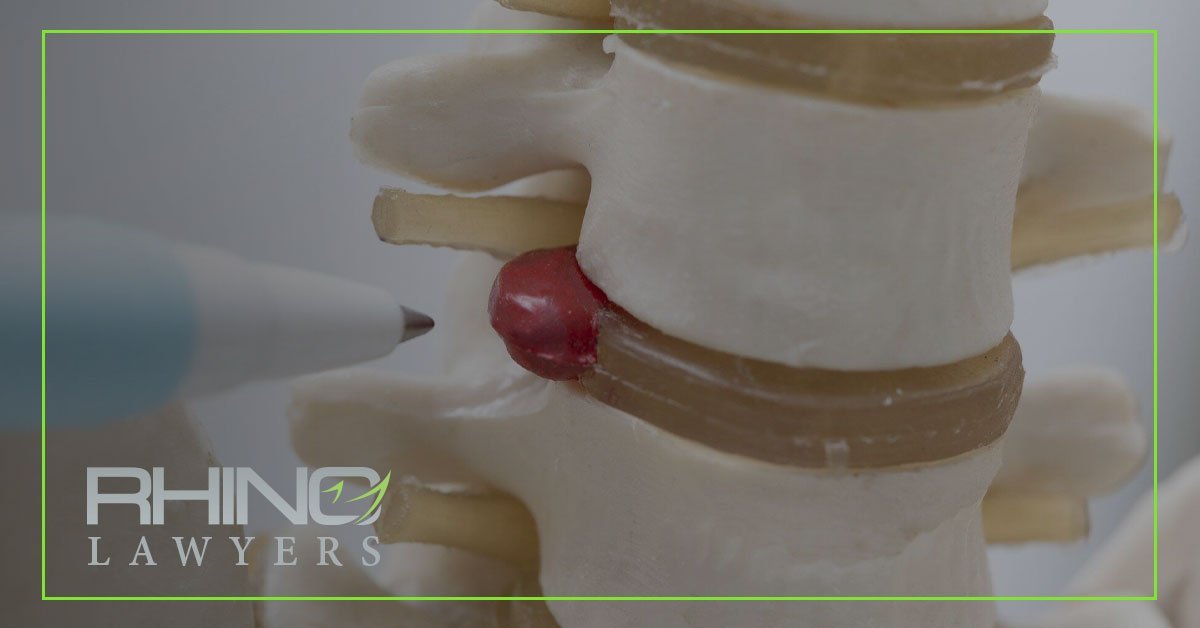
Why Are Herniated Discs Common After an Auto Accident?
Have you or someone you know been involved in a car accident that led to a herniated disc?
A herniated disc from a car accident can cause severe back pain, numbness, and even disability, impacting your daily life. However, with the right treatment and legal support, you can recover and ensure you’re compensated for your injuries and losses.
This guide will realign your priorities. Here, we’ll explain how to protect your health and rights by consulting with an injury attorney today for peace of mind and secure recovery.
Read on to learn more.
Understanding a Herniated Disc Injury
Before we explore herniated discs as a car accident injury, we must first understand the nature of these rehabilitating back injuries.
What Defines a Herniated Disk?
A herniated disc occurs when there’s a tear in the outer layer of a disk in the spine, allowing the inner gel-like substance to bulge out. This condition can lead to discomfort and nerve irritation.
Symptoms and Detection
Those with a herniated disc may experience symptoms ranging from mild to severe back problems. Common signs include back pain, numbness, and weakness in the affected area. Diagnosing this condition involves clinical evaluation and imaging tests like MRI or CT scans.
Risk Factors and Prevention
Several factors contribute to the development of herniated disks, such as age, lifestyle, and physical strain. Preventative measures include maintaining a healthy weight, practicing good posture, and incorporating regular exercise into one’s routine. While it’s impossible to predict a herniated disc from a car accident, these measures can help reduce the risk factor.
Disk Herniation Mechanics
Following a car accident injury, the intervertebral discs may be forced out of their normal alignment. This displacement, commonly known as disc herniation, occurs when the disc’s soft, gel-like center, the nucleus pulposus, ruptures through its tougher, outer ring, the annulus fibrosus.
Lumbar Impact
The lumbar region, or lower back, is particularly vulnerable to such injuries for several reasons. First, it carries the majority of the body’s weight, making it a focal point for force distribution during an accident.
Second, the lumbar spine has a significant range of motion, including flexion, extension, and lateral movement. This exposes it to a higher risk of twisting or bending excessively under sudden forces.
Additionally, the lumbar spine’s anatomical structure, with larger and more flexible intervertebral discs compared to other spinal regions, makes it more susceptible to herniation under extreme stress.
Nerve Issues
When a disc herniates, it can press against the spinal nerves, leading to pain, numbness, or weakness in the lower back and legs. This condition is often referred to as sciatica when it affects the sciatic nerve, which extends from the lower back down to the legs. The severity of the symptoms can vary, depending on the extent of the herniation and the specific nerves involved.
Preventative Measures and Treatment Options
While it’s challenging to prevent herniated discs from auto accidents entirely, wearing seat belts and ensuring proper vehicle maintenance can mitigate risks. Post-accident, treatment options range from physical therapy and medication to more invasive procedures like surgery, depending on the herniation’s severity.
Herniated Disc Recovery and Rehabilitation
Recovery from a herniated disc caused by an auto accident can be a prolonged process. It often involves a combination of rest, physical therapy, and, in some cases, surgical intervention. The goal is to alleviate pain and restore mobility, enabling the individual to return to their daily activities.
By understanding the mechanisms behind this injury and following a comprehensive treatment plan, individuals can achieve a significant improvement in their quality of life post-accident.
The Importance of Hiring a Lawyer
Navigating the aftermath of a car accident can be overwhelming, especially when it results in a herniated disc. The legal and medical complexities make it imperative to seek professional help. Here’s why hiring a lawyer is a crucial step in your recovery and claim process:
1. Maximize Your Compensation
An experienced attorney knows how to accurately assess the full extent of your damages, including medical expenses, lost wages, and pain and suffering.
Their expertise ensures you receive the maximum compensation possible, rather than settling for the initial offer from insurance companies, which often falls short of covering all your needs.
2. Navigate Legal Complexities With Ease
Personal injury law is complex and varies significantly between jurisdictions. A skilled lawyer will navigate these legal waters, ensuring compliance with all procedural requirements and deadlines. This expertise is invaluable in building a strong case for compensation.
3. Savvy Negotiation Skills
Insurance companies are adept at minimizing payouts. A lawyer, armed with knowledge and negotiation skills, levels the playing field. They will negotiate on your behalf, using evidence and legal arguments to counter lowball offers, increasing the likelihood of a favorable settlement.
4. No Upfront Costs
Most personal injury lawyers work on a contingency fee basis, meaning they only get paid if you win your case. This arrangement allows you to pursue your claim without worrying about upfront legal fees, ensuring that your lawyer is motivated to secure the best possible outcome.
5. Peace of Mind
Dealing with a herniated disc is stressful enough without the added burden of legal battles. Hiring a lawyer provides peace of mind, knowing that an experienced professional is handling your case, allowing you to focus on recovery.
From maximizing your compensation to providing peace of mind, the right legal representation is invaluable. Ensure your rights are protected and give yourself the best chance at a full recovery by seeking professional legal assistance.
Herniated Disc From a Car Accident: What Next?
To sum up, if you have a herniated disc from a car accident, it’s very important to understand what you’re facing and to get the right help.
RHINO Lawyers is here for you. We have a wealth of experience and we always put our clients first. We will fight for you to get the compensation you need and deserve.
Don’t try to handle this alone. Contact RHINO Lawyers today for a consultation. We’re ready to help you through this tough time with our knowledge and support.
CONTACT A TAMPA AUTO ACCIDENT ATTORNEY
In short, after a car accident, you may not know your rights. Above all, don’t struggle through the process alone. Actually, our personal injury team is here to help you with any legal needs you might have regarding your accident.
Lastly, let RHINO Lawyers answer your questions and review the facts of your case with a Free Consultation. So, get started by completing the “Free Instant Case Evaluation” or by calling us any time, day or night, at 844.RHINO.77.
Read More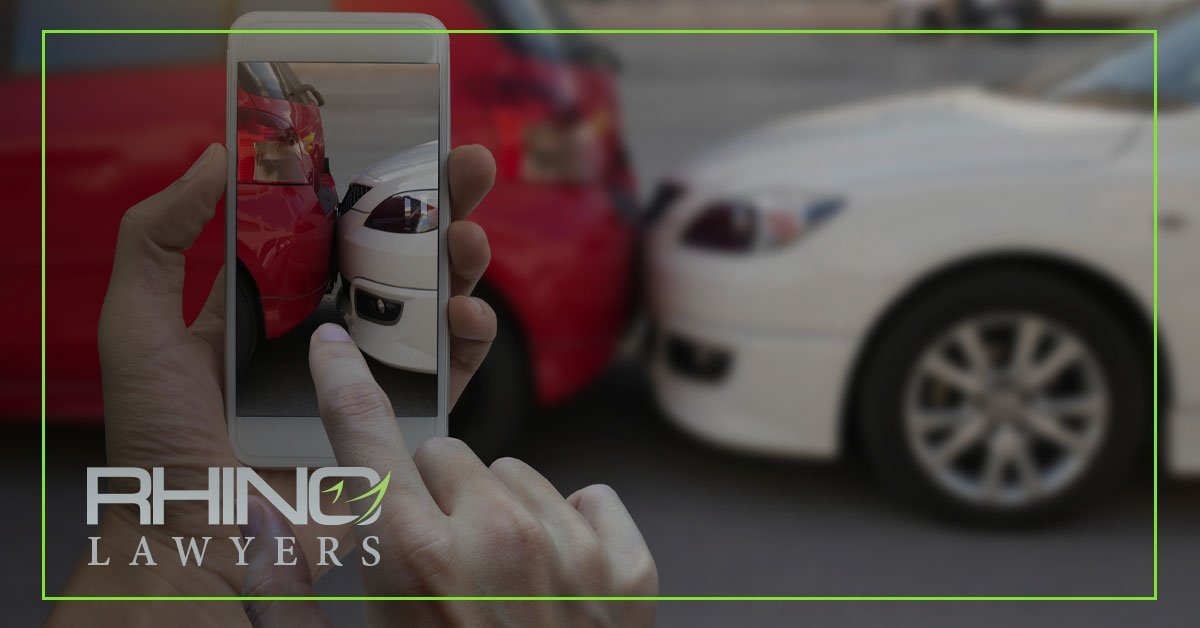
It Was Not My Fault. Do I Need an Attorney?
According to new data, the US sees a shocking 6 million car accidents per year.
Navigating the aftermath of a car accident is a daunting task, especially if it wasn’t your fault. The complexities of legal and insurance processes can be overwhelming, leading many to wonder about the necessity of legal representation.
That’s where our helpful guide comes in. Here, we’ll explain how to find the best car accident lawyer in Florida.
If you’ve been injured in a car accident, read on to learn more.
Determining Fault: The Basics
Determining who is at fault in a car accident is a detailed process that requires careful consideration of evidence, witness statements, and legal principles. Let’s take a look at some key factors:
1. Evidence Gathering at the Scene
Immediately following an accident, the evidence collected at the scene lays the groundwork for fault determination. Photographs of the vehicles’ positions, skid marks, and road conditions contribute to understanding the event’s dynamics. Additionally, traffic cameras or surveillance footage from nearby establishments can offer an unbiased view of the incident.
2. The Role of Police Reports
Police officers responding to the scene play a vital role in fault determination. Their reports often include a diagram of the accident, statements from drivers and witnesses, and the officer’s assessment of the accident’s cause. Insurance companies heavily weigh these reports when assessing fault.
3. Witness Statements
Witnesses can provide objective accounts of the accident, offering perspectives that the drivers involved may not see or admit to. Their testimonies can confirm or contradict the evidence found at the scene and are invaluable in cases where the cause of the accident is not immediately clear.
The determination of fault is crucial because it affects insurance claims, liability, and financial responsibility for damages and injuries resulting from the accident. Each case is unique, and the process can vary based on the specifics of the accident.
Do I Need an Auto Accident Lawyer?
The common belief that victims can handle legal and insurance matters on their own is a misconception.
The reality involves dealing with intricate legal nuances and insurance company strategies aimed at minimizing payouts. In such scenarios, a proficient car accident lawyer becomes invaluable. They possess the expertise required to navigate these complexities and advocate on your behalf effectively.
Plus, an auto accident lawyer provides essential services that go beyond mere representation. For instance, they will help decode the legal jargon. Ensuring the insurance companies or the at-fault driver will not take advantage of you.
With their knowledge and experience, lawyers can anticipate potential pitfalls and take proactive steps to avoid them, guaranteeing your rights are always at the forefront.
Finding the Best Car Accident Lawyer
Finding the right attorney for your case requires thorough research and diligence. Here are a few key qualities:
1. Expertise in Traffic Law
An adept auto accident attorney boasts extensive knowledge in traffic law. Their expertise enables them to navigate the complexities of your case with precision. Look for a professional with a proven track record of handling similar cases successfully.
2. Commitment to Client Success
A dedicated lawyer prioritizes your well-being and strives for the optimal outcome. This commitment is evident through their proactive communication, providing updates and guiding you through each step of the legal process.
3. Analytical Skills
A lawyer with sharp analytical skills can dissect case details, meticulously crafting a robust strategy. Their ability to interpret law and evidence plays a crucial role in the success of your case.
Selecting a traffic collision lawyer with these qualities ensures a strong representation, enhancing your chances of a favorable resolution.
Protecting Your Interests
A seasoned car accident lawyer can help in several key areas. They navigate the complexities of insurance claims, engaging in negotiations to ensure you are fairly compensated. Their legal expertise and representation are vital, from gathering evidence to potentially representing you in court.
Moreover, experienced lawyers have the skills to accurately quantify all damages, including medical expenses, lost wages, and pain and suffering, aiming to secure the maximum possible settlement for you.
The involvement of a car accident lawyer ensures that every aspect of your case is meticulously handled. They play a crucial role in leveling the playing field against insurance companies and the legal teams of at-fault parties.
By having an attorney by your side, you can focus on your recovery, knowing that your legal interests are being aggressively pursued.
Working With a Car Accident Lawyer
Once you decide to hire a car accident lawyer, they will begin by conducting a thorough review of your case. This includes investigating the accident, gathering evidence, and identifying all potential compensation sources. They aim to build a strong case on your behalf for negotiations with insurance companies or for presentation in court.
The process involves open and continuous communication between you and your attorney. They will keep you informed at every step. This ensures that you understand the strategies being employed and the progress of your case. This collaborative approach is key to building a compelling case and achieving a favorable outcome.
Why Immediate Legal Consultation Is Crucial
Following a car accident, it is crucial to seek legal consultation without delay. Florida law sets specific deadlines for filing claims, highlighting the importance of prompt action.
Consult with a car accident lawyer early to ensure your rights are protected from the outset. As well as you are in a favorable position as your case advances.
Delaying legal consultation can jeopardize your ability to claim compensation. It is in your best interest to act swiftly to preserve evidence, secure witness statements, and begin the legal process. This proactive approach significantly enhances your chances of a successful resolution.
Finding the Best Car Accident Lawyer in Florida Made Simple
If you’re not at fault in a car accident in Florida, the question isn’t whether you need representation. Rather, it’s about how quickly you can secure the best car accident lawyer in Florida.
Remember, in the realm of car accidents, having legal expertise is essential for fully protecting your rights.
If you’ve been involved in a car accident in Florida, don’t wait to seek legal representation. Contact us today. Our experienced team is on hand to help you get the justice you deserve.
CONTACT A TAMPA AUTO ACCIDENT ATTORNEY
In short, after a car accident, you may not know your rights. Above all, don’t struggle through the process alone. Actually, our personal injury team is here to help you with any legal needs you might have regarding your accident.
Lastly, let RHINO Lawyers answer your questions and review the facts of your case with a Free Consultation. So, get started by completing the “Free Instant Case Evaluation” or by calling us any time, day or night, at 844.RHINO.77.
Read More