

MOTORCYCLE INSURANCE
Check your motorcycle insurance before riding this spring. With perfect riding weather on the way if you own a motorcycle you’ll want to ride. Incidentally, even a skilled motorcycle rider can succumb to the dangers of the road.
For a motorcyclist, road dangers are more than potholes, loose sand, and gravel. Additionally, they must contend with the actions of other motorists. Let alone, whether they have insurance or sufficient motorcycle coverage. Thus, checking your insurance policy is important.
Florida And Motorcycle Insurance
Florida motorcycle insurance laws baffle and mislead some people. Under the Florida no-fault law motorcycles are not considered motor vehicles. Because of this, motorcyclists are not required to carry Personal Injury Protection (PIP) or Bodily Injury (BI) coverage.
However, Florida does require riders to wear helmets. Unless the rider is over the age of 21. Then they must have a Financial Responsibility Certificate, $10,000 in medical insurance, or liability insurance.
coverage options for Motorcyclists
Although, these are optional for motorcyclists. Having them would help protect you after a motorcycle accident. Considering, a night in the hospital could run well over $25,000. You don’t want to rely on the other motorist.
In some cases, an uninsured or underinsured driver is at-fault for the accident. That’s when your policy might pay for losses and injuries. Consider these standard insurance options.
- Collision – This coverage will pay for damages to your motorcycle.
- Comprehensive Coverage – will pay for damages to your motorcycle caused by something other than an accident. It will also pay for stolen bikes.
- MedPay – This is a provision that drivers can get on their own policy. It will pay for medical bills regardless of who is at fault or injured. So long as the accident involved the insured or their vehicle.
- Personal Injury Protection (PIP) – This works like MedPay. But it pays medical bills and other damages like pain and suffering and loss of wages. It also pays out regardless of the injured party or at-fault. So long as the accident involved the insured or their vehicle. Motorcycle PIP is not regulated by Florida law so you will need to review all terms of the contract.
- Uninsured/Underinsured (UM/UIM) – Most insurance policies have uninsured/underinsured provisions. These will cover all your personal injury damages from underinsured or uninsured drivers. Motorcyclists should stack UM coverage on their auto insurance. Because it will always cover injuries sustained while riding a motorcycle.
In Florida, the law doesn’t require that a driver have UM/UIM. Yet, many people carry that as protection against those with no or little insurance. If a driver has any of these provisions, then they can collect against their own insurance company for their losses.
CONTACT A TAMPA MOTORCYCLE ACCIDENT ATTORNEY
After a motorcycle accident, you may not know your rights. Don’t struggle through the process alone. Our personal injury team is here to help you with any legal needs you might have regarding your accident.
Let RHINO Lawyers answer your questions and review the facts of your case with a Free Consultation. Get started by completing the “Free Instant Case Evaluation” or by calling us any time, day or night, at 844.329.3491.
Read More
MOTORCYCLE SAFETY TIPS FOR SPRING
Think motorcycle safety this spring. Although motorcyclists can ride throughout the year in Florida, we still get an increase of motorcycles on the road in the spring. This is due to the beautiful weather and the influx of people visiting the state.
With so many people riding motorcycles the risk of accidents rises. In fact, the National Safety Council states 14% of all traffic deaths are motorcyclists. Consequently, this makes sense due to motorcyclists being less visible to other motorists and not having a steal chaise protecting them.
Yet, we can all help improve the safety of motorcyclists this spring by following some basic safety rules.
Tips for The Motorcyclist
The National Highway Traffic Safety Administration (NHTSA) and the Motorcycle Safety Foundation (MSF) recommend these safety tips:
- Safety Course – Whether your state requires a course or not to receive your license take it. Because all motorcyclists can benefit from a motorcycle safety course. At any rate, they will teach you important motorcycle traffic laws and how to handle emergencies.
- Wear a helmet – Considering, the leading cause of death in a motorcycle accident comes from head injuries. Wearing a DOT-approved helmet is one of the best ways to protect your head while riding.
- Other protective gear – Protecting your head is not the only thing you should worry about protecting. A motorcyclist should always wear protective clothing like a jacket, pants, gloves, and sturdy shoes. Wearing bright colors or clothing with reflective strips will also help improve your visibility to other motorists.
- Pre-ride maintenance check – Before you ride always give your motorcycle a once over. Check for fluid leaks, fluid levels, tire pressure, all lights, chain, and brakes.
- Road Awareness – As a motorcyclist, you should pay close attention to road conditions. Slippery roads can be very dangerous for motorcycle riders. Try to anticipate the actions of other drivers and watch for road hazards like potholes and loose sand.
Safety Tips for MOTORISTS
Motorcycle safety does not start and end with the motorcyclist. By the same token, all motorists can take precautions while sharing the road with motorcyclists. These safety tips could help keep our roads safe.
- Watch the road – Motorcycles are small and easily overlooked. Therefore, you should avoid distracted driving. Put your cell phone down so you are not talking or texting while driving. Because taking your hands and eyes off the road puts you at risk of an accident.
- Keep safe distance – It is important to always keep a safe distance between you and a motorcyclist on the road. Incidentally, motorcycle riders occasionally need to slow their speed or move within the lane to avoid hazards on the road. Maintaining a safe distance will help avert a rear-end collision with a motorcyclist.
- Yielding – Treat motorcycles the same as other vehicles on the road and yield to approaching motorcycles. Many motorcycle accidents occur when a car turns in front of them.
- Blindspot awareness – First of all, all cars have blind spots. Remembering to check your mirrors and look over your shoulder before changing lanes. It could be the difference between you hitting or not hitting a biker.
CONTACT A TAMPA MOTORCYCLE ACCIDENT ATTORNEY
After a motorcycle accident, you may not know your rights. Don’t struggle through the process alone. Our personal injury team is here to help you with any legal needs you might have regarding your accident.
Let RHINO Lawyers answer your questions and review the facts of your case with a Free Consultation. Get started by completing the “Free Instant Case Evaluation” or by calling us any time, day or night, at 844.329.3491.
Read More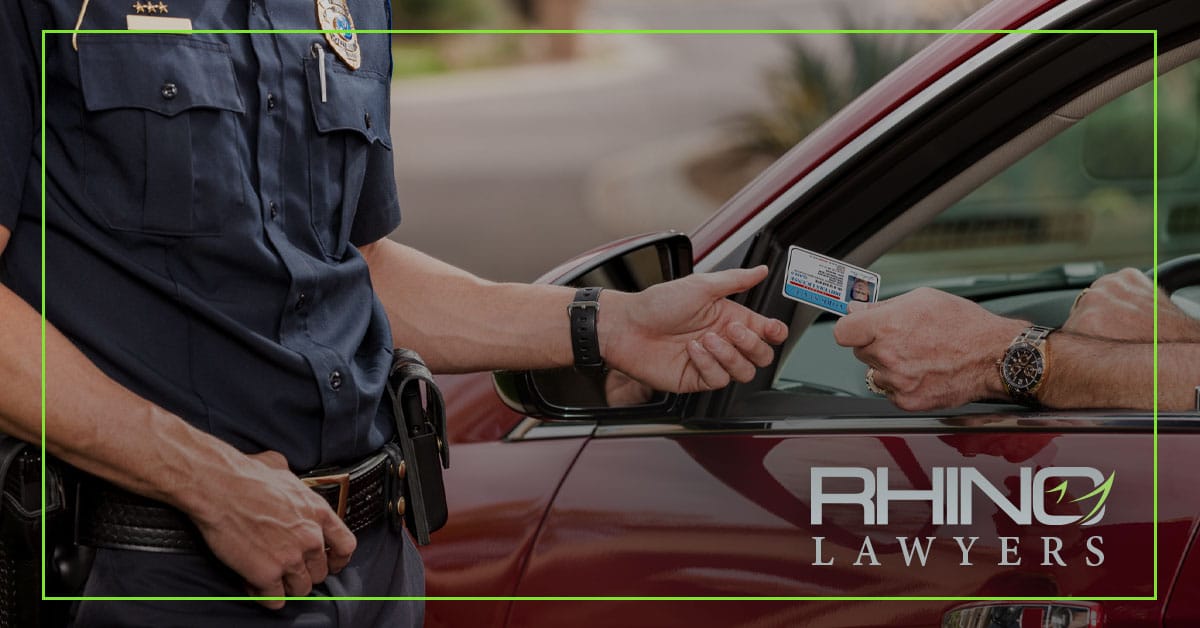
HOW LONG DO POINTS LAST ON YOUR LICENSE
Have you ever wondered how long the points stay on your license? To start with, you accumulate points on your license due to traffic violations. Unfortunately, these points will always remain on your record.
However, the points only count against you for three years. Incidentally, these will continue to collect on your license so the state can track and enforce penalties. Because you could have your license suspended if you accumulate too many points.
Points From Traffic Violations
Considering, you receive points on your license from traffic violations. It is important to know and understand the common traffic violations. It will help you to avoid getting points on your license. Florida’s common traffic violations include:
| VIOLATION | POINTS |
| Moving violations (non-speeding, no accident) | 3 Points |
| Speeding up to 15 mph over the posted speed | 3 Points |
| Littering | 3 Points |
| Violation of child restraint laws | 3 Points |
| Driving with an open container in your vehicle | 3 Points |
| Speeding more than 15 mph over the posted speed | 4 Points |
| Passing a stopped school bus | 4 Points |
| Moving violation (non-speeding) resulting in a crash | 4 Points |
| Reckless driving (criminal traffic violation) | 4 Points |
| Illegally passing a stopped school bus | 4 Points |
| Unlawful speed resulting in a crash | 6 Points |
| Leaving scene of crash with damage greater than $50 | 6 Points |
Long-Term Consequences From Points
Receiving points on your license result in long-term consequences. In fact, your insurance rates will increase for at least three years after a citation. Not to mention, too many points over time will result in a suspension of your driving privileges.
| POINTS | SUSPENSION |
| 12 points within 12 months | 30-day suspension |
| 18 points within 18 months | Three-month suspension |
| 24 points within 36 months | One-year suspension |
In addition, the state will revoke your license if you receive 3 major offenses or 15 minor violations in a 5-year period. Unfortunately, this many points on your license also earns you the title “habitual traffic offender (HTO).”
Removing Points from license
Luckily, you have options, so you do not accumulate points on your license. First, with some moving violations, you can go to traffic school to avoid points on your license. Actually, attending traffic school will not only keep points off your license, it will keep your insurance rate from going up.
Secondly, you can fight the ticket to keep points off your license. With this option, you would need to win your case in court to keep the points off. However, if the court finds you guilty, you will accrue the points on your license, pay any fines, and court fees. So, if you plan to fight your ticket, you should hire an attorney to represent you.
CONTACT TAMPA TRAFFIC TICKET ATTORNEY
RHINO Lawyers can help and guide you through a system molded by law enforcement, judges, and lawyers for decades. Having won cases for our clients in similar circumstances, our criminal defense team knows what it takes to fight on your behalf.
Let RHINO Lawyers answer your questions and review the facts of your case with a Free Consultation. Get started by completing the “Free Instant Case Evaluation” or by calling us any time, day or night, at 844.329.3491.
Read More
CAR RENTAL INSURANCE: WHAT TO KNOW
What do you know about car rental insurance? If you have rented a car in the past you know it is an upcharge from the rental company. Yet, they require you to have insurance on your rental car and it’s important in case of an accident.
With spring around the corner, there will be more people traveling and renting cars. It is important to know your options when you get to the rental car counter.
Car Rental Insurance Options
First, every car rental company has insurance options available. Typically, you will have four types of coverage to choose from before you rent the car. These options include:
- Collision damage waiver (CDW) – Protects the renter from financial responsibility for damage from an accident, theft, and fees from loss of use.
- Liability protection – covers the renter for damages to other vehicles or property. Also, protects against lawsuits.
- Personal accident insurance – This insurance covers medical costs for you and your passengers if you are in an accident.
- Personal effects coverage – If someone breaks into the car it will reimburse you for items stolen from inside the rental car.
Alternate Coverage and Insurance
Incidentally, the coverage offered by the car rental companies can be costly. Especially, if you did not include this extra charge in your trip budget. Before purchasing all or some of these insurance options you should check into coverage may already have.
More specifically, you should review your auto insurance and coverage your credit card offers when renting a car.
- Personal Auto Insurance – You can start by checking your policy by calling your insurance company or you can check online. Most policies cover you when you rent a car. Provided that, you are not using it for business or traveling outside the US.
- Credit Card Coverage – A lot of major credits cards will cover damage to a rental car or even theft. However, coverages may vary so it is important to check with your credit card company to verify coverage.
Liability IN RENTAL CAR ACCIDENT
How does liability work if you have an accident in your rental car? Luckily, liability is the same as an accident in your own personal car. Basically, you are liable for damages if you cause an accident with another driver. This is where your personal coverage or coverage purchased through the car rental company comes into play.
Typically, if you are not at-fault for the accident then the negligent party will be liable. However, with most rental car agreements you are still responsible for damages to the vehicle. In this case, an auto accident attorney like RHINO Lawyers can help with your claim.
CONTACT TAMPA AUTO ACCIDENT ATTORNEY
After a car accident, you may not know your rights. Don’t struggle through the process alone. Our personal injury team is here to help you with any legal needs you might have regarding your accident.
Let RHINO Lawyers answer your questions and review the facts of your case with a Free Consultation. Get started by completing the “Free Instant Case Evaluation” or by calling us any time, day or night, at 844.329.3491.
Read More
DROWSY DRIVING
There are countless causes for car accidents but the cause that usually flies under the radar is drowsy driving. Driving while drowsy or fatigued can be very dangerous with deadly consequences. Yet, a poll conducted by the National Sleep Foundation found 60% of drivers admitted to driving drowsy.
Florida has designated the first week of September as “Drowsy Driving Prevention Week.” Though, it is always good to get reminders throughout the year of its dangers. Here are things you may not know about driving while drowsy.
Effects of Drowsiness
Driving when you’re tired produces effects similar to the effects of alcohol. In fact, the National Sleep Foundation found driving after being awake for 18 straight hours has effects equal to a .05 BAC. Considering, the BAC limit in Florida is .08% or more you want to avoid driving without sleep.
Here are a few effects of tiredness fatigue.
- Your reaction time is slowed
- Vision and judgment
- Impaired senses
- Nodding off or falling asleep
drowsy driving Warning Signs
Everyone should know when they feel tired and need rest. However, we sometimes ignore the signs of fatigue and drowsiness. These are some signs your body needs to rest:
- Your eyes get heavy or you have a hard time focusing
- Mind-wandering or daydreaming
- can’t remember the last few miles or you miss exits
- Yawning
- Drifting in your lane or hitting a shoulder rumble strip
Drowsy Driving Prevention Tips
While getting a complete night’s rest is the best way to prevent driving drowsy, there are other steps you can take. We put together some tips to help you avoid driving drowsy.
- Do not drive after taking medication that causes drowsiness. Check the label of the medicine so you do not drive impaired.
- Take breaks every few hours on long trips and alternate drivers.
- Coffee or caffeine can help with alertness for short periods.
- Try not to drive during the hours you normally sleep.
- On long road trips use rest areas. These are perfect for taking a break from the road.
- Before starting your trip rest up. Especially, if you have been up for an extended period of time like 24 hours.
CONTACT TAMPA AUTO ACCIDENT ATTORNEY
After a car accident, you may not know your rights. Don’t struggle through the process alone. Our personal injury team is here to help you with any legal needs you might have regarding your accident.
Let RHINO Lawyers answer your questions and review the facts of your case with a Free Consultation. Get started by completing the “Free Instant Case Evaluation” or by calling us any time, day or night, at 844.329.3491.
Read More
HAPPY VALENTINE’S DAY
Happy Valentine’s Day and thank you for choosing us! Even though we are not part of your family, we want you to know that you are part of our family at RHINO Lawyers, and we are grateful for your business. Hopefully, this note finds you well on this special day. Enjoy your time with your loved ones.
Here is a delicious cupcake recipe to enjoy with the ones you love. As always, let us know if there is anything, we can do for you, and we’ll be happy to help.
valentine’s day red velvet cupcakes
by pinkspoonula | Courtesy: Allrecipes
READY IN: 50mins SERVES: 20
INGREDIENTS
- 1/2 cup butter
- 1 1/2 cups white sugar
- 2 eggs
- 1 cup buttermilk
- 1 fluid ounce red food coloring
- 2 cups all-purpose flour
- 1 teaspoon vanilla extract
- 1 1/2 teaspoons baking soda
- 1/3 cup unsweetened cocoa powder
- 1 tablespoon distilled white vinegar
- 2 cups all-purpose flour
- 1 teaspoon salt
DIRECTIONS
- First, preheat oven to 350 degrees F (175 degrees C). Then, grease two 12 cup muffin pans or line with 20 paper baking cups.
- Secondly, in a large bowl, beat the butter and sugar with an electric mixer until light and fluffy. Mix in the eggs, buttermilk, red food coloring, and vanilla. After, stir in the baking soda and vinegar. Combine the flour, cocoa powder, and salt; stir into the batter just until blended.
- Thirdly, spoon the batter into the prepared cups, dividing evenly.
- Next, bake in the preheated oven until the tops spring back when lightly pressed, 20 to 25 minutes. Then, cool in the pan set over a wire rack. Finally, when cool, arrange the cupcakes on a serving platter and frost with white or cream cheese frosting.
CONTACT
After a car accident, you may not know your rights. Don’t struggle through the process alone. Our personal injury team is here to help you with any legal needs you might have regarding your accident.
Lastly, let RHINO Lawyers answer your questions and review the facts of your case with a Free Consultation. Get started by completing the “Free Instant Case Evaluation” or by calling us any time, day or night, at 844.329.3491.
Read More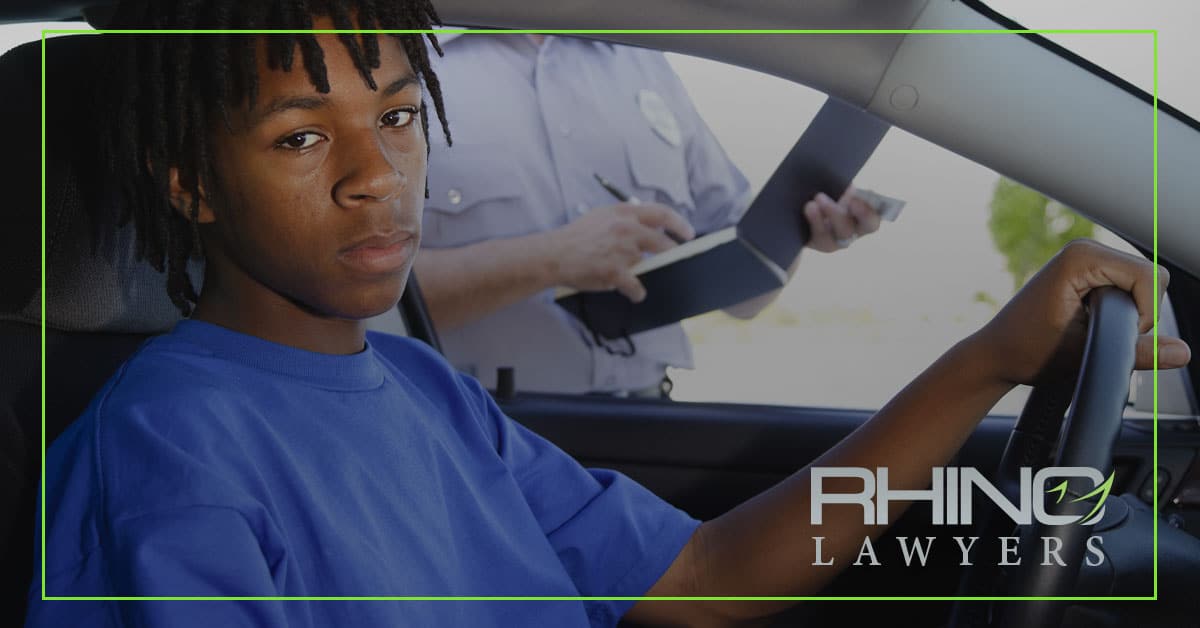
MY TEEN GOT A TICKET
Your teen driver just received their first traffic ticket. What should they expect? Consequently, teenagers have the same three options every driver has when they receive a traffic ticket.
The best option for teenage drivers as well as everyone on the else is to avoid traffic violations. However, even the most careful driver makes a mistake occasionally. Therefore, knowing their options is important.
Ticket Options
Typically, you or your teen have the following three options available for handling a traffic ticket. Yet, it will depend on your situation when selecting the best option.
- Pay the ticket – This is the worst option for moving violations. Remember paying the ticket may also result in points on their driver’s license and an increase in insurance costs for the next three years. Incidentally, it is the opposite for non-moving violations.
- Pay the ticket and elect traffic school – This means you or your teen will pay the ticket and pay the cost of traffic school. This could help your teen keep points off their license. While traffic school is available online, they still need to spend the four-hour equivalent of being in a classroom.
- Fight the ticket – This means that your teen will not have to pay the ticket until the end of their trial. Yet, if the ticket gets dismissed, they will not have to the fine and can keep their driving record clean.
Please keep in mind. The law does not allow a minor to hire an attorney, so as the parent or guardian you will need to hire the attorney for them.
Other LAWS for Teen Drivers
In addition, to the normal traffic laws, minors have other laws to follow to protect their right to drive. These laws also have penalties for teenage drivers that violate them.
- No Moving Violation Convictions – Minor’s that receive a moving violation while they have their learner’s permit will extend the time of the learner’s permit for a year from the conviction or till the age of 18.
- School Attendance – Not attending school could suspend their driving privilege or keep them from getting their license until they can provide proof, they have attended school for a minimum of 30 days in a row.
- Using Alcohol – Florida has a zero-tolerance policy. Drivers under 21 caught with a .02% or more will receive an automatic 6-month suspension of their license. If they get caught twice, they lose it for one year.
- 6+ points in 12 months – Your teen will have their license restricted to “business only” driving for a 12-month period or until the age of 18.
- Tobacco Possession Conviction – Minor’s convicted of tobacco possession will have their license revoked for a minimum of 30 days.
CONTACT TAMPA TRAFFIC TICKET ATTORNEY
RHINO Lawyers can help and guide you through a system that has been molded by law enforcement, judges, and lawyers for decades. Having won cases for our clients in similar circumstances, our criminal defense team knows what it takes to fight on your behalf.
Let RHINO Lawyers answer your questions and review the facts of your case with a Free Consultation. Get started by completing the “Free Instant Case Evaluation” or by calling us any time, day or night, at 844.329.3491.
Read More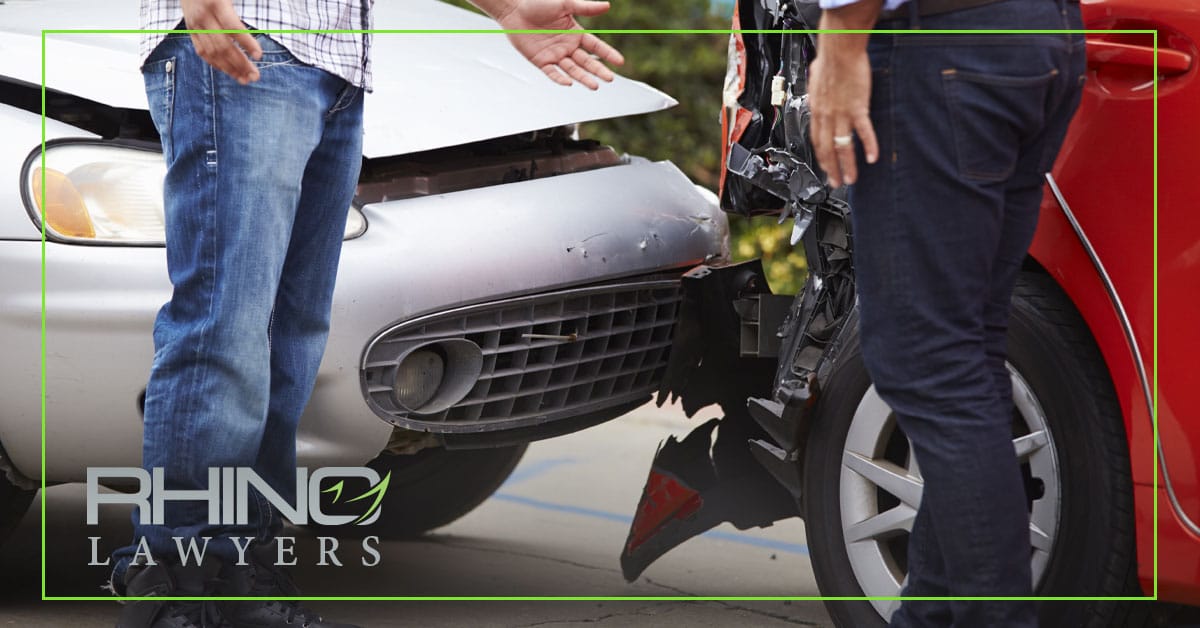
HANDLING AN ACCIDENT WITH UNINSURED DRIVER
Car accidents occur on our roadways every day in Tampa. But, do you know what to do when an uninsured driver causes the accident? Yes, that’s correct we share the road with uninsured drivers. Even though, almost every state requires minimum liability insurance for your car.
As a matter of fact, the Insurance Research Council says 1 in 8 drivers in this country do not have auto insurance. That is the one person you do not want to have an accident with. Just in case, we put together some basic tips in case it happens.
Tips for after being hit by an Uninsured Driver
Imagine, you’re driving to work and you stop at a red light. You hear screeching tires and then you feel yourself thrown forward. Unfortunately, another driver just rear-ended you.
Once you have moved your cars to a safe area, you exit the car to assess the damages and talk to the other driver. Incidentally, your car is badly damaged and the at-fault driver doesn’t have insurance. However, you know to follow these tips:
- Call the Police – Always call the police when in an auto accident. They will file an accident report. More importantly, you will need this report when you file your claim.
- Never Except Money – An uninsured driver knows they are facing substantial fines. Therefore, they may offer you money to avoid having the law involved. Don’t accept. It is too early to know how much your injuries will cost.
- Exchange Information – Even though they do not have insurance, you will need their contact and vehicle details. Furthermore, you should get the contact information from any witnesses.
- Document the Details – You will need to write down the other driver’s vehicle information, time and location of the accident, and the officer’s name with a badge number. Also, try to document any details that may help when you file your claim.
- Take Pictures – You should take pictures of the accident scene. Include photos of the damage to each car, the license plate of the other driver, and traffic signs.
UNINSURED MOTORIST CLAIM IN NO-FAULT STATE
In a “no-fault” state your insurance company will cover things like medical bills and lost wages regardless of fault. However, they will only cover up to the limits of your coverage. As for your auto repairs, you would need separate collision coverage.
In this situation, you could use your health insurance for your medical bills. Then you could use your collision coverage for repairs needed for your vehicle. However, you will be responsible for the deductibles and you can forget about any lost wages.
As a result, it would be beneficial for all drivers to carry uninsured/underinsured (UM/UIM) motorist insurance. It’s a good way to counter an otherwise terrible situation. So, if a driver that doesn’t have insurance hits you, your UM insurance will cover you. It’s relatively inexpensive, so buy as much as you reasonably can.
CONTACT
After a car accident, you may not know your rights. Don’t struggle through the process alone. Our personal injury team is here to help you with any legal needs you might have regarding your accident.
Let RHINO Lawyers answer your questions and review the facts of your case with a Free Consultation. Get started by completing the “Free Instant Case Evaluation” or by calling us any time, day or night, at 844.329.3491.
Read More
WHAT COMPENSATORY DAMAGES COVER
After being injured in an accident, there are basically two forms of compensatory damages: economic and non-economic. Furthermore, these damages provide auto accident victims with compensation to help them recoup losses from the accident. So, for additional info on what compensation you’ll eligible for, contact a Tampa auto accident attorney.
Understanding Compensatory Damages
First, when seeking compensation for an auto accident, compensatory damages are commonly awarded to the injured person. Thus, this compensation helps the individual make up for losses suffered from the accident. The most common compensation for damages are:
- Current and projected medical bills
- Pain and suffering
- Emotional trauma
- Lost wages, both current and projected
- Loss of enjoyment of life
- Damaged relationships
- Property damage
Punitive Damages vs Compensatory Damages
Secondly, though compensatory damages are more common, you could receive punitive damages in a personal injury case. However, not all auto injury settlements will include punitive damages. Additionally, judges award punitive damages to punish the gross negligence of the defendant. Some punitive damages awarded are:
- Court reporter fees
- Costs of exhibits
- Reproduction fee
- Fees charged by legal professionals
- Miscellaneous expenses
Compensation Limitations
Currently, the state of Florida does not limit compensatory damages. However, there are limits to punitive damages to keep damages from becoming excessive. Punitive damages may not exceed:
- Three times the amount of compensatory damages awarded.
- Or $500,000
CONTACT
After an automobile accident, you may not know what to do or who to call. Don’t struggle through the process alone. Lastly, our personal injury team is here to help you with any legal needs you might have regarding your car, motorcycle, or trucking accident.
Let the Tampa auto accident attorneys at RHINO Lawyers answer your questions and review the facts of your case with a Free Consultation. Get started by completing the “Free Instant Case Evaluation” or by calling us any time, day or night, at 844.329.3491.
Read More
BEWARE OF INSURANCE ADJUSTERS
A car accident settlement should be a simple process. An insurance adjuster measures your injuries, damages, and they pay you what is owed. However, this is not the case. Insurance companies are for-profit and make their money from high premiums and low payouts on claims. So, you need to beware of the tactics adjusters use to keep payouts low.
Don’t let them take advantage of you. The insurance company is going to try to pay you as little as possible, deny liability, and even delay payments. These are tactics they employ, hoping the claimants will go away. Insurance adjusters use many tactics in settlement cases. Here are some tactics you need to be aware of if you are in a car accident and have an insurance claim.
Limit Your Communication with The Adjuster
When you file an auto accident claim, the insurance adjuster will try to gather as much information as possible to use against you. Typically, they will try to befriend you to get you to say something they could use against your case, possibly. Remember, they are trying to save money, so don’t let them trick you with their charm.
Don’t Give a Recorded Statement
First, the law does not require you to give a recorded statement. Although, after accidents, insurance adjusters will still ask for a recorded statement. In fact, don’t give a statement without an attorney because anything you say can be held against you.
Your Medical Records
Similarly, it is not a good idea to release all your medical records. Therefore, if the adjuster asks for your medical records, don’t release all your records to them. Instead, have your records released to you and only pass along relevant information to the assessor.
Be Careful About Signing Anything
If they ask you to sign a release, don’t sign! Some injuries take a few days to show up, and their offer will likely not cover the medical treatment you need. Not to mention, you will forfeit your right to file suit.
They Do Not Want You to Have an Attorney
Lastly, the insurance company and adjuster do not want you to hire an attorney. Do not accept any legal advice from the assessor or insurance company. A personal injury attorney is an unbiased party only there to protect your rights and help you.
CONTACT
After a car accident, you may not know what to do or who to call. Don’t struggle through the process alone. Our personal injury team is here to help you with any legal needs you might have regarding your accident.
Let the Tampa auto accident attorneys at RHINO Lawyers answer your questions and review the facts of your case with a Free Consultation. Get started by completing the “Free Instant Case Evaluation” or by calling us any time, day or night, at 844.329.3491.
Read More