

A Guilty Plea Won’t Necessarily Resolve DUI Issues: Here’s Why
Guilty pleas are an American scourge. 94% of criminal convictions in the United States come from guilty pleas. Thousands of innocent people have pleaded guilty to crimes they didn’t commit, including DUIs.
When you are presented with a plea bargain, you may be tempted to take it. But a guilty plea has many different consequences. Before you strike a deal with a prosecutor, you should understand the facts.
What are the penalties for DUI charges in the state of Florida? What happens to people who plead guilty to felonies? Are there alternatives to a plea deal?
Answer these questions and you can find your path forward after a DUI arrest. Here is your quick guide.
You Will Lose Your License
Florida DUI laws make license revocation mandatory after any DUI. If the DUI is a first-time offense that results in no bodily injuries, the state will revoke the driver’s license for at least 180 days. The state can extend the revocation period to a maximum of one year.
A second-time offense has a minimum revocation period of five years. This occurs regardless of whether or not the DUI resulted in an injury.
In order to get your license back, you must go to DUI school. You then need to apply for hardship reinstatement.
You must prove that you need to drive for business purposes or employment purposes. A license for business purposes lets you drive to and from work, church, and medical appointments. A license for employment purposes limits you to driving only for work-related matters.
Going on errands or detours will lead to your hardship license getting revoked. You can also lose your license if you fail to pay child support, skip court hearings, or get into an accident.
Your Premiums May Increase
All car insurance companies have policies that raise premiums after a DUI offense. Each company is different, but you may need to pay an extra $1,000 a year because of your higher premiums.
Some companies can also revoke your insurance outright. They may do this in cases when the DUI resulted in an injury or significant property damage.
You may not be able to change your policies. Insurance companies can examine your driving record and see if you have DWI charges on it. If you do, they can decline to offer you insurance.
It does not matter if your conviction came from a plea deal or not. The only way your DUI will not affect your insurance is if the offense is removed from your driving record. But your DUI can stay on your record for years, and it may be permanently in place.
You May Plead Guilty to a Felony
Plea deals can mean a few different things. In exchange for pleading guilty, a prosecutor may reduce your criminal penalties. You may avoid incarceration and receive probation and community service.
However, DUI charges are so severe that a prosecutor may insist that you plead guilty to a felony. Florida has passed laws allowing people with felony convictions to vote. But if you have outstanding fees or fines, you lose your right to vote, even years after your sentence.
Pleading guilty will also create a criminal record for you. Employers can conduct a background check, find your criminal record, and deny you job opportunities.
You May Face Other Charges and Penalties
A DUI case may involve a variety of offenses. Many prosecutors like to charge drivers with traffic violations that the court considers to be criminal offenses, including reckless driving.
You may be able to get your DUI charges thrown out in a plea deal. But you may plead guilty to another offense that puts you in jail, gets your license revoked, and creates a criminal record.
In the future, a DUI offense you pleaded guilty to will count as a first-time offense. If you’re charged and convicted of another DUI, you face stiffer criminal penalties.
A No Contest Plea Is an Alternative
A no-contest plea means that you will not dispute the charge in court. In a plea deal, a no-contest plea functions similarly to a guilty plea. You may still face incarceration or other penalties.
However, a no-contest plea means you are not admitting to the DUI offense. Lawyers in a civil trial cannot use your plea against you, so you can contest a civil case on equal footing as the plaintiff.
Some judges do not allow no-contest pleas, and your DUI lawyer may advise you against one. Talk to your lawyer about your options before you decide what your right move is.
A Deal Offer Can Be a Sign of Weakness
A prosecutor may offer you a plea deal just to get your case off their books. They may think that they will lose at trial, and a deal may be their only way to get a conviction.
Take a look at the terms of the plea deal and at the other evidence in the case. If you think the prosecutor’s evidence is thin, you should prepare for a trial.
Start building your defense before you decide whether or not to take a plea deal. You can fight back against DUI charges by pointing out that you were not the driver or had no physical control of your car.
You May Not Want a Guilty Plea
A guilty plea will not end your DUI case. You will lose your license for months, if not years. Your insurance premiums will increase, and you will live with a criminal record.
A prosecutor may force you to plead guilty to a felony or press for other charges. Before you accept a deal, you need to look at the terms and consider your alternatives. You can try a no contest plea, or you can press for a trial.
Your best approach is to hire a DUI legal professional. RHINO Lawyers serves the Tampa area. Contact us today.
CONTACT TAMPA TRAFFIC TICKET ATTORNEY
RHINO Lawyers can help and guide you through a system molded by law enforcement, judges, and lawyers for decades. Having won cases for our clients in similar circumstances, our criminal defense team knows what it takes to fight on your behalf.
Let RHINO Lawyers answer your questions and review the facts of your case with a Free Consultation. So, get started by completing the “Free Instant Case Evaluation” or by calling us any time, day or night, at (844) RHINO-77.
Read More
Car Crash: Chiropractor vs. Orthopedic Doctor: What Is the Difference?
Between 14,000 – 17000, car accidents occur every day on American roads, and in 2020, 43% of these led to injuries. After a car crash, you may sustain back, neck, and other musculoskeletal injuries ranging from minor to severe.
Seeking medical treatment will depend on the types and severity of the injuries sustained. In the event you or a loved one get in an accident, it’s crucial to know what kind of doctor can best help you.
Do you need to see a chiropractor or an orthopedic surgeon? Which is best for you and what is your deciding factor in choosing one or the other. Let’s take a look at the differences between the two.
What Is a Chiropractor?
Chiropractors focus on treating disorders of the musculoskeletal system without surgery. They use a combination of manual therapy and manipulative techniques to adjust the spine and other joints in the body. They also often incorporate lifestyle changes and exercise into their treatment plans. Because they are not licensed, medical doctors. And thus cannot prescribe medications.
Chiropractors can treat a wide range of injuries, including:
- Whiplash
- Lower back pain
- Sprains and strains
- Joint pain
- Headaches
- Carpal tunnel syndrome
What Is an Orthopedic Doctor?
Orthopedic surgeons are medical doctors licensed by the state. They have completed extensive training in the treatment of musculoskeletal injuries. These doctors can prescribe medications, perform surgeries, and provide other types of interventions.
Orthopedic physicians treat many of the same injuries and conditions as chiropractors. However, they are more likely to recommend surgery for serious injuries or conditions. They may also be more likely to prescribe medications, such as painkillers or steroids, for relief.
Some of the most common conditions that orthopedic surgeons treat include:
- Arthritis
- Fractures
- Torn ligaments
- Dislocated joints
- Osteoporosis
What Is the Difference Between a Chiropractor and an Orthopedic Doctor?
The biggest difference between chiropractors and orthopedic surgeons is in their area of focus. Chiropractors focus on nonsurgical treatment. While orthopedic surgeons correct disorders through more invasive medical means.
They consider chiropractic care unconventional therapy or alternative medicine. Orthopedists utilize cutting-edge technology and treatment options to help their patients.
Another key difference is their length of study. Chiropractic doctors earn a Doctor of Chiropractic at the end of their course of study. And their state of practice requires them to register. Their course of study is not as extensive as that of an orthopedic surgeon. Though they are able to treat far more medical conditions using their alternative methods. They will often employ realignment procedures, acupuncture, and other less invasive means of treatment.
Orthopedic surgeons must complete four years of undergraduate school. Plus, four years of medical school, and an additional five to seven years in a residency program. After their residency, they must then pass a state-administered exam. Before the state will issue a license to practice medicine.
While chiropractors focus on the entire musculoskeletal system. Orthopedic surgeons specialize in particular areas. For example, some may focus on the spine while others concentrate on the extremities like the shoulder, elbow, or knee.
Since they consider chiropractic medicine alternative medicine. Insurance providers, may not cover your treatment. So unless you are able to pay out of pocket or have a good car crash attorney, it may not be in your best interest to consult a chiropractor.
When to See a Chiropractor vs Orthopedic Surgeon
In general, you would see a chiropractor for conservative treatment of musculoskeletal problems while an orthopedic surgeon is best for more serious injuries that require injections, medicine, or surgery.
Chiropractors are often the first line of defense against back and neck pain as well as headaches, TMJ, and carpal tunnel syndrome. If you have suffered a sports injury or been in a small car crash, your primary care physician may refer you to a chiropractor before considering surgery.
On the other hand, if you have been in a major car accident or have suffered a serious injury like a broken bone, herniated disc, or torn ligament, you will likely be referred to an orthopedic surgeon.
What Will Insurance Cover?
As mentioned earlier, insurance companies may not cover chiropractic care. They may, however, pay for some orthopedic services. For example, if you have a work-related injury, your workers’ compensation insurance should cover the cost of your treatment.
If you have been in a car accident, your auto insurance should cover the cost of your medical care, including any visits to a chiropractor or orthopedic surgeon.
It’s important to check your coverage with your insurance provider. Before making an appointment with either type of doctor.
Legal Options
A car crash attorney is another person you should talk to if you have been in an accident. Medical expenses, loss of job or income, and pain and suffering are only a few of the many types of damages that may be available to you. The effects of a car accident can be overwhelming, but an experienced car crash lawyer will fight for the compensation you deserve.
Car crash attorneys are often able to get you a higher settlement than if you were to go it alone. They will do the majority of the work so that you can focus on your recovery. They will also ensure that your medical care and all bills incurred as a result of the car crash are handled.
Hiring a Car Crash Attorney
If you have been in a car crash, it is important to consult with a car crash attorney as soon as possible. An experienced lawyer will be able to guide you through the legal process and help you recover the compensation you deserve.
RHINO Lawyers in Tampa and Lakeland, Florida represent car crash victims throughout the state. We offer a free consultation so that we can review your case and answer any questions you may have. Contact us today to schedule a consultation.
CONTACT A TAMPA AUTO ACCIDENT ATTORNEY
In short, after a car accident, you may not know your rights. Above all, don’t struggle through the process alone. Actually, our personal injury team is here to help you with any legal needs you might have regarding your accident.
Lastly, let RHINO Lawyers answer your questions and review the facts of your case with a Free Consultation. So, get started by completing the “Free Instant Case Evaluation” or by calling us any time, day or night, at 844.RHINO.77.
Read More
6 Things You Need to Tell Your Criminal Defense Attorney
The Supreme Court has made it more difficult for inmates to get released! When you have criminal charges brought against you, a good attorney can keep you from losing your freedom.
However, you can get the best attorney in the world but if they don’t have all the facts and information. It can put you at a disadvantage. You should not hesitate to tell your attorney all the things they need to know to help you to win your case.
Here’s a look at some important things that you must discuss with your criminal defense attorney.
1. The Personal Context of the Criminal Charges
One of the things that your attorney will need to know is the reason why you were charged. Whenever criminal charges are laid there are usually extenuating circumstances surrounding the charges that have been laid against the individual.
You need to give your attorney all the minor and major details that can help provide context for the charges that have been laid against you. These details are critical to your defense.
Something that you think may not help your case. May be just what is necessary to rid you of the charges. Don’t hold back, you should be completely honest with your attorney. And tell them exactly how you came to be charged. As well as, the context in which the charges have been laid against you.
2. Tell Your Criminal Defense Attorney about Witnesses
Witnesses are often one of the key components of any case and if you have several witnesses then this can provide a lot of legal help for your case.
Informing your attorney of all the witnesses you can think of is very important. Someone may be more beneficial to the case than you could imagine. Your lawyer can also tell you if a witness will damage your case in court.
If someone is damaging to your case then it is likely that the prosecution will bring them to testify against you. If you feel that someone is going to testify against you, let your criminal defense lawyer know.
You should also let them know in what context they could testify against you. This way your attorney will not be blindsided by not having enough time to prepare for a damaging witness.
3. Who You Have Spoken To
If you have spoken to anyone about the case, you need to tell your lawyer. Often when people are overwhelmed by charges against them, they need someone to confide in and the easiest people are those closest to them.
Whether you are guilty or not, you need to let your attorney know who you have spoken to about the details of the case. When they’re trying to form a case against you the prosecution will dig up any and every person who can corroborate their case against you.
If you have spoken to someone it is a possibility that they will find out and they will call this person to testify. Your attorney needs to know all of this so they can prepare a good defense for you.
4. Your Statements to the Police
When you get arrested you are usually told that you have the right to remain silent. You are also told that anything you say can and will be used against you in court if necessary.
If did not avail yourself of this right and spoke to the police, you need to let your lawyer know exactly what you said.
You may not have said anything that you think will have negative legal repercussions but this is never a certainty when you talk to the police in a criminal case. Tell your attorney what you said and they will decide whether or not it is incriminating.
5. Your History With the Victim
If the victim, in the case, is somebody who you have a history with, you need to tell your attorney. It isn’t wise for you to hide this.
The prosecution will usually find this evidence on their own especially if it is a matter of public record. Letting your attorney know about this history can help them adequately prepare your defense.
6. Your Financial Issues
If you are having financial challenges you need to let your attorney know about it. You will undoubtedly have to pay legal fees if you hire a lawyer. So, you need to let your lawyer know about your financial situation.
Having a clear knowledge of how much you will need to pay for your legal defense is a key part of the case. Your attorney may be able to offer you flexible payment terms and plans if they are aware of your financial situation.
The bottom line is that, while finances are a sensitive and private matter, it is essential that you open up in this way. So that your fees for your defense can be properly sorted out.
Get the Best Criminal Defense Attorney
Getting the best criminal defense attorney is essential if you want to win your case. However, to win your case you must ensure that you give your attorney all the necessary information so that they can build an airtight case for you.
Failure to give your attorney vital information can cost you the case, and get you jail time. Your lawyer will not be as prepared as they should be without all the facts and this can be detrimental in the long run.
If you would like to hire an attorney, please do not hesitate to contact us.
CONTACT TAMPA TRAFFIC TICKET ATTORNEY
RHINO Lawyers can help and guide you through a system molded by law enforcement, judges, and lawyers for decades. Having won cases for our clients in similar circumstances, our criminal defense team knows what it takes to fight on your behalf.
Let RHINO Lawyers answer your questions and review the facts of your case with a Free Consultation. So, get started by completing the “Free Instant Case Evaluation” or by calling us any time, day or night, at (844) RHINO-77.
Read More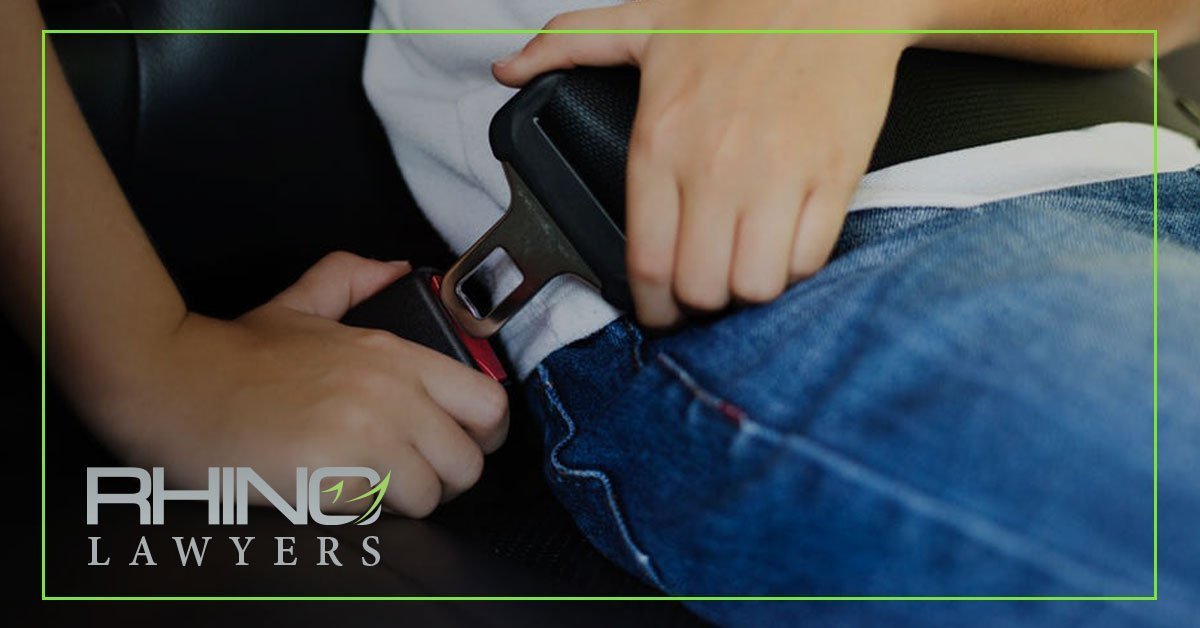
How Not Wearing a Seatbelt Can Affect Your Car Accident Claim
Every year, around 15,000 people survive road crashes because they wore a seatbelt. Wearing a seatbelt reduces your risk of injury or death in a car accident by up to 50%. Florida law mandates that all passengers and drivers in motor vehicles wear a seatbelt.
If you were in a car accident and were not wearing a seatbelt, it can affect your car accident claim. It’s essential to always have your seatbelt on while in a car for legal and safety reasons.
This guide will discuss how not wearing a seatbelt can affect a car accident claim. We’ll detail the requirements set forth by the state of Florida.
Basic Information About Florida’s Seatbelt Law
Florida passed a law in 2009 that said all passengers and drivers need to wear a seatbelt. Failing to wear a seatbelt is a primary traffic offense. You can get stopped by a cop and receive a citation if anyone in your vehicle isn’t wearing a seatbelt.
There are a few exceptions to the seatbelt law. For example, the following individuals don’t have to wear a seatbelt:
- Employees delivering newspapers
- An individual driving farm equipment
- People riding in a school bus bought new before December 31, 2000
- A person certified by a doctor who has a medical condition where wearing a seatbelt is dangerous or inappropriate
Failing to wear a seatbelt can cause people involved in a traffic collision to get ejected from their vehicle. Some of the injuries that might result from that include:
- Facial injuries
- Traumatic brain injuries
- Paralysis
- Dental injuries
- Road rash
- Broken bones
- Amputations
You still have a right to receive compensation for your injuries, even if you weren’t wearing a seatbelt.
What’s Pure Comparative Negligence in Florida?
Per Florida state law, people who’ve suffered injuries due to another person’s negligent driving have a legal right to recover their losses. However, if they weren’t wearing a seatbelt and their injuries were more severe. They will reduce the amount of compensation received.
In some other states, the court will automatically dismiss your case for failing to wear a seatbelt. That’s not the case in Florida. Having an experienced car accident lawyer will help you argue your case to receive the highest amount possible.
For example, say you were in a car accident caused by another driver running a red light. You were driving without a seatbelt. When pursuing compensation for your injuries, the other party could argue that failing to wear a seatbelt contributed to your injuries.
While the other driver is to blame for the car accident, the other party could also claim that you were negligent for not wearing a seatbelt. In Florida, not wearing a seatbelt isn’t automatically negligent. But, they could determine it negligent if the judge or jury determines that a careful person would’ve put on their seatbelt in similar circumstances.
Just because you didn’t wear a seatbelt doesn’t mean you won’t win your case. Your attorney could argue that you had legitimate reasons for not wearing a seatbelt. For example, you could have a medical condition that prevents you from wearing a seatbelt, as we discussed earlier.
How Much Will My Compensation Get Reduced in Car Accidents Without a Seatbelt?
If you weren’t wearing a seatbelt and the courts determined you were 10% at fault for your injuries, your compensation would get reduced by that percentage. For example, a car accident claim awarding you $100,000 will be $90,000.
The at-fault percentage is determined based on your case. Depending upon your injuries and the circumstances of your car accident, the court might decide you were more at fault.
Why Should I Hire an Attorney for Not Wearing a Seatbelt in an Accident?
The laws surrounding car accident claims are complicated. They become even more convoluted if one of the drivers and/or passengers isn’t wearing a seatbelt. You need to partner with an experienced attorney who can argue on your behalf, ensuring you receive the highest compensation possible.
Schedule Multiple Consultations
Most auto accident attorneys don’t charge for an initial consultation. You should schedule consultations with a few different lawyers to find one you’re comfortable with. You want to find a legal team with your best interests in mind.
Discuss Their Fees
Many car accident lawyers don’t require you to pay until they win your case. There are some attorneys out there that might require an upfront fee. Find a reputable lawyer who doesn’t require payment to start your case.
Ask Them About Their Experience
You want to find a lawyer that’s successfully settled cases like yours in the past. Ask them how many claims they have worked on where the driver wasn’t wearing a seatbelt. Additionally, you want them well versed in the state and local laws surrounding your case.
Bring All Necessary Documents to Your Consultation
Provide your attorney with all the information you have about your case. Some documents you should bring include:
- Your auto insurance policy
- Medical records
- Police report
- Medical bills
- Health insurance policy
- Pictures of the wreck (if you have them)
- Contact information of the other party
Your attorney will use this information to build your case as quickly as possible.
Be Patient
Settlements don’t happen overnight. It could take months, sometimes years, to settle with the other party. Your lawyer should constantly contact you throughout the legal process, providing you with updates.
Partner With an Experienced Car Accident Attorney in Florida
Not wearing a seatbelt can complicate your car accident claim. So, you need a qualified car accident attorney to create a strong argument on your behalf.
If you’ve been in a car accident and sustained injuries, our team at RHINO Lawyers is here to help. Contact us today to schedule a consultation.
CONTACT A TAMPA AUTO ACCIDENT ATTORNEY
In short, after a car accident, you may not know your rights. Above all, don’t struggle through the process alone. Actually, our personal injury team is here to help you with any legal needs you might have regarding your accident.
Lastly, let RHINO Lawyers answer your questions and review the facts of your case with a Free Consultation. So, get started by completing the “Free Instant Case Evaluation” or by calling us any time, day or night, at 844.RHINO.77.
Read More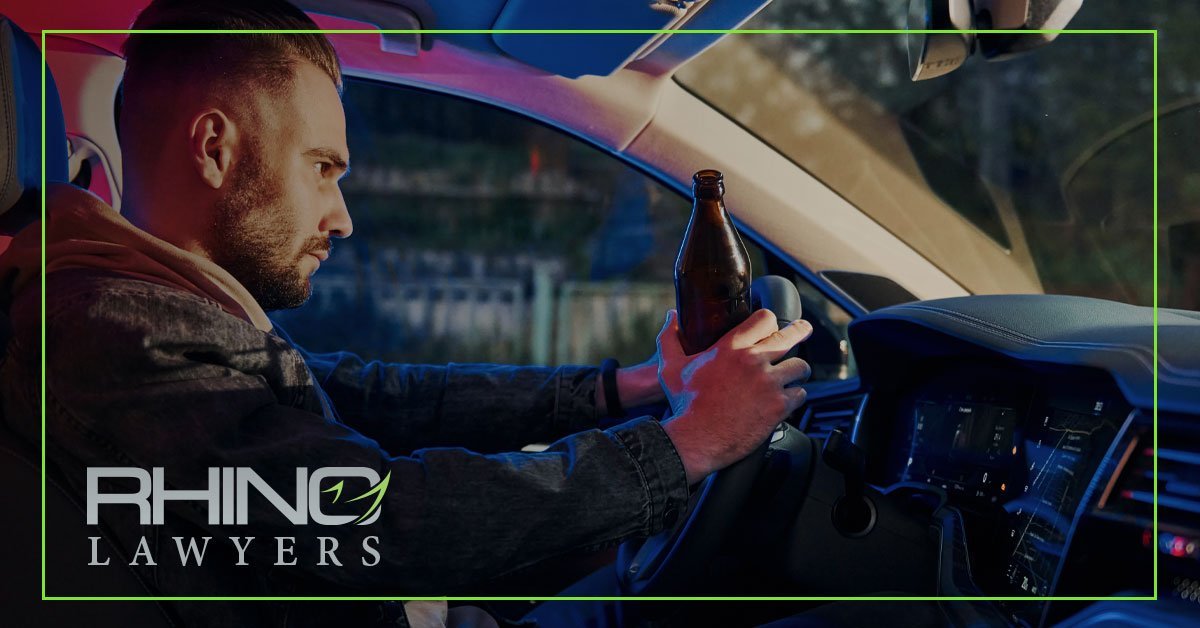
DUI Defense: Got a DUI in Tampa While on Vacation, Now What?
You should leave your vacation with a suntan, some souvenirs, and great memories. Unfortunately for some unlucky drivers, you might leave your Florida vacation with a driving under the influence (DUI) charge.
The nice weather, sunshine, and laid-back, vacation-like atmosphere make it easy to get carried away. And when you get behind the wheel after having too much to drink, you can face serious consequences.
If you’re facing these charges, you need a DUI defense attorney who is based in Florida. Read on to learn more about what to look for.
Understanding Florida Laws
Even if you don’t live in the state of Florida, they can still arrest you and charge you with DUI there. By driving on Florida roads, you are consenting to follow Florida laws. Even if your driver’s license is from another state.
Blood Alcohol Content (BAC) Limits
Similar to other states, the legal limit in Florida is 0.08. But, if your BAC is higher than this, you can be charged with DUI. And, if your BAC is 0.15 or higher, you can face enhanced penalties.
If you are younger than 21, the legal BAC limit is 0.02 and if you are driving a commercial vehicle, it is 0.04. You also may not drive under the influence of controlled substances.
Interstate Compacts
If you get arrested for a DUI in Florida, you can’t leave the state and ignore your charges.
Florida is part of the Driver’s License Compact, which is shared across 45 states and the District of Columbia. Georgia, Massachusetts, Michigan, Tennessee, and Wisconsin are the only states that are not members.
The Driver’s License Compact requires its members to share information with other member states. When a non-resident is arrested or cited. For example, if you have a driver’s license in one of the 44 other states that are part of the compact and you get a DUI in Florida. Then Florida will report that to the state that issued your license.
This also means that the state that issued your license agrees to treat the offense as if it happened in your home state, including the penalties and driver’s license suspension that would come with the offense.
In addition, Florida is a member of the Non-Resident Violators Compact (NRVC). The NRVC was created in the 1970s and 44 states are members. The goal of the NRVC is to ensure that moving violations are reported across states.
If you get a speeding ticket in a state that is a member of the NRVC but is not your home state, that state will report your violation to the state that issued your license. Not all violations fall under the scope of the NRVC, but most do. This means that you can’t ignore tickets in other states once you return home, as you will face points, fines, and license suspensions there as well.
What to Do if You Are Charged With DUI While in Florida on Vacation
If you are charged with a DUI in Florida, whether you live here or not, you will immediately receive an administrative suspension of your license. You have 10 days from the date of your arrest to file a request for a temporary driving permit, which will allow you to drive for work, school, or medical purposes. If you don’t file this request within 10 days, they will suspend your license.
Your first step after the arrest should be to contact an experienced DUI defense attorney to help with this process. Those are the first steps. Once you handle this first penalty, you can work with your attorney to focus on the penalties. If convicted of DUI.
If your attorney cannot get the charges dropped. Then you face fines, additional license suspensions, and potentially jail time, depending on your prior DUI record. Penalties for your first DUI offense include:
- A fine of between $500 and $1000 (or between $1000 and $2000 if your BAC was 0.15 or higher or if there was a minor in the car)
- Incarceration for up to six months (or up to nine months if your BAC was 0.15 or higher or if there was a minor in the car)
- License suspension of between 180 days and one year (if there was bodily injury, the suspension is a minimum of three years)
If the court allows it, you could serve your time of imprisonment in a residential drug or alcohol treatment program.
Appearing in Court
When you are charged with DUI, you will receive a court date and you will be required to appear. In some instances, your attorney may be able to have your appearance in court waived and appear for you.
However, when you are charged with more serious offenses, such as a felony, or you are facing a trial, you will need to be present in court. If you do not show up to your hearing, a judge will issue a warrant for your arrest.
Your attorney may be able to negotiate a plea bargain for you to avoid appearing back in court. There is a possibility that the plea bargain could come with punishments in your home state, not Florida. So you can avoid having to travel back to the state.
Your attorney will be able to advise you on how to proceed. This is another reason why it is so important to hire an attorney who is based in Florida, not your home state.
Hire the Best DUI Defense Lawyer in Tampa
A DUI defense lawyer is a must if you are facing DUI charges in Florida. Don’t hire an attorney from your home state. As they may not be licensed to practice law in Florida and may not understand the laws.
Contact us at RHINO Lawyers for a free case consultation. If you’ve been arrested for a DUI, don’t delay in doing this. We are available 24/7.
CONTACT TAMPA TRAFFIC TICKET ATTORNEY
RHINO Lawyers can help and guide you through a system molded by law enforcement, judges, and lawyers for decades. Having won cases for our clients in similar circumstances, our criminal defense team knows what it takes to fight on your behalf.
Let RHINO Lawyers answer your questions and review the facts of your case with a Free Consultation. So, get started by completing the “Free Instant Case Evaluation” or by calling us any time, day or night, at (844) RHINO-77.
Read More
How Your Prescriptions Can Affect Your Driving Safety
Drugged driving is no joke. A 2020 study of nearly 3,000 American drivers found that taking medications leads to higher rates of unsafe driving. Drivers who are on prescription medicine are more likely to speed and brake suddenly, which can cause accidents.
Driving safety depends on your ability to handle prescription drugs and driving practices well. Before you hit the road, you should understand how prescription medicines and driving relate to each other.
What common medications affect driving safety? Do they have side effects, and how can you avoid them? What should you do if you must take medications and then go driving?
Answer these questions and you can remain a safe and healthy driver for years to come. Here is your quick guide.
Medicines That Affect Driving Safety
Many prescriptions make it difficult to drive safely. Understanding what prescriptions impair driving abilities and why they impair them is the first step toward resolving the dangers of driving with prescriptions.
Sleep Medicines
Sleep medicines include sleeping pills, sedatives, and hypnotic drugs. These medicines can make you fall asleep while you are driving. While you are awake, you may become distracted or drowsy, which can lead to an accident.
Oral tablets are just as dangerous as oral sprays. It may take a little longer for oral sprays to work, but their side effects are significant.
The effects of sleep medicines can last for longer than one night. You may be less alert and able to drive in the morning after you wake up. Read the labels of your prescriptions so you understand how long they last.
Allergy Medicines
Many allergy medicines contain antihistamines, which relieve allergies. However, antihistamines can slow your reaction time down and make it harder to focus. If you are driving for a long period of time, you may become disoriented.
Sleep medications can increase the sedative quality of antihistamines. Do not take an allergy medicine within a few hours of taking a sleeping pill.
You can rinse your sinuses instead of taking medication. This will clear your sinuses and nasal passages up. You can buy a saline solution at a store and use a spray bottle or pot to pour the solution into your nose.
Pain Relievers
Some pain relievers will not affect your driving ability. You can take aspirin or Tylenol without encountering any major issues. But combining pain relievers with other medications can cause problems, so you should take pain medications on their own.
Opioid medications can cause drowsiness by themselves. Some drivers become confused and fail to read street signs properly as well. You should avoid driving for several hours after you take OxyContin or another opioid.
Muscle Relaxants
Muscle relaxants can start affecting your body within 30 minutes. You may not be able to move your arms and legs properly, and you may become tired. You can also get charged with a DUI if you start driving erratically because of your relaxants.
Some types of relaxants have more prominent effects than other types. A 2020 study found that people on cyclobenzaprine did worse on driving tests than people on tolperisone.
Anti-anxiety Medications
Some anti-anxiety prescriptions rely on benzodiazepines, which suppress the nervous system. They can calm you down, but they can also make you drowsy and give you brain fog. Some people experience lightheadedness and memory loss, especially during difficult situations like driving.
If driving makes you anxious, you can take antidepressants instead. Most of them do not create a sedative quality, and they can improve your mood.
How to Take Prescription Medicine and Drive Safely
Prescription drugs have a lot of benefits for your health. You should not stop taking the drugs just because you’re worried about your driving ability. But you should figure out how to make prescriptions and driving work.
If you can find alternatives to your current medications that don’t affect your driving, you should take those alternatives. If your current drugs are the only drugs you can take, you can change your medication schedule. You can take your medications after you’re done driving or while you’re on a break.
When you must drive, you should ask someone to go with you. They can take over for you when the side effects kick in and you can sleep in the passenger seat.
While you are driving, you should use good defensive driving techniques. You should follow all posted signs and remain well below the speed limit. Stay out of the passing lane so faster drivers can pass you.
If you are by yourself on the road and you feel like you cannot drive, you should pull over right away. You can take a nap to bring your energy levels back, or you can call someone and ask them for a ride.
If you take multiple medications, you should space your medications out to avoid dangerous mixtures. You may need to wait a few hours before taking your next pill.
Alcohol can make the effects of your medications more prominent. You should not drink an alcoholic beverage and take your prescription within a few hours of each other.
The Essentials of Driving Safety While on Medication
Driving safety is always hard to achieve, and taking medication can make it harder. Common medications like sleeping pills and antihistamines cause drowsiness and inattentiveness. Combining pills together can make the side effects worse.
The benefits of these medications outweigh the side effects. You should adjust when you take your medications and when you drive so you don’t become drowsy on the road. You should also drive using defensive techniques and after resting.
If you get into an accident, you can get help. RHINO Lawyers serves Tampa residents. Contact us today.
CONTACT A TAMPA AUTO ACCIDENT ATTORNEY
In short, after a car accident, you may not know your rights. Above all, don’t struggle through the process alone. Actually, our personal injury team is here to help you with any legal needs you might have regarding your accident.
Lastly, let RHINO Lawyers answer your questions and review the facts of your case with a Free Consultation. So, get started by completing the “Free Instant Case Evaluation” or by calling us any time, day or night, at 844.RHINO.77.
Read More
5 Questions To Ask Your Tampa Criminal Defense Attorney
There are now nearly 21,000 criminal law firms employing over 61,100 criminal lawyers and attorneys in the US. If you need a Tampa criminal defense attorney, you’ll need a means of narrowing down your options. Otherwise, you might choose a criminal defense attorney who lacks the experience you need.
Here are five questions you can ask while vetting Florida defense attorneys. Asking these questions will ensure you find the right lawyer for your case.
Start your search for an attorney with these tips today.
1. How Long Have You Practiced Law?
Before hiring a criminal defense attorney for your misdemeanor or felony charge, make sure they have years of hands-on experience relevant to your needs.
First, determine how long each lawyer has practiced law. You can start building a list of Florida defense attorneys by visiting the state bar association website. Make sure each lawyer is licensed to practice in the state of Florida.
Otherwise, check the Martindale-Hubbell law firm directory for a list of local lawyers.
Look for a lawyer who has years of hands-on experience practicing in Florida.
Some laws and procedures can vary based on your location. Finding a lawyer with local experience will give you peace of mind about their abilities.
If they only recently passed the bar, however, remove them from your list. An inexperienced lawyer is more likely to make a mistake. Chances are, they lack the professional network that can strengthen your defense, too.
How Long Have You Focused On Criminal Defense?
It’s not enough to find a general lawyer with years of case experience. Instead, look for lawyers who focus on criminal defense. Determine how long each lawyer on your list has focused as an criminal defense attorney.
Make sure their focus is relevant to your needs, too.
For example, perhaps you were charged with a drug crime. Maybe you need a lawyer with experience handling federal defense cases. Choose someone with years of experience handling cases like yours.
These attorneys will have an easier time navigating the complexities of your case.
Make sure they’ve handled multiple cases like yours in the past, too. Ask them about the outcome of those cases. Make sure they’ve handled similar cases recently as well.
2. How Often Do Your Cases Go To Trial?
As you learn more about each lawyer’s professional history, ask how often their cases go to trial.
You can’t anticipate how your case will proceed. It’s best to cover your bases by finding someone with years of courtroom experience.
Otherwise, you might end up with a criminal defense lawyer who is apprehensive about going to court. If they’re nervous about trying a case in front of a judge and jury, they might drop the ball. They might even try to avoid going to court by accepting a plea deal.
Make sure you’re choosing a lawyer who has your best interests in mind. Determine if they have the skill set necessary to handle your case, too. For example, they should feel confident in their abilities to try your case in court.
They should also have strong communication and listening skills.
A lawyer with active listening skills will know how to analyze a lawyer’s or witness’ statements. They’ll know how to think on their feet to develop counter-arguments.
Finding a lawyer with the right skill set for handling your case in court can help you feel more confident in their abilities.
What Strategy Will You Use?
As you interview the attorney, ask what strategy they’ll use when trying your case.
The lawyer shouldn’t use a cookie-cutter approach. Rather, they should consider the details of your case and the evidence involved. Then, they should run you through your potential legal options.
Your Tampa criminal defense attorney shouldn’t push you in one direction or another. Instead, they should help you review the pros and cons of each option. Then, they’ll develop your case strategy based on your preferences and goals.
3. What’s Your Track Record?
Only 2% of federal criminal cases went to trial within a span of a single year. A majority (90%) pleaded guilty instead. Meanwhile, the remaining 8% of cases were dismissed.
Most of the defendants who did go to trial were found guilty. Fewer than 1% went to trial and won their cases.
Before hiring a criminal defense attorney, make sure you’re choosing a winner.
Ask each lawyer how many cases like yours they’ve handled in the past. Then, compare their wins and losses. Determine how many of those cases they won recently, too.
Finding a lawyer with a strong track record can give you peace of mind before they begin handling your case.
What Are the Possible Outcomes For My Case?
Ask your defense attorney what outcome they expect for your case.
They shouldn’t give you any guarantees about how the case could proceed. Instead, they should prepare you for each possible scenario.
For example, the protection might drop all charges. Your lawyer might manage to work out a plea deal instead. However, you should still prepare to go to court.
4. How Often Will We Communicate?
Determine how often you and your criminal defense attorney will communicate once they start working on your case. Make sure the lawyer you speak with is the one who will handle your case, too.
Otherwise, they might hand your case off to a paralegal or junior attorney.
5. How Much Will This Cost?
Ask each lawyer about their fee structure. Pricing can vary between attorneys. Determine what’s included with each lawyer’s fees.
Ask how they calculate their expenses as well.
You’ll likely pay more for a more experienced and capable lawyer. Don’t choose the cheapest option, though. Instead, choose a defense attorney who is capable of winning your case.
You’ll find their services were worth every penny once you’re free.
Find the Best Tampa Criminal Defense Attorney for Your Case Today
Don’t make the mistake of hiring the first criminal defense lawyer you call. Instead, use these tips to find the best Tampa criminal defense attorney. Hiring the best lawyer can increase the chances of a positive outcome for your case.
Are you facing criminal charges? Don’t hesitate to call for help.
Contact our team today for a free, instant case evaluation.
CONTACT TAMPA TRAFFIC TICKET ATTORNEY
RHINO Lawyers can help and guide you through a system molded by law enforcement, judges, and lawyers for decades. Having won cases for our clients in similar circumstances, our criminal defense team knows what it takes to fight on your behalf.
Let RHINO Lawyers answer your questions and review the facts of your case with a Free Consultation. So, get started by completing the “Free Instant Case Evaluation” or by calling us any time, day or night, at (844) RHINO-77.
Read More
What Causes Jaw and Ear Pain After a Car Accident?
Did you know that Tampa is the fourth worst city for traffic-related car accidents? When you get into a car accident, your body gets subjected to many strong forces. While some people might walk away from a fender bender with no injuries or just a few scrapes, others aren’t so lucky.
Some people experience jaw and ear pain after a car accident. There are many causes for these symptoms. Receiving medical attention after you’re in an auto accident is essential to remedying this injury.
This guide will discuss the cause of ear and jaw pain after an auto accident. We’ll also discuss what injuries can result in TMJ pain and how to treat them.
Why Do I Have a Hurt Jaw and Ear After My Car Accident?
Many people might not know that the only part of their skull that can move is their jaw. Your jaw is comprised of two parts. They are the following:
- Mandible: Moveable part of your lower jaw
- Maxilla: Upper part
We often associate our jaws with our chins, but your jaw is larger than that. Your jaw’s hinge starts right in front of your ear. This allows you to exert a lot of force when you chew and have a broad range of motion.
Even though our jaws are responsible for many things our body needs, the bones are fragile. Stress on your jaw can disrupt your everyday activities, like talking, sleeping, or eating.
If a person has issues with the ligaments or muscles around their jaw, it’s called TMJ disorder. It’s named for the joint connecting your jaw to your skull.
Symptoms of TMJ pain include:
- Facial or ear pain
- Headaches
- Problems chewing
- Jaw tenderness
- Joint pain
Auto accident TMJ pain occurs when you’re in a car accident that results in a heavy impact on your skull or head. This typically occurs when your head strikes something like an airbag, dashboard, or window.
Additionally, the quick front and back movement that causes whiplash can also result in pain in your jaw and head. You can also encounter a broken or sprained jaw joint.
How Is TMJ Diagnosed?
Even if you don’t show any visible injuries from your car accident, you should still get evaluated by a medical professional. Some injuries, like TMJ, might not be evident for a few days after your accident.
A healthcare professional will conduct various tests to diagnose TMJ. Some of these tests include:
- MRIs
- X-rays
- Muscle, join, and head examinations
- Bite alignment evaluations
What Are the Treatment Options?
There are a few non-invasive practices and therapies your doctor might employ if they’ve diagnosed you with TMJ. These techniques include:
- Anti-inflammatory medications
- Orthodontic care
- Mouthguards
- Jaw muscle and soft tissue massages
Surgery is only necessary in severe TMJ cases. Your doctor will prescribe the best course of action based on your symptoms.
Why Are My Ears Ringing After a Vehicle Accident?
Your inner ear is a complex yet fragile part of your skull. It can get affected by the following things:
- Pressure
- Force
- Changes in air pressure
- Alterations in cabin shape
When you get in a car accident, flying debris can hit your ear, damaging the inner ear. If you’ve experienced an ear injury, you might encounter the following symptoms:
- Nausea
- Pain
- Dizziness
- Ringing
- “Clogged” sensation
The above symptoms could also indicate that you have whiplash. Severe symptoms, like fluid discharge or bleeding, could mean that you have a spinal injury or skull fracture. You should seek medical attention immediately.
What Should I Do After a Car Accident?
If you’ve been in a car accident, you should first get your vehicle to safety. If you’re unable to move your car to the side of the road, put on your hazard lights. Safely vacate the car if you can.
Next, evaluate yourself and your passengers for any injuries. Contact 911, even if no one has any visible injuries.
You should also notify the police when you have an accident. The police report will be essential when pursuing compensation for your injuries.
Then, get the other vehicle’s information. You’ll want the following information:
- Make, model, color, and year of the other car
- The license plate number of every vehicle involved
- VIN numbers, if possible
You should try and get as many photos of the accident site as possible. Make a note of cameras in the area, such as red-light cameras or security cameras on nearby buildings.
If there were any witnesses, get their contact information. You should also ask the other driver involved for their driver’s license and car insurance information.
One of the most important things you should do is don’t say you weren’t hurt. Some soft tissue injuries, such as TMJ, don’t appear immediately. You don’t want your claim to get denied because you said you weren’t hurt.
How a Car Accident Attorney Can Help
If you’re suffering from ear and jaw pain after a car accident, you’ll likely have to endure multiple doctor appointments to get a diagnosis. Once your doctor has determined the cause of your pain, you’ll have to undergo treatments and additional appointments. The cost of these appointments and any related medications can add up quickly.
If another driver’s negligence caused your car accident, you’re entitled to compensation. You can recoup your lost wages and medical costs. An experienced auto accident lawyer can help you navigate the claims process.
Don’t Suffer Through Jaw and Ear Pain
Jaw and ear pain might not be something you typically associate with an auto accident. Unfortunately, car accidents can result in various injuries that can severely affect your daily life.
RHINO Lawyers is here to help you recover damages for your car accident-related injuries. Contact our office today to get in touch with one of our lawyers.
CONTACT A TAMPA AUTO ACCIDENT ATTORNEY
In short, after a car accident, you may not know your rights. Above all, don’t struggle through the process alone. Actually, our personal injury team is here to help you with any legal needs you might have regarding your accident.
Lastly, let RHINO Lawyers answer your questions and review the facts of your case with a Free Consultation. So, get started by completing the “Free Instant Case Evaluation” or by calling us any time, day or night, at 844.RHINO.77.
Read More
Florida Supreme Court Changes How DUI Manslaughter Cases Can Be Prosecuted
So, you or someone you know became involved in a DUI manslaughter case.
Although an unfortunate situation, knowing the legal procedures involved in these cases is critical when building your defense strategy. In 2020, the Florida Supreme Court has made significant changes to the prosecution proceedings of DUI manslaughter cases.
These changes impact the way you choose to handle your case. Depending on the circumstances and evidence the prosecution has. Being unaware of the current legal handlings of these cases can have a severe impact on your potential sentencing.
No need to worry if you are unfamiliar with the changes in prosecution proceedings in DUI manslaughter cases. We’ll explain these details and how it impacts a case.
Previous Prosecution Law For DUI Manslaughter
Two landmark cases in Florida’s legal history resulted in legislation related to vehicular manslaughter and DUI charges. Houser v. State and Carawan v. State set precedents the prosecution of suspects charged with multiple crimes from the same incident.
In Houser v. State, the concern was there may be many charges stemming from a singular vehicular manslaughter or DWI incident. The Florida Supreme Court ruled that multiple convictions were illegal due to double jeopardy principles.
Carawan v. State is more relevant because of the reaction of the Florida Supreme Court to its decision. This case concluded that they assumed the Legislature wouldn’t try and charge one homicide under multiple statutes in favor of lenity.
The legislature decided to amend the law to clarify that defendants can incur charges from however many offenses occurred during a single criminal incident.
Together, these changes in law ruled that in DUI cases where there was criminal activity and death, the more serious charge would receive sentencing while dropping the lesser charge. This is to avoid the risk of double jeopardy.
For example, if someone was driving under the influence and killed another person in an accident, they’ll receive charges for both DUI Manslaughter and DUI With Serious Bodily Injury or Death. Both of these charges are part of the case in court.
Upon sentencing, only the more serious charge of DUI Manslaughter will stick. They would dismiss the lesser charge of DUI With Serious Bodily Injury or Death.
This is because, technically, the crime is already receiving a punishment. DUI Manslaughter comes with higher punishment for the death of the victim. A charge of DUI With Serious Bodily Injury or Death additionally would mean they punish you multiple ways for the same crime.
Florida Supreme Court Changes to DUI Manslaughter Cases
A new case, State v. Maisonet-Maldonado brought about new changes that shifted how sentencing now proceeds. Houser v. State prevented multiple convictions of fleeing and alluding causing serious injury or death and vehicular manslaughter DUI if the incident only involved a single victim.
In 2020, the Florida Supreme Court made a decision overturning how these legal technicalities and issues have been handled for the past 35 years.
The Florida Court system now ruled the Houser v. State result was wrongfully decided. They ruled that the Principle of Lenity (which requires a court to apply unclear law to a case in the way that is most favorable for the defendant) should not be applied in instances of double jeopardy concerns.
Now in DUI Manslaughter cases, both charges of vehicular manslaughter DUI and DUI With Serious Bodily Injury or Death are charged and sentenced separately. This applies when both charges stem from the same incident and involve a single victim.
Evidence presented against the defendant is now even more important to consider because it justifies the number of ways death as a result of a DUI can be charged and sentenced. Instead of fighting the main DUI manslaughter charge, a defendant will now have to fight possible sentencing on every charge.
What These Changes Mean for You
If you’re arrested on charges involving DUI manslaughter, those other “lesser” charges now stick. This is because trial and sentencing for both of these crimes no longer qualify as double jeopardy.
The Florida Supreme Court’s reasoning is because of the wording of the charges. Yes, a DUI manslaughter means an intoxicated driver killed a victim. Other charges also involve this crime.
Charges such as DUI With Serious Bodily Injury or Death and Fleeing Or Attempt to Allude Causing Serious Bodily Injury or Death, again, also involve the death of the victim. However, there may be evidence in your case that other events took place beside the death.
They include death in those lesser charges. But can also include evidence that other harm occurred. These slight differences in how the law words these charges were enough to justify changing the law.
Now, they may charge a defendant and sentence separately for both crimes. Even if it was the same incident or stemmed from a single incident resulting in the single victim’s death.
Next Steps
DUI manslaughter cases are tragic occurrences. The changes the Florida Supreme Court made in how sentencing for these cases are handled can be confusing for all involved.
It’s important to remember that now, charges that stick and sentencing depend on the evidence presented by the prosecution. Those lesser charges are not dropped at sentencing in favor of only receiving sentencing for the single most punishable charge.
It is important to review the evidence in your case and work with your legal team to receive the most desired outcome despite these recent changes.
Contact us to work with a legal team that can help navigate you through these changes in your case.
CONTACT TAMPA TRAFFIC TICKET ATTORNEY
RHINO Lawyers can help and guide you through a system molded by law enforcement, judges, and lawyers for decades. Having won cases for our clients in similar circumstances, our criminal defense team knows what it takes to fight on your behalf.
Let RHINO Lawyers answer your questions and review the facts of your case with a Free Consultation. So, get started by completing the “Free Instant Case Evaluation” or by calling us any time, day or night, at (844) RHINO-77.
Read More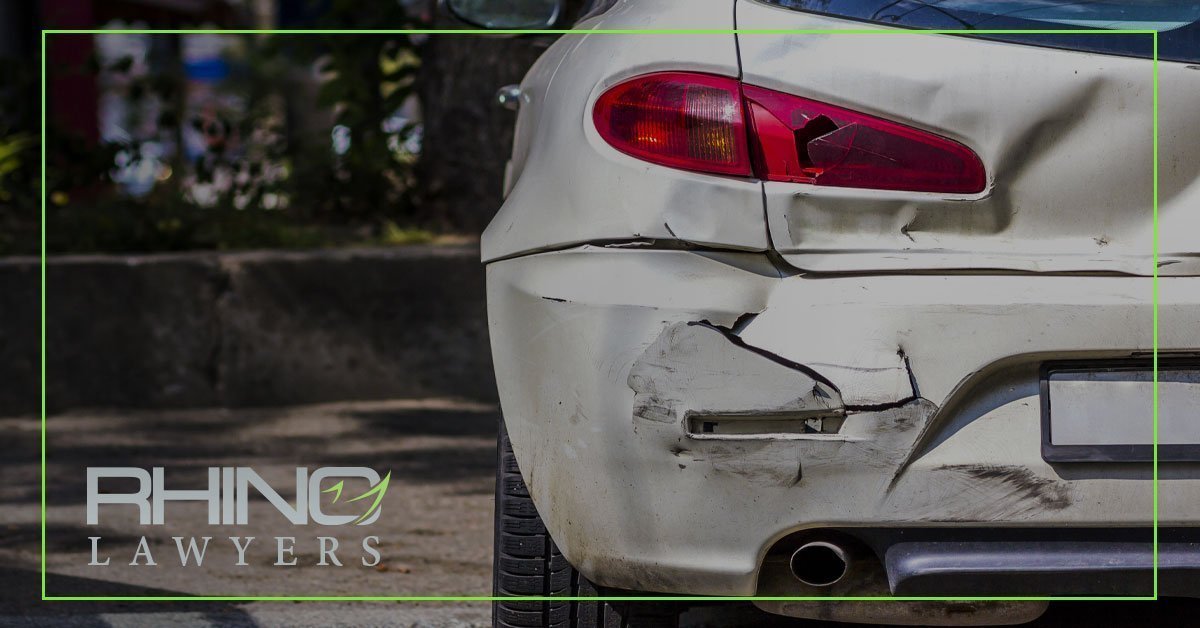
Tips for Building a Strong Auto Accident Case
About six million car crashes occur across the US each year. As a result, 90 people die in car collisions every day. About three million are injured, while two million sustain permanent injuries. If you were recently in an auto accident, don’t hesitate to call for help. An experienced car accident lawyer can help you file a lawsuit. Winning your car accident case can help you fight for the compensation you deserve.
In order to win your auto accident case, you’ll need the proper evidence to strengthen your claim. Read on to discover how you can build your car accident case today.
File a Police Report
How you react immediately after a car accident can impact your car collision case in the future. First, make sure to move to a safe area near the scene of the crash. Don’t leave the scene until after the police clear you to leave.
In some states, you’re legally obligated to file a police report. If you’re uncertain of your local laws, call to cover your bases. Filing a police report can help build your car accident case.
While you wait for the police to arrive, avoid unnecessary small talk with the other party involved in the crash. Don’t speak out of anger, either. Anything you say could impact your case in the future.
Instead, calmly ask the other driver for their:
- Name
- Phone number
- Address
- Driver’s license number
- License plate number
- Insurance information
- Car make, model, and year
When speaking with the other driver, don’t assign blame. Don’t apologize for the accident, either. Otherwise, they might view your apology as an admission of guilt.
Consider writing down your recollection of what happened before the police arrive. It’s normal to forget specific details after a crash.
Note where you were going, what direction you were headed in, and any road conditions that might have contributed to the crash.
When the police arrive to take your statement, stick to the facts. Don’t embellish.
The police will record any property damage, injuries, or deaths that occurred as a result of the crash. They might also file a traffic citation. The traffic citation might indicate who was at fault for the crash.
For example, perhaps the driver was texting and driving or driving while under the influence. If there’s evidence of these factors, the police will record it in their report.
Ask the police for their name and badge number before they leave. Ask them for a copy of their report, too. If they haven’t finalized the report yet, call later to get a copy.
Gather Evidence
Before leaving the scene of the car accident, gather as much evidence as you can.
First, take photos of both vehicles involved in the crash. Gather video footage as well. You’ll need your photo and video evidence when filing your insurance claim.
Did anyone witness the crash? Ask any witnesses if they’re comfortable providing their names and phone numbers. Your car collision lawyer will call them later to request an official witness statement.
Let the police know if someone witnessed the crash as well.
If you’re unable to gather evidence after a car accident, let your lawyer know. Your lawyer might hire an investigator to gather evidence on your behalf. They can also request surveillance footage and other pieces of evidence you can’t on your own.
Visit the Doctor
About 4.4 million people are severely injured enough to need medical attention after car collisions. Even if you left the crash with only a few bruises, visit a doctor. Only a doctor can fully assess your health.
Their report can also benefit your car accident case.
Adrenaline might also mask your pain after a car crash. You might not experience symptoms for days or even weeks after a crash. It’s important to have a doctor assess you before your symptoms worsen.
They could catch a serious problem, like internal bleeding, before it becomes fatal.
Allow a medical professional to complete a full evaluation. Note any medications they prescribe or treatments they recommend. Record any specialists (like a chiropractor or pain doctor) they refer you to as well.
Your car collision lawyer will use these notes to prove that the other driver’s negligence caused you bodily harm.
Keep track of your medical bills and lost wages as well. Your lawyer will need this evidence to calculate your losses. With their help, you can avoid leaving money on the table.
Remain Wary
Don’t try to negotiate with the insurance company alone. Instead, make sure to call your car collision lawyer right away. Otherwise, the insurance company might use your injured state against you.
If you’re taking pain medication for your injuries, they might trick you into admitting fault. They might try to argue that you sustained your injuries another way, too.
Talking to the insurance company alone could cost you your claim. Instead, let your lawyer handle these negotiations.
Hire an Auto Accident Attorney
Don’t hesitate to hire a car accident lawyer. With their help, you can gather the evidence you need to build your case.
Look for a personal injury lawyer who focuses on car accident cases. You can leverage their experience and skills to strengthen your claim. An experienced lawyer likely has professional contacts they can use to gather the necessary evidence as well.
For example, they might hire an investigator to gather evidence. They might also call on a medical expert to speak about your injuries.
Make sure to hire a lawyer as soon as possible. If you wait too long, the statute of limitations could lapse.
Make Your Case: Start Building Your Auto Accident Case Today
Don’t hesitate to contact a lawyer the next time you’re in an auto accident. With their help, you can gather the evidence you need for your car collision case. Your lawyer will ensure you don’t leave money on the table.
Fight for the compensation you rightfully deserve today.
Eager to discuss the specifics of your case with a member of our team? We’re here to help.
Request your free consultation today.
CONTACT A TAMPA AUTO ACCIDENT ATTORNEY
In short, after a car accident, you may not know your rights. Above all, don’t struggle through the process alone. Actually, our personal injury team is here to help you with any legal needs you might have regarding your accident.
Lastly, let RHINO Lawyers answer your questions and review the facts of your case with a Free Consultation. So, get started by completing the “Free Instant Case Evaluation” or by calling us any time, day or night, at 844.RHINO.77.
Read More