
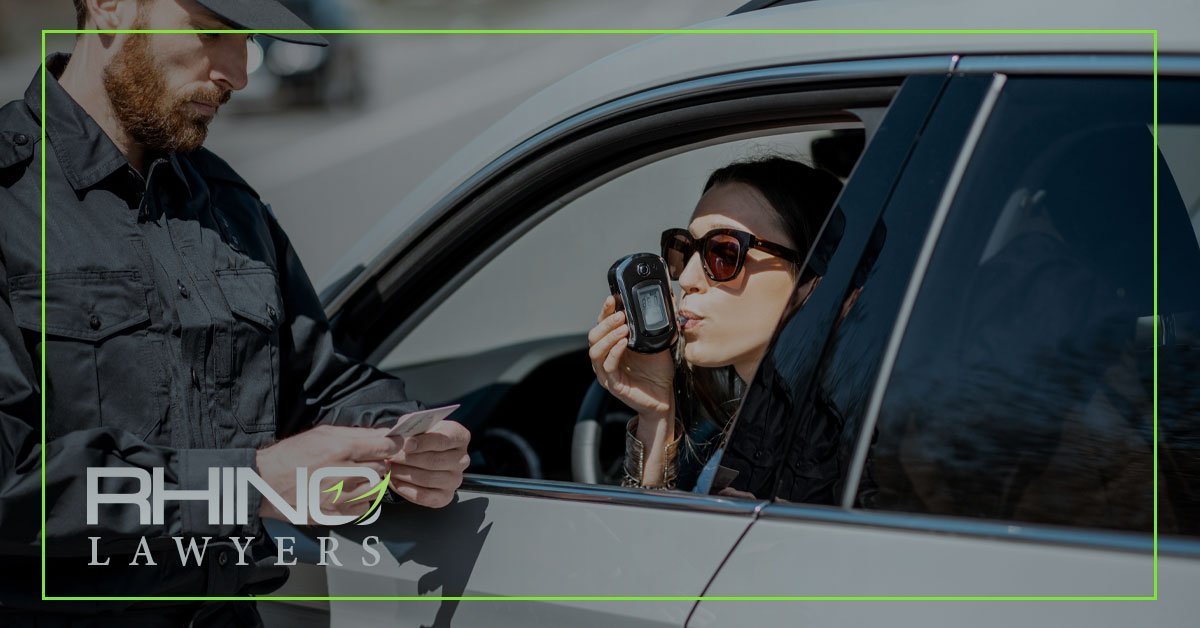
What Happens if You Have Multiple DUIs?
With over 32,000 DUI arrests as of 2020, Florida accounts for 3% of all DUI arrests made in the country. DUIs in the Sunshine State are severe and carry increased penalties for every subsequent conviction. Even more, it’s highly likely that the prosecution will be extremely aggressive.
If you were charged with DUI in the past, getting charged again may trigger strong emotions. Every prior DUI charge on your record will raise the odds and consequences. So, what should you expect from the justice system in such a predicament?
Read on to find out.
Florida DUI Penalties
Your record and the circumstances surrounding the offense will determine the sentence for a DUI conviction. These circumstances include your blood alcohol content (BAC), liability for the accident, and passengers in the vehicle.
A BAC exceeding 0.15 percent will attract higher fines and lengthy jail sentences. The court may also require you to use an ignition interlock device.
Penalties for a first DUI if your BAC was below 0.15 percent include a maximum fine of $1,000, 50-hour community service, and enrolment in a level one DUI program. Other penalties include a six-month jail sentence (with one year of probation), license revocation for 180 days to one year, and your vehicle being impounded.
Penalties for Second DUI with a BAC below 0.15 Percent
A second DUI conviction will attract a maximum fine of $2,000 and license revocation for 180 days to a year. You may also face a 9-month jail term (with a year of probation) and attend a level two DUI school. Expect your vehicle to be impounded for 30 days and an ignition interlock device installed in your car for six months.
If you commit the second DUI within five years of the first charge, you will spend a minimum of ten days in jail. The authorities will also revoke your license for five years.
Penalties for Multiple DUIs
Your DUI charge will be considered a felony if you face a third DUI in ten years of your previous two convictions. The same will apply if you face a fourth DUI charge.
Penalties for a felony DUI include a maximum fine of $5,000 and license revocation for ten years. You may also face a 5-year prison term with a minimum 30-day jail sentence.
Other multiple DUI penalties in Florida include your vehicle being impounded for 90 days, having an ignition interlock device in the car for two years, and enrolling in a level three DUI school.
Paths to Take When Facing Multiple DUIs
Your options for navigating multiple DUI charges are few since the penalties are severe. You may have to take a plea deal and accept the potential consequences. With the help of a lawyer, it’s possible to have the charges withdrawn for lack of evidence before the trial date.
You can negotiate for a reduction of charges with your counsel’s help. If others fail to work, fighting the charges head-on at trial can be the last option.
How to Improve Your Chances of Beating The Case
A good defense strategy can increase your chances of beating a DUI case. All that matters in the defenses is the facts of the case. And the right person to help you argue your case in court is a DUI defense attorney.
Your attorney may argue a lack of reasonable suspicion during the traffic stop. They may also suggest that the arresting officer followed improper procedures before the arrest. Other defenses include evidence mishandling and reasons invalidating the breath test results.
Effects on Your Criminal Record
Since DUI qualifies as a criminal charge, each conviction results in a felony or misdemeanor on your record. Multiple DUI convictions will stay on your record for life. They will appear in Criminal History Records.
Note: a DUI conviction will also appear on your background check and your criminal record for 75 years. And there’s no way to expunge the conviction.
Can You Still Get a Job?
Multiple DUI convictions won’t bar employers from hiring you. However, expect many employers to carry out background checks when considering you for a job position. Also, a lengthy driver’s license suspension can make it hard to find employment.
Since Florida is considered an at-will employment state, you risk getting fired from your job due to a DUI arrest or conviction. The termination will depend on your occupation, industry, employer’s policies on DUI, and your existing relationship with the employer.
You risk losing your job after being convicted for multiple DUIs for several reasons. First, since you will be spending a lot of time in court, it will be difficult to maintain your work schedule. Jail time and attending DUI school will also put you out of work.
How Multiple DUIs Impacts Other Aspects of Your Life
Multiple DUI convictions may make it harder for you to secure rental housing. This is because landlords do background checks, and some aren’t accommodating to tenants with a criminal record.
If you are yet to become a US citizen, a subsequent DUI conviction can take a toll on your immigration status. You risk facing deportation depending on the circumstances behind the DUI charge.
You may also lose your right if the DUI charge qualifies as a felony. The authorities may also revoke your rights to own a firearm due to multiple DUI convictions. Other life aspects that may be affected include child custody disputes, obtaining a professional license, and getting auto insurance.
Need Legal Help When Facing Multiple DUIs?
Facing multiple DUIs can make your life more complicated and risk your freedom. But with the right legal representation, this experience will be less daunting. Your attorney will help with the negotiations and defenses to improve the outcomes.
Trust RHINO Lawyers with your case, whether it involves criminal defense or personal injury. Our attorneys will involve you in developing unique strategies to help your case. Schedule a free case analysis now to get the answers you need.
CONTACT TAMPA TRAFFIC TICKET ATTORNEY
RHINO Lawyers can help and guide you through a system molded by law enforcement, judges, and lawyers for decades. Having won cases for our clients in similar circumstances, our criminal defense team knows what it takes to fight on your behalf.
Let RHINO Lawyers answer your questions and review the facts of your case with a Free Consultation. So, get started by completing the “Free Instant Case Evaluation” or by calling us any time, day or night, at (844) RHINO-77.
Read More
How Pregnancy Can Affect Your Personal Injury Claim
Pregnant women rarely hear about the risks of driving while they’re expecting. And yet, some estimates say that 5,000 fetal deaths occur yearly from car crashes.
This number could potentially be higher since miscarriages occur in 10%-20% of pregnancies during the first trimester. As such, legal authorities only document miscarriages that occur after the twentieth week.
Car accidents can be jarring and traumatic for pregnant women, even when their babies survive. A significant impact poses a substantial risk to your child.
That’s why it’s crucial to know how to file a personal injury claim as a pregnant woman. These claims can help you receive compensation for personal injuries, including the medical treatment you need.
Filing a pregnancy injury claim differs from filing a personal injury claim. But don’t let that scare you! We’ll provide the essential information about this process in the guide below.
Common Threats to Pregnant Women Caused by Accidents
Several types of accidents can pose a threat to expecting mothers. The injuries you sustain depend on how severe the accident was.
Unfortunately, several of these threats can also extend to your baby and its delivery. We’ll explore some of these threats so you can understand their potential risks.
Premature Delivery
First, you could experience premature birth. Doctors consider any delivery before 37 weeks a premature birth.
Medical studies indicate that accident victims have higher rates of premature labor than women who haven’t experienced an accident. Unfortunately, premature babies can struggle to survive, given their underdevelopment.
However, medical technology has advanced significantly. Many premature babies manage to survive and live healthy lives.
Mothers also face a higher likelihood of high-risk pregnancies when they experience car crashes. These complications require diligent monitoring by a physician to ensure the birth goes smoothly.
Placental Abruption
Another threat that an accident can cause is placental abruption. A forceful impact could cause your placenta to split from the uterus before the baby’s birth. Roughly 15% of babies with placental abruption die, making this a severe threat.
Miscarriages
The final threat we’ll discuss is a miscarriage. Miscarriages involve the death of the child in the womb.
This tragedy usually happens when a mother experiences a sudden or violent force. In many cases, the baby tragically cannot survive this trauma.
How Do These Problems Affect Your Personal Injury Claim?
When pregnant mothers become injured in accidents, several things must follow. First, you must seek medical treatment as soon as possible. The extent of this treatment could vary depending on the nature of your injury.
The type of injury you sustained could require additional medical costs. For example, you may need a Cesarean section for some of these injuries. This procedure can cost a significant amount of money.
Furthermore, there are other costs to consider. The problems listed above could cause birth defects to impact your baby. So, your child may need more medical attention, which costs more money.
If your child suffered a birth defect or injury due to a pregnancy accident, there are some options for claiming compensation. Some of these compensational expenses could cover:
- Surgeries
- Prescription medication
- Occupational therapy
- Physical therapy
You can also claim compensation for the time you spent out of work recovering from injuries. In these cases, the offending party may owe restitution for your lost wages. The same holds for the time taken off work to care for your child.
Compensation for Emotional Damages
Insurance companies often look specifically at medical bills when determining the amount of compensation they owe. However, physical injuries aren’t necessarily the worst thing sustained from a pregnancy accident.
After all, expecting mothers always have high hopes for their baby’s health. Accidents that jeopardize their health often leave expectant parents traumatized or anxious.
These emotional damages could earn you additional compensation when you go to court. Injured mothers tug at jurors’ heartstrings more than an insurance company that wants to withhold payments.
What Happens If Experiencing a Car Accident While Pregnant Causes a Miscarriage?
Tragically, miscarriages can occur because of car accidents. This outcome is the worst-case scenario, surpassed only by the death of the expecting mother.
So, what happens if you undergo a miscarriage because of a car accident? Unfortunately, many states will not allow you to bring a wrongful death lawsuit on behalf of that child.
Most states in the US require a child to be born alive before its death for you to bring this charge. There are a few exceptions to this rule, however. For example, Texas’s state law allows parents to bring a wrongful death lawsuit to court for an unborn baby.
Hire a Lawyer to Make Your Case
Once you receive your medical attention, start searching for a lawyer who can make your case in court. Your lawyer serves as your advocate against the offending party’s insurance company. They will make your case to the jury that this insurance provider owes you the money you demand.
The question is, how can you find the best lawyer for your case? There are a few critical criteria to use in your search.
First, it often helps to have a lawyer from your locality. These lawyers understand your local and state laws thoroughly. So, search for lawyers in your area who can handle your case.
Then, narrow your search by looking up a law firm’s reviews. How did other people in your situation judge this firm’s services? Did they get the compensation they required with this law firm?
Lastly, it helps to verify that your law firm has experience with cases like yours. So, check with this personal injury lawyer to see if they specialize in this type of personal injury lawsuit.
Consider Working With Us
Filing a personal injury claim is no small task. This work is your best chance at receiving the compensation you require for your injuries.
So, don’t leave your personal injury lawsuit to just anyone. Instead, work with our dedicated team to ensure you get the money you deserve.
We have an excellent track record of getting our clients their due compensation. We also strive to make it easy for people to receive a consultation about their cases.
To that end, consider scheduling a free video consultation with us today! You can use this time to tell us about your case and ask any questions before filing an injury claim.
CONTACT A TAMPA AUTO ACCIDENT ATTORNEY
In short, after a car accident, you may not know your rights. Above all, don’t struggle through the process alone. Actually, our personal injury team is here to help you with any legal needs you might have regarding your accident.
Lastly, let RHINO Lawyers answer your questions and review the facts of your case with a Free Consultation. So, get started by completing the “Free Instant Case Evaluation” or by calling us any time, day or night, at 844.RHINO.77.
Read More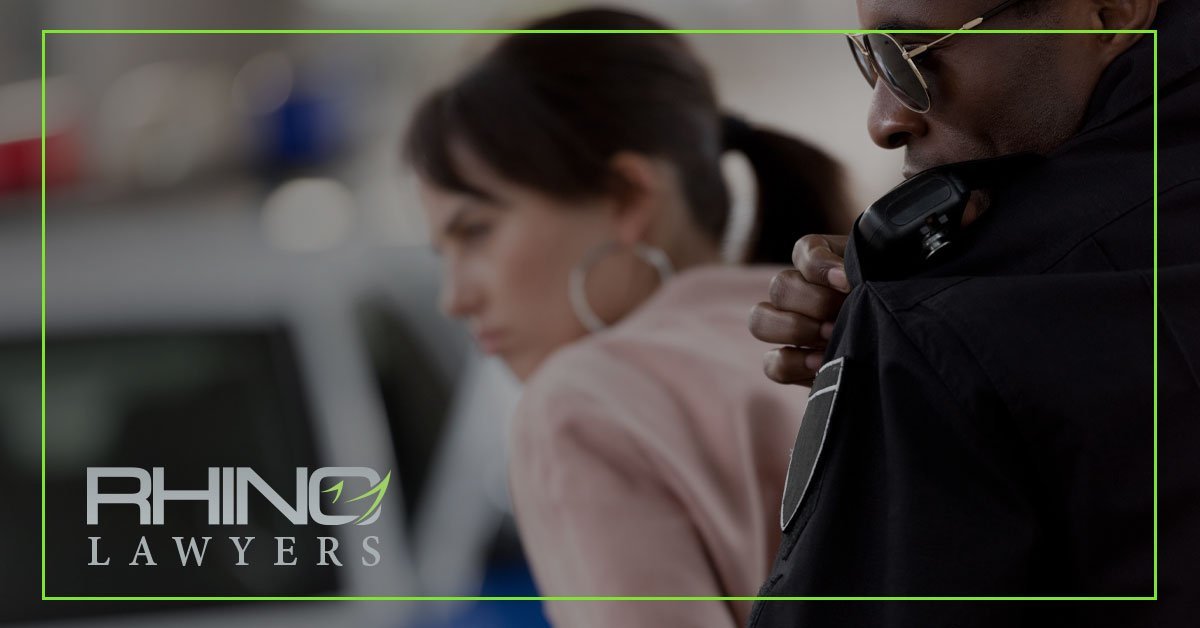
What Are the Penalties for Fleeing and Eluding in Tampa?
There’s a huge, palpable feeling of fear during a traffic stop, and that anxiety goes both ways!
Citizens fear police consequences and violence, while police also fear what they’re facing. This fear drives both parties to protect themselves. For some, this instinct to flee could result in criminal charges like eluding an officer.
Make no mistake about it, though. You won’t be able to use instincts as a defense against fleeing and eluding charges. You’ll need to construct a much better defense to avoid fleeing and eluding penalties.
Are you wondering what potential penalties you could face after an arrest? Read on to get informed.
1. Prison Sentence
Immediately upon getting arrested for fleeing to elude a charge, you’ll get taken to jail. Within a few days, you’ll have an initial hearing where a judge will set a bail amount.
For many, this is a relief because they can make bail and work on a defense strategy. For countless others who can’t make bail, it means an extended prison term until their court date.
The Bureau of Justice reported that 65% of inmates were awaiting trial in 2019.
When you’re charged with fleeing to elude, you should expect bail to be significant. After all, the judge will see you as a flight risk since you are already accused of trying to run away.
What’s more, your charges are a felony crime. These serious offenses come with higher bail amounts.
If you do get convicted, then you’ll serve even more prison time after your court date. In Tampa, you can serve up to five years in prison for fleeing and eluding.
2. Probation Term
If no aggravating factors exist in your case, then you might not serve much prison time. Instead, you could get sentenced to a very long probation term.
Per Tampa law, you can serve up to five years on probation for general fleeing to elude convictions.
Probation means that you will not get imprisoned, but you’ll still face restrictions. Expect to meet with your probation officer on a weekly or monthly basis. You may also be subject to the following terms:
- Allowing probation officers to come to your home or workplace
- Remaining employed during probation
- Paying any court-ordered restitution, penalties, or fines
- Not traveling outside of the county or city
- Submitting to drug or alcohol testing
- Refraining from committing any new crimes
- Not possessing or buying any firearms
Any violations of your terms of probation could lead to your arrest. You’ll face more criminal charges and likely end up in prison or jail.
What’s more, felony probation is stricter than other types of probation. Expect more frequent and intense monitoring.
3. Fines
As if imprisonment or probation weren’t enough, you’ll face more criminal consequences. These will come in the form of significant court fines and penalties.
With eluding charges, expect to face fines of up to $5,000. If sirens were activated and you were driving recklessly, then the fine might double.
Did you actually cause an accident while fleeing? Were others injured, or was property damaged? If so, then you might face more financial penalties in civil court.
If injured individuals seek out a claim, then you might be liable for their losses. In that case, you’ll need to stay up to date with this civil settlement to remain in good standing.
4. License Suspension
Another consequence of your arrest will be an automatic license suspension.
This suspension can last anywhere from one to five years. You will not have driving rights, which could impact work and personal relationships.
You do have the right to a DMV hearing if you request one, though. You’ll need to request this hearing within 30 days of your arrest. Otherwise, an automatic suspension will occur.
There’s a chance you can ask for a hardship license, which will allow you to get to work. This will only work if you have a stable job, though. It’s best to hire a lawyer to help with your DMV hearing.
5. A Loss of Civil and Constitutional Rights
All the penalties above are harsh, but they aren’t all you’ll contend with. Fleeing a traffic stop is a felony offense.
Felony arrests come with very specific consequences. If you get convicted, then you could lose certain civil and Constitutional rights. After your conviction, you’ll lose the following rights:
- Voting
- Possessing or owning a firearm
- Unrestricted international travel
- Ability to serve on a jury
- Applying for public assistance or housing
- Right to be free from discrimination for employment purposes
- Right to qualify for financial loans
Per Florida law, losing these rights is automatic and instant if you get convicted. Any violations of these conditions will result in more criminal charges against you.
It might be possible to regain your rights in the future if you expunge your record. This process is long, tedious, and not guaranteed. If you’re considering expungement, then you’ll want an attorney’s help.
6. A Loss of Future Opportunities
The criminal and civil penalties of a fleeing and eluding conviction are hefty. As if that wasn’t enough, you’ll likely suffer personal consequences for years to come.
Convicted felons struggle when it comes to finding stable employment. What’s more, your personal relationships will suffer after prison or probation.
Even once you’ve served your time, the ghost of your conviction will limit your opportunities. You might feel limited in where you can work, live, and be yourself.
Coping With Fleeing and Eluding Charges in Tampa
The penalties associated with fleeing and eluding an officer are significant. Considering your charge is a felony offense, the consequences couldn’t get much worse!
From prison time to losing civil rights, your sentence could be harsh. The best way to avoid the worst penalties is to hire a criminal defense lawyer to help.
Here at RHINO Lawyers, we value your freedom and understand what’s at stake. We’ll fight to work towards the best possible legal outcome in your situation.
Leave your contact details on our form now for a free case evaluation.
CONTACT TAMPA TRAFFIC TICKET ATTORNEY
RHINO Lawyers can help and guide you through a system molded by law enforcement, judges, and lawyers for decades. Having won cases for our clients in similar circumstances, our criminal defense team knows what it takes to fight on your behalf.
Let RHINO Lawyers answer your questions and review the facts of your case with a Free Consultation. So, get started by completing the “Free Instant Case Evaluation” or by calling us any time, day or night, at (844) RHINO-77.
Read More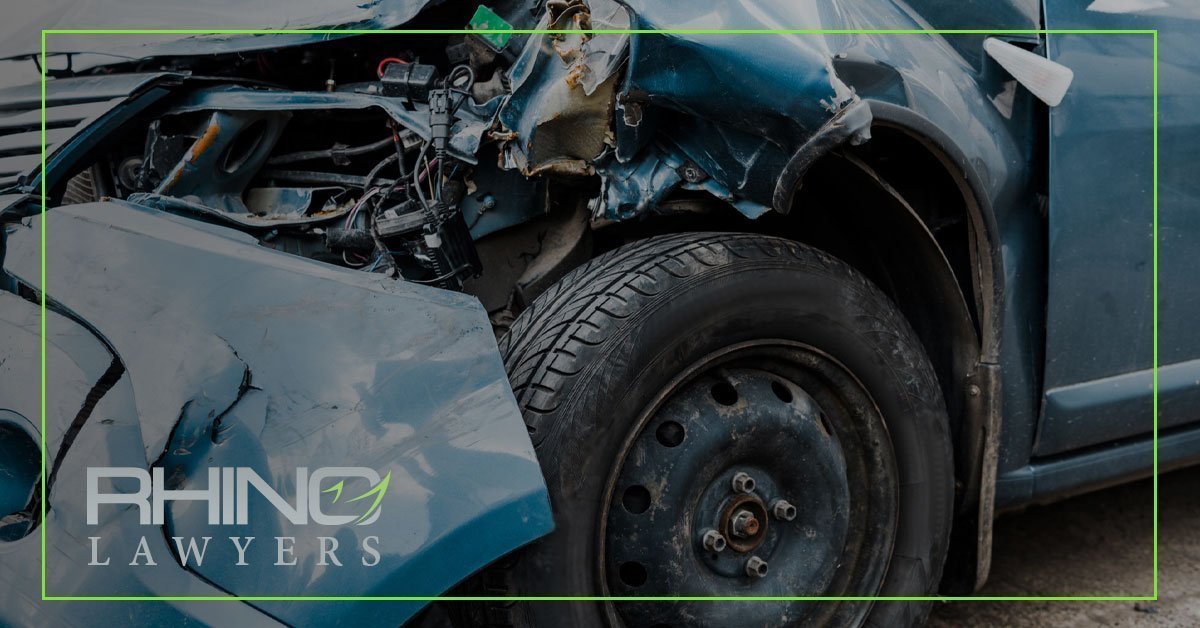
What Is Considered Property Damage in a Car Accident?
Crashes don’t just dent your fender. They dent your wallet as well! The average cost of a car accident that results in property damage only is $4,700 per vehicle. That may be a few months of rent where you live.
You need to take property damage in a car accident seriously. One tricky thing about property damage is that it can mean a few different things.
What exactly is vehicle damage and personal belongings damage? How does damage to public property impact compensation claims? Can you get money for injuries to your pet?
Answer these questions and you can get the compensation you deserve after any car accident. Here is your quick guide.
Vehicle Damage
As you might imagine, the most substantial property damage from a car accident is usually the vehicle. A fender bender can damage your bumper as well as your suspension and tires. It may cost you hundreds of dollars to get repairs, and you may not be able to drive your car for a few hours.
A more serious collision can cost you thousands of dollars. You may need to take your car to a repair shop and use a rental for several days.
Even if your car seems fine, you may have damaged bolts or parts inside your engine. You should always evaluate your car after any collision and determine if everything is okay.
Florida is a comparative fault state. This means that compensation is tied to degrees of fault for the accident. If you sustained $10,000 worth of damage but you were at 30% fault for the accident, you can only receive $7,000 in compensation.
If your vehicle got totaled, you can receive money equivalent to the fair market value for your car. This lets you buy a new car, as the cost of repairs may exceed the cost of a new vehicle.
Personal Property
You can get money for anything that requires repairs or replacements after an accident. This includes electronics, clothes, audio equipment, and other personal effects.
The key is that you have evidence to back your claim up. You should have papers detailing how much each item costs and what the damage to each item was like.
It is okay if your property did not cost very much. You can go to a small claims court and file a lawsuit against the other driver to claim money back.
In a small claims court, you must prove that the other driver was negligent. You can point out that they caused the accident and did not act with appropriate care. They may have been speeding or using their phone while driving.
You can represent yourself in a small claims court, or you can ask a car accident property damage attorney to help you out. They can use their legal experience to build a case for you, or you can ask them questions about how you can build your own case.
You can receive compensation for the damage that occurred on your property. If a driver knocks down a fence or a tree on your property, you can get money to fix the damage.
Public Property
Public property includes roadways, road signs, sidewalks, and other pieces of land regularly used by the public. Many car accidents result in damage to public property.
The at-fault driver will need to pay for these damages. They may also be charged with damages to public property, which can lead to significant fines.
Damage to public property does not affect your property damage claims. Even if a judge determines that the driver damaged public land, they may not determine that the driver is responsible for damaging your property.
Both drivers in a collision can be held accountable for damaging public property. You may have swerved onto a sidewalk, causing a tile to chip. Even if you were not at fault for the accident, you may need to pay for the damage to the sidewalk.
You should contact a car accident lawyer for property damage if you are accused of damaging public property. If you can show that the damage was an unintentional outcome of the accident, you may not need to pay. The force of the collision may have pushed your car onto the sidewalk.
Pet Injuries
Injuries to your pet count as property damage. You can receive compensation from the other driver’s liability coverage. If you have pet insurance, you may also get money to cover the cost of surgeries and medical treatment.
You should take steps to protect your pet while you are driving. You should restrain your pet with a seatbelt or put it in a cage so it cannot escape.
Some car accident insurance policies do not cover injuries to reptiles, fish, birds, and other pets. Take a look at your policy to see what it covers and try to buy another insurance package that protects your pet.
The signs of injuries for a pet may not be apparent. Some pets hit their heads. Which can cause internal bleeding that takes a few hours to become fatal. You should always take your pet to the veterinarian to have them checked out.
The Essentials of Property Damage in a Car Accident
Property damage in a car accident can cost thousands of dollars. That’s because it includes damage to your vehicle, your personal belongings, and your pet.
You can receive money for any of these damages, but you need to have proof to back yourself up. Plus, you need to show you were not at fault for the accident, and you must have paperwork regarding the damages. You also need to defend yourself against claims that you damaged public property.
The best way to build a case is to get a lawyer. RHINO Lawyers serves Florida residents. Contact us today.
CONTACT A TAMPA AUTO ACCIDENT ATTORNEY
In short, after a car accident, you may not know your rights. Above all, don’t struggle through the process alone. Actually, our personal injury team is here to help you with any legal needs you might have regarding your accident.
Lastly, let RHINO Lawyers answer your questions and review the facts of your case with a Free Consultation. So, get started by completing the “Free Instant Case Evaluation” or by calling us any time, day or night, at 844.RHINO.77.
Read More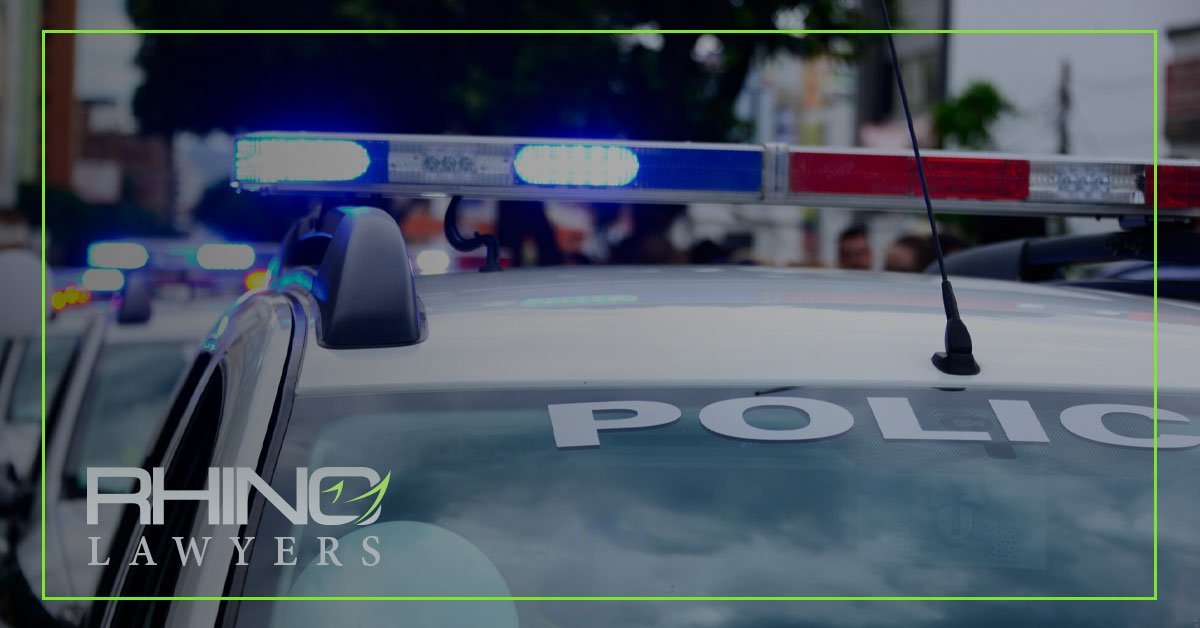
When Can Tampa Police Search Your Car?
On average, police pull over 50,000 drivers every day in the US – that’s more than 20 million motorists each year. So if you see those flashing lights and get that sinking feeling in your stomach, you’re far from alone. But the police have rules they must follow during a traffic stop.
But if you’re a Tampa motorist, it’s good to know what the law says about lawful and unlawful searches. The police are not authorized to stop you and search your car for just any reason. They need to have lawful grounds before they proceed.
Let’s take a look at when the Tampa police are within their rights to search your car.
Do Tampa Police Need a Warrant to Search Your Car?
In short, the answer is yes, they usually do.
If the Florida police search your vehicle without a warrant any evidence they produce will likely be inadmissible in court. To obtain a search warrant, the police must convince a judge that there is probable cause to believe either:
- A crime is in progress
- They will be able to uncover evidence of a crime in that location
The police provide an affidavit – a written statement given under oath. The suspect does not have an opportunity to contest the warrant at this point. However, they may be able to do so later.
Some grounds for issuance of a search warrant include:
- Recovery of stolen property
- Items used in criminal activity
- Items of an obscene nature or related to gambling
- Violates laws relating to the manufacture, sale, and transportation of intoxicating liquor
- Violates food and drug laws
You have a right to retain a duplicate copy of the original search warrant and an inventory of any property seized.
Even when the police have a warrant, they are not authorized to go beyond its terms. They may only search for the item or evidence specified on the warrant. However, if they find other evidence or illegal materials during the course of this search, they may seize them.
When Can Tampa Police Conduct a Vehicle Search Without a Warrant?
There are several scenarios in which a Tampa police officer may be able to conduct legal searches without a warranty. These include providing consent, probable cause, search incident, and emergency purposes.
Providing Consent
At a traffic stop, a Tampa police officer may request your explicit permission to search your vehicle. If you provide it, they may legally proceed with the search.
However, you have the right not to be coerced or intimidated into giving consent. If you feel that this was the case, talk to your lawyer about this.
Probable Cause
During a routine traffic stop, the police officer may feel that something is amiss. For example, if they catch sight of contraband in plain view, that is probable cause to search your vehicle. They may also smell drugs and that would constitute probable cause.
If they have reason to suspect that you have contraband in your vehicle, they may only search where it may reasonably be stored. Drugs can be stored anywhere, so in this case, the officer would have the right to search the entire vehicle.
Incident to an Arrest
To protect law enforcement officers, they may search your vehicle for weapons or other evidence during the course of an arrest. For example, if the police are arresting you for possession of contraband, they can use this power to search your vehicle. This serves several purposes:
- Protecting the police officers
- Preventing escape
- Preserving evidence
If you are arrested for any lawful reason, the police have the right to perform an inventory search on your vehicle. The purpose of this search is not to find contraband or evidence. But if the police do find this, it could form part of the case against you.
Emergency Purposes
Obtaining a search warrant takes time. If the police officer judges that the delay would put the public’s safety at risk or could result in evidence being destroyed, they may search your vehicle.
What to Do During Tampa Police Vehicle Searches
Vehicle searches can be very stressful even when you have got nothing to hide. It’s very important to remain calm, respectful, and cooperative.
Remember, you have the legal right to withhold consent for the officer to search your vehicle. Under these circumstances, they would have to use one of the other reasons mentioned above for performing the search.
During the traffic stop, you are not legally obliged to answer questions relating to:
- What is in the vehicle
- If you are under the influence of drugs or alcohol
- If you are in trouble for any other reason
The police could use your answer to these questions as probable cause to search the vehicle. Although you do not have to provide information, you must also not lie to the police.
If the Search Goes Ahead
If the Tampa police feel they have established probable cause or another reason for performing the search, do not confront them or attempt to stop the search. You may calmly restate your refusal to provide consent, which should be recorded on their body camera.
Remain calm throughout and feel free to note down details that you may find useful later.
Unlawful Search and Seizure
We all appreciate the hard work and dedication of Tampa police officers. However, they may not violate the law or our civil rights. If you feel that your search and the seizure of any goods from your vehicle were unlawful, follow this up with an attorney who can investigate your case.
Your attorney will be able to gain access to body cam and dash cam footage of the incident. If the search was unlawful, he or she can file a motion to have illegally obtained evidence thrown out.
What to Do if Tampa Police Unlawfully Search Your Car
If your vehicle has been unlawfully searched by the Tampa police, you need help from an attorney.
At RHINO Lawyers, we’re here to review your case and provide any legal assistance you may need. Call us today at (844) RHINO-77 or contact us online for a free case review.
CONTACT TAMPA TRAFFIC TICKET ATTORNEY
RHINO Lawyers can help and guide you through a system molded by law enforcement, judges, and lawyers for decades. Having won cases for our clients in similar circumstances, our criminal defense team knows what it takes to fight on your behalf.
Let RHINO Lawyers answer your questions and review the facts of your case with a Free Consultation. So, get started by completing the “Free Instant Case Evaluation” or by calling us any time, day or night, at (844) RHINO-77.
Read More
Consequences of Leaving the Scene of an Accident in Tampa
Between 2012 and 2021, there were over 710,000 hit-and-run crashes in Florida. From fender-benders to crashes resulting in deaths, hit-and-run accidents carry serious consequences. If you’ve been in an accident that has caused property damage, injury, or death, you must remain at the scene.
If you leave the scene of an accident, you face charges as well as potential fines. The penalties get more severe the more serious the crash is. Read on to learn more about the consequences of leaving the scene of an accident. And what you should do instead.
Florida Laws
Florida law requires you to call the police if you are involved in an accident that results in injury, death, or property damage in an “apparent amount of at least $500.” Because it’s hard to estimate how much damage a crash does and how much it may cost to repair a vehicle, it’s safe to assume that if you are involved in any crash with visible property damage, call the police.
It’s always better to err on the side of caution and call them when you don’t really need them than the alternative of not calling and facing charges.
If you do not call the police, you face a potential noncriminal traffic infraction, which usually involves a fine. However, if there is significant damage, injury, or death, you are facing criminal charges, fines, potential prison time, and revocation of your license if you do not call the police and stay at the scene of an accident.
Fleeing an accident scene is almost a guarantee that your charges are going to be greater and your penalties stiff than if you had simply remained at the scene and dealt with law enforcement.
They will search for you and they will find you. It will be much harder to mount any sort of defense if you flee than if you stayed and faced the consequences.
Crashes Involving Vehicle or Property Damage
The penalties for leaving the scene of an accident depend on the extent of the car crash and the damage done. If it is an accident that results in damage to your vehicle, another vehicle, or property damage, and you flee the scene, you can face second-degree misdemeanor charges.
The potential penalties for a second-degree misdemeanor in Florida include:
- Up to 60 days in jail
- Up to six months of probation
- A fine up to $500 with $5 added to be deposited in the Emergency Medical Services Trust Fund
The penalties increase if there were injuries as a result of the accident.
Crashes Involving Injuries
Leaving the scene of an accident that involved injuries (but not death). Florida considers this a third-degree felony. In order to convict you of this charge, the state attorney must show that you knew of your involvement in an accident. Plus, that you knew or should have known, that a person was injured, and that you failed to stop at the scene and remain there.
If convicted, you face the following penalties:
- Up to five years in prison
- A fine up to $5,000
- Up to five years of probation
Crashes Involving Death
When you leave the scene of an accident after a death has occurred, you are facing first-degree felony charges. The state attorney must show that you knew that you were involved, knew or should have known about the death, and didn’t stop and remain at the scene.
First-degree felonies come with the potential of:
- Up to 30 years in prison
- A fine of up to $10,000
- Up to 30 years on probation
Administrative Penalties
Not only do you face criminal charges and penalties when you leave the scene of a car crash, but you’ll also face administrative penalties, such as losing your driver’s license.
When you are involved in a crash that causes injury and death and you flee the scene, your license may be revoked.
Your Duties After a Crash
When you are involved in any sort of crash that results in damage or injury. Then there are certain duties that you have in Florida, including:
- Remain at the scene
- Provide your contact information, including your name and address
- Provide the registration number of the car you were driving
- Show your driver’s license
- Provide reasonable assistance for anyone who is injured (calling an ambulance, etc.)
If you hit a car that is parked, you must try to find the owner. And if you cannot, you must leave a note with your contact information and information about the crash. You are not legally required to stay at the scene until the owner of the car or other property returns.
Leaving the Scene of an Accident: Don’t Do It
There are many reasons for leaving the scene of an accident. Most of them involve trying to avoid trouble of some sort. Such as if you were driving under the influence, driving with a suspended license, or having a warrant for your arrest. It is almost a guarantee that law enforcement will find you if you flee and you will then be in more trouble.
Not only will you not avoid getting into trouble from the accident. But you are also going to face even more consequences for leaving the scene. Your best option is to remain at the scene and face any repercussions that may come your way. If you are taken into custody at the scene, contact an attorney as soon as you are able.
Contact us at RHINO Lawyers. We focus on criminal defense and traffic violations and can provide a free case evaluation.
CONTACT TAMPA TRAFFIC TICKET ATTORNEY
RHINO Lawyers can help and guide you through a system molded by law enforcement, judges, and lawyers for decades. Having won cases for our clients in similar circumstances, our criminal defense team knows what it takes to fight on your behalf.
Let RHINO Lawyers answer your questions and review the facts of your case with a Free Consultation. So, get started by completing the “Free Instant Case Evaluation” or by calling us any time, day or night, at (844) RHINO-77.
Read More
Can Your Driving Record Affect Your Injury Claim?
Imagine this:
You’re driving down the road, completely focused, with both hands on the wheel, going the speed limit, and suddenly, someone rear-ends you. You sustain a neck sprain from the accident, so you file an injury claim with the at-fault driver’s insurance company.
It’s evident you didn’t do anything wrong in this situation, but the insurance company pulls your driving record and sees it’s not so squeaky clean. In fact, on paper, you look like the one who is a bad driver.
Can the insurance company use your driving record against you when you file a claim?
Unfortunately, they often can.
So keep reading as we dive into this topic, and you learn exactly how your driving record can impact an insurance claim.
Who Is Entitled to Compensation From an Injury Claim?
Before discussing how a poor driving record can affect an injury claim, you should know that if someone else injures you in a car accident, you are legally entitled to compensation.
You should never let blemishes on your driving record stop you from filing a personal injury claim against the at-fault party. First, however, you want to hire some legal help when filing a claim.
Although your driving record alone cannot prevent you from receiving compensation, it can lower the amount you receive from the insurance company for your claim. Neither party can use evidence of prior convictions of criminal-based driving offenses to prove guilt. Examples of these convictions include:
- Careless driving
- Driving with an expired or suspended license
- Fleeing the scene of an accident
- Hit and run
- Illegal drag racing
- Vehicular manslaughter
But, attorneys can use your driving record to doubt your credibility and testimony. Thus, hiring a lawyer to help you with your claim is the best way to get the compensation you deserve.
Insurance companies use many tactics to pay less money on claims, so you want someone in your corner fighting against them and for what you are owed for your pain and suffering.
How Insurance Companies Try to Use Your Driving Record Against You
If you have one parking ticket or a single moving violation on your driving record, it won’t be enough for the insurance company to try to use it against you.
But suppose you have multiple tickets for distracted driving, several speeding tickets, or a conviction for a criminal-based driving offense. In that case, they may try to establish a pattern of poor driving.
If they can show you are a reckless driver, they may try to say you were actually the at-fault driver in the accident. They can use this information to counter your claim and deny you financial compensation.
Remember, you’re only entitled to compensation from an at-fault party.
Based on your driving record, they may be unable to outright blame you entirely for the accident. But they can still try to allege you were partially at fault.
Being partially at fault would undervalue your claim so that the insurance company would pay you less. Every state has negligence laws that prevent you from receiving part or all of your compensation if you were partially to blame for the accident.
The insurance company may try to use your driving history to establish some fault and paint you as a negligent driver. Then, they wouldn’t have to pay as much in compensation to you for your injuries.
Pre-Existing Injuries
Aside from trying to establish a pattern of poor and negligent driving to reduce your compensation, the insurance company may also try to prove your injuries were actually from a prior accident.
For instance, if your driving record shows you were in a previous accident, the insurance company may try to use that as a way to state that your current injuries are just pre-existing.
If they successfully prove this, they could prevent you from receiving any money. This is because pre-existing conditions are not compensable in personal injury claims.
However, if you did have a prior accident, but this most recent accident aggravated pre-existing injuries, you can still receive compensation. You would need the assistance of an attorney to help you collect proper evidence to prove the accident worsened your condition.
Additionally, the insurance company cannot claim your injuries wouldn’t have been so bad if you didn’t already have a pre-existing condition. So they have to accept your condition as it is. This is the eggshell skull rule.
Can Your Driving Record Help You in an Injury Claim?
Your driving record isn’t all bad news for your injury claim.
While the insurance company may try to use a poor driving record against you, it can benefit you in your lawsuit if you have a clean or primarily spotless record.
If the insurance company tries to paint you as a negligent driver or establish fault, your lawyer can use your clean record to demonstrate you’re a careful driver. This could benefit and strengthen your claim.
Further, you can introduce the other driver’s record into the court. If the at-fault driver has a history of car accidents or moving violation tickets, this could help your case. Your lawyer can use the other driver’s record to establish a pattern of negligent driving.
This may take any fault away from you and strengthen how much compensation you are entitled to receive.
If one party wants to submit driving records to the court, it’s best to present both drivers’ records to establish fault better. Again, it will work in your favor if you have a history of being a safe driver.
Hire a Lawyer for Your Personal Injury Claim
If you’ve recently been in an accident and want to file an injury claim, you must hire a lawyer first. It’s the best way to ensure you receive the compensation you deserve.
Contact us at RHINO Lawyers to speak with an attorney today. We’ll offer free advice to you now!
CONTACT A TAMPA AUTO ACCIDENT ATTORNEY
In short, after a car accident, you may not know your rights. Above all, don’t struggle through the process alone. Actually, our personal injury team is here to help you with any legal needs you might have regarding your accident.
Lastly, let RHINO Lawyers answer your questions and review the facts of your case with a Free Consultation. So, get started by completing the “Free Instant Case Evaluation” or by calling us any time, day or night, at 844.RHINO.77.
Read More
A Drunk Driver Hit Me in Tampa, Now What?
Consider this scenario: you’re driving home from work one evening, ready to get home to your family and relax. And out of nowhere, a driver runs a red light and t-bones your car.
Thankfully, your injuries don’t appear too serious, but you go to the hospital just to get checked out. Your brand new car is totaled and now you’re wondering what to do.
Getting hit by a drunk driver is devastating. An accident can cost you considerably. Including medical costs, replacing your vehicle, and dealing with the pain and suffering that often occurs afterward.
Do you know what to do to protect yourself after an accident and ensure that you are adequately compensated for your expenses? If not, we’re here to help. Read on to learn more about what to do after a drunk driving accident.
Call the Police
Calling the police should be one of the first things you do if you are in an accident with any driver, but especially a drunk driver. The police will secure the scene, conduct a preliminary investigation so they can write an accident report, and arrest the driver if they suspect that they are under the influence.
You will need the police report for any insurance claims and if you want to seek compensation from the drunk driver and their insurance company.
Seek Medical Care
When you call the police or call 911, paramedics will also respond to the crash scene. Whether you get medical care at the scene or visit a doctor later on your own, you need to seek medical care.
Even if you think you only have minor injuries, the adrenaline from the accident may be masking pain or internal injuries that can be serious if left untreated.
If you later file a claim against the drunk driver, you will also need documentation of your injuries. Keep records of all of your doctor visits, any paperwork you receive, and receipts for anything you pay out of pocket. Plus, be sure to follow any instructions given to you by a doctor. If you do not follow your treatment plan, insurance companies will often use that as a way to argue that your injuries aren’t that serious.
Document the Accident
If you are able to do so, and it is safe, document the accident scene and damage as much as possible. Take pictures of the damaged vehicles, other damaged areas (guard rails, signs, etc.), and the entire accident scene. If you can take pictures and videos, that’s even better.
You can also document your injuries, especially if they are visible, such as swelling and bruising, cuts, scrapes, etc. Make a note of the day and time of the accident, the weather, and any other relevant details you can remember.
If there are any witnesses, gather their contact information at the scene. This will likely be included in the accident report, but you will want to make sure that you have that information as well, just in case. When you speak to an attorney, they will likely want to contact any witnesses.
Contact Your Insurance Company
Once you have received medical care, you will need to contact your insurance company. They will often work with the insurance company of the driver that hit you to determine fault. And will typically go after that driver to cover your expenses.
You will likely need to give your insurance company the accident report and keep in touch with them as the claim progresses. It is important though to remember that you should not talk to the insurance company for the other driver without consulting with your attorney. Anything you say to them can be used against you and you do not want to admit any fault or agree to any settlements without legal guidance.
Hire an Attorney
Insurance companies want to pay out as few claims as possible for as little money as possible. Their focus is their bottom line, so if you file a claim against the other driver, they will do everything they can to either deny your claim or pay you as little as possible.
This is why you need an experienced car accident attorney. They can handle negotiations for you and get you the compensation you deserve.
If the other driver does not have insurance, you will have to sue them directly. Your attorney can help you negotiate this as well. Many attorneys provide free consultations, so speak with a few different attorneys to see if you have a strong case.
Keep Records of Everything
Keep documentation of everything to help your attorney build your case. If you receive any phone calls about the case, make notes of those. Document every person that you talk to, including the date and time of the conversation.
Keep all the pictures and videos from the accident scene and share those with your attorney. As well as, any other receipts, police reports, and witness contact information.
Avoid Social Media
One thing that can often hurt your case is posting on social media. The insurance company of the at-fault driver will often comb through your social media posts. Because they are looking for evidence that your injuries are not as severe as you say.
Avoid posting anything about the accident on social media. In fact, don’t talk to your friends about it, and don’t talk to insurance adjusters.
Hire a Lawyer to Represent You After A Drunk Driver Hits You
If you have been hit by a drunk driver, you need to ensure that you are compensated for your injuries, medical expenses, lost wages, and damaged property. There are not just criminal penalties for driving drunk. A drunk driver who causes an accident is also responsible for your costs as well.
If you are in need of a personal injury attorney to handle your case, contact RHINO Lawyers. We focus on car accident cases and will provide a free case evaluation.
CONTACT A TAMPA AUTO ACCIDENT ATTORNEY
In short, after a car accident, you may not know your rights. Above all, don’t struggle through the process alone. Actually, our personal injury team is here to help you with any legal needs you might have regarding your accident.
Lastly, let RHINO Lawyers answer your questions and review the facts of your case with a Free Consultation. So, get started by completing the “Free Instant Case Evaluation” or by calling us any time, day or night, at 844.RHINO.77.
Read More
7 Ways a Breathalyzer Can Be Wrong
Every year, thousands of people die in drunk driving accidents. It is no wonder that DUI charges are so serious. At the same time, some people take a breathalyzer test when they know they have not been drinking and end up with a positive result anyway.
People experience incredible helplessness when this happens. After all, the law enforcement officials involved probably act extremely confident about their guilt. On top of that, it is impossible to argue with a machine.
However, people often find hope when they find out that there are actually a number of known ways that breathalyzer tests can be incorrect.
So what exactly are the most common ways a breathalyzer result might be faulty? Could one of these mistakes explain your own false-positive result? Read on to learn all about the most important things to understand about how a breathalyzer test can be wrong!
1. Poor Breathalyzer Calibration
There are a couple of different ways that someone can receive a bad breathalyzer result and get a DUI charge as a result.
In some cases, people have not had very much to drink. If they have had sufficiently low quantities of alcohol, then they are actually following the law when they drive. However, a breathalyzer test might show that they have been drinking more than they really have.
On the other hand, a breathalyzer test might claim that someone has been drinking even when they have not had any alcohol in recent history. In both cases, this is potentially the result of bad calibration.
The longer machines go without proper calibration, the more commonly they start to give false results. With the support of an experienced lawyer, you might be able to discover that the breathalyzer test you were given came from a machine with outdated calibration. That can prove that the supposed evidence about your guilt is actually invalid.
2. Bad Test Solutions
Most people don’t know very much about how breathalyzers work. They imagine that they somehow just know whether or not you were ingesting alcohol in recent history. Of course, this is not how they really work.
What they really detect is certain chemical reactions that are supposed to be the result of the solutions in a breathalyzer interacting with alcohol. However, what if the chemical makeup of the solutions in the breathalyzer is incorrect?
This can lead to false-positive results and a charge for driving under the influence even when you have not been drinking excessively. In fact, some law enforcement officers end up creating homemade chemical solutions to put in breathalyzer tools.
In other cases, officers put old solutions in breathalyzer tools after they have expired. This can be the result of an oversight, or it can even be the fault of the manufacturer. With the right investigation, you might be able to show that the solution in the breathalyzer test you received possibly provided a false result.
3. Wrongly Modified Tests
Breathalyzer tools are sensitive instruments. Sometimes, law enforcement officers fiddle with them in ways that are not authorized. For example, they might turn off the part of the machine that detects the temperature of breath.
Although the machine may still output answers that claim you have been drinking excessively, that may be the result of improper modifications rather than actual excessive drinking.
4. Programming Errors
Breathalyzers are complicated instruments that use computers. These computers rely on properly functioning software to provide accurate results.
Unfortunately, software mistakes can be extremely subtle and difficult to detect. It is always possible that a machine is outputting false-positive results because the software has encountered a bug.
5. Poor Test Methodology
Breathalyzer tests are not perfectly reliable even under the best of circumstances. Many people have become more familiar with how a test can provide false positives and false negatives because of the coronavirus pandemic.
Many people have also learned about how improperly providing data to a test can lead it to be more and more inaccurate. It is important to use a breathalyzer correctly in order for it to provide accurate results.
If a law enforcement officer provides you with faulty instructions for taking the breathalyzer test, it may result in a higher chance of a false positive or false negative.
That is why it is so important that law enforcement officers provide consistent and accurate instructions on how to take tests. Otherwise, the results of the tests are questionable.
6. Medical Conditions
Sometimes, you can end up with reliably false breathalyzer test results for reasons that not even most law enforcement officers don’t know about.
For example, if you have diabetes, you are more likely to give false results to a breathalyzer test. In fact, not only will your results be inaccurate, but the breathalyzer will read you as having a consistently higher blood alcohol level than you really do.
This is a serious problem that we need more sophisticated technology to handle. We cannot rely on breathalyzer tests that consistently give false readings for people who have diabetes or other medical conditions.
If you have persistent acid reflux, that can also throw off the results of a breathalyzer test in a way that can make it look like you have been drinking more than you really have been. This can be especially damaging if you have been in a car accident.
7. Other Chemicals
As we have already discussed, breathalyzer tools are sensitive. They rely on a careful combination of proper use, pristine software, and correct chemical solutions.
However, they also rely on things that are not under the control of breathalyzer designers or law enforcement officers. In some cases, breathalyzer tests are inaccurate because there are chemicals in the air while you are taking a test.
Paint fumes, gasoline, mouthwash, and more can all lead to inaccurate breathalyzer results. If you have received a faulty breathalyzer test result, the right attorney might be able to show that your supposed DWI offense may be the result of chemicals that were in the air at the time.
Understand How to Manage DUI Charges
We hope learning about how breathalyzer tests can be inaccurate has been helpful. The more you know about breathalyzer tests, the better able you will be to manage DUI charges.
To learn more about how breathalyzer tests can be inaccurate or find legal help, feel free to reach out and get in touch with us here at any time!
CONTACT TAMPA TRAFFIC TICKET ATTORNEY
RHINO Lawyers can help and guide you through a system molded by law enforcement, judges, and lawyers for decades. Having won cases for our clients in similar circumstances, our criminal defense team knows what it takes to fight on your behalf.
Let RHINO Lawyers answer your questions and review the facts of your case with a Free Consultation. So, get started by completing the “Free Instant Case Evaluation” or by calling us any time, day or night, at (844) RHINO-77.
Read More
What Is a Compulsory Medical Exam and Why Are They Requested?
Did you know that Florida is home to the deadliest mile of road in all of America? No wonder thousands of Floridians each year have to file personal injury claims for car crashes and other accidents.
If you’ve started this process, you may have heard the term ‘compulsory medical examination’ mentioned. Most people who file a personal injury claim don’t have to worry about this. But sometimes when filing a personal injury lawsuit. The opposing party will request one to make sure that your injuries are as bad as you say they are.
Legal terms can be confusing, so we’re here to answer any questions you may have. Read on to find out what’s involved in a compulsory medical examination and how to cope if you have to face one.
Legal Terms: What Is a Compulsory Medical Exam?
A compulsory medical examination can be requested in a personal injury lawsuit. This is in accordance with Rule 1.360 of the Florida Rules of Civil Procedure. It can only be requested when “the condition of the subject is in controversy”.
Translation – the other party does not believe your account of the severity of your injuries. Or they believe that the injuries were not sustained in the way you describe and were therefore not their responsibility.
The requesting party must prove to the judge’s satisfaction that they have good cause for making the request. In fact, many cases never reach this point. Because they can settle most cases out of court. However, the opposing party may still request an examination. Plus, it’s good to prepare for this eventuality.
The opposing counsel must make their request for a medical exam no later than 70 days before the docket sounding date. This allows time for objections.
Can You Refuse a Compulsory Medical Examination?
If you hire a personal injury lawyer, they can challenge the need for a compulsory medical exam. They have to make this challenge within 30 days of receiving the written request. They can request that the opposing counsel produce evidence in court to back up their request. But refusing the request for a medical exam may not be in your best interests.
This underlines the importance of getting experienced legal help. They can advise you on the right move, which will vary from case to case.
Is It the Same as an Independent Examination?
Let’s clear up a common misconception. A compulsory medical examination is not the same as an independent examination. There is nothing independent about this process.
If you’re the plaintiff (person who brings the case) against an insurer, for example, they (the defendant) may request an examination. The defendant will choose the doctor who will conduct the examination.
This is an important point – the doctor is not court-appointed. However, it is the responsibility of the doctor to be objective and present the findings in an unbiased manner. It is debatable whether this is always the case.
Legal Requirements for the Compulsory Medical Examination
The State of Florida sets out several requirements for the compulsory medical examination. This includes:
- Both parties must coordinate the date and time of the examination
- If there’s no agreement, the court will set the date
- Examinations should occur in the county where the case is being tried
- The plaintiff’s counsel, a videographer, a court reporter, an interpreter, and if needed and parent or guardian may attend
They can ask the plaintiff to complete a patient information sheet. Which they should bring to the examination. They may also ask you to bring original medical records. As well as, diagnostic aids if the defendant requested them.
Only non-invasive procedures can take place during the compulsory medical examination. If this is not enough, the defendant will need to obtain a court order.
The medical examiner must produce a detailed written report. Both parties will receive this. The medical examiner must not offer any further evidence that is not contained in this report.
This is an overview of the basic requirements. As other legal issues can arise relating to the medical exam, get advice at every stage from your personal injury lawyer.
Preparing for a Compulsory Medical Examination
No one looks forward to a compulsory medical examination, but with good preparation, you can navigate it successfully.
Since you have a genuine claim, there is no need to worry. Be honest about your medical condition, but don’t exaggerate it. Talk about what happened and your suffering clearly and truthfully.
Throughout the examination, be polite, serious, and cooperative. Think carefully about your answers and reply in your own words.
It’s a good idea to have your attorney present during the examination. If asked to sign anything, check with your attorney first.
It might seem weird to have a videographer and court reporter present throughout the examination. But this is for your protection. You’ll have an accurate recording in video and transcript form of exactly what took place.
Should I Get My Own Exam as Well?
This might be a good idea – check with your lawyer first. If you do. Then follow the same procedures. And make sure you recorded it. Try to schedule your medical exam on the same day or as close as possible to the compulsory one.
Choose RHINO Lawyers After a Car Accident
After reading this, you might wish that compulsory medical exam was among the legal terms you don’t understand! It’s true that no one would ever want to go through this process. But with excellent legal help, you can prepare well and reduce the stress involved.
At RHINO Lawyers, our personal injury lawyers are here to help you no matter how your accident happened. They’ll help you get the compensation you deserve for the pain and suffering you’ve endured.
Why not schedule a free video consultation today to learn more about how they can help?
CONTACT A TAMPA AUTO ACCIDENT ATTORNEY
In short, after a car accident, you may not know your rights. Above all, don’t struggle through the process alone. Actually, our personal injury team is here to help you with any legal needs you might have regarding your accident.
Lastly, let RHINO Lawyers answer your questions and review the facts of your case with a Free Consultation. So, get started by completing the “Free Instant Case Evaluation” or by calling us any time, day or night, at 844.RHINO.77.
Read More