

What Are the Laws for Driving in a School Zone?
Did you know there are over 100,000 schools in the United States? The sheer number of schools in our country means that sooner or later, you’re bound to drive through a school zone. Whenever you see school zone signs, you can adjust your speed and be alert for children. But what are the speed limit restrictions for Florida school zones? And what happens if you commit an infraction while driving in one of these zones?
If you want to discover the answers to these questions, you’re in the perfect place. This guide will help teach you everything you need to know about the laws for driving in a Florida school zone. That way, you can drive safely whenever you approach a school.
What Are School Zones?
School zones refer to either the immediate areas around a school or crosswalks near a facility. When a driver enters a school zone, they need to pay extra attention to potential children and parents crossing the street.
Sometimes there are crossing guards in school zones to facilitate the safe flow of traffic. A driver will also need to reduce their speed when driving in a school zone.
However, usually these speed restrictions only occur in the morning and afternoon, when kids are being dropped off and picked up. School zones are marked either by school zone signs or flashing lights.
What Do School Zone Signs Look Like?
School zone signs are shaped like an irregular pentagon. That means that it has a triangle on the top, with a square shape on the bottom. The fluorescent yellow signs also contain black symbols of people crossing the street.
These signs are placed all around the school. However, they’re usually confined to crosswalks and places where children often play.
What Are the Speed Limit Restrictions for These Zones?
The laws surrounding Florida school zone speed limits come from the state’s statute 316.1895. This law states that the maximum speed limit in a school zone is twenty MPH. Why is this law needed?
If a child runs into the middle of the street, it gives drivers enough time to react and brake. Additional state school zone driving laws also state that it’s illegal to use your cell phone and text/drive while in a school zone.
You can also get violations if you refuse to follow a crossing guard’s instruction or fail to yield to pedestrians. If you want to read the Florida statutes in their entirety, you can do so by visiting this resource here.
Fines for School Zone Driving Infractions
When you get an infraction in a school zone, it’s counted as a moving violation. Usually, the moving violation fine will start at $50. However, if it occurs in a school zone, then it’s doubled.
It’s also important to note that it can increase depending on how fast you were going by five MPH increments. So if you fly through a school zone going fifty MPH, you can expect some pretty hefty fines.
If you get a traffic ticket in a school zone, we don’t recommend paying it right away. Why? Because it can lead to an automatic conviction and points on your driver’s license.
If you get enough points on your driver’s license, it can result in the suspension of your license. Instead, contact a lawyer who focuses on traffic tickets. They can advise you on the best course of action for your specific circumstances.
What Are Common Accidents That Occur in a School Zone
School zones are there for a reason: they are extremely vulnerable to accidents. Not only are people frequently crossing the street, but vehicles are also stopping suddenly to unload children.
Some of the more common accidents you’re likely to encounter include things like:
- Car door accidents occur when a cyclist or vehicle hits an open car door
- Pedestrian accidents occur when someone is hit on a busy road
- Rear-end collisions from sudden stops to drop off or pick up children
- Bicycle accidents from children biking to school
If you’ve been involved in one of these accidents, it’s vital to contact a personal injury attorney as soon as you’re able. You can avoid these costly accidents by following the tips laid out in the next section.
Tips for Driving Safely in a School Zone
Obeying the speed limit in a school zone is one of the main things you can do to prevent accidents. However, there are other precautions you can take to drive safely in these zones.
For starters, never try to pass a stopped vehicle in a school zone. There’s a good chance that this parked car is either loading or unloading children. As such, you could hit them if you try to pass. It’s also important to be alert when in these zones.
Children aren’t like adults. They often move unpredictably. They might try to cross in an area that doesn’t have a crosswalk. Or they might run into the street to grab something.
Be on the lookout to avoid these hazards. Lastly, if you stop at an intersection, make sure your vehicle isn’t blocking the crosswalk. This will force children and other pedestrians into the street, which can make them a potential hazard for other vehicles.
Got a Traffic Ticket From Driving in a School Zone? Contact RHINO Lawyers
We hope this guide helped you learn more about school zone signs, speed limits, and infractions. As we mentioned before, if you have multiple points on your license, then a school zone traffic ticket could result in either civil penalties or a potential suspension of your license.
If you find yourself in this situation, it’s important to contact a professional like the kind found at RHINO Lawyers. Our team has extensive experience when it comes to auto laws in the state of Florida.
So, whether you’ve been injured in an accident, or need help dealing with traffic tickets, we can help you. Contact us today to schedule your free video consultation.
CONTACT TAMPA TRAFFIC TICKET ATTORNEY
RHINO Lawyers can help and guide you through a system molded by law enforcement, judges, and lawyers for decades. Having won cases for our clients in similar circumstances, our criminal defense team knows what it takes to fight on your behalf.
Let RHINO Lawyers answer your questions and review the facts of your case with a Free Consultation. So, get started by completing the “Free Instant Case Evaluation” or by calling us any time, day or night, at (844) RHINO-77.
Read More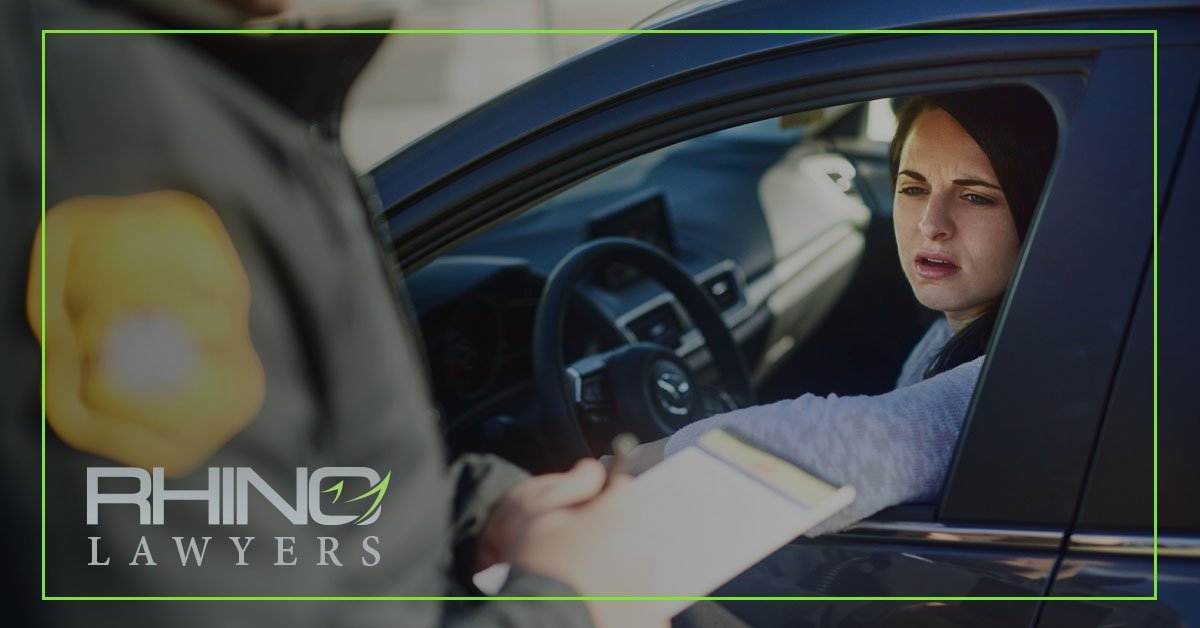
The Hidden Costs of Speeding Tickets in Florida
Most speeding tickets in Florida come with a $200 to $300 price tag. And if you thought that amount was high, take note. Play your cards wrong, and you could find yourself paying up to $1,000 if caught going 50mph over the speed limit. The fees you pay vary according to how fast you’re going. As well as, if they catch you speeding in a specific zone. When it comes to speeding, the best way to protect yourself is to drive within the speed limit. If you thought fines were hefty, there is a pretty good reason why. Speeding comes within the top five most common causes of car accidents, after distracted driving, drunk driving, poor weather, and reckless driving or road rage. If you do tend to push the pedal to the metal, then be aware of the hidden costs that can accompany a speeding ticket.
The Hefty Costs of Point Suspensions
When you receive a ticket, you can earn points which, when accumulated, can cause your license to be suspended. If you receive 12 points within 12 months, you receive a 30-day suspension. For 18 points within 18 months, you get a 3-month suspension. Meanwhile, for 24 points within 36 months, you can receive a 1-year suspension. Simply add up how much taking a car saves you time on public transport, and taxis or Uber. Can you afford to lose your license by racking up points?
Paying More for Insurance
If you are budget-conscious, then one area you may try to save on is insurance. You might do this by choosing a vehicle type that is generally cheaper to insure—for instance, an SUV with a positive rating and reputation for safety or a safe family sedan, as opposed to a car known for its speed. What’s more, is that some brands (including Dodge and Tesla—known for speed—and whose vehicles can be expensive to repair) are pricier than others to insure. If you are looking to save unnecessary expenditures, be aware that in Florida. There is an average 22% increase in a driver’s insurance rate if they get a speeding ticket. This makes sense considering the big role that speeding has played in countless accidents.
Additional Penalties
Drivers have an obligation to stick to speed limits regardless of where they are driving. However, with a view to keeping children safe, Florida lawmakers have created more serious consequences for those violating the law in zones where children are going to and coming from school. As such, you will have to pay a higher fine than average if you get caught speeding in one of these zones. And you can also cause you to lose more points. In general, you can expect to pay double the amount you would for a standard speeding ticket. Moreover, you will have obtained at least 3 points on your license, or 4 points if you’re going 16mph or over the limit, and 6 points if speeding leads to a crash.
More Hidden Costs
Be careful of pleading guilty to speeding in Florida. Doing so will mean you will have a conviction on your record. Seek the help of a traffic lawyer to avoid indirect costs. The latter can range from out-of-pocket costs for Uber and Lyft to strained relationships with family and friends who you may ask to help you out. While many people would undoubtedly like to ease your burden. Everyone has their own obligations and needs, and they may be unable to adapt to your schedule.
Why Is it Wise to Hire a Lawyer if You Get a Speeding Ticket?
Convictions can have a big impact on your life. So it is always a good idea to hire a traffic lawyer who knows the rules of the road to help reduce the negative consequences. And potentially get your ticket reduced or dismissed. Lawyers who practice in this field know the ins and outs of the relevant legislation. Plus, they rely on various strategies to help their clients. For instance, they may see it fit to challenge the validity of a radar or laser that was used to record your speed.
Clearly, the costs of receiving a citation for speeding in Florida can go way beyond the cost of the fine itself. You can rack up points, end up paying higher insurance premiums, and ultimately find yourself with a suspended license. Therefore, avoid turning your life upside down by sticking to the speed limit and seek legal advice if you are ticketed.
CONTACT TAMPA TRAFFIC TICKET ATTORNEY
RHINO Lawyers can help and guide you through a system molded by law enforcement, judges, and lawyers for decades. Having won cases for our clients in similar circumstances, our criminal defense team knows what it takes to fight on your behalf.
Let RHINO Lawyers answer your questions and review the facts of your case with a Free Consultation. So, get started by completing the “Free Instant Case Evaluation” or by calling us any time, day or night, at (844) RHINO-77.
Read More
Can Stress Affect Driving Enough to Cause an Accident?
When you think of auto accidents, you probably think of tangible causes such as the weather, distracted driving, and the like. What you might not think about, however, is physiological causes.
Physiological stress, in particular, can have a seismic impact on a person’s state of being. It can make a person nervous, distracted, and irrational, to name just a few characteristics.
That said, can stress and driving lead to car accidents? Can it result in a car accident injury? We’re going to dive into that topic below, helping you determine whether you’re fit to be on the road.
Let’s begin!
Can Stress Lead to Auto Accidents?
Put simply, yes, stress can lead to auto accidents. Stress is defined as physical or mental tension. When a person is in a state of tension, they’re not operating at the max capacity.
As such, they could very easily do things they wouldn’t normally do. For instance, they could turn in front of another driver who’s coming up on them fast. Or, they could hit the gas pedal when they would normally ease back.
It’s important to note, though, that if your stress results in you causing an accident, you won’t be able to use stress as an excuse to escape liability. You will still be held liable for causing the accident.
In What Ways Can Stress Lead to Auto Accidents?
As noted above, stress can absolutely lead to auto accidents. To better illustrate this, we’re going to discuss how exactly it does so. Stress:
Impairs Your Decision Making
First and foremost, stress impairs your decision-making. When you’re under stress, you’re essentially being overwhelmed by many thoughts at once. If you’re overwhelmed by many thoughts, you won’t be able to make quick decisions on the road.
Let’s say that you don’t notice your turn until the last second. In a state of non-stress, you might just drive past it and turn around. In a stressed state, however, you might try to slam on your brakes and make the turn, thus resulting in a car accident.
Slows Your Reaction Time
Not only does stress impair your decision making but it also slows your reaction time. Because your mind is stuck on other things, you’re not able to process stimuli as quickly. As such, you are much slower to react when unexpected things come your way.
So, let’s say that someone slams their brakes on in front of you. In a non-stressed state, you would respond almost immediately. In a stressed state, however, you’re more apt to wait a second or two. That additional 1 or 2 seconds could easily result in an accident.
Results in Road Rage
Another way that stress can lead to auto accidents is that it can result in road rage. When you’re stressed, you’re more apt to get angry at other drivers.
As such, you might, for instance, tailgate a driver that just cut you off. Or, you might give an offensive hand gesture to a driver, resulting in that driver driving in a way that puts you in a dangerous situation. These situations could very easily end in an accident.
Creates Physical Impairment
Oftentimes, when mental stress becomes extreme enough, it ends up manifesting itself in physical symptoms. These run the gamut from headaches to light sensitivity to general fatigue and more.
Of course, all of these physical impairments have the potential to negatively affect one’s driving. It wouldn’t be a surprise if they resulted in an auto accident.
Keeping Stress to a Minimum
As you can see, stress most certainly leads to auto accidents. The issue, of course, is that, at certain times, we have to drive in order to tend to specific responsibilities. So, we can’t always refrain from driving just because we’re stressed out.
This is why we must make decisions that keep our stress levels to a minimum. Some ways of keeping stress levels low include:
Exercising on a Regular Basis
Exercise isn’t just good for your physical health but also for your mental well-being. Aerobic exercise literally reduces the amount of stress hormones in the body, thereby helping a person to feel more calm.
So, if you want to keep stress levels low, you need to be exercising regularly. Ideally, you’ll exercise 3 to 5 times a week for 30 minutes to 90 minutes at a time.
Getting Ample Sleep
Driving when you’re tired is always a dangerous prospect. Not only could it cause you to fall asleep behind the wheel but it could also result in you experiencing stress while you drive.
This is why it’s important to get ample sleep night in and night out. Try to get 7 to 9 hours of sleep daily.
Eat Right
Eating right is also key to maintaining stress levels. This includes keeping a balanced diet according to the food pyramid. It also includes keeping things in moderation, such as alcohol and junk food.
Sugary and processed foods, in particular, tend to cause stress. So, only eat these sparingly, if you can help it.
Keep a Good Social Life
Human beings are, indeed, social creatures. If we don’t socialize on a regular basis, we tend to feel depressed and, well, stressed. Our anxiety levels spike and our moods plummet.
So, keep a good social life. Hang out with your friends regularly and make sure your life is more than work.
Stress and Driving Are a Bad Combo
While stress isn’t one of the most obvious car accident causes, it’s a cause nonetheless. As such, as much as possible, you should avoid stress and driving.
Were you recently involved in a stress-related car accident? Looking to file a claim over injuries? If so, it would be wise to speak with a car accident attorney.
An auto accident attorney can help you obtain a settlement, helping to pay for your hospital bills and other related expenses.
Looking for Tampa accident lawyers? Look no further than RHINO Lawyers. Contact us now for a free consultation!
CONTACT A TAMPA AUTO ACCIDENT ATTORNEY
In short, after a car accident, you may not know your rights. Above all, don’t struggle through the process alone. Actually, our personal injury team is here to help you with any legal needs you might have regarding your accident.
Lastly, let RHINO Lawyers answer your questions and review the facts of your case with a Free Consultation. So, get started by completing the “Free Instant Case Evaluation” or by calling us any time, day or night, at 844.RHINO.77.
Read More
What’s the Difference Between ‘Nolo Contendere,’ ‘Nolle Prosequi,’ and ‘Guilty Plea?’
Going to court in Florida can be daunting. After all, the Sunshine State has 94 different courts, each with different personalities and oppositions you have to deal with.
If you have never been to court, you may think there are only guilty and not guilty pleas as options. As any good lawyer will tell you, these pleas only scratch the surface.
What are the biggest differences between guilty vs. no contest and the other types of pleas available? Read on to find out the answers to these questions and more.
Guilty vs. No Contest
Before we get into the biggest differences between these pleas, let’s go over what guilty and no-contest pleas share in common.
The main thing that these two have in common is that with both pleas, the defendant accepts a conviction and the consequences that go with it by the court. That’s about where the similarities end. Below, we spell out the main differences between these pleas.
Guilty
First, what is the guilty plea? When you plead guilty, you fully admit to the crimes or civil charges against you. You are also owning up to your actions and accepting responsibility.
Someone might plead guilty if it’s the best way to negotiate in a plea bargain. For example, the plaintiff or prosecutor may offer the defendant a better deal with their punishment or charges if the defendant pleads ‘guilty’ to a charge. This saves everyone time and effort to pursue this case further and allows both sides to reach some sort of compromise.
If a defendant pleads ‘not guilty’ in a case, then the defendant can face more severe penalties if they are still ruled guilty. Because of this, they may plead guilty to prevent the possible penalties associated with the crime. It could reduce fines and keep them out of jail.
No Contest – nolo contendere
The other option that some people may choose to go with is a no-contest plea. Also known as “nolo contendere,” many people fail to understand the difference between nolo contendere vs. not guilty pleas, so here’s a quick explainer.
With the not guilty plea, you admit guilt to the charges against you. Comparably, with a nolo contendere plea, you are not admitting guilt. The only thing you are doing is accepting the penalties the court applies to you.
Let’s say that you got charged with a DUI. However, you are a public figure in your local area. As such, you are concerned about what this could do to your reputation, your social life, and even your career.
A no-contest plea here allows you to accept similar penalties without fully admitting that you did anything wrong. As a result, this can make it more difficult for someone to face civil penalties or consequences.
Some people may choose this as an alternative to going to trial. Considering that defendants lose 90% of cases that go to trial in civil lawsuits, they may look at it as a way to avoid losing a lot more down the road.
What Is Nolle Prosequi?
Nolle prosequi means “unwilling to pursue.” It refers to a formal notice from a plaintiff or prosecutor that they will be abandoning their civil or criminal lawsuit. However, it must be entered before the judge returns the verdict.
How a Lawyer Can Help With Guilty and No Contest Pleas
Now that you understand the differences between each of these pleas, it is time to discuss how a good lawyer comes into play for a guilty plea and a no-contest plea. Let’s take a look at what lawyers do for each plea.
Lawyers and Guilty Pleas
What can a lawyer do for someone who is pleading guilty to charges presented to them? The two biggest things are convincing the defendant that this is the best move for them as well as negotiating the penalties down.
Let’s go back to the DUI example. If a court wants to rule you guilty, you may be thinking about how unfair it is and that something went wrong during the process.
Two things can happen here. A lawyer can look at the case and tell a defendant that there is nothing more that they can do. They can also provide legal counsel and tell the defendant how much more severe the penalties can get if a defendant continues to pursue this.
Then, a lawyer can sit with a prosecutor and discuss terms. Once a lawyer can get a defendant on board with pleading guilty, it becomes easier to negotiate said penalties.
Examples can be that the defendant does not spend any time in jail rather than up to a year. Or their community hours are about 20% of the maximum amount allowed in the state.
In other words, the right lawyer helps keep penalties down to a minimum.
Lawyers and No Contest Pleas
One of the biggest things a lawyer can do in this position is to let a defendant know that they even have this option. The right legal counsel can explain the benefits of a public figure doing this rather than pleading guilty.
If a lawyer is set on this being the best move for their client, they can also use this as part of a negotiation tactic. Just like the above, they are eventually going to have to sit in the same room as a prosecutor and talk about this case.
They can talk to a prosecutor and get an idea of what the penalties might be for their client.
Also, a lawyer is more likely to see what the future consequences could be for either plea. If they can see a civil lawsuit coming after this case, they will know that a no-contest plea can help someone down the road.
Hire the Right Lawyer
These are the main things you need to know about a guilty vs. nolo contendere plea. With the former, you are admitting that you committed a crime or a wrong action. With the latter, you are merely accepting the consequences that would likely come from a guilty plea without admitting the actual guilt.
A good lawyer can help you decide which plea is right for your case. Get a free case review from us today.
CONTACT TAMPA TRAFFIC TICKET ATTORNEY
RHINO Lawyers can help and guide you through a system molded by law enforcement, judges, and lawyers for decades. Having won cases for our clients in similar circumstances, our criminal defense team knows what it takes to fight on your behalf.
Let RHINO Lawyers answer your questions and review the facts of your case with a Free Consultation. So, get started by completing the “Free Instant Case Evaluation” or by calling us any time, day or night, at (844) RHINO-77.
Read More
Florida Tort Reform Law: What Does It Mean for You?
House Bill 837 recently took effect all across the state of Florida. The new Florida tort reform law will make it more difficult to obtain the compensation you deserve after getting injured due to someone else’s negligence.
Additionally, if you have just filed or are about to file a personal injury lawsuit, you may face unexpected delays. Many plaintiffs rushed to file their cases before the new law’s passage, creating a significant backlog.
The new tort laws may make filing a personal injury case more difficult. But that does not mean you should give up. The personal injury attorneys at RHINO Lawyers want to help you learn how to navigate this new landscape.
What changes can you expect from the recent Florida tort reform bill? We are talking about each of them in this guide, as well as ways to successfully file your case in light of these changes.
Which Cases Does House Bill 837 Apply To?
House Bill 837 applies to cases that fall under tort law. Tort law refers to any case where a victim gets injured by another party. The following situations fall under tort law in Florida:
- Intentional torts, where the defendant intentionally caused the plaintiff’s injury or fear of injury (e.g., assault, battery, false imprisonment, etc.)
- Negligence torts, where the defendant’s lack of reasonable care caused the plaintiff’s injury (e.g., personal injury)
- Strict liability torts, where the defendant is liable for the plaintiff’s injury regardless of intent or negligence
Tort law is a type of civil law, meaning that defendants don’t receive felonies or go to jail if found guilty. Instead, courts order defendants to pay the plaintiff compensation for their medical bills, lost wages, pain and suffering, and more.
An Overview of the Florida Tort Reform Law
HB 837 impacts all three types of torts. The new bill makes changes to the following:
- The statute of limitations, or how long you have to file a lawsuit
- The types of medical evidence plaintiffs can use to make their cases
- The liability of multi-family residence owners
- The comparative negligence rule
- The ability to make bad-faith claims against certain insurers
These changes will take effect immediately. Other changes to tort law are still to be seen as courts set new precedents. Keep an eye on this space for future updates on how courts interpret and apply the new law.
Now, let’s discuss what each of these changes means for your personal injury case.
Statute of Limitations
The statute of limitations for tort cases in Florida used to be four years. That means plaintiffs could file a tort lawsuit within four years of the day they received the injury.
If your injury occurred on or after March 24th, 2023, you now only have two years from the date of your injury to file a claim. Failing to file your lawsuit within this time frame means you must forfeit your right to compensation.
Medical Evidence
HB 837 places a new cap on the amount of compensation a victim can receive for medical expenses. Victims can only recover the amount a health insurance provider would pay for the medical services they received for their injuries.
It is a commonly known fact that insurance companies pay less than what medical providers actually bill for their services. That means compensation may not cover all of a victim’s medical bills.
Another impact of this change regards to evidence of future medical bills. Sometimes, an injury may be so severe that it causes disability. Victims can then claim compensation for future medical expenses they may incur.
Now, individuals without health insurance may not be able to claim future medical expenses. That is bad news considering that 2.6 million people in Florida are uninsured.
This change will still impact your case even if you do have insurance. You will receive compensation at insurance company prices, not what providers actually bill.
Multi-Family Property Owner Liability
“Multi-family residences” refer to properties like apartment complexes. People living in apartment buildings used to have unlimited rights when suing property owners for on-premise crimes like robberies and muggings.
The new bill protects multi-family residence owners from liability in these types of cases. These added protections could potentially reduce the compensation victims receive after being a victim of a crime in their apartment buildings.
Comparative Negligence
Florida used to be a pure comparative negligence state. This means plaintiffs could still obtain compensation for their injuries even if they were 99% at fault for the accident.
The recent tort reform changed the pure comparative negligence rule to modified comparative negligence. With modified comparative negligence, victims can only file for damages with less than 51% at fault for the accident.
The only type of case this new change does not apply to is medical malpractice claims. Medical malpractice claims target medical professionals who cause injuries to their patients due to negligence or omission.
Bad Faith Claims
A bad faith claim occurs when an insurance company deliberately violates its agreements with a policyholder. In personal injury cases, this can happen if your liability insurer refuses to pay out a valid claim.
Previously, Floridians had the right to sue insurance providers acting in bad faith. Recent tort reforms have changed this rule to favor liability insurance companies.
RHINO Lawyers Will Get You the Compensation You Deserve
The Florida tort reform law places hurdles in front of injury victims. You now have less time to file your claim and fewer rights if you were at fault for the accident. The new bill also favors property owners and insurers over victims.
Even worse, these changes could reduce compensation for victims all across the state. That is why working with an experienced tort lawyer in Florida is more crucial than ever.
Are you searching for an attorney who can get you the compensation you deserve in spite of HB 837? Contact RHINO Lawyers for a free case review and learn how we can successfully win your case.
CONTACT A TAMPA AUTO ACCIDENT ATTORNEY
In short, after a car accident, you may not know your rights. Above all, don’t struggle through the process alone. Actually, our personal injury team is here to help you with any legal needs you might have regarding your accident.
Lastly, let RHINO Lawyers answer your questions and review the facts of your case with a Free Consultation. So, get started by completing the “Free Instant Case Evaluation” or by calling us any time, day or night, at 844.RHINO.77.
Read More
Long-Term Spinal Cord Injury Consequences
Each year in America, 17,700 people acquire a spinal cord injury (SCI). Most of them happen due to being involved in a vehicle collision.
Damage to the spinal cord disrupts the messages from the brain to the rest of the body and can result in various forms of impairment. If you’ve been injured in a car accident, you should understand the possible long-term consequences of this particular injury.
You deserve compensation for your pain and suffering.
This is what you need to know about spinal cord injuries and how a car accident settlement can help.
Paralysis
Spinal cord injuries can be devastating, as any form of trauma to this part of the body has damaging long-term consequences. Some injuries heal over time, but others are permanent. Even short-term side effects can cause lasting medical complications.
Paralysis is one of the most common car accident injuries.
Paralysis can be short-term or permanent. The effects largely depend on the location of the injury and the severity of the damage.
Here are some of the possible types of paralysis common among car accident victims.
Paraplegia
People with paraplegia can’t feel or control their legs or lower body. This type of paralysis affects the trunk, legs, and pelvic organs.
Individuals dealing with paraplegia lose muscle function in the lower half of the body, and this causes several complications. They cannot control movement in the legs or feet and lack bladder and bowel control.
High Tetraplegia
This type of paralysis impacts an individual’s ability to feel or move any part of the body from the neck down. This is a severe condition that requires medical intervention and assistance with breathing, bladder and bowel functions, and movement.
Low Tetraplegia
Low tetraplegia isn’t as severe as high tetraplegia, but victims might still require assistance. Individuals may be able to breathe on their own and may maintain some form of control over their arms and hands.
Tetraplegia (also known as quadriplegia) is the most common symptom of a traumatic spinal injury. It occurs in around 60% of cases.
Muscle Spasticity
People with spinal cord injuries frequently deal with some type of muscle spasticity, which is when the muscles contract and tighten without control.
Spinal injuries impact the normal flow of messages from the brain to and from the rest of the body. Instead of those messages getting through, the signals are sent to the motor cells, which causes muscle spasms.
Parts of the body may jerk, twitch, or tighten. It can also cause the muscles to lock in place.
This is a long-term effect that impacts many people with spinal cord injuries. While stretching exercises and medication may help, this is a complication that can affect you for the rest of your life.
Osteoporosis
Osteoporosis causes your bones to become weakened and brittle. Individuals with this condition have to be very careful, as even mild stress can cause fractures. Even minor bumps or falls can result in broken bones.
This condition is common in individuals dealing with spinal cord injuries. Many may develop it within a few years of being in an accident.
Chronic Pain
It’s common for victims of spinal injuries to struggle with chronic pain as well. This is often caused by musculoskeletal problems or nerve damage following the injury.
The degree of pain experienced by those with an SCI can vary from mild to severe. As you might expect, this can negatively impact a victim’s quality of life. They may no longer be able to participate in activities they once did, and they may need to take time away from friends, family, and work.
While treatments such as meditation and medication may provide some relief, this is one side effect of an SCI that victims deal with their entire lives.
Syringomyelia
Syringomyelia is a neurological disorder that results in cysts or cavities forming in the spinal cord. Individuals hurt in a car accident and dealing with an SCI may notice this condition months or years after the accident.
The result of Syringomyelia is numbness or weakness in the extremities. Unfortunately, this is a condition that gets worse over time. Patients are often required to undergo surgery to drain the cysts.
How a Spinal Cord Injury Affects Mental Health
Dealing with a spinal injury from a car accident and the many medical issues that follow can leave many victims feeling powerless, frustrated, angry, or depressed.
A recent study found that individuals with traumatic spinal cord injuries have an increased risk of developing mental health disorders and secondary chronic diseases. It’s extremely common for people to develop depression weeks or even years after an accident. Adults with an SCI had a higher incidence of anxiety disorders as well.
As a result, many adults dealing with spinal injuries are at an increased risk of developing other medical conditions such as cardiovascular and pulmonary diseases, diabetes, liver disease, etc.
Any damage to the spinal cord has lasting effects that can negatively impact a person’s quality of life. They may not be able to participate in activities they once did and they can lose some of their independence.
Being in a car crash is a traumatic and life-changing experience. It impacts you both physically and mentally. Victims may need therapy or medication to help them maintain a better quality of life.
You Deserve Compensation
If you’ve been involved in a vehicle accident and you sustained a spinal cord injury as a result, you don’t have to suffer in silence. Spinal injuries cause many long-term and life-changing complications. Losing control of any part of your body is devastating.
Thankfully, you have options. Car accident lawyers focus on helping victims like you. They may help you to get a settlement that helps to cover medical bills, lost wages, and more.
The sooner you act, the sooner you can get your life back on track. Our team at RHINO Lawyers can help. Schedule a free video consultation today.
CONTACT A TAMPA AUTO ACCIDENT ATTORNEY
In short, after a car accident, you may not know your rights. Above all, don’t struggle through the process alone. Actually, our personal injury team is here to help you with any legal needs you might have regarding your accident.
Lastly, let RHINO Lawyers answer your questions and review the facts of your case with a Free Consultation. So, get started by completing the “Free Instant Case Evaluation” or by calling us any time, day or night, at 844.RHINO.77.
Read More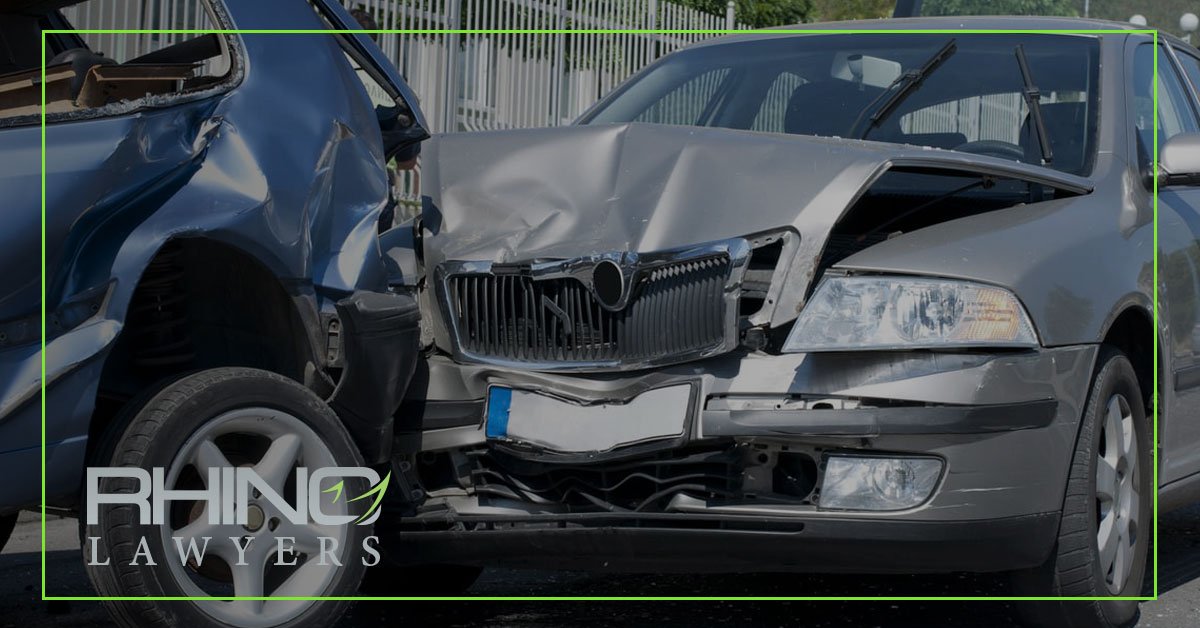
How to Reduce False Vehicle Claims
Did you know that most car accidents happen during the weekend? Being part of a car accident is a shocking experience, to say the least. But thankfully we have systems in place to help us through the aftermath.
In fact, insurance plays a vital role in safeguarding our peace of mind and providing assistance during challenging times. However, it’s disheartening to know that some attempt to take advantage of the system.
But fear not, together we can combat insurance fraud. As a result, we can protect the integrity of the insurance industry.
In this article, we will explore practical steps you can take to help reduce false vehicle claims. So, let’s dive in and empower ourselves with the knowledge to fight against dishonest practices!
What Are False Vehicle Claims?
A false vehicle claim occurs when someone submits an insurance claim for a car accident that didn’t actually happen or exaggerates the damages and injuries sustained.
While car accidents are unfortunate and can be stressful, it’s disheartening to know that some may try to take advantage of the situation by filing false claims. Unfortunately, these claims can lead to higher insurance premiums for everyone. Plus, this makes it more challenging for genuine claimants to receive the assistance they need.
Now, it’s important to be aware of the impact false claims can have. So, we need to work together to prevent them. Then we can help reduce the occurrence of these deceptive practices. And ensure that insurance resources are utilized for those who genuinely require support.
Remember, honesty and integrity are essential in handling insurance claims. Thus, by promoting a culture of transparency, we can create a fairer and more trustworthy insurance industry.
What Are Common Telltale Signs of a False Insurance Claim
Identifying potential signs of a false insurance claim is crucial in maintaining the integrity of the insurance system. While not every suspicious claim is fraudulent. There are several red flags that can raise concerns.
Here are some common telltale signs to watch out for:
Inconsistent Accident Details
First, discrepancies between the claimant’s account of the accident and the official police report or witness statements can be a cause for suspicion. In fact, it may indicate a false claim if there is conflicting information about the:
- Time
- Location
- Sequence of events
Delayed Reporting
If the claimant delays reporting the accident without a valid reason, it could be an attempt to create a false narrative or gather fabricated evidence. Prompt reporting is generally expected in genuine claims.
Exaggerated Injuries or Damages
Claims that appear to exaggerate the extent of injuries or vehicle damages beyond what is reasonable can raise doubts. Inconsistent and excessive medical documentation can be indicators of a false claim.
Pre-existing Damages or Injuries
A claimant could include damages that existed before the accident. This suggests an attempt to attribute unrelated issues to the claim.
Unusual Witness Accounts
Contradictory statements from the witnesses may point toward fraud. This can also happen if they have a suspicious relationship with the claimant.
Investigators should pay attention to the credibility of a witness. As well as the consistency of their testimony.
Unexplained Delays in Treatment
Genuine claimants usually prioritize their well-being and seek timely medical attention. If there is a delay, it could raise suspicion.
However, some may have a valid reason for the delay, so it is important to investigate properly.
History of Previous Claims
Insurers often analyze claimants’ records to identify any recurring patterns. If they see that there is a pattern of claims, they might suspect car insurance fraud.
Steps to Reduce Insurance Fraud
Insurance fraud undermines the trust and fairness of the insurance system. This affects both insurance companies and policyholders.
We can collectively combat fraudulent activities. As a result, we can promote a more secure and reliable insurance environment.
Here are some steps to help reduce insurance fraud:
Strengthening Your Accident Claim
Collect all relevant evidence, such as:
- Photographs of the accident scene
- Damage to the vehicles involved
- Any visible injuries
Also, obtain copies of the police report and witness statements to support your claim.
Maintain a detailed record of all:
- Medical treatments
- Prescriptions
- Expenses related to your injuries
This documentation will provide evidence of the actual damages you incurred due to the accident.
Be honest and accurate when providing information about the accident and your injuries. Exaggerating or fabricating details can undermine your credibility and potentially lead to complications down the line.
Start Using Technology and Data Analysis
Advancements in technology and data analysis have helped in identifying patterns of fraud. Insurance companies are increasingly using these tools to detect suspicious activities.
Here’s how technology can assist in reducing insurance fraud:
By analyzing large sets of data, insurance companies can identify:
- Patterns
- Anomalies
- Trends
The use of monitoring tools can help validate the accuracy of claims and detect fraudulent activities, such as:
- Surveillance cameras
- Drones
- Dashcams
- GPSs
Work Together with Law Enforcement
Collaboration between insurance companies and law enforcement agencies is crucial in combating insurance fraud effectively. By sharing information and resources, we can enhance fraud detection and investigation.
Consider the following steps:
- Report suspicious activities
- Cooperate with investigations
- Cooperate with investigations
We can contribute to the collective effort in reducing insurance fraud. Remember, fostering a culture of integrity and transparency benefits everyone. It makes sure that there is fair treatment for all policyholders.
It also helps in maintaining the sustainability of the insurance industry.
Together, we can create a more secure and reliable insurance environment. Where honest individuals receive the support they deserve while deterring fraudulent behavior.
Are You Dealing with Insurance Fraud?
Reducing false vehicle claims requires a collective effort from everyone involved in the accident.
Together, we can protect the interests of honest policyholders. We can also ensure fair treatment and preserve the integrity of the insurance system.
Let us build a stronger and more trustworthy insurance environment for everyone involved. Are you looking for help with your insurance claim? Contact us today!
CONTACT A TAMPA AUTO ACCIDENT ATTORNEY
In short, after a car accident, you may not know your rights. Above all, don’t struggle through the process alone. Actually, our personal injury team is here to help you with any legal needs you might have regarding your accident.
Lastly, let RHINO Lawyers answer your questions and review the facts of your case with a Free Consultation. So, get started by completing the “Free Instant Case Evaluation” or by calling us any time, day or night, at 844.RHINO.77.
Read More
How Much Is a Permanent Injury Worth?
Accidents can happen anytime, anywhere. These injuries can leave individuals with devastating permanent injuries that significantly impact their lives.
It’s no secret that healthcare costs in the United States are deeply expensive. A permanent injury can mean paying those costs for the rest of your life.
For this reason, it’s essential that you understand how much an injury case is worth. Determining the worth of a permanent injury settlement can be of the utmost importance.
While no amount of money can fully compensate for the loss of health and quality of life, understanding the factors that contribute to calculating the value of a permanent injury can help clients receive the compensation they deserve.
What are the key considerations and methodologies used to evaluate the worth of this kind of case? What do you need to understand if your well-being is on the line? Read on and we’ll walk you through what you need to know.
What Is a Permanent Injury?
Before delving into the valuation process, it’s essential to understand the nature of permanent injuries. What do we mean when we refer to an injury in this way?
A permanent injury is one that results in lasting or irreversible damage. It’s damage that leaves the victim with long-term consequences.
These injuries can encompass various areas. These could be things such as physical disabilities, loss of bodily functions, chronic pain, psychological trauma, and reduced earning capacity.
Many different kinds of injuries can fall under the umbrella of a permanent injury, so it’s important to speak to experienced attorneys and medical practitioners.
Determining the Worth of a Permanent Injury Case
If you have been saddled with a long-term personal injury, what can you expect in terms of compensation? How much will you need to ensure you’re not struggling due to this new injury?
There are a number of factors that personal injury lawyers look at when it comes to these types of cases. Each of these factors contributes to the big picture of a compensation package.
Severity of Injury
The severity of the permanent injury plays a central role in determining its worth.
Catastrophic injuries, such as paralysis, traumatic brain injuries, and severe spinal cord damage, usually result in higher compensation.
This is due to the significant impact on the victim’s life.
Medical Expenses
The cost of medical treatment and ongoing care required for the permanent injury is a key factor.
These costs include hospital bills, surgeries, medications, rehabilitation, and assistive devices. They will also likely include home modifications to accommodate disabilities if needed.
It can be difficult to determine the true cost of medical expenses over many years. You need a collaborative effort between your legal team and your doctors to ensure you’re getting a proper compensation total for these needs.
Loss of Earning Capacity
A permanent injury often affects an individual’s ability to work, leading to lost wages and diminished earning capacity in the future. You simply won’t be able to make money in the way you once did.
They factor these lost wages into how much your case is worth as well. But, the exact amount that someone might need will depend on many factors related to the person’s employment history and prior health.
Calculating lost earnings requires considering the victim’s occupation, age, and potential career advancement.
Pain and Suffering
Evaluating non-economic damages, such as pain and suffering, emotional distress, and loss of enjoyment of life, can be challenging.
However, it is essential in assessing the overall value of the case. A person facing a permanent injury is facing a huge change in their life, and the emotional distress this can cause cannot be understated.
The law takes these emotional damages into consideration as well. While it can be hard to put an exact number to this kind of suffering, an experienced personal injury attorney will have handled cases like this many times in the past and should know exactly how to land upon a suitable amount.
The extent to which the permanent injury disrupts the victim’s daily activities, relationships, and personal life can also contribute to the case’s value.
Geographic Location
The location of the lawsuit can influence the potential compensation, too.
Different regions may have varying legal precedents and jury verdict trends.
If you’re unsure how your region may impact your case, you may want to ask for the expertise of an attorney who practices in that area.
Methods of Valuation
Several methods are used to calculate the value of a permanent injury.
Multiplier Method
This approach involves multiplying the total economic damages (medical expenses, lost wages, etc.) by a factor determined by the severity of the injury and its impact on the victim’s life.
Per Diem Method
In this method, a daily rate is assigned to the victim’s pain and suffering, and the total amount is calculated based on the estimated duration of the permanent injury.
Present Value Calculation
For future damages, such as lost earnings and ongoing medical care, the future value is discounted to its present value to account for inflation and the time value of money.
Anticipating an Accident Injury Settlement
Determining the worth of a permanent injury is a complex process. It is one that requires careful analysis of numerous factors.
It is crucial to be well-versed in the legal principles and valuation methods to secure fair compensation for victims. While financial compensation cannot fully heal the wounds of a permanent injury, it can help provide the necessary resources to cope with the challenges and changes that come with such life-altering circumstances.
As advocates for justice, it is our duty to fight for the rights of those who have endured the consequences of permanent injuries. We strive to obtain the compensation they rightfully deserve.
Need immediate assistance with your case? Give us a call anytime for a consultation.
CONTACT A TAMPA AUTO ACCIDENT ATTORNEY
In short, after a car accident, you may not know your rights. Above all, don’t struggle through the process alone. Actually, our personal injury team is here to help you with any legal needs you might have regarding your accident.
Lastly, let RHINO Lawyers answer your questions and review the facts of your case with a Free Consultation. So, get started by completing the “Free Instant Case Evaluation” or by calling us any time, day or night, at 844.RHINO.77.
Read More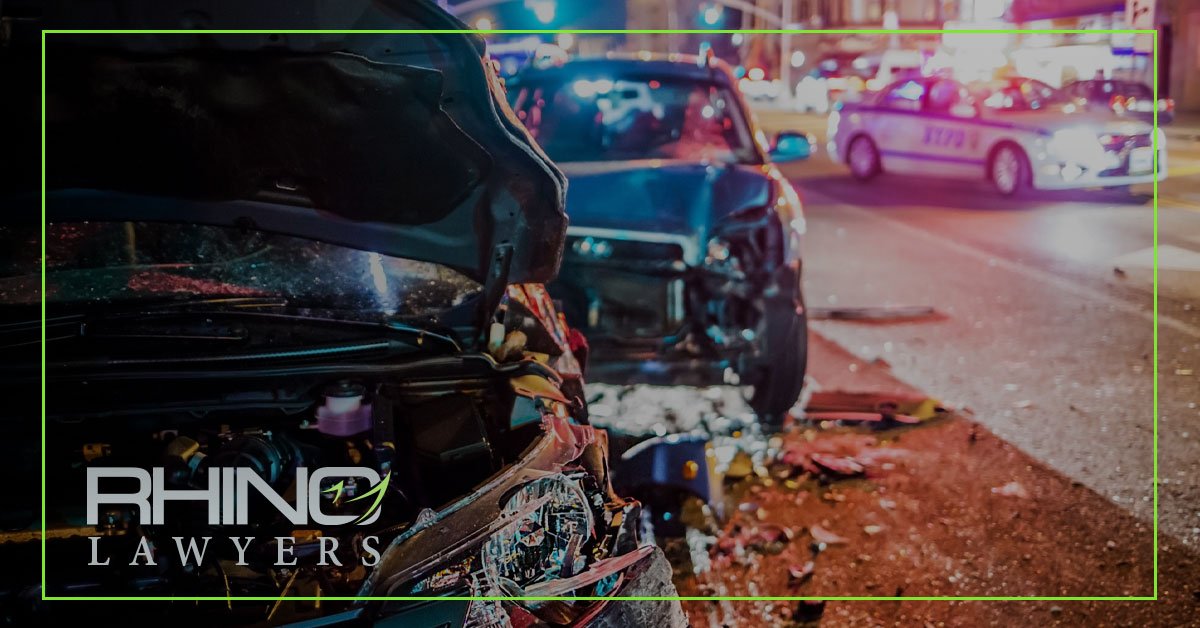
Is It Possible to File a Tampa Car Accident Claim Without a Police Report?
You were recently involved in a car accident. At the time, it didn’t seem like a huge deal. As such, you moved on without calling the police and filing a report.
Now, however, you’re starting to realize that the accident caused you injury. And so you’re wondering: is it possible to file a Tampa car accident claim without a police report?
The simple answer? Yes, it’s possible. The more complex answer? We’re going to get into that below.
Here’s everything you need to know about filing a car accident claim in Florida sans a police report.
Can You File a Car Accident Claim Without a Police Report in Florida?
Legally speaking, yes, you can file a car accident claim without a police report in Florida. Note, though, that without a police report, you’re going to have a much harder time getting compensation than you would have had if you had filed a police report. If you have the choice, you should, indeed, file a police report.
If you didn’t file a police report, and if you’re still looking to file a car insurance claim anyway, you’re strongly advised to speak with a car accident lawyer. Car accident attorneys defend countless clients in cases where police reports weren’t filed. And they will be able to guide you through the process with experienced-backed knowledge.
The Drawbacks of Not Filing a Police Report
We’ve discussed how not filing a police report can negatively affect one’s ability to receive compensation from insurance companies. Now, let’s delve into the specific drawbacks of not filing. They include the following:
It Allows the Other Driver to Lie About the Incident
A police report creates an official legal account of what happened at the accident scene. The police officer takes information from both sides, surveys the area, and makes deliberations about what occurred. The officer might even site a specific driver as being responsible for the accident.
Insurance companies see this as a credible account. They trust the authority of a third party (the police officer) over the account of the injured person in the accident. So, when a police report is present, the insurance company has very little interest in what the other driver has to say.
When a police report isn’t present, however, there are only two accounts for the insurance company to sort through. This includes yours and the other drivers.
Now, if the other driver is 100% honest, this won’t affect you. However, the odds of the other driver being 100% honest are low. In fact, the other driver could lie about the incident entirely as a means of avoiding blame.
This, of course, would make it extremely difficult for you to get insurance compensation. And that’s why the police report is so important: it nullifies the account of the other driver. It provides an official account for the insurance company to rule by.
It Allows the Other Driver to Accuse You
Not only does the absence of a police report enable the other driver to lie about the situation but it also enables the other driver to accuse you of causing the incident to begin with.
Should this happen, you’ll struggle mightily to get any compensation from the insurance company. In fact, your insurance company might end up having to pay out to the other driver, thus hurting you in the long run.
There are unscrupulous individuals out there who will falsely accuse others in an attempt to win compensation. You can prevent them from doing so entirely by simply filing a police report.
It Makes It Difficult to Connect Your Injuries to the Incident
The last drawback of not filing a police report is that it makes it difficult to connect your injuries from the incident to, well, the incident. Without a police report, you’ll have no solid proof that your injuries came from the incident at all. As far as the insurance company is concerned, you could have just as easily injured your back during a pickup game of basketball.
The police report shows without a shadow of a doubt that an accident happened. If you can get a police report filled out at a specific time, followed by a hospital record filled out directly after, you’ll have solid proof that the injury was directly related to the incident.
When Is It Legally Required to File an Accident Report?
Not only are you advised to file a police report after an accident. But, in some cases, the law requires you to file a report. Failing to file a police report in these situations can leave you vulnerable to legal penalties, particularly fines.
One situation that requires a police report is an accident with injuries. Both minor and large injuries should prompt a call to the police.
Extreme property damage (exceeding $500) should trigger a call to the police as well. This is true whether it’s damage to the vehicle or something inside the vehicle.
A fatality accident is the last situation that requires a police report. Failing to file a police report in this situation is a serious offense, one that could result in jail time.
Looking for a Tampa Car Accident Lawyer?
Were you recently involved in a car accident in Tampa? Looking for a Tampa car accident lawyer? If so, look no further than RHINO Lawyers.
We’ve represented countless car accident victims and have helped them secure ample compensation for their injuries. Whether you filed a police report or not, we’ll help you successfully file your car insurance claim and obtain the compensation you deserve.
Contact us today to get the process started!
CONTACT A TAMPA AUTO ACCIDENT ATTORNEY
In short, after a car accident, you may not know your rights. Above all, don’t struggle through the process alone. Actually, our personal injury team is here to help you with any legal needs you might have regarding your accident.
Lastly, let RHINO Lawyers answer your questions and review the facts of your case with a Free Consultation. So, get started by completing the “Free Instant Case Evaluation” or by calling us any time, day or night, at 844.RHINO.77.
Read More
Bodily Injury and Personal Injury: What’s the Difference?
Did you know that there are 62 million injuries in the United States every year? These are related to myriad situations, from motor vehicles and work injuries to accidents in your home or community.
Unfortunately, many of these are the result of neglect or wrongdoing on the part of an individual or company. These situations require seeking compensation through our legal system.
When it comes to civil litigation, you may be wondering about bodily injury vs personal injury claims. A lot of people use these terms interchangeably, but they describe distinct circumstances.
Understanding the differences between the two types of legal claims will give you a better idea of which one applies to your situation. Keep reading to find out what they are.
What Is Bodily Injury vs Personal Injury?
“Personal injury” refers to any situation where someone experiences harm. This can include physical harm, but also mental or emotional damage. “Bodily injury” refers to physical injury to a person.
To further explain the differences between bodily injury and personal injury, it is worth looking at examples of each. Bodily injury involves cuts, bruises, broken bones, spinal cord injuries, brain damage, or any other serious injuries to the body.
Personal injury comprises bodily injuries and any psychological and emotional trauma. This includes things like anxiety, depression, and post-traumatic stress disorder. The latter is sometimes categorized as “pain and suffering.”
Personal injury also can involve economic harm. This can be related to loss of wages, salary, or earning potential.
Legal Aspects of Bodily Injury vs Personal Injury
There are several components to every personal injury claim. For the case to be successful, you must prove all these “elements.”
The first is that you must show that the accused party had a duty of care to you. This can could be the duty to produce safe products or provide competent medical care.
This may seem pretty straightforward, but it can be a difficult concept in some circumstances. For instance, there is an implicit duty of motorists to provide a safe environment on the roads for others by not driving recklessly.
Next, you must show that there was a breach of the duty. For instance, a company fails to warn about the dangers of using products in a particular way or a doctor does not provide the right medical care.
The third aspect of a personal injury case is proving damages–that the breach of the defendant harmed you in some way. Very closely related is the fourth aspect of a claim: causation. You can prove all three other elements but still lose if you cannot show that the breach caused you harm.
Settlements and Judgements
A settlement is an agreement reached by both sides in a personal injury lawsuit. This is regarding the amount of compensation (“damages”) that are to be paid to the harmed party.
While these most often happen prior to trial (before dedicating time, effort, and expenses), they can occur at any time. This includes in the middle of a trial, often when one side presents evidence that encourages the other side to concede.
A “verdict” or “judgment” is when a case goes to trial. After all witnesses and evidence arrive, a jury and/or judge will determine if the defendant is liable. And, if so, how much they should pay in damages.
The important thing to note about settlements in personal injury cases. They can only award settlements for certain aspects of the suit. Including bodily injury, but not awarded for others. For instance, you might have strong evidence to prove bodily injury but fail to demonstrate how the breach of duty caused “pain and suffering.”
Bodily Injury Damages
Part of the reason it is important to distinguish between bodily and personal injury is in calculating “damages.” This is the dollar amount associated with the harm that has been done directly to the injured party or has resulted from the neglect or wrongdoing of a third party.
Proving damages is done through expert witnesses and testimony (if your case does not “settle” and goes to trial). This is where you really begin to lean on the legal expertise of an experienced personal injury attorney.
In general, bodily injury damages can be more easily calculated than personal injury damages. That is because you can look at hospital and rehabilitation bills to get a specific dollar amount.
It may be more difficult if some situations. For instance, if your rehabilitation is ongoing or indefinite, it might be tougher to calculate damages. An experienced personal injury attorney can help you determine an appropriate total for the claim.
Some aspects of estimating different personal injury claims can be pretty straightforward, while others are more complex. For instance, a legal professional can help you tally the loss of wages, salary, and earning potential due to your injuries.
Things like emotional trauma or not being able to work or participate in activities with your family or friends can be more difficult. That is because it is hard to ascribe a monetary value to these losses.
Insurance Protections for Bodily and Personal Injury
There is one final area where the terms “bodily injury” and “personal injury” become confused, and it does not have to do with the legal process per se. This is regarding different automotive insurance plans.
Every state requires liability insurance coverage for every licensed driver. This usually covers “bodily injury” of other drivers, in addition to any property damage.
Not all states require “personal injury protection” (PIP) coverage. These plans cover damages other than bodily harm that fall under personal injury lawsuits, like loss of income or pain and suffering. Both of these policies can be useful, but cover very distinct circumstances.
Find a Civil Action Injury Lawyer Near You
Now that you understand the distinction between bodily injury vs personal injury, you can have a better understanding of which––or if both––apply to your case. A qualified personal injury attorney can further advise you on each step of the process.
RHINO Lawyers have the knowledge and experience to help you navigate the complexities of our legal system. We will work hard to ensure you get the compensation you deserve. Go online to get a free case analysis or contact us directly today to set up a free virtual or in-person consultation.
CONTACT A TAMPA AUTO ACCIDENT ATTORNEY
In short, after a car accident, you may not know your rights. Above all, don’t struggle through the process alone. Actually, our personal injury team is here to help you with any legal needs you might have regarding your accident.
Lastly, let RHINO Lawyers answer your questions and review the facts of your case with a Free Consultation. So, get started by completing the “Free Instant Case Evaluation” or by calling us any time, day or night, at 844.RHINO.77.
Read More