What If the At-Fault Driver Lies About the Accident in Florida?
The other driver admitted fault… then changed their story?
It happens more often than people think. After a crash, emotions run high. The fault may seem obvious. Maybe the other driver even apologized at the scene.
Then days later? Everything changes.
If you’re dealing with a situation where the At-Fault Driver Lies about what happened, your case may turn into a disputed liability car accident—and that can significantly affect your ability to recover compensation under Florida law.
At RHINO Lawyers, we’ve seen this play out across Tampa, Clearwater, Orlando, Lakeland, and Holiday. A clear crash suddenly becomes a “he said, she said” situation.
So what happens next?
And more importantly, how do you protect yourself?
Why Drivers Change Their Story After a Crash
It might feel shocking. But there are real reasons why drivers change their version of events.
Insurance Pressure
Once insurance companies get involved, drivers may realize that admitting fault could:
- Increase their premiums
- Affect their coverage
- Lead to personal financial exposure
That pressure alone may cause someone to rethink what they said at the scene.
Fear of Liability
Florida law allows injured parties to pursue compensation beyond PIP in certain cases. That means:
- Medical bills
- Lost wages
- Pain and suffering
If a driver realizes they could be financially responsible, they may try to shift blame.
Legal Consequences
In some situations, a crash may involve:
- Traffic violations
- Reckless driving
- DUI allegations
Admitting fault could lead to legal consequences.
So the story changes.
And suddenly, your claim becomes more complicated.
How Insurance Companies Handle Conflicting Statements
When stories conflict, insurance companies do not simply “pick a side.”
They investigate.
And sometimes, they look for reasons to minimize payouts.
Recorded Statements
Adjusters often request recorded statements shortly after the crash.
They may ask:
- What happened?
- What did you see?
- What did the other driver do?
These statements are documented.
And if your version changes later—even slightly—it may be used against you.
That’s why speaking carefully matters.
Adjuster Investigations
Insurance companies may review:
- Both drivers’ statements
- Vehicle damage
- Photos
- Police reports
Their goal?
Determine fault—or assign shared fault.
Working with a Florida Car Accident Lawyer may help ensure your version of events is properly supported and presented.
Because once liability is disputed, strategy matters.
Evidence That Can Prove What Really Happened
When the At-Fault Driver Lies, evidence becomes everything.
Dash Cams
Dash cam footage can be one of the strongest forms of evidence.
It may show:
- The moment of impact
- Traffic signals
- Vehicle movement
Clear video can shut down disputes quickly.
Witnesses
Independent witnesses may provide unbiased accounts.
Their statements can:
- Confirm your version
- Contradict the other driver
But witnesses often leave quickly.
Getting contact information at the scene is critical.
Police Reports
Even if officers did not witness the crash, their report may include:
- Driver statements
- Observations
- Preliminary fault assessment
You can access crash reports through the Florida Highway Safety and Motor Vehicles website.
Reports are not always definitive—but they carry weight.
Vehicle Damage Analysis
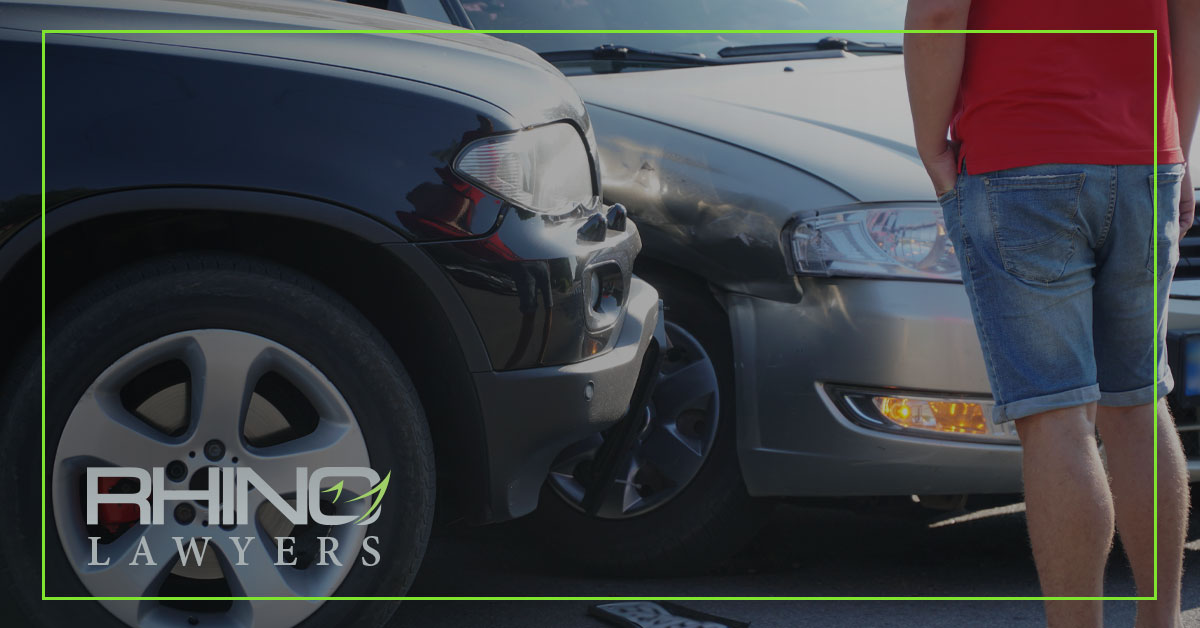
Damage patterns can tell a story.
For example:
- Rear-end damage may suggest failure to stop
- Side impact may indicate failure to yield
Accident reconstruction may also be used in more complex cases.
According to the National Highway Traffic Safety Administration, crash dynamics can help explain how and why collisions occur.
What If There Is No Clear Evidence?
This is where things get more complicated.
When there is no clear proof, Florida law still provides a framework.
Comparative Negligence
Florida follows a modified comparative negligence system under Florida Statute § 768.81.
That means:
- Fault may be shared
- Compensation may be reduced by your percentage of fault
- Recovery may be barred if you are more than 50% responsible
In disputed liability cases, insurers often default to shared fault.
Claim Disputes
Without strong evidence, insurers may:
- Deny liability
- Offer reduced settlements
- Delay claims
This is where experienced Florida Personal Injury Attorneys can help build a stronger case.
Because when facts are unclear, presentation matters.
How to Protect Yourself Immediately After a Crash
When fault may be disputed, what you do immediately after the crash can make or break your case.
What to Say (and What Not to Say)
Avoid statements like:
- “I’m sorry.”
- “I didn’t see you.”
- “It’s my fault.”
Even polite comments may be used later.
Stick to facts.
Document Everything
At the scene, gather:
- Photos of vehicles
- Damage angles
- Road conditions
- Traffic signs
- License plates
Documentation creates clarity.
Get Witness Information
If anyone saw the crash, ask for:
- Name
- Phone number
Witnesses may not be available later.
Seek Medical Attention
Even if you feel fine, get evaluated.
Under Florida’s PIP rules, treatment timing matters. You can review PIP requirements through the Florida Highway Safety and Motor Vehicles website.
Delays may hurt your claim.
Avoid Recorded Statements Without Guidance
Insurance companies may contact you quickly.
Be cautious.
Statements can be used to challenge your credibility.
For more guidance, visit our Car Accident FAQs page.
Frequently Asked Questions
- What if the other driver changes their story after the crash?
This is common. Evidence becomes critical in proving what actually happened.
- Can I still win my case if liability is disputed?
Yes, but it may depend on the strength of your evidence and documentation.
- Do police reports determine fault?
They can influence decisions, but they are not always final or binding.
- What if there are no witnesses?
Other evidence—photos, damage patterns, and reports—may still support your claim.
- Should I give a recorded statement?
It may be helpful to understand your rights before providing one.
- Can both drivers be at fault?
Yes. Florida’s comparative negligence system allows shared fault.
- How long does a disputed claim take?
These cases may take longer due to investigation and negotiation.
- What should I do immediately after a crash?
Document everything, seek medical care, and protect your statements.
Don’t Let Someone Else’s Story Control Your Case
Don’t let someone else’s story control your case.
When the At-Fault Driver Lies, your claim becomes a battle of evidence, credibility, and strategy.
Without strong documentation, insurance companies may reduce or deny your claim.
But with the right approach, it may still be possible to prove what really happened.
If you were injured in a crash, call RHINO Lawyers at 844.RHINO.77. We’re available 24/7, and there is no fee unless we win.
CONTACT A TAMPA AUTO ACCIDENT ATTORNEY
In short, after a car accident, you may not know your rights. Above all, don’t struggle through the process alone. Actually, our personal injury team is here to help you with any legal needs you might have regarding your accident.
Lastly, let RHINO Lawyers answer your questions and review the facts of your case with a Free Consultation. So, get started by completing the “Free Instant Case Evaluation” or by calling us any time, day or night, at 844.RHINO.77.