

What Are the Penalties for Fleeing and Eluding in Tampa?
There’s a huge, palpable feeling of fear during a traffic stop, and that anxiety goes both ways!
Citizens fear police consequences and violence, while police also fear what they’re facing. This fear drives both parties to protect themselves. For some, this instinct to flee could result in criminal charges like eluding an officer.
Make no mistake about it, though. You won’t be able to use instincts as a defense against fleeing and eluding charges. You’ll need to construct a much better defense to avoid fleeing and eluding penalties.
Are you wondering what potential penalties you could face after an arrest? Read on to get informed.
1. Prison Sentence
Immediately upon getting arrested for fleeing to elude a charge, you’ll get taken to jail. Within a few days, you’ll have an initial hearing where a judge will set a bail amount.
For many, this is a relief because they can make bail and work on a defense strategy. For countless others who can’t make bail, it means an extended prison term until their court date.
The Bureau of Justice reported that 65% of inmates were awaiting trial in 2019.
When you’re charged with fleeing to elude, you should expect bail to be significant. After all, the judge will see you as a flight risk since you are already accused of trying to run away.
What’s more, your charges are a felony crime. These serious offenses come with higher bail amounts.
If you do get convicted, then you’ll serve even more prison time after your court date. In Tampa, you can serve up to five years in prison for fleeing and eluding.
2. Probation Term
If no aggravating factors exist in your case, then you might not serve much prison time. Instead, you could get sentenced to a very long probation term.
Per Tampa law, you can serve up to five years on probation for general fleeing to elude convictions.
Probation means that you will not get imprisoned, but you’ll still face restrictions. Expect to meet with your probation officer on a weekly or monthly basis. You may also be subject to the following terms:
- Allowing probation officers to come to your home or workplace
- Remaining employed during probation
- Paying any court-ordered restitution, penalties, or fines
- Not traveling outside of the county or city
- Submitting to drug or alcohol testing
- Refraining from committing any new crimes
- Not possessing or buying any firearms
Any violations of your terms of probation could lead to your arrest. You’ll face more criminal charges and likely end up in prison or jail.
What’s more, felony probation is stricter than other types of probation. Expect more frequent and intense monitoring.
3. Fines
As if imprisonment or probation weren’t enough, you’ll face more criminal consequences. These will come in the form of significant court fines and penalties.
With eluding charges, expect to face fines of up to $5,000. If sirens were activated and you were driving recklessly, then the fine might double.
Did you actually cause an accident while fleeing? Were others injured, or was property damaged? If so, then you might face more financial penalties in civil court.
If injured individuals seek out a claim, then you might be liable for their losses. In that case, you’ll need to stay up to date with this civil settlement to remain in good standing.
4. License Suspension
Another consequence of your arrest will be an automatic license suspension.
This suspension can last anywhere from one to five years. You will not have driving rights, which could impact work and personal relationships.
You do have the right to a DMV hearing if you request one, though. You’ll need to request this hearing within 30 days of your arrest. Otherwise, an automatic suspension will occur.
There’s a chance you can ask for a hardship license, which will allow you to get to work. This will only work if you have a stable job, though. It’s best to hire a lawyer to help with your DMV hearing.
5. A Loss of Civil and Constitutional Rights
All the penalties above are harsh, but they aren’t all you’ll contend with. Fleeing a traffic stop is a felony offense.
Felony arrests come with very specific consequences. If you get convicted, then you could lose certain civil and Constitutional rights. After your conviction, you’ll lose the following rights:
- Voting
- Possessing or owning a firearm
- Unrestricted international travel
- Ability to serve on a jury
- Applying for public assistance or housing
- Right to be free from discrimination for employment purposes
- Right to qualify for financial loans
Per Florida law, losing these rights is automatic and instant if you get convicted. Any violations of these conditions will result in more criminal charges against you.
It might be possible to regain your rights in the future if you expunge your record. This process is long, tedious, and not guaranteed. If you’re considering expungement, then you’ll want an attorney’s help.
6. A Loss of Future Opportunities
The criminal and civil penalties of a fleeing and eluding conviction are hefty. As if that wasn’t enough, you’ll likely suffer personal consequences for years to come.
Convicted felons struggle when it comes to finding stable employment. What’s more, your personal relationships will suffer after prison or probation.
Even once you’ve served your time, the ghost of your conviction will limit your opportunities. You might feel limited in where you can work, live, and be yourself.
Coping With Fleeing and Eluding Charges in Tampa
The penalties associated with fleeing and eluding an officer are significant. Considering your charge is a felony offense, the consequences couldn’t get much worse!
From prison time to losing civil rights, your sentence could be harsh. The best way to avoid the worst penalties is to hire a criminal defense lawyer to help.
Here at RHINO Lawyers, we value your freedom and understand what’s at stake. We’ll fight to work towards the best possible legal outcome in your situation.
Leave your contact details on our form now for a free case evaluation.
CONTACT TAMPA TRAFFIC TICKET ATTORNEY
RHINO Lawyers can help and guide you through a system molded by law enforcement, judges, and lawyers for decades. Having won cases for our clients in similar circumstances, our criminal defense team knows what it takes to fight on your behalf.
Let RHINO Lawyers answer your questions and review the facts of your case with a Free Consultation. So, get started by completing the “Free Instant Case Evaluation” or by calling us any time, day or night, at (844) RHINO-77.
Read More
When Can Tampa Police Search Your Car?
On average, police pull over 50,000 drivers every day in the US – that’s more than 20 million motorists each year. So if you see those flashing lights and get that sinking feeling in your stomach, you’re far from alone. But the police have rules they must follow during a traffic stop.
But if you’re a Tampa motorist, it’s good to know what the law says about lawful and unlawful searches. The police are not authorized to stop you and search your car for just any reason. They need to have lawful grounds before they proceed.
Let’s take a look at when the Tampa police are within their rights to search your car.
Do Tampa Police Need a Warrant to Search Your Car?
In short, the answer is yes, they usually do.
If the Florida police search your vehicle without a warrant any evidence they produce will likely be inadmissible in court. To obtain a search warrant, the police must convince a judge that there is probable cause to believe either:
- A crime is in progress
- They will be able to uncover evidence of a crime in that location
The police provide an affidavit – a written statement given under oath. The suspect does not have an opportunity to contest the warrant at this point. However, they may be able to do so later.
Some grounds for issuance of a search warrant include:
- Recovery of stolen property
- Items used in criminal activity
- Items of an obscene nature or related to gambling
- Violates laws relating to the manufacture, sale, and transportation of intoxicating liquor
- Violates food and drug laws
You have a right to retain a duplicate copy of the original search warrant and an inventory of any property seized.
Even when the police have a warrant, they are not authorized to go beyond its terms. They may only search for the item or evidence specified on the warrant. However, if they find other evidence or illegal materials during the course of this search, they may seize them.
When Can Tampa Police Conduct a Vehicle Search Without a Warrant?
There are several scenarios in which a Tampa police officer may be able to conduct legal searches without a warranty. These include providing consent, probable cause, search incident, and emergency purposes.
Providing Consent
At a traffic stop, a Tampa police officer may request your explicit permission to search your vehicle. If you provide it, they may legally proceed with the search.
However, you have the right not to be coerced or intimidated into giving consent. If you feel that this was the case, talk to your lawyer about this.
Probable Cause
During a routine traffic stop, the police officer may feel that something is amiss. For example, if they catch sight of contraband in plain view, that is probable cause to search your vehicle. They may also smell drugs and that would constitute probable cause.
If they have reason to suspect that you have contraband in your vehicle, they may only search where it may reasonably be stored. Drugs can be stored anywhere, so in this case, the officer would have the right to search the entire vehicle.
Incident to an Arrest
To protect law enforcement officers, they may search your vehicle for weapons or other evidence during the course of an arrest. For example, if the police are arresting you for possession of contraband, they can use this power to search your vehicle. This serves several purposes:
- Protecting the police officers
- Preventing escape
- Preserving evidence
If you are arrested for any lawful reason, the police have the right to perform an inventory search on your vehicle. The purpose of this search is not to find contraband or evidence. But if the police do find this, it could form part of the case against you.
Emergency Purposes
Obtaining a search warrant takes time. If the police officer judges that the delay would put the public’s safety at risk or could result in evidence being destroyed, they may search your vehicle.
What to Do During Tampa Police Vehicle Searches
Vehicle searches can be very stressful even when you have got nothing to hide. It’s very important to remain calm, respectful, and cooperative.
Remember, you have the legal right to withhold consent for the officer to search your vehicle. Under these circumstances, they would have to use one of the other reasons mentioned above for performing the search.
During the traffic stop, you are not legally obliged to answer questions relating to:
- What is in the vehicle
- If you are under the influence of drugs or alcohol
- If you are in trouble for any other reason
The police could use your answer to these questions as probable cause to search the vehicle. Although you do not have to provide information, you must also not lie to the police.
If the Search Goes Ahead
If the Tampa police feel they have established probable cause or another reason for performing the search, do not confront them or attempt to stop the search. You may calmly restate your refusal to provide consent, which should be recorded on their body camera.
Remain calm throughout and feel free to note down details that you may find useful later.
Unlawful Search and Seizure
We all appreciate the hard work and dedication of Tampa police officers. However, they may not violate the law or our civil rights. If you feel that your search and the seizure of any goods from your vehicle were unlawful, follow this up with an attorney who can investigate your case.
Your attorney will be able to gain access to body cam and dash cam footage of the incident. If the search was unlawful, he or she can file a motion to have illegally obtained evidence thrown out.
What to Do if Tampa Police Unlawfully Search Your Car
If your vehicle has been unlawfully searched by the Tampa police, you need help from an attorney.
At RHINO Lawyers, we’re here to review your case and provide any legal assistance you may need. Call us today at (844) RHINO-77 or contact us online for a free case review.
CONTACT TAMPA TRAFFIC TICKET ATTORNEY
RHINO Lawyers can help and guide you through a system molded by law enforcement, judges, and lawyers for decades. Having won cases for our clients in similar circumstances, our criminal defense team knows what it takes to fight on your behalf.
Let RHINO Lawyers answer your questions and review the facts of your case with a Free Consultation. So, get started by completing the “Free Instant Case Evaluation” or by calling us any time, day or night, at (844) RHINO-77.
Read More
Consequences of Leaving the Scene of an Accident in Tampa
Between 2012 and 2021, there were over 710,000 hit-and-run crashes in Florida. From fender-benders to crashes resulting in deaths, hit-and-run accidents carry serious consequences. If you’ve been in an accident that has caused property damage, injury, or death, you must remain at the scene.
If you leave the scene of an accident, you face charges as well as potential fines. The penalties get more severe the more serious the crash is. Read on to learn more about the consequences of leaving the scene of an accident. And what you should do instead.
Florida Laws
Florida law requires you to call the police if you are involved in an accident that results in injury, death, or property damage in an “apparent amount of at least $500.” Because it’s hard to estimate how much damage a crash does and how much it may cost to repair a vehicle, it’s safe to assume that if you are involved in any crash with visible property damage, call the police.
It’s always better to err on the side of caution and call them when you don’t really need them than the alternative of not calling and facing charges.
If you do not call the police, you face a potential noncriminal traffic infraction, which usually involves a fine. However, if there is significant damage, injury, or death, you are facing criminal charges, fines, potential prison time, and revocation of your license if you do not call the police and stay at the scene of an accident.
Fleeing an accident scene is almost a guarantee that your charges are going to be greater and your penalties stiff than if you had simply remained at the scene and dealt with law enforcement.
They will search for you and they will find you. It will be much harder to mount any sort of defense if you flee than if you stayed and faced the consequences.
Crashes Involving Vehicle or Property Damage
The penalties for leaving the scene of an accident depend on the extent of the car crash and the damage done. If it is an accident that results in damage to your vehicle, another vehicle, or property damage, and you flee the scene, you can face second-degree misdemeanor charges.
The potential penalties for a second-degree misdemeanor in Florida include:
- Up to 60 days in jail
- Up to six months of probation
- A fine up to $500 with $5 added to be deposited in the Emergency Medical Services Trust Fund
The penalties increase if there were injuries as a result of the accident.
Crashes Involving Injuries
Leaving the scene of an accident that involved injuries (but not death). Florida considers this a third-degree felony. In order to convict you of this charge, the state attorney must show that you knew of your involvement in an accident. Plus, that you knew or should have known, that a person was injured, and that you failed to stop at the scene and remain there.
If convicted, you face the following penalties:
- Up to five years in prison
- A fine up to $5,000
- Up to five years of probation
Crashes Involving Death
When you leave the scene of an accident after a death has occurred, you are facing first-degree felony charges. The state attorney must show that you knew that you were involved, knew or should have known about the death, and didn’t stop and remain at the scene.
First-degree felonies come with the potential of:
- Up to 30 years in prison
- A fine of up to $10,000
- Up to 30 years on probation
Administrative Penalties
Not only do you face criminal charges and penalties when you leave the scene of a car crash, but you’ll also face administrative penalties, such as losing your driver’s license.
When you are involved in a crash that causes injury and death and you flee the scene, your license may be revoked.
Your Duties After a Crash
When you are involved in any sort of crash that results in damage or injury. Then there are certain duties that you have in Florida, including:
- Remain at the scene
- Provide your contact information, including your name and address
- Provide the registration number of the car you were driving
- Show your driver’s license
- Provide reasonable assistance for anyone who is injured (calling an ambulance, etc.)
If you hit a car that is parked, you must try to find the owner. And if you cannot, you must leave a note with your contact information and information about the crash. You are not legally required to stay at the scene until the owner of the car or other property returns.
Leaving the Scene of an Accident: Don’t Do It
There are many reasons for leaving the scene of an accident. Most of them involve trying to avoid trouble of some sort. Such as if you were driving under the influence, driving with a suspended license, or having a warrant for your arrest. It is almost a guarantee that law enforcement will find you if you flee and you will then be in more trouble.
Not only will you not avoid getting into trouble from the accident. But you are also going to face even more consequences for leaving the scene. Your best option is to remain at the scene and face any repercussions that may come your way. If you are taken into custody at the scene, contact an attorney as soon as you are able.
Contact us at RHINO Lawyers. We focus on criminal defense and traffic violations and can provide a free case evaluation.
CONTACT TAMPA TRAFFIC TICKET ATTORNEY
RHINO Lawyers can help and guide you through a system molded by law enforcement, judges, and lawyers for decades. Having won cases for our clients in similar circumstances, our criminal defense team knows what it takes to fight on your behalf.
Let RHINO Lawyers answer your questions and review the facts of your case with a Free Consultation. So, get started by completing the “Free Instant Case Evaluation” or by calling us any time, day or night, at (844) RHINO-77.
Read More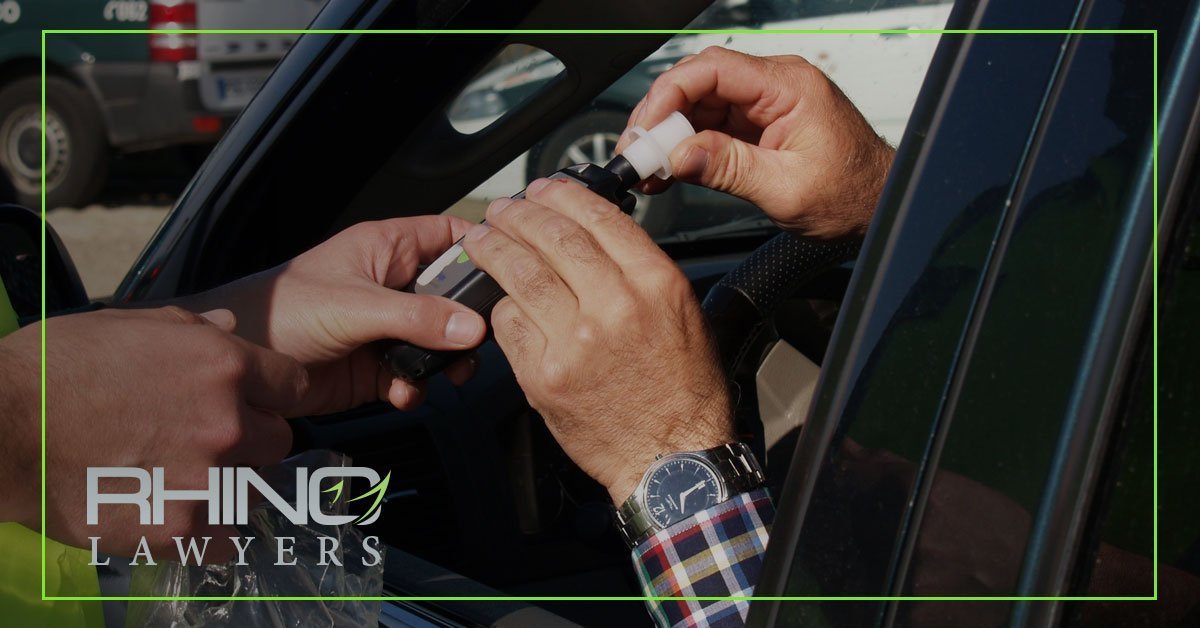
7 Ways a Breathalyzer Can Be Wrong
Every year, thousands of people die in drunk driving accidents. It is no wonder that DUI charges are so serious. At the same time, some people take a breathalyzer test when they know they have not been drinking and end up with a positive result anyway.
People experience incredible helplessness when this happens. After all, the law enforcement officials involved probably act extremely confident about their guilt. On top of that, it is impossible to argue with a machine.
However, people often find hope when they find out that there are actually a number of known ways that breathalyzer tests can be incorrect.
So what exactly are the most common ways a breathalyzer result might be faulty? Could one of these mistakes explain your own false-positive result? Read on to learn all about the most important things to understand about how a breathalyzer test can be wrong!
1. Poor Breathalyzer Calibration
There are a couple of different ways that someone can receive a bad breathalyzer result and get a DUI charge as a result.
In some cases, people have not had very much to drink. If they have had sufficiently low quantities of alcohol, then they are actually following the law when they drive. However, a breathalyzer test might show that they have been drinking more than they really have.
On the other hand, a breathalyzer test might claim that someone has been drinking even when they have not had any alcohol in recent history. In both cases, this is potentially the result of bad calibration.
The longer machines go without proper calibration, the more commonly they start to give false results. With the support of an experienced lawyer, you might be able to discover that the breathalyzer test you were given came from a machine with outdated calibration. That can prove that the supposed evidence about your guilt is actually invalid.
2. Bad Test Solutions
Most people don’t know very much about how breathalyzers work. They imagine that they somehow just know whether or not you were ingesting alcohol in recent history. Of course, this is not how they really work.
What they really detect is certain chemical reactions that are supposed to be the result of the solutions in a breathalyzer interacting with alcohol. However, what if the chemical makeup of the solutions in the breathalyzer is incorrect?
This can lead to false-positive results and a charge for driving under the influence even when you have not been drinking excessively. In fact, some law enforcement officers end up creating homemade chemical solutions to put in breathalyzer tools.
In other cases, officers put old solutions in breathalyzer tools after they have expired. This can be the result of an oversight, or it can even be the fault of the manufacturer. With the right investigation, you might be able to show that the solution in the breathalyzer test you received possibly provided a false result.
3. Wrongly Modified Tests
Breathalyzer tools are sensitive instruments. Sometimes, law enforcement officers fiddle with them in ways that are not authorized. For example, they might turn off the part of the machine that detects the temperature of breath.
Although the machine may still output answers that claim you have been drinking excessively, that may be the result of improper modifications rather than actual excessive drinking.
4. Programming Errors
Breathalyzers are complicated instruments that use computers. These computers rely on properly functioning software to provide accurate results.
Unfortunately, software mistakes can be extremely subtle and difficult to detect. It is always possible that a machine is outputting false-positive results because the software has encountered a bug.
5. Poor Test Methodology
Breathalyzer tests are not perfectly reliable even under the best of circumstances. Many people have become more familiar with how a test can provide false positives and false negatives because of the coronavirus pandemic.
Many people have also learned about how improperly providing data to a test can lead it to be more and more inaccurate. It is important to use a breathalyzer correctly in order for it to provide accurate results.
If a law enforcement officer provides you with faulty instructions for taking the breathalyzer test, it may result in a higher chance of a false positive or false negative.
That is why it is so important that law enforcement officers provide consistent and accurate instructions on how to take tests. Otherwise, the results of the tests are questionable.
6. Medical Conditions
Sometimes, you can end up with reliably false breathalyzer test results for reasons that not even most law enforcement officers don’t know about.
For example, if you have diabetes, you are more likely to give false results to a breathalyzer test. In fact, not only will your results be inaccurate, but the breathalyzer will read you as having a consistently higher blood alcohol level than you really do.
This is a serious problem that we need more sophisticated technology to handle. We cannot rely on breathalyzer tests that consistently give false readings for people who have diabetes or other medical conditions.
If you have persistent acid reflux, that can also throw off the results of a breathalyzer test in a way that can make it look like you have been drinking more than you really have been. This can be especially damaging if you have been in a car accident.
7. Other Chemicals
As we have already discussed, breathalyzer tools are sensitive. They rely on a careful combination of proper use, pristine software, and correct chemical solutions.
However, they also rely on things that are not under the control of breathalyzer designers or law enforcement officers. In some cases, breathalyzer tests are inaccurate because there are chemicals in the air while you are taking a test.
Paint fumes, gasoline, mouthwash, and more can all lead to inaccurate breathalyzer results. If you have received a faulty breathalyzer test result, the right attorney might be able to show that your supposed DWI offense may be the result of chemicals that were in the air at the time.
Understand How to Manage DUI Charges
We hope learning about how breathalyzer tests can be inaccurate has been helpful. The more you know about breathalyzer tests, the better able you will be to manage DUI charges.
To learn more about how breathalyzer tests can be inaccurate or find legal help, feel free to reach out and get in touch with us here at any time!
CONTACT TAMPA TRAFFIC TICKET ATTORNEY
RHINO Lawyers can help and guide you through a system molded by law enforcement, judges, and lawyers for decades. Having won cases for our clients in similar circumstances, our criminal defense team knows what it takes to fight on your behalf.
Let RHINO Lawyers answer your questions and review the facts of your case with a Free Consultation. So, get started by completing the “Free Instant Case Evaluation” or by calling us any time, day or night, at (844) RHINO-77.
Read More
A Guilty Plea Won’t Necessarily Resolve DUI Issues: Here’s Why
Guilty pleas are an American scourge. 94% of criminal convictions in the United States come from guilty pleas. Thousands of innocent people have pleaded guilty to crimes they didn’t commit, including DUIs.
When you are presented with a plea bargain, you may be tempted to take it. But a guilty plea has many different consequences. Before you strike a deal with a prosecutor, you should understand the facts.
What are the penalties for DUI charges in the state of Florida? What happens to people who plead guilty to felonies? Are there alternatives to a plea deal?
Answer these questions and you can find your path forward after a DUI arrest. Here is your quick guide.
You Will Lose Your License
Florida DUI laws make license revocation mandatory after any DUI. If the DUI is a first-time offense that results in no bodily injuries, the state will revoke the driver’s license for at least 180 days. The state can extend the revocation period to a maximum of one year.
A second-time offense has a minimum revocation period of five years. This occurs regardless of whether or not the DUI resulted in an injury.
In order to get your license back, you must go to DUI school. You then need to apply for hardship reinstatement.
You must prove that you need to drive for business purposes or employment purposes. A license for business purposes lets you drive to and from work, church, and medical appointments. A license for employment purposes limits you to driving only for work-related matters.
Going on errands or detours will lead to your hardship license getting revoked. You can also lose your license if you fail to pay child support, skip court hearings, or get into an accident.
Your Premiums May Increase
All car insurance companies have policies that raise premiums after a DUI offense. Each company is different, but you may need to pay an extra $1,000 a year because of your higher premiums.
Some companies can also revoke your insurance outright. They may do this in cases when the DUI resulted in an injury or significant property damage.
You may not be able to change your policies. Insurance companies can examine your driving record and see if you have DWI charges on it. If you do, they can decline to offer you insurance.
It does not matter if your conviction came from a plea deal or not. The only way your DUI will not affect your insurance is if the offense is removed from your driving record. But your DUI can stay on your record for years, and it may be permanently in place.
You May Plead Guilty to a Felony
Plea deals can mean a few different things. In exchange for pleading guilty, a prosecutor may reduce your criminal penalties. You may avoid incarceration and receive probation and community service.
However, DUI charges are so severe that a prosecutor may insist that you plead guilty to a felony. Florida has passed laws allowing people with felony convictions to vote. But if you have outstanding fees or fines, you lose your right to vote, even years after your sentence.
Pleading guilty will also create a criminal record for you. Employers can conduct a background check, find your criminal record, and deny you job opportunities.
You May Face Other Charges and Penalties
A DUI case may involve a variety of offenses. Many prosecutors like to charge drivers with traffic violations that the court considers to be criminal offenses, including reckless driving.
You may be able to get your DUI charges thrown out in a plea deal. But you may plead guilty to another offense that puts you in jail, gets your license revoked, and creates a criminal record.
In the future, a DUI offense you pleaded guilty to will count as a first-time offense. If you’re charged and convicted of another DUI, you face stiffer criminal penalties.
A No Contest Plea Is an Alternative
A no-contest plea means that you will not dispute the charge in court. In a plea deal, a no-contest plea functions similarly to a guilty plea. You may still face incarceration or other penalties.
However, a no-contest plea means you are not admitting to the DUI offense. Lawyers in a civil trial cannot use your plea against you, so you can contest a civil case on equal footing as the plaintiff.
Some judges do not allow no-contest pleas, and your DUI lawyer may advise you against one. Talk to your lawyer about your options before you decide what your right move is.
A Deal Offer Can Be a Sign of Weakness
A prosecutor may offer you a plea deal just to get your case off their books. They may think that they will lose at trial, and a deal may be their only way to get a conviction.
Take a look at the terms of the plea deal and at the other evidence in the case. If you think the prosecutor’s evidence is thin, you should prepare for a trial.
Start building your defense before you decide whether or not to take a plea deal. You can fight back against DUI charges by pointing out that you were not the driver or had no physical control of your car.
You May Not Want a Guilty Plea
A guilty plea will not end your DUI case. You will lose your license for months, if not years. Your insurance premiums will increase, and you will live with a criminal record.
A prosecutor may force you to plead guilty to a felony or press for other charges. Before you accept a deal, you need to look at the terms and consider your alternatives. You can try a no contest plea, or you can press for a trial.
Your best approach is to hire a DUI legal professional. RHINO Lawyers serves the Tampa area. Contact us today.
CONTACT TAMPA TRAFFIC TICKET ATTORNEY
RHINO Lawyers can help and guide you through a system molded by law enforcement, judges, and lawyers for decades. Having won cases for our clients in similar circumstances, our criminal defense team knows what it takes to fight on your behalf.
Let RHINO Lawyers answer your questions and review the facts of your case with a Free Consultation. So, get started by completing the “Free Instant Case Evaluation” or by calling us any time, day or night, at (844) RHINO-77.
Read More
6 Things You Need to Tell Your Criminal Defense Attorney
The Supreme Court has made it more difficult for inmates to get released! When you have criminal charges brought against you, a good attorney can keep you from losing your freedom.
However, you can get the best attorney in the world but if they don’t have all the facts and information. It can put you at a disadvantage. You should not hesitate to tell your attorney all the things they need to know to help you to win your case.
Here’s a look at some important things that you must discuss with your criminal defense attorney.
1. The Personal Context of the Criminal Charges
One of the things that your attorney will need to know is the reason why you were charged. Whenever criminal charges are laid there are usually extenuating circumstances surrounding the charges that have been laid against the individual.
You need to give your attorney all the minor and major details that can help provide context for the charges that have been laid against you. These details are critical to your defense.
Something that you think may not help your case. May be just what is necessary to rid you of the charges. Don’t hold back, you should be completely honest with your attorney. And tell them exactly how you came to be charged. As well as, the context in which the charges have been laid against you.
2. Tell Your Criminal Defense Attorney about Witnesses
Witnesses are often one of the key components of any case and if you have several witnesses then this can provide a lot of legal help for your case.
Informing your attorney of all the witnesses you can think of is very important. Someone may be more beneficial to the case than you could imagine. Your lawyer can also tell you if a witness will damage your case in court.
If someone is damaging to your case then it is likely that the prosecution will bring them to testify against you. If you feel that someone is going to testify against you, let your criminal defense lawyer know.
You should also let them know in what context they could testify against you. This way your attorney will not be blindsided by not having enough time to prepare for a damaging witness.
3. Who You Have Spoken To
If you have spoken to anyone about the case, you need to tell your lawyer. Often when people are overwhelmed by charges against them, they need someone to confide in and the easiest people are those closest to them.
Whether you are guilty or not, you need to let your attorney know who you have spoken to about the details of the case. When they’re trying to form a case against you the prosecution will dig up any and every person who can corroborate their case against you.
If you have spoken to someone it is a possibility that they will find out and they will call this person to testify. Your attorney needs to know all of this so they can prepare a good defense for you.
4. Your Statements to the Police
When you get arrested you are usually told that you have the right to remain silent. You are also told that anything you say can and will be used against you in court if necessary.
If did not avail yourself of this right and spoke to the police, you need to let your lawyer know exactly what you said.
You may not have said anything that you think will have negative legal repercussions but this is never a certainty when you talk to the police in a criminal case. Tell your attorney what you said and they will decide whether or not it is incriminating.
5. Your History With the Victim
If the victim, in the case, is somebody who you have a history with, you need to tell your attorney. It isn’t wise for you to hide this.
The prosecution will usually find this evidence on their own especially if it is a matter of public record. Letting your attorney know about this history can help them adequately prepare your defense.
6. Your Financial Issues
If you are having financial challenges you need to let your attorney know about it. You will undoubtedly have to pay legal fees if you hire a lawyer. So, you need to let your lawyer know about your financial situation.
Having a clear knowledge of how much you will need to pay for your legal defense is a key part of the case. Your attorney may be able to offer you flexible payment terms and plans if they are aware of your financial situation.
The bottom line is that, while finances are a sensitive and private matter, it is essential that you open up in this way. So that your fees for your defense can be properly sorted out.
Get the Best Criminal Defense Attorney
Getting the best criminal defense attorney is essential if you want to win your case. However, to win your case you must ensure that you give your attorney all the necessary information so that they can build an airtight case for you.
Failure to give your attorney vital information can cost you the case, and get you jail time. Your lawyer will not be as prepared as they should be without all the facts and this can be detrimental in the long run.
If you would like to hire an attorney, please do not hesitate to contact us.
CONTACT TAMPA TRAFFIC TICKET ATTORNEY
RHINO Lawyers can help and guide you through a system molded by law enforcement, judges, and lawyers for decades. Having won cases for our clients in similar circumstances, our criminal defense team knows what it takes to fight on your behalf.
Let RHINO Lawyers answer your questions and review the facts of your case with a Free Consultation. So, get started by completing the “Free Instant Case Evaluation” or by calling us any time, day or night, at (844) RHINO-77.
Read More
DUI Defense: Got a DUI in Tampa While on Vacation, Now What?
You should leave your vacation with a suntan, some souvenirs, and great memories. Unfortunately for some unlucky drivers, you might leave your Florida vacation with a driving under the influence (DUI) charge.
The nice weather, sunshine, and laid-back, vacation-like atmosphere make it easy to get carried away. And when you get behind the wheel after having too much to drink, you can face serious consequences.
If you’re facing these charges, you need a DUI defense attorney who is based in Florida. Read on to learn more about what to look for.
Understanding Florida Laws
Even if you don’t live in the state of Florida, they can still arrest you and charge you with DUI there. By driving on Florida roads, you are consenting to follow Florida laws. Even if your driver’s license is from another state.
Blood Alcohol Content (BAC) Limits
Similar to other states, the legal limit in Florida is 0.08. But, if your BAC is higher than this, you can be charged with DUI. And, if your BAC is 0.15 or higher, you can face enhanced penalties.
If you are younger than 21, the legal BAC limit is 0.02 and if you are driving a commercial vehicle, it is 0.04. You also may not drive under the influence of controlled substances.
Interstate Compacts
If you get arrested for a DUI in Florida, you can’t leave the state and ignore your charges.
Florida is part of the Driver’s License Compact, which is shared across 45 states and the District of Columbia. Georgia, Massachusetts, Michigan, Tennessee, and Wisconsin are the only states that are not members.
The Driver’s License Compact requires its members to share information with other member states. When a non-resident is arrested or cited. For example, if you have a driver’s license in one of the 44 other states that are part of the compact and you get a DUI in Florida. Then Florida will report that to the state that issued your license.
This also means that the state that issued your license agrees to treat the offense as if it happened in your home state, including the penalties and driver’s license suspension that would come with the offense.
In addition, Florida is a member of the Non-Resident Violators Compact (NRVC). The NRVC was created in the 1970s and 44 states are members. The goal of the NRVC is to ensure that moving violations are reported across states.
If you get a speeding ticket in a state that is a member of the NRVC but is not your home state, that state will report your violation to the state that issued your license. Not all violations fall under the scope of the NRVC, but most do. This means that you can’t ignore tickets in other states once you return home, as you will face points, fines, and license suspensions there as well.
What to Do if You Are Charged With DUI While in Florida on Vacation
If you are charged with a DUI in Florida, whether you live here or not, you will immediately receive an administrative suspension of your license. You have 10 days from the date of your arrest to file a request for a temporary driving permit, which will allow you to drive for work, school, or medical purposes. If you don’t file this request within 10 days, they will suspend your license.
Your first step after the arrest should be to contact an experienced DUI defense attorney to help with this process. Those are the first steps. Once you handle this first penalty, you can work with your attorney to focus on the penalties. If convicted of DUI.
If your attorney cannot get the charges dropped. Then you face fines, additional license suspensions, and potentially jail time, depending on your prior DUI record. Penalties for your first DUI offense include:
- A fine of between $500 and $1000 (or between $1000 and $2000 if your BAC was 0.15 or higher or if there was a minor in the car)
- Incarceration for up to six months (or up to nine months if your BAC was 0.15 or higher or if there was a minor in the car)
- License suspension of between 180 days and one year (if there was bodily injury, the suspension is a minimum of three years)
If the court allows it, you could serve your time of imprisonment in a residential drug or alcohol treatment program.
Appearing in Court
When you are charged with DUI, you will receive a court date and you will be required to appear. In some instances, your attorney may be able to have your appearance in court waived and appear for you.
However, when you are charged with more serious offenses, such as a felony, or you are facing a trial, you will need to be present in court. If you do not show up to your hearing, a judge will issue a warrant for your arrest.
Your attorney may be able to negotiate a plea bargain for you to avoid appearing back in court. There is a possibility that the plea bargain could come with punishments in your home state, not Florida. So you can avoid having to travel back to the state.
Your attorney will be able to advise you on how to proceed. This is another reason why it is so important to hire an attorney who is based in Florida, not your home state.
Hire the Best DUI Defense Lawyer in Tampa
A DUI defense lawyer is a must if you are facing DUI charges in Florida. Don’t hire an attorney from your home state. As they may not be licensed to practice law in Florida and may not understand the laws.
Contact us at RHINO Lawyers for a free case consultation. If you’ve been arrested for a DUI, don’t delay in doing this. We are available 24/7.
CONTACT TAMPA TRAFFIC TICKET ATTORNEY
RHINO Lawyers can help and guide you through a system molded by law enforcement, judges, and lawyers for decades. Having won cases for our clients in similar circumstances, our criminal defense team knows what it takes to fight on your behalf.
Let RHINO Lawyers answer your questions and review the facts of your case with a Free Consultation. So, get started by completing the “Free Instant Case Evaluation” or by calling us any time, day or night, at (844) RHINO-77.
Read More
5 Questions To Ask Your Tampa Criminal Defense Attorney
There are now nearly 21,000 criminal law firms employing over 61,100 criminal lawyers and attorneys in the US. If you need a Tampa criminal defense attorney, you’ll need a means of narrowing down your options. Otherwise, you might choose a criminal defense attorney who lacks the experience you need.
Here are five questions you can ask while vetting Florida defense attorneys. Asking these questions will ensure you find the right lawyer for your case.
Start your search for an attorney with these tips today.
1. How Long Have You Practiced Law?
Before hiring a criminal defense attorney for your misdemeanor or felony charge, make sure they have years of hands-on experience relevant to your needs.
First, determine how long each lawyer has practiced law. You can start building a list of Florida defense attorneys by visiting the state bar association website. Make sure each lawyer is licensed to practice in the state of Florida.
Otherwise, check the Martindale-Hubbell law firm directory for a list of local lawyers.
Look for a lawyer who has years of hands-on experience practicing in Florida.
Some laws and procedures can vary based on your location. Finding a lawyer with local experience will give you peace of mind about their abilities.
If they only recently passed the bar, however, remove them from your list. An inexperienced lawyer is more likely to make a mistake. Chances are, they lack the professional network that can strengthen your defense, too.
How Long Have You Focused On Criminal Defense?
It’s not enough to find a general lawyer with years of case experience. Instead, look for lawyers who focus on criminal defense. Determine how long each lawyer on your list has focused as an criminal defense attorney.
Make sure their focus is relevant to your needs, too.
For example, perhaps you were charged with a drug crime. Maybe you need a lawyer with experience handling federal defense cases. Choose someone with years of experience handling cases like yours.
These attorneys will have an easier time navigating the complexities of your case.
Make sure they’ve handled multiple cases like yours in the past, too. Ask them about the outcome of those cases. Make sure they’ve handled similar cases recently as well.
2. How Often Do Your Cases Go To Trial?
As you learn more about each lawyer’s professional history, ask how often their cases go to trial.
You can’t anticipate how your case will proceed. It’s best to cover your bases by finding someone with years of courtroom experience.
Otherwise, you might end up with a criminal defense lawyer who is apprehensive about going to court. If they’re nervous about trying a case in front of a judge and jury, they might drop the ball. They might even try to avoid going to court by accepting a plea deal.
Make sure you’re choosing a lawyer who has your best interests in mind. Determine if they have the skill set necessary to handle your case, too. For example, they should feel confident in their abilities to try your case in court.
They should also have strong communication and listening skills.
A lawyer with active listening skills will know how to analyze a lawyer’s or witness’ statements. They’ll know how to think on their feet to develop counter-arguments.
Finding a lawyer with the right skill set for handling your case in court can help you feel more confident in their abilities.
What Strategy Will You Use?
As you interview the attorney, ask what strategy they’ll use when trying your case.
The lawyer shouldn’t use a cookie-cutter approach. Rather, they should consider the details of your case and the evidence involved. Then, they should run you through your potential legal options.
Your Tampa criminal defense attorney shouldn’t push you in one direction or another. Instead, they should help you review the pros and cons of each option. Then, they’ll develop your case strategy based on your preferences and goals.
3. What’s Your Track Record?
Only 2% of federal criminal cases went to trial within a span of a single year. A majority (90%) pleaded guilty instead. Meanwhile, the remaining 8% of cases were dismissed.
Most of the defendants who did go to trial were found guilty. Fewer than 1% went to trial and won their cases.
Before hiring a criminal defense attorney, make sure you’re choosing a winner.
Ask each lawyer how many cases like yours they’ve handled in the past. Then, compare their wins and losses. Determine how many of those cases they won recently, too.
Finding a lawyer with a strong track record can give you peace of mind before they begin handling your case.
What Are the Possible Outcomes For My Case?
Ask your defense attorney what outcome they expect for your case.
They shouldn’t give you any guarantees about how the case could proceed. Instead, they should prepare you for each possible scenario.
For example, the protection might drop all charges. Your lawyer might manage to work out a plea deal instead. However, you should still prepare to go to court.
4. How Often Will We Communicate?
Determine how often you and your criminal defense attorney will communicate once they start working on your case. Make sure the lawyer you speak with is the one who will handle your case, too.
Otherwise, they might hand your case off to a paralegal or junior attorney.
5. How Much Will This Cost?
Ask each lawyer about their fee structure. Pricing can vary between attorneys. Determine what’s included with each lawyer’s fees.
Ask how they calculate their expenses as well.
You’ll likely pay more for a more experienced and capable lawyer. Don’t choose the cheapest option, though. Instead, choose a defense attorney who is capable of winning your case.
You’ll find their services were worth every penny once you’re free.
Find the Best Tampa Criminal Defense Attorney for Your Case Today
Don’t make the mistake of hiring the first criminal defense lawyer you call. Instead, use these tips to find the best Tampa criminal defense attorney. Hiring the best lawyer can increase the chances of a positive outcome for your case.
Are you facing criminal charges? Don’t hesitate to call for help.
Contact our team today for a free, instant case evaluation.
CONTACT TAMPA TRAFFIC TICKET ATTORNEY
RHINO Lawyers can help and guide you through a system molded by law enforcement, judges, and lawyers for decades. Having won cases for our clients in similar circumstances, our criminal defense team knows what it takes to fight on your behalf.
Let RHINO Lawyers answer your questions and review the facts of your case with a Free Consultation. So, get started by completing the “Free Instant Case Evaluation” or by calling us any time, day or night, at (844) RHINO-77.
Read More
Florida Supreme Court Changes How DUI Manslaughter Cases Can Be Prosecuted
So, you or someone you know became involved in a DUI manslaughter case.
Although an unfortunate situation, knowing the legal procedures involved in these cases is critical when building your defense strategy. In 2020, the Florida Supreme Court has made significant changes to the prosecution proceedings of DUI manslaughter cases.
These changes impact the way you choose to handle your case. Depending on the circumstances and evidence the prosecution has. Being unaware of the current legal handlings of these cases can have a severe impact on your potential sentencing.
No need to worry if you are unfamiliar with the changes in prosecution proceedings in DUI manslaughter cases. We’ll explain these details and how it impacts a case.
Previous Prosecution Law For DUI Manslaughter
Two landmark cases in Florida’s legal history resulted in legislation related to vehicular manslaughter and DUI charges. Houser v. State and Carawan v. State set precedents the prosecution of suspects charged with multiple crimes from the same incident.
In Houser v. State, the concern was there may be many charges stemming from a singular vehicular manslaughter or DWI incident. The Florida Supreme Court ruled that multiple convictions were illegal due to double jeopardy principles.
Carawan v. State is more relevant because of the reaction of the Florida Supreme Court to its decision. This case concluded that they assumed the Legislature wouldn’t try and charge one homicide under multiple statutes in favor of lenity.
The legislature decided to amend the law to clarify that defendants can incur charges from however many offenses occurred during a single criminal incident.
Together, these changes in law ruled that in DUI cases where there was criminal activity and death, the more serious charge would receive sentencing while dropping the lesser charge. This is to avoid the risk of double jeopardy.
For example, if someone was driving under the influence and killed another person in an accident, they’ll receive charges for both DUI Manslaughter and DUI With Serious Bodily Injury or Death. Both of these charges are part of the case in court.
Upon sentencing, only the more serious charge of DUI Manslaughter will stick. They would dismiss the lesser charge of DUI With Serious Bodily Injury or Death.
This is because, technically, the crime is already receiving a punishment. DUI Manslaughter comes with higher punishment for the death of the victim. A charge of DUI With Serious Bodily Injury or Death additionally would mean they punish you multiple ways for the same crime.
Florida Supreme Court Changes to DUI Manslaughter Cases
A new case, State v. Maisonet-Maldonado brought about new changes that shifted how sentencing now proceeds. Houser v. State prevented multiple convictions of fleeing and alluding causing serious injury or death and vehicular manslaughter DUI if the incident only involved a single victim.
In 2020, the Florida Supreme Court made a decision overturning how these legal technicalities and issues have been handled for the past 35 years.
The Florida Court system now ruled the Houser v. State result was wrongfully decided. They ruled that the Principle of Lenity (which requires a court to apply unclear law to a case in the way that is most favorable for the defendant) should not be applied in instances of double jeopardy concerns.
Now in DUI Manslaughter cases, both charges of vehicular manslaughter DUI and DUI With Serious Bodily Injury or Death are charged and sentenced separately. This applies when both charges stem from the same incident and involve a single victim.
Evidence presented against the defendant is now even more important to consider because it justifies the number of ways death as a result of a DUI can be charged and sentenced. Instead of fighting the main DUI manslaughter charge, a defendant will now have to fight possible sentencing on every charge.
What These Changes Mean for You
If you’re arrested on charges involving DUI manslaughter, those other “lesser” charges now stick. This is because trial and sentencing for both of these crimes no longer qualify as double jeopardy.
The Florida Supreme Court’s reasoning is because of the wording of the charges. Yes, a DUI manslaughter means an intoxicated driver killed a victim. Other charges also involve this crime.
Charges such as DUI With Serious Bodily Injury or Death and Fleeing Or Attempt to Allude Causing Serious Bodily Injury or Death, again, also involve the death of the victim. However, there may be evidence in your case that other events took place beside the death.
They include death in those lesser charges. But can also include evidence that other harm occurred. These slight differences in how the law words these charges were enough to justify changing the law.
Now, they may charge a defendant and sentence separately for both crimes. Even if it was the same incident or stemmed from a single incident resulting in the single victim’s death.
Next Steps
DUI manslaughter cases are tragic occurrences. The changes the Florida Supreme Court made in how sentencing for these cases are handled can be confusing for all involved.
It’s important to remember that now, charges that stick and sentencing depend on the evidence presented by the prosecution. Those lesser charges are not dropped at sentencing in favor of only receiving sentencing for the single most punishable charge.
It is important to review the evidence in your case and work with your legal team to receive the most desired outcome despite these recent changes.
Contact us to work with a legal team that can help navigate you through these changes in your case.
CONTACT TAMPA TRAFFIC TICKET ATTORNEY
RHINO Lawyers can help and guide you through a system molded by law enforcement, judges, and lawyers for decades. Having won cases for our clients in similar circumstances, our criminal defense team knows what it takes to fight on your behalf.
Let RHINO Lawyers answer your questions and review the facts of your case with a Free Consultation. So, get started by completing the “Free Instant Case Evaluation” or by calling us any time, day or night, at (844) RHINO-77.
Read More
What Are the Consequences of Unpaid Traffic Citations?
Many people do not realize how common traffic citations are. Just in the state of Florida, there are more than 2 million citations issued to drivers every single year! On top of that, the number of citations issued to citizens continues to go up year by year.
That number might be lower if more people knew about how inconvenient traffic citations can be. Some people think that they can simply ignore them in order to avoid paying them. However, there are a number of more serious consequences that can come along with failing to pay a traffic citation.
So what exactly are these consequences, and how can you avoid them? Read on to learn all about the most important things to understand about the potential ramifications of unpaid traffic citations.
What Is a Traffic Citation?
Some people mistakenly distinguish traffic tickets from traffic citations. The truth is that they are exactly the same thing.
No matter which term you use for it, a citation is a written record of a traffic violation issued to you by an officer of the law. In some places, you can also receive automatic citations for violating laws on camera.
Pay Traffic Tickets to Avoid Extra Fines
One of the most obvious consequences of failing to pay traffic citations is that the amount of money you will be required to pay continues to go up. If you are lucky, the amount you will have to pay will increase only once. However, depending on your situation, the amount the government fines you can increase again and again.
All by itself, being late for the initial deadline for traffic citation payment can mean doubling your fine. Many people feel that they cannot pay a traffic citation within the deadline. Then they end up simply ignoring it until they get a notice that they now have to pay even more within a certain period of time.
However, there are actually options available to people if they will address their citations rather than ignore them.
Even if you cannot pay a ticket right away, you should call and acknowledge the ticket. You can also explain the situation. This can potentially lead to you being provided with payment options.
Even if you end up having to pay late, you may not receive extra fines at all if you follow the instructions for communication on your citation or other notices related to it. And if you do end up having to pay an extra fine for being late, it will probably be significantly less than if you simply ignored your ticket.
Pay Florida Traffic Citations to Avoid a Suspended License
But what if you refuse to pay the increase in your fine? Some people think that they can simply continue to ignore their tickets and never have to pay for them.
Of course, the legal system is familiar with situations like this and has prepared for every eventuality. If you do not pay your traffic citations, you may eventually lose your driver’s license. The longer you ignore your tickets, the longer your license may end up suspended.
Again, you can often avoid this kind of consequence by calling to discuss the situation with a government representative. However, if you continue to ignore the situation, your license may be suspended for longer and longer.
Pay Your Traffic Citations to Avoid a Warrant for Your Arrest
Some people think that they can simply ignore a suspended license as well. However, continuing to fail to acknowledge traffic citations leads to escalating consequences. At some point, the police may issue a warrant for your arrest.
This does not necessarily only happen after you have already received a suspended license. In some cases, your case will escalate immediately from extra fines all the way up to a warrant for your arrest.
When that happens, your license will often be suspended at the same time. This can mean that the government charges you with a misdemeanor offense.
If the police arrest you, you can face jail time. In other cases, you may only have to deal with community payback or community service of some kind.
Unpaid Citations Can Lead to Legal Charges
The context of an offense can greatly affect how the legal system treats it. If you have nothing else on your record, a given crime or violation might mean that you will be treated with leniency.
But if you have unpaid traffic citations, the legal system may look on you less favorably. On top of that, many businesses will also consider you a less desirable customer. Insurance companies may only be willing to provide you with insurance if you are willing to pay higher prices for it.
If the government suspends your driver’s license, you may have to pay much more than usual to reinstate it. Under the wrong circumstances, the police might even impound your car for up to 30 days. If that happens, you will also have to pay to get your car back.
Consider a Traffic Citation Appeal With a Traffic Lawyer
Some people refuse to pay traffic citations because they feel that they are unjust. Even if that is the case, it is important to address the situation rather than ignore it.
On top of that, challenging citations can be extremely difficult to do alone. You are much more likely to succeed if you work with a quality traffic lawyer.
Understand the Consequences of Unpaid Traffic Citations
We hope learning about the consequences of unpaid traffic citations has been helpful for you. Many people are not sure how to prioritize paying their traffic citations against the other pressing concerns in their life. Understanding more about what might happen if you do not pay your citations can help you make the decisions that are best for your situation.
In many cases, people benefit from consulting with a traffic lawyer. To speak with legal professionals who might be able to help you with your traffic citation situation, reach out and get in touch with us here at any time!
CONTACT TAMPA TRAFFIC TICKET ATTORNEY
RHINO Lawyers can help and guide you through a system molded by law enforcement, judges, and lawyers for decades. Having won cases for our clients in similar circumstances, our criminal defense team knows what it takes to fight on your behalf.
Let RHINO Lawyers answer your questions and review the facts of your case with a Free Consultation. So, get started by completing the “Free Instant Case Evaluation” or by calling us any time, day or night, at (844) RHINO-77.
Read More