
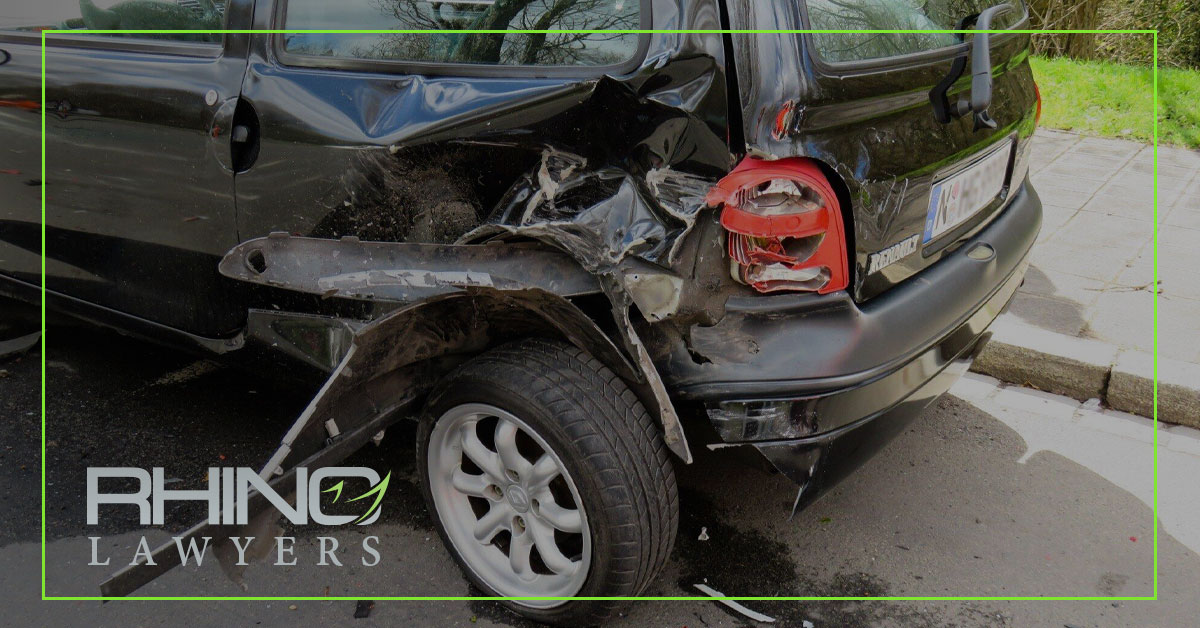
Car Accident Witness Statements: Why They Matter More Than You Think
Car accident witness statements matter more than people think because they provide a neutral and objective account of the incident, which is vital for establishing fault and can make the difference between a claim being denied or approved.
There have been over 310,000 traffic crashes, resulting in 130,000 injuries so far this year in Florida, according to Florida Highway Safety and Motor Vehicles (FLHSMV). Many of these will result in accident claims being filed, with the majority being settled. However, a small percentage of these will end up in court.
As an accident victim, whether filing an insurance claim or anticipating a court appearance, having a car accident witness statement is crucial to the success of your case. Witness statements are essential in car accident cases as they provide an unbiased account that helps establish fault and strengthen claims. Ultimately, they can lead to a more favorable settlement or court outcome.
What Is a Car Accident Witness Statement?
A car accident witness statement is a first-hand, objective account of an accident from an unbiased third-party observer. It is a written or verbal description of events that helps an insurance company or the court determine the facts of the case, such as:
- Other drivers
- Passengers in any of the vehicles involved
- Pedestrians
- People nearby in buildings or businesses
- First responders
Why Witness Statements Are So Important
A car accident can be a traumatic experience, and right after it occurs, the drivers and passengers involved may be in shock due to the adrenaline rush, or they may have an injury. Despite being directly involved, their recollection of the events could be questionable and less than objective.
The witness role in accidents is to provide an unbiased and neutral account of the event, making witness statements crucial for:
- Helping to clarify disputed facts and offering an independent perspective
- Corroborating or disputing the involved parties’ accounts
- Influencing liability determination and legal decisions
The legal impact of witnesses is significant; their testimony can be the decisive factor in claims, influencing settlement amounts and the overall success or failure of a case.
Key Elements of a Strong Witness Statement
The importance of witness statements is undeniable; they can determine a claim’s or case’s outcome. The key elements of a strong witness statement must include precise details regarding:
- Witness Contact Information: The full name, home address, phone number, and email address for legal follow-up.
- Date, Time, and Location: The exact date, time, and specific location of the accident, including intersections, landmarks, or highway markers.
- Detailed Sequence of Events: The core of the witness statement that includes the chronological order of events leading up to, during, and after the incident.
- Description of Vehicles and Drivers: The vehicle make, model, color, and other specifics, and descriptions of the drivers involved, including their actions and behavior before, during, and after the incident.
- Injuries and Damage: Their observations of the injuries sustained by the parties involved and any visible damage to the vehicles or nearby properties.
- External Conditions: The weather, road conditions, and traffic elements when the accident occurred.
It may also include an account of any relevant conversations, including admissions of fault, and should have the date of the statement and the witness’s signature. Speculation or personal opinions should be avoided in car accident testimony to maintain credibility.
How Witness Statements Strengthen Your Case
Witness statements can strengthen a car accident case that lacks proof or has uncertainties about the crash’s cause or the injuries sustained. Reliable witness testimony can help fill gaps left by other evidence, such as:
- Police reports
- Photos
- Videos
It can also support injury claims by describing the impacts and aftermath of the accident.
A clear, consistent, and credible witness statement can increase the likelihood of favorable insurance and court outcomes.
When to Collect Witness Statements and How
The time and manner of collecting witness statements can affect their reliability and accuracy. It should involve immediately identifying witnesses, obtaining their contact information, and gathering witness statements promptly after an accident, while they can still recall what occurred.
Police officers typically gather witness statements at the scene of a car accident. However, accident victims who are physically and mentally able should also identify witnesses and collect their contact information to provide to their legal representatives.
Attorneys are adept at gathering witness evidence through effective and respectful interviewing methods. They will:
- Introduce themselves and state their case
- Ask open-ended questions
- Listen actively
Your attorney will document the information provided and reassure reluctant witnesses, emphasizing the importance of their testimony, while addressing any concerns. They may also decide to canvass the area to identify any other potential witnesses.
Frequently Asked Questions
Are Car Accident Witness Statements Strong Evidence?
Yes, car accident witness statements can be considered strong evidence, especially when they come from an objective third party. They provide independent proof of how an accident occurred and can confirm details such as who is at fault and if a driver was speeding or distracted.
The strength of a witness statement depends on its:
- Credibility
- Consistency with other evidence
- Clarity
Credible witness accounts can strengthen a claim, and insurance companies and courts take them very seriously. However, they are also subject to scrutiny due to the infallibility of human memory.
How Reliable Are Car Accident Witness Statements?
Car accident witness statements can be considered reliable in some cases if they reflect an unbiased, third-party perspective, especially one that is more objective than the accounts of the drivers involved. However, their reliability is not guaranteed, as memory can be inaccurate and influenced by:
- Stress
- Biases
- The length of time since the event
They are typically considered valuable evidence but are not infallible.
An Invaluable Element in Car Accident Claims
Car accident witness statements are invaluable in car accident claims because they provide independent, objective proof of what happened. They can also help establish fault, corroborate evidence, and enhance your credibility.
If you’re in an accident, prioritize collecting witness information, as the attorneys at RHINO Lawyers are experienced at gathering relevant witness information that can help your case. Our innovative approach will not only make the claims process less stressful for you but also help you get the settlement you deserve. Text, call, or chat with us online for a FREE case analysis.
CONTACT A TAMPA AUTO ACCIDENT ATTORNEY
In short, after a car accident, you may not know your rights. Above all, don’t struggle through the process alone. Actually, our personal injury team is here to help you with any legal needs you might have regarding your accident.
Lastly, let RHINO Lawyers answer your questions and review the facts of your case with a Free Consultation. So, get started by completing the “Free Instant Case Evaluation” or by calling us any time, day or night, at 844.RHINO.77.
Read More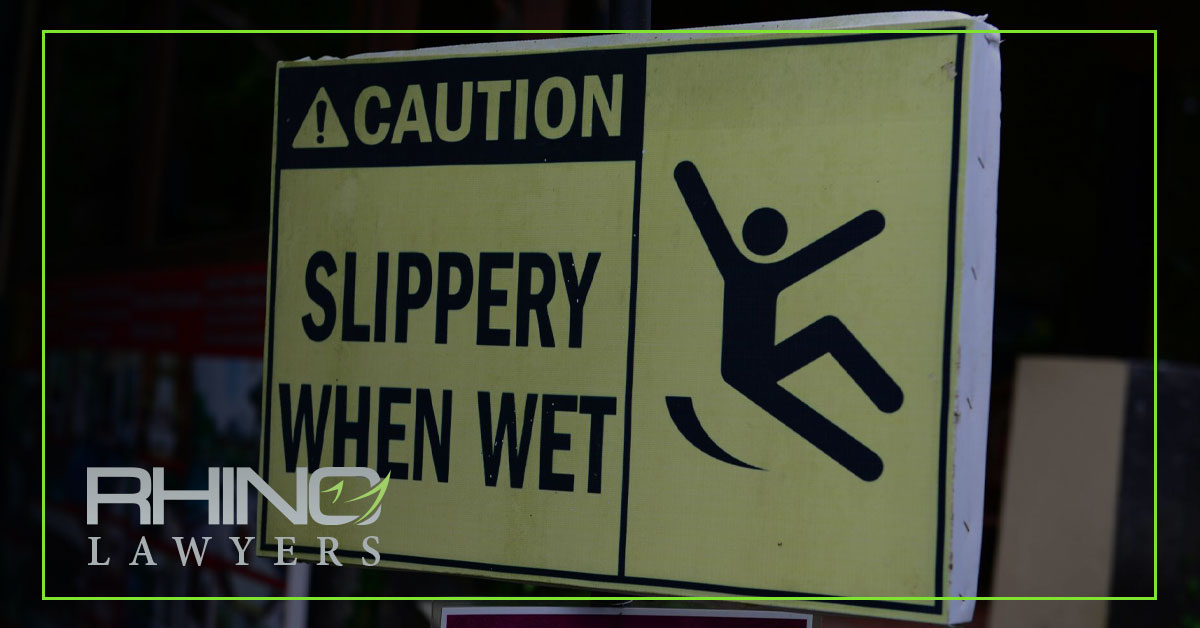
Do Hotels Owe You Compensation If You Slip And Fall At The Pool?
If you slip and fall at a hotel pool, you may be entitled to compensation for injuries and related expenses. Hotels have a legal duty to keep pool areas safe for guests, and negligence can make them liable when accidents happen. RHINO Lawyers can help you understand your rights and pursue fair compensation after a pool accident.
Each year, Americans make nearly 25 million physician visits for unintentional injuries, according to the CDC. Many of these injuries — especially slips and falls near swimming pools — happen due to poor maintenance or unsafe conditions. Knowing your rights helps you take proper action after an injury.
Hotels must keep pool areas safe for guests. This means drying wet surfaces, posting warnings, and maintaining lighting and equipment. If they fail, injured guests may have a valid premises liability claim.
What Are the Common Causes of Slip and Fall Accidents?
Poolside accidents can happen quickly, especially in busy or poorly maintained areas. Even a small puddle, broken tile, or missing handrail can lead to serious injuries. Understanding how these common accidents occur can help you recognize signs of negligence before it’s too late.
When Are Hotels Responsible for Your Injury?
Hotels can be held liable when their negligence directly causes your injury. However, it depends on the case. Here are a few situations where a hotel may be found responsible:
- Failing to clean or dry slippery surfaces around the pool
- Not posting clear “Wet Floor” or “No Running” warnings
- Poor lighting makes hazards difficult to see
- Broken tiles, ladders, or loose railings left unrepaired
These conditions put guests at unnecessary risk. They can result in significant medical and financial losses. If your fall was caused by one of these hazards, you may be entitled to compensation for pool accidents and other related damages.
Understanding Pool Accident Liability
When a slip and fall happens at a hotel pool, the cause of the accident determines who is legally responsible. Hotel owners, maintenance crews, or even third-party contractors could all share pool accident liability. The key is proving that someone failed to take reasonable steps to prevent your injury.
Hotels are required to inspect pool areas regularly and fix hazards as soon as possible. Neglecting these duties can make them liable under hotel negligence cases. RHINO Lawyers helps victims gather evidence and even have witnesses to prove how hotel negligence caused their injuries and losses.
Types of Injuries in Hotel Slip and Fall Claims
Poolside falls can cause anything from minor bruises to severe trauma. Some injuries appear mild at first but worsen over time, leading to ongoing pain or disability. Understanding what types of injuries are common can help you document hotel slip and fall claims properly.
What to Do After a Slip and Fall at a Hotel Pool
It’s quite devastating to slip and fall at a hotel pool. As such, taking quick action can make a major difference in your case. Here are some important steps to protect your slip and fall injury rights and strengthen your claim:
- Report the accident to hotel management immediately
- Take photos or videos of the pool area and your injuries
- Collect names and contact details of any witnesses
- Get medical attention right away, even for minor injuries
These steps help establish what happened and preserve valuable evidence for your hotel slip and fall claim. Sharing these details with your attorney allows them to build a strong compensation case.
When to Contact a Personal Injury Attorney
If you’ve been injured at a hotel pool, contacting a personal injury lawyer should be one of your first steps. An experienced attorney can help you determine whether the hotel’s negligence caused your injury and what damages you can pursue. RHINO Lawyers works to recover costs for medical care, pain and suffering, and lost income after serious pool accidents.
Frequently Asked Questions
What Evidence Helps Prove a Hotel’s Negligence After a Pool Accident?
Photos of the area, medical reports, and witness statements can be powerful proof in a slip and fall claim. It also helps to keep copies of the hotel’s incident report and any communication from staff or management.
Can I File a Claim If the Pool Area Was Crowded or Wet?
Yes. Even though pools are naturally slippery, hotels must use:
- Safety mats
- Proper drainage
- Clear caution signs
Failing to take these precautions can make the hotel legally responsible for your injuries.
Do I Need to Prove the Hotel Knew About the Hazard?
Usually, yes. You must show the hotel staff knew — or should have known — about the danger and didn’t fix it. This link between the hazard and the staff’s inaction is key to proving negligence.
Can Guests Sue for Pool Injuries Without a Visible Hazard?
Yes, in some cases. Hidden risks such as uneven tiles, poor chemical balance, or broken drainage systems can make the pool area unsafe. An attorney can uncover maintenance records or inspection reports that support your claim.
How Long Does It Take to Settle a Hotel Slip and Fall Claim?
Every case is different. Some resolve in a few months, while severe injury cases may take longer if negotiations or court involvement are needed. Your lawyer can explain each step and the expected timeframe.
What If I Signed a Hotel Waiver Before Using the Pool?
A waiver doesn’t automatically protect the hotel from liability. If negligence or unsafe conditions caused your injury, the waiver may not apply. Always have an attorney review such documents before assuming you can’t seek compensation.
Trusted Legal Help for Pool Accident Victims
Understanding your rights after a hotel slip and fall helps you take action before it’s too late. Knowing what to do and who to contact can make the recovery process smoother and less stressful. With the right legal support, you can hold negligent hotels accountable and seek the compensation you deserve.
If you or someone you love has been injured in a pool accident, RHINO Lawyers is here to help. Our attorneys handle hotel negligence cases, auto accidents, and personal injury claims across Florida and Wisconsin. Contact RHINO Lawyers today for a free consultation and learn how we can protect your rights after a slip and fall.
CONTACT A TAMPA AUTO ACCIDENT ATTORNEY
In short, after a car accident, you may not know your rights. Above all, don’t struggle through the process alone. Actually, our personal injury team is here to help you with any legal needs you might have regarding your accident.
Lastly, let RHINO Lawyers answer your questions and review the facts of your case with a Free Consultation. So, get started by completing the “Free Instant Case Evaluation” or by calling us any time, day or night, at 844.RHINO.77.
Read More
Spotting the Red Flags of Managed Care Fraud in Your Brokerage
Managed care programs help millions of Americans access affordable healthcare, but they also create opportunities for fraud and abuse. Detecting fraudulent patterns early protects both your brokerage and the clients you represent. Watch for unusual billing patterns, falsified claims, or discrepancies in provider documentation that signal unethical or illegal activity.
According to the University of Virginia, healthcare fraud costs the United States over $100 billion annually. That staggering figure underscores how critical it is to stay alert to deception within managed care operations.
Whether you lead a small brokerage or oversee large-scale insurance accounts, understanding warning signs and applying targeted prevention techniques keeps your business compliant, credible, and trusted.
What Are the Key Red Flags in Managed Care Fraud?
Fraud in managed care programs often hides behind routine paperwork or claims activity. Red flags in insurance can appear subtle, such as identical billing patterns or mismatched treatment codes, but they reveal deeper issues when tracked over time.
The biggest red flags include inconsistent patient records, unusually high reimbursement requests, and repetitive procedures billed under different codes. Other red flags include:
- Suspicious provider relationships
- Vague documentation
- Identical claims across patients
- Unnecessary medical tests
Train your team to question data patterns that don’t make logical or financial sense. Early awareness can prevent an investigation before it starts.
How Can Brokerages Identify Fraudulent Provider Behavior?
Brokers often stand between clients and insurers, making them the first line of defense against managed care fraud. Detecting provider abuse requires a careful review of data and pattern analysis.
Monitoring claim frequency, treatment types, and provider clusters is one of the most effective brokerage defense strategies. Compare patient volume with service billing trends, and watch for sudden increases in specialized procedures or non-covered services.
Establish automated audit alerts within your systems and maintain direct communication with your insurers when something appears off. Cooperation between brokers, carriers, and investigators builds accountability throughout the network.
What Are the Most Common Insurance Fraud Indicators?
Fraud indicators appear across both provider and brokerage levels. Some of the most common insurance fraud indicators include:
- Billing for services not rendered
- Falsified patient signatures
- Unlicensed or suspended providers
- Altered medical documentation
Strong internal controls make it harder for fraud to infiltrate your brokerage’s daily operations. Require dual authorization for large claims, review suspicious reimbursements manually, and ensure every document submitted has a verifiable source.
Fraudsters often rely on the assumption that busy offices won’t notice inconsistencies. Make sure yours does.
How Can Brokerages Build Effective Internal Controls?
Protecting your organization requires structure and vigilance. Strong internal protocols minimize risk and stop fraud before it escalates.
Create written policies outlining verification steps for every claim, along with consistent staff training on identifying red flags. Practical steps include:
- Verifying all provider credentials
- Maintaining secure data access
- Recording all client communications
- Reviewing high-value claims manually
When your internal checks are clear and consistent, your brokerage can respond faster and more confidently to suspicious activity.
What Role Does Data Analytics Play in Detecting Fraud?
Advanced analytics help brokers spot anomalies that humans may overlook. Software that identifies irregular billing codes, duplicate claims, or sudden spikes in reimbursements can signal early fraud attempts.
Use data analysis tools to cross-check provider activity against regional and historical averages. When patterns diverge significantly, initiate review protocols.
Data visualization dashboards, combined with human oversight, empower teams to focus investigations on the most suspicious behaviors without overloading compliance staff.
How Can You Prevent Managed Care Fraud Before It Starts?
Prevention always costs less than recovery. The most successful fraud-prevention programs combine proactive training, policy enforcement, and continuous evaluation.
Focus your team’s efforts on transparency, traceability, and accountability to reduce exposure to fraudulent claims.
Regularly educate employees on preventing managed care fraud through updated case studies, audits, and open communication with legal counsel. Encourage whistleblowing in a protected, confidential environment. Fraud often surfaces first from within your own network.
Why Should Brokerages Partner With Whistleblower Attorneys?
Even the most diligent brokerages can face exposure when fraud occurs elsewhere in the chain. Partnering with whistleblower and fraud attorneys provides expert defense and protection.
Legal partners experienced in managed care investigations can guide you through reporting, compliance, and defense if your brokerage becomes involved in a claim.
They can also represent you if an internal report leads to retaliation or regulatory scrutiny. Firms like RHINO Lawyers, with their whistleblower advocacy and insurance defense experience, help safeguard your reputation while ensuring justice for legitimate claims.
Frequently Asked Questions
What Is Managed Care Fraud?
Managed care fraud occurs when healthcare providers, brokers, or insurers intentionally misrepresent services or costs to gain a financial advantage. Examples include inflated billing, false claims, and unnecessary procedures.
Who Investigates Managed Care Fraud?
Federal agencies such as the FBI, the Office of Inspector General (OIG), and state fraud bureaus handle investigations. They often collaborate with private brokers, attorneys, and insurance carriers.
What Are the Legal Penalties for Managed Care Fraud?
Penalties may include heavy fines, restitution, or prison time under the False Claims Act. Civil penalties can also apply to organizations that fail to prevent or report known fraud.
How Can Brokers Strengthen Brokerage Defense Strategies?
Brokers should develop written compliance programs, assign a dedicated fraud officer, and maintain open communication with insurers. Regular audits and risk assessments build lasting credibility.
What Are Some Early Red Flags in Insurance That Brokers Overlook?
Commonly missed signs include duplicate claims, mismatched patient details, and sudden billing changes from trusted providers. Reviewing these regularly can prevent costly exposure.
How Does Technology Help in Detecting Managed Care Fraud?
Automation tools can scan thousands of claims for irregularities in seconds. These systems learn patterns over time, helping detect new and evolving schemes that might otherwise go unnoticed.
Protecting Your Brokerage From Fraud
Fraud detection is no longer optional; it’s essential. Brokers must balance growth and compliance while protecting clients and insurers alike. Strong systems, transparent policies, and trusted legal support form your best defense.
Managed care may be complex, but vigilance and proactive monitoring keep your brokerage protected from risk and liability.
At RHINO Lawyers, we help clients identify fraudulent activity, report wrongdoing, and defend against claims with bold legal representation. Whether you suspect wrongdoing within your network or face an ongoing investigation, our team will safeguard your business and reputation.
Contact RHINO Lawyers today for a confidential case evaluation and exceptional guidance on navigating managed care fraud detection and prevention.
Read More
How a DUI Can Affect Your Professional License in Florida?
A DUI charge can shake more than your confidence; it can threaten your career and your ability to provide for yourself or your family. In 2023, Florida authorities recorded 44,185 DUI arrests statewide, showing how much of a problem this is. Behind every number is someone facing court dates, uncertainty, and the fear of losing a hard-earned professional license.
When your Florida license defines your livelihood, the aftermath of a DUI can feel overwhelming. Understanding what happens next is the first step toward protecting your reputation, your income, and your future.
What Happens to Your Professional License After a DUI
In Florida, a DUI is a criminal offense. That means it appears on background checks and can trigger reviews by state licensing boards. For most professions, this is where the real damage begins.
After a conviction, your licensing board is notified. They will review your case and decide if disciplinary action is needed. Possible outcomes include:
- Temporary suspension of your license
- Mandatory substance-use evaluation
- Probation or fines
- Permanent revocation for repeat offenses
These steps are not automatic, but they depend on the type of work you do and whether your role involves public trust or safety. Health care workers, lawyers, and teachers often face the strictest reviews.
DUI Penalties in Florida and Why They Matter
DUI penalties in Florida depend on your blood alcohol level, prior offenses, and whether property damage or injury occurred. Even a first offense can lead to serious legal and personal consequences.
A first conviction may include:
- A fine between $500 and $1,000
- Up to six months in jail
- Mandatory DUI school and community service
- Suspension of your driving license for up to one year
While these penalties affect everyone, licensed professionals face extra consequences. A DUI on your record can signal poor judgment, making it harder to keep or renew your Florida license.
Florida DUI License Suspension and Your Career
When the Department of Highway Safety suspends your driving privileges, your career may also slow down. A Florida DUI license suspension affects anyone who needs reliable transportation for work, client visits, or field assignments.
You can often apply for a hardship license after part of your suspension period ends, but that does not protect you from your licensing board. To keep working legally, you must follow all reporting requirements and complete any court-ordered programs. Failing to do so can lead to longer suspensions or permanent disciplinary action.
How a DUI Affects Your Record
Your DUI impact on your driving record can last a lifetime. In Florida, a DUI conviction stays on your record for seventy-five years. That means even after you pay fines or complete probation, the charge can appear during background checks and license renewals.
If your profession requires public trust, this history can raise questions about your reliability. Some boards allow individuals to show rehabilitation through counseling, treatment, or clean follow-up records, but that process takes time and consistency.
Florida DUI Legal Assistance for Professionals
Professional workers facing DUI charges should never go through the process alone. Florida DUI legal assistance helps protect both your rights in court and your professional standing. An attorney familiar with both criminal and administrative law can help you:
- Review whether the traffic stop followed legal procedure
- Negotiate reduced penalties or alternative sentencing
- Advice on reporting obligations to your licensing board
- Represent you in disciplinary hearings or appeals
Legal support can make the difference between temporary hardship and long-term career loss.
How to Protect Your License and Career
If you are charged with a DUI, take immediate action to protect your license. Delay can make the situation worse.
- Attend all court dates and complete required programs
- Keep documentation of counseling or treatment
- Communicate with your licensing board about updates
- Follow through on any evaluation or education requests
These steps show accountability and responsibility: traits licensing boards consider when deciding whether to restore or maintain your Florida license.
Frequently Asked Questions
Do All Licensed Professionals in Florida Have to Report a DUI Conviction?
Yes. Most Florida licensing boards require self-reporting of any DUI conviction within a specific time frame, usually thirty days. The Florida Department of Business and Professional Regulation lists failure to report as a disciplinary violation. Timely disclosure helps avoid harsher penalties later during license renewal or investigation.
Can a DUI Conviction Cause Me to Lose My Professional License?
It can. A conviction for driving under the influence is a criminal offense that may trigger board review. The outcome depends on your profession, your record, and the circumstances of the case. Some boards may impose probation or monitoring instead of suspension if you complete treatment and maintain compliance.
How Long Does a DUI Stay on My Record in Florida?
A DUI conviction remains on your driving record for seventy-five years, according to the Florida Department of Highway Safety and Motor Vehicles (FLHSMV). It cannot be sealed or expunged, so it continues to appear in background checks even decades after the offense.
What Happens After a DUI Arrest in Florida?
After a DUI arrest, your license is immediately subject to administrative suspension by the FLHSMV. You have ten days to request a hearing to challenge the suspension. The criminal case proceeds separately in court, where penalties may include fines, jail time, or probation.
Can I Get My License Back After a DUI in Florida?
Yes. You can apply for reinstatement after completing mandatory DUI school, paying all fines, and meeting any probation requirements. For a first conviction, the minimum suspension is 180 days. The FLHSMV handles all reinstatement requests once proof of completion is submitted.
Protecting Your Professional & Driving Future When It Matters Most
A DUI charge can disrupt more than your schedule. It can threaten everything you’ve worked for. When your Florida license supports your livelihood, every decision after an arrest matters. Acting quickly, following the right steps, and having skilled representation can make the difference between temporary hardship and lasting damage.
RHINO Lawyers helps professionals protect both their careers and their driving privileges. The firm’s focused experience in Florida DUI defense means your case gets the attention, strategy, and urgency it deserves. DUI cases get complicated quickly, so acting now is in your best interest. Reach out today for guidance that protects your professional and driving future when it matters most.
CONTACT TAMPA TRAFFIC TICKET ATTORNEY
RHINO Lawyers can help and guide you through a system molded by law enforcement, judges, and lawyers for decades. Having won cases for our clients in similar circumstances, our criminal defense team knows what it takes to fight on your behalf.
Let RHINO Lawyers answer your questions and review the facts of your case with a Free Consultation. So, get started by completing the “Free Instant Case Evaluation” or by calling us any time, day or night, at (844) RHINO-77.
Read More
What Happens If You’re Charged With DUI While Taking Prescription Medication?
If you or a loved one gets charged with DUI for prescription medications in Florida, you could face repercussions as severe as those usually reserved for driving under the influence of alcohol. From fines to license suspension and even jail time, these are some of the things that can happen following a DUI charge.
Understanding the DUI legal process for prescription-related cases is more crucial than ever, considering that more Americans now rely on these medications.
According to a CivicScience study, for instance, the latest data shows that 68% of Americans take at least one prescription daily, up from 2023’s 67%. Over one in four (26%) say they now even take 4+ prescriptions daily.
The team at RHINO Lawyers will share valuable insights into prescription drugs and DUI to help you protect your legal rights.
Can You Get a DUI for Prescription Drugs?
Yes. A Florida prosecutor can charge you with DUI for prescription drugs, even if you must take them for your health and have a valid prescription.
The primary reason that you can get charged with prescription medication-related DUI is that these drugs, even if taken legally, can impair one’s ability to operate a motor vehicle safely and correctly.
As the U.S. Food and Drug Administration says, some medicines can cause side effects that make driving unsafe. Examples include:
- Drowsiness
- Sleepiness
- Dizziness
- Blurred vision
- Impaired or slowed movement
What Medications Disqualify You From Driving?
Drugs that can “disqualify” you from driving and lead to a DUI charge are those that can interfere with the physical, mental, and observational abilities you need to drive safely. The AARP says these prescription and OTC drugs include:
- Anti-anxiety medications like alprazolam, lorazepam, and diazepam
- Pain relievers like oxycodone and hydrocodone
- Some antidepressants like amitriptyline and nortriptyline
- Antihistamines, including hydroxyzine and diphenhydramine
- Anti-seizure medications
What Happens If You Get Charged With DUI for Prescription Medications?
Alcohol or illicit drugs are not the only ways a Floridian can face a DUI charge. The offense can also constitute driving under the influence of prescription drugs under Florida Statute 316.193.
There’s no distinction between illegal drugs and prescribed medications; if it impairs one’s ability to drive safely, it is DUI.
Some of the consequences of a DUI charge related to prescription drugs include:
- Fines, which can range from $500 to $1,000 for a first offense, $1,000 to $2,000 for a second offense, and up to $5,000 for a subsequent offense
- Mandatory community service
- Imprisonment
- Driver’s license suspension (revocation for subsequent offenses)
In many cases, the law may also require completing a DUI education program for individuals convicted of DUI in Florida. They may also have to install a vehicle ignition interlock device.
What Are Your Legal Rights for DUI Related to Prescription Medications?
Anyone arrested for DUI in Florida has the right to remain silent. Another is the right to refuse field sobriety tests.
What is now outside your legal right is refusing a lawful request for a breath or urine test.
As WFTV 9 reports, as of October 2025, it’s now illegal to do so following a DUI arrest, per the new law known as “Trenton’s Law.” Under this law, refusing breathalyzer tests is now a criminal offense.
What Are Possible Prescription-Related DUI Defense Strategies?
If you or a loved one is taking prescription medications and you’re facing a charge for DUI, your first step should be to contact a criminal defense attorney.
Remember: You can face the same harsh consequences enforced on typical alcohol-related DUI cases even if you haven’t had any alcoholic drinks.
Your DUI attorney will carefully review your case and the circumstances surrounding it to determine the best course of action and potential defense strategies. Depending on what happened, they may use the following methods.
Questioning the Validity of the Arrest and Charge
One of the first steps that your DUI lawyer will likely take is to see if they can challenge the stop and investigation that you or your loved one underwent. They’ll review and question the following:
- Whether the initial traffic stop was even valid
- The training and experience of the law enforcement officer in drug recognition
- If the officer administered and interpreted the results of the tests correctly
Using Expert Testimony and Medical Records
Your DUI lawyer will work with medical and health professionals to build a solid defense case. They’ll speak to your doctor, other physicians, and pharmacological experts to learn more about:
- The prescription medications you were on when you got arrested or charged
- The expected effects of the medicines
- How your prescription drugs work in and affect your body
- Your prescription medication history and tolerance
Your lawyer will also likely reach out to toxicology experts. Their goal is to determine if there’s a case for challenging your blood or urine tests.
Frequently Asked Questions
Is It Possible to Win a DUI Related to Prescription Medications?
Yes, you can win a prescription drug-related DUI. At the very least, you can have it brought down to a lesser charge.
Can You Win a DUI Charge Without a Lawyer?
It’s possible, but know that fighting on your own will be challenging.
The primary reason is that you must prove you weren’t driving while impaired and that you have a valid prescription. You must also provide evidence that you took the medicine as prescribed.
Why Should You Hire a DUI Lawyer?
Remember: Your freedom and future are on the line if you’re facing a DUI charge, even if it occurred as a result of a prescription medication and not alcohol or illicit drugs. A highly experienced defense attorney can help protect and fight for your rights.
Given that DUI lawyers have the training, knowledge, skills, and experience in these matters, hiring one is your best option.
Let RHINO Lawyers Fight for Your Rights
From hefty fines to license suspension, and even imprisonment, these are just some of the harsh consequences of DUI for prescription medications in Florida.
You don’t have to face everything on your own and put your life and freedom on the line. Let the experienced DUI lawyers at RHINO Lawyers assist you. We’ve won hundreds of cases for many of our clients who faced similar situations.
Call us today for a free instant case evaluation. With our 24-hour hotline, you can rest assured that someone will listen to you.
CONTACT TAMPA TRAFFIC TICKET ATTORNEY
RHINO Lawyers can help and guide you through a system molded by law enforcement, judges, and lawyers for decades. Having won cases for our clients in similar circumstances, our criminal defense team knows what it takes to fight on your behalf.
Let RHINO Lawyers answer your questions and review the facts of your case with a Free Consultation. So, get started by completing the “Free Instant Case Evaluation” or by calling us any time, day or night, at (844) RHINO-77.
Read More
What is the Car Accident Dangerous Instrumentality Doctrine?
Under Florida’s dangerous instrumentality doctrine, vehicle owners can be held responsible for accidents caused by someone else driving their car with permission. This legal rule makes it easier for injured people to recover compensation by holding owners financially accountable even when they were not behind the wheel. At RHINO Lawyers, we use this doctrine to protect victims and ensure negligent parties do not escape responsibility.
According to the Florida Department of Highway Safety and Motor Vehicles, there have been an average of around 30,000 car accidents per month so far this year. With so many crashes happening statewide, understanding car accident liability is essential for anyone who drives or owns a vehicle.
In this blog post, we will explain how the doctrine works and how our firm helps clients use it to their advantage.
What Is The Dangerous Instrumentality Doctrine
The Dangerous Instrumentality Doctrine is a legal rule in Florida that holds vehicle owners responsible for accidents caused by someone else driving their car with permission. The law recognizes that cars are inherently dangerous, and it ensures injured victims can recover compensation even if the at-fault driver does not have the means to pay. This protection allows accident victims to pursue claims against both the driver and the vehicle owner when appropriate.
The doctrine applies to most types of vehicles, including cars, trucks, and motorcycles. It does not apply if the vehicle was stolen or used without permission, which makes understanding the specifics of your case important. Owners are expected to be careful about who they allow to operate their vehicles, and the law enforces that responsibility.
At RHINO Lawyers, we use this doctrine to help clients hold negligent parties accountable. Our team investigates ownership and consent to ensure all responsible parties are identified and that our clients have the best chance of receiving full compensation for injuries and damages.
How The Doctrine Applies In Florida
In Florida, the Dangerous Instrumentality Doctrine applies when a vehicle is used with the owner’s knowledge or consent. This can include family members, friends, or employees driving a car. The law is designed to protect accident victims by providing a way to hold the vehicle owner financially accountable when the driver causes harm.
As noted above, the doctrine covers most motor vehicles, including private cars, commercial vehicles, and motorcycles. However, it does not apply if the vehicle is stolen or used without permission.
Knowing the difference is crucial for determining who is responsible in a claim. Cases can vary based on whether the owner was negligent in allowing someone to drive their car and the circumstances of the accident.
How Much Are Most Car Accident Settlements
Car accident settlements in Florida can vary widely. The total recovery in any case depends on several factors, including the:
- Severity of injuries
- Amount of property damage
- Insurance coverage available
Settlements also consider the impact of the accident on your daily life, including lost income, medical expenses, and long-term care if needed.
Insurance companies often attempt to limit payouts, which can complicate the claims process. The specific circumstances of each accident, such as who was at fault and whether the vehicle owner can be held liable under the Dangerous Instrumentality Doctrine, also affect the settlement value.
How RHINO Lawyers Help With These Claims
RHINO Lawyers focuses on auto accident cases and uses the Dangerous Instrumentality Doctrine to protect clients and secure compensation. Our team understands how insurance companies operate and works to prevent them from minimizing or denying claims. We handle all aspects of your case so you can focus on recovery.
Our lawyers investigate accidents, determine liability, and gather evidence to support claims against both drivers and vehicle owners. We also review insurance policies to ensure all available coverage is considered.
With offices across West Florida and 24/7 availability, our team responds quickly and provides guidance when clients need it most.
Frequently Asked Questions
Can I File A Claim If I Was Partially At Fault For The Accident
Yes, you may still be able to recover damages even if you share some responsibility for the crash. Florida uses a comparative negligence system, which means your compensation may be reduced based on your percentage of fault. Our team can help assess your situation and determine how the car accident liability is shared.
Does The Doctrine Apply To Drivers With Temporary Permission
The Dangerous Instrumentality Doctrine can still apply if someone drives a vehicle with temporary or limited consent. Courts look at whether the owner knowingly allowed the driver to operate the car. Understanding these details is important when evaluating your potential claim.
What Happens If The Vehicle Owner Is Also At Fault
If both the driver and the owner contributed to the accident, claims can be filed against both parties. RHINO Lawyers investigates all circumstances to ensure each liable party is held responsible. This can increase your chances of recovering full compensation.
Can I Challenge An Insurance Company’s Denial Using This Doctrine
Yes, insurance companies sometimes try to deny claims or limit payouts even when the doctrine applies. Experienced attorneys can argue the legal implications of doctrine to strengthen your case and push for fair compensation.
How Do Courts Interpret Owner Responsibility Under This Doctrine
Courts examine the relationship between the vehicle owner and the driver, as well as the circumstances of the accident. This doctrine’s legal interpretation helps determine if the owner should be held liable, which can vary by case and requires careful legal analysis.
Contact RHINO Lawyers for a Free Video Consultation
The bottom line is that understanding the Dangerous Instrumentality Doctrine can make a big difference in recovering compensation after a car accident.
Here at RHINO Lawyers, we focus on helping clients navigate these cases. While holding all responsible parties accountable for injuries and damages. Our experienced team will review your situation, explain your legal options, and guide you through every step of the claims process.
Contact RHINO Lawyers now for a free consultation and get the professional support you need to pursue full compensation and ensure your case is handled with care and experience.
CONTACT A TAMPA AUTO ACCIDENT ATTORNEY
In short, after a car accident, you may not know your rights. Above all, don’t struggle through the process alone. Actually, our personal injury team is here to help you with any legal needs you might have regarding your accident.
Lastly, let RHINO Lawyers answer your questions and review the facts of your case with a Free Consultation. So, get started by completing the “Free Instant Case Evaluation” or by calling us any time, day or night, at 844.RHINO.77.
Read More
Is Your Podiatrist a Crook? Exposing Podiatry Skin Graft Fraud at Your Job
Skin graft fraud happens when podiatrists reuse leftover graft materials on more than one patient. However, they bill each as if they used a new one. This is dangerous and illegal, risking patient safety and draining billions from insurance.
Civil healthcare fraud cases topped $1.8 billion in 2023 alone, according to the U.S. Department of Health and Human Services. That’s money stolen from taxpayers through shady medical practices.
People who work in clinics or hospitals often spot these problems first. From seeing leftover grafts to suspicious billing, these are warning signs that your podiatrist is a crook.
What Is Involved In Podiatry Wound Care?
Chronic wounds pose serious risks to patients. Diabetic ulcers or injuries that won’t heal can lead to infection or even amputation. To treat these wounds, podiatrists use a skin graft to promote healing. These grafts are expensive and designed for single use on one patient only.
Here is a simple process of podiatric wound care:
- Doctors evaluate each wound
- Create a treatment plan
- Use the necessary amount of skin graft
- Finally, they dispose of any leftover material
Each graft gets individually billed to Medicare or private insurers. This process ensures every patient receives proper care. Unfortunately, not every healthcare provider follows these ethical and legal standards.
Is Your Podiatrist a Crook?
Some podiatrists take advantage of patients and Medicare through skin graft procedure scams. Dishonest podiatrists may:
- Reuse leftover graft materials on new patients, but bill each one for a brand-new graft
- Inflate billing codes to make it seem like a larger graft was used
- Submit claims for services never performed
- Let unlicensed staff perform procedures under another doctor’s name or NPI number
- Waive co-insurance fees to lure patients, while billing Medicare for the full cost
These acts break trust, waste taxpayer money, and endanger patients’ health. False claims under the FCA and illegal kickbacks violating the AKS contribute to higher healthcare costs for everyone.
Spotting Workplace Skin Graft Fraud
Is there a way of identifying this type of fraud? With the right knowledge and diligence, you can identify the podiatrist fraud signs.
Medical Documentation
Examine patient records closely. If there are inconsistencies between the treatment performed and what’s documented, it can be a sign of fraud. Inaccurate or inconsistent records are a red flag when identifying medical fraud.
Billing Mistakes
It’s essential to keep track of billing practices. If claims show that patients received full grafts when smaller portions were used, it may be a felony.
Storage Practices
Skin graft materials are single-use items. If materials, like leftover grafts, are improperly stored in storage facilities, it can be a sign that they’re being misused or reused.
Patient Complaints
Patients consistently reporting that their wounds aren’t healing can be a sign of substandard care resulting from potential fraud. Effective healing needs proper treatment with fresh, appropriate materials.
Waiving Co-Insurance
Waiving co-insurance may seem harmless. However, it’s often used to entice patients and can violate medical billing laws. If staff bypass financial responsibility on a regular basis for patients without documentation, this could be the issue.
Targeting Medicare Patients
Due to Medicare’s higher rates of reimbursement, doctors may only focus on these patients. Seeing a disproportionate number of Medicare claims can be a sign of fraudulent behavior.
What If You Suspect Podiatry Wound Care Fraud?
Suspecting fraud can feel overwhelming, but you don’t have to navigate it alone. Recognition is the first step; here are the steps to take:
Document the Evidence
You should go through your documents to find the ones that back up your claim. This may include:
- Improper codes on billing records
- Medical records with suspicious documentation
- Emails or communications discussing questionable practices
Ensure you document these items carefully. However, avoid conducting your own investigation.
Maintain Confidentiality
It’s important to keep your concerns private. Don’t discuss your suspicions with co-workers or supervisors. This helps protect the investigation and podiatry patient rights.
Consult an Attorney
Seeking advice from an experienced attorney is important. They’ll guide you through the process and protect your rights. Additionally, they can help turn your observations into legal evidence.
Take Swift Action
If you decide to report, consider filing a whistleblower claim under the False Claims Act. You may be eligible for some incentives.
Frequently Asked Questions
What Evidence Is Needed to Report Fraud?
Choosing a trustworthy doctor for your patients starts with ensuring your workplace operates ethically. If you suspect fraud, gather documentation such as emails, billing and medical records, photos, or patient complaints.
However, you don’t need to have a perfect case before consulting with an attorney. Remember, experienced attorneys can help you identify what matters most. Don’t let fear of incomplete evidence stop you from coming forward.
What Are the 4 Ps of Fraud?
The Social Security Administration (SSA) has a method they’ve provided consumers to help them identify scams, known as the four Ps:
- Pretend
- Problem
- Pressure
- Pay
Fraudulent podiatrists pretend to provide legitimate wound care. They may create a problem by claiming a patient’s wound isn’t healing and needs another costly graft.
Then, they pressure staff or patients to approve treatments or ignore suspicious billing practices. Finally, they aim to pay themselves by submitting inflated claims to Medicare or insurers.
What Are the Legal Implications of Healthcare Fraud?
Healthcare fraud is a serious federal crime. It is a crime to knowingly take part in a scheme that defrauds a healthcare benefit program. An attempt, even if it’s unsuccessful, is also a crime.
Convictions can lead to fines and imprisonment for up to 10 years per offense. You may get more years in jail if the fraud results in serious bodily injury.
Medical providers convicted of fraud also face exclusion from Medicare and Medicaid programs. This can negatively affect their careers.
Take Action Against Skin Graft Fraud
The healthcare system depends on trust. When providers exploit that trust through skin graft fraud, they harm patients and undermine the integrity of medical care.
Seen something suspicious at work? At RHINO Lawyers, we bring a personable, relaxed approach that puts you at ease from your very first call. Our attorneys use a proven, data-driven method to analyze thousands of successful whistleblower cases.
We combine genuine care for whistleblowers with aggressive pursuit of justice. Our legal team knows exactly how to maximize recoveries under the False Claims Act. Reach out to us today to get confidential legal help.
Read More
Can a Passenger Be Fined for a Traffic Violation in Florida?
Police can fine passengers in Florida for not wearing a seat belt or having an open alcohol container. While more serious actions like resisting an officer may result in misdemeanor charges, these are typically noncriminal offenses that carry fines. Passenger laws have changed over time to make the state safer and cut down on deaths caused by alcohol and not wearing a seat belt.
While the driver is largely the one responsible for following traffic laws in Florida, that doesn’t mean passengers are immune from getting a traffic violation. Back in the 1970s and 80s, the National Highway Traffic Safety Administration realized that over half of car crash deaths involved passengers not wearing a seatbelt.
Over the next decade, state laws started to change, requiring that passengers wear seatbelts at all times. According to the Florida Department of Highway Safety and Motor Vehicles, in 1986, traffic laws in Florida changed accordingly.
Origins of Seat Belt Laws in the United States
Rising fatalities in highway collisions prompted research from the federal government, which confirmed that seat belt use was strongly correlated with crash survival rates
In 1984, New York became the first state to legally mandate seat belt use for passengers in the front seat. Two years later, Florida passed its own seat belt law. Initially, passenger fines would only be issued through secondary enforcement, meaning that a passenger could only get a citation for not wearing a seat belt if another violation had occurred first to justify the traffic stop.
Florida’s Shift to Primary Enforcement
For example, if a highway patrol officer in Florida pulled over a vehicle for speeding and found that the passenger was not wearing a seat belt, they could issue a fine to both the driver for speeding and to the passenger for the seat belt violation. However, if the police pulled over the vehicle purely based on observing an unbelted passenger, that wouldn’t be a legally permissible stop.
But these rules no longer apply.
In 2009, Florida upgraded the violation to one that allows primary enforcement. This change meant that police now have the power to pull you over and issue a citation purely because they observed a seat belt violation. To this day, Florida statute 316.614 remains the law.
According to NHTSA data, after the change, statewide seat belt usage now stands at over 85 percent. While initially there was strong public resistance to these laws based on personal freedom, these days most people see the logic in requiring people to wear life-saving seat belts when driving or traveling by car.
When Passengers Could Legally Drink in Cars
There are also Florida traffic penalties for passengers in possession of an open container of alcohol. These laws apply even if you’re not driving the vehicle.
Early state laws in Florida only targeted drunk driving, allowing the possession of alcohol in vehicles. However, in the 1970s, high crash rates were found to be linked with alcohol, leading to a growing call for stricter laws regarding alcohol and driving over the next couple of decades.
In 1998, the TEA 21 Restoration Act required states to ban having an open container in either the driver’s seat or the passenger seat. This federal law threatened to cut highway funds for states that didn’t change their legal advice for passengers accordingly. As a result, in the following year, Florida adopted an open container statute. Any passenger who has an open container commits a non-moving violation, which is punishable through passenger fines.
In some specific situations, there may be an exemption. For example, in limousines, passengers may legally consume alcohol. But, in most cases, having an open container in a vehicle is a bad move.
Frequently Asked Questions
What Type of Crime Is a Violation in Florida?
Traffic violations in Florida are generally noncriminal offenses. They fall into two main categories:
- Moving violations: These violations involve unsafe driving behavior, such as speeding or running a red light, and result in fines and points on the driver’s license.
- Nonmoving violations: These include administrative or equipment-related issues, such as seat belt or open container infractions; they carry fines but no points.
Only certain serious actions, like reckless driving or driving under the influence (DUI), are classified as criminal traffic offenses, which can lead to arrest or license suspension.
What is Passenger Interference in Florida?
Passengers in Florida can face penalties for interfering with either the driver or law enforcement officers. Under Florida Statute 843.02, it is a misdemeanor to resist, obstruct, or oppose an officer in the lawful execution of their duties without violence. This can include refusing to provide identification during a lawful traffic stop.
Passengers who obstruct the driver’s view or cause unsafe vehicle operation, such as by blocking mirrors or distracting the driver, can also be cited under Florida Statute 316.2004. Depending on the circumstances, these violations may lead to fines or, in more serious cases, criminal charges.
When Do I Need a Lawyer
You may need a lawyer for a serious traffic case because criminal traffic offenses in Florida, such as DUI or reckless driving, can lead to:
- Jail time
- License suspension
- A permanent record
An attorney helps protect your rights, challenge evidence, and negotiate reduced charges or penalties. If you’re facing a serious traffic violation charge, you risk losing your license. Such a decision could have a huge impact on your ability to live and work.
By working with a lawyer, you ensure you’ll get the best outcome for your case.
Need Legal Help After a Traffic Violation?
Understanding Florida’s passenger and traffic laws helps prevent costly fines and legal trouble after a traffic violation. While most violations are minor, serious offenses can carry lasting consequences. Staying informed and compliant protects both drivers and passengers, keeping everyone safer on Florida’s roads.
If you’ve been cited or charged under Florida’s open container or passenger laws, RHINO Lawyers can help. Our legal team has decades of experience guiding clients through traffic-related cases and will fight to protect your record and your rights. Contact us today and let’s discuss the specifics of your case.
CONTACT TAMPA TRAFFIC TICKET ATTORNEY
RHINO Lawyers can help and guide you through a system molded by law enforcement, judges, and lawyers for decades. Having won cases for our clients in similar circumstances, our criminal defense team knows what it takes to fight on your behalf.
Let RHINO Lawyers answer your questions and review the facts of your case with a Free Consultation. So, get started by completing the “Free Instant Case Evaluation” or by calling us any time, day or night, at (844) RHINO-77.
Read More
Breaking Down the Numbers: How Medical Billing Fraud Impacts Healthcare Costs?
Medical billing fraud raises healthcare costs for everyone. Doctors, clinics, or hospitals commit this by billing for services they didn’t perform or by overcharging. Knowing how this fraud works helps patients and whistleblowers protect themselves.
The Justice Department recently announced charges against 324 defendants tied to over $14.6 billion in alleged healthcare fraud — the largest takedown in U.S. history. Medical billing fraud makes healthcare more expensive for everyone. It also hurts honest doctors and hospitals by making it harder for people to trust the system.
People who see or suspect fraud can play a big part in stopping it. Whistleblowers help uncover lies and recover stolen funds. Learning how to report safely and protect your rights is the first step.
What Is the Definition of Fraud in Medical Billing?
Medical billing fraud means someone lies to get paid for medical services. It can happen when a provider bills for work not done, adds fake charges, or changes billing codes to get more money. These actions are illegal and break both state and federal laws.
Fraud hurts both patients and the healthcare system. Government programs like Medicare and Medicaid lose billions to false claims every year. In the end, patients pay more through higher premiums or medical bills.
What Is the Most Common Healthcare Fraud?
The most common type of fraud is upcoding, which means charging for a more expensive service than what was actually done. Other examples include billing for fake patients, repeating charges, or ordering tests that aren’t needed. These actions raise costs and can put patients at risk.
Fraud can happen anywhere, from big hospitals to small offices. Even a single dishonest claim adds to rising healthcare costs. When patients know the warning signs, they can avoid being overbilled or misled, thus preventing billing fraud.
Recognizing the Impact of Billing Fraud
Fraudulent medical billing doesn’t just hurt hospitals — it affects patients, workers, and the entire healthcare system. False claims can lead to people being billed for care they never received or losing coverage because of errors. Over time, this kind of fraud weakens trust and makes the system less fair for everyone.
How Medical Billing Fraud Raises Healthcare Costs
When false or inflated claims are paid, insurance companies lose money and raise premiums to recover those costs. Patients end up paying higher bills while receiving less value from their care. Here’s the impact of billing fraud on healthcare costs:
- Adds extra work for claim reviews and investigations
- Forces insurers to raise rates
- Reduces funding for patient care
- Weakens public trust in the system
Fraud also drains resources that should be used to improve hospitals, hire staff, and buy medical equipment. Instead, those funds are spent fixing problems caused by dishonest claims. Stopping fraud is crucial in reducing healthcare costs and keeping healthcare fair and accessible for everyone.
How Fraud Affects Patients and Providers
Patients often feel the financial strain first. When fraud occurs, healthcare costs rise, and insurance coverage can become harder to manage. Honest doctors and staff also suffer, as their reputations and resources are damaged by the actions of a few bad actors.
Fraud can also cause patients to lose faith in their medical providers. When billing practices seem dishonest, it creates fear and uncertainty about care. Over time, this hurts the trust between patients and their doctors.
The Role of Whistleblowers in Preventing Medical Billing Fraud
Whistleblowers are often the first to spot fraud within hospitals or medical offices. These are employees, contractors, or insiders who see something wrong and choose to report it. Here are a few steps whistleblowers can take in healthcare fraud detection:
- Gather documents or records that show evidence
- Speak with a qualified attorney before reporting the issue
- Avoid sharing case details with others at work or online
- Keep a personal record of what was seen and when
Laws like the False Claims Act protect whistleblowers who report fraud. If their information helps recover money, they may receive a reward. With help from an experienced lawyer, they can safely expose fraud and make healthcare more honest for everyone.
Frequently Asked Questions
How Can Patients Tell If They’ve Been Overbilled?
Start by reviewing your medical bills and insurance statements line by line. Watch for services or tests you didn’t receive, duplicate charges, or names of providers you don’t recognize. If anything seems unclear, call your healthcare provider or insurer to verify the details before paying.
How does the law protect whistleblowers from retaliation?
Federal and state whistleblower laws prevent employers from firing, demoting, or harassing people who report fraud. If retaliation happens, a whistleblower attorney can help you file a claim to restore your rights and recover any lost wages.
Can Whistleblowers Report Fraud Anonymously?
You can file a report without revealing your identity by going through official government channels or working with a lawyer. This allows you to share information safely while ensuring that fraud investigators can still act on your report.
Can Patients Report Medical Billing Fraud Too?
Yes, patients can report medical billing fraud, too. You can contact your insurance company, the Office of Inspector General (OIG), or the U.S. Department of Health and Human Services (HHS). Reporting helps stop overcharging and keeps healthcare costs lower for everyone.
How Do Fraud Investigations Help Lower Healthcare Costs?
Catching and stopping fraud prevents billions of dollars from leaving the healthcare system. This can lead to lower insurance premiums, more funding for patient care, and fairer pricing for everyone.
What Evidence Helps Prove Medical Billing Fraud?
Keep detailed records of your bills, payment receipts, and any communication with your provider. Write down dates of services, names of doctors, and any charges that seem unusual. These details give investigators the proof they need to confirm and stop fraudulent billing.
Taking Action Against Fraud
Medical billing fraud costs patients and taxpayers billions every year. It raises premiums, increases medical bills, and damages trust in healthcare. Every report of fraud helps protect honest providers and patients.
If you suspect medical billing fraud, don’t stay silent. A whistleblower attorney can protect your rights and guide you safely through the process. Contact RHINO Lawyers today for confidential help in reporting fraud and reducing healthcare costs.
Read More
Why Would My Injury Lawyer Need to Hire an Actuary for My Case?
An actuary can be the difference between a fair settlement and one that leaves you short-changed. These professionals specialize in calculating the long-term financial impact of an accident, ensuring every dollar of loss, from wages to medical costs, is fully represented. Lawyers often hire actuaries when a case involves complex numbers, ongoing treatment, or future expenses that require more than a guess.
While most people associate actuaries with insurance companies or pension funds, their expertise in risk modeling and life expectancy makes them powerful allies in serious injury claims. When the stakes involve a lifetime of care or lost income, accuracy is everything.
By converting uncertainty into credible data, actuaries help transform a legal argument into measurable proof. Let’s explore why your attorney might bring one onto your case and how their calculations strengthen your pursuit of justice.
Why Would an Injury Lawyer Hire an Actuary?
Attorneys hire actuaries to give weight to their claims. An actuary applies advanced mathematics, economics, and probability to assess how much an injury will cost a client over time. Their work ensures that every projected expense and income loss is defensible.
Actuaries analyze future wage potential, inflation, medical care costs, and retirement adjustments. These calculations don’t just provide numbers; they provide credibility. Insurance companies and courts rely on verified financial evidence, not emotional appeals.
When a lawyer presents actuarial data, it validates every component of the case. Without it, compensation requests can be dismissed as speculative or exaggerated.
When Actuaries Add Value
- Severe or permanent injury cases
- Long-term disability or chronic conditions
- Wrongful death claims with dependents
- Major medical malpractice suits
By turning subjective loss into objective data, actuaries give your legal team the leverage needed to argue for full and fair compensation.
What Role Does an Actuary Play in Quantifying Damages?
An actuary’s role in law extends far beyond number crunching. They act as financial interpreters, converting the personal impact of injury into clear monetary terms that judges, juries, and insurers can trust.
Valuing Future Losses
Future damages often make up the largest portion of a settlement. Actuaries estimate how inflation, healthcare costs, and life expectancy will affect a victim’s financial needs. They use discount rates to express future losses in today’s dollars, making the total figure accurate and legally sound.
Supporting Expert Testimony
Many actuaries testify in court. They explain technical financial models in plain English, bridging the gap between complex statistics and juror understanding. Their impartial tone lends credibility that can sway negotiations or verdicts in your favor.
Building Trust With Data
When both sides see that your attorney’s numbers are backed by professional actuarial science, disputes tend to shrink. The insurer realizes your team came prepared with verifiable proof (not guesswork) and that often accelerates fair settlements.
When Will an Injury Lawyer See Actuarial Analysis Benefits?
Not every personal injury claim needs an actuary, but some do. Attorneys typically bring in these experts when damages extend years into the future or involve multiple income sources.
Long-Term Injury Cases
If an accident results in paralysis, brain trauma, or chronic pain, an actuary can model lifetime treatment costs. This includes physical therapy, medication, adaptive housing, and in-home support.
Claims Involving Minors or Young Adults
For victims early in their careers, actuaries project future wages, promotions, and pension losses. That projection gives the court a clear view of what the injury truly took away.
Complex Economic Factors
In cases with multiple dependents or overlapping benefits, such as workers’ compensation, disability insurance, or pensions, actuaries coordinate those figures into one clear, defensible report.
Their inclusion elevates your injury case strategy, ensuring no aspect of financial loss is missed or undervalued.
How Does Hiring an Actuary Benefit an Injury Claim?
Actuaries provide an objective foundation for the numbers behind your case. Their involvement signals professionalism and foresight, strengthening the overall presentation of your claim.
Financial Accuracy and Leverage
Actuaries provide figures that withstand cross-examination. Their reports become essential tools during settlement talks, allowing your attorney to justify every requested dollar. That precision often leads to higher, faster settlements.
Collaboration With Other Experts
Actuarial data pairs seamlessly with vocational and medical reports. For instance, a doctor outlines the patient’s limitations, a career expert calculates lost opportunities, and the actuary integrates both into a unified financial projection.
Tangible Benefits to Clients
- Clear, fact-based valuation of losses
- Reduced risk of insurer disputes
- Stronger expert testimony in court
- Negotiation power
- Greater overall compensation potential
In short, hiring actuaries for cases elevates your lawyer’s toolkit from persuasive to unshakeable, turning complex numbers into undeniable truth.
Frequently Asked Questions
What Does an Actuary Actually Do in a Legal Case?
Actuaries forecast the financial future of an injured person by calculating lost earnings, benefits, and medical expenses over time. They turn uncertain outcomes into data the court can rely on.
How Is an Actuary Different From a Financial Planner?
Financial planners focus on personal goals like savings or investments. Actuaries focus on risk modeling, probability, and valuation under specific legal or insurance conditions; all of which require advanced credentials.
Are Actuaries Used in Wrongful Death Cases?
Yes. Actuaries often calculate the deceased’s projected lifetime earnings to support claims for surviving family members, factoring in inflation and dependency needs.
Can Actuarial Findings Change the Outcome of a Settlement?
Absolutely. When an actuary’s data is introduced, insurers are more likely to agree with a higher settlement because the numbers are backed by professional standards rather than assumptions.
How Do Actuaries Calculate Life Expectancy?
They use national mortality tables, health data, and statistical trends to predict lifespan. This allows them to estimate how long someone might need income or medical care after an accident.
Why RHINO Lawyers Use Experts Like Actuaries
At RHINO Lawyers, we believe that precision wins cases. Working with experts such as an actuary ensures that every detail, from lost wages to future medical needs, is backed by evidence, not estimates. This meticulous approach reflects our core promise: Bold Representation. Bold Results.
Our firm combines cutting-edge analytics with compassionate advocacy to deliver real outcomes for injured clients. With nearly $100 million recovered, we continue to fight for fair compensation grounded in truth and data.
If you’ve been injured and want your claim handled with the same level of accuracy and care, reach out to RHINO Lawyers for a free consultation today.
CONTACT A TAMPA AUTO ACCIDENT ATTORNEY
In short, after a car accident, you may not know your rights. Above all, don’t struggle through the process alone. Actually, our personal injury team is here to help you with any legal needs you might have regarding your accident.
Lastly, let RHINO Lawyers answer your questions and review the facts of your case with a Free Consultation. So, get started by completing the “Free Instant Case Evaluation” or by calling us any time, day or night, at 844.RHINO.77.
Read More