

How to Deal With an Auto Pedestrian Accident
Nearly 6,000 pedestrians were killed in traffic crashes in the US within the span of a year. That’s one death every 88 minutes. Despite how often it happens, many people don’t know what to do after an auto accident that involves a pedestrian. The steps you follow after an accident can protect your rights. You can even file a claim to fight for the compensation you deserve.
Here are the six steps you should take after an auto-pedestrian accident. After following these steps, you can consult a car accident attorney. They’ll help you fight with your best legal options in mind.
Make your case. Read on to discover what to do after a pedestrian auto accident today.
1. Prioritize Safety
It’s normal to feel upset immediately after a traffic accident. Adrenaline can make it difficult to focus, too. First, try to catch your breath.
Anything you say or do immediately after an auto-pedestrian accident can impact your case. Focus on remaining calm. Try to recall these six steps.
First, prioritize your safety. If you experience neck or back pain, don’t move. Instead, call for medical attention right away.
Otherwise, moving without help from a medical professional could do more harm than good.
If you’re able to move, move away from incoming traffic.
Assess everyone else’s injuries, too.
Avoid administering medical treatment beyond what’s required in an emergency (such as CPR). If any other parties were injured, call for medical attention. Let a medical professional handle the situation.
Otherwise, make sure to visit a doctor after you leave the scene of the accident. Seeking medical attention could strengthen your claim. Only a medical professional can assess your injuries.
Get a report from your doctor before you leave their office. Keep track of any treatments, tests, or medications you need. Your auto accident attorney will need these documents when calculating your losses.
After your initial doctor’s appointment, make sure to follow up. Don’t allow a gap in treatment. A gap in treatment could indicate your injuries aren’t that serious.
2. File a Police Report
While at the scene of the crash, make sure to call the police. In some states, you’re legally obligated to call the police after a motor accident. They’ll gather statements from everyone involved in the crash.
They’ll also record any deaths and property damage that occurred.
When you speak with the police, remain truthful. Stick to the facts as you remember them. Avoid embellishing, which could do more harm than good.
Instead, only provide the information the police need.
Make sure to get the police officer’s contact information, including their badge number. Your car accident lawyer might need to contact them in the future. If your case goes to court, the officer might need to make a statement.
Take a look around while you wait for the police to arrive. Did anyone witness the traffic accident?
Get their name and contact information (if they’re comfortable providing it). Your lawyer might need to get a witness statement later on.
Let the police know that someone witnessed the crash, too. They’ll add the witness statement to the police report.
3. Exchange Information
As you wait for the police to arrive, take the time to gather evidence.
First, write down your recollection of what happened. It’s normal to forget certain details in the hours or days after the crash. Writing down what happened can ensure you don’t forget any essential details.
Consider what direction you were traveling in. Make a note of any relevant road or weather conditions that might have contributed to the crash.
Then, gather video and photo footage. Take pictures of the car and your injuries. Gather footage of the surrounding area, too.
While you wait for the police to arrive, make sure to exchange information with everyone involved in the accident. That includes:
- Names
- Phone numbers
- Email addresses
- Insurance information
Only exchange contact information. Try to avoid apologizing or saying “I feel guilty.” Remember, anything you say or do could impact your case.
Instead, remain careful about what you say. Avoid speaking to anyone’s insurance company or attorney on your own, too. The insurance company will try to use anything you say against you.
Instead, let your auto accident lawyer handle the situation on your behalf.
4. Call Your Insurance Information
Call your insurance agent before you leave the scene of the crash. Let them know what happened.
They’ll provide you with a list of instructions you’ll need to follow.
Some insurance companies require you to use an app to file your claim. Make sure you have the app downloaded before an auto-pedestrian accident.
5. Consult a Lawyer
If you’re ever in an auto-pedestrian accident, it’s important to contact a lawyer right away. There are over 135,000 personal injury lawyers in the US, though.
Make sure to find an auto accident lawyer with experience handling similar cases. They’ll understand the laws and procedures that are relevant to the situation.
Once you find someone who focuses on pedestrian auto accidents, consider how long they’ve practiced law. Make sure they have years of experience you can count on.
Determine their track record for similar cases, too. You’ll have peace of mind knowing they’re capable of handling your case.
Otherwise, look for references and reviews. You can check the law firm’s BBB and Google My Business listings. Check their website for client testimonials as well.
Most lawyers offer a free consultation appointment. Schedule an appointment to discuss the specifics of your case.
6. Consider Your Legal Options
Talk to your auto accident lawyer about your legal options. They can help you determine the best course of action moving forward.
With an auto-pedestrian accident, the biggest question is “whose fault was it?” In some cases, both the driver and pedestrian are at fault. For example, maybe the pedestrian crossed the street illegally.
Perhaps the driver was traveling over the speed limit.
Your lawyer will help determine fault. They’ll help you recognize the legal options available to you as well.
Protect Your Rights: 6 Steps to Take After an Auto-Pedestrian Accident
The steps you take after an auto accident can impact your legal options moving forward. Make sure to talk to a lawyer after an auto-pedestrian accident right away. They’ll protect your best interests.
Do you have a case? We’re here to help.
Contact a free, instant case evaluation to get started.
CONTACT A TAMPA AUTO ACCIDENT ATTORNEY
In short, after a car accident, you may not know your rights. Above all, don’t struggle through the process alone. Actually, our personal injury team is here to help you with any legal needs you might have regarding your accident.
Lastly, let RHINO Lawyers answer your questions and review the facts of your case with a Free Consultation. So, get started by completing the “Free Instant Case Evaluation” or by calling us any time, day or night, at 844.RHINO.77.
Read More
What Happens if My Uber Is in an Accident?
In many cities, Uber has become a routine way for people to get around. All they need to do is open an app and a car will magically appear to take them where they need to go. It’s convenient, but it may not be totally safe. An Uber accident is always possible every time you get into a car with the company. And if one does happen, you may be wondering what you need to do to make sure you are covered and you are safe.
Keep reading below to learn more about what to do if your Uber ride is in an accident!
Uber Drivers Are Not Traditional Employees
When you call for a traditional taxi, you’re calling for an employee to use a company vehicle to pick you up. They are usually full members of the company, and the company is responsible for anything that happens during the ride. However, Uber is not a traditional company.
Uber drivers are not considered full employees of the company — they are contractors. Usually, this just means that they face more complex tax requirements and that they can work for another company whenever they want. In a traffic accident though, the situation is different.
Independent contractors generally carry the responsibility for transporting you and your cargo safely. If they get into an accident, they are the ones who need to deal with the paperwork. That doesn’t mean you’re out of luck if your Uber driver gets into an accident, though.
Instead, it actually means you may get benefits from both the company and the driver.
Since They’re Contractors, They’re Responsible — Not Uber
Uber is a complicated company that relies heavily on its brand. Their leaders do not want to risk their reputation getting tarnished, and will pay heavily to make sure people trust them. That can work in your favor if your Uber driver is in a car accident.
They may reach out to you to discuss options for coverage and payments if you’re in an accident. If you file a claim with them, they will likely respond quickly and efficiently to ensure you’re taken care of. At the same time, your driver’s insurance may reach out as well with options for benefits.
As a passenger, you can actually stand to benefit a lot from being in an accident while in an Uber. And the best way to take advantage of the situation is to hire an attorney.
In Flordia, You Generally Cannot Sue Uber
Generally in Florida, you cannot sue Uber if you are in an accident. The state sees the company as a mere brand, not an actual company responsible for the safety of passengers and drivers. Their only service is connecting people with contracted drivers, not actually driving people around.
This means people cannot sue them in Florida, even if they are in an accident. It simply isn’t in their purview to make sure people get places safely, according to Florida state law. The company will still probably try to make sure you are taken care of though ‚ they have liability coverage for these situations.
You can sue the driver though if you can prove that they acted negligently. If they were texting while driving, drinking, or being irresponsible — they put your safety at risk. And for that, you can sue them for damages.
Things Are Changing Across the U.S.
Although you may not be able to sue Uber directly in Florida, attitudes are shifting across the country. There are more movements to hold Uber and similar companies responsible for their drivers. People are starting to argue that Uber’s practices of hiring contractors are unfair and illegal.
Mostly, lawsuits and legislation have been proposed in California to hold the company more accountable. Some other states are also trying to make ridesharing companies more accountable, such as New York. However, there has not been federal action about the issues yet.
So, for the time being, if your Uber driver is in a crash you will need to work with them instead of the company.
Uber Has Certain Insurance Requirements
Luckily, Uber requires all of its drivers to have a certain amount of insurance in case they get into an accident. This usually extends past typical liability and comprehensive insurance. Companies have even begun crafting policies that cover ridesharing, ensuring passengers are covered.
These usually cover damages to your health and your property. For example, if you need to see a doctor after an accident, the driver’s ridesharing insurance will typically cover it. They usually also cover damage to personal property like phones and laptops.
Drivers can pay top-dollar for these kinds of insurance plans, and for good reason. They are typically extensive and cover almost any possibility. It does mean that you need to find out what insurance company your driver has, though.
You’ll be working with the insurance company mostly as the claim is processed, instead of Uber. They legally represent the driver, and so you may not even talk to the driver again.
Insurance Coverage Can Vary By State
Florida is a unique state with a “no-fault” car insurance statute. This means that drivers must have personal injury and liability insurance, regardless of whether they work with Uber or not. With this statute, the first $10,000 of your claim must be handled by the insurance company.
At the very least, this means you can expect some kind of help if you are involved in an auto accident with your Uber. However, it can be more or less depending on your state. In some states, drivers may not be required to have as much insurance.
If you’re a passenger though, you can still be almost totally covered since both the driver and the company want to make sure you’re safe. Otherwise, they risk severe legal and marketing consequences.
Do Not Wait to File a Claim If You’re a Passenger
The most important thing to remember if you are in a car accident while riding an Uber is not to wait. First, contact 911 to file and police report and get medical attention. Then, file a claim with your driver’s insurance company.
Acting quickly will make sure you get coverage as soon as possible and will pressure the companies to respond quickly too.
An Uber Accident Is a Serious Issue
If you are in an Uber accident, then it is an uber-big issue. First, you need to make sure you are uninjured and get medical attention if you are. Then, you need to reach out to an attorney to help you with all the legal trouble that will come.
By getting an attorney, you can maximize the payout from being in an accident while riding with Uber. And for that, we’re here. Just reach out to us and we will make sure you get the money you deserve!
CONTACT A TAMPA AUTO ACCIDENT ATTORNEY
In short, after a car accident, you may not know your rights. Above all, don’t struggle through the process alone. Actually, our personal injury team is here to help you with any legal needs you might have regarding your accident.
Lastly, let RHINO Lawyers answer your questions and review the facts of your case with a Free Consultation. So, get started by completing the “Free Instant Case Evaluation” or by calling us any time, day or night, at 844.329.3491.
Read More
How to File an Auto Accident Lawsuit

About 6 million car accidents occur in the US every year. Not every case goes to court, though. If you want to fight for compensation, you’ll need to file an auto accident lawsuit.
Here are the six steps you’ll need to take when filing an auto accident lawsuit. Completing these steps will help you fight for the compensation you deserve. Then, you can cover your losses without stress.
Otherwise, you’ll have to cover your medical bills, property damage, and lost wages out of pocket.
Don’t let it come to that! Instead, learn how to file a lawsuit after a motor accident with these tips today.
1. Find aN AUTO ACCIDENT Lawyer
Before learning how to file an auto accident lawsuit alone, consider consulting a lawyer. An experienced lawyer will help you review your legal options. They can help you make a more informed choice moving forward.
Hiring a lawyer will also help you avoid making costly mistakes. One small filing error could get your lawsuit thrown out.
You could waste valuable time or miss out on winning the compensation you deserve as a result.
Instead, look for an experienced auto accident attorney. There are over 135,000 personal injury lawyers in the US. Not every lawyer focuses on car accident cases, though.
Take the time to find someone who focuses on auto accidents similar to yours. For example, maybe your crash involved a bike or motorcycle. Perhaps it involved a four-way intersection.
Consider the special circumstances of your case and find a car accident lawyer with similar experience.
Check your local bar association website or Martindale-Hubbel directory to start your search. Make sure they’re licensed to practice in the area. Some laws can vary based on where you’re located.
Then, schedule a consultation appointment. Cover the basics of your case. Ask them what outcome they expect.
Choose a lawyer who is honest and transparent. If they make guarantees, scratch them off your list.
Instead, find a lawyer who will fight with your best interests in mind.
Take the time to gather references and reviews from their previous clients, too. Speaking with their previous clients will help you learn more about the lawyer’s abilities. Make sure they’re capable of accomplishing your goals.
Once you find an experienced lawyer, you can file your lawsuit without encountering problems along the way.
2. File a Complaint
As the plaintiff, you’ll need to file a complaint with the court. It’s also called a petition in certain states. The complaint is a document with numbered paragraphs that outlines:
- What happened on the day of the car accident
- The claimed damages
- Your legal basis for bringing the lawsuit
Once you’ve filed the complaint, the lawsuit will officially begin.
Make sure to speak with your lawyer before filing a complaint. They’ll make sure there aren’t any issues. Otherwise, the complaint could get thrown out before your case has even started.
3. Serve the Complaint
Once you’ve filed the complaint, your lawyer will serve the complaint on the defendant. The defendant needs to receive notice that they’re the subject of a legal proceeding.
Car accident lawsuits are civil matters (not criminal). You’ll still need to give the defendant notice to allow them the opportunity to mount a legal defense.
Informing the defendant that you’re filing a lawsuit means serving them a copy of a complaint. This process is also called a summons.
It’s important to note that there are special rules involved regarding:
- Who can serve the complaint
- When to serve the complaint
- How the complaint is served
Rules can vary based on jurisdiction, too. In most cases, the plaintiff has 30 days to serve the defendant. If the defendant is difficult to track down, the deadline can get extended.
4. The Defendant Answers
Once the defendant receives the summons, they have the chance to respond to the complaint. They can either admit or deny the factual allegations outlined within the complaint.
Their answer also gives the defendant a chance to set forth their legal defense.
5. Discovery
Once the defendant answers the summons, discovery can begin.
Discovery is a process that allows both parties to exchange information relevant to the case. It’s an opportunity to uncover evidence that can support the claim.
Each side gets the chance to gather the information they need to plan their side of the case. Your lawyer can gather evidence and build their argument.
The discovery process can also involve interrogatories, which are written questions. Your lawyer can also request the production of documents. They might require depositions (oral statements made under oath) as well.
6. Trial
After the discovery process is complete, the trial can begin.
Each side will use the information they gathered to present a case in court.
A trial starts with both sides making their opening statements. Then, the plaintiff will present their evidence. This evidence can include both oral testimonies and documents.
The defendant will then cross-examine the plaintiff’s witnesses. Then, the defendant can present their defense.
Afterward, the plaintiff will get the chance to cross-examine the defendant’s witnesses as well.
Finally, both parties will make their closing statements.
After the closing statements, the jury will deliberate and reach a verdict. If it’s a bench trial, the judge will deliberate alone. Either the judge or jury will find a verdict either in favor of the plaintiff or the defendant.
Then, they’ll enter a judgment. If the judgment is in favor of the plaintiff, the defendant will need to pay damages in a certain dollar amount.
When filing an auto accident lawsuit, it’s important to note that there are sometimes additional steps involved. For example, the lawyers might file motions or appeals.
Since lawsuits are time-consuming and costly, most cases settle before the lawsuit is filed.
You can consult your lawyer to determine the best course of action for your case.
How to File an Auto Accident Lawsuit: 6 Essential Steps
Learning how to file an auto accident lawsuit doesn’t have to feel stressful. Instead, take the time to consult a car accident lawyer. They can lead you every step of the way.
With their help, you can fight for the compensation you’re due.
Want to discuss your case with a team of lawyers you can trust? We’re here to help.
Request a free case review today to get started.
CONTACT A TAMPA AUTO ACCIDENT ATTORNEY
In short, after a car accident, you may not know your rights. Above all, don’t struggle through the process alone. Actually, our personal injury team is here to help you with any legal needs you might have regarding your accident.
Lastly, let RHINO Lawyers answer your questions and review the facts of your case with a Free Consultation. So, get started by completing the “Free Instant Case Evaluation” or by calling us any time, day or night, at 844.329.3491.
Read More
Neurological Issues From a Car Accident

One of the most common ways that people get traumatic brain injuries is from motor vehicle accidents, according to the CDC. These injuries can lead to both short and long-term health problems and can range from mild to severe. Traumatic brain injuries aren’t the only kind of neurological issues that can result from a traffic accident, though.
If you’ve recently been in an accident and you’re experiencing neurological symptoms, it’s important to visit a doctor. Brain and nerve injuries are very serious, and a doctor can help you navigate the steps to healing.
Are you wondering what neurological issues can result from a car accident? Let’s take a look at what you need to know.
Neurological Issues That Can Result From Car Accidents
When we think of getting into an auto accident, we often think of the physical impact that can have on us. Whether it means getting bruised up or more seriously injured, we don’t typically think about the way a car accident can impact your brain function.
However, your neurological function can definitely be affected by such an intense and shocking event like a car accident. For this reason, it’s always a good idea to go to a physician after even a small accident. Additionally, you should pay extra attention to how you are feeling and keep an eye out for the symptoms we’ll discuss below.
Traumatic Brain Injury
The most commonly diagnosed neurological issue when people get in car accidents is a traumatic brain injury (TBI). These are serious injuries that require prompt medical attention.
Neuropathy
Neuropathy is another common disorder resulting from car accidents or motorcycle accidents. This occurs when nerves are stretched, compressed, crushed, or severed. This can leave you with feelings of weakness, numbness, prickling sensations, and tingling.
Radiculopathy
When you pinch a nerve root in the spinal column, a range of symptoms referred to as radiculopathy occurs. This injury can also result from a traffic accident.
How Can a Car Accident Impact Neurological Function?
There are many different types of neurological disorders that can result from physical trauma. They are most commonly associated with injuries to the spinal cord or head. Even if you don’t think you were injured in an accident, the force of the accident alone can impact your nerves and the tissue that surrounds them.
What Are the Symptoms of Traumatic Brain Injury?
When a person’s head or body receives a violent blow or is forcefully jolted, a traumatic brain injury can occur. They can also be caused by an object going through brain tissue, such as a shattered piece of the skull or a bullet.
A person who receives a mild TMI might only experience a temporary effect on their brain cells. TBIs that are more serious can result in bleeding, torn tissues, bruising, and other types of brain damage. This type of injury can lead to long-lasting complications or even death.
There is a wide range of psychological and physical effects that can result from a traumatic brain injury. Some of these symptoms or signs might not appear for days or weeks, while others might show up immediately following the event.
Signs and Symptoms of a Mild Traumatic Brain Injury
People can experience physical, sensory, and cognitive/behavioral symptoms when they have a mild traumatic brain injury. Some of the physical symptoms a person might experience include:
- Nausea or vomiting
- Problems with speech
- Headache
- Loss of balance or dizziness
- Drowsiness or fatigue
Some of the sensory symptoms they might experience include:
- Sensitivity to sound or light
- Sensory problems such as ringing in the ears, blurred vision, change in the ability to smell, or a bad taste in the mouth
Some of the cognitive, mental, or behavioral symptoms they might experience include:
- A state of being confused, disoriented and dazed even though they didn’t lose consciousness
- Loss of consciousness for between several seconds or minutes
- Mood swings or mood changes
- Difficulty sleeping
- Feeling anxious or depressed
- Concentration or memory problems
- Sleeping more than usual
As mentioned above, it can sometimes take weeks for symptoms to arise after a car accident.
Signs and Symptoms of Moderate to Severe Traumatic Brain Injuries
A person who has a moderate to severe traumatic brain injury can experience any of the symptoms mentioned above for mild injuries. They also might experience some of the following symptoms.
Moderate to severe TBIs can lead to these physical symptoms:
- Persistent headache or a worsening headache
- Loss of consciousness for between several minutes to several hours
- Convulsions or seizures
- Nausea or repeated vomiting
- Inability to wake up once asleep
- Dilation of both pupils or just one
- Numbness or weakness in toes and fingers
- Clear fluids draining from the ears or nose
- Loss of coordination
Some of the mental symptoms of a moderate to severe TBI include:
- Slurred speech
- Profound confusion
- Disorders of consciousness such as coma
- Combativeness, agitation, or other unusual behavior
It’s important to understand that a mild traumatic brain injury is still a serious injury, just as more moderate or severe injuries are. These are simply terms that describe the way brain function is impacted by the injury. Any type of TBI requires prompt medical attention.
Are You Looking For a Car Accident Attorney?
If you’ve been left with neurological issues after a car accident that was caused by someone else’s negligence, you shouldn’t have to carry the weight of that all on your own. When you hire an experienced traffic accident lawyer, you can get the compensation you deserve.
Are you looking for a lawyer to help represent you after an auto accident? If so, contact us today!
CONTACT A TAMPA AUTO ACCIDENT ATTORNEY
In short, after a car accident, you may not know your rights. Above all, don’t struggle through the process alone. Actually, our personal injury team is here to help you with any legal needs you might have regarding your accident.
Lastly, let RHINO Lawyers answer your questions and review the facts of your case with a Free Consultation. So, get started by completing the “Free Instant Case Evaluation” or by calling us any time, day or night, at 844.329.3491.
Read More
What to Do After a Fatal Auto Accident
Every year in America, there are more than six million car accidents. These can result in personal injuries, property damage, and criminal convictions. Knowing what to do after a car accident is essential if you want to avoid being held responsible for it. This is especially true if you have been involved in a fatal auto accident, and these are more common than you might think. Each year, 38,000 people die in American auto accidents.
If you have been involved in a fatal car accident, this is understandably very shocking and can be difficult to process. So what should you do next?
Read on to find out everything you need to do if you have been involved in a fatal car accident.
Do Not Leave the Scene of the Crash
Whether you have been involved in a car or motorcycle accident, you should never leave the scene of the crash unless you absolutely have to.
For example, you can leave if you have injuries that require immediate medical attention. A paramedic on the scene may make this call on your behalf.
In that case, you should alert the authorities to where you are going. One of them may accompany you to the hospital.
In any other circumstances, you must stay at the scene of a motor accident. This demonstrates that you are willing to comply with an investigation into it, which leads us to our next point.
Present Yourself to the Authorities at the Scene
Someone needs to phone 911 to bring the police and other emergency services down to the site of the car accident. This ensures the safety of everyone involved in the accident and any other road users.
You can phone the emergency services yourself, or another driver or passerby may take charge of it. Whether or not you make the call, you should make yourself known to the authorities when they arrive. They will ask for your name, driver’s license, and contact details.
However, while it is important to comply, do not discuss the crash in any detail with them. If they are going to ask you about this, they should do this later with a lawyer present.
It is also a good idea to make a note of who you speak to at the scene and which police department they are from. This can help if you want to track down a police report at a later date.
Do Not Admit Fault for a Fatal Auto Accident
Whether you are talking to the police, another driver, or passersby, it is important that you do not admit fault or guilt in an accident.
This might sound obvious — it’s unlikely that you’ll stand at the scene of an accident and admit “this was my fault.” However, even something as simple as apologizing to another driver can be used as an admission of fault. This could land you in very hot water if someone tries to sue you for the accident.
While you may want to exchange insurance or contact details with other drivers, try to keep this communication to a minimum. This will reduce the risk of you saying something that might implicate you.
Seek Medical Attention as Soon as Possible
Just because you have survived a car crash doesn’t mean that you will always walk away unscathed. So it is very important that you seek medical attention as soon as possible.
Some serious injuries, like head injuries, may take a while to show up. Without proper treatment, these can escalate and become life-threatening.
As we’ve already mentioned, if paramedics assess you at the scene and think you need to go to the hospital, the police must approve this. Otherwise, you should go to the nearest emergency room once the authorities are ready for you to go.
A thorough medical exam is necessary if you are going to make an insurance claim for any of your medical bills or treatments. If someone else is liable for your accident, you can also use this in a personal injury lawsuit.
Speak to an Experienced Auto Accident Lawyer
If you have been involved in a fatal car accident, it is a good idea to seek legal advice as soon as possible. An experienced lawyer will review the details of your case.
From this, they will be able to mount a defense if there is a lawsuit against you. Or they may advise you to bring a lawsuit against another liable party instead. This could gain you some serious financial compensation for your accident.
To put together a case, you will need plenty of evidence. This might include:
- Photograph or video footage of your accident
- Eye witness accounts
- Accounts from other drivers
- Medical reports
- Police reports
- Highway maintenance records
- Vehicle maintenance records
An experienced lawyer will know exactly how to get their hands on this and will have the resources to chase up other leads. They will also represent your interests in court if your case goes this far.
This all means that you can focus on recovering from your accident with the peace of mind that you’re in safe hands.
Get Help Today
If you have been involved in a fatal auto accident, what you do next matters a lot. This makes a big difference if a personal injury or wrongful death lawsuit comes your way.
Have you recently been involved in an accident on the road? Then get in touch with a member of our experienced legal team today. We’re here to help.
CONTACT A TAMPA AUTO ACCIDENT ATTORNEY
In short, after a car accident, you may not know your rights. Above all, don’t struggle through the process alone. Actually, our personal injury team is here to help you with any legal needs you might have regarding your accident.
Lastly, let RHINO Lawyers answer your questions and review the facts of your case with a Free Consultation. So, get started by completing the “Free Instant Case Evaluation” or by calling us any time, day or night, at 844.RHINO.77.
Read More
Important Facts About Florida DUI Cases
Whether we like it or not, we don’t always make the best decisions. In the year 2017 alone, 515 people were killed in drunk driving accidents.
Obviously, drinking and driving is not a safe decision but sometimes we make mistakes. Those mistakes can haunt us for the rest of our lives. Let’s talk about Florida DUI laws, penalties, facts, and what you can do to protect yourself.
Florida DUI Penalties
If you’ve received a DUI, the first penalty will be your arrest and booking. Additionally, they will place you in the so-called “drunk tank”. Along with other folks with similar charges that night. And you will need to post bail for release.
If you are unable to cover the bail, you will either need a bail bondsman to cover the fee. Or you will remain in jail until your court date. Upon your release, you’ll receive dates to your arraignment where you will either plead guilty or not guilty. If you plea guilty or they find found guilty in a trial, there are some consequences.
Keep in mind that in the event of property damage, bodily injury, or death during the offense, these penalties may increase drastically.
1st Offense
For a first offense, you will likely receive a fine of between $500 to $1,000. If your blood-alcohol content (BAC) was found to be higher than 0.15, the fine will be between $1,000 and $2,000.
It is unlikely that you will serve time in prison for a first offense. As long as it was without any property damage or bodily harm. However, you could face up to a maximum of 6 months in prison for the first offense in Florida.
You will also face a license suspension of no less than 6 months to no more than 1 year (minimum 3 years with bodily injury), and you could face other penalties such as community service or be mandated to attend a drunk driving course or certified DUI program.
2nd Offense
For a second conviction, you’ll be facing a minimum fine of between $1,000 and $2,000. And between $2,000 and $4,000 with a BAC of 0.15 or higher.
You will also be facing up to a maximum sentence of 9 months in prison with no additional charges. Plus, if your BAC was above the 0.15 threshold or if there was a minor present in the vehicle, the maximum will be raised to 12 months in prison. But, if this second conviction was within 5 years of a prior conviction, you will face a minimum sentence of 10 days in prison. Which is enough to lose your job!
If your second offense occurred within 5 years of the previous offense, then they will suspend your license for a minimum of 5 years. Although, you will have a chance for hardship reinstatement after 1 year. If it occurs after the 5-year mark, it will be between 6 months and 1-year suspension.
3rd & 4th Offense
For both offenses, you will face a fine of no less than $2,000 and no more than $5,000. The minimum will be $4,000 if there is a minor in the vehicle or your BAC was found to be above 0.15.
For a third conviction, you will face a minimum of 30 days in prison with a maximum of 12 months. It jumps to a maximum of 5 years for a fourth conviction.
For your third offense, you will have a minimum of 10 years license revocation with the eligibility for hardship reinstatement after two years. The fourth offense will result in permanent revocation with a chance for hardship reinstatement after 5 years.
What You Need To Know About DUI Charges In Florida
DUIs are one of the most serious criminal traffic offenses in Florida and you can see that by the penalties listed above.
Florida sees over 40,000 DUI cases every year, and they can ruin your life. If you’re forced to spend even a few days in prison, it could be the difference between keeping your job and losing it.
It will also leave you with a criminal record that will last for your entire lifetime. While most states have a statute of 10 years to keep DUI charges on your record. Florida keeps them for 75 years. This will not only create challenges with future job prospects but it could also increase your penalties for future charges, especially ones associated with driving.
If you drive for a living, commute to work, or need your license in good standing, your job could be ruined. Truck driving is one of the most common jobs in the US. And your CDL will be instantly revoked after a DUI, which ruins your career.
In all the penalties, we didn’t even mention probation. That can cause headaches for years, hurt you on job prospects, and make smaller violations send you to prison.
How To Protect Yourself
If you find yourself facing DUI charges, you need to protect yourself. It’s clear to see how devastating these charges are and how easily they can harm your standing in life.
The best thing you can do is hire an experienced drunk driving lawyer to get you the best help. If they don’t have DUI cases under their belt. They won’t be able to help you the same way an experienced DUI attorney can.
Get Help Today
Drunk driving isn’t safe but we don’t always make the best decisions. Florida DUI laws are strict, and if you don’t take the proper precautions, you could find yourself in a lot of trouble. If you’re fighting a case, don’t do it alone. Contact us today to see how a criminal defense lawyer can help you get the best results for your case!
CONTACT TAMPA TRAFFIC TICKET ATTORNEY
RHINO Lawyers can help and guide you through a system molded by law enforcement, judges, and lawyers for decades. Having won cases for our clients in similar circumstances, our criminal defense team knows what it takes to fight on your behalf.
Let RHINO Lawyers answer your questions and review the facts of your case with a Free Consultation. So, get started by completing the “Free Instant Case Evaluation” or by calling us any time, day or night, at 844.329.3491.
Read More
6 Secrets to Finding the Best Personal Injury Attorney
Did you know that unintentional injuries are the third leading cause of death in the US? Whether those injuries are due to car accidents, defective products, medical malpractice, or other personal injuries resulting from negligent behavior. They can have a huge impact on your life. If you have been injured as a result of someone’s negligence, you should consider hiring a personal injury attorney to get the compensation that you deserve. Read on to learn more about how to find the best personal injury attorney in your area.
1. Check Their Peer Ratings
A referral or strong rating from a colleague in the legal field is one of the best references an attorney can get. There is no official rating system for attorneys, but looking at reviews from colleagues is one way to find reliable reviews. There are some different sites that you can review, including The Martindale-Hubbell Bar Registry, the Best Lawyers in America, and Superlawyers to see if any potential attorneys you are considering are listed.
Similarly, ask someone you know who is an attorney or works in the legal field. They may be able to give you a referral or at least tell you who to avoid. Having a good reputation among fellow attorneys and within the courthouse is an asset to personal injury attorneys.
2. Read Reviews
Even if you get a referral or find a potential attorney on one of the “best of” sites, you should still do your own research. Google reviews are a good way to get an idea of what other clients thought of the attorney. There also may be testimonials on the attorney’s website that you can read as well.
Check your state bar association’s website for any grievances or disciplinary actions that the attorney has faced as well.
3. Understand Their Fee and Expense Structure
Most personal injury lawyers will provide free case consultations and if they think you have a strong case, will work on a contingency basis. This means that they don’t get paid unless you win your case. If you lose the case, you don’t owe the attorney or the law firm any legal fees.
However, legal fees are different than expenses. There are often many expenses that may go into building your case, including medical exams, consultation with medical experts, investigating who is at fault in a car accident, accident reconstruction experts, filing fees, fees for obtaining medical records, etc. Plus, there are more fees than you would think just to keep the case moving along.
There are several ways these fees can be paid. Many attorneys will collect the fees from your settlement when you win the case. This means that your attorney will get a percentage of the case (usually about 1/3 of the settlement), and then your fees will be paid from the remaining settlement. What is leftover then goes to you.
Other attorneys may ask you to pay for the fees upfront, and then when a settlement is reached, you don’t owe any fees. One of the most important questions, though, is to ask who pays the fees if you do not win the case.
When discussing fees and expenses, be sure you understand the fee structure and how the expenses work as well. This could have a strong influence on which attorney you select.
4. Inquire About Resources and Support
If your injuries are very serious or your case is particularly unique, it may take a lot of resources to file a strong lawsuit. For example, in a medical malpractice suit, there may be multiple medical experts involved. These experts do not come cheap, and their fees add up, especially if there are depositions and a trial.
If you are taking on a large corporation in a defective product case, you may also need a lot of resources to build a strong case. Make sure the attorney you choose has the resources and support to adequately build your case. If they don’t have these things at their disposal, they may cut corners, or you may not get the settlement you deserve.
5. Research What Types of Cases They Handle
If a potential attorney focuses on workplace accidents, you may want to look elsewhere for a car accident attorney. Not all personal injury lawyers are created equal, so you need to choose one who is best for you and your case.
Ask what types of cases they handle, how many cases similar to yours they have taken on, and what kind of success they have had. Many attorneys will list some of their past settlement amounts on their websites. This is a good place to see if they have represented similar clients and how the case fared.
6. Look for PERSONAL INJURY Attorneys Who Try Cases in Court
When picking an attorney, look for one who actually tries cases in court. Some personal injury lawyers never take cases to court and only settle them. Insurance companies know this and will try to lowball these cases, as they know the attorney will eventually accept their settlement offers.
If you find an attorney whom insurance companies know will actually litigate a case, they may be more likely to offer you a fair settlement to avoid a costly trial. Your insurance company will evaluate who is representing you and use that information to create its settlement strategy for your case.
Hire an Experienced Personal Injury Attorney
Choosing a personal injury attorney can be a big decision. If you choose wrong, you may be shorting yourself hundreds of thousands of dollars in lost settlement money. Using our tips, you should be able to find an experienced, respected, and feared personal injury attorney who will get you the most money.
If you’re ready to discuss your case, contact us today for a free case evaluation. We’re available to discuss your case by phone, text, or video chat.
CONTACT A Personal Injury ATTORNEY
In short, after an accident, you may not know your rights. Above all, don’t struggle through the process alone. Actually, our personal injury team is here to help you with any legal needs you might have regarding your accident.
Lastly, let RHINO Lawyers answer your questions and review the facts of your case with a Free Consultation. So, get started by completing the “Free Instant Case Evaluation” or by calling us any time, day or night, at 844.329.3491.
Read More
The 5 Common Spinal Injuries From Car Accidents

The average American spends an average of one hour per day in their car. An hour may not seem like much, but it totals to driving for 18 days straight in a year!
Road safety precautions and built-in vehicle mechanisms are there to protect us. However, the road can be unpredictable.
Vehicular accidents account for almost 40% of spinal injuries. Spinal injuries can be life-altering at best and life-threatening at its worst. The clinical signs of the spinal injury depend on the vertebral level and the severity of the damage.
Car accidents can come in the form of collisions and rollovers. Life-saving mechanisms, such as seat belts and airbags, may fail or even cause spinal injury. Read on to learn about common spine injuries and what you can do about them.
1. Cervical Fracture
Understanding the effects of spinal injury involves a little anatomy. By learning which spinal region corresponds to which organs, you’ll see how injury at certain levels will affect your body.
There are 31 levels of the spinal cord with specific nerves emanating at every level. The cervical region of the spinal cord comprises the first eight vertebrae. This also forms the neck area.
This nerve network in the cervical region supplies the neck, shoulders, and upper arm. Spinal injuries can be complete or incomplete. Complete spinal injury at the cervical level will result in quadriplegia.
Quadriplegia, also known as tetraplegia, is paralysis from the neck down. Paralysis involves losing sensory and motor control of your organs and limbs. This starts from the affected region and continues depending on your case.
When the injury is higher up on the spinal cord, the resulting paralysis also increases in severity. This phenomenon occurs due to the damage at the cervical level. It destroys the connection to the lower levels of the spinal cord.
Quadriplegia translates as paralysis of the arms, hands, trunk, legs. Impaired breathing is one of the life-threatening effects. Speech is often reduced or completely impaired. Urogenital function and bowel control are obsolete.
Incomplete spinal injury yields a spectrum of motor and sensory impairments. At the cervical level, hemiplegia is an oft result.
Hemiplegia provides a better prognosis than quadriplegia. The latter condition will usually need 24-hour care for an indefinite period.
2. Thoracic Fracture
Below the cervical region is the thoracic section. The thoracic region, also known as the upper back, has 12 constituent vertebrae.
The extension fracture pattern is typical in head-on car collisions. In this fracture, the impact causes the vertebrae to pull apart.
The force of impact throws the body forward while the pelvis remains anchored by the lap seat belt. It leaves the spinal ligaments and spinal cord vulnerable to injury.
Nerves in the thoracic vertebrae supply the back muscles, abdominal muscles, and upper chest. These nerves are responsible for breathing and maintaining stability and posture.
After an injury to the thoracic vertebrae, you may experience loss of sensation and motor control in your legs. You may also lose feeling and control of your urogenital systems as well as your bowels. If you have sustained an injury and don’t know how to proceed, check out our FAQ for some background.
3. Lumbar Fracture
The lumbar spine right between the thoracic region and the sacral region comprises the lower back. This has the largest weight-bearing capacity of any of the spinal sections.
It has five bones and houses the very end of the spinal cord between the first two vertebrae. The Lumbar region innervates the hips and a large portion of the legs and feet.
The lower body may lose feeling and control. However, the upper body is somewhat safe in this type of injury. Depending on the severity of the damage, you can regain your motor function through rehabilitation.
If you have strong legs, you might be able to get by with a wheelchair or crutches after a lumbar fracture injury.
4. Sacral Fracture
The sacrum is the distal end of the spine and no longer contains the spinal cord. Instead, it contains spinal nerves that are responsible for bowel and sexual function.
Direct trauma from car accidents can cause sacral injury. However, bone diseases such as arthritis and osteoporosis are other culprits.
The nerves in the sacral region will supply the hips, groin buttocks, and the back of the thighs. These nerves also allow you to exert control over your pelvic organs, bowels, and genitals.
If you injure nerves housed in the sacral vertebrae, you may lose function in your hips and legs. However, you will likely retain the ability to walk.
You can also experience a diminished or complete loss of voluntary control of the bladder and bowels. Special equipment such as catheters and other sterile collecting bags can remedy this.
5. Lumbosacral fracture
Fractures restricted to specific regions of the spine are common. However, combined region fractures can occur as well.
Lumbosacral fractures comprise the highest percentage of car accident spine injuries.
The lumbosacral region is the most vulnerable spinal section during car collisions and rollovers. This area resists compressive forces, twisting and bending between the upper body and the lower body. Children, in particular, are most at risk of suffering this type of fracture due to their size relative to the car.
A lumbosacral fracture with complete spinal cord injury will immobilize the lower limbs. This kind of paralysis is paraplegic.
Protect Yourself From the Aftermath of Spinal Injuries
Here are some of the most common spinal injuries from car accidents. Staying safe on the road is a challenge. No matter how much you control yourself in your vehicle, you never know how the traffic will flow.
Should you find yourself in the unfortunate position of sustaining a car accident injury, look at your options. You may receive some form of compensation. Get in touch with a personal injury lawyer to look at your prospects.
CONTACT A TAMPA AUTO ACCIDENT ATTORNEY
In short, after a car accident, you may not know your rights. Above all, don’t struggle through the process alone. Actually, our personal injury team is here to help you with any legal needs you might have regarding your accident.
Lastly, let RHINO Lawyers answer your questions and review the facts of your case with a Free Consultation. So, get started by completing the “Free Instant Case Evaluation” or by calling us any time, day or night, at 844.329.3491.
Read More
Fender Bender? What to Do in a Minor Car Accident
Every year, about 6 million car crashes occur throughout the US. Many of these cases include minor fender benders. Not everyone thinks to file a personal injury claim after a minor accident, though.
You could lose your chance to receive compensation for property damage, injuries, and other losses as a result.
Don’t risk it. Instead, take the time to follow these seven steps after a fender bender. Following these steps will ensure you gather the evidence you need.
If you decide to file a personal injury claim in the future, you’ll have peace of mind knowing you have evidence to build your claim.
Not sure what to do in a car accident? Keep reading for everything you need to feel prepared!
1. Move to Safety
Immediately after your fender bender accident, it’s normal to feel a little disoriented. Take a deep breath and try to recall these steps. Otherwise, you might make a decision that impacts your claim.
For example, you shouldn’t speak out of frustration or anger. Don’t apologize for what happened, either.
Even with minor car accidents, someone might see an apology as an admission of guilt.
Instead, take a breath and move to the side of the road. Make sure you’re in a safe area.
It’s important to remain near the crash. Don’t drive away without calling the police first.
In some states, you’re legally obligated to file an official police report. If you don’t know your state’s laws, don’t risk it. Instead, move to a safe space and wait for the police to arrive.
While you wait for the police to arrive, assess your car and your personal injuries. With minor car accidents, injuries usually aren’t severe. It’s still important to keep a documented record of your injuries, big or small.
2. Exchange Information
While you wait for the police to arrive, take a moment to exchange information with the other driver. Make sure to get their personal information before leaving the site of the crash. For example, you can ask for their:
- Full name
- Phone number
- Driver’s license number
- License plate number
- Insurance company and policy number
- Make, model, year, and color of their car
While you wait for the police to arrive, it’s important to avoid small talk. Don’t discuss what happened. Remember, anything you say could impact your claim in the future.
If you file an insurance claim, the adjuster will determine what happened. If you file a personal injury lawsuit, your lawyer will handle it instead.
3. File a Police Report
Once the police arrive, you can let them know what happened before and after the fender bender accident. Stick to the facts. Don’t embellish when accounting for your side of the story.
Get the police officer’s name and badge number before they leave the scene. Ask if they can send you a copy of the police report, too.
Remember, laws can vary based on your state. Some police departments allow you to file a police report within 72 hours of the accident.
Instead of waiting, call the police to arrive at the scene of the crash. It’s more likely they’ll gather accurate information.
4. Gather Evidence
Don’t rush to leave the scene of your fender bender accident. Instead, take a moment to gather evidence. The evidence you gather can benefit your insurance and personal injury claims.
First, take photos of both cars that were involved in the crash.
The front bumper accounts for nearly a third of all damages in auto accidents. The grille represents about 20%. Meanwhile, read-end accidents account for about 33.4% of the total number of accidents a year.
In fact, there were 2.1 million rear-end collisions in the span of a single year.
Make sure to get photos at every angle. You can also capture video footage.
Then, document your account of what happened. Sometimes, you can forget little details in the days after the crash. Writing down your account of events will ensure you don’t forget anything.
Make a note of your surroundings. Was it raining? Were there any obstructions in the road?
Keep the evidence you gather safe until you can consult a personal injury lawyer.
5. Look for Witnesses
While you’re at the scene of the crash, look around for witnesses. Did anyone see what happened? Ask if they’re comfortable giving you their contact information.
Don’t pressure a witness to give a statement. Instead, add a comment in your notes. Your personal injury lawyer will contact the witness later.
Remember to remain calm as you speak to anyone after the crash.
6. Check With a Doctor
With minor car accidents, injuries aren’t usually too serious. It’s still important to visit a doctor. Only a medical professional can fully assess your injuries.
Sometimes, adrenaline can mask the full extent of your pain and injuries. You might not feel anything until days after the crash. Visiting a doctor right away can help you avoid complications.
Keep a record of every doctor and specialist you visit. Ask for their official report, too.
Keep track of your medical bills as well. Your lawyer can use your bills when calculating your losses.
7. Call a Lawyer
If you were in a fender bender, don’t hesitate to contact a personal injury lawyer right away.
Look for a lawyer who focuses on auto accidents. Consider how long they’ve practiced law. Ask how many cases like yours they’ve handled over the years, too.
You’ll have peace of mind finding a lawyer with the experience and skill set you need.
Then, schedule a consultation appointment and discuss the specifics of your case. Ask the lawyer how they would handle your lawsuit. Make sure they’ll develop a customized approach to your case.
You can also check online to read reviews about each lawyer you research. Try to find a winner. Ask about the payout for their most recent cases, too.
Then, you can work with your lawyer to file a personal injury claim.
Consider Your Case: 7 Steps to Follow After a Fender Bender
Following the right steps after a fender bender accident can impact your future. Without evidence, you could struggle to file a personal injury claim. Instead, follow these seven steps to ensure you have the evidence you need.
Searching for an experienced auto injury attorney? We’re here to help.
Request a free case review from our team today to get started.
CONTACT A TAMPA AUTO ACCIDENT ATTORNEY
In short, after a car accident, you may not know your rights. Above all, don’t struggle through the process alone. Actually, our personal injury team is here to help you with any legal needs you might have regarding your accident.
Lastly, let RHINO Lawyers answer your questions and review the facts of your case with a Free Consultation. So, get started by completing the “Free Instant Case Evaluation” or by calling us any time, day or night, at 844.329.3491.
Read More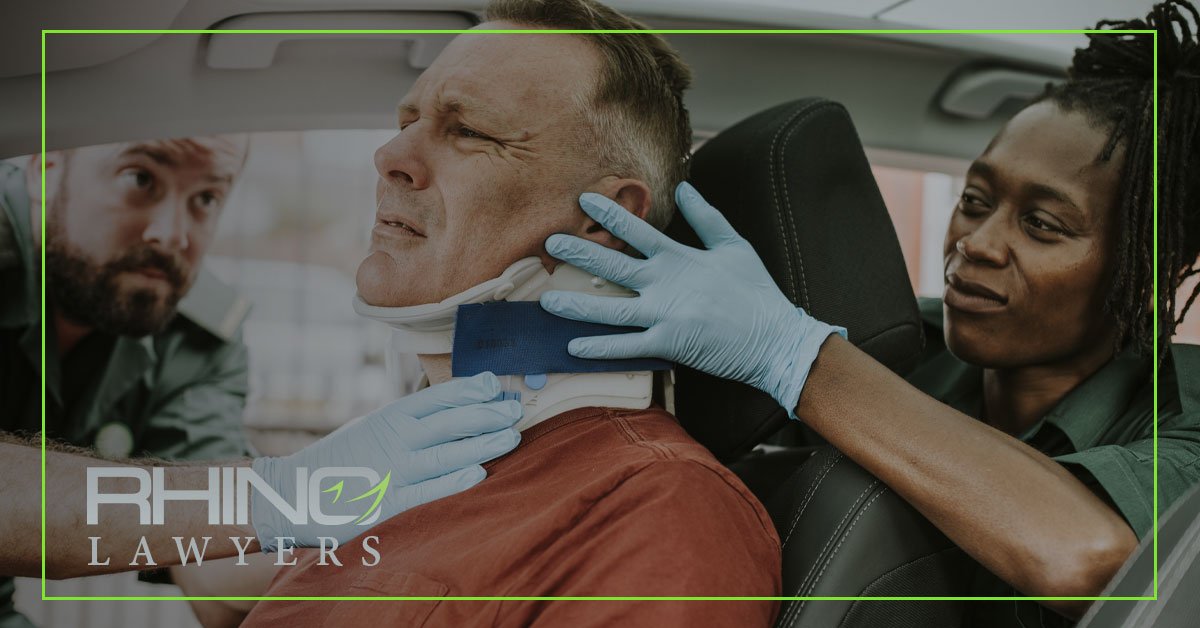
Winning Whiplash: How to Prove Your Whiplash Claim

A whiplash claim starts with you, minding your own business, driving down the street. It ends with you in excruciating pain that leaves you unable to work or function as you normally did. Your quality of life diminishes, and you no longer enjoy the basic activities that you loved before your car accident.
If you’ve suffered from whiplash due to a car accident, keep reading. These are the basic symptoms of whiplash and the ways you can prove your claim to the insurance company that is dragging its feet.
Medical Definition for Whiplash
Medically, whiplash refers to an injury to your neck caused when your neck bends forward and backward in a sharp, jerky movement. Some external force causes your neck to move in this way.
Whiplash most often occurs when someone rear-ends you.
When your head slams forward and then back, you often suffer tiny tears in your neck muscles and tendons. This, in turn, affects the stability of the discs and nerves in your neck. You experience pain at the time of the accident as well as weeks down the road.
Often the pain will increase as time increases, so you don’t know the full extent of your injury until well after the accident that caused it.
These are your basic symptoms:
- Pain in the neck
- Stiffness
- Low back pain
- Shoulder pain
- Pain in your hand or arm
- Numbness in your hand or arm
- Blurred vision
- Dizziness
- Irritability
- Memory problems
- Sleeplessness
- Fatigue
Because whiplash symptoms look like the symptoms of many other medical conditions, you need a doctor’s diagnosis to know you have whiplash. Do not just diagnose yourself.
Diagnosis and Treatment
If you do have whiplash, you’re looking ahead to some lengthy treatment options. But first, you need an official diagnosis.
A physician will ask for your complete medical history and give you a thorough physical exam from the start. They will test for whiplash using an X-ray, an MRI, and a CT scan. If your doctor suspects whiplash, you can expect the following treatment options:
- Ice application
- Gentle, active movement once 24 hours has passed
- Cervical collar for the first 24 hours
- Over-the-counter pain nonsteroidal anti-inflammatory medicine like ibuprofen
- Muscle-relaxing medicine
- Osteopathic manipulation or a chiropractic treatment
- Physical therapy
All of these treatments, together, will help you overcome the symptoms of whiplash. They also take time away from work and come at a great cost.
Proving Your Whiplash Claim
Because whiplash is not an obvious injury, you may have a difficult time proving your claim initially. When you are involved in a car accident, file an insurance claim immediately, even if you just have a small pain. Whiplash can manifest itself even more than 24 hours after the accident.
While you file the claim, do not rush to settle it. Let some time pass first and see what your doctor says. You do not know the full effects yet.
There’s a real possibility you may not be able to work, care for your loved ones, or function with the joy you had before your accident for quite some time. You deserve financial compensation for these losses caused by another driver’s carelessness.
But first, you need to prove that your inability to work or focus comes directly from the accident that caused your car accident whiplash. Many judges and insurance companies will attempt to say you had the injury previous to the accident or that you’re making it up.
Gather Paperwork and Evidence
X-rays alone will not prove your whiplash. You will need a full file of medical evidence on your side when you file your claim. Here’s what you should gather for your personal injury claim:
- Accident documentation: gather the information that states your speed, your position in the vehicle, the location of impact on the vehicle, the position of the headrest, and whether the airbags deployed or not
- Medical records: include all records that show you went to the doctor right away, including visits to specialists and medical records from before the accident to show the difference in your condition
- Medication records: show the medications you’ve had to take for pain
- Images: include results from X-rays, MRIs, and CT scans that show damage to your spine as well as the soft tissue
- Financial documentation: include all medical bills in this file especially your co-pays and deductibles that health insurance did not cover, lost wages, and the cost of traveling to your doctor.
- Emotional documentation: include documentation of the days when you could not do your normal activities because of your pain such as being a companion to your loved ones so you can include “pain and suffering” in your claim.
You should have a substantial file put together for your personal injury claim. You need more than just your story of how you’ve suffered. This evidence will help you build a solid case.
Hire an Attorney
Insurance companies tend to not believe all of their claimants. They won’t deny that you’ve been in a car accident, but they may claim your injury existed before the accident or that your injury isn’t as bad as you claim.
In these cases, you need to hire a professional attorney who focuses on personal injury claims. Look for an attorney with experience and a successful track record. Ask around or begin looking online for reviews on personal injury attorneys.
When an attorney does their job well, their clients will say so, be it online or in person. They will understand not just how to argue your claim. They will also understand the intricacies of the justice system that you have to navigate.
A good attorney will also protect your rights. The court system may attempt to file criminal charges against you, claiming you caused the car accident with your own negligence. The right attorney will protect your rights and know how to fight these charges.
Make Your Claim With Confidence
If you’ve suffered or are suffering from the effects of whiplash caused by someone else, make your whiplash claim with confidence. Gather your evidence and contact an attorney with experience who can help you win your case and move on with life.
When you need the best personal injury and accident attorneys in Florida, contact us. Our team of attorneys and support staff wants to help you receive the compensation you deserve.
Our attorneys work hard to guide clients through the maze of judges, lawyers, and insurance companies you will encounter. Furthermore, we only take payment when we win the personal injury case. We are that confident in our abilities.
Contact us and let us protect your rights.
CONTACT A TAMPA AUTO ACCIDENT ATTORNEY
In short, after a car accident, you may not know your rights. Above all, don’t struggle through the process alone. Actually, our personal injury team is here to help you with any legal needs you might have regarding your accident.
Lastly, let RHINO Lawyers answer your questions and review the facts of your case with a Free Consultation. So, get started by completing the “Free Instant Case Evaluation” or by calling us any time, day or night, at 844.329.3491.
Read More