
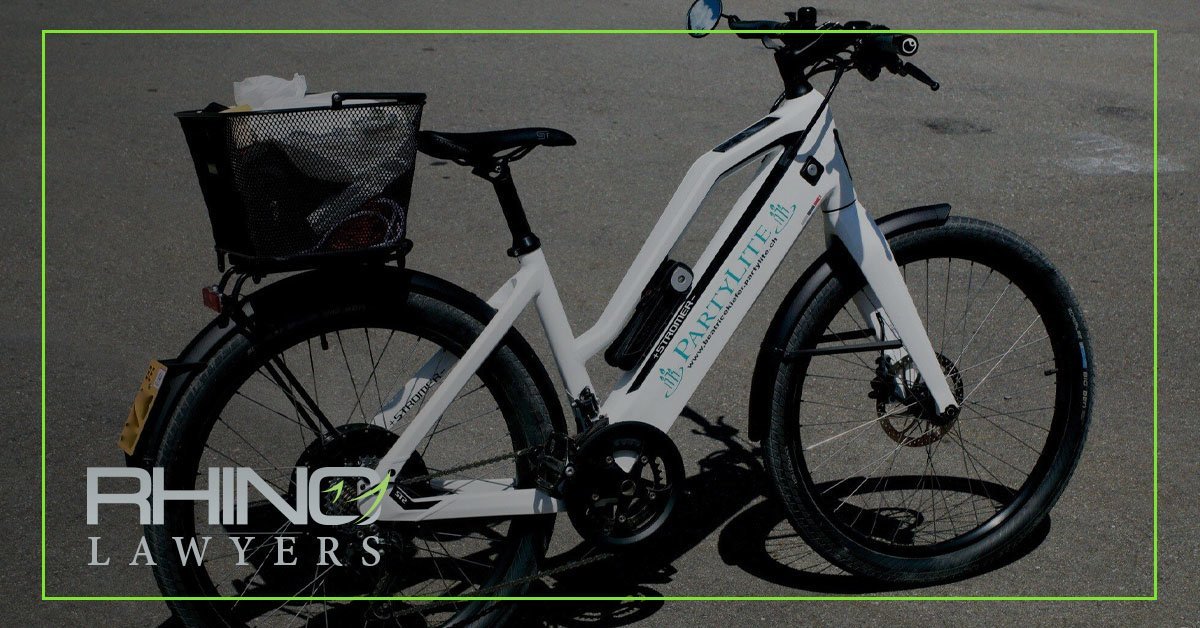
What to Know about Car Accidents Involving E-Bikes in Tampa
The city of Tampa, FL, has added 4,000 e-scooters and bikes to expand its electro-micro-mobility program. It shows how popular e-bikes (electric bikes) have become in Tampa.
Offering an eco-friendly and efficient mode of transportation, e-bikes provide a convenient alternative to cars for short commutes and leisurely rides. However, as the number of e-bikes on the road rises, so does the potential for accidents involving these vehicles and the need for a lawyer for a car accident.
Understanding the dynamics of car accidents involving e-bikes is crucial for riders, motorists, and policymakers in Tampa. Keep reading to learn more.
1. Understanding E-Bikes
E-bikes are bicycles equipped with an electric motor that assists with pedaling. They come in various types:
- Pedal-Assist (Class 1) – The motor assists only when the rider is pedaling and stops assisting at a certain speed.
- Throttle-Assist (Class 2) – The motor can assist without the rider pedaling, typically through a throttle mechanism.
- Speed Pedelec (Class 3) – Similar to pedal-assist e-bikes but capable of higher speeds, often up to 28 mph.
- These differences influence how e-bikes are used and regulated, affecting their interaction with cars on the road.
2. Tampa E-bike Laws
Florida has specific laws governing the use of e-bikes. As of 2020, e-bikes are classified similarly to traditional bicycles, allowing them to use bike lanes and paths unless local ordinances state otherwise.
Riders must adhere to traffic laws applicable to cyclists, such as obeying traffic signals and using lights at night.
While Florida does not mandate helmets for e-bike riders over the age of 16, it is highly recommended for safety. Wearing a helmet can significantly reduce the risk of serious head injuries in the event of an accident. It could mean the difference between a minor accident that you walk away from and one that means the end of the road for you.
3. Common Causes of Accidents
One of the leading causes of accidents involving e-bikes is driver inattention. We live in a culture where distracted driving due to cellphone usage or whatever else is becoming so common.
Motorists may fail to notice e-bikes, especially at intersections or when making turns. The smaller size and quieter operation of e-bikes compared to cars can contribute to these visibility issues.
E-Bike Rider Errors
E-bike riders can also contribute to accidents by disregarding traffic laws, riding on sidewalks where not permitted, or not using proper signaling. Speeding, particularly on Class 3 e-bikes, can also lead to loss of control and accidents.
Road Conditions
Poor road conditions, such as potholes, debris, or inadequate lighting, can be hazardous for e-bike riders. These conditions can cause riders to swerve suddenly, leading to collisions with cars.
4. Safety Tips for E-Bike Riders
To enhance visibility, e-bike riders should wear bright or reflective clothing. They should also equip their bikes with front and rear lights, especially when riding at night or in low-light conditions.
Defensive Riding
Practicing defensive riding techniques, such as anticipating potential hazards and maintaining a safe distance from vehicles, can help prevent accidents. Riders should always be aware of their surroundings and avoid the car’s blind spots.
Proper Signaling
Using hand signals to indicate turns and stops is crucial for communicating intentions to motorists. This can help reduce confusion and the likelihood of accidents.
Speed Control
Maintaining a safe and controlled speed is essential, particularly in high-traffic areas or when navigating through intersections. Riders should be mindful of their speed, especially on Class 3 e-bikes capable of higher speeds.
5. What to Do After an Accident
If involved in an accident, e-bike riders should first ensure their safety and check for injuries. Moving to a safe location away from traffic is essential to prevent further harm. Calling emergency services for medical assistance and police reporting is also critical.
Gather Information
Collecting information from the scene is crucial. This includes exchanging contact and insurance details with the involved driver, taking photographs of the scene, and obtaining contact information of any witnesses.
Medical Attention
Even if injuries appear minor, seeking medical attention is important. Some injuries may not be immediately apparent and can worsen over time. Medical documentation is also vital for any potential insurance claims or legal actions.
Report the Accident
Filing a police report is necessary for official documentation of the incident. This report can be crucial for insurance claims and legal proceedings.
6. Legal and Insurance Considerations
E-bike riders should contact their insurance company to report the accident and initiate a claim. Understanding the coverage of their policy, including any medical expenses or damages, is essential.
In cases where the e-bike accident was caused by another party’s negligence, seeking legal assistance can be beneficial. A car accident attorney experienced in handling e-bike accident cases can provide guidance on legal rights and help pursue compensation for injuries and damages.
Speak to an auto accident lawyer right away, even if you have minor injuries, since it’s important to get the right advice.
7. Preventive Measures and Policy Recommendations
Improving infrastructure to accommodate e-bikes is crucial. This includes creating more dedicated bike lanes, improving road surfaces, and enhancing lighting on bike paths and intersections.
Education and Awareness
Educational campaigns targeting both motorists and e-bike riders can help raise awareness about sharing the road safely. Promoting safe riding practices and the importance of visibility can reduce accidents.
Enforcement of Traffic Laws
Ensuring that traffic laws applicable to e-bikes are enforced can also contribute to safety. This includes penalizing both riders and drivers who violate these laws and pose risks to others on the road.
Hire a Lawyer for a Car Accident with an E-Bike
Any time there’s a new craze, like e-bikes or scooters, it’s likely that car accidents will go up as well, while people get used to things.
Hiring a lawyer for a car accident with an e-bike is necessary so you don’t get taken advantage of. Our team at RHINO Lawyers focuses on auto accidents and has experience with all sorts of e-bike accidents.
We are ready to take your side and let nothing get in our way. Schedule a free consultation with a car accident lawyer today.
CONTACT A TAMPA AUTO ACCIDENT ATTORNEY
In short, after a car accident, you may not know your rights. Above all, don’t struggle through the process alone. Actually, our personal injury team is here to help you with any legal needs you might have regarding your accident.
Lastly, let RHINO Lawyers answer your questions and review the facts of your case with a Free Consultation. So, get started by completing the “Free Instant Case Evaluation” or by calling us any time, day or night, at 844.RHINO.77.
Read More
Are There Different Types of DUI Charges in Florida?
Despite an estimated 3.2% drop in traffic deaths to 8,650 in the first quarter of 2024, car crashes continue to be a serious threat, especially when drivers are impaired.
Driving under the influence is a serious punishable offense in Florida. If you’ve been charged with a DUI, you might be wondering about the potential consequences.
So, is a DUI a felony in Florida? The state of Florida law outlines several different DUI charges. Their seriousness depends on your blood/breath alcohol content (BAC), whether there was an accident, and if anyone was hurt or died.
Knowing what you could be facing can help you prepare your defense. It also helps you make informed decisions about your case. Learn more in this comprehensive guide:
Is a DUI a Felony in Florida?
Whether a DUI in Florida is a misdemeanor or a felony depends on several factors. The most common factor is the number of prior DUI convictions. Florida considers a fourth or subsequent DUI offense as a felony.
As such, if you’ve been convicted of three DUIs in the past, a fourth offense will be charged as a felony. Florida DUI penalties for a felony are significantly harsher than those for a misdemeanor. These can include prison time, hefty fines, and losing your driver’s license for a prolonged period.
Even a first-time DUI can be charged as a felony under specific circumstances. For example, if a DUI results in serious bodily injury or death, it can be upgraded to a felony charge. It carries severe penalties due to its tragic consequences.
Understanding DUI Charges in Florida
There are various types of DUI offenses in Florida, depending on the circumstances. The most common DUI charge is a misdemeanor, which typically applies to first and second-time offenders. However, as mentioned earlier, a DUI can escalate to a felony.
Beyond the distinction between misdemeanor and felony, there are specific DUI charges based on the consequences of the offense. For instance, a DUI with property damage occurs when a DUI-related crash causes property damage. DUI with personal injury involves causing bodily harm to someone other than yourself while driving under the influence.
A DUI conviction can impact your insurance rates, employment opportunities, and personal relationships. The penalties for DUI charges increase with each subsequent offense. In particular, a second DUI conviction typically results in harsher penalties than a first offense.
DUI With Property Damage
A DUI with property damage charge occurs when a driver under the influence of illegal substances or alcohol causes an accident that leads to damage to someone else’s property. The specific penalties vary depending on the extent of the damage caused. However, some common penalties include:
- Jail time: Up to one year in jail.
- Probation: Up to one year of reporting probation.
- Driver’s license revocation: At least six months, but up to one year.
- Fines: Minimum of $500, but can be up to $1,000.
- Community service: A requirement of 50 hours.
- DUI Substance Abuse Course: Mandatory completion of a 12-hour course.
- Vehicle impoundment: Your car may be impounded for up to ten days.
If your BAC is .15 or higher, penalties become even more severe. These enhanced penalties can include a higher fine and longer license revocation. Another penalty is having an IID (ignition interlock device) installed on the car.
DUI With Injuries
A DUI with injuries charge occurs when a driver under the influence of alcohol/drugs causes an accident that leads to bodily harm to another person. The penalties depend on the severity of the injuries. If the injuries are considered “non-serious,” the charge is a first-degree misdemeanor.
Penalties for a first-degree misdemeanor DUI with injuries include up to one year of jail time and a maximum fine of $1000. You also risk facing up to one year of license revocation. Other penalties include community service, DUI school, and vehicle impoundment.
However, if the injuries are considered “serious,” the charge is elevated to a third-degree felony. Penalties for a third-degree felony DUI with injuries are much more severe. They include a maximum 5-year prison time and up to $5,000 in fines.
The court may order a mandatory revocation of your license and restitution. A DUI with injuries can have a devastating impact on the victim and the accused. The DUI charge consequences can be far-reaching, including financial hardship, emotional distress, and a criminal record.
DUI Manslaughter in Florida
DUI manslaughter occurs when someone’s reckless driving while under the influence of alcohol/drugs directly results in the death of another person. It is classified as a second-degree felony. If convicted of DUI manslaughter, you could face a minimum of four years in prison, but the maximum sentence can extend up to 15 years.
Additionally, you might be required to pay a hefty fine of up to $10,000. A DUI manslaughter conviction can also lead to the permanent revocation of your driver’s license. As such, it impacts your ability to move freely and earn a living.
Protecting Yourself From DUI Charges in Florida
Preventing a DUI starts with responsible decision-making. Always designate a sober driver if you plan to consume alcohol or drugs or utilize alternative transportation options like taxis, rideshares, or public transit. If you find yourself in a situation where you might be impaired, it’s safer to find a safe place to rest until you are sober before driving.
Understanding Florida drunk driving laws with the help of a DUI defense lawyer is crucial. Familiarize yourself with Florida’s legal blood alcohol concentration (BAC) limit, which is 0.08%. Also, understand the potential penalties for a DUI conviction, which include fines, license suspension, and possible jail time.
Get a Free Consultation to Understand Your Florida DUI Options
Understanding the various types of DUI charges in Florida is crucial for anyone who drives. This knowledge can help you understand the potential consequences while answering the question, “Is a DUI a felony in Florida?”
Remember, a DUI can have serious repercussions, so get legal advice immediately.
If you’re facing a DUI charge in Florida, RHINO Lawyers’ experienced traffic ticket and criminal defense attorneys are here to help. During a free consultation, we can answer your questions and review your case details. Get started with your free evaluation, or call us 24/7 at (844) RHINO-77.
CONTACT TAMPA TRAFFIC TICKET ATTORNEY
RHINO Lawyers can help and guide you through a system molded by law enforcement, judges, and lawyers for decades. Having won cases for our clients in similar circumstances, our criminal defense team knows what it takes to fight on your behalf.
Let RHINO Lawyers answer your questions and review the facts of your case with a Free Consultation. So, get started by completing the “Free Instant Case Evaluation” or by calling us any time, day or night, at (844) RHINO-77.
Read More
Car Accidents and the Risks to Pregnant Women
A study estimated that 170,000 car crashes in the United States involve pregnant women each year! Yes, car accidents can be dangerous for everyone involved, but they are particularly so for pregnant women, due to the harm to the unborn babies and themselves.
The physiological changes and added complexity of pregnancy can complicate injury outcomes and medical responses. Knowing the risk of a car accident while pregnant, its impact on pregnancy, and how to mitigate potential harm is crucial for expectant mothers and those around them.
Keep reading for pregnant car crash tips.
1. Understanding the Risks
Pregnancy brings about various changes in a woman’s body, including increased blood volume, altered cardiovascular function, and the displacement of internal organs.
These changes can make pregnant women more susceptible to certain types of injuries and complicate medical assessments after an accident. The risk is high through all the trimesters, but the first trimester is crucial for fetal development.
There isn’t a point during the pregnancy at which a pregnant woman would have less risk if she were in a car crash.
Common Injuries
The most common injuries in car accidents during pregnancy include abdominal trauma. This can affect the uterus and placenta, leading to complications such as placental abruption. A placental abruption occurs when the placenta detaches from the uterine wall.
Other injuries include fractures, head trauma, and internal bleeding. All of these can have serious implications for both mother and baby.
2. Impact on the Unborn Baby
A placental abruption can have an impact on the baby as well. It can disrupt the baby’s oxygen and nutrient supply.
This type of injury will potentially lead to premature birth, low birth weight, or even stillbirth. Immediate medical intervention is often required to manage this condition.
Fetal Trauma
Direct trauma to the abdomen can also cause fetal injuries, ranging from minor bruising to more serious conditions like fetal fractures or brain injuries. The amniotic fluid surrounding the baby provides some protection, but a significant impact can still cause harm.
Preterm Labor
The stress and physical impact of a car accident can induce preterm labor. Babies born prematurely are at a higher risk for health issues such as respiratory distress syndrome, developmental delays, and infections.
3. Preventive Measures
The most important pregnancy safety tactic you can use in a car is to wear your seatbelt, but you should also know how to wear a seatbelt so it protects the baby and yourself properly.
Wear the seatbelt with the lap belt placed under the belly. It should be low and snug on the hip bones. The shoulder belt needs to be between the breasts and off to the side of the belly. This positioning helps to distribute the force of a collision away from the abdomen and towards the pelvis and chest.
Airbag Safety
Airbags are designed to work in conjunction with seatbelts to provide maximum protection. Pregnant women should ensure they are seated at a safe distance from the steering wheel or dashboard (at least 10 inches) to minimize the impact force. Adjusting the seat and steering wheel can help achieve a safer position.
Driving Safety
Maintaining a good driving posture is important. Pregnant women should sit upright, with the seat slightly reclined if necessary. This ensures comfort and safety. Taking frequent breaks during long drives can also help reduce fatigue and discomfort.
4. What to Do After an Accident
Regardless of how minor the accident may seem, pregnant women should seek immediate medical attention following a car accident. A thorough evaluation can help identify any potential pregnancy car accident injuries to both the mother and the baby.
Obstetricians often recommend monitoring the baby’s heart rate and performing an ultrasound to check for any signs of distress or injury.
Monitoring Symptoms
Post-accident, it is crucial for pregnant women to monitor themselves for symptoms. Some symptoms to watch for, are:
- Abdominal pain
- Vaginal bleeding
- Contractions
- Decreased fetal movement
- Fluid leakage
These symptoms can indicate serious complications that require prompt medical intervention.
Follow-Up Care
Continued follow-up care with an obstetrician is essential after a car accident. Regular check-ups can help ensure the ongoing health and well-being of both the mother and the baby. Additional ultrasounds or fetal monitoring might be necessary to track the baby’s development and detect any late-onset issues.
5. Legal and Financial Considerations
Pregnant women involved in car accidents may face additional medical expenses and require specialized care. It is important to file an insurance claim to cover these costs. Documenting all medical visits, treatments, and any additional care required for the pregnancy is essential for a comprehensive claim.
Legal Assistance
In cases where the accident was caused by another party’s negligence, seeking legal assistance can help in obtaining compensation for medical expenses, lost wages, and other damages. An attorney experienced in handling car accident cases involving pregnant women can provide valuable support and guidance through the legal process.
6. Emotional Impact and Support
Pregnancy can be a stressful enough time as it is, without the added pressure of a car accident and its effect on the unborn baby.
The stress and trauma of a car accident can have a significant emotional impact on pregnant women. Anxiety about the health of the baby and the potential for complications can be overwhelming. Expectant mothers need to seek emotional support from family, friends, or a professional counselor.
Support Networks
Joining support groups for pregnant women or those who have experienced similar situations can provide a sense of community and understanding. Sharing experiences and coping strategies can help in managing stress and anxiety.
Car Accident While Pregnant – Follow Pregnancy Safety Advice
You are doing all you can as a mother to take care of your unborn baby. If you have a car accident while pregnant, all hope isn’t lost. There are steps that you can take to protect yourself and your baby.
At RHINO Lawyers, we focus on auto accidents of all kinds. No matter if rear-ended, t-boned, or injured as a pedestrian, driver, or passenger, we are here to hold the negligent party accountable for their actions. If you sustain pregnancy-related car accident injuries, contact our team ASAP to get assistance.
CONTACT A TAMPA AUTO ACCIDENT ATTORNEY
In short, after a car accident, you may not know your rights. Above all, don’t struggle through the process alone. Actually, our personal injury team is here to help you with any legal needs you might have regarding your accident.
Lastly, let RHINO Lawyers answer your questions and review the facts of your case with a Free Consultation. So, get started by completing the “Free Instant Case Evaluation” or by calling us any time, day or night, at 844.RHINO.77.
Read More
Wrong Way Accidents: What You Need to Know
It’s late at night, and you’re driving home on the highway after a long day. Suddenly, you see headlights coming directly toward you in your lane.
Your heart races as you realize a vehicle is heading straight for you, going the wrong way. This terrifying scenario is known as a wrong way accident – one of the most dangerous types of crashes on our roads today.
How do you prevent this scenario from happening? And if it does happen, what do you do?
We can help. Let’s go through what to know about any wrong way accident.
Wrong Way Accident Causes
Understanding the major causes of wrong way incidents is crucial for prevention and awareness.
Impaired driving stands out as the leading cause of wrong way accidents. Alcohol and drug use significantly impair a driver’s judgment, perception, and ability to read signs correctly. Studies have shown that a large percentage of wrong way drivers involved in crashes have blood alcohol concentrations well above the legal limit.
Confusion and disorientation, particularly among elderly drivers, contribute to a significant number of wrong way incidents. As cognitive abilities decline with age, some older drivers may struggle to navigate complex interchanges or become easily disoriented in unfamiliar areas, especially at night.
Poor visibility and inadequate signage can also lead to wrong way entry. Insufficient lighting, weather conditions like heavy rain or fog, or poorly maintained road signs can make it difficult for drivers to correctly identify entrance and exit ramps.
This risk increases in areas with complex road designs or recent changes to traffic patterns.
Distracted driving, though less common than impairment, plays a role in some wrong way accidents. Drivers engrossed in their phones, navigation systems, or other distractions may miss critical signs and inadvertently enter a roadway in the wrong direction.
In rare cases, intentional actions can result in wrong way driving. This may occur during police pursuits, suicide attempts, or acts of reckless behavior. While uncommon, these incidents are particularly dangerous due to their unpredictable nature.
Preventing Wrong Way Accidents
You should do everything you can to avoid being in a wrong way accident. Stay alert and focused, especially when entering highways or driving in unfamiliar areas.
Pay close attention to road signs and pavement markings. If you’re unsure about the correct route, it’s better to slow down or even stop safely to reassess your direction rather than proceed uncertainly.
Be extra cautious when driving at night or in poor weather conditions. Many wrong way incidents occur during these times due to reduced visibility. Use your headlights properly and drive at a speed that allows you to react to unexpected situations.
Do your best to pay attention – don’t lose focus by doing something else while you drive, like eating.
Familiarize yourself with your route before traveling, especially when driving in a new area. If using a GPS, set it up before you start driving and pull over safely if you need to adjust it. Relying too heavily on GPS without paying attention to your surroundings can lead to mistakes.
If you see a wrong way driver, immediately reduce your speed and move to the right side of the road. Flash your lights and honk your horn to alert the driver. Once safely out of the way, call 911 to report the incident.
Be particularly vigilant when using exit ramps, as these are common entry points for wrong way drivers. Look for any do not enter or wrong way signs before proceeding.
If you realize you’ve entered a road in the wrong direction, stay calm. Safely pull over to the shoulder immediately, turn on your hazard lights, and turn around only if it’s safe and legal to do so. If you can’t turn around safely, stay put and call for assistance.
What to Do if You’re in a Wrong Way Accident
Despite our best efforts to prevent them, wrong way accidents can still occur. If you find yourself involved in such an incident, knowing how to respond can be crucial for your safety and well-being.
Check for injuries. Assess yourself and your passengers for any injuries. Even if you feel fine, be aware that you might not notice some injuries immediately because of shock or adrenaline.
Make sure you follow up on your health after the fact. In the days and weeks following the accident, pay attention to any new symptoms or pain.
Call 911 immediately. Report the accident and request emergency services. Provide your exact location, describe the vehicles involved, and inform the dispatcher of any injuries or hazards at the scene.
You’ll need to make sure you’re collecting as much evidence as possible after an accident. If it’s safe to do so, take photos of the accident scene, including vehicle positions, damage, and any relevant road signs or markings.
Collect contact and insurance information from the other drivers involved, but avoid discussing fault or making any statements that could be interpreted as admitting guilt.
Protecting Yourself Legally
Given the serious nature of wrong way accidents, it may be beneficial to consult with a lawyer who focuses on traffic accidents. They can help protect your rights and help you manage any potential legal proceedings.
This is especially important if you weren’t at fault for the accident, but even if you were at fault, it’s still important to make sure your bases are covered.
Cooperate with the investigation. Wrong way accidents often result in thorough investigations. Cooperate fully with law enforcement and insurance investigators, but consult with your lawyer before providing any formal statements.
Contact your insurance company. Report the accident to your insurer as soon as possible. Provide them with all the details and documentation you’ve gathered.
Wrong Way Accident: Get Out of This Situation
Use this guide, and you’ll have a much better idea of how to handle a wrong way accident if you get into one.
Are you looking for a lawyer to help you out? Check out RHINO Lawyers. Our modern communications strategies and top-level use of technology help us ensure we’re doing our best to fight for you.
Contact us today.
CONTACT A TAMPA AUTO ACCIDENT ATTORNEY
In short, after a car accident, you may not know your rights. Above all, don’t struggle through the process alone. Actually, our personal injury team is here to help you with any legal needs you might have regarding your accident.
Lastly, let RHINO Lawyers answer your questions and review the facts of your case with a Free Consultation. So, get started by completing the “Free Instant Case Evaluation” or by calling us any time, day or night, at 844.RHINO.77.
Read More
What Is the “Move Over” Law in Florida?
Police vehicles, ambulances, and fire trucks are lifelines in emergencies. Yet, tragically, hundreds of people die each year in crashes involving these emergency vehicles. The ‘Move Over’ law aims to ensure the safety of individuals when they are stopped on the side of the road. Under this law, drivers must take specific actions to create a safer environment for everyone.
In this guide, we’ll examine the ‘Move Over’ law in Florida, detailing its history, specific regulations, and the consequences of non-compliance.
A Brief History of the ‘Move Over’ Law in Florida
Florida’s ‘Move Over’ Act was enacted in 2002. It was a response to the rising number of injuries and fatalities among law enforcement officers and emergency personnel. The law aims to ensure the safety of those working on the roadside.
Before this law, many drivers did not realize the dangers posed to stalled emergency vehicles and their operators.
The ‘Move Over’ law has become a key part of Florida’s traffic regulations. It promotes roadway compliance and driver awareness. The state has worked hard to educate the public about this law.
Despite these efforts, many drivers remain unaware of it. This highlights the need for continued education and enforcement.
As you drive in Florida, remember that the ‘Move Over’ law is more than just a rule: it’s a measure to protect lives. By following this law, you’re not only complying with Florida’s traffic regulations but also showing respect for the safety of others.
Florida’s ‘Move Over’ Law Explained
Understanding and following Florida’s ‘Move Over’ rules and regulations is crucial for ensuring everyone’s safety on the road. Here, we’ll break down the key provisions of this law, so you can stay informed and compliant.
Move Over a Lane for Emergency Vehicles
When approaching stopped emergency vehicles, like police cars, ambulances, and fire trucks, drivers must move over to a lane not adjacent to the stopped vehicle. This applies when driving on a multi-lane road and it is safe to do so.
Slow Down If Moving Over Is Not Possible
If it’s not safe or possible to change lanes due to traffic or other conditions, drivers must slow down to a speed that is 20 mph below the posted speed limit. If the speed limit is 20 mph or less, they must slow down to 5 mph.
Extend Courtesy to Service Vehicles
Initially, the law focused on emergency vehicles like police cars, ambulances, and fire trucks. Over time, Florida expanded the law to include other service vehicles, including:
- Tow trucks
- Utility service vehicles
- Sanitation vehicles
- Maintenance or construction vehicles
In addition to emergency and service vehicles, the Move Over law protects drivers of stopped vehicles displaying hazard lights, flares, or warning signs. These additions extend protection to a wider range of road users.
Potential Consequences of Non-Compliance
Failing to adhere to the ‘Move Over’ law in Florida can lead to severe consequences. Here are some common consequences you could face:
Traffic Ticket Fines
Non-compliance with Florida’s ‘Move Over’ law can lead to hefty fines. Fines for violating this law typically range from $120 to $180, depending on the county. These penalties serve as a financial reminder of the importance of following driving safety rules.
Higher Insurance Premiums
When you receive a traffic ticket for failing to move over, it goes on your driving record. Insurance companies often review your record to assess risk. If they see violations, they may consider you a higher-risk driver, thus raising your premiums.
Points on Your Driver’s License
Violating the ‘Move Over’ law can result in points being added to your driver’s license. You’ll receive three points for non-compliance. Accumulating points can lead to further consequences, like higher insurance costs.
If you reach a certain threshold, it could even lead to the suspension of your driving privileges. These ‘Move Over’ law penalties are in place to encourage traffic compliance and ensure driver safety.
Impact on Driving Record
A ‘Move Over’ law violation also becomes part of your permanent driving record. This can impact your future, especially in legal matters or work-related driving.
How to Avoid ‘Move Over’ Violations in Florida
Staying compliant with Florida’s “Move Over” law is crucial for your safety and to avoid penalties. Here are some tips to help you follow the law and prevent violations.
Stay Alert and Watch for Emergency Vehicles
Always be on the lookout for emergency vehicles with flashing lights. These vehicles may include police cars, fire trucks, and ambulances. When you spot one, it’s important to act quickly. Move over to the next lane if possible.
If you cannot change lanes safely, slow down and prepare to stop if needed. This simple action helps ensure the safety of both the emergency responders and other drivers.
Understand Lane Change Requirements
In Florida, the ‘Move Over’ law requires you to switch lanes when an emergency vehicle is on the shoulder. Make sure to move over a full lane if it is safe to do so. If you cannot change lanes due to traffic or road conditions, reduce your speed and proceed with caution.
Following these Florida traffic laws helps maintain roadway compliance and keeps everyone safer.
Be Prepared for Various Driving Conditions
Driving conditions can affect how you respond to emergency vehicles. In bad weather or heavy traffic, it might be harder to move over or slow down quickly. Stay extra alert and be ready to adjust your driving.
Slow down safely and carefully navigate around any emergency vehicles you encounter. This will help you avoid a traffic ticket and keep your driving record clean.
Regularly Review Traffic Safety Rules
Make it a habit to review Florida traffic laws regularly. Staying updated on driving safety rules ensures you are aware of any changes or additional requirements. This proactive approach helps you stay compliant with the ‘Move Over’ law and avoid violations.
Avoid a ‘Move Over’ Ticket Today
Even with cautious driving and compliance with the ‘Move Over’ law in Florida, unexpected circumstances can occur. The good news is that you don’t have to navigate these situations alone.
RHINO Lawyers can help if you’ve received a ticket for a ‘Move Over’ violation. Reach out to us today and schedule a free instant case evaluation!
CONTACT TAMPA TRAFFIC TICKET ATTORNEY
RHINO Lawyers can help and guide you through a system molded by law enforcement, judges, and lawyers for decades. Having won cases for our clients in similar circumstances, our criminal defense team knows what it takes to fight on your behalf.
Let RHINO Lawyers answer your questions and review the facts of your case with a Free Consultation. So, get started by completing the “Free Instant Case Evaluation” or by calling us any time, day or night, at (844) RHINO-77.
Read More
What Is a Habitual Traffic Offender Under Florida Law?
Florida’s roads have seen a 43% spike in fatal crashes over the past decade. The alarming road safety trend calls for stricter enforcement of traffic laws. Drivers should avoid the label of habitual traffic offender (HTO) at all costs.
So, what exactly does that mean for you?
Understanding the consequences and legal implications of an HTO designation can help you avoid harsh penalties. In this article, we’ll dive into what it means to be a habitual traffic offender in Florida and how it can impact your driving privileges and daily life.
What It Means To Be a Habitual Traffic Offender in Florida
Being labeled a repeat traffic offender in Florida means you’ve accumulated multiple traffic offenses within a specific period, which Florida law considers a pattern of dangerous behavior. This status isn’t limited to serious crimes only: even a series of less severe violations can add up to this designation.
To be classified as a habitual traffic offender, you must have either three or more major traffic offenses within five years or fifteen or more convictions for moving violations within that same timeframe.
Major offenses include:
- Driving under the influence (DUI)
- Driving with a suspended or revoked license,
- Leaving the scene of an accident with injuries
Understanding what it means to be a habitual traffic offender in Florida is crucial for protecting your driving privileges and maintaining your freedom on the road. By being aware of the laws and making safer choices behind the wheel, you can avoid this serious designation and its consequences.
Understanding the Consequences of Being a Habitual Traffic Offender in Florida
Habitual traffic offenders in Florida could face severe penalties. These penalties are designed to discourage repeat violations and maintain public safety on the road. Habitual traffic offender penalties can vary based on the nature and frequency of your violations.
Here are some common ones to watch out for:
Loss of Driving Privileges
One of the most significant penalties you face as an HTO in Florida is the revocation of your driver’s license. Under Florida traffic laws, your license can be revoked, typically for five years, if you’re labeled as a habitual traffic offender. This means you’re not allowed to legally drive during this time.
Losing your license can impact your life in many ways. You may find it difficult to commute to work, run errands, or even fulfill family obligations. A license revocation can also affect your insurance rates and lead to additional legal consequences.
While you might be eligible for a hardship license, which allows limited driving, it still places heavy restrictions on your freedom to move about as you please.
Financial Consequences
Being designated as a habitual traffic offender doesn’t just affect your ability to drive: it also hits your wallet. You may face hefty fines for your repeated driving offenses in Florida, adding financial stress to an already challenging situation.
In addition to fines, your car insurance rates are likely to skyrocket. Many insurance companies view habitual traffic offenders as high-risk drivers, which can lead to exorbitant premiums or even difficulty in securing coverage at all.
The financial burden doesn’t stop there. If your driving offenses involve serious violations like DUI or leaving the scene of an accident, you could be subject to additional costs such as:
- Court fees
- Attorney fees
- Restitution payments
Navigating these financial penalties can be overwhelming, making it essential to seek Florida legal advice to understand your options and potentially minimize costs.
Jail Time and Criminal Record
If your traffic offenses include serious violations like careless or reckless driving, you may face incarceration, adding a criminal record to your list of consequences. This can be particularly damaging, as a criminal record can impact your employment opportunities, housing options, and overall reputation.
The possibility of jail time underscores the importance of understanding Florida’s traffic laws and adhering to them strictly.
Traffic offenses can follow you for years, affecting various aspects of your life. For example, employers often conduct background checks, and a criminal history can be a red flag that limits your career prospects.
Additionally, a criminal record can complicate personal relationships and community standing, making it harder to move past your past mistakes.
Restricted Personal and Professional Life
The penalties for being a habitual traffic offender extend beyond legal and financial consequences: they also affect your personal and professional life.
With a revoked license and possible criminal record, you may find it challenging to maintain employment, especially if your job requires driving. Even if driving isn’t a part of your job, employers may hesitate to hire someone with a history of serious traffic violations, fearing liability issues.
On a personal level, the stigma of being a habitual traffic offender can strain relationships and affect your standing in the community.
Friends and family may view you differently, and the loss of independence can lead to feelings of isolation and frustration. It’s crucial to understand the full scope of these penalties and consider seeking traffic ticket defense to navigate this challenging situation.
Different Ways to Challenge an HTO Designation
Contesting your HTO status requires a strategic approach and a thorough understanding of Florida traffic laws. Implementing these strategies can improve your chances of retaining your driving privileges and avoiding severe penalties:
- Review and correct errors on your driving record
- Seek professional legal advice for reclassification
- Contest the validity of previous offenses
- Enroll in traffic school or rehabilitation programs
- File for a hardship license
Remember that challenging an HTO designation is a time-sensitive process, so it’s crucial to act promptly and document all your efforts to demonstrate your commitment to safe driving.
We Can Help You Maintain a Clean Driving Record
In Florida, a habitual traffic offender label can lead to serious consequences, including losing your driving privileges, facing hefty fines, and potentially even jail time. Understanding the law and taking steps to avoid accumulating traffic violations is crucial to protecting your driving rights.
Do you need professional legal help to explore your options and possible defenses? Look no further than RHINO Lawyers! We can fight traffic tickets on your behalf, so you can keep a good driving record.
Don’t hesitate to get in touch with us today!
CONTACT TAMPA TRAFFIC TICKET ATTORNEY
RHINO Lawyers can help and guide you through a system molded by law enforcement, judges, and lawyers for decades. Having won cases for our clients in similar circumstances, our criminal defense team knows what it takes to fight on your behalf.
Let RHINO Lawyers answer your questions and review the facts of your case with a Free Consultation. So, get started by completing the “Free Instant Case Evaluation” or by calling us any time, day or night, at (844) RHINO-77.
Read More
Daydreaming and Car Accidents in Florida
Imagine driving down a sunny Florida highway, your mind wandering through various thoughts. Suddenly, a car swerves into your lane, jolting you back to reality. Daydreaming, a common form of distracted driving, can have serious consequences.
Understanding how to deal with a car accident in Florida and finding the right lawyer can help you overcome issues like these. In our guide below, we’ll explore the key information you should keep in mind. Let’s take a closer look.
What Is Distracted Driving?
Distracted driving occurs when a driver’s attention is diverted from the road. This can include activities like texting, eating, or even daydreaming.
In Florida, distracted driving is a leading cause of car accidents, making it crucial to stay focused while behind the wheel. Recognizing the dangers of distracted driving and committing to remain attentive can help reduce the risk of accidents.
Taking Action After a Car Accident
There are certain steps you need to take after a car accident. Doing so will help you navigate the process fluidly. Let’s take a closer look below.
Call the Police
Before doing anything else, call the police. Officers will respond to prevent conflicts from escalating.
They will also document their findings in a report. Police reports hold substantial weight in court and are some of the best pieces of evidence you can use to support your case.
Document the Accident Scene
Take photos of the accident scene, including vehicle damage, road conditions, and any visible injuries. Collect contact information from witnesses and make note of their statements.
This documentation can support your car accident claims and assist your attorney. Proper documentation provides crucial evidence that can influence the outcome of your claim.
Exchange Information With Other Drivers
Exchange contact and insurance information with the other driver involved. Include names, addresses, phone numbers, driver’s license numbers, and insurance details.
Maintaining accurate information is vital for insurance purposes. Having thorough and precise records can prevent complications during the claims process.
Notify Your Insurance Company
Report the accident to your insurance company as soon as possible. Provide them with the necessary details and documentation.
Timely reporting ensures your car accident claims process starts as soon as possible. It also helps you protect your right to compensation.
Seek Medical Attention
Even if you feel fine after the accident, seek medical attention. Some injuries may not be immediately apparent.
A medical report is essential for car accident claims and can be valuable evidence if you decide to pursue legal action. Early medical intervention can also prevent minor injuries from becoming more severe over time.
It’s worth noting that this is one of the most important steps to take. Sometimes, issues can arise even if you don’t have immediate symptoms. For example, you could have internal bleeding and not know until the problem becomes more serious.
Understand Florida Car Accident Laws
Familiarize yourself with Florida car accident laws, such as the statute of limitations for filing claims and the state’s no-fault insurance system. Knowing your rights and responsibilities can help you navigate the aftermath of a car accident.
Understanding these laws can also guide you in making informed decisions about your case. Seeking advice from a Florida car accident lawyer can further clarify these laws.
Handling Insurance Adjusters
Be cautious when speaking with insurance adjusters. They may try to minimize your claim.
Provide factual information but avoid discussing fault or accepting any settlement offers without consulting a Florida car accident lawyer. Legal representation can help ensure you receive fair compensation for your damages.
Finding the Right Lawyer
It’s essential to work with the right lawyer for your case. This will help you avoid potential issues and maximize your chance of success. Listed below are key ways to find the right professional.
Make a Shortlist
Research potential lawyers by reading online reviews and testimonials. Look for lawyers with experience in car accident cases and a history of favorable outcomes.
Personal recommendations can also be valuable. Conducting thorough research helps you find a lawyer who is well-qualified to handle your case.
Initial Consultation With a Lawyer
Schedule an initial consultation with potential lawyers. Discuss your case, ask questions about their experience, and understand their approach to handling car accident claims.
This meeting helps you determine if they’re the right fit. A reputable lawyer will listen to your concerns and provide clear explanations of how they can help.
Experience and Expertise
Evaluate the lawyer’s experience and expertise in handling car accident cases in Florida. Ensure they are well-versed in Florida car accident laws and have a successful track record.
Their expertise can make a significant difference in the success of your claim. Choosing a lawyer with the right experience ensures you have robust legal representation.
Keep in mind that inexperienced lawyers won’t always fall short of your goals. However, they will be much less likely to reach them.
Legal Fees and Costs
Understand the lawyer’s fee structure and any additional costs involved. Many Florida car accident lawyers work on a contingency fee basis, meaning they only get paid if you win your case.
Clarify any questions about fees during your initial consultation. Knowing the costs upfront helps you make an informed decision.
Communication and Availability
Choose a lawyer who communicates clearly and is readily available to answer your questions. Effective communication ensures you stay informed about your case’s progress.
A responsive lawyer provides peace of mind during a stressful time. Regular updates and clear explanations are signs of a dedicated legal professional.
Take Action After a Car Accident in Florida
Dealing with a car accident in Florida can be overwhelming, but following these steps and finding the right lawyer can make the process smoother. The tips in this guide will help ensure you take the appropriate steps after the incident. Just be sure to research your potential attorney options.
RHINO Lawyers have successfully recovered over $50 million for their injured clients, demonstrating their expertise and commitment. Available 24/7, we provide free consultations and boast a 5-star rating based on 943 Google reviews. You’ll learn more about what we have to offer when you schedule a consultation with us today.
CONTACT A TAMPA AUTO ACCIDENT ATTORNEY
In short, after a car accident, you may not know your rights. Above all, don’t struggle through the process alone. Actually, our personal injury team is here to help you with any legal needs you might have regarding your accident.
Lastly, let RHINO Lawyers answer your questions and review the facts of your case with a Free Consultation. So, get started by completing the “Free Instant Case Evaluation” or by calling us any time, day or night, at 844.RHINO.77.
Read More