
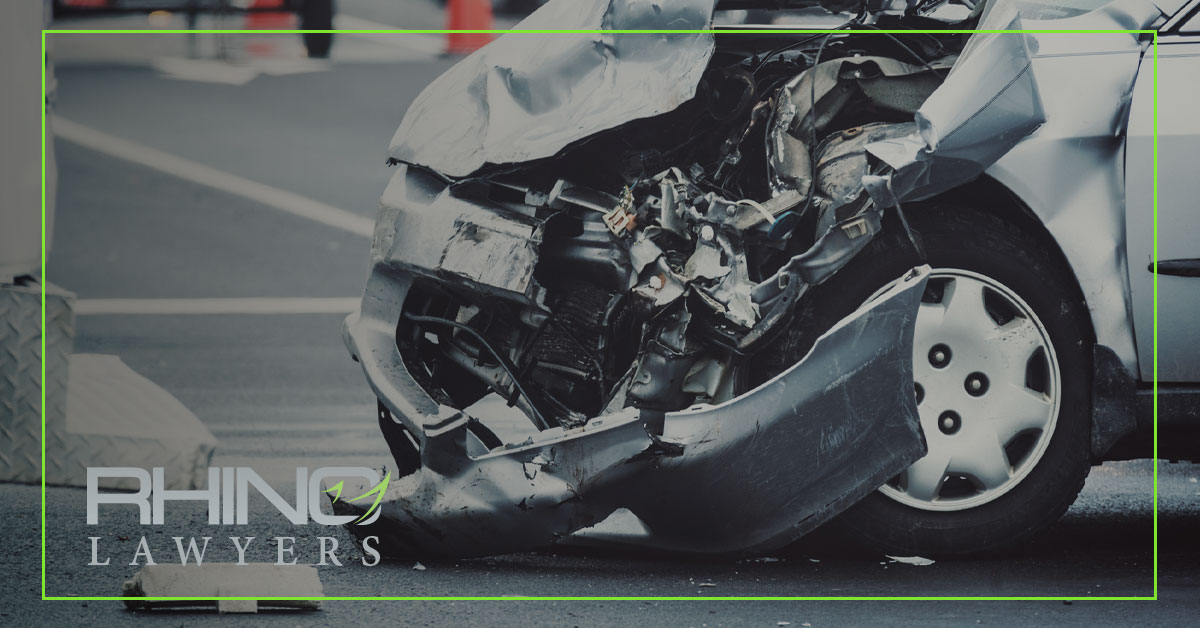
Driver Killed Trying to Free Passenger in Crash
The driver of a vehicle struck and killed another. It happened after the driver lost control and hit a guardrail today just after 2 a.m., April 29, 2019. According to the Florida Highway Patrol; the driver of a Toyota Tacoma went on the outside shoulder of I-75 and over-corrected. Then the driver veered across all lanes of the freeway and hit the guardrail in the median.
He got out to free his passenger and the driver of a Chevy Sonic struck him. He died from his injuries. They airlifted the trapped passenger to Bayonet Point Hospital with serious injuries.
We’re deeply saddened to hear of this terrible crash.
Good Samaritan Injuries
It is not always safe when helping in an accident scene. The person helping could suffer injuries or harm. Accident scenes can be very dangerous places even after a wreck is over. Especially on freeways, approaching vehicles will often strike pedestrians at the scene.
The American Auto Association says that if a person is involved in a crash and there is a significant risk of further collisions, or being killed by another driver. Then the best thing to do is stay in the car until told to get out by authorities.
This isn’t always practical, especially when people see others in distress – it’s a natural inclination to help out.
What Should I do When Injured While Helping?
Being hit or injured while trying to help someone is not your fault. If everyone had that attitude, many people today would be dead or more seriously injured. Don’t let the insurance companies imply or say that you are at fault for stopping and thus not entitled to any compensation for your injuries. Get help from someone who knows the law and has experience with insurance companies.
If you ever find yourself in a similar situation, talk to our personal injury team. They can tell you the law and give you good advice. Our Tampa Auto Accident Lawyers will meet with you in a free consultation. The RHINO Lawyers is the powerful, results-driven law firm, that takes Insurance Companies and Bullies “head-on!” We describe our bold modern approach to “Accident & Personal Injury Law” and “Our Personal Mission” to empower Florida’s families to “Take Charge!”
Read More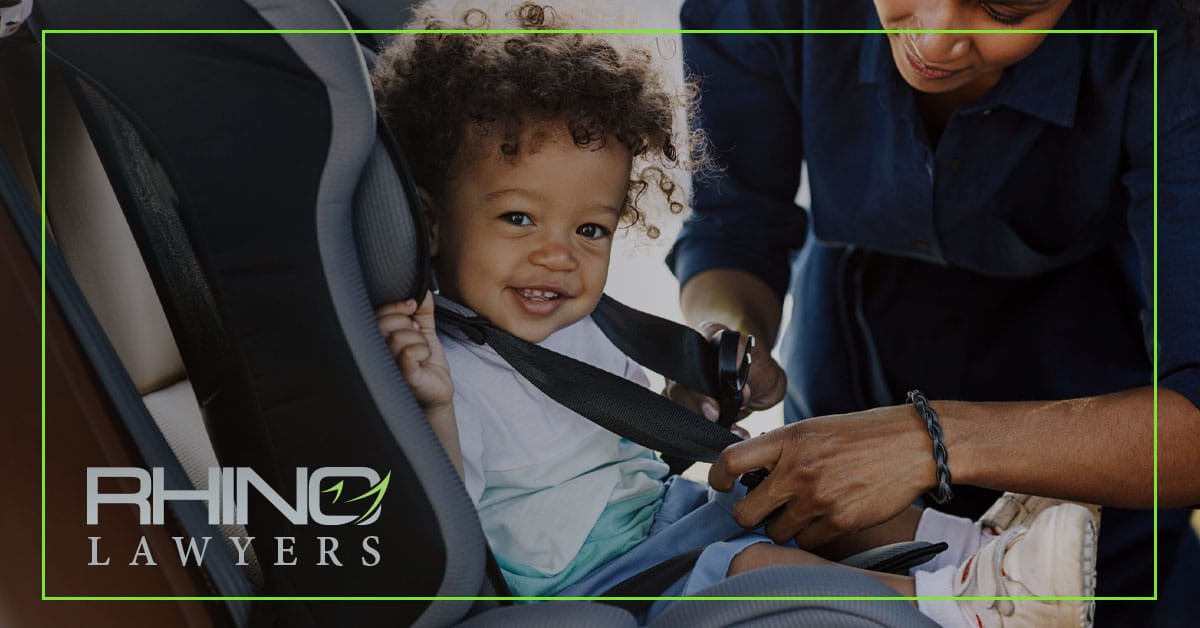
2019 Child Safety Seat Laws in Tampa Florida
All parents and guardians traveling through Florida are responsible for knowing the state’s most up-to-date child safety seat laws. Like every other state in the nation, FL police take these laws seriously. So, violators could face serious punishments if they are caught. Besides fines, you could get points taken off of your license if police catch you driving around the Sunshine State with a child who is not properly secured.
Thankfully, parents have many helpful resources available to help them understand what’s expected of them. If you’re unfamiliar with these laws, then it’s well worth your time to read through Florida’s safety seat policies listed below. We’ll also share a few helpful websites you could use to better understand Florida’s child safety seat laws.
A Quick Overview Of Florida’s Child Safety Seat Laws
Florida law requires children under the age of 5 to be properly restrained in a safety device when traveling in a vehicle. For children between the ages of 0-3 years old, this could either be a separate carrier device. Or, a vehicle manufacturer’s integrated child seat. However, children between the ages of 4-5, could legally use a booster seat or the other two options listed above.
Although Florida law doesn’t specify which car seat to use, the American Academy of Pediatrics (AAP) suggests parents follow these guidelines:
- Infants should ride in a rear-facing restraint until they outgrow the manufacturer’s height and weight limits.
- After rear-facing seats, children should transition to forward-facing devices until they weigh over 65 pounds.
- Once a child has outgrown forward-facing seats, s/he should move on to a booster seat.
- Parents shouldn’t allow children to wear a car’s safety belt until they are at least 4’9’’ tall.
To read Florida’s child safety laws in full, please see Florida State Statute 316.613. You could also learn more about these laws on this Florida Highway Safety and Motor Vehicles (FHSMV) page about Child Restraints.
A Few Helpful Safety Resources
Unfortunately, recalls aren’t uncommon in the car safety seat industry. Parents should check the latest news from their car seat’s manufacturer. This will ensure they are using a product without any potential hazards. One easy way to keep tabs on car seat recalls is to visit this portal put together by the FHSMV. The National Highway Traffic Safety Administration also has a website dedicated to car seat recalls which you could find here Child Seat Recall Listings.
Not sure you installed your child safety seat is properly? Then you should schedule an appointment with a Florida Highway Patrol officer for a complimentary evaluation. To find an official safety screening location near Tampa or anywhere else in Florida, please visit this webpage put together by the FHSMV.
Using all these resources will help you when traveling with your little ones. Keeping your child safe from the Panhandle all the way to the Keys.
Read More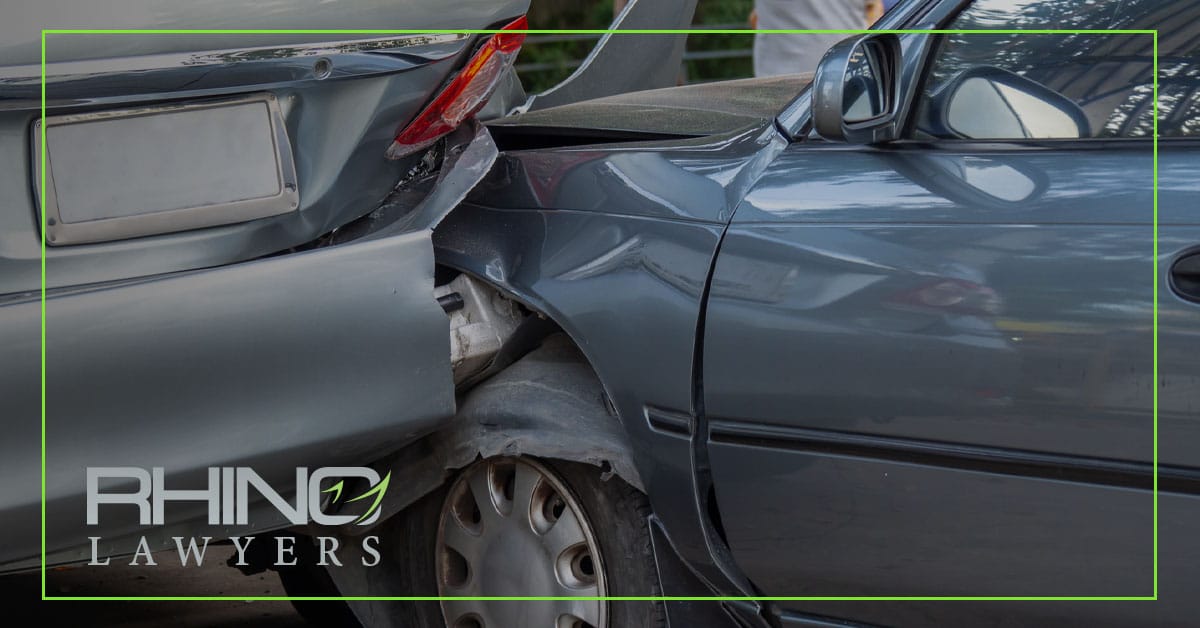
Intentional “Accidents” and Personal Injury Claims
A woman driver struck a man on I-4 just north of Hillsborough Avenue around 7 p.m., Thursday, April 25th, 2019, and police at the scene say that it looked like it was intentional. According to witnesses, a man exited his stopped pickup truck and walked across the interstate. After, the woman driver then crossed all three lanes and struck him and kept driving.
Police apprehended her a short distance away. The breathalyzer showed her to have a BAC of .219 which is almost three times the limit in Florida. They took the passenger to a local hospital with serious injuries and booked the driver into Hillsborough County Jail without bond. She faces numerous charges including DUI and vehicular assault.
Intentional “Accidents”
Criminal charges for intentionally injuring someone in an auto accident can bring up a lot of questions regarding personal injury. Many people wonder if the defendant being in jail or prison will affect their personal injury claim.
In Florida, the law allows the judge in a criminal case to order restitution for injuries and damages done to their victim. Therefore, the law allows for the following restitution:
- The cost of necessary medical and related professional services, and services relating to physical, psychiatric, and psychological care, including nonmedical care and treatment rendered in accordance with a recognized method of healing.
- The cost of necessary physical and occupational therapy and rehabilitation.
- Reimbursement of income lost by the victim as a result of the offense.
- An amount equal to the cost of necessary funeral and related services if an offense that resulted in bodily injury also resulted in the death of a victim.
However, often, the defendant is unable to pay these themselves, and you can’t use auto insurance payments to pay a court-ordered penalty or fine. So, this leaves the victim to turn to the civil courts for compensation.
Personal Injury Claim
Fortunately, there is no requirement that an “accident” actually be accidental before an insurance policy will cover the losses. Hence, if the defendant was insured with a typical insurance policy, all that is required for the company to pay is that the injuries come from the operation of the insured car.
Incidentally, the injured person still has to prove that the collision was the fault of the driver and that the driver was negligent in the operation of the vehicle.
One issue that comes up is whether doing something intentionally is considered “negligent” for making a personal injury claim. The answer is yes. By definition, if a person does something recklessly and without care to others, and that causes a personal injury, then they are negligent.
Damages in an intentional personal injury
A person can claim any losses in an intentional personal injury that they could in a typical accident. Some of the most common are:
- Medical Bills
- Lost Wages Past and Future
- Pain and Suffering
- Loss of Quality of Life
- Mental Anguish
- Rehabilitation
- Job Training
Punitive Damages in Intentional Personal Injury in Florida
Florida allows for punitive damages against someone who does something particularly egregious. If this is the case, the court can award up to three times the compensatory damages as punitive damages. However, Florida specifically precludes punitive damages done by the insured if the act was intentional.
Tampa Auto Accident Lawyer
Lastly, if you’ve been injured in by someone intentionally, talk to our personal injury team about possible compensation for your injuries. Don’t let the insurance company tell you that their policy doesn’t cover the damages. Rather get advice from someone on your side.
RHINO Lawyers is the powerful, results-driven law firm, that takes Insurance Companies and Bullies “head-on!” We describe our bold modern approach to “Accident & Personal Injury Law” and “Our Personal Mission” to empower Florida’s families to “Take Charge!”
Read More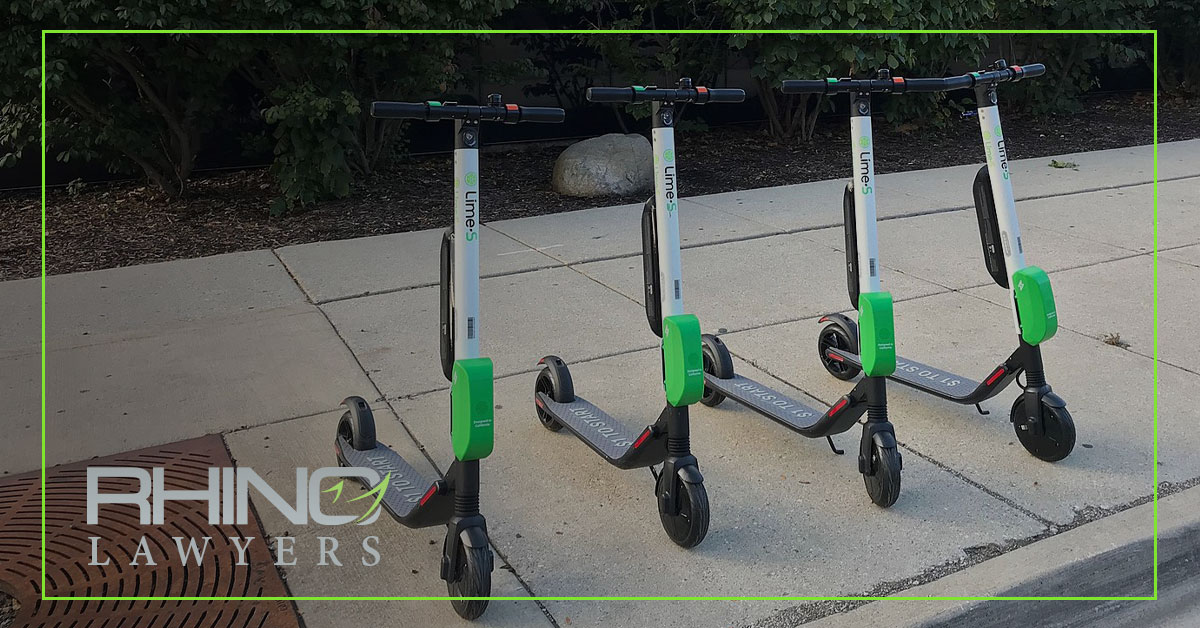
Can I Get a DUI on a Bike or Electric Scooter in Tampa?
To begin with, Florida Statutes section 306.003(75) defines a vehicle as every device, in, upon, or by which any person or property is transported or drawn upon a highway. Except for devices used exclusively upon stationary rails or tracks. Thus, they define a bicycle as any vehicle propelled solely by human power. And, every motorized bicycle is propelled by a combination of human power and an electric motor helper. Pursuant to this definition, Florida courts have held bicycles to be vehicles. Bicyclists have the right to share the road with motorists. In addition, they must also follow the same laws as motorists. Those laws include the prohibition against driving under the influence of alcohol, drugs, or any combination of the two.
Other Forms of Transportation the Florida DUI applies to
Under the same rationale, electric bicycles and scooters are vehicles too. So, only a small minority of states classify them as such, but that’s the law in Florida. Incidentally, it isn’t going to change within the foreseeable future. In the recent past, these Florida DUI vehicle laws have applied to many different instances. For example, it applied to:
- A man on an expressway riding a horse.
- Someone driving a riding mower home from the neighborhood liquor store.
- A man on a golf cart.
In California, police have already arrested someone for causing an accident while DUI on a scooter.
When Can the law find you guilty of driving under the influence?
They can find you guilty of driving under the influence (DUI) for operating a vehicle with a BAC of .08 or higher. Yet, if a person operates a vehicle with impaired normal faculties the law can find them guilty of DUI. Thus, evidence of impairment might be in the form of a police officer’s observations or admissions by the operator. As well as, alcohol or drugs found upon a lawful search. These laws apply to conventional or electric bicycles and scooters too.
Take notice that a bicycle or scooter DUI in Florida is punishable. In fact, they have the same penalties as a DUI when operating a motor vehicle. Even if a Bird or Lime scooter or bike is available after an evening out. Taking a taxi, Uber or Lyft is still a far less expensive alternative than getting a DUI.
Please feel free to read more about electric scooters coming to Tampa or what to do after a DUI.
CONTACT TAMPA TRAFFIC TICKET ATTORNEY
RHINO Lawyers can help and guide you through a system molded by law enforcement, judges, and lawyers for decades. Having won cases for our clients in similar circumstances, our criminal defense team knows what it takes to fight on your behalf.
Let RHINO Lawyers answer your questions and review the facts of your case with a Free Consultation. Get started by completing the “Free Instant Case Evaluation” or by calling us any time, day or night, at 844.329.3491.
Read More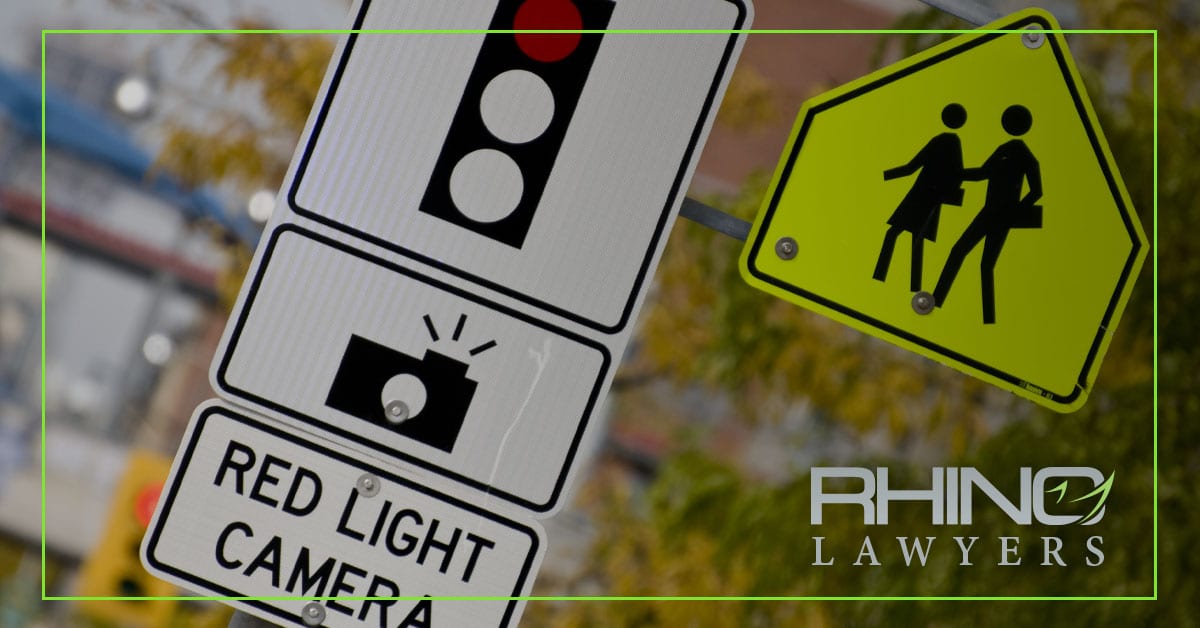
How Much Do Red Light Camera Tickets Cost in FL?
Always be cautious about red light camera intersections in Florida. If you’re unfortunate, and you get caught failing to stop in an intersection during a red light; you’re in a very difficult legal position. They send you a traffic ticket through the mail. After, you’ll have 30 days to pay it. Fines vary from municipality to municipality. But if you pay your ticket within those 30 days, the minimum fine will be about $158. The only good news with paying the fine is no points are added to your driver’s license.
If you fail to pay that ticket within the 30 day period, the fine increases to a minimum of about $262 plus court costs. Plus, you receive three points on your license. Take notice that if you’re making a right turn on red and not proceeding prudently and carefully, most municipalities will still ticket you, even if you creep through a red light slower than at a walking pace.
The last thing that you want to do about a ticket issued on an alleged red light camera violation is to ignore the ticket. Incidentally, they could suspend your driver’s license. On that offense, the fines get even higher, and you’ll still need to pay the red light camera ticket fine. Don’t forget about the driver’s license reinstatement fee either. Either pay the $154 for a red light camera ticket within 30 days or contest it within 30 days. If you contest it, visit with us right after that.
Let the criminal defense team at RHINO Lawyers answer your questions and review the facts of your case with a Free Consultation. Get started by completing the “Free Instant Case Evaluation” or by calling us any time, day or night, at 844.329.3491.
Read More
Can I still Sue if the Driver is Sent to Jail in Florida?
What happens when you lose a loved one in an auto accident by a drunk driver or they have been charged with manslaughter? Does this affect the options of those left behind? Can they still make a claim for wrongful death?
Typically, in a wrongful death claim, the at-fault driver hasn’t committed a crime or is charged with a homicide. Those making the claim just have to prove that the driver was negligent. To prove this, the family must show that the driver failed to use the proper care and that failure resulted in the death of the victim. Once established, then the family must show how the death has affected them emotionally, physically and financially.
Criminal Conviction and Restitution
When the person is drunk, charged with a DUI, and possibly a vehicular homicide, many wonder how this affects their wrongful death claim. If convicted, then in many states, the court will require financial restitution from the defendant to the victim’s family.
This usually consists of certain sums of money allowed under the criminal statute such as medical bills, property damage and lost time from work. This doesn’t affect a civil suit against the person as the laws are different for civil and criminal cases.
This means that the victim’s family will still have the right to make a civil claim for damages based on a wrongful death, and even if the criminal court orders the defendant to pay criminal restitution, any funds paid to the victim’s family will not have to be paid back nor will the defendant be given credit for those payments against the amount owed in a civil suit.
What if the Defendant’s Found Not Guilty?
Sometimes a person charged with DUI or vehicular homicide will win their court case and be found not guilty. When this happens, then there is the worry that the civil court will look at the not guilty charge and dismiss the civil wrongful death claims against the defendant.
However, by law in all states, a civil case can’t use a criminal conviction or acquittal to either determine fault or absolve the defendant of their liability. Again, this is because the two systems—criminal and civil—are separate and operate under their own laws, court rules and precedence.
Making a Wrongful Death Claim
A wrongful death claim is made in civil court and operates under the doctrine of negligence. If they find the defendant to have acted carelessly and without due caution to the deceased, and that carelessness and lack of caution caused the death of the person, then the defendant’s liable to the family of the deceased.
Who can Make a Wrongful Death Claim?
The law requires that the person making the wrongful death claim have some legal relationship with the person such as blood-related (immediate family), adoption or marriage. This allows anyone such as a spouse, sibling, parent-child or another close family member to seek compensation for their loss.
However, the person making the claim will need to prove two things. First, they need to prove the other person caused the death through their negligence. Second, they need to prove they experienced financial harm because of the death Most often, the estate of the deceased makes the claim, and all those who had compensable losses can share in the award.
Do You Need an Attorney Needed to Make a Wrongful Death Claim?
In most states, a legal representative of someone’s estate needs to file a wrongful death claim. The court typically appoints the administrator of the estate. Often this person was named in a will. However, this person doesn’t have to be an attorney.
When involving an estate, you must follow certain laws. These laws ensure acknowledgment and given notice to all claims to the estate. Failure to do so can result in the representative being sued. Also, there are certain deadlines and form requirements for filing a civil suit for wrongful death. A mistake in any one of these can possibly harm the case.
Who Pays in a Civil Wrongful Death Case?
Some wonder will the person’s insurance pay for damages if the incident happened during a criminal act. However, all states require an insurance policy to pay for damages. As long as, their client is liable for damages while driving the insured car.
A defendant could have a judgment entered against them and face a lawsuit if they were driving without insurance. But, without an insurance company paying for the judgment, many times the victims are unable to collect.
However, there are options with the deceased’s insurance policy. If the victim had an auto insurance policy, and if the policy had certain provisions, the family may be able to collect some of the compensation allowed under the law. Those options are:
- Medpay: This is a provision that drivers can get on their policy. It will pay for medical bills regardless of who is at fault or injured so long as involvement includes the insured or their vehicle.
- Personal Injury Protection (PIP): This works similar to Medpay, but it pays medical bills and other damages like pain and suffering and loss of wages. It also pays out regardless of the injured party or at-fault so long as it involved the insured or their vehicle.
- Uninsured/Underinsured (UM/UIM): Most insurance policies have uninsured/underinsured provisions. These will pay those covered by the policy for all personal injury damages; if the other driver is underinsured or has no insurance. This can include not finding a hit-and-run driver, so long as they were at fault in the accident.
Almost all states require their drivers to either have insurance or proof that they could pay an amount equal to the minimum policy limits in that state. Only one state, Virginia, does not require their drivers to pay for an insurance policy. However, they have to pay a fee of $500 a year if they do not have insurance.
Some states require either UM/UIM, PIP or Medpay while others do not. In all states, the insurance company will sell the driver an add-on policy provision if it’s not required by law.
Contact RHINO Lawyers
If a loved one was killed by a negligent driver, contact Tampa’s Auto Accident Lawyers today for a free consultation and case evaluation. In many cases, there is more than just one negligent party. We’re competent and compassionate lawyers who will advise you of options in your best interest. If retained, our personal injury team will hold everyone accountable who contributed to the wrongful death of your loved one.
Read More
Passenger Killed in Road Racing Crash in Lakeland FL
The drivers of a Jeep and a motorcycle squared off at a stoplight both revving their engines. When the light turned green the vehicles took off, and after racing a few blocks, the Jeep lost control and hit a light pole. Ejected from the vehicle during an accident the passenger died of her injuries. However, they took the driver to a hospital in critical condition.
The accident happened Sunday, April 14, 2019, and a Polk County Sheriff’s deputy said that the accident was needless and could have been avoided. They are still looking for the motorcycle rider who was far enough ahead of the Jeep that he might not have known that the Jeep crashed.
The crash is still under investigation, and charges are possible against the driver of the Jeep.
Street Racing Accidents
More than just speeding, street racing creates unjustified risk for those involved as well as innocent bystanders and other motorists. A study by Arizona State University’s Center for Problem-Oriented Policing found that street racers come in two primary demographics: Young divers ages 18 to 24, and older drivers, 25 to 40. The younger drivers race for prestige and bragging rights, but as they age they sometimes race because of the muscle cars they have spent years restoring and modifying for speed.
The study also focused on ancillary problems associated with racing. The draw of racing promotes other crimes for a variety of reasons. Some like auto theft to support the costs of racing, others like gambling, impairment, and use drugs to enhance the racing experience. The study identified other crimes as well:
- auto and auto parts theft,
- assaults (including assaults in retaliation for failure to pay racing bets),
- drunken driving and driving under the influence of drugs,
- insurance fraud (relating to racers betting on outcomes),
- illicit gambling,
- public intoxication/urination and other public order offenses,
- trespassing, and
Street Racing Liability
When the inevitable injuries occur, many wonder how they will receive compensation. In a typical accident, the insurance company for the driver who was at fault will pay for the damages, injuries and other financial losses. However, sometimes passengers get hurt, or maybe someone watching or participating in the race. What happens then? They hold the negligent party accountable. Negligence is when someone engages in conduct and doesn’t use the due care and caution required to keep others safe.
Passenger Injuries
When a passenger is hurt in one of the cars in a race, the most obvious at-fault person is the driver of the car carrying the passenger. If this person has auto insurance, the policy should cover the damages and injuries up to the policy limits.
Other than the driver of the car that crashed, compensation can come from the driver of the car that didn’t crash, any of the race organizers or anyone involved in the race in any way. Basically, liability falls on anyone who contributed to the cause of the accident. Because they contributed to the race which led to serious injury or even death.
What do I do if I’m Injured in a Racing Accident?
At the scene and only after you are safe and able to do so, get the names of those involved starting with the drivers of the cars that were racing. Get pictures and the names of any witnesses. However, if your injuries prevent you, in most cases, the police will investigate so you might get those from them, eventually.
Don’t talk to the insurance company of any of the racers. Even if you had involvement in the race yourself or were an innocent bystander. The reason is that the insurance company will use anything you say to either increase your fault in the incident or diminish your injuries and losses.
Talk to our personal injury team who can tell you your rights and evaluate your case. A consultation won’t cost you anything, and you will be then able to make an informed decision. RHINO Lawyers is a powerful, results-driven law firm, that takes Insurance Companies and Bullies “head-on!” We employ our bold modern approach to “Accident & Personal Injury Law” and “Our Personal Mission” to empower Florida’s families to “Take Charge!”
Read More
Can You Ignore a Red Light Camera Ticket in Florida?
You might not even know when that the red light camera gets you in an intersection. You’re a careful driver, and you’re not just going to disregard a red light. Without any intent, even our best judgment can fail us though. Tickets are issued to careful drivers every day as a result of innocent errors in speed, timing and when a traffic light is going to turn red.
Red light camera tickets are different than other types of tickets. No police officer witnesses the alleged violation pulls you over and issues you a ticket. A camera in an intersection takes a picture of your car when it doesn’t come to a complete stop at a red light. Since there’s no police officer to issue you a red light camera tickets come in the mail. They’re nearly indefensible, and they’re expensive too. Don’t ignore them though. You’ll become a victim of the ticket’s snowball effect.
Upon your receipt of a red light camera ticket, you have 30 days to contest it. If you pay the ticket, you’ll be admitting guilt, but no points will go against your driver’s license. Your insurance company will see the conviction though, so it’s likely that your insurance premiums are going to rise by at least 10 percent. Don’t just ignore the ticket though. Your fine is going to increase by about 40 percent, and if you continue to ignore the ticket, your driver’s license will be suspended. That’s part of the snowball effect. Fines will also increase if you’re stopped by a human police officer and cited for driving on a suspended license. After that, there is the license reinstatement fee.
Here’s the other surprise. Your failure to pay the ticket will likely be reported to the credit bureaus. Suddenly, you’re a deadbeat, and you’ll be paying considerably more to have credit extended to you. The snowball effect can cost you thousands of dollars in the long run. Upon your receipt of any red light camera ticket in the mail, you’ll want to contest it immediately, After that, call us and let the criminal defense team at RHINO Lawyers help you.
Read More
Are Red-light Cameras Legal in Tampa?
When you’re approaching an intersection, and the traffic light turns yellow, you have about a half of a second to make a decision on whether you have enough time to make it through the intersection before the light turns red. The amount of time that the traffic light remains yellow isn’t uniform from city to city across Florida either. It might not even be uniform from intersection to intersection in the same city. The one thing that’s for certain is that there are times when innocent people get caught in the middle. Sometime after that, they receive their notice of a red light violation in the mail. That’s when the reality of red light cameras hits people. Red-light cameras seem unfair and their fines are expensive. Yet, red-light cameras are legal in Florida.
Florida passed its red-light camera law in 2010. It’s up to the various municipalities in the state as to whether they want to use them. To date, about 50 cities in the state use red-light cameras. In 2018, they collected an estimated $100 million in revenue from red-light cameras. Legislation is pending yet again in Tallahassee to ban red-light cameras. It seems to be an annual piece of proposed legislation. The House approved a similar bill in 2018, with a vote of 83-10. However, the bill stalled in the Senate. The new bill for 2019 must still pass two committees before the House can vote on it. Assuming they approve, then it goes to the Senate again. Red-light cameras will continue to be legal in Florida unless approved the House, the Senate, and signed off on by Governor DiSantis. If that doesn’t happen, you can expect similar bills seeking to repeal Florida’s red-light camera law in future legislative sessions.
Read More
Fatal Motorcycle Crash in Pinellas Park
A motorcycle and a car crashed killing the motorcycle rider and seriously injuring the driver of the car. The accident happened around 7:30 p.m., Wednesday, April 10, 2019, at the intersection of 62nd Ave. N and 25th Street in Pinellas Park.
According to the Florida Highway Patrol, the driver of the passenger car turned into the path of the motorcycle causing the collision. The motorcyclist died later at Bayfront Health, St. Petersburg. They took the driver of the car to Bayfront and listed them in serious condition.
Police say that the accident is still under investigation and that charges against the driver of the car are pending.
Left Turn Motorcycle Crashes
Unfortunately, after a crash, many drivers say they never saw the motorcycle coming. When a car makes a left in front of a motorcycle, even the best riders are often unable to avoid a collision.
Compared to occupants of an automobile, motorcyclists are not protected by a vehicle. In almost every motorcycle accident, the rider gets knocked off the motorcycle and strikes the pavement. There are common injuries that motorcycle accident victims endure, they are:
- Traumatic Brain Injury: The head often hits the pavement or the other vehicle which puts the rider at risk for serious head injuries—even if wearing a helmet.
- Facial Injuries: Many times, the riders face can sustain serious injuries due to the open-faced helmet leaving the face unprotected.
- Broken wrists: Riders often grip their handles tight in anticipation of the crash causing a severe break.
- Chest/Rib Injuries: Riders often hit their handlebars which can cause severe compression injuries to the chest. These injuries include broken ribs and lung punctures.
- Road Rash: This happens when exposes skin comes into contact with the pavement and can be similar to burn injuries.
- Deep Bruises: Many times, the double impact (first impact and then with the road) can cause deep and severe bruising.
Do I need an Attorney?
If you or a loved one is involved in a motorcycle accident and are seriously injured, you need to at least talk to an attorney. You don’t have to hire one to make a claim, but before you do anything, talk to someone who can advise you of the law and your rights. If a loved one died you should also be aware of wrongful death claims as well.
The insurance company has one job to do, and that is to pay you as little as possible. It’s not personal, it’s their job. You need an attorney who knows the law and can go up against the insurance company on your behalf.
Contact a Florida Motorcycle Accident Lawyer.
If you were involved in a motorcycle crash, contact our personal injury team today for a free consultation and case evaluation. RHINO Lawyers is the powerful, results-driven law firm, that takes Insurance Companies and Bullies “head-on!” We describe our bold modern approach to “Accident & Personal Injury Law” and “Our Personal Mission” to empower Florida’s families to “Take Charge!”
Read More