
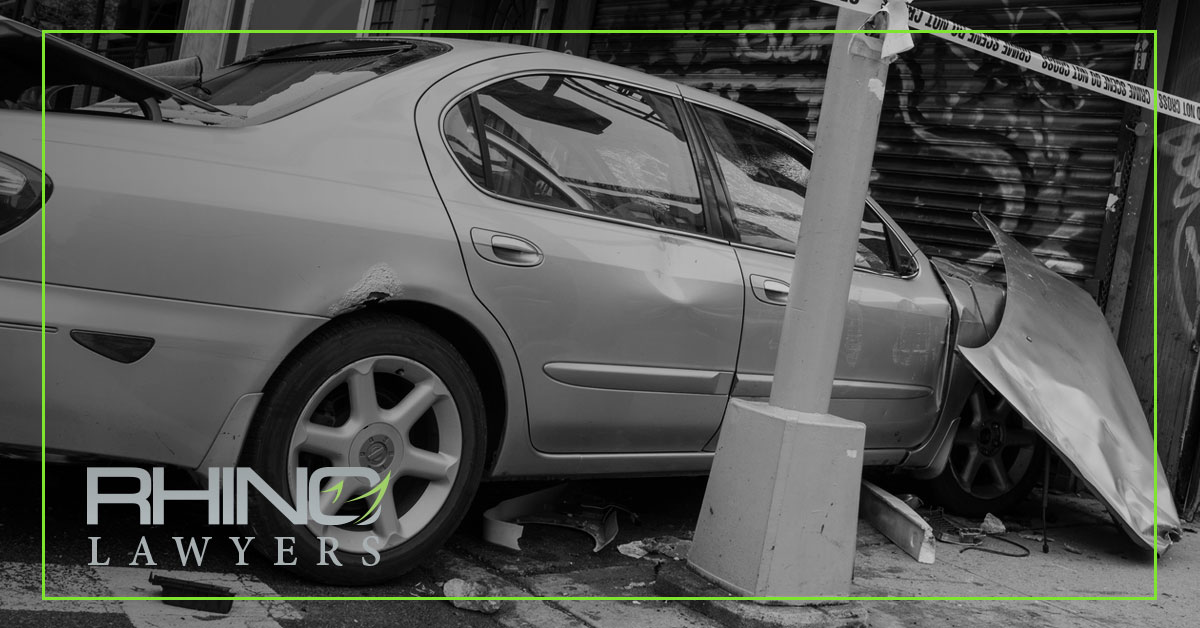
Car Crashes into Buildings – Who is Liable in Florida?
A car crashed through the wall of a business injuring an occupant of the building. The accident happened around 10 a.m., Wednesday, February 27, 2019. According to witnesses at the scene, it appeared that the driver of the Fusion hit her gas instead of the brake and came through the front of the building.
The driver had just left the office which is occupied by an insurance company and got into her car attempting to back out of the handicapped spot when she lurched forward instead. This injured one person inside the office with significant cuts and scrapes. Paramedics took them to a local hospital.
Car and Building Crashes
Cars crashing into buildings occurs over 60 times a day across the United States, according to the Texas Traffic Institute at Texas A&M University. Out of those, restaurants and other retail stores make up 43 percent of all building collisions causing over $300 million in damages.
The location of the building is a primary factor in the likelihood of a car-building accident. Although it would seem that high traffic areas such as convenience stores and gas stations would be high on the list, it is office buildings and strip-mall retail stores. Why? Because most happen by someone hitting the gas instead of the brake when leaving or parking.
Most of these types of buildings have parking stalls facing the storefront putting the stores at risk for a collision.
It catches people off guard when cars crash through buildings. In addition, they have no time to take defensive positions. The first danger is being impacted by the car itself, and then there is a fair amount of flying debris. This can result in deep lacerations, broken bones and head trauma.
What Should I do?
The first thing to do is to get treatment for your injuries. When at the scene, and if you are able, get as much information as you can, or have someone there do it for you. Pictures of the damage will help out later if a trial is needed.
Then when you have been treated and can focus on other things, call an attorney. Some people in building-vehicle accidents don’t think about getting an attorney because it wasn’t a traditional car accident. However, the driver of the car is responsible for his or her actions and will typically have insurance.
Contact a Tampa Auto Accident Lawyer
Always speak to an attorney after an accident resulting in a serious injury.
If you were involved in a crash similar to this one, contact our personal injury team today for a free consultation and case evaluation.
RHINO Lawyers is the powerful, results-driven law firm, that takes Insurance Companies and Bullies “head-on!” We describe our bold modern approach to “Accident & Personal Injury Law” and “Our Personal Mission” to empower Florida’s families to “Take Charge!”
Read More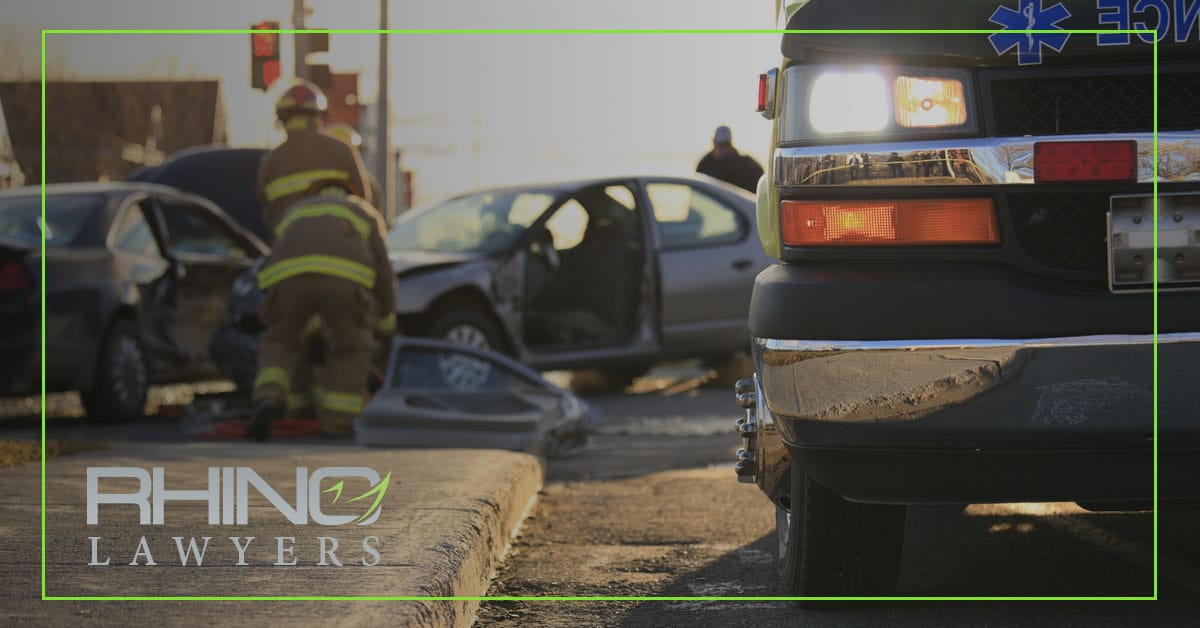
DUI Head-On Collision Kills One Injures One in Lithia
The driver of Toyota Yaris allegedly drifted across the centerline and hit a Chevrolet pickup truck in a head-on collision. The driver of the Toyota died at the scene. However, they airlifted driver of the pickup to Tampa General Hospital in critical condition. Paramedics took the passenger in the Toyota to a nearby hospital with unspecified injuries.
According to Tampa Bay Reporter, the accident happened on County Road 39 in Lithia around 4:30 p.m., Thursday, February 28, 2019. The Hillsborough County Sherriff’s Office states they suspect alcohol and drugs were a factor in the crash. Pending clean-up and investigation, authorities closed the road in both directions for several hours.
Head-On Collisions
Head-on collisions have the highest risk of fatalities than any other accident type according to the National Highway Transportation Safety Administration. This is primarily because of the speed of most head-on collisions. The momentum of both vehicles compounds the impact.
Head-on collisions can be categorized into two types: Centerline drift and wrong-way driving (WWD). Both produce similar impacts and injuries, but they happen for a significantly different reason and under separate circumstances.
Centerline Drift
Centerline drift accidents occur when one car drifts over the median and into oncoming traffic. The vast majority (85%) of centerline drift head-on crashes happen on non-divided, two-lane rural highways.
While driving a driver can drift the car a few feet for almost any reason. Many times, they can merely correct with no harm done. However, on non-divided highways, there are only a few feet between cars that are passing each other at 50+ miles an hour.
Common causes of centerline drift:
- Impaired Driving: Driving under the influence is the number one reason for centerline drift crashes. Alcohol is still the primary cause of impaired driving, however, marijuana impairment is increasing at a rapid pace due to the number of states that have legalized recreational marijuana.
- Drowsy/Fatigue Driving: Sleepiness or fatigue can cause a driver to doze off. Most of the time, the road bumps or the sensation of drifting will jerk the driver awake. However, other times the person crosses the centerline into oncoming traffic.
- Distracted Driving: On non-divided highways, it takes less than a second of drift the few feet into the oncoming lane, and thus any distraction can be deadly. Cell phone/texting is the number one distracted driving cause. Others are eating, make-up/shaving, radio/CD player, interacting with other passengers.
Wrong-way Driving (WWD)
Wrong-way driving (WWD) is another type of head-on collision and it happens only 15 percent of the time. According to the NHTSA, WWD happens when a car enters a divided highway and travels against the designated direction of that lane. This happens when someone enters the freeway from an off-ramp or turns the wrong way when crossing a divided highway.
Common causes of WWD are:
- Impaired Driving: The NHTSA reports that impaired drivers cause over 60 percent of all WWD crashes. Almost all WWD comes from an error in judgment or in observance of the driver. Impaired drivers by definition have diminished reasoning and judgment.
- Visibility: Most WWD happens at night, and poor visibility can cause someone to miss the signs and/or become confused as to where to go.
- Poor Signage: Often time, the signs that show proper direction or the warning signs are either in poor repair or insufficient in design. This can cause even an awake and unimpaired driver to make a mistake.
- Purposeful WWD: In a small percentage but a significant number of accidents the driver will enter the wrong way on purpose in an attempt to end their life or harm others.
DUI and Head-On Collisions
Impaired driving is the number one cause of both types of head-on collisions. For centerline drift cases, the impairment contributes to the likelihood that the driver will drift across the centerline. This is especially hideous as it puts others at extreme risk of injury and death. It’s also a fact that the impaired driver has a statistically higher chance of surviving the accident than those in the other car.
In a WWD, impairment contributes to the driver entering the wrong direction on a divided highway. While there could be other reasons like poor signage or bad visibility, impaired driving makes the mistake more likely. Once going the wrong way, impairment is likely to reduce the ability of the driver to recognize that they are going the wrong way.
Common Injuries With Head-On Collisions
Head-on crashes are typified by high-impact collisions and thus produce common injuries. Some of them are:
- Blunt Force Trauma
- Head Injuries/Traumatic Brain Injuries
- Broken Bones
- Internal Injuries/Bleeding
- Airbag injuries
Contact a Tampa Bay Area Car Accident Attorney Today
Always speak to an attorney after any head-on collision accident resulting in a serious injury.
If you were involved in a crash similar to this one, contact our personal injury team today for a free consultation and case evaluation.
RHINO Lawyers is the powerful, results-driven law firm, that takes Insurance Companies and Bullies “head-on!” We describe our bold modern approach to “Accident & Personal Injury Law” and “Our Personal Mission” to empower Florida’s families to “Take Charge!”
Read More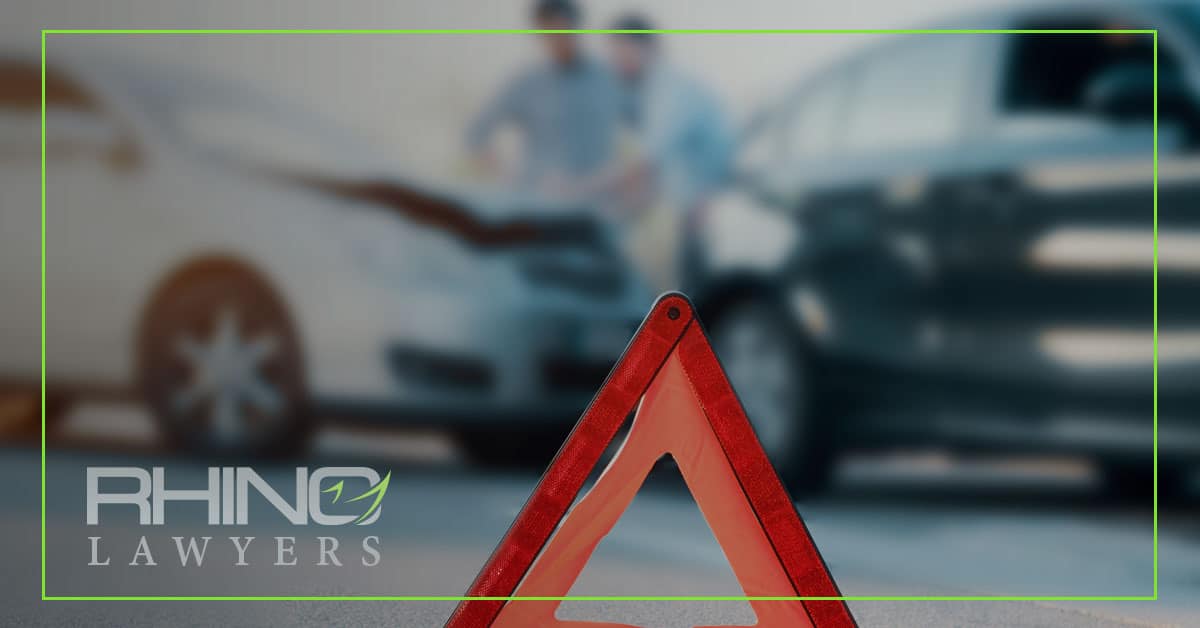
Crash on U.S. 41 Leaves People Trapped in Their Car
On February 24, 2019, a terrible crash occurred on U.S. 41. Two vehicles collided injuring four people. As a result, they had to extract two people from their cars. According to a Pasco County Fire and Rescue official at the scene, both victims were trapped in their cars for a time until the correct equipment and personnel arrived.
Police temporarily closed U.S. 41 during the rescue but has since reopened. All four are at a local hospital. Authorities had not filed charges against either driver at the time of the report.
Jaws of Life and Injuries
Emergency personnel will often use the Jaws of Life. A trademarked name for the first one developed. Another tool is the hydraulic rescue tool. They allow EMS workers to pry, cut and spread parts of a vehicle to allow rescuers to free a trapped person by the crash. Since its invention in 1961, it has saved countless lives and made injuries less severe.
The tools use liquid hydraulics to provide power to the tool which usually has two “jaws” that can be brought together or separated with great force. First responders used them to cut through steel, sheet metal and other composites in automobiles. The jaws can also be used to spread things apart so that rescuers can get at the victim to treat them and then free them from the car.
The EMS personnel will assess the situation of a trapped person. Then if needed they will have the Jaws of Life brought to the crash scene. Typically, each responding unit has a person in charge, based on rank or seniority, and this person will make the call to use the tool. In most cases, a responding EMS unit will have at least one person trained to use the device.
Do I need an Auto Accident Attorney?
Always speak to an attorney after an accident resulting in a serious injury.
If you were involved in a crash similar to this one, contact our personal injury team today for a free consultation and case evaluation.
RHINO Lawyers is the powerful, results-driven law firm, that takes Insurance Companies and Bullies “head-on!” We describe our bold modern approach to “Accident & Personal Injury Law” and “Our Personal Mission” to empower Florida’s families to “Take Charge!”
Read More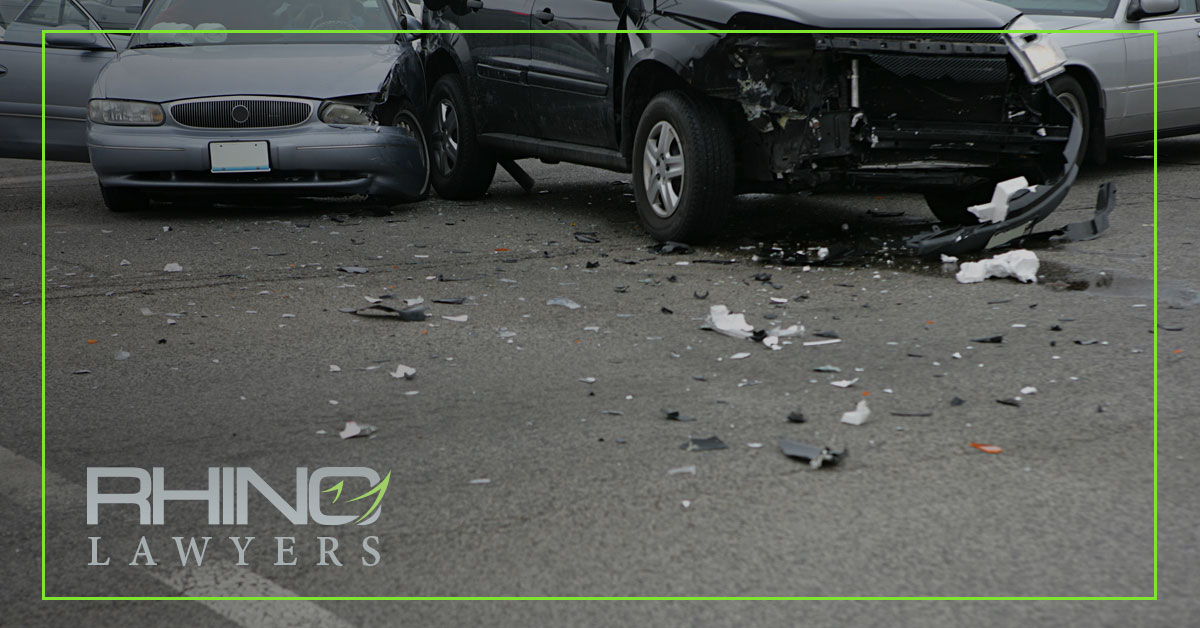
Multi-Car Crash in Riverview FL Kills Good Samaritan
A Buick sedan rear-ended a pickup stopped on the highway in Riverview in the far right lane. A retired firefighter got out to help out, and a Toyota Camry hit both cars and the retired firefighter killing him instantly. One vehicle in the multi-car crash burst into flames because of the impact with the Camry. The accident happened 4:30 a.m. Sunday, February 24, 2019, on I-75 near the U.S. 301 exit.
Police at the scene say that the driver of the pickup truck was intoxicated and had been driving slow then speeding up and then stopping inexplicably. The Florida Highway Patrol says that several motorists had called in to complain about the driver of the pickup. He was arrested and charged with DUI, and police say that more charges are likely.
Multi-Car Crashes and Secondary Crashes
Some of the most dangerous crashes happen after a collision has already occurred. A person survives the first crash. However, a second crash caused by new arrivers that can’t slow down in time kills the person. Someone stops to help people in the first crash. Then a secondary crash injures or kills them.
The Federal Highway Association defines a secondary crash as “a crash occurring as a result of a previous crash.” The difference between a secondary crash and a typical multi-vehicle crash is that there is a connection between the crashes and there is typically time between the primary and secondary crash.
This is important because there is a chance for first responders to reduce the risk of secondary crashes. Each year, there are over 10,000 secondary crashes reported to the National Highway Transportation Administration. According to a study in the International Journal of Transportation Science and Technology, around 18 percent of all freeway fatalities happen as a result of secondary crashes.
Factors for Secondary Crashes
Freeways, as opposed to two-lane highways, carry a higher risk of secondary crashes. There are also other factors that lead to secondary crashes. They are:
- Number of lanes: The higher the number the higher the risk.
- Time: For each minute that the accident remains, there is a 2.8 percent increase in the risk of a secondary crash.
- Visibility: Rain/snowstorms, fog, lack of road lights and any other visibility limiting conditions increase the risk of secondary crashes.
- Speed: The faster the car, the more time it takes to stop after the driver is aware of the problem.
- Traffic Congestion: Highly congested lanes lower the risk of a secondary crash as cars are going slow. However, heavy traffic where the speeds are high is a risk factor of secondary crashes.
- Road Design: Tight turns or hills that can block the view of the roadway are factors.
Secondary Crashes and Liability
Typically, the at-fault driver in a crash is responsible for the damages that resulted from the crash. However, this becomes a bit murky after a secondary crash. Is the at-fault person in the first crash on the hook for all other crashes? Or maybe just a few of the secondary crashes are the first person’s fault, the rest belong to the other drivers who failed to stop?
In personal injury law, each person is liable for their negligent acts as long as the damages were foreseeable. This means that for every injury you look at the cause and whether it’s reasonable to say that the subsequent damages were foreseeable.
For example, if a drunk driver was the instigator of a secondary crash, this would not be the fault of the primary at-fault driver. However, if a crash happened and then a few minutes later a second car hit the cars that were already there, a court might place some of the blame on the first at-fault driver.
Do I need an Auto Accident Attorney?
You need to speak to an attorney if you are involved in a secondary crash that resulted in an injury. In the event, a loved one is lost you should also learn about Florida’s wrongful death claims. The insurance company will look at every possible angle to point the finger of blame away from their client. Don’t talk to the insurance agent, talk to your own attorney first. So don’t go it alone, call an attorney who can deal with the insurance companies. Contact the RHINO Lawyers who can stand up to the insurance company bullies and take them head-on! Anyone injured due to the negligence of another driver in Florida can come in for a free consultation and our personal injury team will offer you advice.
Read More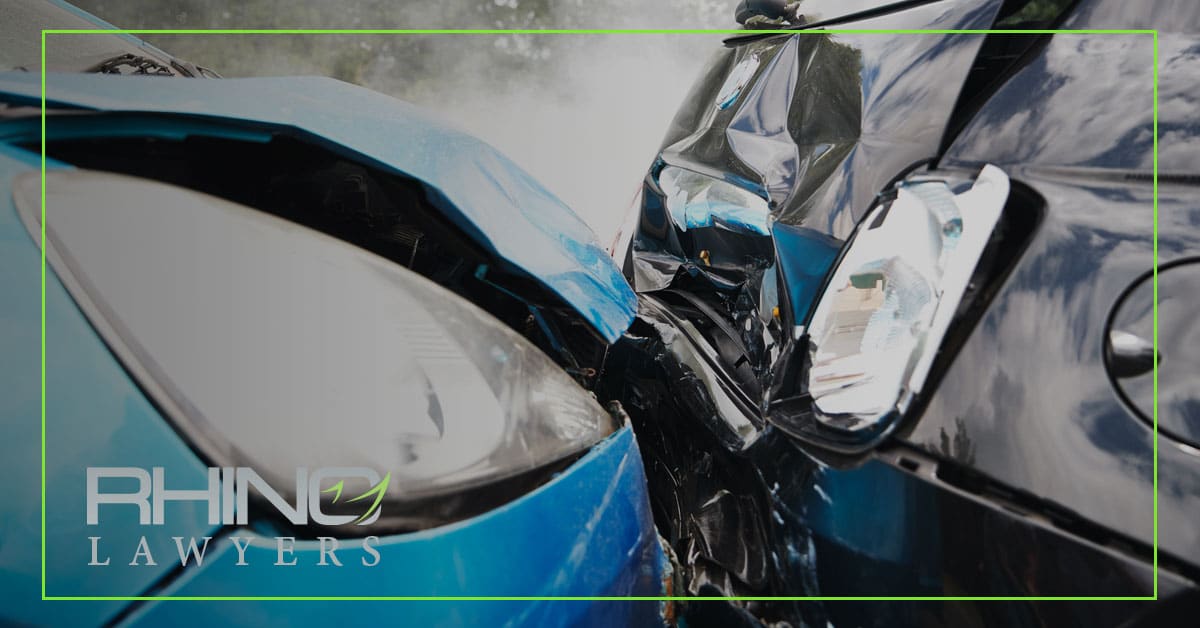
Tampa Rearend Crash Results in Rollover – DUI Related?
A Toyota Camry allegedly rear-ended a Hyundai Elantra causing the Camry to flip and roll over several times. The rollover accident happened just after 1:15 a.m., Saturday, February 23, 2019. A Florida Highway Patrol officer said that the driver of both cars were injured and the driver of the Camry was in serious condition and taken to St. Joseph’s Hospital.
The FHP also says that the driver of the Camry was possibly intoxicated, and charges are likely. The rear-end crash happened on northbound I-275 approaching State Road 60 in Hillsborough County.
DUI Rollover Crash
Second, only to head-on Collisions in risk of fatality, a rollover crash can cause serious injury to the occupants of the car. According to the National Highway Transportation Safety Administration, roll-over crashes have a much higher fatality rate than a typical two-car accident. Out of the 9 million vehicle crashes in 2010, for example, only 2 percent (140,000) were roll-overs. However, nearly 35 percent of all traffic fatalities came from roll-over crashes.
Two factors greatly impact the risk of death or serious injury in a rollover: ejection and a seatbelt. A person ejected from a vehicle has an increased risk of death. The NHTSA reported that 81 percent of full ejections ended in death for the occupant. If the person was wearing their seatbelt, the risk of ejection greatly diminished.
Seatbelts and Rollover Accidents
In a study by the National Center for Biotechnology Information, seatbelts reduce the risk of an ejection during a rollover accident from 20 percent to .03 percent. This means wearing a seatbelt reduces the chance of an ejection in a rollover to almost zero. Also, since the person didn’t leave the vehicle, their chance of survival went significantly up.
Roll-Over Liability
In all personal injury cases, the person who is negligent is going to be liable for the damages. The driver of the car that rolled over vehicle typically causes a rollover accident. This means that victims sometimes have to sue the driver of the car of which they were an occupant.
Since the issue of a seatbelt greatly impacts the likelihood of a serious injury or death in a rollover. Thus, becoming an issue for liability. The insurance company will try to make the case that a person wearing a seatbelt would have less injuries or none at all.
This sounds logical, but the truth is not wearing your seatbelt doesn’t automatically make you not eligible for compensation for your injuries. However, it may reduce the amount you will get, depending on the circumstances.
Do I need an Attorney?
Unfortunately, if you are involved in a rollover accident or rear-end crash where injury occurred, eventually you will have to deal with the financial loss that comes with it. The best thing to do—after you take care of your immediate medical needs—is to talk to someone who can advise you of your rights and legal options. This doesn’t mean that you have to retain an attorney, but speaking to one can give you the correct information to make a decision.
Contact a Tampa Auto Accident Lawyer
So, after any crash, contact an attorney if there is a serious injury or loss of a loved one. RHINO Lawyers is the powerful, results-driven law firm, that takes Insurance Companies and Bullies “head-on!”
Anyone injured due to the negligence of another driver in Florida should contact us for a free consultation. Our personal injury team will offer you advice to help you get the compensation you deserve.
Read More
Clearwater Man Killed In Harley Davidson Crash
A 66-year-old motorcycle rider died when a driver allegedly turned into the path of the motorcycle. Both the car and the motorcycle were traveling on Old Coachman Road when the KIA suddenly took a U-turn right in the path of the motorcycle rider. Thrown from his Harley Davidson the rider hit the front windshield of a 2014 KIA. The rider of another motorcycle attempted to swerve to avoid the accident. Causing them to lay the bike down, and it slid and hit the rear of the KIA.
Paramedics took the rider of the Harley Davidson to the hospital where he later died. However, they were able to treat the rider of the second motorcycles’ injuries at the scene. Police say that the crash happened around 9:30 a.m., Saturday, February 23, 2019, on Old Coachman Road, and that at the time, charges against the driver of the KIA were pending.
Motorists Causing Motorcycle Rider Crashes:
According to the National Highway Traffic and Safety Administration (NHTSA), in two-thirds of car-motorcycle accidents, the collision is caused by the driver of the car failing to yield to the right-of-way of the motorcycle. In these accidents, the rider of a motorcycle is 28 times more likely to die. The rider is five-time more likely to sustain significant injuries than those in other vehicle collisions.
Along with having a lower profile, motorcycles are much lighter than cars. This puts the motorcycle rider at a great disadvantage in a collision. Also, almost always the impact throws the motorcycle rider off the bike. As a result, they hit the ground with great force.
Tampa Motorcycle Accident Lawyer
The best thing to do after a motorcycle crash is to focus on getting immediate medical treatment. And, then once out of danger, talk to an attorney who can advise you and evaluate your case. If the insurance company calls, don’t talk. It’s not personal, but they have a job to do, and that is to pay you as little as the law allows. It is strongly recommended to speak with a Tampa motorcycle accident lawyer after any motorcycle crash resulting in a serious injury or death.
So don’t go it alone, call an attorney in Tampa who can deal with the insurance companies. Contact the RHINO Lawyers who can stand up to the insurance company bullies and take them head-on! Anyone injured due to the negligence of another driver in Florida can come in for a free consultation and our personal injury team will offer you advice and help you deserve.
Read More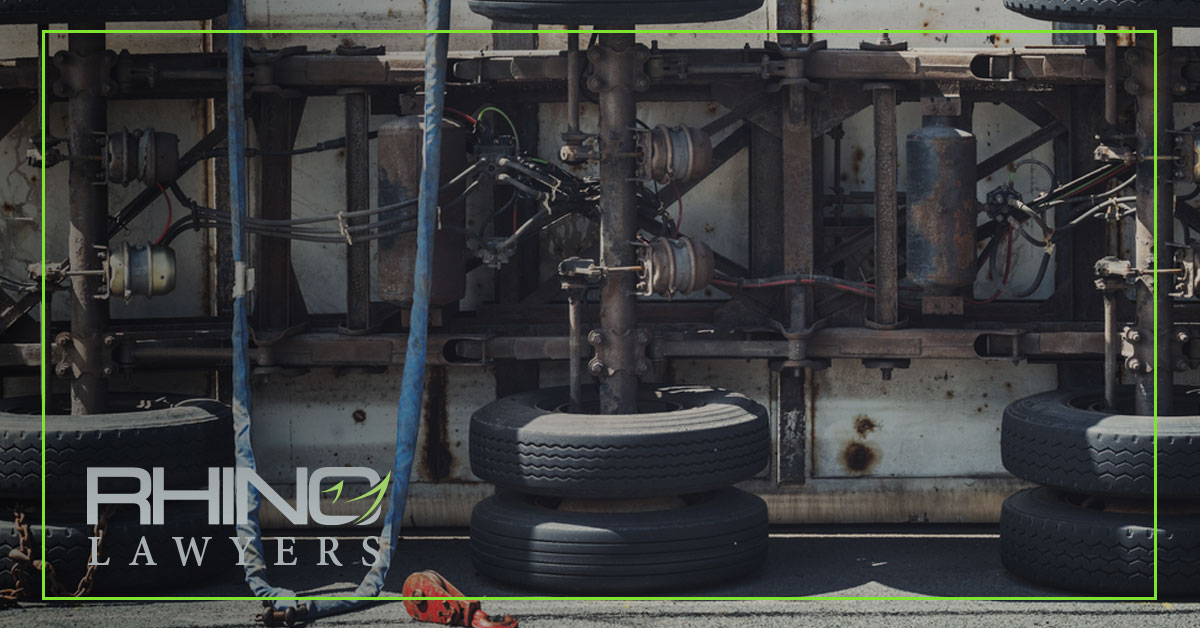
Reckless Driver Overturns Trailer Injuring Two
The reckless driver of a black Acura weaved in and out of traffic causing a tractor-trailer to jackknife and then turn over spilling hazardous material. The accident happened on northbound I-75 just south of B. Downs Boulevard around noon on Thursday, February 21, 2019.
Police say that the 27-year-old female driver of the Acura approached the semi in the far-right lane at a high rate of speed, then swerved into the far-left lane and then veered back across all four lanes and struck the tractor-trailer in the front wheel causing it to turn over. Another motorist caught the incident on his dashcam.
Police arrested the driver of the Acura and charged them with reckless driving. Then they called a hazmat team to clean up the contents of the trailer. Authorities say that the accident injured two people, but it’s unknown which car they were in or who they were.
Aggressive Driving Crashes
Aggressive driving is one of those things that is difficult to define but you know it when you see it. The National Highway Traffic Safety Administration (NTHSA) defines aggressive driving as occurring when “an individual commits a combination of moving traffic offenses so as to endanger other persons or property.”
Basically it’s driving fast in and out of traffic, cutting people off and sometimes throwing a few hand gestures out when people honk or react. There are no direct statistics on aggressive driving. However, the NHTSA’s Fatal Accident Report states that some of the contributing factors found in aggressive driving were factors in 56 percent of all fatal crashes from 2003 to 2007. Some of those factors are:
- Excessive Speed
- Following improperly
- Improper or erratic lane changing
- Illegal driving on road shoulder, in a ditch, or on sidewalk or median
- Passing where prohibited
- Operating the vehicle in an erratic, reckless, careless, or negligent manner or suddenly changing speeds
- Not yielding right of way
- Failure to obey traffic signs, traffic control devices, or traffic officers, failure to observe safety zone traffic laws
- Failure to observe warnings or instructions on vehicle displaying them
- Failing to signal
This might seem a bit misleading because many of these factors that were present in a fatality did not definitively show that “aggressive driving” was involved. However, the NHTSA does attribute a high rate of speed as a factor in 26 percent of all fatalities and it is a central component to aggressive driving.
How to Protect Yourself from Aggressive Driving Accidents
The state of Utah’s Zero Tolerance Initiative has focused on aggressive driving as a significant cause of injuries and fatalities. They make recommendations to drivers who encounter aggressive driving:
- Wear your seat belt. If your encounter with an aggressive driver results in a crash, your seat belt will significantly reduce your chances of being injured or killed.
- Don’t play their game. Back off and let them go on their way. Remember, it’s not a competition and it’s not your job to teach them a lesson.
- Ignore honking and rude gestures. Don’t respond and don’t make eye contact. It will only escalate the hostile feelings.
- If you can do so safely, contact police with the vehicle description, license number, the location and direction of travel.
The initiative also addresses the aggressive drivers in an effort to make drivers aware of the danger they put themselves and others in when they drive aggressively:
- Plan ahead to avoid the worst congestion and allow yourself plenty of time to travel.
- Take a deep breath, chat with a companion, listen to music. Getting stressed and upset will not get you there any faster and it might shorten your life.
- Don’t drive when you are feeling angry, upset or fatigued.
- Driving should not be a race. Leave your competitive instincts at home or save them for the field.
- Treat others the way you would like to be treated. Courteous driving encourages other drivers to be courteous. Aggressive driving influences others to drive aggressively.
What if I’m Injured by an Aggressive Driver?
If you find yourself a victim of an aggressive driver, first do not engage with the driver if they are still at the scene. Many times, these incidences lead to violent road rage behavior. Stay in your car and call the authorities.
Then the next thing to do—if you can safely–get information of the vehicle by memorizing the plate or taking a picture. Be careful not to engage with aggressive drive while doing so. Then focus on your injuries and medical treatment, this is more important in the short term.
There is a good chance someone from the insurance company for the driver will try to talk to you about the incident. Don’t speak to them before you talk to an attorney. Even if you don’t hire one to help you with your claim, most law firms have a free consultation where you can get advice and an evaluation of your case.
If you talk to the insurance agent unprotected, they might take something you said and try to make the incident your fault. If you do decide to have representation, then get an attorney who can stand up to the insurance companies and their lawyers and fight for you.
Contact a Tampa Auto Accident Lawyer
After any crash, contact an attorney if there is a serious injury or loss of a loved one. RHINO Lawyers is the powerful, results-driven law firm, that takes Insurance Companies and Bullies “head-on!”
Anyone injured due to the negligence of another driver in Florida should us for a free consultation. Our personal injury team will offer you advice to help you get the compensation you deserve.
Read More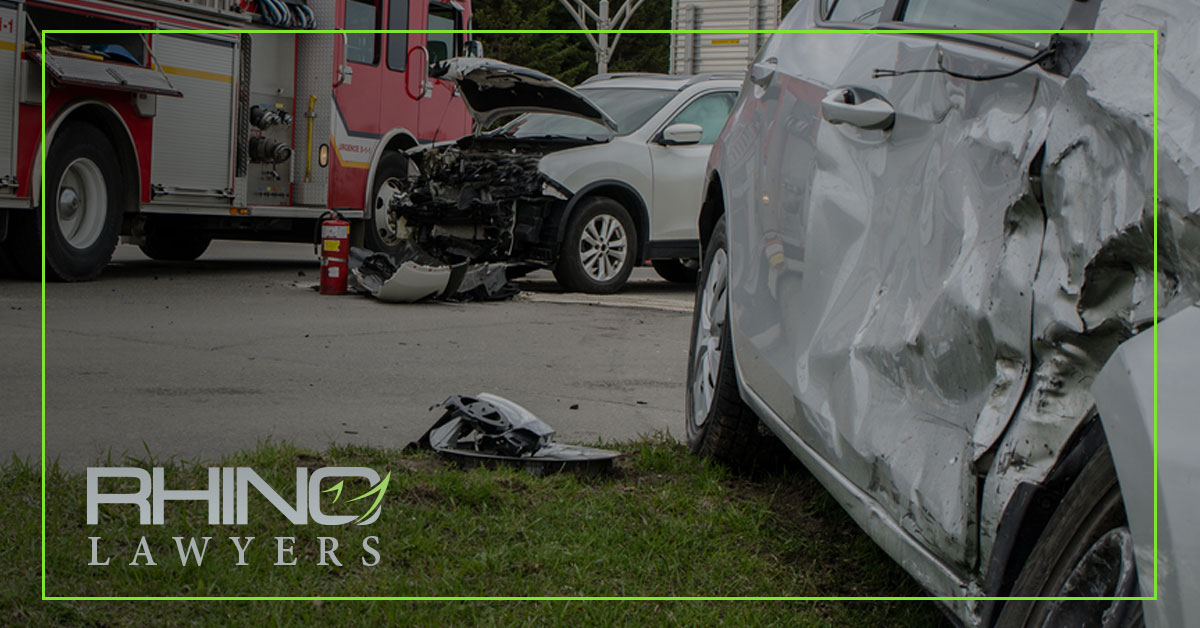
Multi-Car Vehicle Crash on I-275 Sends one to Hospital
Five vehicles tangled injuring at least one motorist Friday around 2 p.m. February 17, 2019. According to the Florida Highway Patrol, the multi-car crash involved several vehicles which struck each other on I-275 near the Lois Avenue exit.
They towed three of the vehicles due to sustaining a fair amount of damage. The impact was significant enough to cause one of the drivers severe chest pains. Paramedics took them to a local hospital. It’s unknown if drugs or alcohol played a part in the crash. The Florida Highway Patrol said that the incident was still under investigation.
Multiple Car Wrecks
When more than two cars collide, the risks to those involved go up. Naturally, this is because there are more cars involved. Yet, the dynamics of a multi-car crash create the prospect of multiple impacts for any one car involved. There are typically two types of multi-vehicle accidents: chain reaction and pile-up.
Chain Reaction Crashes
A chain-reaction crash happens when two cars collide which creates a chain of events that cause other cars to collide as well. The most dangerous of multi-vehicle crashes happen on non-divided highways and freeways. This is because the vehicles involved are traveling at higher speeds and have significant momentum. These types of crashes are known for extensive damage, rollovers, cars crossing the median and/or leaving the roadway.
Pile-Up Crashes
Pile-up collisions are those that happen when cars approaching another accident or a stopped vehicle blocking the road and are unable to slow or stop in time. In fact, pile-up crash impacts can happen one right after another or in some cases up to an hour later as cars continue to back up due to the primary accident. Click the chain-reaction crash video to watch the shocking pile-up unfold on an icy freeway.
Problems with Multi-Car Crashes
In multi-car crashes, the greatest increase to the risk of death and injury occurs when there are secondary impacts. Also, many times a chain-reaction crash becomes compounded by a series of pile-up collisions with people trying to stop for the chain-reaction crash.
How is Fault Determined?
At the time of the accident and soon after, determining fault is often of little concern. Over time, this can change when the financial losses become overwhelming. Then fault will be important as you try to figure out if you can be compensated for your injuries.
At the time of the accident, the police will investigate the scene and issue a report on what happened. They usually refrain from concluding who is at fault, however, the report will be used by insurance agents, attorneys, and the courts to help determine who is responsible.
Comparative Fault
In states like Florida, they sometimes spread out fault in percentages. Whereas, each person bears a certain percentage of fault. If you are injured, and your percentage of fault is lower than the other drivers, then you can still be compensated, but your portion of the fault will lower your compensation.
Do I Need an Attorney?
It’s up to each injured person whether they get an attorney. However, in multi-car wrecks, there are typically several insurance companies covering the vehicles involved, and each one is going to point the finger at the other where liability is concerned. So talking to an attorney to be advised of the law is a good idea.
Contact a Tampa Auto Accident Lawyer
After any crash, contact an attorney if there is a serious injury or loss of a loved one. RHINO Lawyers is the powerful, results-driven law firm, that takes Insurance Companies and Bullies “head-on!”
Anyone injured due to the negligence of another driver in Florida may should us for a free consultation. Our personal injury team will offer you advice to help you get the compensation you deserve.
Read More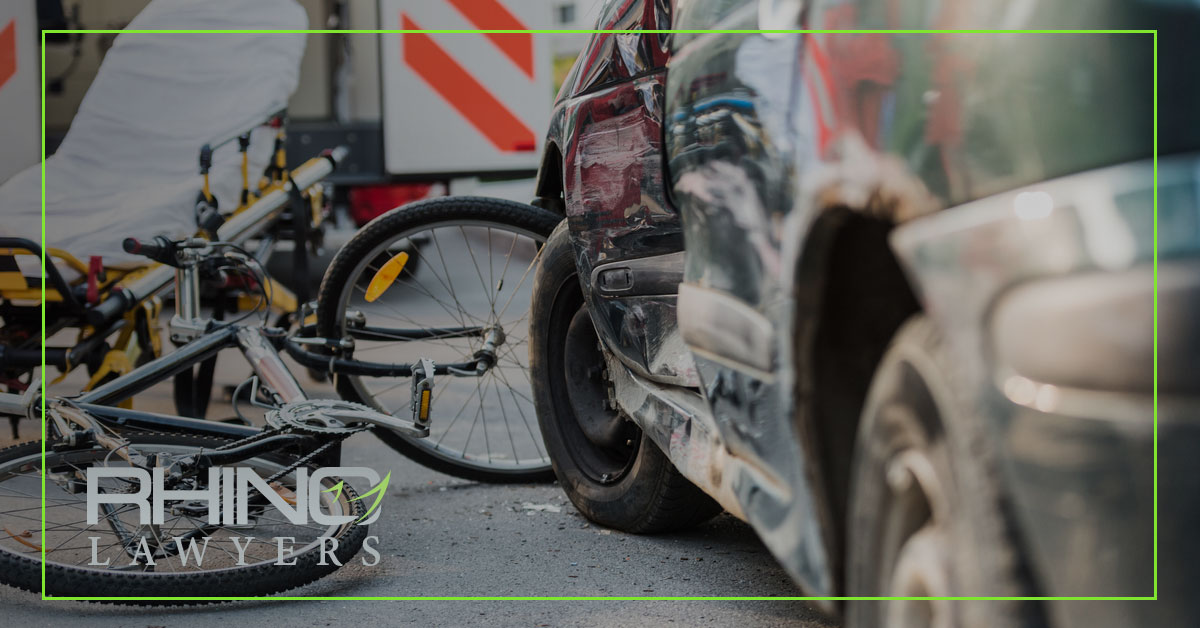
Cyclist Killed in Hit-and-Run in Tampa
A cyclist died after being struck by a car Saturday night, February 15, 2019. According to a Florida Highway Patrol officer at the scene, the cyclist was crossing U.S. 19 at Salt Springs Boulevard around 8:40 p.m. when he was hit. The 2004 Saturn Ion then drove off making this a hit-and-run bicycle accident.
Tragically, the cyclist died from his wounds, and police are looking for the driver of the Saturn for questioning. Police are asking anyone with information on the accident to call the FHP at (813) 558-1800.
Bicycle Hit-and-Run Accidents
Anytime a cyclist is hit by a car and injured it can be traumatic for the cyclist. A car outweighs a bike and cyclist by about 20 times, and even a small impact can cause great injury. However, when the driver of the car flees the scene, it creates even greater trauma and risk of injury.
When a cyclist or pedestrian is hit by a car, typically the driver of the car is uninjured and is able to render assistance and call for help. However, once the driver leaves, the victim is left to fend for himself or herself.
This might mean a delay in aid or the injured is left vulnerable to a second impact. Also, the injured person can feel twice victimized, once by the collision and then by the driver leaving them laying on the street.
Insurance Claims
In most collisions, the at-fault person is liable for the damages to property and to the person. However, in a hit-and-run, there are unknowns. First, it’s difficult to assess blame when there is only one person’s word for what happened. Second, even if the driver seems to be at fault, the fact that the driver’s identity is unknown makes it impossible for the victim to make a claim against their insurance policy.
Many questions arise such as:
- Who is going to pay for my injuries and lost time from work?
- Can I make a claim against my own insurance company?
- If so, even if I was riding a bike?
- Am I know an enemy with my own insurance company?
- What if I settle and then they find the person who did it?
All of these are great questions that often have different answers depending on the circumstances. You might be able to make a claim against your own auto insurance policy if you have a provision that pays out regardless of fault. In some policies, the uninsured or underinsured provision of your own policy might come into play.
This might put you at odds with your own insurance policy, and many feel that then their rates might go up. The injured has to balance all of these concerns against the prospect of absorbing the financial loss for the injuries.
The best thing to do if you are the victim of a hit-and-run as a cyclist is first to get medical attention, and then (even at the scene if possible) get pictures and save all damaged or even undamaged bike equipment so they can be useful later. Even if the police do their own investigation, make sure the items from the crash are not discarded.
Do I need an Attorney for a Hit-and-Run?
It doesn’t matter if the insurance company is yours or the other driver’s, they still have one job to do: pay as little as possible. Insurance companies don’t make a profit if they give out too much money, so they only pay out what they have to.
If you are injured, contact a competent attorney to find out if you are entitled to compensation. RHINO Lawyers is the powerful, results-driven law firm, that takes Insurance Companies and Bullies “head-on!” Anyone injured due to the negligence of another driver in Florida may should us for a free consultation. Our personal injury team will offer you advice to help you get the compensation you deserve.
Read More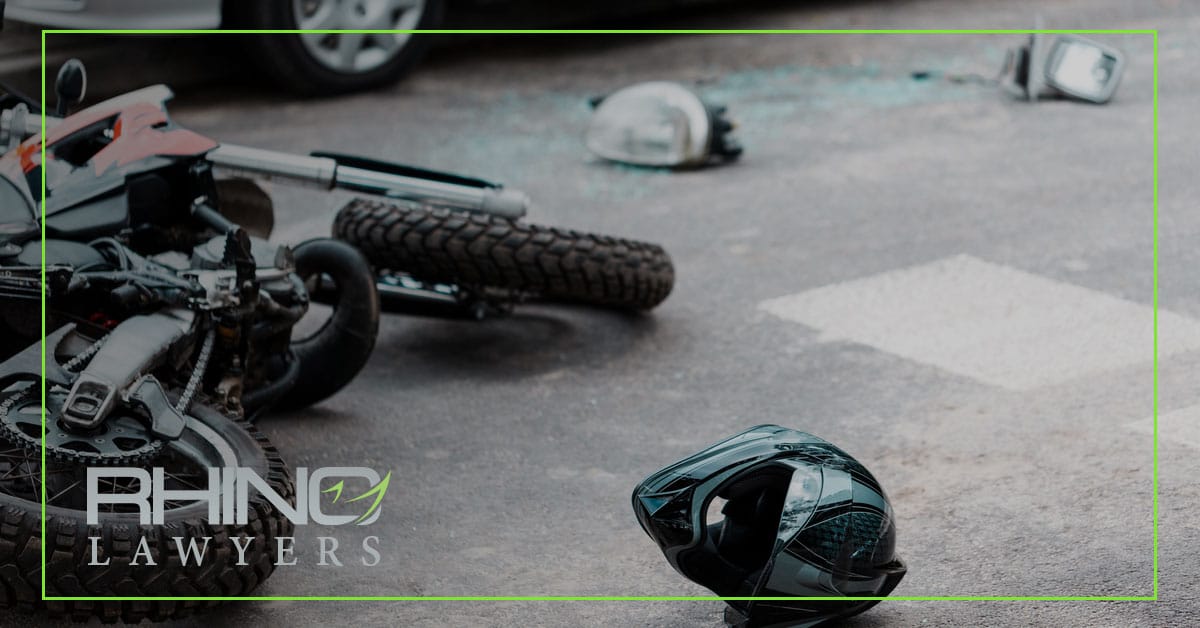
Car Hits Motorcycle Seriously Injuring Riders
A car hits a motorcycle in an intersection injuring both the rider and passenger around 1:50 p.m., Friday, February 9, 2019. According to the St. Petersburg Police Department, a 20-year-old driver of a Lexus pulled out from sitting at a stop sign at N. 19th St. and Haines Rd. and hit a Harley Davidson motorcycle broadside.
The impact ejected the bike’s rider and passenger sending them to the pavement. They listed both in serious condition at a local hospital. Police cited the driver of the Lexus for failure to yield to the right-of-way at an intersection.
Motorcycle Crashes
When a car hits a motorcycle in a crash, it’s more likely the motorcycle riders will sustain injuries or death. According to many federal studies, a motorcycle rider involved in a crash is six times more likely to be killed or seriously injured. In 2017, 40,000 people died in auto accidents, and 12 percent (5,000) of those were from motorcycle rider or passengers. However, motorcycle riders make up only three percent of vehicle operators.
The fatality rate, which is the number of deaths per 100,000 miles traveled, of a passenger vehicle was 11.1 in 2017. Yet, motorcycle riders had a rate of 56.3. This shows the higher chance motorcyclists have for death or serious injury.
Causes of Motorcycle Crashes
A factor involved in a majority of motorcycle crashes is the low profile of the motorcycle. This creates the problem that motorcycles are often not seen by the car driver until too late. In most of these, the driver of the car is usually at fault as they pull out in front of a bike or hit it broadside.
In intersections, left-turn crashes happen often. This occurs when a motorcycle has the right of way and the car turns left into the path of the bike. This accounts for a substantial amount of motorcycle crashes. Safety experts say that in nearly two-thirds of crashes involving a motorcycle and another vehicle, the other vehicle is at fault. This again goes to the visibility of the motorcycle.
Not all motorcycle crashes are the fault of the car driver. Some of those where the rider is at fault are:
- Speeding: Motorcycles are fast and speed is attributed in the majority of motorcycle crashes where injuries occurred.
- Unsafe lane changes/Aggressive driving: Many motorcyclists weave in and out of traffic because they are smaller and can fit where a car can’t. This is the cause of some crashes
- Lane splitting: Driving between two lines of cars (lane splitting) often causes crashes as the space gets narrow or a car door is opened. This is illegal in Florida, but legal in other states like California.
- Dooring: This happens when a motorcycle rides past a parked car and someone opens their door, or when the cyclist is lane-splitting.
- Impaired Driving: Impaired driving by motorcycle riders is a factor in 47 percent of motorcycle rider/passenger fatalities.
- Sudden stops: This occurs both when motorcycle riders stop suddenly and when a car driver stops suddenly.
Injuries Common for Rider/Passenger
- Traumatic Brain: Injury: Both are at risk, and the uses of a helmet will reduce—but not eliminate—the risk.
- Broken bones: Hitting the handlebars and frontal ejections are common for both riders and passengers. Any ejectment can cause broken bones. (facial, wrists, legs and ribs)
- Road Rash: Though not as life-threatening as other injuries, road rashes are very common and can cause significant pain and disfigurement.
- Deep Bruises: Even a smaller accident can cause deep bruises when the driver falls to the pavement.
Contact a Motorcycle Accident Attorney Today
If you are injured as a motorcycle rider or passenger, contact a competent Tampa motorcycle accident lawyer to find out if you are entitled to compensation. RHINO Lawyers is the powerful, results-driven law firm, that takes Insurance Companies and Bullies “head-on!”
Anyone injured due to the negligence of another driver in Florida may should us for a free consultation. Our personal injury team will offer you advice to help you get the compensation you deserve.
Read More