
Black Box Evidence After a Florida Car Accident
Most drivers never think about the technology inside their vehicle. Until a crash happens.
Modern cars quietly collect data every time you drive. Speed. Braking. Seatbelt use. Throttle position. In the seconds before a collision, that data may be recorded and stored.
After a serious crash, black box evidence from a Florida car accident can become one of the most influential pieces of information in an injury claim. Often, without the driver realizing it even exists.
Understanding what black box data is, how it is used, and why timing matters can help injured Floridians avoid losing critical evidence.
What Is Black Box Evidence?
Most newer vehicles are equipped with an Event Data Recorder (EDR), commonly referred to as a black box. It functions similarly to flight recorders used in aviation, but on a smaller scale.
An EDR may record:
- Vehicle speed
- Brake application
- Throttle position
- Steering input
- Seatbelt use
- Airbag deployment timing
This data is typically captured seconds before, during, and sometimes immediately after a collision.
It does not record conversations. It records vehicle behavior.
Why Black Box Evidence Matters After a Crash
Car accident claims often involve conflicting accounts. One driver says they braked. Another says they never saw it coming. Memories fade. Stories change. Black box data does not rely on memory. It may:
- Confirm whether the brakes were applied
- Show how fast a vehicle was traveling
- Indicate whether seatbelts were in use
- Support or challenge fault claims
When injuries are serious, this data can significantly influence how insurance companies evaluate responsibility and risk. Objective data changes conversations.
How Black Box Evidence Is Used in Florida Car Accident Claims
Insurance companies understand the value of EDR data. When available, they often seek access early. Black box evidence may be used to:
- Argue speeding or aggressive driving
- Support comparative negligence claims
- Dispute injury severity
- Justify reduced settlement offers
If the data supports the injured driver, insurers may question how it was obtained or interpreted. If it appears unfavorable, insurers may lean on it heavily. Data does not explain context. Interpretation matters.
Black Box Evidence and Florida’s No-Fault Insurance System
Florida operates under a no-fault insurance system, meaning Personal Injury Protection (PIP) coverage typically applies first after a crash. However, black box evidence becomes more important when:
- Injuries exceed PIP limits
- Claims involve serious or permanent harm
- Fault is disputed
- Commercial vehicles are involved
In these situations, evidence beyond basic crash reports can shape the entire claim.
For a broader look at how fault impacts claims, see our guide on Florida comparative negligence after a car accident, which explains how shared responsibility is evaluated.
How Black Box Evidence Plays Out on Florida Roads
Florida crashes often occur under complex conditions. High-speed travel on I-4, I-75, and I-95. Congested urban corridors. Sudden rainstorms that reduce traction and visibility. Tourist drivers are unfamiliar with local traffic patterns.
Consider a highway collision involving multiple vehicles. One driver claims sudden braking caused the crash. Another claims they were rear-ended without warning.
Black box data may show braking patterns, speed changes, and impact timing. That information can change how investigators assess fault.
Florida traffic creates data-heavy crashes. Black box evidence often becomes central.
Who Can Access Black Box Data in Florida?
Accessing EDR data is not automatic. In many cases, access depends on:
- Vehicle ownership
- Consent of the owner
- Court orders
- Preservation of the vehicle
If a vehicle is repaired, sold, or destroyed, black box data may be lost. Timing matters. Once data is overwritten or erased, it cannot be recovered.
How Insurance Companies Preserve and Request Black Box Evidence
Insurance companies may act quickly to preserve vehicle data, especially in high-value claims. They may:
- Request vehicle inspections
- Seek downloads from manufacturers
- Preserve commercial vehicles
- Request court authorization
In contrast, injured drivers often do not realize this data exists until it is already gone. Early awareness protects options.
Common Mistakes Injured Drivers Make With Black Box Evidence
Black box evidence is powerful, but it is also fragile.
Allowing the Vehicle to Be Repaired Too Quickly
Repairs can overwrite or erase stored data.
Assuming Data Will Be Retrieved Automatically
EDR data must be intentionally accessed.
Ignoring Commercial Vehicle Involvement
Trucks, rideshare vehicles, and delivery vehicles often have additional data systems.
Believing Data Is Always Accurate
Data requires proper interpretation and context.
Avoiding these mistakes can preserve critical evidence.
Black Box Evidence vs Dash Cam Footage
Black box data is often discussed alongside video evidence, but they serve different purposes. Dash cams show what happened visually. While black boxes show how the vehicle responded.
In many cases, attorneys use both forms of evidence together. You can learn more about video evidence in our article on dash cam footage after a Florida car accident, where we explain how experts evaluate recordings.
Technology does not replace investigation. It supplements it.
How RHINO Lawyers Approach Black Box Evidence
Handle all black box evidence carefully. Data without explanation can be misleading. RHINO Lawyers focuses on auto injury cases across Florida, including:
- Hillsborough
- Pinellas
- Pasco
- Polk
- Manatee
- Orange
- Sarasota
- Lee
- Collier
- Charlotte
- Hernando
RHINO Lawyers takes action to preserve vehicle data, review it carefully, and explain it in the proper context when it becomes part of a claim.
Once data disappears, no one can recreate it.
What Federal Safety Data Says About Vehicle Technology
Federal safety research from the National Highway Traffic Safety Administration highlights how vehicle systems and crash dynamics affect injury outcomes.
The Insurance Institute for Highway Safety also studies how vehicle behavior during collisions relates to occupant safety.
These sources reinforce why electronic vehicle data has become increasingly important in modern crash investigations.
FAQs About Black Box Evidence After a Florida Car Accident
Q: Do all vehicles have black boxes?
Many newer vehicles include EDRs, but some makes and models do not.
Q: How long is black box data stored?
Storage depends on the vehicle. The system may overwrite or erase data if someone alters the vehicle.
Q: Can black box data be wrong?
Data accuracy depends on proper retrieval and interpretation.
Q: Can insurance companies use black box data against me?
Yes. Data may be used to support fault or behavior arguments.
Q: Is black box data used in every car accident case?
No. It is more common in serious or disputed claims.
Q: Can black box evidence support injury claims?
In many cases, yes. It may help explain crash severity.
Q: What if my car were totaled?
Data may still be retrievable if preserved early.
Q: Does Florida law regulate black box access?
Access is generally governed by consent, ownership, and court authority.
Injured? Do Not Let Critical Data Disappear.
Black box evidence is time-sensitive. Once someone alters or destroys a vehicle, crucial data can disappear forever.
If you suffered injuries in a Florida car accident and black box data plays a role, learning how this evidence works early helps you protect your position.
If it happens on the road, call 844-RHINO-77 to speak with RHINO Lawyers. Free consultation. Available 24/7. No fee unless we win.
Call a RHINO before losing critical data.
CONTACT A TAMPA AUTO ACCIDENT ATTORNEY
In short, after a car accident, you may not know your rights. Above all, don’t struggle through the process alone. Actually, our personal injury team is here to help you with any legal needs you might have regarding your accident.
Lastly, let RHINO Lawyers answer your questions and review the facts of your case with a Free Consultation. So, get started by completing the “Free Instant Case Evaluation” or by calling us any time, day or night, at 844.RHINO.77.
Read More
Can You Be Charged with a DUI on a Scooter or Electric Bike in Florida?
How Florida law treats alternative transportation—and where it catches drivers off guard.
Scooters. E-bikes. Electric skateboards. Neighborhood electric vehicles.
Florida streets are full of alternative transportation, especially in beach towns, downtown districts, and college areas. Many riders assume these options are a safe workaround to get home without risking a DUI.
But Florida law doesn’t see it that way.
In reality, Florida can charge you with a DUI while you ride many scooters or electric bikes, even if you never drive a traditional car. Florida law looks at how it defines a “vehicle,” how the device uses power, and whether you operate it on a public roadway.
This article explains how Florida’s DUI laws apply to scooters and e-bikes, where the gray areas are, and why relying on assumptions can lead to unexpected criminal charges.
Why DUI Laws and Alternative Transportation Collide in Florida
Florida has aggressively expanded access to alternative transportation. At the same time, Florida lawmakers wrote DUI laws broadly, and law enforcement officers enforce them aggressively. That combination creates confusion.
Drivers often believe:
- “It’s not a car, so DUI doesn’t apply.”
- “Scooters are treated like bicycles.”
- “Electric bikes don’t count as motor vehicles.”
- “I wasn’t even going that fast.”
Florida law doesn’t focus on speed or comfort level. It focuses on operation and impairment.
Florida DUI Law Applies to More Than Cars
Florida’s DUI statute doesn’t just apply to automobiles. Under Florida Statute 316.193, a person can be charged with DUI if they are driving or in actual physical control of a vehicle while their normal faculties are impaired.
The statute’s wording is intentionally broad, and Florida courts have consistently interpreted it to cover many types of motorized transportation, not just passenger cars.
The key question becomes: Is the device considered a “vehicle” under Florida law?
How Florida Defines a “Vehicle”
Florida’s traffic code defines a vehicle as any device by which a person or property may be transported upon a highway, except devices moved by human power or used exclusively on stationary rails. That definition matters because:
- Human-powered bicycles are generally excluded
- Motor-assisted or motor-driven devices may not be
The moment a motor enters the picture, DUI risk increases dramatically.
Electric Scooters: Often DUI-Eligible in Florida
Electric scooters are one of the most misunderstood categories. Many e-scooters:
- Are powered by an electric motor
- Can reach speeds over 15 mph
- Are operated on public roads, sidewalks, or bike lanes
Because they are motorized, Florida law enforcement often treats electric scooters as vehicles for DUI purposes, especially when they are operated on roadways. There is no blanket immunity for e-scooters under Florida DUI law.
If an officer believes:
- You were operating the scooter
- On a public roadway or traffic area
- While impaired
Then a DUI investigation may follow. This surprises many riders who assumed scooters were treated like bicycles.
What About Standing Scooters vs. Seated Scooters?
From a DUI standpoint, Florida law generally does not draw a meaningful distinction between:
- Stand-up electric scooters
- Sit-down motorized scooters
The focus is not posture—it’s motorized operation and impairment.
Electric Bicycles (E-Bikes): A Legal Gray Area
Electric bikes create more complexity. Florida law recognizes three classes of e-bikes:
- Pedal-assist only (no throttle) tops out at 20 mph (Class 1)
- Throttle-assisted models also max out at 20 mph (Class 2)
- Higher-speed pedal-assist bikes can reach up to 28 mph (Class 3)
Florida statutes generally treat e-bikes as bicycles for certain traffic purposes. However, that does not automatically mean DUI laws never apply. If an e-bike:
- Can be operated without pedaling
- Is being used on a public roadway
- Is operated while impaired
Law enforcement may argue it falls within DUI coverage. Because Florida’s DUI statute is impairment-focused and broadly worded, classification alone does not guarantee immunity.
Human-Powered Bicycles: Usually Not DUI—But Still Risky
Traditional bicycles powered solely by human effort are usually excluded from DUI statutes. However:
- Cyclists can still be cited for other offenses
- Reckless behavior can lead to criminal charges
- Accidents involving injury can escalate quickly
Riding drunk on a bicycle is not a safe legal loophole—it’s just a different risk profile.
Where You’re Riding Matters More Than You Think
Florida DUI law applies to:
- Public roads
- Highways
- Parking lots
- Areas open to the public
Even private property can sometimes qualify if it’s accessible to the public.
Riding a scooter while impaired through a:
- Downtown area
- Bar district
- Parking garage
- Beachfront roadway
Will put you squarely within DUI enforcement zones.
“Actual Physical Control” Can Apply to Scooters and E-Bikes
You don’t always have to be actively moving to face DUI charges. Florida recognizes the concept of actual physical control, which can include:
- Sitting on a motorized scooter
- Having the ability to operate it
- Being impaired at the time
Courts look at:
- Whether the device could be readily operated
- Where it was located
- Whether the rider had control
This concept has been applied broadly in DUI cases involving nontraditional vehicles.
How Police Investigate DUI on Scooters and E-Bikes
A DUI investigation on a scooter or e-bike often starts the same way as one involving a car.
Initial Observations
Officers may notice:
- Swerving or instability
- Failure to obey traffic signals
- Unsafe interaction with vehicles or pedestrians
Stop and Contact
Once stopped, officers evaluate:
- Speech
- Balance
- Eye movement
- Ability to follow instructions
Field Sobriety Exercises
Field sobriety tests may be administered, even though they were designed for alcohol-related car DUIs.
Chemical Testing
If an officer suspects impairment, they may request chemical testing—breath, blood, or urine—depending on the circumstances.
Florida’s implied consent framework, outlined in Florida Statute 316.1932, governs refusal consequences and administrative license issues—even when the vehicle isn’t a car.
Penalties Can Be the Same as a Car DUI
This is where many riders are stunned. A DUI on a scooter or e-bike can carry:
- Fines
- Probation
- DUI school
- Community service
- License suspension
- Criminal record
The penalties often mirror those of a standard DUI involving a car.
And yes, your driver’s license can still be suspended, even if the vehicle you were riding doesn’t require a license.
The Florida Department of Highway Safety and Motor Vehicles handles administrative suspensions regardless of vehicle type, as explained in their overview of DUI-related license consequences.
If you’re concerned about how a DUI or traffic issue could affect your driver’s license, our team can help you understand your options and take the next step with confidence. Our Tampa criminal defense attorneys can help you protect your driving privileges and move forward with confidence.
Why “I Was Being Responsible” Is Not a Defense
Many scooter DUI cases involve drivers who were trying to make a safer choice.
They didn’t drive a car. Instead, they avoided putting others at risk. In many cases, they chose alternative transportation.
Florida law does not evaluate intent that way. The legal question is simply:
Were you impaired while operating a vehicle in a public area?
Good intentions don’t cancel statutory elements.
How These Cases Are Defended
Scooter and e-bike DUI cases are highly fact-specific. Defense strategies may involve:
- Challenging whether the device qualifies as a vehicle
- Arguing it was human-powered
- Disputing whether the area was subject to DUI enforcement
- Questioning the field sobriety test relevance
- Challenging probable cause for the stop
- Examining chemical test timing and reliability
Because alternative transportation law is still evolving, these cases often involve unsettled legal questions.
If you’re facing a DUI charge involving a scooter or e-bike, don’t assume the rules stay simple or that you can’t change the outcome. Our Tampa DUI Defense attorney can help protect your license, your record, and your future from the very start.
Common Mistakes Riders Make
- Assuming scooters are DUI-proof
- Believing e-bikes are treated exactly like bicycles
- Admitting impairment during casual conversation
- Underestimating license consequences
- Waiting too long to address administrative suspension issues
Many of these mistakes happen before a driver realizes the situation is serious.
Practical Takeaways for Florida Riders
If you use scooters or e-bikes:
- Assume DUI laws may apply
- Understand whether your device is motorized
- Be cautious when operating in public traffic areas
- Don’t rely on myths or social media advice
- Recognize that “not driving a car” is not a legal shield
How RHINO Lawyers Can Help
Scooter and e-bike DUI cases sit at the intersection of evolving transportation laws and traditional DUI enforcement. They’re not always straightforward—and they’re rarely harmless.
RHINO Lawyers helps Florida drivers navigate DUI allegations involving alternative transportation, focusing on license protection, evidence review, and procedural defenses.
If you’re dealing with a DUI charge involving a scooter or electric bike, call 844-RHINO-77 for a free consultation. Available 24/7.
Frequently Asked Questions
Can you get a DUI on an electric scooter in Florida?
Yes, depending on whether it’s motorized and where it’s operated.
Are e-bikes treated like bicycles for DUI purposes?
Not always. Motor assistance can change how the law applies.
Do DUI penalties differ if it’s not a car?
Often no. Penalties can be similar.
Can my driver’s license be suspended?
Yes, even if the vehicle doesn’t require a license.
Does it matter if I was on private property?
Sometimes. Public access matters more than ownership.
Can you refuse testing on a scooter DUI?
Implied consent rules may still apply.
Are these cases defensible?
Yes. Many hinge on vehicle classification and procedure.
Is riding drunk on a scooter safer legally than driving?
Not necessarily.
CONTACT TAMPA TRAFFIC TICKET ATTORNEY
RHINO Lawyers can help and guide you through a system molded by law enforcement, judges, and lawyers for decades. Having won cases for our clients in similar circumstances, our criminal defense team knows what it takes to fight on your behalf.
Let RHINO Lawyers answer your questions and review the facts of your case with a Free Consultation. So, get started by completing the “Free Instant Case Evaluation” or by calling us any time, day or night, at (844) RHINO-77.
Read More
Driving on Prescription or Medical Marijuana in Florida: What’s Legal?
Clarifying the gray area between medical use and DUI risk.
Florida drivers hear two things all the time:
- “If it’s prescribed, it’s legal.”
- “If you have a medical marijuana card, you’re protected.”
Both ideas are incomplete—and that’s where people get blindsided.
In Florida, you can legally use prescription medication. You can legally use medical marijuana if you qualify. But you can still be arrested for DUI if law enforcement believes your normal faculties were impaired while driving.
That’s the real line Florida draws: impairment, not permission.
This guide explains what Florida law allows, what can create serious risk, and how prosecutors build drug-related DUI cases, so you can make informed choices and avoid unnecessary consequences.
Why This Topic Hits Florida Drivers Hard
Drug impairment investigations have become more common across Florida, and not just in obvious situations. Many cases start with a routine stop: rolling through a stop sign, drifting a lane line, inconsistent speed, or a minor crash.
Then the officer asks questions. Your eyes are evaluated. You’re asked to perform field sobriety exercises. Next thing you know, you’re facing a DUI investigation—without a single drink involved.
Prescription drugs and medical marijuana can both play into this because:
- They may affect reaction time, coordination, and judgment
- Effects vary by person and dosage
- Drivers often underestimate “next day” or lingering impairment
And in Florida, the law is written broadly enough that “legal use” is not a guaranteed defense.
Florida DUI Law: It’s About Impairment, Not Whether the Drug Is Legal
Florida’s DUI statute makes it clear that impairment can come from alcohol or other substances. The legal standard is whether a person is driving (or in actual physical control of a vehicle) while under the influence to the extent their normal faculties are impaired.
Florida defines DUI and the legal standard for impairment in Florida Statute 316.193, including how prosecutors must prove impairment or unlawful blood alcohol levels. Reviewing the statute can help you understand exactly what the state must establish in a DUI case.
That statute doesn’t say “illegal drugs.” It covers impairment from:
- Alcoholic beverages
- Certain chemical substances
- Controlled substances
So yes—a valid prescription or medical marijuana authorization can still lead to a DUI arrest if impairment is alleged.
Driving on Prescription Medications in Florida: What’s “Legal” vs. What’s “Safe”
Most people don’t intend to drive impaired after taking medication. Many take it exactly as prescribed. At the time, they may feel completely fine. Then they get behind the wheel.
The risk comes from the fact that many common prescriptions can impact driving—sometimes subtly.
Prescription Drug Categories Often Involved in DUI Stops
These categories show up frequently in drug-related DUI allegations:
- Pain medications (including opioids): may slow reaction time and cause drowsiness
- Anti-anxiety medications (sedatives): may impair coordination, focus, and judgment
- Sleep aids: may cause “hangover” effects the next morning
- Muscle relaxers: may reduce alertness and slow responses
- Certain antidepressants: may cause dizziness, delayed reaction time, or impaired attention
Even when the medication is legitimately prescribed, the state may argue that your driving was unsafe due to impairment.
Key point: A prescription can explain why the drug is in your system. It does not automatically prove you were not impaired.
Medical Marijuana and Driving in Florida: The Gray Area Is Real
Florida’s medical marijuana program is legal for qualified patients. But impaired driving remains illegal, and marijuana-related DUI enforcement is real.
Florida does not use a per se “legal THC limit” like some other states. There’s no universal “if you’re over X, it’s DUI.” Instead, the state typically relies on the officer’s observations and evidence of impairment.
Florida’s own public safety messaging emphasizes that marijuana-impaired driving is illegal and risky. See the DHSMV’s campaign page “Drive Baked, Get Busted” for Florida-specific warnings and enforcement context.
The Florida Department of Health’s Office of Medical Marijuana Use also offers clear guidance on impaired driving. Its “Know the Facts” resource on Marijuana and Impaired Driving helps drivers understand the safety risks and legal issues involved, even when marijuana is used legally.
If you’re a medical marijuana patient, the practical takeaway is simple:
A medical card may make possession lawful. It does not make impaired driving lawful.
How Florida Police Investigate Drug Impairment
Drug impairment investigations look different from alcohol DUIs because there’s no breath test that instantly measures THC or most prescription drugs.
Instead, officers build cases using a combination of observations and testing.
1) Driving Pattern and Stop Reason
Officers often cite:
- Lane drifting
- Slow or inconsistent speed
- Wide turns
- Delayed responses to signals
2) On-Scene Observations
They may document:
- Bloodshot eyes
- Odor (for marijuana)
- Slow speech
- Confusion
- Difficulty following instructions
3) Field Sobriety Exercises
Officers originally designed field tests to measure alcohol impairment, but they often use them in drug cases. Medical conditions, nerves, fatigue, or injuries can influence performance, so context matters.
4) Drug Recognition Expert (DRE) Evaluation
Some agencies use specially trained officers to assess impairment indicators, including eye movements, vital signs, and divided attention tasks.
5) Chemical Testing (Blood/Urine)
Chemical testing may occur hours after the stop, which is one reason drug DUIs can involve complex disputes about timing and interpretation.
What About Refusing a Drug Test in Florida?
Florida’s implied consent rules and refusal consequences can be significant—and they’re not limited to alcohol.
Florida’s implied consent law requires drivers to submit to lawful breath, blood, or urine testing after a DUI arrest. Simply driving in Florida means you’ve agreed to this rule, but that doesn’t mean you’re out of options.
Refusing a test can lead to an immediate license suspension, separate from the criminal case. The DHSMV outlines these DUI-related administrative suspension consequences, including reinstatement steps, in its overview of Florida DUI administrative suspension laws.
Because refusal consequences and admissibility issues can turn on very specific facts, this is one of those areas where “general advice” can mislead drivers fast.
“I Didn’t Feel High” vs. Florida’s Legal Standard
A huge number of drug DUI cases involve drivers who say:
- “I took it last night.”
- “But, I didn’t feel impaired.”
- “I’m used to my medication.”
- “I have a medical card.”
Those statements might be true, but they aren’t the legal standard.
Florida’s focus is whether the substance affected you to the extent your normal faculties were impaired—as described in the DUI statute.
That’s a functional standard, which means the state tries to prove impairment through behavior, driving pattern, and officer observations—sometimes supported by toxicology.
Real-World Consequences of Drug-Related DUI in Florida
Drug-related DUI penalties can mirror alcohol DUIs and may include:
- Fines and court costs
- Probation
- DUI school
- Community service
- License suspension
- Vehicle impoundment in some situations
- Ignition interlock requirements in certain cases
Beyond court penalties, the administrative side often catches drivers off guard, with strict deadlines, automatic suspension triggers, and detailed compliance requirements.
Don’t wait to find out what happens to your license after a DUI. Explore our Tampa License Suspension page and get clear answers today.
How These Cases Are Commonly Defended
Drug DUIs are not automatically “open and shut.” The defense often centers on evidence quality and process.
Common angles include:
- How the officer handled the traffic stop in the first place
- Whether the field sobriety tests were done correctly
- Health or medical issues that could explain what the officer observed
- Questions about how reliable a DRE evaluation really is
- How soon the chemical test happened and what the timing means
- Whether the state can truly show that you were impaired while driving
If you’re facing allegations involving medication or marijuana impairment, learning your options early matters.
A DUI charge can feel overwhelming—but you don’t have to face it alone. Learn how our Tampa DUI defense attorneys work to protect your license, your record, and your future from day one.
Mistakes Drivers Make After a Drug DUI Stop
These missteps come up constantly:
- Assuming a prescription or medical card ends the case
- Talking too much about usage patterns during the stop
- Missing administrative deadlines (especially license-related)
- Waiting until a court date to get legal guidance
When a case involves subjective impairment evidence, the early record can shape everything.
Practical Safety Guidance for Patients and Prescription Users
This isn’t about shame or judgment. It’s about preventing problems.
Consider:
- Don’t drive when starting a new medication until you know how it affects you
- Avoid mixing medications with alcohol or other substances
- Be cautious with edibles or concentrated THC products due to delayed effects
- Recognize that “I feel fine” isn’t always a reliable impairment measure
- When in doubt, don’t drive—especially if your meds warn against it
How RHINO Lawyers Can Help
Drug-related DUI cases can involve medical context, technical testing issues, and subjective officer observations. They can also have immediate license consequences that drivers don’t expect.
RHINO Lawyers helps Florida drivers navigate DUI allegations tied to prescription medications or medical marijuana—by reviewing the stop, the evidence, and the process used to build the case.
Call 844-RHINO-77 for a free consultation. Available 24/7. No fee unless we win.
Frequently Asked Questions
Can I get a DUI in Florida if my medication is prescribed?
Yes. A prescription does not prevent a DUI charge if impairment is alleged.
Does a medical marijuana card protect me from DUI?
No. Impaired driving remains illegal even for qualified patients.
Is there a legal THC limit in Florida, like .08 for alcohol?
No. Florida typically relies on an impairment-based standard.
Can a blood or urine test prove I was impaired while driving?
It depends. Timing and interpretation can be disputed.
Are drug DUIs treated the same as alcohol DUIs?
Penalties can be similar, and the process can be just as serious.
Can medical conditions affect field sobriety results?
Yes. Injuries, balance issues, and other conditions can matter.
Should I explain my prescriptions during a stop?
Statements can be used as evidence. It’s a situation where legal guidance helps.
Can these cases be defended?
Yes. Many defenses focus on procedure, evidence, and the reliability of impairment claims.
CONTACT TAMPA TRAFFIC TICKET ATTORNEY
RHINO Lawyers can help and guide you through a system molded by law enforcement, judges, and lawyers for decades. Having won cases for our clients in similar circumstances, our criminal defense team knows what it takes to fight on your behalf.
Let RHINO Lawyers answer your questions and review the facts of your case with a Free Consultation. So, get started by completing the “Free Instant Case Evaluation” or by calling us any time, day or night, at (844) RHINO-77.
Read More
Quick Settlement Tactics After Tampa Car Accidents
The call comes quickly. Sometimes, within hours of the crash. Sometimes the very next morning. The insurance adjuster sounds calm and professional. They tell you they want to “help you move on” and “resolve things fast.” They may even say the offer is fair and straightforward.
What many injured drivers do not realize is that quick settlement tactics after Tampa car accidents are rarely about convenience for you. They are about control for the insurance company.
Understanding how and why insurers push early settlements can help you avoid decisions that may cost far more than they appear to save.
Why Insurance Companies Act Fast After Tampa Crashes
Tampa is one of Florida’s busiest traffic hubs. I-275, I-4, the Selmon Expressway, Dale Mabry Highway, and constant tourist traffic create frequent collisions. Insurance companies know this. They also know something else.
Right after a crash:
- Injuries are often not fully diagnosed
- Medical costs are still unknown
- People are stressed, sore, and overwhelmed
This is when insurers have the most leverage. Speed creates pressure. Pressure creates quick decisions. And quick decisions often favor the insurance company.
What a “Quick Settlement” Really Means
A quick settlement usually involves an early offer made before:
- All medical treatment is complete
- The full extent of injuries is known
- Future care is considered
- Lost income is fully calculated
The offer may look appealing, especially when bills are already piling up. But it is often based on limited information and conservative assumptions. Once accepted, most settlements are final. That is the risk.
Common Quick Settlement Tactics Used by Insurance Companies
Insurance companies rarely announce their intentions outright. Instead, they rely on subtle strategies.
Early Contact and Friendly Tone
Adjusters often call early and sound supportive. Casual conversation may feel harmless, but statements can be documented and later used to limit claims.
“Limited-Time” Offers
You may be told the offer expires soon. This urgency discourages you from waiting for medical clarity.
Downplaying Injuries
Terms like “minor impact” or “soft tissue” are used to minimize pain that may worsen over time.
Requesting Recorded Statements
Early statements may lock in timelines before delayed symptoms appear.
These tactics are not accidental. They are part of the claims process.
How Tampa Traffic Makes Early Settlements Especially Risky
Tampa-area crashes are rarely simple. Heavy congestion increases rear-end collisions. Tourist drivers unfamiliar with local roads increase unpredictable maneuvers. Sudden rainstorms reduce visibility and stopping distance.
Many injuries in these crashes are delayed, including whiplash, back injuries, and concussions. These issues are discussed in more detail in our guide on delayed injuries after a Florida car accident, which explains why pain often appears days later.
Early settlements do not account for delayed injuries. They avoid them.
Florida’s No-Fault Insurance System and Early Offers
Florida operates under a no-fault insurance system, meaning Personal Injury Protection (PIP) coverage typically applies first. However, insurance companies may still push early settlements when:
- Injuries appear serious
- Claims may exceed PIP limits
- Fault is disputed
Even in a no-fault state, insurers look for ways to cap exposure early.
You can learn more about how Florida’s insurance structure works in our overview of Florida PIP insurance and car accident claims, which explains how benefits and fault interact.
How Insurance Companies Calculate Early Settlement Offers
Early offers are often based on:
- Initial medical visits only
- Short-term treatment assumptions
- Limited wage loss estimates
- Minimal pain and disruption
They rarely account for:
- Ongoing therapy
- Specialist care
- Future limitations
- Long-term impact on work or daily life
The goal is not accuracy. The goal is closure.
Mistakes Injured People Make When Facing Quick Settlements
Early offers catch people off guard. That leads to common missteps.
Accepting Before Treatment Is Complete
Without a clear diagnosis, it is impossible to know the true cost of an injury.
Assuming Insurance Is Being Fair
Insurance companies are businesses. Their goal is to minimize payouts, not maximize recovery.
Not Understanding Finality
Most settlements cannot be reopened, even if symptoms worsen.
Letting Financial Stress Drive Decisions
Immediate bills can push people toward fast answers instead of informed ones.
Avoiding these mistakes can protect long-term stability.
How Comparative Negligence Can Be Used to Pressure Settlements
In many Tampa cases, insurance companies combine early offers with fault arguments.
Florida’s comparative negligence rules allow insurers to claim shared fault to reduce claim value. This tactic is often used to justify lower early offers.
If fault is being questioned, our breakdown of Florida comparative negligence after a car accident explains how blame is assigned and why early narratives matter.
Early settlements often lock in fault assumptions before evidence is fully reviewed.
Real-World Tampa Scenario
Consider a common situation. A rear-end collision occurred during evening traffic on I-275. The injured driver feels stiff but functional. The insurer calls the next day with an offer.
A week later, neck pain worsens. Physical therapy is recommended. Time off work becomes necessary.
The settlement is already accepted. This scenario happens more often than most people realize.
How RHINO Lawyers Help When Early Offers Appear
Early settlement pressure is a red flag, not a favor. RHINO Lawyers focuses on auto injury cases throughout Florida, including Tampa and Hillsborough County, as well as:
RHINO Lawyers helps injured people understand what an offer actually covers, what it leaves out, and whether timing is working against them. Clarity matters before decisions become permanent.
Credible Data on Florida Crash Injuries
According to the Florida Highway Safety and Motor Vehicles, thousands of injury-related crashes occur each year across the state, many in urban areas like Tampa.
National safety research from the National Highway Traffic Safety Administration also shows that injury symptoms and severity are not always immediately apparent after collisions.
These realities are why rushing resolution can be risky.
FAQs About Quick Settlement Tactics After Tampa Car Accidents
Q: Why did the insurance company call me so quickly?
Early contact allows insurers to shape the claim before injuries are fully known.
Q: Is a quick settlement always bad?
Not always. It depends on the facts, injuries, and timing.
Q: Can I negotiate a settlement later if I accept early?
In most cases, no. Settlements are usually final.
Q: What if my injuries get worse after accepting an offer?
That risk is one reason early settlements can be dangerous.
Q: Does quick settlement pressure mean my case is strong?
Not necessarily. It often means the insurer wants control early.
Q: Should I talk to the insurance adjuster right away?
Being cautious early can help protect your position.
Q: Do Tampa crashes involve unique risks?
Yes. Traffic density and tourism increase complexity.
Q: Can fault disputes affect early offers?
Yes. Fault arguments are often used to justify lower settlements.
Injured? Do Not Let Quick Settlement Tactics Work Against You.
Fast offers are rarely about fairness. They are about limiting exposure before the full picture is known.
If you were injured in a Tampa car accident and an insurance company is pushing for a quick resolution, understanding your position early can protect your health and your future.
If it happens on the road, call 844-RHINO-77 to speak with RHINO Lawyers. Free consultation. Available 24/7. No fee unless we win.
Call RHINO Lawyers before a fast offer becomes a permanent mistake.
CONTACT A TAMPA AUTO ACCIDENT ATTORNEY
In short, after a car accident, you may not know your rights. Above all, don’t struggle through the process alone. Actually, our personal injury team is here to help you with any legal needs you might have regarding your accident.
Lastly, let RHINO Lawyers answer your questions and review the facts of your case with a Free Consultation. So, get started by completing the “Free Instant Case Evaluation” or by calling us any time, day or night, at 844.RHINO.77.
Read More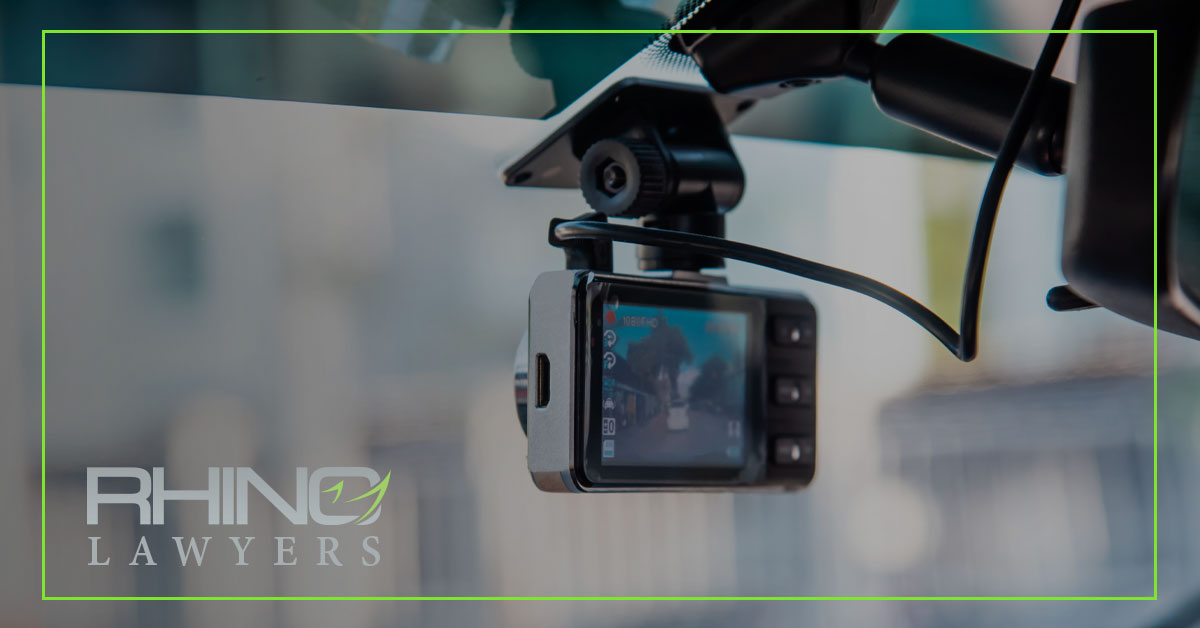
Dash Cam Footage After a Florida Car Accident
The crash happens fast. One moment, you are driving. The next, everything changes. Now the insurance company wants your statement. The other driver has their own version of events. And the details already seem to be shifting.
This is where dash cam footage after a Florida car accident can become one of the most important pieces of evidence. Video does not rely on memory. It does not forget details. And it often answers the exact questions insurance companies argue over most.
Understanding how dash cam footage is used in Florida accident claims can help injured drivers avoid costly mistakes.
What Dash Cam Footage Is and What It Records
A dash cam is a camera mounted inside a vehicle that continuously records while the car is in operation. Some dash cams record only the road ahead. Others capture rear-facing views or the vehicle interior.
Dash cam footage may show:
- The moments leading up to the crash
- Traffic signals and signage
- Speed and braking behavior
- Lane positioning
- Weather and road conditions
In many cases, dash cam footage provides an objective snapshot of what was happening just before impact. That objectivity matters when stories conflict.
Why Dash Cam Footage Can Be Powerful Evidence
Car accident claims often come down to credibility. Whose story is more believable? Whose version is supported by evidence?
Dash cam footage can:
- Confirm right-of-way
- Show unsafe lane changes
- Capture red-light or stop-sign violations
- Dispute exaggerated or inaccurate statements
Unlike witness recollections, video does not fade or change. When available, it often becomes a central focus of insurance evaluations. Video evidence can simplify disputes. But it can also create new ones if misunderstood.
Florida Dash Cam Laws and Legal Considerations
Dash cams are generally legal in Florida, but there are important rules to understand.
Video Recording Rules
Recording video of public roadways is typically allowed, as long as the camera does not obstruct the driver’s view. Improper placement can create safety issues or citations.
Audio Recording Rules
Florida is a two-party consent state for audio recording. Recording conversations without consent may raise legal concerns.
Many dash cams allow audio recording to be turned off. That setting matters more than most drivers realize. Dash cam footage can help a claim. But only when it is captured and used properly.
How Dash Cam Footage Is Used by Insurance Companies
Insurance companies closely analyze video evidence. They may use dash cam footage to support or challenge a claim.
Insurers often review:
- Speed and braking behavior
- Reaction time
- Lane positioning
- Traffic signals
If footage appears unfavorable, adjusters may rely on it heavily. If it supports the injured driver, insurers may argue interpretation or context. Dash cam footage does not speak for itself. How it is presented matters.
When the Other Driver Has Dash Cam Footage
You may not be the only one recording. Commercial vehicles, rideshare drivers, delivery trucks, and even nearby businesses often have cameras. In tourist-heavy Florida areas, video evidence is increasingly common.
Footage from other sources may:
- Support your account
- Raise new questions
- Be selectively shared
Video is often overwritten or deleted within days or weeks. Acting early can make the difference between preserved evidence and lost evidence. Once footage is gone, it is usually gone for good.
How Dash Cam Footage Plays Out on Florida Roads
Florida crashes often happen in complex environments.
Congested interstates like I-4 and I-275. Tourist drivers are unfamiliar with local roads. Sudden rainstorms that reduce visibility and traction.
Consider a common Tampa-area scenario. A lane-change collision during heavy traffic. Both drivers claim the other drifted. Dash cam footage shows one vehicle failing to signal and drifting across lane markings.
That single clip can change how fault is evaluated. Dash cam footage often becomes decisive in Florida crashes because traffic conditions leave little room for error.
Dash Cam Footage and Florida’s No-Fault Insurance System
Florida’s no-fault system means Personal Injury Protection (PIP) coverage typically applies first, regardless of fault.
However, dash cam footage often becomes critical when:
- Injuries are serious
- Medical costs exceed PIP limits
- Fault is disputed
- Claims involve multiple parties
Even in a no-fault state, evidence still matters. Especially when insurance companies decide whether to push back or negotiate.
Common Mistakes Drivers Make With Dash Cam Footage
Dash cam footage can help or hurt, depending on how it is handled.
Sharing Footage Too Quickly
Providing footage before understanding its impact may give insurers leverage.
Assuming Footage Tells the Whole Story
Video captures angles, not pain, force, or delayed injuries.
Failing to Preserve Original Files
Edited or overwritten footage may be questioned or lost.
Ignoring Other Video Sources
Nearby cameras may support your version of events.
Careful handling protects the value of video evidence.
How RHINO Lawyers Approach Dash Cam Evidence
Dash cam footage requires context, review, and strategy. It is not just about what the video shows, but how it is interpreted.
RHINO Lawyers focuses on auto injury cases across Florida, including:
- Hillsborough
- Pinellas
- Polk
- Pasco
- Manatee
- Orange
- Sarasota
- Lee
- Collier
- Charlotte
- Hernando
Florida crashes are rarely straightforward. Traffic congestion, tourism, and unpredictable weather create complex liability questions.
Early review of video evidence can help ensure it supports the full story.
FAQs About Dash Cam Footage After a Florida Car Accident
Q: Can dash cam footage be used in a Florida car accident claim?
Yes. In many cases, dash cam footage may be used as evidence.
Q: Do I have to give my dash cam footage to the insurance company?
It depends on the circumstances. Sharing footage too early may affect how a claim is evaluated.
Q: Can dash cam footage prove fault?
It may help establish what happened, but fault decisions often involve multiple factors.
Q: What if my dash cam did not record the impact?
Footage before and after the crash may still be valuable.
Q: How long is dash cam footage usually stored?
Many systems overwrite footage within days or weeks unless it is saved.
Q: Is dash cam audio recording legal in Florida?
Florida requires consent for audio recording, which is why settings matter.
Q: Can footage be misinterpreted?
Yes. Context and analysis are critical.
Q: Should I install a dash cam after an accident?
Dash cams can be useful, but their value depends on proper use.
Injured? Make Sure the Video Tells the Full Story.
Dash cam footage can protect you—or it can work against you if you handle it carelessly.
If you suffered injuries in a car accident and have video evidence, getting clarity early protects your position and your recovery.
If it happens on the road, call 844-RHINO-77 to speak with RHINO Lawyers.
Free consultation. Available 24/7. No fee unless we win.
Call a RHINO and make sure the footage tells the full story.
CONTACT A TAMPA AUTO ACCIDENT ATTORNEY
In short, after a car accident, you may not know your rights. Above all, don’t struggle through the process alone. Actually, our personal injury team is here to help you with any legal needs you might have regarding your accident.
Lastly, let RHINO Lawyers answer your questions and review the facts of your case with a Free Consultation. So, get started by completing the “Free Instant Case Evaluation” or by calling us any time, day or night, at 844.RHINO.77.
Read More
What Happens if You Miss Your Florida Traffic Court Date?
The real risks: warrants, suspensions, and how to fix it fast.
Missing a traffic court date in Florida doesn’t feel intentional most of the time.
A notice gets lost in the mail.
Work runs late.
You thought paying the ticket took care of it.
Then you find out your license is suspended—or worse, there’s a warrant with your name on it.
In Florida, missing a traffic court date is not a minor mistake. Whether the original ticket was civil or criminal, failing to appear can quickly turn a manageable situation into a serious legal problem.
This article explains what actually happens when you miss traffic court in Florida, how fast consequences can escalate, and what steps may help limit the damage if it already happened.
Why Missing Traffic Court Is a Bigger Deal in Florida
Florida traffic court operates on strict procedures. Judges and clerks don’t investigate why you missed court before consequences kick in. They respond to what the record shows. And what the record shows is simple:
- You were ordered to appear
- You did not appear
From there, the system moves fast. Many drivers feel shocked when they learn that missing a traffic court date can affect their license statewide, not just in the county that issued the ticket.
First: Was Your Court Date Mandatory?
Not every traffic ticket requires a court appearance. But if a court appearance was required and you missed it, the consequences are immediate. A court appearance is usually mandatory if:
- The ticket is criminal
- The citation says “Court Appearance Required.”
- The charge involves DUI or reckless driving
- Jail time is legally possible
- You were cited for criminal driving while license suspended
If you were unsure whether a court appearance was required, missing it is still treated as a failure to appear.
What Happens Immediately After You Miss Court
Step 1: Failure to Appear Is Entered
When your case is called, and you’re not there, the judge notes a Failure to Appear (FTA) in the court record. This happens whether:
- You forgot
- You were late
- You never received the notice
Intent usually doesn’t matter at this stage.
Step 2: License Suspension Can Be Triggered
For many traffic cases, the court notifies the Florida Department of Highway Safety and Motor Vehicles that you failed to comply. Once that happens, the DHSMV can suspend your driver’s license for:
- Failure to appear
- Failure to pay
- Failure to comply with court requirements
Don’t guess what happens next. Check the Florida DHSMV’s guide to license suspensions and court compliance before it affects your driving privileges.
This suspension is administrative. No hearing is required before it starts.
Step 3: A Bench Warrant May Be Issued
If the missed court date involved a criminal traffic offense, the judge may issue a bench warrant.
A bench warrant allows law enforcement to:
- Arrest you during a traffic stop
- Take you into custody at home or work
- Hold you until you see a judge
Unsure how county clerks handle cases or when a warrant may be issued? Read Florida Courts’ explanation of traffic and criminal court procedures before small issues turn into bigger problems.
This is often how drivers find out that a missed traffic court date became something much more serious.
Civil vs. Criminal: Why the Consequences Differ
Missing Court on a Civil Traffic Ticket
If the underlying ticket was civil, missing your court date often leads to:
- License suspension
- Additional fines and fees
- Requirement to resolve the case before reinstatement
While jail is not usually involved, driving on a suspended license afterward can turn the situation criminal.
Missing Court on a Criminal Traffic Case
Criminal cases escalate faster. Possible outcomes include:
- Bench warrant
- Arrest
- Bond requirements
- New criminal charges for failure to appear
At that point, the missed court date becomes as serious as the original charge.
How Long Before You Get in Trouble?
Sometimes consequences happen the same day. Other times, they surface weeks later. Common scenarios:
- You discover the suspension when pulled over
- Your license renewal is denied
- Insurance flags the suspension
- A background check shows an open warrant
Delay does not mean forgiveness.
Can You Fix a Missed Traffic Court Date?
Often, yes—but speed matters. Judges are more receptive when:
- You act quickly
- The failure to appear was not intentional
- You resolve the issue before being arrested
Waiting makes things harder.
Common Ways Missed Court Dates Are Addressed
Motion to Set Aside Failure to Appear
An attorney may file a motion asking the judge to:
- Recall the warrant
- Reinstate the case
- Allow the matter to proceed normally
Approval depends on the charge, timing, and circumstances.
Paying Outstanding Fines or Fees
In civil cases, resolving unpaid amounts may be required before:
- License reinstatement
- Case closure
New Court Appearance
Some judges require a personal appearance to address the failure to appear before any relief is granted.
Why Ignoring the Problem Makes It Worse
Drivers sometimes avoid court because they’re afraid of what will happen.
Unfortunately, avoiding it almost always increases:
- Costs
- Restrictions
- Legal exposure
What started as a speeding ticket can become:
- A suspended license
- A criminal charge
- A warrant
Don’t try to navigate a license suspension alone. Get the answers and legal support you need by exploring our resources for Tampa license suspension help today.
Can a Lawyer Help After You Miss Court?
In many cases, yes—and the sooner, the better.
An attorney may:
- Communicate with the clerk of court
- File motions on your behalf
- Appear in court when allowed
- Help resolve warrants and suspensions
In some civil cases, this can be done without you appearing personally.
A traffic ticket in Tampa doesn’t have to derail your record. Our Tampa traffic ticket defense attorneys work to protect your license and guide you through the process with confidence.
Evidence and Records That Matter
Fixing a missed court date often involves:
- Court docket records
- Clerk notices
- Proof of address
- Payment history
- Prior compliance
Traffic court is documentation-driven. Having the right records matters.
Common Mistakes After Missing Court
- Continuing to drive without checking your license status
- Assuming the issue will “fall off.”
- Paying fines without addressing the FTA
- Ignoring mail from the court
- Waiting until a traffic stop forces action
These mistakes often compound the damage.
What To Do If You Missed Traffic Court in Florida
- Stop driving until your license status is confirmed
- Contact the clerk of court immediately
- Find out whether a warrant exists
- Act quickly to resolve the failure to appear
- Consider legal help—especially if criminal charges are involved
Time is not neutral in these cases.
How RHINO Lawyers Can Help
Missing a traffic court date doesn’t have to define your case—but ignoring it can.
RHINO Lawyers helps Florida drivers address missed court dates, resolve license suspensions, and handle traffic cases before they spiral further.
Call 844-RHINO-77 for a free consultation. Available 24/7. No fee unless we win.
Frequently Asked Questions
Will my license be suspended if I miss traffic court?
Often, yes, especially if the court reports noncompliance to the DHSMV.
Can I be arrested for missing traffic court?
Yes, if a bench warrant is issued.
How do I know if there’s a warrant for me?
The clerk of court or an attorney can usually confirm.
Can this be fixed without going to jail?
Often, especially if addressed quickly.
Does paying the ticket fix a missed court date?
Not always. The failure to appear must usually be resolved separately.
Can a lawyer appear for me?
In many civil cases, yes. Criminal cases vary.
How long does a failure to appear stay on record?
Until the court resolves it.
Is driving after missing court dangerous legally?
Yes. You may be driving on a suspended license.
CONTACT TAMPA TRAFFIC TICKET ATTORNEY
RHINO Lawyers can help and guide you through a system molded by law enforcement, judges, and lawyers for decades. Having won cases for our clients in similar circumstances, our criminal defense team knows what it takes to fight on your behalf.
Let RHINO Lawyers answer your questions and review the facts of your case with a Free Consultation. So, get started by completing the “Free Instant Case Evaluation” or by calling us any time, day or night, at (844) RHINO-77.
Read More
Florida Comparative Negligence After a Car Accident
You were hit. But now the insurance company is saying you share some of the blame.
That moment is jarring. You are dealing with injuries, stress, and vehicle damage, and suddenly, fault becomes the focus instead of recovery.
Florida comparative negligence after a car accident is one of the most misunderstood parts of injury claims. It can directly affect how insurance companies evaluate responsibility and how much compensation may be available.
Understanding how comparative negligence works in Florida is critical before assumptions turn into permanent decisions.
What Comparative Negligence Means in Florida
Florida follows a comparative negligence system, which allows fault to be divided between multiple parties involved in a crash.
You do not have to be completely blameless to pursue an injury claim. Instead, responsibility is evaluated based on how each party’s actions may have contributed to the collision.
For example:
- One driver may be considered 70% responsible
- Another driver may be considered 30% responsible
Those percentages matter. They influence how insurance companies evaluate claims, negotiations, and disputes. Comparative negligence exists because crashes are rarely black and white.
How Comparative Negligence Affects Car Accident Claims
Insurance companies focus heavily on fault allocation. Assigning partial blame can significantly reduce their financial exposure.
Adjusters may argue that:
- You were speeding
- You were distracted
- You changed lanes unsafely
- You failed to react quickly enough
Even when another driver clearly caused the crash. Small percentages add up. A shift of even 10% can change how insurers approach a claim. Fault is not just a legal concept. It is a financial tool.
Common Crash Scenarios Where Fault Is Disputed
Comparative negligence most often appears in crashes involving unclear timelines or conflicting accounts.
Rear-End Accidents
Many drivers assume rear-end crashes are automatically the fault. Insurance companies often disagree.
They may argue:
- Sudden or unnecessary braking
- Inoperative brake lights
- Unexpected lane changes
Intersection Collisions
Intersections are prime territory for fault disputes.
Insurance companies analyze:
- Traffic signals and signage
- Right-of-way
- Speed and visibility
- Reaction time
Lane Change and Merging Accidents
These cases often revolve around positioning.
Questions include:
- Who controlled the lane
- Whether a signal was used
- Timing of the maneuver
Gray areas invite shared blame. And insurers rely on those gray areas.
How Comparative Negligence Plays Out on Florida Roads
Florida traffic conditions create frequent fault disputes. Tourist drivers are unfamiliar with local roads. Heavy congestion on I-4, I-75, and I-275. Sudden rainstorms that reduce visibility and traction.
Consider a Tampa-area crash involving stop-and-go traffic. One driver brakes suddenly. Another reacts late. A chain reaction follows. Insurance companies may assign partial fault to multiple drivers, even when one initiated the crash.
Comparative negligence thrives in complex environments. Florida provides plenty of them.
How Insurance Companies Evaluate Fault
Insurance companies conduct their own investigations. These often occur quickly and with limited information.
They review:
- Police crash reports
- Photos and videos
- Vehicle damage patterns
- Witness statements
- Recorded driver statements
Early impressions matter. Once fault assumptions are formed, they can be difficult to reverse. This is why early documentation and caution are important.
Evidence That Can Influence Comparative Negligence
Fault decisions are shaped by evidence. Strong evidence can shift percentages.
Important sources include:
- Police crash reports
- Dash cam or surveillance footage
- Vehicle damage analysis
- Skid marks and debris patterns
- Independent witness statements
Even small details can influence how fault is assigned. Evidence does not eliminate disputes. But it can change the narrative.
Florida’s No-Fault System and Comparative Negligence
Florida operates under a no-fault insurance system, meaning Personal Injury Protection (PIP) coverage typically applies first after a crash.
However, comparative negligence becomes more relevant when:
- Injuries are serious
- Medical costs exceed PIP limits
- Claims involve multiple parties
Fault still matters in Florida, especially when insurance companies are deciding how aggressively to defend a claim.
Common Mistakes Injured People Make With Fault Issues
Comparative negligence cases often unravel due to early missteps.
Accepting Blame Too Quickly
Apologizing or speculating at the scene can be misinterpreted later.
Giving Detailed Recorded Statements Early
Early statements may lock in timelines before injuries or evidence are fully understood.
Assuming the Police Report Is Final
Police reports matter, but they are not always the last word on fault.
Ignoring Evidence Preservation
Photos, videos, and witness information can disappear quickly.
Avoiding these mistakes can protect your position.
How RHINO Lawyers Helps Navigate Fault Disputes
Comparative negligence cases require careful review and strategy. Small details can make a meaningful difference.
RHINO Lawyers focuses on auto injury cases across Florida, including:
- Hillsborough
- Pinellas
- Polk
- Pasco
- Manatee
- Orange
- Sarasota
- Lee
- Collier
- Charlotte
- Hernando
Florida crashes often involve heavy traffic, tourism, and unpredictable weather. Fault is rarely straightforward. Having experienced guidance can help injured people understand how blame is being evaluated and challenged.
FAQs About Florida Comparative Negligence After a Car Accident
Q: Can I still pursue a claim if I was partly at fault?
Yes. Florida’s comparative negligence system allows shared fault in many cases.
Q: Who decides fault after a car accident?
Insurance companies make their own assessments, which may differ from police reports.
Q: Does a traffic citation automatically make me at fault?
Not necessarily. Citations are one factor, but they do not always determine fault.
Q: Can fault percentages change later?
In many cases, yes. Additional evidence can affect how fault is evaluated.
Q: Does comparative negligence affect PIP benefits?
PIP benefits usually apply regardless of fault, but fault can matter beyond PIP.
Q: What if multiple drivers share fault?
Comparative negligence allows responsibility to be divided among multiple parties.
Q: Should I discuss fault with the other driver?
It is often best to limit discussion and document the scene.
Q: Can fault affect settlement discussions?
Yes. Fault percentages often influence how insurance companies approach negotiations.
Injured? Do Not Accept Blame Too Quickly.
Shared fault does not mean shared responsibility for recovery. Insurance companies begin shaping fault narratives early, and those narratives can be difficult to undo.
If you were injured in a car accident and the blame is being shifted your way, clarity matters before assumptions become permanent.
If it happens on the road, call 844-RHINO-77 to speak with RHINO Lawyers. Free consultation. Available 24/7. No fee unless we win.
Call a RHINO and protect your position before fault costs you.
CONTACT A TAMPA AUTO ACCIDENT ATTORNEY
In short, after a car accident, you may not know your rights. Above all, don’t struggle through the process alone. Actually, our personal injury team is here to help you with any legal needs you might have regarding your accident.
Lastly, let RHINO Lawyers answer your questions and review the facts of your case with a Free Consultation. So, get started by completing the “Free Instant Case Evaluation” or by calling us any time, day or night, at 844.RHINO.77.
Read More
Do You Need to Appear in Court for a Traffic Ticket in Florida?
When you can skip court, and when not showing up can hurt your case.
Getting a traffic ticket in Florida doesn’t usually feel like a big deal. A citation. A fine amount. A deadline at the bottom of the paper. Then comes the question almost every driver asks:
Do I actually have to go to court for this?
Sometimes the answer is no. Other times, skipping court is one of the fastest ways to make a traffic ticket much worse.
In Florida, traffic tickets don’t all follow the same rules. Whether you must appear in court depends on the type of citation, how it’s marked, and how you respond. Guessing—or assuming all tickets work the same—can lead to license suspension, added fines, or even a warrant.
This guide explains when court is optional, when it’s mandatory, and how to avoid the mistakes that cost Florida drivers time, money, and their licenses.
Why Court Requirements Matter So Much in Florida
Florida traffic law is procedural. Deadlines matter. Paperwork matters. Boxes checked on a citation matter.
Every year, drivers run into serious trouble not because of the original violation, but because they misunderstood what the ticket required.
Common misconceptions include:
- “If I pay it, everything’s fine.”
- “Court is only for criminal cases.”
- “If I miss court, I can just reschedule.”
In Florida, none of those assumptions is safe. Traffic tickets fall into two legal categories, and each comes with very different court rules.
The Two Types of Florida Traffic Tickets
Before you can know whether court is required, you have to know what kind of ticket you received.
Civil Traffic Infractions
Civil infractions are the most common Florida traffic tickets. They include:
- Speeding
- Running a red light
- Failure to yield
- Improper lane change
- Stop sign violations
These cases usually involve:
- A monetary fine
- Possible points on your license
- No arrest
Most civil infractions do not automatically require a court appearance, but there are important exceptions.
Florida governs these tickets under Chapter 318 of the Florida Statutes, which explains how noncriminal traffic infractions are handled, including payment options, hearings, and traffic school elections.
Criminal Traffic Offenses
Criminal traffic charges are more serious and almost always require court.
Examples include:
- DUI
- Reckless driving
- Driving while license suspended (criminal DWLS)
- Leaving the scene of an accident
- Driving without a valid license (in certain circumstances)
These cases can involve probation, fines, and possible jail time. Court is mandatory in nearly all criminal traffic cases.
When You Usually Do NOT Have to Appear in Court
Many Florida drivers can resolve a ticket without stepping into a courtroom—but only if they qualify and act on time.
Court Is Often Optional If:
- The ticket is a civil traffic infraction
- The officer did not mark “court appearance required.”
- You respond within the required timeframe (usually 30 days)
If those conditions are met, Florida typically allows one of the following options.
Option 1: Paying the Ticket
Paying the ticket closes the case, but it’s important to understand what payment means legally. When you pay a Florida traffic ticket, you are effectively:
- Entering a guilty or no contest plea
- Accepting points on your license (if applicable)
Once paid, the citation is reported to the Florida Department of Highway Safety and Motor Vehicles, where it becomes part of your official driving record. The state explains how citations are processed and tied to your license here:
Florida DHSMV – Traffic Citations and Driving Records
This is why a “simple” payment can later affect:
- Insurance premiums
- License suspension thresholds
- Future traffic cases
Option 2: Electing Traffic School
Many drivers are eligible to elect a Basic Driver Improvement Course instead of taking points. Traffic school may:
- Prevent points from being assessed
- Reduce insurance impact in some cases
However, traffic school is not automatic. It must be elected before the deadline, and eligibility depends on:
- The type of violation
- Prior elections within a set timeframe
Missing the election window eliminates this option entirely.
Option 3: Having an Attorney Appear for You
In many civil traffic cases, a lawyer can appear in court on your behalf, meaning you never have to attend. This is especially helpful if:
- You live out of state
- You can’t miss work
- You want to contest the ticket without a personal appearance
Don’t just pay a traffic ticket and move on. See how a Florida traffic ticket defense attorney can challenge the citation and help you avoid points, fines, and higher insurance rates.
When You MUST Appear in Court
Some Florida traffic tickets require court no matter what.
Court Is Mandatory If:
- The citation says “Court Appearance Required.”
- The charge is criminal
- Jail time is possible
- The violation involves DUI or reckless driving
- The charge is criminal driving while license suspended
Failing to appear in these cases is not a minor issue. Judges can issue a bench warrant, authorizing law enforcement to arrest you and bring you before the court.
Florida’s court system outlines how traffic cases, clerks, and warrants operate through county courts here:
Florida Courts – Clerks of Court and Traffic Case Procedures
The Checkbox Drivers Overlook
Every Florida citation includes a section indicating whether a court appearance is required.
Drivers often focus on:
- The fine amount
- The violation description
And miss the most important detail. If the officer checked the box requiring court, you must appear or have counsel appear if permitted. Ignoring that checkbox can trigger automatic penalties.
What Happens After a Ticket Is Issued
Understanding the process helps avoid mistakes.
Step 1: Filing With the Clerk
The officer files the citation with the clerk of court in the county where the stop occurred.
Step 2: Deadlines Begin
Most drivers have 30 days to:
- Pay the ticket
- Elect traffic school
- Request a hearing
Failing to act allows the court to notify the DHSMV.
Step 3: License Consequences
If the court reports noncompliance, the DHSMV may suspend your driver’s license—even for civil infractions. Our criminal defense and traffic attorneys can help. Get a FREE CASE EVALUATION today.
What Happens If You Skip Court When You Shouldn’t
Missing a required court date is not a delay—it’s a violation.
Possible consequences include:
- Driver’s license suspension
- Additional fines and court costs
- A bench warrant
- Arrest during a future traffic stop
- Problems renewing your license or registration
In criminal cases, the situation can escalate quickly.
Can a Lawyer Go to Court Instead of You?
In many civil traffic cases, yes. An attorney may:
- Appear on your behalf
- Argue motions
- Negotiate outcomes
- Challenge evidence
Criminal traffic cases often require personal appearance, but legal representation is still critical at every stage. Our criminal defense and traffic team can help. Hire a Florida Traffic Lawyer today.
Evidence That Matters in Traffic Court
Traffic cases are often decided on technical details, not dramatic testimony.
Evidence may include:
- Officer bodycam footage
- Dashcam video
- Radar or laser calibration records
- Traffic signal timing data
- Officer reports and notes
Procedural mistakes and evidence gaps frequently shape outcomes.
Common Mistakes Florida Drivers Make
- Assuming all tickets are the same
- Missing the 30-day response deadline
- Paying without understanding the point consequences
- Ignoring mail from the clerk of the court
- Believing traffic school is automatic
These mistakes often cause more damage than the original citation.
What to Do Next
If you received a Florida traffic ticket:
- Read the citation carefully
- Check whether traffic court is required
- Calendar all deadlines immediately
- Avoid paying until you understand the consequences
- Consider legal help if points, suspension, or court are involved
Early decisions matter.
How RHINO Lawyers Can Help
Traffic tickets don’t just affect your wallet. They affect your license, insurance, and record.
RHINO Lawyers focuses on helping Florida drivers handle traffic citations the right way—by understanding court requirements, protecting driving records, and minimizing long-term consequences.
Call 844-RHINO-77 for a free consultation. Available 24/7. No fee unless we win.
Frequently Asked Questions
Do all Florida traffic tickets require court?
No. Many civil infractions do not, but criminal charges and mandatory appearance tickets do.
How do I know if my ticket requires court?
Check the citation and contact the clerk of court if unclear.
Can I reschedule if I miss court?
Sometimes, but missing court can trigger penalties immediately.
Does paying the ticket avoid court?
Only if the court is not required, and payment is made on time.
Will paying add points to my license?
Often, yes, depending on the violation.
Can an attorney appear without me?
In many civil cases, yes.
Does traffic school eliminate court?
Only for eligible civil tickets if elected on time.
Is ignoring a ticket ever safe?
No. Ignoring a ticket almost always makes things worse.
CONTACT TAMPA TRAFFIC TICKET ATTORNEY
RHINO Lawyers can help and guide you through a system molded by law enforcement, judges, and lawyers for decades. Having won cases for our clients in similar circumstances, our criminal defense team knows what it takes to fight on your behalf.
Let RHINO Lawyers answer your questions and review the facts of your case with a Free Consultation. So, get started by completing the “Free Instant Case Evaluation” or by calling us any time, day or night, at (844) RHINO-77.
Read More
Delayed Injuries After a Florida Car Accident
You walk away from the crash thinking you’re okay.
No ambulance. No obvious injuries. Just shaken and ready to get home.
Then, days later, the pain starts. Neck stiffness. Headaches. Back pain that was not there before. Fatigue that will not go away.
Delayed injuries after a Florida car accident are far more common than most people expect. When symptoms appear later, they can create confusion, stress, and serious insurance challenges if you are not prepared.
Understanding how delayed injuries work matters. Especially in Florida, where insurance rules are strict, and timing can directly affect what options are available.
Why Car Accident Injuries Can Take Time to Appear
After a collision, the body often goes into survival mode. Adrenaline surges. Pain signals are suppressed. Muscles tense. Inflammation has not yet fully developed.
This is why many injured drivers tell police officers and insurance adjusters that they “feel fine” at the scene. At that moment, they often do.
Hours or days later, the real effects begin to surface.
Soft tissue injuries swell. Nerves become irritated. Brain injuries reveal themselves through headaches or cognitive changes. What felt like stiffness becomes pain that interferes with work, sleep, and daily life.
Delayed symptoms are a normal biological response to trauma. They are not exaggerated. Unfortunately, insurance companies often treat delayed pain with skepticism.
Common Delayed Injuries After Florida Car Accidents
Some of the most disruptive car accident injuries rarely show up immediately.
Whiplash and Soft Tissue Injuries
- Neck and shoulder pain
- Muscle stiffness
- Reduced range of motion
- Pain that worsens overnight
Whiplash commonly appears 24 to 72 hours after a crash. Rear-end collisions on Florida highways and city roads are a frequent cause.
These injuries may not appear on imaging, but they can significantly limit daily function.
Concussions and Traumatic Brain Injuries
- Persistent headaches
- Dizziness or nausea
- Sensitivity to light or sound
- Memory or concentration problems
Brain injuries are often overlooked early. Symptoms may start subtle and worsen over time, especially when the injured person returns to work or school too quickly.
Back and Spinal Injuries
- Herniated or bulging discs
- Nerve pain
- Tingling or numbness in arms or legs
Spinal injuries are common in higher-speed crashes, including those on I-4, I-75, and major Florida thoroughfares. Pain may increase gradually as inflammation worsens.
Internal Injuries
- Abdominal pain
- Swelling
- Internal bleeding
These injuries are less common but potentially serious. Delayed medical care can increase risk.
Delayed injuries are real. And they deserve to be taken seriously.
How Delayed Injuries Play Out After Florida Crashes
Florida crashes often involve factors that increase the risk of delayed injuries.
Tourist drivers are unfamiliar with local roads. Sudden rainstorms that reduce visibility. Congested highways are where impacts happen quickly and unexpectedly.
Consider a common scenario. A rear-end collision occurred during stop-and-go traffic in Hillsborough County. The driver feels shaken but declines medical transport. Two days later, neck pain and headaches began. A week later, back pain interferes with work.
This is not unusual. It is typical.
Delayed injuries often show up after people return to normal routines. Sitting at a desk. Driving again. Sleeping in familiar positions. The body finally slows down enough to feel the damage.
Why Delayed Injuries Matter Under Florida Insurance Rules
Florida operates under a no-fault insurance system, meaning Personal Injury Protection (PIP) coverage typically applies first after a crash.
However, Florida law includes an important limitation.
The 14-Day Medical Treatment Rule
In many cases, injured drivers must seek medical treatment within 14 days of the accident to qualify for PIP benefits.
If treatment is delayed, insurance companies may argue:
- The injury was not caused by the crash
- The injury is not serious
- The symptoms developed later for unrelated reasons
These arguments are common, even when delayed injuries are medically recognized.
Delayed treatment does not automatically eliminate options, but it often complicates insurance claims.
How Insurance Companies Evaluate Delayed Injury Claims
Insurance companies focus heavily on timelines.
Adjusters review:
- When pain was first reported
- When medical treatment began
- What symptoms were documented
- Whether gaps exist in care
Delayed injuries give insurers room to question causation. Even small delays may be used to cast doubt on legitimate claims.
This is why documentation matters. Medical records, symptom descriptions, and consistency all play a role.
Common Mistakes Injured People Make With Delayed Injuries
Delayed injuries often catch people off guard. That leads to mistakes.
Waiting Too Long to Seek Care
Some people hope pain will resolve on its own. Sometimes it does. Often it does not.
Waiting can make injuries worse and give insurance companies leverage.
Minimizing Symptoms
Downplaying pain to doctors or insurers can limit how injuries are documented.
Speaking Too Freely With Insurance Adjusters
Early recorded statements may lock in timelines that are later used against the injured person.
Assuming Pain Will Not Matter Legally
Delayed pain is still pain. And it still matters.
Avoiding these mistakes can protect both health and options.
How Delayed Injuries Affect Claims Beyond PIP
Delayed injuries often become more significant when:
- Medical costs exceed PIP limits
- Injuries are long-term
- Fault is disputed
In these cases, timing, evidence, and documentation play a larger role. Insurance companies may scrutinize delayed symptoms more closely.
Preparation matters.
How RHINO Lawyers Supports Delayed Injury Claims
Delayed injury claims require careful handling. Timing matters. Evidence matters.
RHINO Lawyers focuses on auto injury cases across Florida, including:
Florida crashes are rarely simple. Congested roads, tourism, and unpredictable weather all increase the likelihood of delayed injuries.
Having guidance can help injured people understand what steps matter most.
FAQs About Delayed Injuries After a Florida Car Accident
Q: Is it normal to feel pain days after a car accident?
Yes. Many injuries involve inflammation or soft tissue damage that develops over time.
Q: Can delayed injuries still be linked to the crash?
In many cases, yes. Medical providers frequently recognize delayed onset.
Q: What if I did not go to the hospital immediately after the crash?
That is common. Seeking medical care when symptoms appear is still important.
Q: Can insurance deny a claim because symptoms were delayed?
Insurance companies may question delayed symptoms, but they are medically recognized.
Q: How long should symptoms be monitored after a crash?
Weeks, not just days. Some injuries develop gradually.
Q: Does delayed treatment always hurt a claim?
Not always, but documentation and timing matter.
Q: Should I talk to insurance before seeing a doctor?
Being cautious early can help protect your position.
Q: Can delayed injuries become permanent?
Some injuries may worsen without proper care.
Injured? Do Not Ignore What Your Body Is Telling You.
Delayed pain should never be dismissed. If something does not feel right after a crash, paying attention early can protect both your health and your rights. Waiting often helps insurance companies more than it helps you.
If you were injured in a car accident, call 844-RHINO-77 to speak with a trusted auto injury team.
Free consultation. Available 24/7. No fee unless we win.
Call a RHINO and get answers when timing matters most.
CONTACT A TAMPA AUTO ACCIDENT ATTORNEY
In short, after a car accident, you may not know your rights. Above all, don’t struggle through the process alone. Actually, our personal injury team is here to help you with any legal needs you might have regarding your accident.
Lastly, let RHINO Lawyers answer your questions and review the facts of your case with a Free Consultation. So, get started by completing the “Free Instant Case Evaluation” or by calling us any time, day or night, at 844.RHINO.77.
Read More