
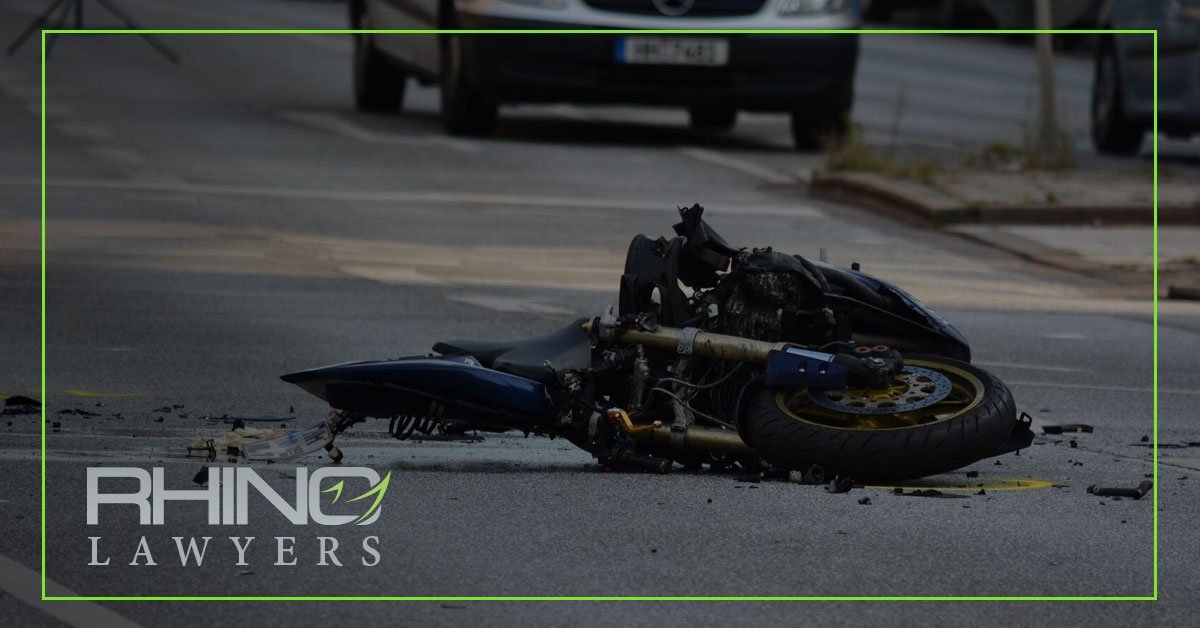
Can You File a Claim for Road Hazards Causing a Motorcycle Accident?
A report by Autoinsurance shows that motorcycles account for 15% of traffic fatalities despite making up 3% of all registered vehicles in the U.S. This stark contrast highlights the vulnerability of motorcyclists on the road. While collisions with other vehicles are a leading cause of crashes, road hazards also play a significant role in motorcycle accidents. Poorly maintained roads, debris, and sudden pavement changes can be just as dangerous as reckless driving.
Unlike cars, your motorcycle has less stability. This means even a small hazard can send you into a serious crash. But what happens if a road hazard causes your accident?
Can you hold someone responsible and seek compensation for your injuries? Explore your legal options for filing a road hazard claim and seeking compensation.
Common Road Hazards That Put You at Risk
Due to the smaller size, reduced stability, and lack of barriers, your motorcycle is more vulnerable to road hazards. Some of the most common hazards include:
- Potholes and uneven pavement
- Loose gravel and debris
- Poorly maintained roads
- Missing or unclear road signs
- Oil spills and wet pavement
- Animals or obstructions
Recognizing these hazards helps determine whether an accident resulted from negligence or was simply a mere chance.
Who Is Liable for Road Hazard-Related Motorcycle Accidents?
When a road hazard causes your accident, determining liability is crucial. Depending on the circumstances, different parties may be responsible, including:
Government Agencies
City, state, or federal agencies could be liable if poor road maintenance led to your crash. They must keep roads safe for all drivers, including motorcyclists. If they fail to repair potholes or address other hazards, they may be held accountable under road hazard liability laws.
Construction Companies
Poorly marked construction zones can create unexpected dangers for riders. If debris, unsafe conditions, or missing warning signs contributed to your crash, the construction company may be responsible.
Private property owners
Overgrown vegetation, water runoff, or other hazards spilling onto public roads from nearby properties can put riders at risk. The property owner may be held responsible if these conditions cause an accident.
Steps to Take After a Motorcycle Accident Caused by Road Hazards
A motorcycle accident caused by a road hazard can leave you feeling overwhelmed. But taking the right steps can protect your health and legal rights. Here’s what you should do:
Document the Scene
Take clear photos and videos of the hazard, your injuries, and any damage to your motorcycle. This evidence is crucial in proving what caused your accident.
Seek Medical Attention
Even if you feel fine, see a doctor immediately. Some injuries take time to appear, and having medical records will support your claim.
Consult a lawyer
An experienced personal injury attorney can guide you through the process of filing a road hazard claim. They’ll help you understand your legal rights as a biker and determine who is responsible for your accident.
At RHINO Lawyers, we have experience handling motorcycle accident claims and fighting for riders’ rights. Our team can help you gather evidence, deal with insurance companies, and pursue the compensation you deserve.
File a Claim
Filing a road hazard liability claim involves proving that negligence played a role in your accident. This step can be complex, but you don’t have to worry. With the help of an attorney, you can strengthen your case and improve your chances of receiving compensation.
Litigation (If Necessary)
Legal action may be your next step if your claim is denied or the settlement offer is unfair. While most claims settle before trial, being prepared for litigation strengthens your position. Your accident lawyer will present evidence and fight for the compensation you deserve.
Types of Compensation Available
If your motorcycle accident claim is successful, you could receive different types of compensation. The amount you receive depends on the severity of your injuries and losses. Here’s what you can recover:
Economic Damages
These damages include financial losses directly caused by the accident. You may receive compensation for the following:
- Medical Bills
- Lost wages
- Rehabilitation costs
- Motorcycle repairs
Keeping detailed records of all expenses is crucial to securing fair motorcycle accident compensation.
Non-Economic Damages
Non-economic damages cover losses that are intangible or non-financial, which affect quality of life. Various non-economic damages caused by auto accidents include:
- Pain and suffering
- Emotional distress
- Loss of enjoyment of life
While harder to quantify, these damages are just as important as financial losses.
Punitive Damages
In rare cases, courts may award punitive damages to punish extreme negligence. This applies if the responsible party acted recklessly or knowingly ignored road hazards. Although not always granted, they can significantly increase your compensation.
Challenges in Filing Claims
Filing a claim for a motorcycle accident caused by a road hazard isn’t always straightforward. Various legal and procedural obstacles can make securing compensation difficult. Here are some common challenges:
Sovereign Immunity
Suing a government agency comes with strict deadlines and procedural requirements. Plus, sovereign immunity protects many agencies.
This means plaintiffs can hold them liable only under specific conditions. Failure to follow the right steps could result in a denied claim.
Proving Negligence
To win your case, you must prove that the responsible party failed to maintain safe road conditions. Without strong evidence, such as photos and witness statements, it can be challenging to establish fault.
Shared Fault
If you share responsibility for the accident, the court may reduce your compensation. Under comparative negligence laws, your payout is adjusted based on your percentage of fault.
That’s why it’s essential to work with a legal team like RHINO Lawyers. We can help you gather evidence, prove negligence, and challenge unfair fault claims.
Injured by Road Hazards? Get the Right Compensation for Your Motorcycle Accident
A motorcycle accident caused by road hazards can leave you with injuries, expenses, and uncertainty. You don’t have to bear the burden alone. Understanding your legal options can help you pursue the compensation you deserve.
RHINO Lawyers, founded by Brandon F. Jones, Esquire in 2014, delivers bold, results-driven representation for motorcycle accidents, auto accidents, medical malpractice, criminal defense, and traffic violations. With 14+ years of experience and a client-first approach, our Tampa-based team fights fiercely to get you the compensation you deserve.
Get in touch for a free case evaluation.
CONTACT A TAMPA Motorcycle ACCIDENT ATTORNEY
In short, after a motorcycle accident, you may not know your rights. Above all, don’t struggle through the process alone. Actually, our personal injury team is here to help you with any legal needs you might have regarding your accident.
Lastly, let RHINO Lawyers answer your questions and review the facts of your case with a Free Consultation. So, get started by completing the “Free Instant Case Evaluation” or by calling us any time, day or night, at 844.RHINO.77.
Read More
Arrested for DUI on Federal Land in Florida?
Getting pulled over is nerve-wracking. Getting pulled over on federal property? That’s a whole different kind of panic.
Most people assume a DUI is just a state-level issue, something you can handle like any other ticket or misdemeanor. But DUI arrests on federal land, like a national park, military base, or federal building, come with a completely different rulebook; and the consequences can follow you for years. From unexpected court locations to harsher probation and fines, it catches drivers off guard every time.
This article shows you exactly what you’re up against and what you can do right now to protect yourself.
Why a DUI on Federal Property is Different
Most DUIs in Florida go through state court, but DUI arrests on federal property follow federal rules that are often stricter and less flexible.
Federal property in Florida covers a wide range of places, such as:
- National parks like Everglades National Park
- Military installations like MacDill Air Force Base
- Federal buildings and post offices
- Federal roads or land managed by agencies like the U.S. Forest Service
So, who decides whether you get hit with DUI federal charges or state charges? Under the federal DUI laws, the Assimilative Crimes Act (18 U.S.C. § 13) allows the federal government to adopt Florida’s DUI laws when an offense occurs on federal property. That means you will still face penalties similar to Florida’s DUI statute (Section 316.193, Florida Statutes), but your case is handled in federal court.
Arrest Process on Federal Property
The arrest process on federal land is not the same as when a local sheriff or city police officer pulls you over. On federal property, the person who stops you is usually a federal officer.
Depending on where you are, this could be:
- A U.S. Park Ranger,
- A Military Police Officer
- A member of the Federal Protective Service
These officers have the authority to make arrests under federal law, not state law.
Once stopped, you typically go through a process that might feel familiar, yet is actually quite different:
- Field sobriety tests are often administered on the spot
- Portable breath tests may be offered, yet are not always mandatory
- You could be asked to submit to a formal breath or blood test
- Refusing tests on federal property may carry immediate consequences, like license suspension
After the stop, the officer will usually arrest you and take you to the nearest federal detention center or processing location. Booking involves fingerprinting, photographing, and gathering your personal information. That part is similar to state arrests.
Yet, what happens next is that you are not sent to a county court. Instead, your case is routed to the nearest U.S. District Court.
Federal Court vs. Florida State Court DUI Cases
Facing a DUI in federal court is much different than going through a typical Florida state court. First, you are subject to federal criminal procedure rules, which tend to be stricter on timelines and evidence disclosure. Second, your case will be heard by a federal judge, and you may be subject to U.S. Probation if convicted.
Federal courts apply Florida DUI penalties through the Assimilative Crimes Act, but the outcomes may vary depending on how the federal judge views the case. A conviction could lead to the same types of penalties you would expect under Florida law, including:
- Up to six months of jail for a first offense
- Up to a $1,000 fine
- Mandatory substance abuse counseling
- Community service requirements
Yet, supervision is done by the U.S. Probation Office, not a Florida state probation officer. That changes how authorities monitor your probation, who you report to, and what federal conditions may add to the Florida penalties. This can make post-conviction compliance more strict and less flexible than in state court.
Federal court does not allow drivers to easily access state diversion programs, and federal judges have less room for informal resolutions compared to Florida county judges.
Penalties You Could Face
The penalties for a federal DUI tend to be the same as Florida’s, yet the consequences are often more lasting because of the federal process itself.
If convicted, you could face:
- A maximum of six months in jail for a first offense
- Fines that can go up to $5,000 depending on the circumstances
- A probation period under the supervision of the U.S. Probation Office
- License suspension managed by the Florida Department of Highway Safety and Motor Vehicles
These Florida DUI penalties will affect your ability to drive, yet that’s not the full story. Federal convictions become part of your permanent federal record. That means background checks for federal jobs, military clearances, or security-sensitive positions may now flag this offense.
Unlike some state-level cases where diversion or expungement is more common, federal cases tend to leave you with fewer options to erase or lessen the long-term impact.
Many people forget that the Florida DMV will still suspend your license separately, even though the conviction is federal. You will still have to deal with state administrative penalties, which might include a hardship license application or reinstatement fees.
The consequences can stack up quickly:
- Higher car insurance premiums
- Difficulty securing certain jobs
- Loss of professional licenses in regulated industries
Defending Federal DUI Arrests
Mounting a Legal defense federal DUI case is not something you want to take on without a lawyer who knows both federal and state DUI law. Federal DUI cases are prosecuted in a way that leaves less room for informal resolutions, yet a well-prepared defense can still make a big difference.
Federal prosecutors are sometimes open to negotiating plea deals, especially for first-time offenders. The key is having someone who knows how federal courts actually work. This tends to be where local defense attorneys fall short, as they often focus only on state-level cases.
Protect Your Future After a DUI Arrest
DUI arrests on federal property are serious and carry lasting consequences. From federal court appearances to license suspensions under state law, there’s a lot at stake.
At RHINO Lawyers, we’ve built a system around how today’s drivers live and communicate. From digital access to 24/7 support, we make legal help convenient, fast, and effective. Our team knows how to challenge both the evidence and the process in federal DUI cases.
Get a free case evaluation today and let our experience work for you.
CONTACT TAMPA TRAFFIC TICKET ATTORNEY
RHINO Lawyers can help and guide you through a system molded by law enforcement, judges, and lawyers for decades. Having won cases for our clients in similar circumstances, our criminal defense team knows what it takes to fight on your behalf.
Let RHINO Lawyers answer your questions and review the facts of your case with a Free Consultation. So, get started by completing the “Free Instant Case Evaluation” or by calling us any time, day or night, at (844) RHINO-77.
Read More
What Evidence Strengthens Your Truck Accident Negligence Claim?
Concox reports that in 2023, large truck crashes caused 5,078 deaths and 86,842 injuries in the U.S. A large number of these accidents happened because of negligence.
Some truck drivers broke safety rules. Others ignored traffic laws or drove while tired. Trucking companies sometimes fail to maintain their trucks.
You deserve compensation if you or a loved one suffered a truck crash. But getting it isn’t easy. You need strong evidence to prove negligence claims.
The proof you provide can affect your case. It can also impact how much money you receive.
So, what evidence helps support your claim? Keep reading to find out!
Police Reports and Accident Scene Documentation
A police report is an official document officers make at an accident scene. It contains:
- Date, time, and location
- Names of drivers and witnesses
- Vehicle damage details
- Road and weather conditions
- Traffic law violations
- Statements from both drivers
- Officer’s opinion on the fault
Police reports provide key evidence for truck accidents. They help show what happened and who was responsible. If the officer noted a traffic violation, that could support your claim.
You can also gather your own proof. Take photos of the damage, road signs, and skid marks. If possible, record a video of the scene.
Accident reconstruction experts use the report and physical evidence to analyze the crash. They study impact points, debris patterns, and vehicle positions. Their findings can help prove how and why the accident happened.
Witness Statements and Expert Testimony
Eyewitness accounts can provide valuable insight into how the accident happened. Bystanders, passengers, or other drivers may have seen the trucker’s actions before the crash. Statements from independent witnesses can help counter false claims by the trucking company or its insurer.
Mechanical experts can inspect the truck for defects or poor maintenance. They can determine if faulty brakes, worn tires, or engine issues contributed to the accident. A strong team of experts can provide the proof needed to support your claim and establish negligence.
Truck Driver Records and Logbooks
Driver fatigue is a major factor in negligence in truck accidents. Federal laws limit driving hours to prevent exhaustion. Truckers must take rest breaks, but some ignore the rules to meet deadlines.
Logbooks and electronic logging devices (ELDs) track driving hours. These records can show if a driver worked beyond the legal limit.
You can also indicate negligence by checking other driver records, such as:
- Employment history
- Drug and alcohol tests
- Past traffic violations
- Training and certification records
- Accident history
Sometimes, drivers or their defense teams refuse to share these records. In such cases, legal action may be necessary. A court order can force them to release the documents.
We, RHINO Lawyers, can help you access the evidence you need to prove your claim. We can request logbooks and ELD data to check for rule violations. If the defense refuses to share records, we can obtain court orders to secure them.
Our team will investigate the driver’s history for past safety violations. We also provide truck accident legal advice to help you build a strong case.
Truck Maintenance and Inspection Reports
Trucking companies must maintain their vehicles to ensure they operate safely. Sadly, some don’t, as they skip regular truck inspections and maintenance.
They do this to save money or meet tight delivery schedules. As a result, their drivers operate trucks with:
- Faulty brakes
- Worn tires
- Engine failures
- Broken lights
- Steering issues
These problems increase the risk of accidents. When crashes happen, the trucking company can be held responsible. Proving truck accident claims often involves reviewing maintenance and inspection reports.
These records show whether the truck was in good condition before the crash. If a company fails to perform routine checks or ignores repairs, that may prove negligence. Accessing these reports can reveal if mechanical failures caused the accident.
They can help show that the company, not just the driver, was at fault. Strong evidence can support your claim and help you get compensation for truck accidents.
Black Box Data and GPS Records
Most commercial trucks have event data recorders, also called “black boxes.” These devices record key details before and after a crash. They track speed, braking usage, and engine performance.
Black box data can serve as strong evidence for truck accidents. It can show if the driver was speeding, failed to brake, or made unsafe moves.
GPS records can also help. They track the truck’s route, travel time, and stops. GPS data can support your claim if the driver was rushing to meet a deadline or took a risky detour.
Truck companies may delete or overwrite this data. Acting fast is essential. Your lawyer can request the records before they disappear.
They can also analyze the data to strengthen your case. The right legal team can help you use the black box and GPS evidence to prove negligence.
Medical Records and Injury Documentation
After a truck accident, you might feel fine and assume you don’t need medical care. That can be a fatal mistake. Some injuries take time to appear, and delaying treatment can make them worse.
It can also hurt your claim. Insurance companies may argue your injuries were not caused by the crash. Seeking medical care as soon as possible protects your health and your case.
Keep a detailed record of:
- Doctor visits
- Treatments
- Prescriptions
- Physical therapy sessions
- Medical tests
- Surgery recommendations
These medical records help prove the impact of the accident on your life. They also show the cost of treatment.
You may need more medical care in the future. Compensation can help cover these future expenses. Without it, you could face high medical bills for years.
Seek Legal Support to Prove Negligence Claims
Proving negligence claims alone can be tough. Mistakes can weaken your case and lower your compensation.
You may struggle to gather evidence or deal with insurance companies. An experienced attorney can help you avoid these pitfalls.
At RHINO Lawyers, we fight for accident victims. Brandon F. Jones, Esquire, our lead attorney, has over 14 years of experience. As a former insurance defense lawyer, he knows how insurers think. We use that knowledge to protect your rights.
Let us handle your case while you focus on healing. Contact us today for a free consultation!
CONTACT A TAMPA AUTO ACCIDENT ATTORNEY
In short, after a car accident, you may not know your rights. Above all, don’t struggle through the process alone. Actually, our personal injury team is here to help you with any legal needs you might have regarding your accident.
Lastly, let RHINO Lawyers answer your questions and review the facts of your case with a Free Consultation. So, get started by completing the “Free Instant Case Evaluation” or by calling us any time, day or night, at 844.RHINO.77.
Read More
Understanding Florida DUI Manslaughter Charges
In 2022, a person lost their life in a drunk driving accident every 39 minutes, resulting in over 13,000 fatalities across the United States, according to SafeHome.org. Despite a slight decline from the previous year, these numbers underscore the devastating consequences of driving under the influence. In Florida, individuals involved in fatal DUI-related accidents may face DUI manslaughter charges, one of the most severe offenses under state law. Understanding the legal process, penalties, and potential defense strategies is crucial if you or a loved one is facing these charges.
Keep reading to learn how Florida law handles DUI manslaughter cases and what steps you can take if charged.
Florida Traffic Laws and DUI Manslaughter
According to Florida’s traffic laws, it is illegal to drive with a blood alcohol concentration (BAC) of 0.08% or higher. Drivers who operate a vehicle while impaired by drugs or alcohol and cause a fatal accident can be charged with DUI manslaughter.
Florida law also mandates that drivers remain at the scene of an accident. Fleeing the scene can result in harsher penalties.
What Is DUI Manslaughter in Florida?
DUI manslaughter happens when a motorist, while under the influence of drugs or alcohol, causes a person’s death. This charge does not require intent to harm but is based on the reckless or negligent actions of an impaired driver.
Under Florida law, DUI manslaughter is classified as a felony of the second degree, carrying serious legal consequences that can impact a person’s life permanently. In order to secure a conviction, the prosecution must prove that:
- The driver was influenced by alcohol or drugs
- Their impairment directly caused the accident
- The accident resulted in the death of an individual
Florida DUI Penalties for Manslaughter
A DUI manslaughter conviction is life-altering, with severe legal and personal consequences. Those found guilty may face years behind bars, heavy fines, and the loss of driving privileges.
Being convicted of DUI manslaughter in Florida leads to harsh penalties, including:
- A fine of up to $10,000
- A prison sentence of a maximum of 15 years for a second-degree felony conviction
- Probation following imprisonment
- Driver’s license revocation for a minimum of 3 years
If a driver flees the scene after causing a fatal accident, the charge escalates to a felony that’s first-degree. This increases the potential prison sentence to a maximum of 30 years.
DUI Case Procedures in Florida
Being charged with DUI manslaughter can be overwhelming and life-changing. The legal system is complex, and each step can have significant consequences. If arrested for DUI manslaughter, understanding the legal process can help prepare for what lies ahead.
- Arrest and booking: If impairment is detected, the driver will be taken into custody and booked
- Bail hearing: The court may grant bail, allowing the accused to remain free while awaiting trial
- Pretrial motions: Attorneys may challenge the prosecution’s evidence, such as breathalyzer accuracy or procedural violations
- Trial: The prosecution must prove beyond a reasonable doubt that the driver’s impairment led to the fatal crash
- Sentencing: If convicted, the judge will determine penalties based on Florida’s sentencing guidelines
Manslaughter Defense Strategies
Navigating a DUI manslaughter charge requires a thorough understanding of legal defenses. Without proper representation, defendants may face maximum penalties with little chance of a favorable outcome. Legal representation is crucial when dealing with DUI manslaughter allegations.
Let’s look at some possible manslaughter defense strategies.
Challenging Causation
The defense may argue that the accident was unavoidable or that other factors contributed to the fatality. Poor road conditions, mechanical failure, or the actions of another driver could have played a role in the crash. If the prosecution cannot link the defendant’s impairment to the fatality, the case may weaken significantly.
Disputing BAC Results
Breathalyzer and blood test inaccuracies can be challenged in court. Errors such as improper calibration, human mistakes, or contamination of samples may lead to unreliable results.
If law enforcement fails to follow proper procedures during testing, an attorney can argue for the suppression of this evidence.
Questioning Law Enforcement Procedures
Officers must follow strict protocols when conducting DUI investigations. Critical evidence may be deemed inadmissible in court if they fail to administer field sobriety tests correctly, mishandle evidence, or violate the defendant’s rights. Any procedural errors can impact the strength of the prosecution’s case.
Medical or Prescription Drug Influence
Some medications can cause impairment, even when taken as prescribed. If a driver unknowingly experiences side effects from a legal prescription or was given incorrect medical advice, this may serve as a defense.
A toxicology expert may evaluate whether the medication, rather than alcohol or illegal substances, caused impairment.
Victim Negligence
If the deceased played a role in causing the accident, such as jaywalking, ignoring traffic signals, or engaging in reckless behavior, this could reduce the severity of the charge. Establishing contributory negligence may help mitigate penalties or weaken the prosecution’s argument that the defendant was solely responsible for the crash.
DUI Legal Advice: Why You Need a Lawyer
Securing professional DUI legal advice is essential when facing DUI manslaughter charges. A skilled defense attorney can:
- Analyze the prosecution’s evidence for weaknesses
- Negotiate plea bargains to reduce charges
- Challenge improper law enforcement actions
- Advocate for reduced sentencing if a conviction occurs
RHINO Lawyers, based in Florida, provides experienced legal representation for individuals facing DUI and traffic-related criminal charges. With a strategic and aggressive defense approach, RHINO Lawyers protects the client’s rights, achieving the best possible outcomes.
The Importance of Legal Representation
A DUI manslaughter conviction can lead to lifelong consequences, from imprisonment to financial burdens. Hiring an experienced attorney is vital for navigating the DUI case procedures and protecting your legal rights. A strong defense can mean the difference between a reduced charge and a lengthy prison sentence.
Facing DUI Manslaughter Charges?
If you or a loved one are facing DUI manslaughter charges in Florida, acting quickly is crucial. RHINO Lawyers takes an aggressive, results-driven approach to defending clients, ensuring they receive top-tier legal representation.
With a history of successfully challenging serious traffic offenses, our team is dedicated to protecting your rights. DUI manslaughter cases require strategic legal defense, and RHINO Lawyers is here to fight for your future.
Contact RHINO Lawyers today for a consultation. Let’s take the first step in protecting your rights and securing your best possible defense.
CONTACT TAMPA TRAFFIC TICKET ATTORNEY
RHINO Lawyers can help and guide you through a system molded by law enforcement, judges, and lawyers for decades. Having won cases for our clients in similar circumstances, our criminal defense team knows what it takes to fight on your behalf.
Let RHINO Lawyers answer your questions and review the facts of your case with a Free Consultation. So, get started by completing the “Free Instant Case Evaluation” or by calling us any time, day or night, at (844) RHINO-77.
Read More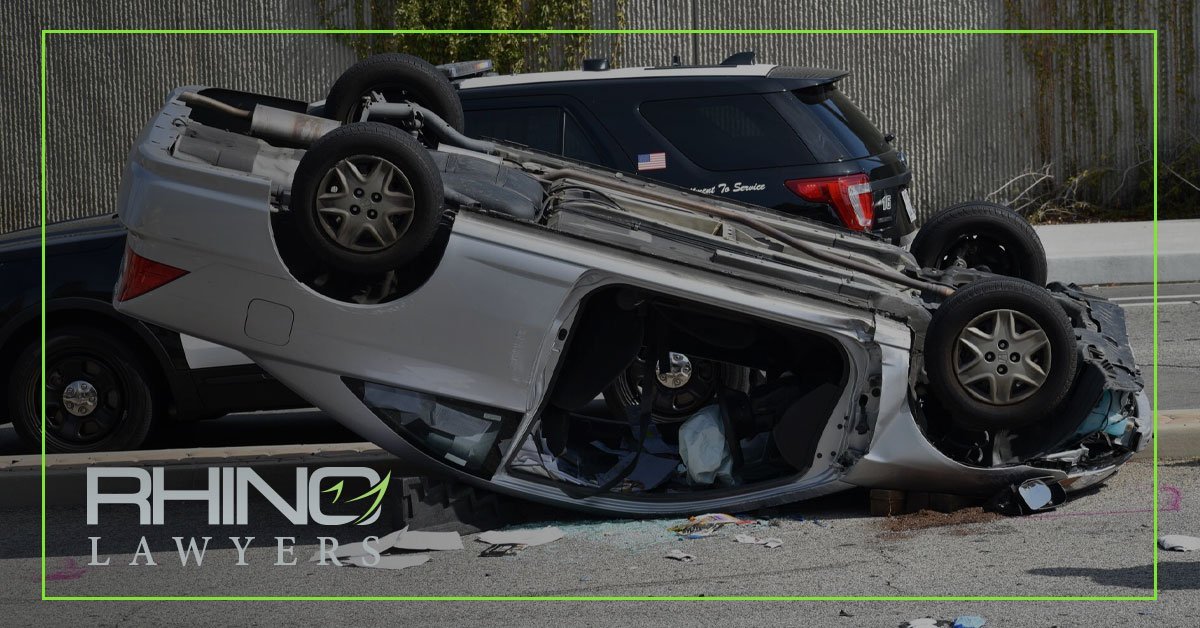
What to Do If You Were Injured in a Crash With a Police Vehicle
USA Today reports that around 52,000 Americans were injured in police chase crashes between 2017 and 2021. Recklessness, speeding, and impaired driving contribute to police vehicle accidents.
A car crash with police can be more overwhelming than a typical crash. Legal protections and government involvement make police vehicle accidents more complex.
However, this doesn’t limit you from seeking compensation for your injuries and damages. Following the right legal steps after a crash can help protect your rights and ensure a fair outcome.
Injured in a collision with law enforcement and don’t know what to do? Don’t let confusion or intimidation prevent you from getting the justice you deserve. Keep reading to learn precisely what to do after a car crash with the police.
Get to Safety
Getting to safety immediately helps prevent further injuries. You reduce the risk of additional collisions with other vehicles on the road.
Failing to move to safety could complicate the legal process if another accident occurs. It may become difficult to prove liability.
Getting to safety allows you to document the accident scene effectively. It also becomes easier to call for emergency assistance.
Move your vehicle from the traffic to a safer location near the accident scene. If you’ve sustained serious injuries like spinal injuries, stay calm and wait for responders. They will help you exit the car and take you to a safer location.
If you have sustained minor injuries and can drive, start by turning on your hazard lights. Emergency lights alert other drivers on the road to the accident, preventing more collisions.
Then, move your car away from the accident scene. Carefully drive to the side of the road that has no traffic.
Call 9-1-1
A police officer who caused the crash may try to convince you not to call 9-1-1. Don’t fall into this trap. Without a 9-1-1 call, it may be difficult to prove the fault.
Calling 9-1-1 allows you to file an official accident report. This helps limit the at-fault party’s attempts to downplay the severity of the crash.
An official accident report will help strengthen your case. It can also help resolve insurance disputes that may arise later.
If the officer later changes their story, you’ll have official evidence to counter their claim. You’ll minimize the risk of your injury claim getting rejected by the insurance company.
Check out these tips for calling 9-1-1 after a car crash with police:
- Call immediately
- Stay calm
- Provide accurate information
- Don’t admit fault
- Request medical assistance
- Record the call
Don’t be rude to the officer who caused the crash. Be polite and respectful, but also be firm. Insist on filing an accident report.
Document the Accident
Documenting your injuries helps you get quality medical attention. It also serves as evidence to strengthen your case.
Accurate documentation will enhance your case’s credibility. Documenting shows that your injuries were caused by the accident – they were not pre-existing.
Documenting can help increase the value of your crash injury compensation. Detailed documentation shows how the accident occurred, the extent of damages, and any injuries sustained.
Documentation will protect your rights after a police crash by giving you legal leverage. It can protect you from false accusations from law enforcement.
Documenting the accident scene can help your lawyer establish liability. Personal injury lawyers like RHINO Lawyers will critically analyze your documentation to prove that the officer is at fault. This will help us hold the responsible officer accountable for your injuries.
You can document the accident scene by:
- Taking photos and videos
- Documenting any visible injuries
- Recording witness statements
- Noting your surroundings – road hazards, weather conditions, time of the day
- Requesting the officer’s information – name, badge number, and department
Seek Medical Attention
Seeking medical attention after a police vehicle accident allows you to get immediate medical care. A medical specialist will examine your body to mask any pain or symptoms.
Urgent medical care is important even if you feel okay. It’ll help prevent possible complications.
Medical records will help prove your injuries and treatments. They can strengthen your insurance claim.
The records will show your treatment expenses, helping you negotiate fair crash injury compensation. Before filing an insurance claim, ensure you have records of:
- Prescriptions
- Medications and treatments
- Diagnostic tests and imaging results
- Follow-up visits
- Special consultations
- Emergency services
- Hospital records
- Surgery recommendations
Choose an experienced car accident doctor for a thorough examination. Visit specialists like neurologists and orthopedic specialists. They can help with brain injuries or broken bones, and musculoskeletal injuries.
Report the Accident
Proper accident reporting promotes accountability and accurate legal documentation. It allows you to prove your version of events.
Accurate reporting also minimizes the risk of false claims and accusations. Reporting a police vehicle accident is a legal obligation, especially if you’ve been severely injured. You’ll not only support your claim but also avoid fines and penalties.
After calling the responding law enforcement agency, request a police report. It’s the official report of the accident.
Then, report the incident to your insurance company. Ensure that your evidence provides all the details of the accident. An insurance adjuster may use any misinformation to counter your claim.
Seek Exceptional Legal Help
Seeking professional legal help means hiring experienced personal injury attorneys like RHINO Lawyers. We can easily navigate the complexities of police car accident claims, giving you peace of mind. We will protect your rights after a police car crash.
If you have an injury case, we can help with:
- Determining if the officer acted negligently
- Explaining relevant traffic laws
- Filing your claim on time
- Calculating your damages
- Communicating with the insurer
- Filing a lawsuit if your insurer denies your claim
- Representing you in court
Sovereign immunity laws protect police officers. At RHINO Lawyers, we understand these laws and can build a strong case to ensure you receive fair compensation.
Protecting Your Rights After a Car Crash With Police
Being involved in a car crash with police can be overwhelming. That’s why you need legal professionals like RHINO Lawyers to protect your rights and receive fair compensation.
Our team leader, Brandon F. Jones, Esquire, has over 14 years of experience in accident-related cases. He is a former insurance defense lawyer and is licensed in several jurisdictions.
Don’t let a complex case hold you back. Call us now!
CONTACT A TAMPA AUTO ACCIDENT ATTORNEY
In short, after a car accident, you may not know your rights. Above all, don’t struggle through the process alone. Actually, our personal injury team is here to help you with any legal needs you might have regarding your accident.
Lastly, let RHINO Lawyers answer your questions and review the facts of your case with a Free Consultation. So, get started by completing the “Free Instant Case Evaluation” or by calling us any time, day or night, at 844.RHINO.77.
Read More
The Impact of Points on Your License and How to Minimize Them
In a recent YouGov poll, 47% of drivers rated themselves excellent, while only 1% said they were terrible.
In the eyes of the law, the quality of your driving is based on a points system. Every infraction you’ve ever gotten is tallied up on your license.
Knowing how many points you have is more than helpful information. It can help you stay on the road and out of jail.
Read on to learn about the impact of points on your driver’s license and what to do about them.
What Are Driver’s License Points?
The Department of Motor Vehicles (DMV) in most states uses a driver violation points system to track traffic violation penalties. The only states that use other systems are:
- Hawaii
- Kansas
- Lousianna
- Mississippi
- Minnesota
- Oregon
- Rhode Island
- Wyoming
- Washington
Depending on the violation, you’ll get a certain number of points on your driver’s license. They range from three for the least serious offenses to six for major ones such as a hit-and-run.
Effects of License Points
The most serious effects of license points include a license suspension and even criminal charges.
They can also lead to financial problems. You may face higher traffic fines and insurance premiums.
Higher Fines
Points tend to stack onto each other.
Once you have one point for a traffic violation, you’ll face a higher fine for the next one. The more you have, the worse the penalties will get.
Higher Insurance Premiums
Florida car insurance rates are among the highest in the US. According to USA Today, the national average is $2,067 a year, but Sunshine State residents pay $4,326 per year.
That number is for drivers with clean records. Each license point is reported to your insurance company, but they also use their own systems to calculate points. Both can increase your insurance premiums.
What if you rack up too many points too quickly? You may also be considered a high-risk driver. That’ll send your premiums through the roof.
License Suspension
Once you get enough points, your license will be suspended. There are also certain infractions that result in immediate suspension, including:
- Speeding to elude arrest
- Drug or alcohol offenses while driving
- Failure to pay traffic violation fines
- Street racing
- Manslaughter or negligent homicide
How long will the suspension last? It depends on how many points you’ve accumulated and how quickly. Lengths include:
- 30 days for 12 points within 12 months
- Three months for 18 points within 18 months
- One year for 24 points within 36 months
Jail Time
Taking away your license due to point accumulation is serious, but taking away your freedom is worse.
You may have to go to jail if you’re a habitual offender with multiple points on your license in a short time. You could also face a manslaughter charge after a traffic accident.
Duration of Points
Points don’t stay on your license forever. Most states allow them to be removed after a period of safe driving. Depending on the severity, they can last for three years.
Being removed from your license doesn’t mean they don’t have an impact. Points may remain on your auto insurance record and affect your insurance rates.
How to Check for Points
Many drivers may be unaware of how many points they currently have on their licenses. It’s even possible to unknowingly drive with a suspended license.
That’s why it’s important to check to see how many points you have. The simplest way is to check the Online Services section of your state DMV website.
You can also go to the local DMV office in person or mail a written request for a copy of your driving record. Have your driver’s license number and identifying information ready.
How to Remove Points On Your Driver’s License
Once you know how many points you have, your next goal should be to remove them. Once they’re gone, they can even be removed from your record.
That starts with proper vehicle maintenance and defensive driving habits. You may also have to go to driving school. If you get points unfairly for an issue that wasn’t your fault, you can challenge the ticket in court.
Keep Up With Vehicle Maintenance
Maintaining your vehicle helps you avoid traffic violation penalties that could lead to points on your license.
It prevents the nonmoving ones you can when you’re not in the car. You won’t have to worry about getting pulled over for a broken taillight.
It also helps you drive more safely. Your vehicle will run better and make it easier to control.
Go to Driving School
One way to reduce driving penalties for certain infractions is to attend traffic school. The classes you’ll need depend on the infractions you received points for.
Removing points from a DUI requires completing an Advanced Driving Improvement (ADI) course and providing proof of FR44 insurance. A basic driver improvement class will help remove points for speeding.
Going to driving school does more than help protect driving privileges. It reduces the cost of your ticket and prevents your insurance rates from going up. Also, the infraction won’t go on your record and the points won’t be applied to your license.
Challenge the Ticket
Points on your driving license may not always be your fault. Perhaps you didn’t realize you were speeding or got back-ended by another car.
Cases involving removing points are often complex, but the right lawyer can help you navigate them. They’ll negotiate with the court and other relevant authorities to prove you weren’t in the wrong. They’ll convince the court to have the unearned points removed from your record.
Find an Exceptional Lawyer to Help Reduce Points on your Driver’s License
Points on your driver’s license come from any traffic law infractions, from a broken headlight to a DUI. You can avoid and/or remove them with vehicle maintenance or traffic school. You can also go to court to challenge points you’ve received unfairly.
RHINO Lawyers has a team of criminal defense lawyers who are passionate about modernizing the legal industry. That means fast, reliable communication on your terms.
We use the latest technology to work with you and to analyze trends that can help us win your case. Contact us for representation today.
CONTACT TAMPA TRAFFIC TICKET ATTORNEY
RHINO Lawyers can help and guide you through a system molded by law enforcement, judges, and lawyers for decades. Having won cases for our clients in similar circumstances, our criminal defense team knows what it takes to fight on your behalf.
Let RHINO Lawyers answer your questions and review the facts of your case with a Free Consultation. So, get started by completing the “Free Instant Case Evaluation” or by calling us any time, day or night, at (844) RHINO-77.
Read More
What is Considered Admitting Fault in a Car Accident?
The Florida Department of Highway Safety and Motor Vehicles recently released information stating that over 380,000 traffic collisions occurred in 2024 alone. If you experience one of these and have been stunned by a sudden collision, it is common not to be paying complete attention to what you are saying. As admitting fault in a car accident will cause you many other issues, you need to understand how to conduct yourself to protect your rights.
Below, we explain what counts as potentially admitting fault to help you safeguard your insurance claim and prevent you from facing unnecessary liability. Read on to learn how to maximize your compensation and get advice from RHINO Lawyers on what to do following an auto accident.
What Truly Counts as Admitting Fault?
Admitting fault is not as simple as saying a brief “I’m sorry” to others at the scene. While, depending on context, it might be, in truth, any statement or gesture you make could confirm your liability at the scene. These may include some of the following:
- Phrases
- Written communication
- Your personal notes
- Social media posts
- Body language
Insurance companies may then use this as proof that you are to blame, reducing your settlement or even potentially denying your whole claim.
As such, be aware that you should not make statements such as “I may have been distracted”. Repeating this can reinforce the issue, making it look like you feel guilty for an event.
Even a subtle gesture can, depending on other factors, spell disaster. For example, others may see the following as offering an apology or even simply being submissive out of guilt:
- Bowing your head
- Holding your hands in a prayer motion
- Appearing sad as though you are guilty
- Holding your palms facing forward
- Shrugging your shoulders
These are especially troublesome as others may record you performing such casual motions when you are unaware of the camera, and insurance adjusters may later scrutinize them. However, these individuals are well-trained in differentiating honest apologies from those admitting fault.
Red Flags in Accident Statements
Specific key phrases may trigger insurance adjusters and courts to infer car accident liability. It isn’t as simple as saying “I’m sorry”, as people often use this as a more general term of sympathy rather than an apology. Instead, you will want to look out for things you do that suggest:
- Trying to justify your actions to imply responsibility
- Using too much detail in an account to guide people in their opinion of you
- Using emotion to try to gather sympathy
- You are dismissing the seriousness of a situation
Naturally, there are also very obvious phrases that unambiguously offer admission of guilt, such as:
- “It was my fault.”
- “I’m really sorry for doing that.”
- “I should have seen that coming.”
- “Where did you come from?
- “I can’t believe I did that.”
Even casually saying these or joking about them can cause trouble if a bystander records you saying them, impacting your legal rights in accidents.
Liability and Legal Consequences
Admitting fault can often lead to significant legal and financial problems. They may lead to lawsuits, settlements, or even criminal charges that can result in significant life consequences. The long-term impact of these can be severe, especially if you admit fault, and even a partial admission can result in a denial of a claim from your insurance company in the short term and higher premiums in the long term.
As such, our advice would be to stay silent and allow the investigation to determine fault independently without you discussing it with them. Remember that the first person to speak does not receive a significant benefit from the police or insurers, so take your time to compose yourself before interacting with them.
Take Control to Protect Your Legal Rights and Avoid Fault
Be aware that, even if you do not say anything to an authority figure after an accident, they can still use prior car accident statements against you. For example, in Walton v. Robert E. Haas Construction Corp., 259 So. 2d 731 (Fla. 3d DCA 1972), the defendant could read a plaintiff’s deposition instead of the plaintiff speaking.
So, instead, take proactive steps after an accident to help you get the upper hand in the fault determination process and protect your legal rights, even if you don’t communicate with anyone.
Five Things You Must Do
Directly after an accident, make sure you get to safety and then, after contacting emergency services and offering aid where necessary, start documenting the crash.
Then, ensure that you take these steps:
- Remain silent beyond confirming your basic information to those at the scene or authorities
- Refrain from giving any opinions on the situation or speculating on the actions of others
- Politely decline requests from bystanders to elaborate on your actions or decisions
- Keep any responses factual and do not add personal observations to statements
- Wait for law enforcement or legal counsel to arrive and make any statements to them
Five Things You Must Avoid
After the accident, it may feel like you want to take action. Instead, ensure everyone is safe, but take careful steps to avoid problems:
- Do not apologize or admit fault for any step of the accident, even if you feel responsible
- Don’t sign any documents or statements without discussing them with an attorney
- Don’t get into arguments and avoid any physical altercations
- Refrain from casual contact with police or others who may be trying to catch you off guard
- Do not leave the scene until authorities have arrived and collected all evidence
Keep a Cool Head and Avoid Being Assigned Fault in a Car Accident
You may not be in your right mind in the aftermath of a car accident. Every word you speak may have long-lasting consequences, so understand what constitutes an admission of fault, protect your rights, and preserve your compensation claim instead.
Fault in a car accident is best addressed with highly qualified legal support with decades of experience. So, trust our experienced team at RHINO Lawyers to guide you through the complexities of determining fault. Call us today to learn more about what we can offer you and ensure you get the best legal support available in Florida and Wisconsin.
CONTACT A TAMPA AUTO ACCIDENT ATTORNEY
In short, after a car accident, you may not know your rights. Above all, don’t struggle through the process alone. Actually, our personal injury team is here to help you with any legal needs you might have regarding your accident.
Lastly, let RHINO Lawyers answer your questions and review the facts of your case with a Free Consultation. So, get started by completing the “Free Instant Case Evaluation” or by calling us any time, day or night, at 844.RHINO.77.
Read More
How To Handle a Speeding Ticket in Florida, as an Undocumented Citizen Without a License?
A Florida Politics post, citing MarketWatch, reports that 6.92% of drivers in Florida receive a speeding ticket yearly.
A speeding ticket in Florida can lead to fines, higher insurance rates, or even court. Some cases result in license suspension or mandatory traffic school.
Certain factors make the situation worse. Being undocumented adds legal risks. Not having a driver’s license makes it even harder.
You might worry about paying fines or facing legal trouble. But you have options.
Knowing your rights helps you avoid mistakes. The right steps can reduce penalties.
Ignoring the ticket can lead to bigger problems. Here’s how to handle a speeding ticket in Florida as an undocumented citizen without a license.
Stay Calm and Compliant
If an officer pulls you over, stay calm. Keep your hands visible and follow instructions. Do not argue or admit guilt.
Speak politely and avoid sudden movements. If asked for a license, say you don’t have one. Do not lie or give false documents.
If the officer asks about your immigration status, you can stay silent. You have the right to refuse to answer. Ask if you are free to leave.
Handling traffic violations the right way can help you avoid bigger problems. Being respectful may prevent further issues. Stay focused, follow the law, and respond carefully to protect yourself from unnecessary trouble.
Check the Ticket Details
After receiving a traffic ticket, many people are anxious to leave the scene. They don’t check the ticket, which can be a big mistake. Errors may lead to higher fines or legal trouble.
After receiving a speeding ticket, check:
- Your name and address
- The date and time
- Location of the stop
- Recorded speed
- The officer’s name
- The court date and fine
Mistakes on the ticket could help your defense. If anything seems wrong, speak with a lawyer or legal aid. Understanding the ticket details can help you handle the situation better and avoid extra penalties.
Understand the Consequences
A speeding ticket in Florida can lead to:
- Expensive fines and court fees
- Extra penalties for unlicensed drivers
- Higher insurance costs
- License suspension if you get one later
- A warrant for unpaid tickets
- Possible immigration risks after multiple offenses
Florida speeding laws are strict – ignoring a ticket can worsen things. Unpaid fines may lead to more charges. If you get multiple violations, it can bring legal trouble.
Even a minor ticket can cause problems if not handled properly. Take action quickly to avoid bigger issues.
Consult an Attorney
You might wonder if an attorney is necessary after getting a speeding ticket. You may assume paying the fine is the easiest way to avoid problems. But paying means accepting guilt, which can cause future legal trouble.
Our attorneys at RHINO Lawyers can help. We can review your case and look for errors on the ticket. Our team will fight to reduce fines or dismiss charges.
We also explain undocumented citizens’ legal rights and how to protect yourself. Speaking with a lawyer can give you better options. Getting the right legal advice can prevent bigger issues and protect your record.
Request a Court Hearing
If you want to fight the ticket, request a hearing before the deadline. A judge may reduce or dismiss your fine. Arrive on time, dress respectfully, and bring strong evidence.
You can apply one of these defenses for a speeding ticket in Florida:
- Faulty speed detection device
- The speed limit was not posted
- Officer’s mistaken identification
- Emergency situation
- Obstructed or incorrect speed sign
- Pacing errors by police
- Radar or laser interference
- Weather or road conditions
Navigating traffic court can be stressful, but a strong defense can help your case. If unsure, seek legal advice. A lawyer can explain your best options and improve your chances.
Ask for Mitigation or Traffic School
Some courts allow drivers to take traffic school instead of paying a fine. The option may not be available without a license, but asking never hurts. If traffic school is not allowed, you can request mitigation to reduce penalties.
Judges may lower fines if you can prove financial hardship. A clean driving record or a minor violation may also help your case. If an emergency led to the violation, explain it clearly.
Some courts offer payment plans or community service instead of fines. Handling a traffic ticket the right way can prevent bigger problems. Always explore your options before making a decision.
Avoid Missing Deadlines
Courts have strict deadlines for paying fines or requesting hearings. Missing them can lead to extra fees, a suspended license (if you later get one), or an arrest warrant. Keep track of all deadlines and respond on time.
People miss deadlines for many reasons. Some forget, lose the traffic ticket, or don’t understand the process.
Others assume they have more time than they do. Ignoring a ticket makes things worse.
Set reminders on your phone or write the deadline somewhere visible. If unsure, call the court to confirm the date. Dealing with speeding fines quickly helps avoid bigger problems.
Be Prepared for Immigration Risks
A traffic violation alone does not lead to deportation, but repeated offenses can cause problems. If you have past legal issues, a ticket may increase risks. Avoid future violations by following traffic laws and seeking legal advice.
A traffic officer cannot report you to ICE for a ticket. However, serious violations or multiple offenses can draw attention. Courts do not always involve ICE, but some cases may lead to arrests.
If you must go to court, consult a lawyer first. Having legal guidance can protect your rights. Stay informed and handle tickets properly to prevent bigger issues in the future.
Speeding Ticket in Florida: Why Seeking Legal Help Matters
Handling a speeding ticket in Florida can be stressful, especially without a license. Ignoring it can lead to serious consequences, including fines and legal trouble.
Taking the right steps can help protect your future. Seeking legal advice can make a big difference.
At RHINO Lawyers, we understand the challenges you face. Founded in 2014, we have over 14 years of experience helping people navigate legal issues.
Our team fights for your rights and works to ease your worries. Contact us today for a free consultation. Let us help you handle your ticket the right way.
CONTACT TAMPA TRAFFIC TICKET ATTORNEY
RHINO Lawyers can help and guide you through a system molded by law enforcement, judges, and lawyers for decades. Having won cases for our clients in similar circumstances, our criminal defense team knows what it takes to fight on your behalf.
Let RHINO Lawyers answer your questions and review the facts of your case with a Free Consultation. So, get started by completing the “Free Instant Case Evaluation” or by calling us any time, day or night, at (844) RHINO-77.
Read More