
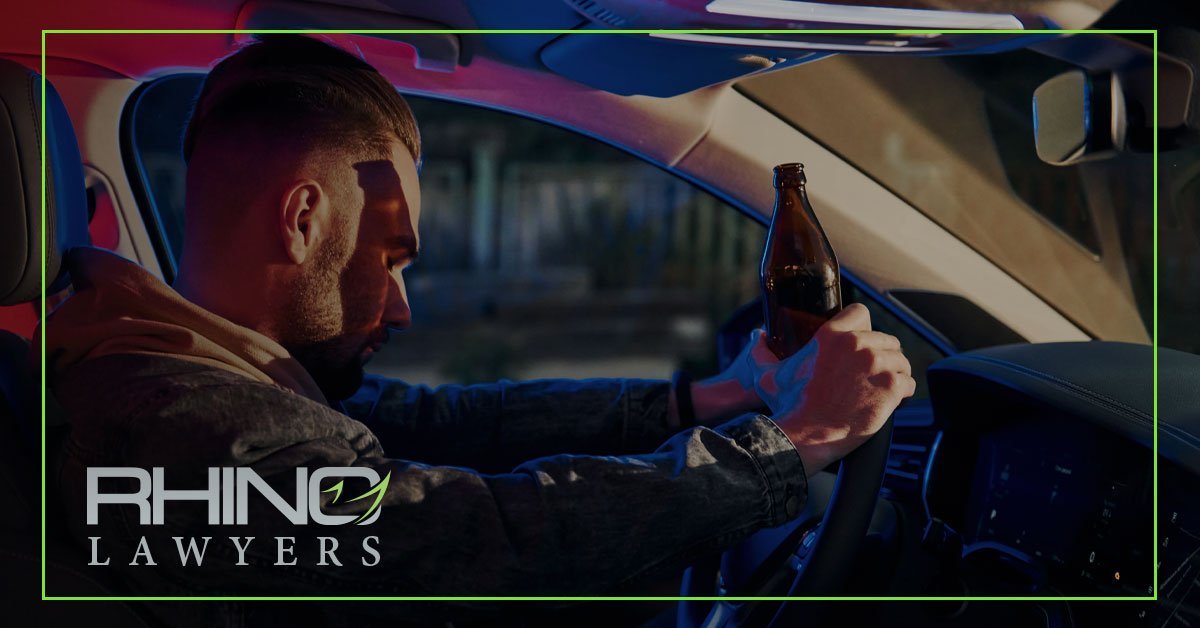
Type of Evidence Collected During a DUI Investigation
Driving while under the influence of alcohol is not only extremely risky for everyone’s safety on the road; it can also be a very expensive mistake. A first-time offense can cost the driver $10,000 in fines and legal fees. Law enforcement takes even minor DUI offenses very seriously.
If you or someone you know is facing a DUI charge in Florida, it’s essential to understand the evidence that law enforcement and investigators rely on to make a case. In this article, we’ll break down the key components of the DUI investigation process and the types of evidence needed for a DUI conviction.
The Basics of DUI in Florida
In Florida, DUI is defined as operating a vehicle while impaired by alcohol or drugs or having a blood alcohol concentration (BAC) of 0.08% or higher. It’s important to recognize that impairment doesn’t just hinge on a specific BAC level. Even if your BAC is below 0.08%, you can still be charged if law enforcement believes your ability to drive is compromised.
The Initial Traffic Stop
Everything begins with the traffic stop. Officers are trained to recognize signs of impaired driving. Common indicators include:
- Erratic Driving: Swerving, sudden stops, or driving too slowly can all raise suspicion
- Traffic Violations: Running a stop sign or a red light can catch an officer’s attention and lead to a stop
Once a driver is pulled over, the officer will observe behavior and physical signs that could indicate impairment.
Signs of Impairment
During the initial interaction, officers look for several telltale signs:
- Physical Appearance: This includes bloodshot eyes, slurred speech, and a disheveled appearance. If you’ve had too much to drink, your demeanor will likely change, and officers are trained to notice this.
- The odor of Alcohol: The smell of alcohol can be a significant factor. If an officer detects the scent of alcohol, it often leads to further questioning and potential field sobriety tests.
- Behavioral Indicators: Officers will also assess how a driver behaves. Are they overly talkative? Nervous? Confused? These behaviors can contribute to an officer’s suspicion of impairment.
Field Sobriety Tests
If the officer believes there’s probable cause, they may request field sobriety tests (FSTs). These tests are designed to assess physical and mental abilities. The most common include:
- Horizontal Gaze Nystagmus (HGN): This test checks how well a driver’s eyes track a moving object. Impaired individuals may struggle to follow the movement smoothly.
- Walk-and-Turn Test: This assesses balance and coordination. The driver is asked to take a series of steps in a straight line, turn, and return.
- One-Leg Stand: Here, the officer evaluates the driver’s balance by having them stand on one leg for a period.
While these tests can provide valuable information, they are not foolproof. Factors such as age, physical condition, or even anxiety can impact performance. This is why the context of these tests is so critical.
Breath and Blood Tests
Following a suspected DUI arrest, officers often administer breath tests. Breathalyzers measure BAC levels and are a key piece of evidence. If a driver refuses to take the test, Florida law imposes penalties, including a one-year license suspension.
For those suspected of drug use, blood tests may be conducted. These tests can detect a wide array of substances, providing a clearer picture of what might impair a driver’s abilities.
Documentation: The Backbone of Evidence
One of the most critical aspects of a DUI case is the documentation created by the officer. This record is essential for establishing a chain of events leading to the arrest. Key elements often include:
- Time and Location of the Stop: This context helps frame the entire situation
- Observations Made by the Officer: Detailed notes on the driver’s behavior and responses can be pivotal
- Results from Field Sobriety Tests: The officer’s observations during these tests can significantly impact the case
- Breath or Blood Test Results: These provide quantifiable evidence of impairment
All of this documentation becomes vital in court, where the prosecution must prove their case beyond a reasonable doubt.
Witness Statements
Witnesses can play an invaluable role in DUI cases. If someone observed the driving behavior leading up to the stop, their testimony can either corroborate or contradict the officer’s account. This evidence can be crucial in building a defense or undermining the prosecution’s case.
Challenges in Proving DUI
Prosecutors bear the burden of proof in DUI cases, and they must establish impairment beyond a reasonable doubt. However, several factors can complicate this process:
Subjectivity of Evidence: The nature of field sobriety tests and officer observations can be subjective. What one officer sees as impairment, another might not.
Medical Conditions: Certain medical conditions can mimic signs of intoxication, making it difficult to prove impairment definitively.
Environmental Factors: Conditions such as poor lighting or uneven surfaces can affect performance during field tests, leading to questions about their validity.
Defense Strategies: Defense attorneys can argue issues like the legality of the traffic stop or the reliability of the tests, further complicating the prosecution’s case.
The Consequences of a DUI Conviction
The implications of a DUI conviction can be severe. In Florida, penalties vary based on prior offenses. A first-time offender may face:
- Fines: Ranging from $500 to $2,000
- Jail Time: Up to six months in jail for a first offense
- License Suspension: A minimum six-month suspension, with potential for a longer period
Repeat offenders face harsher penalties, including longer jail terms and larger fines. Beyond the legal ramifications, a DUI can have lasting impacts on employment prospects, insurance rates, and personal relationships.
Understanding the Evidence Needed for DUI Conviction
Understanding the evidence needed for a DUI conviction in Florida is no small feat. The evidence collected during the investigation plays a pivotal role in determining the outcome. From initial traffic stops to field sobriety tests and breathalyzer results, each component can influence the case’s trajectory.
At RHINO Lawyers in Tampa, our team understands the nuances of Florida law and can challenge the evidence presented by the prosecution. We can argue the validity of the traffic stop, question the reliability of FSTs, and negotiate plea deals that might minimize the consequences.
With innovative strategies and a fresh approach to the legal landscape, we’re dedicated to providing you with the best possible defense. Contact us today for a free consultation and take the first step towards regaining control of your future!
CONTACT TAMPA TRAFFIC TICKET ATTORNEY
RHINO Lawyers can help and guide you through a system molded by law enforcement, judges, and lawyers for decades. Having won cases for our clients in similar circumstances, our criminal defense team knows what it takes to fight on your behalf.
Let RHINO Lawyers answer your questions and review the facts of your case with a Free Consultation. So, get started by completing the “Free Instant Case Evaluation” or by calling us any time, day or night, at (844) RHINO-77.
Read More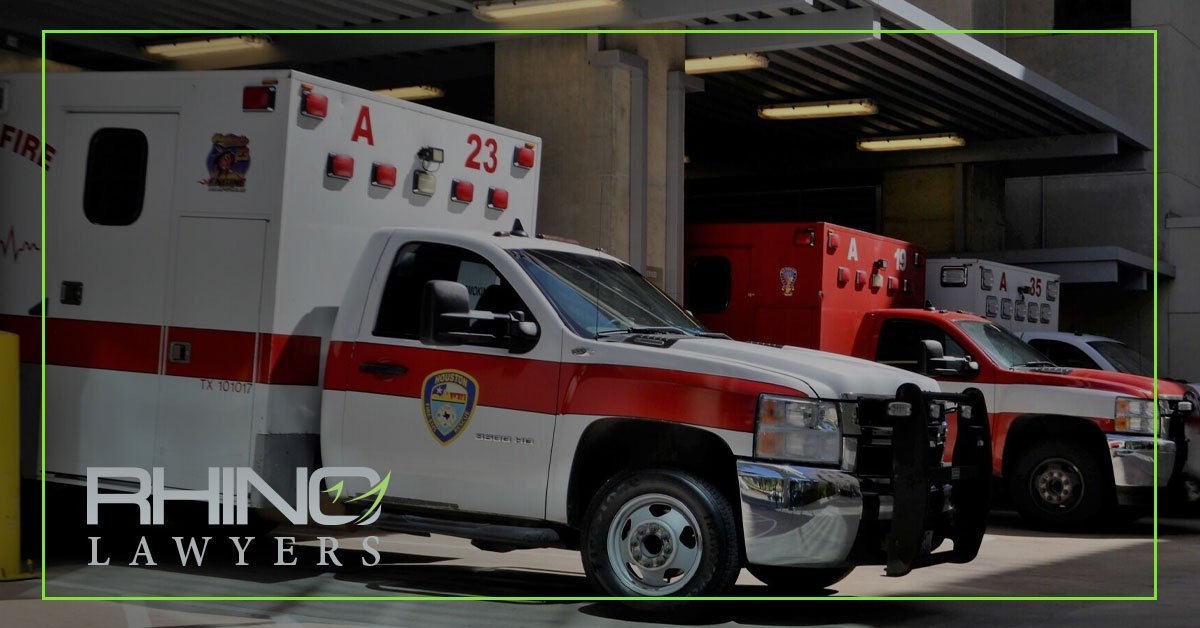
Who Is Liable for Florida Emergency Vehicle Accidents?
Daytona Beach has more car accidents than any other Floridian city.
Accidents involving emergency vehicles in Florida can be complex and distressing. Given the urgency of emergency responders, Florida traffic laws provide protections for them.
Still, this doesn’t pardon emergency service vehicles of all responsibility. Liability in such cases hinges on emergency vehicle regulations and accident liability laws.
Read on to learn who may be liable for Florida emergency vehicle accidents, how Florida traffic laws influence these cases, and more.
Taking Stock of Florida Traffic Laws for Emergency Vehicles
Florida law offers specific rules and exemptions for emergency vehicles to help ensure responders can reach those in need as quickly as possible. Based on Florida traffic laws, emergency vehicles are permitted to break standard traffic regulations under certain conditions. For example, they may exceed speed limits, run red lights, and bypass stop signs during emergencies. Still, these exemptions come with strict stipulations.
Use of Audible and Visual Signals
Emergency vehicles must activate lights and sirens when taking advantage of traffic exemptions. Doing this serves as a warning to other drivers, allowing them to take appropriate action, such as yielding the right of way.
Duty of Care Requirement
Even though emergency responders are allowed to bypass some traffic regulations, they must exercise a reasonable degree of care to avoid unnecessary harm to others. This means they are not permitted to drive recklessly, even in the line of duty.
The “Move Over Law” requires drivers to yield to emergency vehicles with active lights and sirens. Drivers must either move over a lane or, if unable to do so safely, reduce their speed to allow emergency vehicles to pass. Failure to comply can result in citations for the drivers involved and increases the risk of accidents, for which they may bear partial liability.
Accident Liability Involving Florida Emergency Vehicles
While emergency vehicles have certain privileges under Florida traffic laws, they are not immune to liability in an accident. Determining liability in these cases depends on multiple factors.
Was the Emergency Vehicle on Duty?
If an emergency vehicle was responding to an emergency at the time of the accident, liability considerations would differ from cases where the vehicle was not on duty. When an emergency vehicle is responding to a call, it’s often afforded more legal protection due to the nature of the work. Still, if the vehicle was off-duty or not in emergency mode, it must abide by the same traffic laws as any other vehicle.
Did the Emergency Vehicle Have Lights and Sirens Activated?
In Florida, emergency vehicles must activate their sirens and flashing lights when disregarding standard traffic laws. Failure to do so may render the emergency vehicle driver partially or wholly liable for any resulting accident, as this could be deemed a breach of duty of care. If an emergency responder fails to use these warnings, other drivers may not be expected to yield or take evasive action.
Was the Emergency Vehicle Driving Recklessly?
Although emergency vehicles have certain legal protections, they must avoid “reckless disregard for the safety of others.” If an emergency responder behaves in a way that endangers other road users, liability may fall on the emergency services department or the responder.
Did the Civilian Driver Obey the Move-Over Law?
Civilian drivers are required to yield to emergency vehicles when lights and sirens are active. Failure to move over or slow down may lead to a shared or even sole liability for an accident. If a driver doesn’t follow the Move Over Law and an accident occurs, they could be held responsible.
Who Can Be Held Liable in Emergency Vehicle Accidents?
In Florida, liability for emergency vehicle accidents can fall on multiple parties. It depends on the factors involved in the crash.
Emergency Responder
If an emergency responder is found to have acted with reckless disregard for safety, they or their agency may be held liable for damages. For instance, a responder who runs a red light without signaling or drives at an excessively high speed might be held responsible.
Government or Municipality
Often, the employer of the emergency responder may be liable if the responder was operating within the scope of their duties. Under Florida’s sovereign immunity laws, there are certain limitations on claims against government entities. Consulting a legal professional can help clarify these complex limitations.
Civilian Driver
If the civilian driver failed to yield, violated the Move Over Law, or acted negligently in some other way, they could be held partially or wholly liable. In some cases, liability may be shared between the driver and the emergency vehicle operator.
Legal Rights After Accident
If you are involved in an accident with an emergency vehicle in Florida, understanding your legal rights is critical. Be sure to take the right steps to protect yourself and get compensation.
Receive Medical Attention
Even if you feel fine immediately after the accident, injuries can manifest later. Prompt medical documentation will also support any future legal or insurance claims.
Account for All Evidence
Gather as much evidence as possible from the scene, including witness statements. Details such as whether the emergency vehicle had its lights and sirens on can be crucial.
Speak to a Legal Professional
Navigating accident liability in Florida, especially with emergency vehicles, can be complicated. Consulting a legal professional experienced in Florida road accident guidance can make all the difference.
What Compensation Is Available?
If you are involved in an accident with an emergency vehicle, compensation may be available for various damages. Still, anything you receive can be reduced by your specific fault percentage.
In cases where an emergency responder or agency is found liable, there may be limitations on compensation due to Florida’s sovereign immunity laws.
Emergency Service Vehicles Are Not Above the Law
While emergency service vehicles have exemptions, they can still be responsible for car accidents.
RHINO Lawyers puts our passion and experience into every case. We excel in car accidents, traffic tickets, medical malpractice, and more.
You can count on us in both Florida and Wisconsin. Don’t wait to discuss your potential case with the RHINO Lawyers today.
CONTACT A TAMPA AUTO ACCIDENT ATTORNEY
In short, after a car accident, you may not know your rights. Above all, don’t struggle through the process alone. Actually, our personal injury team is here to help you with any legal needs you might have regarding your accident.
Lastly, let RHINO Lawyers answer your questions and review the facts of your case with a Free Consultation. So, get started by completing the “Free Instant Case Evaluation” or by calling us any time, day or night, at 844.RHINO.77.
Read More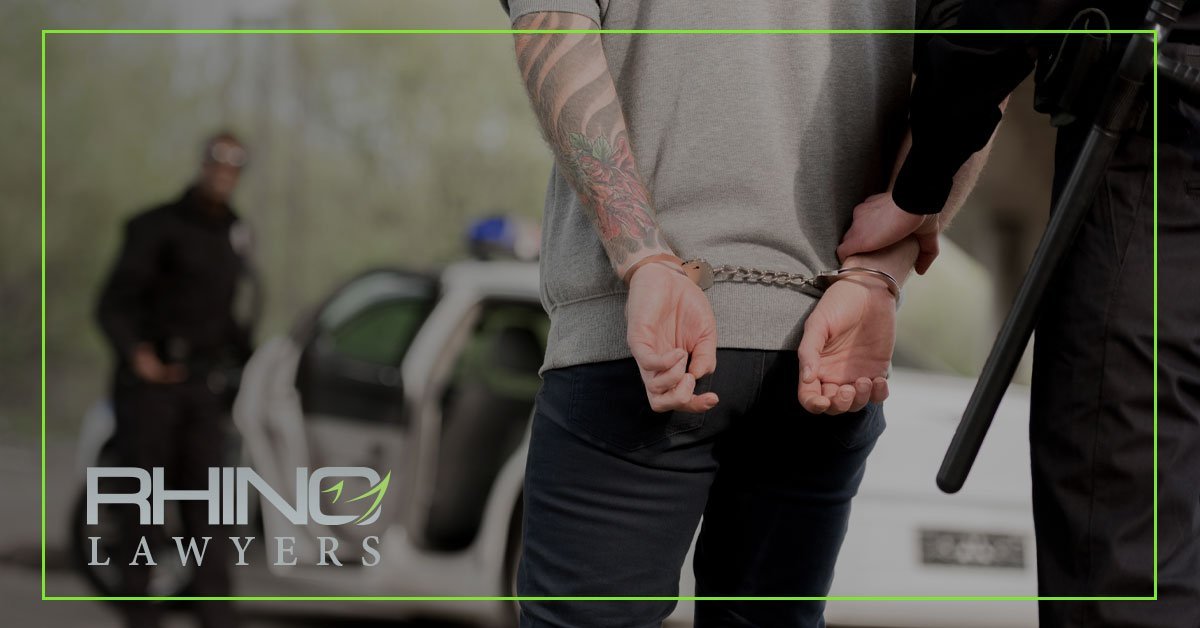
Common Myths and Misconceptions in Florida DUI Cases
Approximately 37 people die daily due to drunk driving in the US, according to the National Highway Traffic Safety Administration. One of the main reasons why such statistics are so high is the myths around DUI cases.
Prosecutors or the police can use these myths and misconceptions if you’re facing Florida DUI charges. They can make you believe you are at fault even if you’re innocent.
Learn more about the myths about DUI cases and what you need to defend yourself.
You Can Only be Charged With a DUI Case if You’re Over the Legal Limit
Driving with a Blood Alcohol Concentration (BAC) of 0.08 is illegal in most states in America, including Florida. Many believe that being over the legal limit is an automatic conviction in a Florida DUI case.
A lawyer can help you understand how the calculation of BAC and if you’re in trouble with the law. Experienced auto accident lawyers help you win DUI cases if your BAC exceeds 0.08.
Another myth related to the BAC is that you can’t get in legal trouble if it’s lower than 0.08. However, a police officer can still charge you with a DUI case if they feel that your driving is partially or fully impaired by alcohol.
Other myths related to BAC include:
- Eating food reduces your blood alcohol concentration level
- Low levels of BAC don’t cause impairment
- You can beat the breathalyzer using gum, mouthwash, or mints
Don’t let a BAC level of 0.08 or higher discourage you from giving up a defense. Legal help can help you understand the options available and how we can win your case.
Refusing a Breathalyzer Saves You From a DUI Conviction
Another common myth related to DUI cases is that you won’t get a conviction if you don’t take the breathalyzer. After a night of drinking, you may be aware that your blood alcohol level is over the legal limit of 0.08%. Deciding not to take a breathalyzer test can’t save you from a DUI conviction.
The act of refusal will attract a one-year license suspension. If you’re a habitual traffic offender, and it’s your second refusal to a breathalyzer, the suspension will last 18 months.
Besides, you can still get charged with a DUI offense, and your refusal of a breathalyzer will be used against you. So, what can you do if you suspect your BAC is over the legal limit? Talk to a DUI lawyer to understand your options and learn the best DUI defense strategies.
You Can’t Face DUI Charges or an Arrest If You Aren’t Driving
It may not make sense that you can still face Florida DUI charges even if you aren’t driving. But the truth is that DUI charges extend beyond the act of driving. DUI covers the actual physical control and operation of a car if you’re under the influence.
Under the law, operating a vehicle refers to sleeping or being in the driver’s seat even if the engine isn’t running. You may also get charged with a DUI if the keys are within reach but not in the ignition.
Once arrested, the Florida DUI penalties you can expect if convicted of a DUI offense include the following:
- Fines ranging from $500 to $5,000
- Jail time
- Loss of your car through impounding
- Probation and community service
Florida DUI lawyer tips can help you minimize the penalties you may face after a DUI case.
You Can Sober Up Fast
Sobering up fast is another common myth vehicle operators have clung to for a long time. The truth is time is the only way you can get sober or reduce your BAC below the legal limit. Some of the activities many believe can speed up sobering are:
- Drinking coffee
- Taking a shower
- Physical exercise
- Eating food before or after drinking
Doing all these won’t help you sober up quickly. They also don’t negate alcohol’s ability to impair your driving. The best course of action is to give your body time for alcohol to get absorbed and metabolized.
Only Drinking Alcohol Can Lead to DUI Charges or Arrest
Perhaps you don’t drink, but you find yourself charged with a DUI case. The charge will stand if the reason for your impairment is legally prescribed medications. Medications such as antidepressants and painkillers can significantly impair your judgment.
So, driving under the influence can attract a DUI charge or even the more serious Driving While Intoxicated (DWI) charge. Luckily, Florida only uses driving under the influence charge.
Getting legal representation can help you avoid the legal consequences associated with a conviction. Florida law provides for more severe fines or penalties after subsequent DUI charges.
You Must Submit to a Field Sobriety Test
One of the main misconceptions about DUI laws is that drivers must always submit to field sobriety tests. Florida law allows drivers to accept or refuse field sobriety tests. However, refusing to take field sobriety tests may get used as evidence against you.
Submitting to field sobriety tests may also put you at a disadvantage. This is due to factors such as these:
- Weight and age
- Physical injuries
- The weather or prevailing conditions
A Florida lawyer can help you understand DUI case facts that can help you create a solid defense. This is especially important if it is an out-of-state DUI charge.
You Don’t Need a Lawyer in a Florida DUI Case
Many drivers wrongly believe that they don’t need a lawyer if they’re charged with a DUI case. Such a belief may be fueled by the misconception that DUI charges don’t have severe consequences.
However, you face severe consequences if you’re found guilty of a DUI offense. A DUI is not a minor offense; you need a lawyer to help you navigate the complex legal landscape.
Get Legal Help to Beat Florida DUI Cases Today
A DUI charge can be stressful due to the potential Florida DUI penalties have in derailing your life. Relying on your knowledge to handle such cases is ill-advised. This is because of the many myths and misconceptions about DUI cases.
RHINO Lawyers can help you understand the facts about your case. We will guide you on how the legal system works and create effective DUI strategies. Contact us today to get a free consultation.
CONTACT TAMPA TRAFFIC TICKET ATTORNEY
RHINO Lawyers can help and guide you through a system molded by law enforcement, judges, and lawyers for decades. Having won cases for our clients in similar circumstances, our criminal defense team knows what it takes to fight on your behalf.
Let RHINO Lawyers answer your questions and review the facts of your case with a Free Consultation. So, get started by completing the “Free Instant Case Evaluation” or by calling us any time, day or night, at (844) RHINO-77.
Read More
Shoulder Impingement After a Florida Car Crash
In the general population, shoulder impingement is one of the most common complaints, affecting up to 65% of all shoulder issues, according to data from Medscape. If you’ve been in a Florida car crash, you may be facing this painful condition without realizing the full impact on your life.
Let’s dive into the specifics of shoulder impingement, its symptoms, and what victims of auto accidents can do to protect their health and their rights.
Understanding Shoulder Impingement
A shoulder impingement occurs when the tendons and soft tissues in the shoulder get pinched between the bones. This compression leads to:
- Inflammation
- Pain
- Restricted movement
Car accidents frequently cause shoulder injuries, often as a result of sudden forceful impacts. Whether from a side collision or an airbag deployment, your shoulder might endure stress that develops into impingement over time. Understanding the root causes can help in recognizing when to seek medical help and how to move forward.
Causes of Shoulder Impingement After Car Crashes
Shoulder impingement can occur from various forces during a car crash. Here are some common causes to be aware of:
- Direct impact injuries: A powerful blow to the shoulder, often from airbags or the car door, can damage the shoulder structure.
- Whiplash effects: The snapping motion of your upper body can impact the rotator cuff and surrounding tissues.
- Seat belt pressure: Seat belts save lives, but the restraint force during an accident can also create shoulder compression.
Symptoms to Watch For
Delayed symptoms are common with Florida car accident injuries. What may feel like mild discomfort immediately after the crash could worsen over days or weeks. Symptoms of shoulder impingement include:
- Persistent, dull ache: Usually in the front or outer side of the shoulder, making everyday activities painful.
- Limited range of motion: Activities such as lifting your arm or reaching behind you become increasingly difficult.
- Muscle weakness: A feeling of heaviness or inability to perform regular tasks like carrying a bag or lifting groceries.
- Sharp, stabbing pain: Especially when moving your shoulder or performing overhead movements.
Ignoring these signs can lead to chronic conditions that severely impact your long-term mobility and quality of life. Timely intervention is crucial to ensure a full recovery.
Diagnosing Shoulder Impingement
Diagnosing shoulder impingement requires a thorough evaluation by a medical professional. Here are the common methods used to identify this injury:
- Physical examination: Doctors evaluate your shoulder’s movement, looking for pain, swelling, or any signs of weakness.
- Imaging techniques: X-rays help rule out bone fractures, while MRIs or ultrasounds can reveal soft tissue damage.
- Strength and flexibility tests: These assessments determine how the injury has affected your shoulder’s functionality.
Effective Treatment Options
Recovering from a shoulder injury often requires a combination of therapies. Medical professionals may suggest a tailored treatment plan that includes:
- Rest and immobilization: Keeping the shoulder still can reduce inflammation and allow tendons to heal.
- Physical therapy: Targeted exercises to strengthen the shoulder and regain flexibility.
- Pain relief techniques: Anti-inflammatory medications and the strategic use of ice packs can ease discomfort.
- Steroid injections: These can provide temporary relief from severe pain and reduce inflammation.
- Surgery: Reserved for cases where non-invasive treatments fail, surgery may be needed to decompress the shoulder or repair torn tendons.
Each case is unique; consulting with a specialist is the best way to decide which treatment path to take.
Shoulder Injury Recovery Tips
Healing from a shoulder impingement injury takes time. The following shoulder injury recovery tips can aid in your journey:
- Stay consistent with treatment
- Practice gentle movements
- Focus on posture
- Incorporate low-impact exercises
Preventing Further Complications
Managing your recovery responsibly can prevent further damage. Some crucial steps include:
- Adhering to follow-up appointments
- Avoiding re-injury
- Exploring alternative therapies
Common Misunderstandings About Shoulder Impingement
Many car accident victims have misconceptions about shoulder impingement. Understanding the truth can help prevent long-term complications.
The Pain Will Disappear on Its Own
Many people believe their pain will eventually subside. However, untreated car accident shoulder pain can lead to lasting complications.
I Can Work Through It
Pushing through pain can lead to irreversible damage. Rest and proper treatment should never be compromised.
It’s Just a Bruise
Shoulder pain might be more severe than it appears. Comprehensive medical exams are necessary to rule out serious injuries.
The Legal Side of Shoulder Impingement
Accidents in Florida come with both medical and legal challenges. Legal help for shoulder impingement is often necessary to cover the following:
- Treatment expenses
- Lost wages
- Ongoing therapy costs
RHINO Lawyers focuses on representing victims of Florida car accident injuries and understand the ins and outs of the state’s personal injury laws.
Why Seek Legal Assistance?
Insurance companies often downplay shoulder injuries from car crashes. They might try to settle for less or argue that your injury isn’t serious. Having experienced attorneys on your side ensures you get fair compensation.
Here’s what a qualified lawyer, like those at RHINO Lawyers, can do for you:
- Evaluate your case: Analyze accident details, medical reports, and pain levels to make a strong claim.
- Negotiate with insurers: An attorney advocates for the full compensation you’re entitled to.
- Handle the paperwork: From filing claims to gathering evidence, legal professionals manage the complexities of the process.
- Litigation if necessary: RHINO Lawyers are prepared to take your case to court if a fair settlement can’t be reached.
The Unique Approach of RHINO Lawyers
RHINO Lawyers are based in Florida and have a proven track record of helping accident victims get the justice they deserve. They understand the physical, emotional, and financial toll of shoulder injuries and offer personalized service to support your case. With a deep understanding of Florida laws, they know what it takes to fight for maximum compensation.
Schedule Your Free Consultation After a Florida Car Crash
If you’re dealing with shoulder problems from a Florida car crash and need exceptional legal assistance, don’t delay. Your health and financial stability are too important to leave to chance.
Contact RHINO Lawyers today to learn how they can help you through your recovery and legal claim. Taking the first step toward securing your future is easier than you think, and it starts with a free consultation.
Don’t wait. Schedule your no-obligation consultation now and let RHINO Lawyers advocate for your rights, ensuring you get the support you need to move forward.
CONTACT A TAMPA AUTO ACCIDENT ATTORNEY
In short, after a car accident, you may not know your rights. Above all, don’t struggle through the process alone. Actually, our personal injury team is here to help you with any legal needs you might have regarding your accident.
Lastly, let RHINO Lawyers answer your questions and review the facts of your case with a Free Consultation. So, get started by completing the “Free Instant Case Evaluation” or by calling us any time, day or night, at 844.RHINO.77.
Read More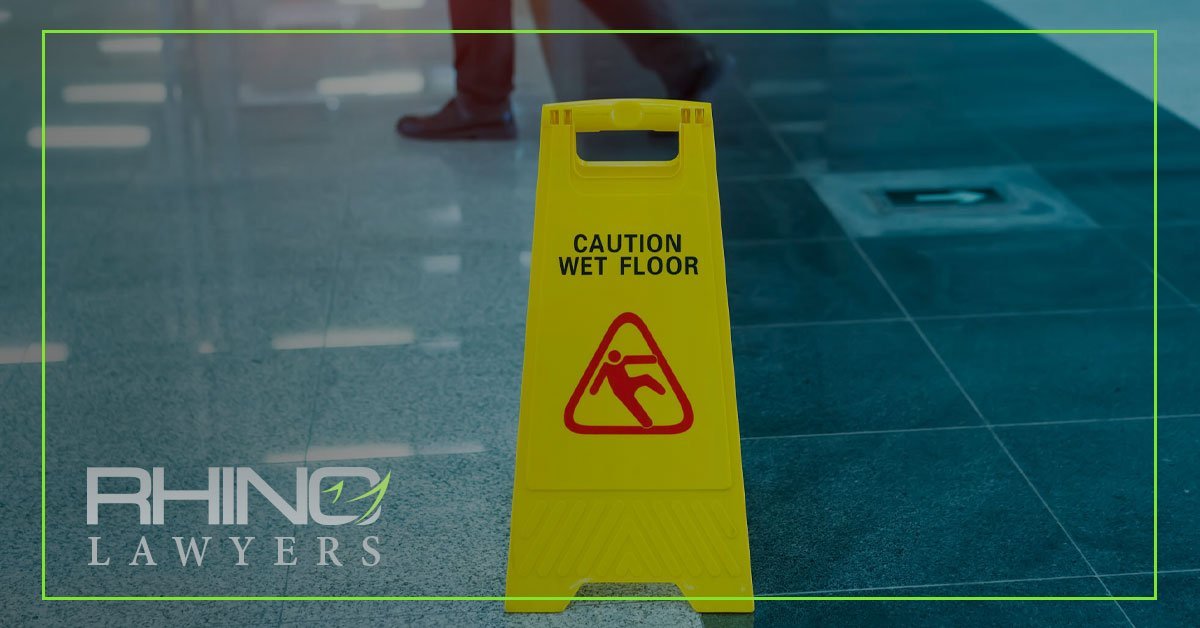
What Type of Case is a Slip and Fall in Florida?
Did you know that 85% of worker’s compensation claims are attributed to employees slipping on slick floors? Slip and fall accidents can impact you for the rest of your life, no matter how old you are.
Today, we’re diving into a topic that’s often overlooked but incredibly important–how a Florida slip and fall lawyer can help you win your case. Whether you’ve just been in one or know someone who is trying to seek justice, our guide can help.
Understanding Florida Slip and Fall Laws
These incidents fall under the umbrella of Florida premises liability, which means property owners have a legal responsibility to maintain safe environments for visitors. In Florida, the law requires that property owners take reasonable steps to prevent accidents. If they fail to do so and someone gets hurt, they can be held liable.
In Florida, slip and fall cases follow a few important rules. The first one is about carelessness. You need to show that the property owner was careless in some way. For example, they knew about a dangerous spot and didn’t fix it, or they should have known about it but didn’t do anything.
The status of the injured person is important in Florida. The state recognizes different types of visitors, like invitees (business purposes) and licensees (social reasons). The level of care a property owner must provide depends on the visitor’s status. This can greatly affect your case.
The Importance of Legal Representation
Now, you might be wondering, why do I need a lawyer for a slip and fall case? The truth is that navigating the legal landscape can be complex. Insurance companies are often more focused on minimizing their payout than ensuring you get the compensation you deserve.
A successful Florida slip and fall lawyer knows the ins and outs of the law and can advocate for your rights.
Gathering Evidence
One of the first things your lawyer will do is gather evidence, such as photos of the accident, witness statements, and medical records. Strong evidence is key to proving negligence. For example, if you were hurt in a store, your lawyer might look into how long the hazard was there and if the owners knew about it.
Your attorney will use evidence effectively, knowing what resonates with a jury or adjuster. In business, storytelling is key. Your lawyer will create a compelling story showing the owner’s negligence caused your injuries.
Negotiating With Insurance Companies
Let’s face it–insurance companies are not your friend. A Florida slip and fall lawyer will negotiate with these companies on your behalf, ensuring you’re not lowballed. They know the tactics insurance companies use and can counteract them effectively.
Calculating Damages
One of the critical aspects of a personal injury claim is calculating damages. This includes not just your medical bills but also lost wages, pain and suffering, and any future expenses related to your injury. It can be challenging to quantify these damages, especially when you’re dealing with the physical and emotional toll of an injury.
A seasoned lawyer will help you understand the full scope of your damages and ensure they are factored into your claim.
Preparing for Court
While most slip and fall cases settle out of court, some go to trial. If yours does, you’ll want an experienced trial lawyer. A Florida slip and fall lawyer will prepare your case and ensure all evidence and arguments are in order.
They’ll handle everything from jury selection to presenting your case, allowing you to focus on recovery.
Florida Premises Liability and Your Rights
Florida has specific premises liability laws that impact slip and fall cases. Under Florida Statute 768.0755, there are particular requirements that must be met for a property owner to be held liable for a slip and fall accident. For instance, the injured party must prove that the dangerous condition was present for a sufficient amount of time before the accident occurred and that the property owner either knew or should have known about it.
This statute makes it even more crucial to have a knowledgeable lawyer who can build a strong case. They’ll know how to gather evidence and establish that the property owner was negligent in their duty to maintain a safe environment.
Common Causes of Slip and Fall Accidents
To further illustrate the importance of legal representation, let’s look at some common causes of slip and fall accidents in Florida:
Wet Floors: This is a classic example. Whether it’s a spilled drink in a restaurant or rainwater tracked into a store, wet floors can create hazardous conditions.
Poor Lighting: Inadequate lighting can make it difficult to see obstacles, leading to trips and falls. Property owners must ensure their premises are well-lit, especially in high-traffic areas.
Uneven Surfaces: Cracks in pavement or uneven flooring can pose significant risks. Property owners are responsible for maintaining their surfaces and making necessary repairs.
Cluttered Walkways: Obstacles like boxes, tools, or equipment left in walkways can create trip hazards. Property owners must keep walkways clear and accessible.
Inadequate Handrails: In places where stairs are present, handrails are essential for safety. If they’re missing or poorly maintained, it can lead to serious injuries.
Why Timing Matters
If you’re injured in a slip and fall accident, time is of the essence. In Florida, you generally have four years from the date of the accident to file a personal injury claim. However, the sooner you engage a lawyer, the better.
Early legal representation allows for quicker evidence collection and a better chance of preserving critical information. Additionally, witnesses’ memories fade, and physical evidence can be lost or altered over time. A proactive approach will strengthen your case and improve your chances of a favorable outcome.
Find a Florida Slip and Fall Lawyer Who Will Have Your Back
Navigating the world of personal injury claims can be daunting, especially when you’re recovering from an injury. But having a dedicated Florida slip and fall lawyer in your corner can make all the difference.
At RHINO Lawyers, we guide you through the legal process, advocate for your rights, and work tirelessly to secure the compensation you deserve. Contact us today to request a free case evaluation.
CONTACT A TAMPA Personal Injury ATTORNEY
In short, after a personal injury, you may not know your rights. Above all, don’t struggle through the process alone. Actually, our personal injury team is here to help you with any legal needs you might have regarding your accident.
Lastly, let RHINO Lawyers answer your questions and review the facts of your case with a Free Consultation. So, get started by completing the “Free Instant Case Evaluation” or by calling us any time, day or night, at 844.RHINO.77.
Read More
6 Reasons Your Driver’s License Can Get Suspended
Fewer and fewer teenagers are getting their driver’s licenses. No matter your age, the lack of a license can cause all kinds of problems. In fact, you’re more vulnerable to getting your driver’s license suspended than many drivers realize.
Why would my license be suspended? Read on to learn about the top six driver’s license suspension causes and what steps to take to protect your driving rights.
1. Traffic Violations Leading to Suspension
Repeated or serious traffic violations can put your license in danger. Every traffic violation generates points on your driving record.
When these points accumulate past a specific level, your license can be automatically suspended. States have point systems to monitor driving habits, meaning consistent or severe violations can lead to suspension.
For example, in many states, accumulating 12 points within a 12-month period can trigger a license suspension. Reckless driving or DUI violations may carry a higher penalty, leading to an immediate suspension.
Resolution
To avoid a suspension due to points, consider driving defensively and observing all traffic laws. If you’ve already accumulated points, some states offer driver improvement courses that can help reduce them. It’s also a good idea to regularly review your driving record to monitor your point count.
2. Driving Under the Influence
Driving with either alcohol or drugs in your system is one of the most common reasons for a suspended license. DUI laws vary across states, but most impose harsh penalties, including immediate suspension.
In many cases, even a first offense can lead to a suspension lasting several months. It’s especially true if you’re found with a blood alcohol content level that’s over the legal limit.
DUI suspensions can affect other aspects of your life as well, often leading to the following:
- Mandatory drug or alcohol counseling programs
- Higher insurance premiums
- A criminal record
Resolution
If you’ve had a DUI, consult with a lawyer focusing on DUI cases for guidance. Many drivers benefit from legal assistance to navigate DUI consequences, especially when dealing with court hearings or applying for limited driving permits.
3. Failure to Pay Traffic Tickets or Court Fines
Unpaid traffic tickets, fines, or court fees can lead to suspension in many states. Ignoring tickets or missing payment deadlines signals non-compliance, and the state may use suspension as a way to ensure you resolve outstanding fines. Suspensions due to unpaid fines often catch drivers by surprise, as they might be unaware of missed payments or forgotten deadlines.
Resolution
Pay all fines and fees as soon as possible. If you’re unable to pay the entire amount, contact the court to set up a payment plan, which may prevent suspension. Staying proactive about payments will demonstrate responsibility and increase the likelihood of keeping or reinstating your driving privileges.
4. Driving Without Insurance
Most states require all drivers to carry active auto insurance. Driving without it not only puts you and others at financial risk but can also lead to suspended license consequences.
States can suspend your license if you’re caught driving without proof of insurance, especially after an accident. In some cases, even a lapse in coverage can result in suspension if your insurance company notifies the Department of Motor Vehicles of the lapse.
Resolution
Avoid this issue by maintaining continuous auto insurance coverage. If your license is suspended, you’ll likely need to provide proof of insurance and, in some cases, pay a reinstatement fee. Some states may also require an SR-22 form to prove your insurance meets basic state requirements.
5. Failure to Appear in Court (FTA)
If you’re scheduled to appear in court for a traffic violation or other legal matters and fail to do so, it can result in a suspended license. Courts consider failing to appear as non-compliance, and states use suspension as leverage to encourage the resolution of legal matters. Even minor infractions that are left unaddressed can eventually lead to suspension.
Resolution
If you missed a court date, contact the court right away. Be sure to explain the situation and reschedule.
Resolving the issue demonstrates a willingness to cooperate, which may work in your favor. You might also consider consulting a legal professional, especially if your absence was due to an unavoidable emergency.
6. Non-Driving Violations (Child Support, Taxes, Etc.)
Many states can suspend a license for non-driving-related issues, including failure to pay child support, back taxes, or unpaid court-ordered debts. While these suspensions may not be directly related to driving behavior, they serve as a powerful incentive for individuals to meet financial and legal obligations. License suspension due to unpaid child support, for example, is a common enforcement tool.
Resolution
If you’re facing suspension due to child support or other financial obligations, contact the relevant agency or court to establish a payment plan. In many cases, a partial payment or a demonstrated effort to comply can lead to a reduction in penalties or a pathway to license reinstatement. Some situations may require assistance from a legal advocate to negotiate terms or resolve disputes.
How to Avoid Suspended License Consequences and Protect Your Rights
Preventing a license suspension begins with understanding and respecting the rules of the road, as well as staying compliant with legal and financial obligations.
You should keep the following general tips for protecting your license in mind:
- Stay aware of points
- Address tickets promptly
- Maintain auto insurance
- Meet financial obligations
Getting Legal Help for Suspended Licenses
A lawyer who excels in traffic law can offer advice on the following:
- How to handle fines
- Meet court requirements
- Potentially reduce penalties
Plus, they can assist with complicated cases, such as those involving multiple suspensions or out-of-state violations. Having a knowledgeable advocate by your side can make a significant difference in retaining or restoring your driving rights.
Now You Know Why Would My License Be Suspended
Has anyone ever asked, “Why would my license be suspended?” You can explain all the possibilities so that they can stay out of trouble.
RHINO Lawyers are here to help. Our legal professionals can handle traffic tickets, car accidents, and more.
We have convenient locations in Florida and Wisconsin. Start by calling the RHINO Lawyers to discuss your potential case today.
CONTACT TAMPA TRAFFIC TICKET ATTORNEY
RHINO Lawyers can help and guide you through a system molded by law enforcement, judges, and lawyers for decades. Having won cases for our clients in similar circumstances, our criminal defense team knows what it takes to fight on your behalf.
Let RHINO Lawyers answer your questions and review the facts of your case with a Free Consultation. So, get started by completing the “Free Instant Case Evaluation” or by calling us any time, day or night, at (844) RHINO-77.
Read More
TMJ Disorder After a Florida Car Accident
Did you know that temporomandibular disorders (TMD) affect 5% to 12% of the population (Source: AAFP)? This jaw condition, often referred to as TMJ disorder, can have long-lasting consequences.
After a car accident, victims might focus on visible injuries, neglecting jaw pain or clicking sounds that develop later. However, jaw issues related to Florida car accidents can affect daily life, leading to chronic discomfort and legal complications. Understanding the connection between TMJ disorders and Florida car crash injuries is essential for proper diagnosis, treatment, and compensation.
Stay informed and protect yourself. Keep reading to learn about TMJ symptoms after an accident, treatment options, and how RHINO Lawyers can help you secure compensation for post-accident jaw issues.
How Car Accidents Cause TMJ Disorders
The jaw joint, known as the temporomandibular joint (TMJ), is vulnerable to trauma, especially during rear-end collisions. The sudden whiplash motion forces the head forward and backward, creating tension in the jaw and neck.
In many cases, victims instinctively clench their jaws during impact, placing added stress on the TMJ. Direct hits to the jaw from an airbag or steering wheel can also result in post-accident jaw issues, including dislocations or fractures.
Even seemingly minor crashes can lead to delayed symptoms. Some TMJ injuries might take days or weeks to surface, making early medical evaluation crucial for identifying TMJ symptoms after an accident.
Common Symptoms of TMJ Disorders After a Car Accident
After a car accident, it is essential to monitor any signs of TMJ symptoms after an accident. These symptoms may not appear immediately. They often surface days or weeks later as the jaw joint becomes inflamed.
Common indicators include:
- Jaw pain or stiffness, especially when opening or closing the mouth
- Headaches or migraines, often occurring upon waking
- Popping or clicking sounds during jaw movement, particularly while chewing
- Ear pain or ringing (tinnitus), which may develop from TMJ-related inflammation
- Neck and shoulder discomfort due to muscle tension connected to jaw function
- Difficulty chewing or speaking, sometimes accompanied by tenderness or pain in the jaw
These symptoms can escalate over time if left untreated, impacting daily life. Chronic jaw pain treatment is crucial to prevent long-term issues, such as limited jaw mobility or lockjaw, which makes routine tasks like eating or speaking difficult.
Treatment Options for TMJ Disorders
Addressing post-accident jaw issues involves personalized treatment plans to alleviate pain and restore function. Healthcare providers often recommend a combination of the following approaches.
Physical Therapy
Targeted exercises improve joint flexibility, strengthen jaw muscles, and restore smooth movement. Physical therapists often recommend a combination of:
- Stretching
- Resistance exercises
- Posture correction
Custom-Fitted Mouthguards
Typically worn at night, these oral devices prevent teeth grinding (bruxism) and minimize clenching. By redistributing pressure on the jaw, mouthguards reduce stress on the TMJ, alleviating chronic discomfort and protecting the joint from further damage.
Heat and Ice Therapy
This approach is commonly recommended for post-accident jaw issues and temporarily relieves pain and stiffness. Alternating between warm compresses and ice packs can:
- Reduce swelling
- Improve blood circulation
- Relax tight jaw muscles
Anti-Inflammatory Medications
Over-the-counter or prescription anti-inflammatory drugs, such as ibuprofen, ease pain and decrease inflammation around the jaw joint. It’s crucial to use these medications under medical supervision to prevent overuse or complications.
Surgery
Surgical intervention may be required in severe or persistent cases where structural damage or joint dislocation is detected. Surgery can involve procedures like:
- Arthrocentesis (joint flushing)
- Arthroscopy to repair internal joint issues
These restore proper function and relieve TMJ symptoms after an accident.
Seeking prompt care ensures chronic jaw pain does not become a long-term issue. If symptoms persist or worsen, early intervention can reduce the risk of permanent damage and significantly improve the recovery process.
Florida car crash injuries that result in TMJ symptoms after accident require comprehensive care, often involving both medical and legal support to address all aspects of the injury.
Navigating Legal Challenges for TMJ Claims After a Florida Car Accident
Florida car crash injuries can involve complex legal proceedings, especially when hidden conditions like TMJ disorder develop. Victims often face the challenge of proving that their TMJ symptoms after an accident are directly linked to the collision.
Proving the Connection Between TMJ Disorder and the Car Accident
To strengthen your case, thorough medical documentation is essential. Medical professionals must provide detailed evaluations that connect the post-accident jaw issues to the trauma caused by the crash. Documentation for this often includes:
- Medical records from emergency visits
- Dentist or oral surgeon evaluations diagnosing TMJ disorder
- Specialist reports linking the injury to whiplash or impact trauma
Without solid evidence, insurance companies may dispute the claim, questioning whether the TMJ injury resulted from the accident or pre-existing conditions.
Why You Need Legal Help for TMJ Cases
Working with a personal injury attorney familiar with Florida car accidents can make all the difference. An experienced lawyer, like those at RHINO Lawyers, will gather all the necessary documentation to build a solid case. We will help ensure that your claim covers every aspect of your losses, including:
- Medical expenses: Immediate and long-term treatment costs
- Pain and suffering: Compensation for physical discomfort and emotional stress
- Lost wages: Income lost during recovery or due to long-term disability
Insurance companies are known to minimize payouts, especially for less visible injuries like TMJ. Having legal representation ensures that your case is presented effectively and that you receive the compensation you deserve
Time Is Critical: Don’t Miss Your Legal Window
Florida law sets specific timeframes for filing personal injury claims, known as the statute of limitations. If you wait too long to pursue your claim, you risk losing the right to recover compensation.
RHINO Lawyers, serving clients throughout Florida, focuses on personal injury cases involving Florida car crash injuries. With our experience, we will guide you through the process, handling negotiations with insurance companies and ensuring all necessary evidence is gathered to support your claim.
Don’t Let TMJ Disorder From Florida Car Accidents Go Untreated
Florida car accidents can leave more than visible injuries. If you are experiencing TMJ symptoms after an accident, act fast. Early diagnosis and chronic jaw pain treatment can make all the difference.
Schedule a free consultation with RHINO Lawyers today for legal support. With our knowledge, you can explore your legal options and secure the compensation you deserve.
CONTACT A TAMPA AUTO ACCIDENT ATTORNEY
In short, after a car accident, you may not know your rights. Above all, don’t struggle through the process alone. Actually, our personal injury team is here to help you with any legal needs you might have regarding your accident.
Lastly, let RHINO Lawyers answer your questions and review the facts of your case with a Free Consultation. So, get started by completing the “Free Instant Case Evaluation” or by calling us any time, day or night, at 844.RHINO.77.
Read More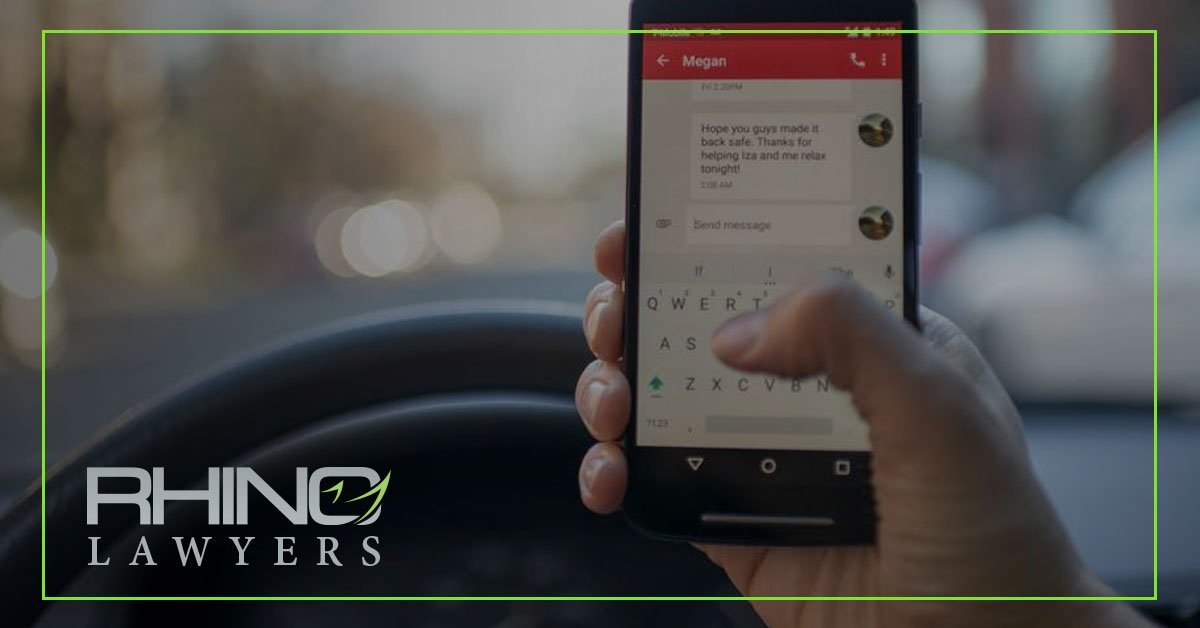
Why Texting and Driving is 6 Times More Dangerous Than DUI
When driving, you must focus because any distraction makes it harder to brake or swerve in case of an emergency. Distracted driving is a serious concern, with the National Highway Traffic Safety Administration reporting 3,308 fatalities from such incidents in 2022.
When you think of distracted driving, texting may not always be the first thing that comes to mind. But it’s actually one of the major causes of road accidents, which led to the implementation of the Florida texting and driving law.
Here, we explore how texting compares to driving under the influence (DUI) and discuss Florida texting and driving law in depth.
Texting and Driving Risks vs Driving Under Influence Comparison
Being on your phone while driving involves the following:
- Taking your eyes off the road
- Taking your hands off the wheel
- Losing concentration on driving
Texting while driving may cause you to miss road signs and react slowly to changes in traffic. It also distracts your mind and affects your physical ability to control the car.
While a drunk driver may not be able to brake or swerve quickly due to slow reflexes, they still keep their eyes on the road. Hence, they are more likely to avoid accidents if they have enough time and space to react to an emergency.
When texting, you will likely not just check your phone once and return it. Chances are you’ll be tempted to check your social media for other messages or respond to texts that aren’t even urgent. Due to the repeated distraction, texting while driving is significantly riskier than DUI.
Many people mistakenly believe a quick text won’t affect their driving, and they may feel confident enough to speed or overtake other vehicles. But when driving under the influence, they are more likely to be cautious.
While there are many driving safety tips to avoid the dangers of using phones on the road, teens and young adults are most likely to ignore them. Unfortunately, these groups often lack enough driving experience and may not have defensive skills to help them avoid accidents.
Distracted Driving Statistics
An article by Drive Safe Online compares driving while texting to moving through the length of a football field (360 feet) without looking. While responding or sending a message can typically take 5 seconds, a lot can happen during that time.
For example, a car can join your lane, shortening the distance between you and the driver who was in front of you before. An animal may also cross the road, and another motorist could start backing into the road from their driveway.
Taking your eyes off the streets or controlling the steering wheel with one hand for even five seconds can be deadly.
Drivers who use their phones while on the road are four times more likely to be in a car accident, according to AAA. While hands-free phone use allows you to hold the steering wheel, it still distracts your mind and doesn’t significantly lower the risk of a crash.
The same AAA article says that 12.3% of people involved in car crashes due to distractions admitted to using their phones. Such statistics clearly show that texting and driving are severe hazards, but most people undermine or ignore them.
The Florida Texting and Driving Law
After realizing texting driving dangers, the state government introduced the Florida texting and driving law in 2019.
According to the law, driving while texting in the state is illegal, and a police officer can pull you over if they notice you aren’t compliant. The regulation requires them to issue a driving ticket even if you aren’t breaking other road safety rules.
Who Is Exempt From the Florida Driving and Texting Law?
You may be exempt from the Florida driving and texting law if you are:
- A firefighter
- A law enforcer
- Emergency medical responder
However, you should be able to prove the primary reason for texting was for your work duties. You won’t incur penalties if you use your mobile to report an emergency or criminal activity. The law also exempts motorists who use autonomous or self-driving vehicles.
How Does the Florida Texting and Driving Law Affect You
The Florida driving and texting law only applies when your vehicle is moving. So, you can make calls and text while stuck in traffic or waiting for a red light to turn.
While doing these things protects you from the penalties, it doesn’t necessarily improve safety. When texting at a red light, for example, you may not notice when it’s time to move, and other motorists may crash into your stationary car.
Here are other important things to note about the law:
- Texting while driving in Florida is a primary offense
- Work and school zones have special protection
- You can contest an issued ticket in court
- The tickets cause penalties on your driver’s license
Driving while texting on your phone is a primary offense, so an officer can give you a ticket even under suspicion. In the past, they could only cite you for the mistake if you committed another offense, such as swerving or speeding.
While the Florida texting and driving law lets you text while your car is stationary, you aren’t allowed to do so on a road work site or in a designated school zone. The only exception is when you are in a life-threatening situation or when using virtual assistants like Alexa or Siri.
If a police officer pulls you over because they suspect you were texting while driving, they can’t search your phone records without a warrant. However, you can voluntarily provide consent to prove your innocence.
Regardless, the officer could still issue a ticket, which you may contest in court to avoid penalties and license points.
Avoid Texting and Driving to Protect Yourself
Texting and driving affects road safety and may cause severe injuries or fatalities in case of a crash. Understand the Florida texting and driving law to avoid penalties and other legal consequences. You should also follow texting driving safety tips to prevent distractions and make roads safer.
If you’re wondering how to deal with a traffic ticket in Florida, RHINO Lawyers can help you. We’ll review the facts of your case and fight it on your behalf. Contact us for a consultation.
CONTACT TAMPA TRAFFIC TICKET ATTORNEY
RHINO Lawyers can help and guide you through a system molded by law enforcement, judges, and lawyers for decades. Having won cases for our clients in similar circumstances, our criminal defense team knows what it takes to fight on your behalf.
Let RHINO Lawyers answer your questions and review the facts of your case with a Free Consultation. So, get started by completing the “Free Instant Case Evaluation” or by calling us any time, day or night, at (844) RHINO-77.
Read More
What Hazards Might a Motorcyclist Encounter?
Just how dangerous are motorcycles? According to the National Highway Traffic Safety Administration (NHTSA), motorcyclists make up over 15% of all traffic fatalities. Yikes! That’s a stat that’ll put the brakes on your excitement real quick.
Motorcycles don’t have the same protective features as cars no seatbelts, airbags, or sturdy frames. So it’s crucial to recognize hazards and ride smart. Let’s dive into some motorcycle safety tips to use out on the road.
Key Hazards on Two Wheels
Knowing what hazards to look for on the road in your center and peripherals is a big advantage on a bike. Let’s break down some of the major motorcycle road hazards you might encounter while riding.
1. Other Drivers
You’ve got to keep your head on a swivel! Cars, trucks, and SUVs can be like unintentional shadows on the road. Distracted driving is a major issue, and you can bet that not everyone is keeping an eye out for motorcycles.
Always assume that other drivers might not see you. Keep a safe distance and be ready to react.
2. Road Conditions
The pavement is often an adversary for motorcycles. Potholes, gravel, and wet surfaces can turn a smooth ride into a slippery slide. And don’t forget road debris-anything from fallen branches to loose gravel can be a game-changer.
Make sure you’re scanning the road ahead and adjusting your riding accordingly–slow down, even if other drivers get angry.
3. Weather Woes
Rain, wind, and extreme temperatures can really mess with your ride. Rain can reduce visibility and make roads slicker than a greased pig at a county fair. Wind can buff you around like a rag doll, especially on highways.
Always check the forecast before you head out, and be prepared to adapt your plans!
4. Lack of Experience
If you’re new to riding, you might not have the skills to handle tricky situations. Motorcycle safety courses can be a game changer, teaching you how to navigate various conditions and maneuvers. Remember, experience is like a fine wine–it gets better with time!
5. Speed and Risky Behavior
Like anyone else, we appreciate an adrenaline rush, but reckless riding and showing off can end in disaster. Always stay within your limits. The goal is to enjoy the ride, not make headlines!
Protecting Yourself: Gear Up Like a Pro
Now that we’ve covered the hazards, let’s talk about how to protect yourself while you’re out there tearing up the asphalt. Gear is your best friend, and you want to make sure you’re decked out in the right stuff.
1. Helmets
The most important thing to look for is finding one that meets safety standards, fits snugly, and is comfortable for your head shape. Full-face helmets offer the best protection, but even a good half-helmet is better than nothing–remember, the goal is to keep you alive. There are also modular helmets that allow you to switch from full-face to open-face style with a chin bar that you can raise or lower.
2. Jackets and Pants
Invest in a solid motorcycle jacket and pants made from durable materials like leather or Kevlar textiles. They should come with armor in key areas, like the shoulders, elbows, and knees. This gear not only looks cool but also protects you from road rash in case things go sideways.
3. Gloves and Boots
Don’t forget those hands and feet! A good pair of gloves will give you a solid grip and protect your hands in case of a fall. Sturdy boots that cover your ankles are essential–they’ll keep your feet safe and provide support for those long rides.
4. Visibility Gear
You want to be seen! Bright colors and reflective gear are like a neon sign saying, “Look at me, I’m here!” Adding some visibility to your riding outfit can make all the difference in the world.
Ride Smart: Defensive Riding Tips
Now it’s time to go over some defensive riding tips for preventing motorcycle accidents. These strategies can help you navigate the roads like a pro and keep you safe while you’re out there chasing that adrenaline rush.
1. Stay Alert
Always be aware of your surroundings. Look ahead for any potential hazards and keep an eye on the traffic around you. You want to anticipate what might happen next, so you can react immediately without hesitation when the unexpected strikes!
2. Use Your Signals
Communication is key! Always signal your intentions to other drivers. Whether you’re turning, changing lanes, or slowing down, let those four-wheeled beasts know what you’re up to.
3. Maintain a Safe Distance
Give yourself plenty of room to react to whatever comes your way. A good rule of thumb is the two-second rule–stay at least two seconds behind the vehicle in front of you. This gives you enough time to react in case of sudden stops.
4. Practice Makes Perfect
Get out there and practice your skills! Take some time to ride in different conditions and scenarios. The more comfortable you are with your bike, the better equipped you’ll be to handle anything that comes your way.
5. Know Your Limits
Listen to your body and mind. If you’re feeling fatigued or overwhelmed, it’s better to take a break than to push your luck. Riding should be enjoyable, not a test of your endurance!
Knowing How Dangerous Are Motorcycles: Ride Smart, Live Large
How dangerous are motorcycles without preparation? Multitudes more dangerous than a car, that’s for sure. Motorcycles are a blast, but they come with risks that demand respect.
If you’ve been in a motorcycle accident, don’t navigate the road to recovery alone. At RHINO Lawyers, we focus on protecting the rights of riders like you. Our dedicated team understands the unique challenges motorcyclists face and is here to fight for the compensation you deserve.
Don’t wait, contact us today! Let us help you get back on your bike and back to living your life. Remember, we ride with you every step of the way!
CONTACT A TAMPA Motorcycle ACCIDENT ATTORNEY
In short, after a motorcycle accident, you may not know your rights. Above all, don’t struggle through the process alone. Actually, our personal injury team is here to help you with any legal needs you might have regarding your accident.
Lastly, let RHINO Lawyers answer your questions and review the facts of your case with a Free Consultation. So, get started by completing the “Free Instant Case Evaluation” or by calling us any time, day or night, at 844.RHINO.77.
Read More