
Florida Summertime Driving Dangers
According to the most recent available data, Florida saw nearly 400,000 road traffic accidents in 2022 alone. As temperatures begin to rise and summer appears on the horizon, the Sunshine State’s roads become bustling corridors of activity. However, amidst the sun-kissed beaches and vibrant atmosphere, lies a less glamorous reality-summertime driving dangers.
In this blog post, we will highlight the unique challenges faced by motorists navigating our roads during the Florida summer. These include the intense heat, sudden rainstorms, tourist traffic, and more. We’ll also highlight what you can do to reduce your risk of being involved in an accident and what you should do if you are.
Intense Heat
During the summer months in Florida, the heat can become unbearable, with temperatures often soaring into the triple digits. This intense heat doesn’t just make the air feel like an oven; it also affects the roads and vehicles. When it’s hot outside, engines can overheat, tires can blow out, and even the pavement can buckle under the sun’s relentless rays.
Asphalt, the material used to pave roads, absorbs heat and can reach scorching temperatures. This can cause it to crack and deteriorate, creating hazards for drivers. Additionally, hot pavement reduces tire traction, increasing the risk of accidents, especially during sudden stops or turns.
Drivers need to take precautions to combat these dangers. Ensuring vehicles are properly maintained, including checking tire pressure and coolant levels, can help prevent breakdowns on the road. Additionally, driving defensively and being prepared for potential hazards can help mitigate the risks associated with driving in extreme heat.
Sudden Rainstorms
Florida’s unpredictable weather can take a sudden turn during the summer months, bringing unexpected rainstorms that catch drivers off guard. Clear skies can quickly give way to heavy downpours, reducing visibility and creating slick road conditions. These sudden weather changes pose significant dangers for motorists.
Heavy rain can make it challenging to see other vehicles, road signs, and potential hazards on the road. Moreover, wet roads increase the risk of hydroplaning, where a thin layer of water causes tires to lose traction with the pavement, leading to skidding.
To navigate sudden rainstorms safely, drivers should adjust their speed to match road conditions and increase their following distance to allow for ample braking time.
Using headlights, even during daylight hours, can improve visibility for both the driver and other motorists. It’s also essential to avoid using cruise control on wet roads, as it can reduce reaction time in the event of an emergency.
Tourist Traffic
During the summer season, Florida welcomes a surge of tourists eager to experience its iconic attractions and scenic landscapes. From families heading to theme parks to beach enthusiasts flocking to coastal towns, the influx of visitors significantly impacts the state’s roadways.
The increase in tourist traffic can lead to congestion on highways and local roads alike, testing the patience of both residents and visitors. Tourists unfamiliar with Florida’s roads may make sudden lane changes or unexpected stops, posing risks to themselves and other drivers.
To navigate through tourist traffic safely, drivers should exercise caution and remain vigilant behind the wheel. This includes staying aware of their surroundings, anticipating sudden maneuvers from other vehicles, and maintaining a safe distance from unfamiliar drivers.
Patience is key when sharing the road with tourists. Frustration and impatience can lead to reckless driving behaviors. By practicing defensive driving techniques and respecting the rules of the road, motorists can help ensure a safer experience for everyone on Florida’s busy highways during the summer months.
Wildlife Encounters
Florida’s diverse ecosystem is home to a wide variety of wildlife, including deer, alligators, and panthers. During the summer months, as temperatures rise, animals become more active, increasing the chances of encountering them on the roads.
Drivers should be especially cautious, particularly during dawn and dusk, when wildlife activity is at its peak. These times coincide with low visibility, making it harder to spot animals on the road.
To reduce the risk of wildlife collisions, drivers should adhere to posted speed limits and use high beams when driving in rural or wooded areas. Additionally, staying alert and scanning the road ahead for any signs of movement can help drivers react quickly to avoid potential accidents.
Remember, when driving in Florida, it’s important to share the road with its native inhabitants and take precautions to ensure their safety as well as your own.
Distracted Driving
Distracted driving is a significant concern on Florida’s roads, especially during the summer months when drivers may be tempted to engage in other activities behind the wheel. Common distractions include texting, talking on the phone, eating, or using navigation systems.
These distractions take the driver’s attention away from the road, increasing the risk of accidents. Even a momentary lapse in concentration can have serious consequences.
It’s crucial for drivers to prioritize safety and stay focused on the task of driving to prevent distracted driving incidents. This means avoiding the use of electronic devices, keeping both hands on the wheel, and pulling over in a safe location if it’s necessary to attend to something else.
By remaining vigilant and eliminating distractions, drivers can help ensure their safety and the safety of others on Florida’s roads during the busy summer season. Remember, your full attention belongs on the road, so you can react swiftly to any unexpected situations that may arise, ensuring a safer journey for yourself and those around you.
Ensuring Safe Driving in the Florida Summer
In the aftermath of a car accident during the Florida summer, seeking legal counsel is crucial. RHINO Lawyers stands as your premier choice, offering a wealth of experience and a track record of success in handling such cases. With us, you’re not alone in navigating the complexities of the legal system.
Our team is dedicated to fighting for your rights and securing the compensation you deserve. Schedule a consultation today to discuss your case and take the first step towards justice. Don’t delay; let us guide you through this challenging time and help you move forward with confidence.
CONTACT A TAMPA AUTO ACCIDENT ATTORNEY
In short, after a car accident, you may not know your rights. Above all, don’t struggle through the process alone. Actually, our personal injury team is here to help you with any legal needs you might have regarding your accident.
Lastly, let RHINO Lawyers answer your questions and review the facts of your case with a Free Consultation. So, get started by completing the “Free Instant Case Evaluation” or by calling us any time, day or night, at 844.RHINO.77.
Read More
What Happens When You Violate Court-Ordered Terms of Probation Following a DUI Conviction?
Facing a DUI conviction can be a life-altering experience. Beyond the immediate legal consequences like fines and license suspension, courts often impose terms of probation as part of the sentence.
These terms outline specific requirements the offender must follow for a designated period. However, violating these terms of probation can lead to serious repercussions. The repercussions are potentially even harsher than the original DUI sentence.
This article explores the potential consequences of violating probation terms following a DUI conviction. Keep reading for insights on navigating this complex legal situation.
Understanding Terms of Probation
Probation terms are court-mandated conditions established for individuals who receive probation instead of serving time in jail for a crime. These conditions are most commonly associated with misdemeanors. However, they can also apply to felonies under certain circumstances.
These terms are tailored to the specific offense and the offender’s unique situation. Probation aims to rehabilitate and monitor the individual, emphasizing accountability and positive behavioral changes.
Probation terms are both punitive and rehabilitative measures in the context of a DUI conviction. The conditions are designed not only to penalize the offender but also to prevent future offenses.
The court seeks to accomplish this by addressing the underlying issues related to alcohol or drug abuse. This approach recognizes the need for both punishment and opportunities for offenders to reintegrate into society successfully.
There are typically several standard requirements during probation for driving under the influence.
Complete Abstinence From Alcohol and Drugs
Abstaining entirely from alcohol and drugs is often a fundamental requirement. This is typically enforced through routine methods like breathalyzer tests or installing an ignition interlock device (IID) in the offender’s vehicle.
These measures ensure that the individual remains sober, which is a crucial step towards rehabilitation.
Regular Meetings With a Probation Officer
Another standard stipulation is meeting regularly with a probation officer. These meetings serve as a checkpoint for the officer to assess the offender’s rehabilitation progress.
This is where the probation officer can address any potential issues or concerns. These meetings help maintain a structured support system throughout the probation period.
Completion of Alcohol or Drug Education or Treatment Programs
Enrolling in and completing alcohol or drug education or treatment programs is crucial. These programs enlighten individuals about the risks associated with driving while intoxicated. They provide them with the necessary tools for recovery.
Education is a powerful component in preventing future offenses. It fosters a deeper understanding of the consequences of substance abuse.
Payment of Court-Ordered Fines and Restitution
Offenders are often expected to fulfill financial obligations. These typically include paying court-ordered fines, making restitution to victims (if applicable), and covering other related fees.
Timely payments are a sign of compliance and responsibility. This reflects the individual’s commitment to making amends and moving forward positively.
Maintaining Employment or Demonstrating Financial Stability
Demonstrating financial responsibility is also essential. It often requires maintaining steady employment or showing proof of financial stability.
This could include providing evidence of income or participation in job training programs. Stable employment supports financial obligations and contributes to a structured and responsible lifestyle.
Restrictions on Travel and Associations
Probation often includes restrictions aimed at reducing the risk of reoffending. This might involve limits on travel, avoiding contact with certain individuals, or resisting specific activities that could lead to harmful behaviors.
These restrictions are designed to minimize exposure to potential triggers, which supports the offender’s journey to recovery.
Consequences of Violating Terms of Probation
Violating any of the terms of probation can have significant consequences. It can potentially impact your freedom, finances, and future opportunities.
Probation Revocation
The most severe consequence is the potential revocation of probation. This means the court can reinstate the original jail sentence imposed for the DUI. When this happens, the court is effectively canceling the probationary period.
Harsher Sentence
The judge might decide to impose a stricter sentence. This sentence may involve increased jail time, higher fines, and stricter license restrictions than the original DUI sentence. This can significantly extend the impact of the DUI conviction.
Difficulties Getting a New License
Violating probation terms will complicate the process of regaining driving privileges after the initial suspension period. The Department of Motor Vehicles (DMV) or other licensing authorities may think twice about reinstating your license.
They may impose additional steps to ensure that the individual has genuinely reformed. These steps could include more stringent assessments of one’s driving ability or further educational courses.
Additionally, the waiting period for license reinstatement can be extended. This delays the return to normalcy and further impacts the offender’s mobility and independence.
Employment and Housing Implications
A probation violation can negatively impact your employment prospects. This is especially true in fields requiring a clean background check.
Similarly, finding housing might become more challenging. Some landlords may be hesitant to rent to individuals with a history of legal issues.
Seeking Legal Guidance
If you’re facing a potential violation of terms of probation following a DUI conviction, seeking legal guidance is crucial. An experienced attorney can review your specific terms of probation and explain the potential consequences of any violation.
An attorney can advise you on the best course of action, which might involve attempting to mitigate the violation or preparing for a probation violation hearing. They will also represent you in court during a probation violation hearing and advocate for your interests.
Early intervention and legal guidance can significantly improve one’s chances of successfully navigating a probation violation and minimizing the potential consequences.
Taking Probation Terms Seriously
Taking terms of probation seriously is essential following a DUI conviction. Understanding the potential consequences of violating these terms and seeking legal assistance when necessary are crucial steps to ensure a successful outcome and avoid further legal repercussions.
Remember, complying with the terms of probation demonstrates a commitment to taking responsibility for your actions and working towards positive change.
RHINO Lawyers is at the forefront of providing fast, reliable, and personalized legal services. Our leadership understands the importance of accessibility and innovation in today’s fast-paced world. Our experienced defense attorneys are ready to help you navigate the complexities of your situation.
If you are facing a potential violation of your terms of probation, contact us today to schedule a consultation with an experienced defense attorney.
CONTACT TAMPA TRAFFIC TICKET ATTORNEY
RHINO Lawyers can help and guide you through a system molded by law enforcement, judges, and lawyers for decades. Having won cases for our clients in similar circumstances, our criminal defense team knows what it takes to fight on your behalf.
Let RHINO Lawyers answer your questions and review the facts of your case with a Free Consultation. So, get started by completing the “Free Instant Case Evaluation” or by calling us any time, day or night, at (844) RHINO-77.
Read More
How Long Does a DUI Stay on Your Record in Florida?
Getting a DUI in Florida can have a massive impact on your life and finances. You could face jail time, community service, and lose your driver’s license. And in addition to facing a hefty fine, it will probably increase your auto insurance by 61%.
Therefore, it’s natural to wonder how long this conviction will stay with you. Read on as we explore exactly how long it will remain on your criminal and driving records. We’ll also examine the impact of a driving under the influence conviction and what you can do about it.
DUI In Florida: A Conviction for Life
You read that right. A conviction for driving while intoxicated will remain on your criminal record for life. This is because, currently, under Florida state law, DUIs are not on the list of misdemeanor offenses that are eligible for expungement.
That said, if you have not yet been convicted of driving while intoxicated, there’s still hope. You may be able to get your charge reduced to a less serious traffic violation or even dismissed entirely. If you are convicted of a lesser offense, you may be able to seek an expungement in the future.
Other Consequences of a Florida DUI
Driving under the influence of alcohol is a serious traffic violation that puts lives at risk. Therefore, the penalties are severe.
Jail Time
After your arrest, you will probably spend the night in jail. After this, how much jail time you receive, if any, will depend on how many DUI convictions you have. Serious consequences —such as hit-and-runs, bodily injury, and death — carry much higher sentences.
Fines
Depending on the seriousness of the offense, fines can range from $500 up to $10,000.
Loss of License
Most DUIs result in the revocation of a person’s license for an extended period. However, in some cases, it may be possible to get a hardship license relatively quickly. These are issued if the loss of license would cause significant hardship.
With the help of a Florida DUI lawyer, it may be possible to restore your driving privileges sooner.
Criminal Record vs. Driving Record
In Florida, motorists have a driving record that is different from their criminal record (if they have one). A driving record includes information about your driving history, such as:
- Moving and non-moving violations
- Crashes for which you got a citation
- Driving restrictions
- License suspensions
- Traffic school record
Insurance companies review your Florida driving record when deciding whether to insure you and how much to charge. Employers can also access it when deciding whether to give you access to company vehicles.
How Long Does a DUI Stay on My Florida Driving Record?
Here, there’s good news and bad news. The good news is that a DUI in Florida does not stay on your driving record forever. The bad news is that it stays on for 75 years.
So if you get a DUI at age 20, you’ll finally get rid of it when you’re 95. We’re guessing by that point, your best driving years will be behind you.
Financial Ramifications of Florida DUI Law
Florida laws mean you’ll carry your DUI conviction basically for life. This will probably mean higher insurance premiums for the rest of your life.
The insurance industry does not look kindly on drivers who pose a high level of risk. If you’ve been convicted of driving under the influence, you have demonstrated that you pose a higher level of risk than other drivers. As you are more likely to cost them more, they will charge you more for car insurance.
Some insurance companies may even refuse to insure drivers with one or more DUI convictions. After a DUI, the State of Florida may also require you to carry an SR-22 or FR-44.
What Is an SR-22?
After being convicted of a serious traffic violation, a court of the state may require you to file an SR-22 to drive legally.
The SR-22 certifies that you have the legal minimum level of car insurance in Florida. Here are the current requirements:
- One person – bodily injury and death coverage: $10,000
- Two or more people – bodily injury and death coverage: $20,000
- Property damage cover: $10,000
Following a DUI conviction, you will usually have to have SR-44 insurance for three years. Most states issue SR-44s after DUI offenses. However, in Florida, FR-44s are more commonly used.
Understanding FR-44
An FR-44 is a document that proves you have a higher level of insurance than is usually required in Florida. The current requirements are as follows:
- One person – bodily injury and death coverage: $100,000
- Two or more people – bodily injury and death coverage: $300,000
- Property damage cover: $50,000
People with DUI convictions must usually carry FR-44 insurance for three years.
How to Avoid a DUI Conviction
Florida DUI law is some of the strictest in the entire country. The message is clear: You need to do everything you can to avoid getting a DUI conviction on your criminal record.
The first step is to seek qualified and experienced legal counsel as soon as possible. Their goal is to try to get your DUI downgraded to a lesser traffic violation or thrown out completely. Strategies include the following:
Reviewing the Arrest
They will look for any discrepancies in how the events leading up to your arrest and the arrest itself were handled.
Identifying Issues
They will look for weaknesses in the prosecution’s case. This could include chain of custody issues with blood tests and whether the breathalyzer equipment was accurate.
Finding Defense Strategies
Your lawyer may advise challenging the probable cause used to justify the stop. Negotiating a plea bargain to reduce the conviction to a lesser offense may be another option.
Get a Tough Defense From Thick-Skinned Lawyers
A DUI in Florida is something every driver needs to avoid. If not, the financial and other consequences can be severe.
If you are on the road to being convicted of driving under the influence, then take immediate action. The tough and experienced legal team at RHINO Lawyers has years of experience defending people in danger of DUI convictions.
Let us fight to get your conviction reduced or thrown out completely! Call 844.744.6677 to schedule a free case review, or get a free instant case evaluation online right now!
CONTACT TAMPA TRAFFIC TICKET ATTORNEY
RHINO Lawyers can help and guide you through a system molded by law enforcement, judges, and lawyers for decades. Having won cases for our clients in similar circumstances, our criminal defense team knows what it takes to fight on your behalf.
Let RHINO Lawyers answer your questions and review the facts of your case with a Free Consultation. So, get started by completing the “Free Instant Case Evaluation” or by calling us any time, day or night, at (844) RHINO-77.
Read More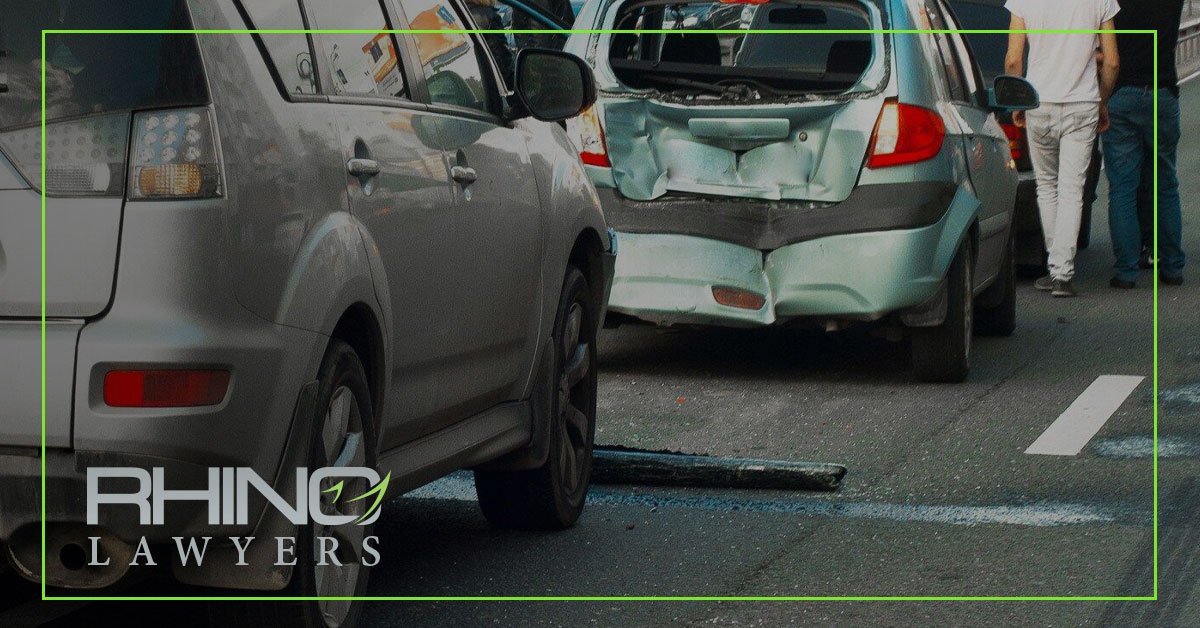
Who Can Be Liable in a Multi-Car Crash in Florida?
Have you been involved in a multi-car crash in Florida and are wondering who might be held responsible? If so, you’re certainly not alone. Multi-car accidents can be chaotic and confusing, leaving individuals uncertain about their rights and liabilities.
In this blog post, we’ll explore the intricacies of multi-car crashes in Florida, shedding light on who may be held liable in such situations. We’ll also look at the steps you can take in the aftermath of a multi-car collision and how you can secure the justice and compensation you deserve.
Understanding Multi-Car Crashes
Multi-car crashes, also known as pile-ups or chain-reaction accidents, occur when three or more vehicles collide in a sequence of events. Unlike typical two-car accidents, these incidents involve multiple points of impact and several parties potentially at fault.
One of the main challenges with multi-car accidents is figuring out what caused the whole thing. It could be bad weather, road hazards, or drivers not paying attention. Sometimes, it’s a mix of different things rather than a single reason.
These accidents are more complicated because there are many vehicles involved, making it harder to determine who’s to blame. To understand who’s at fault, experts often have to look at things like tire marks, vehicle damage, and witness testimonies. It’s like putting together a puzzle to see what happened.
In Florida, where multi-car accidents are not uncommon, understanding how these crashes work is essential. It helps individuals involved in such accidents comprehend the legal aspects better and know what steps to take next.
Determining Liability
In any Florida accident, including multi-car crashes, determining liability is crucial for resolving legal and insurance matters. In Florida, liability is based on the concept of negligence, which means failing to exercise reasonable care while driving. However, in multi-car accidents, establishing liability can be more complex due to the involvement of multiple parties and factors.
Florida follows a comparative negligence system, which means that each party’s degree of fault is taken into account when determining liability. This system allows individuals to recover damages even if they are partially at fault for the accident, as long as their negligence does not exceed 50%.
Factors such as traffic laws, weather conditions, and driver behaviors play a significant role in determining liability in multi-car crashes. For example, if a driver was speeding or following too closely before the crash, they may be held partially responsible for the resulting collision.
Insurance coverage also influences liability in multi-car accidents. Florida is a no-fault insurance state, meaning that drivers are required to carry personal injury protection (PIP) coverage to pay for their medical expenses regardless of who caused the accident. However, in cases of severe injuries or significant property damage, liability may extend beyond PIP coverage.
Potential Parties Liable in Multi-Car Crashes
In multi-car crashes, several parties may be held responsible for the accident and resulting damages. These parties include drivers, vehicle owners, employers, government entities, and manufacturers. Drivers are often the primary parties held liable for their negligent actions, such as:
- Speeding
- Distracted driving
- Failing to obey traffic laws
Vehicle owners may also be held liable if their vehicle is being driven by someone else with their permission, due to negligent entrustment or maintenance.
Employers may be held responsible if the driver causing the accident was acting within the scope of their employment at the time of the crash, under the legal principle of vicarious liability. Government entities responsible for maintaining the roads may be held liable for negligence if poor road conditions or inadequate signage contribute to the accident.
If a defective vehicle part or design flaw contributed to the accident, the manufacturer of the vehicle or the faulty component may be held liable for product liability.
Analyzing a Hypothetical Multi-Car Crash
Let’s imagine a multi-car accident on a Florida highway during heavy rain. Car A suddenly brakes due to poor visibility, causing Car B to rear-end it. Car C, following too closely, then crashes into Car B. In this scenario, multiple factors contribute to the accident.
Car A’s sudden braking without warning in dangerous conditions could be seen as negligent, especially if there were no brake lights or signals. Next, car B, while not maintaining a safe distance, might argue they couldn’t react in time due to the sudden stop. Car C, also tailgating, could have avoided the collision by keeping a safe distance.
Despite each driver sharing some fault, Car A’s actions might be deemed the primary cause of the chain reaction. Therefore, Car A could be considered the at-fault party. Understanding the roles each driver played helps in determining liability and seeking compensation for damages in multi-car accidents.
Steps to Take After a Multi-Car Crash in Florida
After a multi-car crash in Florida, it’s important to take certain steps to protect yourself and ensure you can properly deal with the aftermath.
First, make sure to check yourself and others for injuries. If anyone is hurt, call 911 immediately. Then, if possible, move to a safe location to prevent further accidents.
Exchange information with the other drivers involved, including names, contact details, insurance information, and vehicle registration numbers. Additionally, take photos of the accident scene and any damage to the vehicles for documentation purposes.
Remember to report the accident to your insurance company as soon as possible. Even if you don’t feel injured right away, it’s crucial to seek medical attention.
Lastly, it’s essential that you consult with a lawyer to understand your rights and options for pursuing compensation for any injuries or damages incurred. Here at RHINO Lawyers, we’re always on your side.
Your Guide to Multi-Car Crashes in Florida
In conclusion, dealing with multi-car crashes in Florida requires understanding liability, potential parties involved, and the necessary steps to take after an accident. Seeking legal guidance can help individuals protect their rights and seek appropriate compensation.
Ready to navigate the complexities of a multi-car crash in Florida? Contact RHINO Lawyers today for a free video consultation. Our experienced team is here to help you understand your rights and pursue the compensation you deserve.
CONTACT A TAMPA AUTO ACCIDENT ATTORNEY
In short, after a car accident, you may not know your rights. Above all, don’t struggle through the process alone. Actually, our personal injury team is here to help you with any legal needs you might have regarding your accident.
Lastly, let RHINO Lawyers answer your questions and review the facts of your case with a Free Consultation. So, get started by completing the “Free Instant Case Evaluation” or by calling us any time, day or night, at 844.RHINO.77.
Read More
If You Swerve to Avoid an Accident, Are You at Fault?
When you’re driving and another car suddenly veers into your lane, causing a potential collision, your immediate reaction might be to swerve to avoid the accident. But then you start wondering: “If you swerve to avoid an accident, are you at fault?” It’s a common question that many drivers face at one point or another.
In this guide, we will answer that specific question and look more broadly at the nature of car accidents from a legal perspective. Here, we’ll consider fault, negligence, and much more so you can understand this tricky topic more clearly. Let’s get started.
What Is Fault in a Car Accident?
Let’s begin this exploration by considering fault. Essentially, being “at fault” in a car accident means that you’re responsible for what happened. It’s a straightforward concept that determines who should take the blame for what occurred on the road.
This responsibility is not assigned randomly but is based on a legal principle known as negligence. Negligence simply refers to a lack of care or attention. For instance, if a driver fails to stop at a red light and crashes into another vehicle, they are considered negligent because they didn’t follow the rules of the road.
Determining fault in accidents isn’t always clear-cut. In some cases, both drivers may share the responsibility for the collision. However, in other situations, one driver may bear full accountability. It all hinges on who acted carelessly or failed to uphold their duty while driving.
The Principle of Negligence
Above, we mentioned the term negligence and the role it plays in determining fault. Negligence is essentially failing to be careful when you should be. When you’re driving, negligence means not being cautious on the road.
Swerving to avoid an accident is a common example. Imagine someone suddenly cuts into your lane without warning. Your natural reaction might be to swerve to avoid hitting them.
In this situation, swerving is seen as a reaction to a sudden danger, not negligence itself. However, there are times when swerving can be considered negligent. For example, if you swerve recklessly without paying attention to other cars on the road, you could be considered negligent.
The principle of negligence applies to these situations by examining whether a driver exercised reasonable care given the circumstances. So, while swerving to avoid an accident is often a responsible action, it’s essential to do so safely and without putting yourself or others at risk.
Comparative Negligence in Florida
Let’s go a step further now and discuss comparative negligence. In Florida, the concept of comparative negligence recognizes that fault in an accident can be shared among multiple parties.
Unlike some other states where if you’re even slightly at fault, you might not be able to recover any damages, Florida follows a “pure comparative fault” rule. This means that even if you’re partly responsible for an accident, you can still seek compensation for your injuries, although the amount you receive will be reduced by your percentage of fault.
So, let’s say you swerve to avoid an accident, but the other driver is also driving recklessly. In this scenario, both you and the other driver might share some fault for the accident.
Even though you took evasive action, the other driver’s negligence could still play a role in determining fault. As a result, under Florida’s comparative negligence laws, both parties may be held accountable to varying degrees.
Factors That Influence Fault Determination
Now, when it comes to determining fault in car accidents, several factors come into play, shaping the outcome of the investigation. One crucial element is road conditions. Poorly maintained roads or construction zones can create hazards that contribute to accidents.
Similarly, adverse weather conditions like rain, snow, or fog can reduce visibility and traction, increasing the risk of collisions. Speed is another significant factor. Driving above the speed limit or too fast for current conditions can limit a driver’s ability to react to unexpected situations, making them more likely to cause an accident.
Additionally, driver behavior plays a crucial role. Reckless actions such as distracted driving, aggressive maneuvers, or driving under the influence of alcohol or drugs significantly increase the likelihood of accidents and can impact fault determination.
Legal Consequences of Being at Fault
Being deemed at fault in a car accident can have significant legal ramifications, potentially leading to various penalties and consequences.
One common consequence is facing financial liabilities, including paying for damages to the other party’s vehicle, medical expenses, and compensation for pain and suffering. Additionally, you may be subject to fines or citations, depending on the severity of the vehicle crash and local traffic laws.
In more serious cases, being at fault can result in legal action, such as lawsuits for negligence or wrongful death. This could lead to substantial financial settlements or judgments against you. Moreover, your driving privileges may be impacted, with possible consequences including license suspension or revocation.
Another consequence of being at fault is the potential for increased insurance premiums. Insurance companies may deem you a higher-risk driver, leading to higher premiums or even denial of coverage in some cases. This can significantly impact your finances in the long term.
Tips for Preventing Swerve Accidents
To minimize the risk of swerve accidents on the road, it’s crucial to stay alert and anticipate potential hazards. You should always maintain a safe following distance from other vehicles, allowing ample time to react.
Also, avoid distractions such as texting or eating while driving, and always obey traffic laws. Practicing defensive driving techniques and staying focused on the road can help prevent swerve accidents and ensure safer travel.
If You Swerve to Avoid an Accident, Are You at Fault?
To sum up, navigating fault in accidents involving swerving requires a nuanced understanding of negligence and the circumstances surrounding the incident. While fault determination can be complex and influenced by various factors like road conditions and driver behavior, prioritizing safety is always paramount.
So, if you swerve to avoid an accident, are you at fault? To find the answer, speak to the attorneys at RHINO Lawyers. Click here to schedule a free virtual consultation with an accident attorney today.
CONTACT A TAMPA AUTO ACCIDENT ATTORNEY
In short, after a car accident, you may not know your rights. Above all, don’t struggle through the process alone. Actually, our personal injury team is here to help you with any legal needs you might have regarding your accident.
Lastly, let RHINO Lawyers answer your questions and review the facts of your case with a Free Consultation. So, get started by completing the “Free Instant Case Evaluation” or by calling us any time, day or night, at 844.RHINO.77.
Read More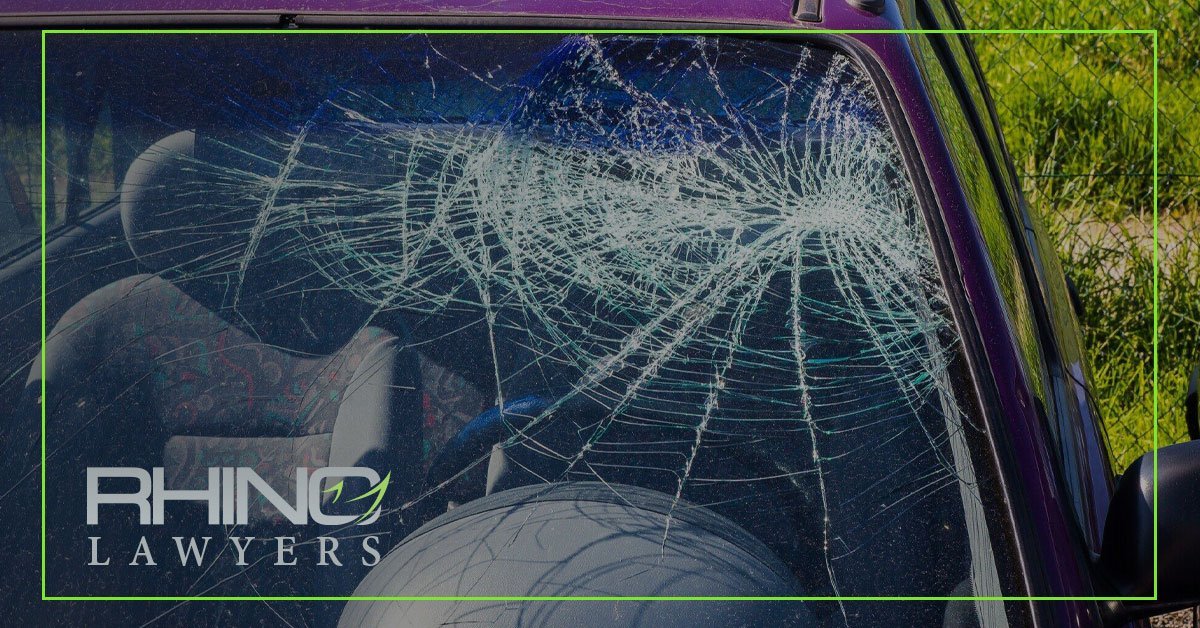
Who Is Liable if My Car Is Hit by an Object From Another Vehicle?
Car accidents can happen in various ways. And, one common scenario involves a vehicle being hit by an object from another vehicle. Whether it’s a stray rock, flying debris, or loose cargo. Such incidents can lead to damage, injury, and confusion about car liability.
Understanding who is responsible in these situations is crucial for protecting your rights and seeking compensation for any losses incurred. In this blog post, RHINO Lawyers will explore the factors that determine liability. Particularly, when your car is hit by an object from another vehicle.
What Does Liability in Car Accidents Mean?
First of all, understanding liability in car accidents is crucial for determining who is responsible for damages. In simple terms, liability refers to legal responsibility. When a car accident occurs, liability often hinges on negligence, which means failing to exercise reasonable care.
For instance, if a driver fails to secure their cargo properly and it falls off their vehicle, hitting another car, they may be considered negligent. Liability can also be shared if both drivers contributed to the accident.
Determining liability involves assessing the actions of each party involved and whether they met their duty of care to others on the road. Ultimately, the party found to be negligent or at fault may be held liable for the damages resulting from the accident.
Types of Objects That Can Hit Your Car
In everyday driving, various road objects can hit your car, causing damage and potential danger. These objects can include debris, such as rocks or branches, which may be kicked up by passing vehicles or fall off trucks.
Additionally, cargo carried by other vehicles, like furniture or construction materials, can come loose and strike your car. Parts of other vehicles, such as loose bumpers or tires, also pose a risk if they detach while in motion.
These objects hitting your car can lead to dents, scratches, broken windows, or even more serious damage. The impact can not only harm your vehicle but also endanger you and other drivers on the road.
Being aware of these potential hazards and taking precautions while driving can help reduce the risk of such incidents.
How Is Liability Determined?
Determining liability in cases where an object from another vehicle hits your car depends on several factors. Firstly, it’s important to consider how the object came to hit your vehicle. If the object fell off the other vehicle due to improper securing or maintenance, the driver of that vehicle may be deemed negligent and held liable for the damages.
Similarly, if the object was intentionally thrown from the other vehicle, such as in a case of road rage or malicious intent, the driver responsible for throwing the object would likely be held liable.
In some instances, liability may also depend on whether both drivers involved exercised reasonable care to prevent such incidents. If both drivers were negligent in some way, liability might be shared between them.
A Look at Common Scenarios
To give you a better idea about how liability might be determined in such cases, let’s look at three common scenarios.
In one situation, a truck neglects to secure its load adequately. Resulting in a piece of furniture falling off and hitting your car. Here, the driver of the truck could be held liable for negligence due to their failure to ensure proper cargo security.
Another scenario involves a passenger in a nearby vehicle throwing a water bottle out the window, which strikes your windshield and causes damage. In this case, the passenger who tossed the object may be held responsible for intentionally causing harm.
Additionally, if a car in front of you swerves suddenly to avoid hitting an animal, causing a loose bumper to detach and strike your vehicle, the driver of the car might not be held liable. This incident could be deemed unforeseeable, and the driver may not have been negligent in their actions.
Insurance Coverage for Such Incidents
Understanding how insurance coverage applies when your car is hit by an object from another vehicle is also crucial here. In these situations, comprehensive coverage often comes into play. Comprehensive coverage protects against non-collision incidents, including car damage from falling objects, theft, vandalism, and natural disasters.
If your car is hit by an object from another vehicle, comprehensive coverage can help cover the cost of repairs or replacement, depending on the extent of the damage.
This coverage is particularly valuable because it applies regardless of who is at fault for the incident. It’s important to review your insurance policy to ensure you have comprehensive coverage and understand any deductibles or limits that may apply.
Pursuing a Legal Claim
Finally, if your car is hit by an object from another vehicle and you believe someone else is at fault, pursuing a legal claim may be necessary to seek compensation for damages.
Firstly, document the incident by taking photos of the damage to your vehicle and the scene of the accident. You can also obtain contact information from any witnesses who saw the incident. This evidence can be crucial in proving liability.
Next, contact your insurance company as soon as possible to notify them about the accident. They can guide you through the claims process and assist in determining liability.
It’s also essential that you seek legal advice by consulting with a personal injury lawyer who focuses on car accidents, like our team at RHINO Lawyers in Florida. We can assess your case, advise you on your rights, and help you navigate the legal process.
Your Guide to Car Liability Following Road Accidents
The bottom line is it’s crucial to understand car liability involving objects from other vehicles. By documenting incidents, contacting insurance companies, seeking legal advice, and knowing their rights, drivers can protect themselves and their vehicles.
If you have been involved in an accident involving an object from another vehicle, then you may be entitled to justice and compensation. We encourage you to schedule a free video consultation with the auto accident professionals at RHINO Lawyers. We will discuss your case and look at the next steps together.
CONTACT A TAMPA AUTO ACCIDENT ATTORNEY
In short, after a car accident, you may not know your rights. Above all, don’t struggle through the process alone. Actually, our personal injury team is here to help you with any legal needs you might have regarding your accident.
Lastly, let RHINO Lawyers answer your questions and review the facts of your case with a Free Consultation. So, get started by completing the “Free Instant Case Evaluation” or by calling us any time, day or night, at 844.RHINO.77.
Read More
Lost Your Tampa Speeding Ticket? Don’t Panic, Here’s What to Do
Speeding tickets are the most common moving traffic violation in the United States. 41 million drivers receive a speeding ticket each year, totaling around $6 billion.
There are many problems with speeding tickets. One is that they can easily get lost. Whether you receive a violation en route or through the mail, the paper citation can end up in the void.
If you lost your Tampa speeding ticket, don’t panic. Read this guide instead.
Steps to Take After Losing a Tampa Speeding Ticket
Losing a traffic citation isn’t the end of the world. Here’s what to do if you lose your Tampa speeding ticket:
Gather Important Details
It can be difficult to recall important details during a traffic stop. If you lose your Tampa speeding ticket, try to remember as much as possible.
You should know the date and location of where you received the ticket. If you know the approximate time you got pulled over, this information will be helpful too.
The more details you remember, the better. For instance, it’s helpful to recall the officer’s name, but some people don’t check or remember this information.
If you haven’t already, check your records to see if information regarding your ticket was sent via certified mail.
With the details you remember, contact the police department to explain your situation. It’s possible that they can access the record using the provided information. If they can confirm the citation, ask for a copy.
Explore the Different Search Methods
The state DMV might have a record of a speeding citation. You can visit the Florida Department of Highway Safety and Motor Vehicles (DHSMV) or contact them about accessing your driving record.
A basic online search could be helpful in your situation. Some reliable third-party websites offer traffic ticket search tools. Make sure to check the privacy policies of these websites before giving your personal information.
Take a Proactive Approach
If you fail to find your traffic ticket, you may miss your payment or court due date. If you remember enough details about your citation, you can pay the estimated fine.
This is a great way to resolve the issue if you fail to find the ticket. The standard fine for speeding in Tampa depends on how fast over the limit you were going. If you were speeding in a school zone, the price increases.
Keep any receipts of payment if you decide to go this route. The faster you act, the better your chances of avoiding late fees and a possible license suspension.
Typically, you’ll have 30 days from the date you receive the ticket to answer or pay your fine. If you fail to do so within 90 days, the data is sent to a collection agency, and the fines are doubled.
If you had planned on contesting your speeding ticket, hire an attorney. Even without a copy of the citation, they can help you navigate the problem and come up with potential solutions. If it comes down to it, they can also represent you in court.
Why You Should Hire a Lawyer
Many people receive a traffic ticket and immediately pay the fine. While this may seem like the only option, you can contest a traffic violation.
Paying speeding ticket fines means you are admitting guilt. This can lead to driving record consequences. For example, your insurance premium may increase and the increase can last for years.
How to Fix a Traffic Issue
You can fight your traffic ticket, but it will take some effort and time. If you want to fix a traffic issue with or without your citation, take these steps:
Contact the Courthouse
Tampa, Florida has six surrounding counties. Figure out which county you were in when your traffic incident happened. If you end up finding your ticket, you can find the county in the upper left corner.
Contact the Clerk of Court of the listed county and speak with someone in the Traffic Department.
Tell the traffic department that you want to file a Motion for Relief on your ticket. This is a written request to the court to ask to fix your traffic issue. If you didn’t answer your ticket before the 30 days, you can ask to remove your ticket from collections.
Wait for the Verdict
Most often, it’ll take the court up to 30 days to answer your motion. If a traffic attorney files the motion for you, you may hear back sooner.
With a granted motion, the traffic ticket gets removed from collections. The late fees you incurred will also be waived. If your license was suspended, you’ll be able to reinstate it at this time as well.
How to Prevent a Lost Traffic Ticket
Dealing with a lost traffic citation is annoying and inconvenient. You can prevent losing a traffic ticket by dealing with it right away and forwarding your mail when you move.
When you receive a speeding ticket, don’t ignore it. If you receive a ticket while you are driving or if you receive it in the mail from a red light camera, answer it ASAP. Filing it away or leaving it for later is an easy way to lose the ticket.
If you move at any point, always forward your mail. Losing a traffic ticket because you didn’t update your address isn’t an excuse for the court. You’ll still have to go through all the steps to avoid collections.
While the court may provide you with some leniency, it’s not an excuse to get out of the ticket entirely.
It’s common for people to miss a ticket because it was sent to the wrong address. Don’t make this same mistake.
Work With a Tampa Speeding Ticket Lawyer
Losing a Tampa speeding ticket can cause a lot of stress. While there are many solutions to look into, consider hiring a Tampa traffic ticket attorney.
RHINO Lawyers is a forward-thinking law firm in Tampa staffed with attorneys with years of experience. We have a track record of helping clients with bold representations that get results.
Get a free case analysis from RHINO Lawyers today.
CONTACT TAMPA TRAFFIC TICKET ATTORNEY
RHINO Lawyers can help and guide you through a system molded by law enforcement, judges, and lawyers for decades. Having won cases for our clients in similar circumstances, our criminal defense team knows what it takes to fight on your behalf.
Let RHINO Lawyers answer your questions and review the facts of your case with a Free Consultation. So, get started by completing the “Free Instant Case Evaluation” or by calling us any time, day or night, at (844) RHINO-77.
Read More
Out-of-State Traffic Tickets: Dealing with Violations in a Different State
It’s estimated that there are nearly 41 million speeding tickets written each year in the United States. And that’s just the ones that have to do with speeding! It’s not even counting other tickets from things like failing to stop at a red light or careless driving.
Typically, traffic tickets are fairly straightforward to deal with. However, if they occur while you’re traveling in other states, they can quickly get complicated.
So how do you deal with out-of-state traffic tickets in the state of Florida? And do you need to hire a lawyer to help you? In this guide, we’ll answer these questions so you can get a better idea of the best solution for your traffic ticket problems.
How Do Points From Florida Traffic Tickets Work?
Before we learn about how out-of-state tickets work we first need to learn about the point system for Florida traffic tickets. When you get a traffic ticket you also get points that count against your driver’s license.
It’s important to note that you need to get convicted of the ticket crime to get points. These points accumulate over time and if you get enough of them on your record they can result in a license suspension.
The point system works on a graduated scale. That means that certain convicted traffic offenses will earn you more points than others. For example, failing to yield to another driver will earn you three points.
On the other hand, a more serious traffic offense, like crashing and leaving the scene of the crime, can earn you six points. It’s also important to note that the points don’t correspond to the cost of the ticket.
Careless driving and speeding through a school zone will get you the same amount of points. However, a speeding ticket through a school zone can result in a much more expensive traffic fine.
How Do Out-of-State Traffic Tickets Work in Florida?
You might think that if you get an out-of-state traffic ticket while away from Florida you’ll be able to avoid points. Sadly, this simply isn’t the case. When you get a traffic citation in a different state, the police will simply send it to the Florida DMV.
From there, it will be added to your driving record. According to Florida Statute 322.27(3), the points will only be added if they meet the qualifications for a point-relevant violation.
This exchange of information between state agencies is thanks to two different compacts. The first, known as the Driver’s License Compact (DLC), is responsible for reporting any violations and or convictions to the individual residential state.
Similarly, the Nonresident Violator Compact (NVC) is used to ensure that unpaid tickets in other states get dealt with in one way or another. In other words, you should treat any out-of-state traffic tickets as if they occurred in your home state.
The only difference is who you will have to pay, as well as in some cases a different state violation that is specific to where your traffic offense occurred.
What Are Your Options for Dealing With Out-of-State Traffic Tickets?
The specific options you’ll have for dealing with an out-of-state traffic ticket will depend on the state laws where it occurred. That being said, generally, you have three options. In this section, we’ll briefly go over each of them.
Pay the Ticket
The quickest and easiest way to deal with a traffic ticket is to simply pay the fine and move on. Typically, the officer giving you the ticket needs to give you information on how to pay for it.
This might include paying it online, over the phone, or through the mail. If they didn’t provide this information, contact the traffic court where you got your ticket.
While this might be the easiest option, it will likely result in traffic points against your record. And, as we’ll discuss in a different section it can have other consequences too.
Fight the Ticket in Court
If you believe you don’t deserve the traffic ticket, you can always fight it. Unfortunately, this can be harder for out-of-state tickets than in-state ones. That’s because you will likely need to travel to the jurisdiction where the traffic ticket occurred.
As such, you should be sure to get good lawyers on your side. That way, you aren’t wasting money on ticket fees, travel costs, and legal expenses.
Attend Traffic School
In some states, they might agree to drop your ticket charges if you attend traffic school. While this might seem inconvenient for out-of-state drivers, it’s not always the case.
Many schools provide people with online options for completing the courses. So you won’t need to travel to take them. As such, you should always research the options before proceeding.
How Can a Traffic Lawyer Help You?
A traffic lawyer can help you fight the traffic ticket which can often get it dismissed. There’s no denying that it would be easier to just pay the ticket and move on.
So why should you try to fight it with the help of a lawyer? As we’ve mentioned one of the main reasons is to avoid accumulating points on your driving record. However, as we mention in this guide, it’s also important to fight traffic tickets to:
- Correct inaccuracies
- Protect your legal rights as a citizen
- Avoid fines
- Keep your car insurance premium low
- Avoid license suspensions
A traffic lawyer will look at the details surrounding your out-of-state ticket. Then, they’ll suggest the best strategy for dealing with it.
Need Help With Your Traffic Ticket? Contact RHINO Lawyers
We hope this guide helped you learn more about dealing with out-of-state traffic tickets. Here at RHINO Lawyers, we know how annoying these types of tickets can be.
They can result in costly fees, lengthy court stays, long classes, and even license suspensions. However, just because you got a ticket doesn’t mean you’re guilty.
Our legal team goes to court so you don’t have to. And if everything goes right we can get you off without any points or tickets. Schedule a consultation with us today to get the legal help you need.
CONTACT TAMPA TRAFFIC TICKET ATTORNEY
RHINO Lawyers can help and guide you through a system molded by law enforcement, judges, and lawyers for decades. Having won cases for our clients in similar circumstances, our criminal defense team knows what it takes to fight on your behalf.
Let RHINO Lawyers answer your questions and review the facts of your case with a Free Consultation. So, get started by completing the “Free Instant Case Evaluation” or by calling us any time, day or night, at (844) RHINO-77.
Read More
Hit by a Car While Walking in Florida?
Pedestrian deaths in the United States are at a 40-year high. Recent data from 2022 shows that more than 7,500 pedestrians lost their lives in accidents involving motor vehicles. It’s a sobering statistic that underscores the dangers faced by those who simply walk along our streets and roadways.
In this blog post, your experienced team at RHINO Lawyers will look at this concerning trend of pedestrian fatalities. Particularly in Florida, and explore what steps can be taken to mitigate the risks. Remember, if you or someone you love has been hit by a car in Florida, we are here to help you secure the justice and compensation you deserve. Let’s get started.
Factors Contributing to Pedestrian Accidents
Several factors contribute to the prevalence of pedestrian accidents in Florida and across the nation. Here are some of the most common causes of accidents.
Distracted Driving
Distracted driving poses a significant threat to pedestrian safety on Florida’s roadways. Many drivers succumb to the temptation of using their smartphones behind the wheel, diverting their attention from the road ahead. This dangerous behavior can result in delayed reaction times and impaired judgment, increasing the likelihood of accidents involving pedestrians.
Even a momentary lapse in concentration can have devastating consequences. Whether it’s sending a text message or checking social media, distractions divert drivers’ focus away from the task at hand: safely operating a vehicle.
Pedestrians are particularly vulnerable to the risks posed by distracted drivers, as they may not be readily visible or able to anticipate erratic driving behaviors.
Lack of Infrastructure
The lack of proper infrastructure in many Florida cities and towns exacerbates the risks faced by pedestrians. Without sidewalks, crosswalks, and well-lit pedestrian crossings, walkers are forced to navigate hazardous roadways, putting themselves in harm’s way.
In areas where pedestrian infrastructure is lacking, pedestrians may be forced to share the road with fast-moving vehicles, increasing the likelihood of accidents. Additionally, poorly designed or maintained infrastructure can create obstacles and hazards for pedestrians, further compromising their safety.
Speeding and Reckless Driving
Speeding and reckless driving are significant contributors to pedestrian accidents in Florida. When drivers exceed the speed limit or engage in reckless behaviors such as tailgating or weaving in and out of traffic, they put pedestrians at great risk.
The higher the speed of a vehicle, the less time a driver has to react to unexpected obstacles, making it harder to avoid collisions with pedestrians. Additionally, reckless driving behaviors increase the likelihood of losing control of the vehicle.
Speeding and reckless driving not only endanger pedestrians but also other road users, including cyclists and other drivers. The consequences of a collision between a speeding vehicle and a pedestrian can be severe, often resulting in serious injuries or even fatalities.
What to Do If You’re Hit by a Car in Florida
Without question, being hit by a car can be a terrifying and traumatic experience. In the chaos of the moment, it’s crucial to know what steps to take to protect yourself and your legal rights. Here’s a guide on what to do if you find yourself in this unfortunate situation in Florida.
Seek Medical Attention Immediately
The first priority after being hit by a car is to seek medical attention, even if you feel fine or your injuries seem minor. Some injuries, such as internal bleeding or head trauma, may not be immediately apparent but can have serious consequences if left untreated.
Call 911 or ask someone nearby to call for help, and wait for emergency responders to arrive. Be sure to follow their instructions and cooperate fully during the medical evaluation and treatment process.
Document the Scene
If you’re able to do so safely, gather as much information as possible about the incident and the parties involved. Take photos of the scene, including the location of the accident, any visible injuries, and damage to your clothing or belongings.
Collect the contact information of the driver, as well as any witnesses who may have seen what happened. This documentation can be invaluable later when filing a claim or pursuing legal action.
Report the Car Accident
In Florida, it’s important to report any accident involving injuries or property damage to law enforcement authorities. Call the police and wait for them to arrive at the scene.
It’s important to cooperate fully with the responding officers and provide them with your account of what happened. The police report generated from the accident investigation can serve as important evidence when seeking compensation for your injuries and damages.
Seek Legal Guidance
After seeking medical attention and reporting the accident, it’s advisable to consult with a qualified personal injury lawyer who focuses on pedestrian accidents. Our team at RHINO Lawyers has years of experience in auto accident cases involving pedestrians.
Our attorneys can assess the details of your case, explain your legal rights, and guide you through the process of pursuing a claim against the at-fault party. We can also handle communication with insurance companies and negotiate on your behalf to ensure you receive fair compensation for your injuries and losses.
Focus on Recovery
If you’ve been hit by a car in Florida, prioritizing your recovery is paramount. Dealing with the aftermath of such an incident can be overwhelming, both physically and emotionally. It’s essential to seek medical attention immediately, even if injuries seem minor. Additionally, taking time to rest and recuperate is crucial for your overall well-being.
During this challenging time, it’s reassuring to know that our car accident lawyers are available to handle your case. By entrusting your claim to experienced professionals, you can focus on your recovery with peace of mind. Knowing that your legal rights are being protected.
Schedule a FREE Consultation
Being hit by a car in Florida can have serious consequences, but you don’t have to navigate the aftermath alone. With the support of RHINO Lawyers, you can pursue the compensation you deserve while focusing on your recovery.
Don’t delay-reach out today to schedule a free video consultation and take the first step toward securing your legal rights and moving forward with confidence.
CONTACT A TAMPA AUTO ACCIDENT ATTORNEY
In short, after a car accident, you may not know your rights. Above all, don’t struggle through the process alone. Actually, our personal injury team is here to help you with any legal needs you might have regarding your accident.
Lastly, let RHINO Lawyers answer your questions and review the facts of your case with a Free Consultation. So, get started by completing the “Free Instant Case Evaluation” or by calling us any time, day or night, at 844.RHINO.77.
Read More