
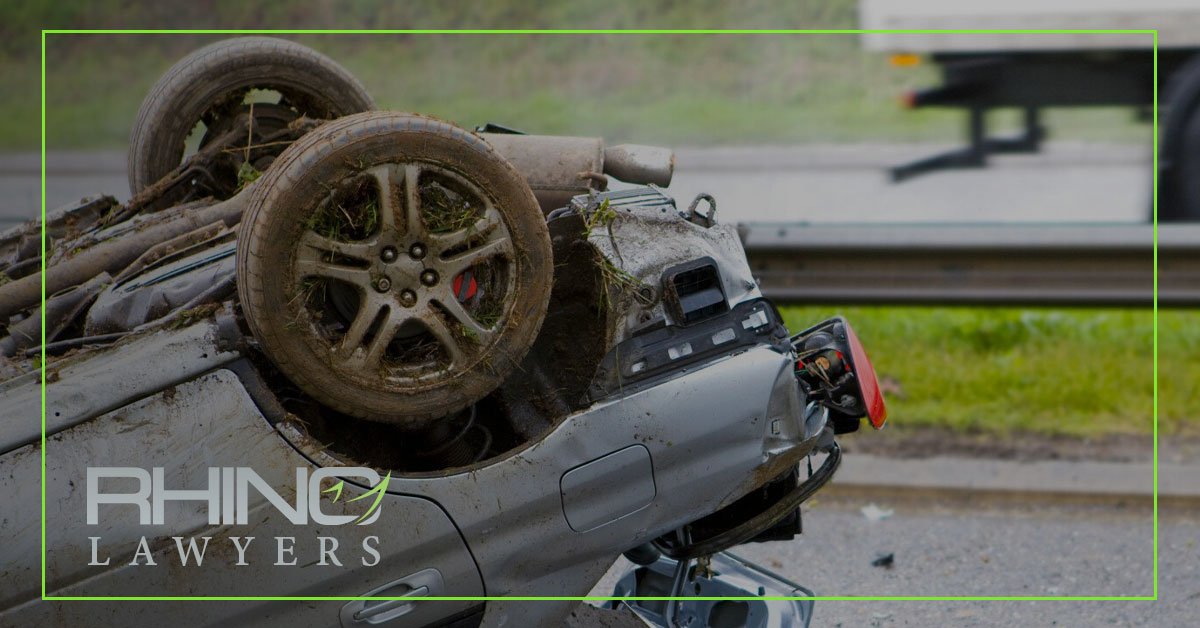
What Are the Consequences of a DUI Hit-And-Run in Florida?
It’s estimated that every day, roughly thirty-seven people die from DUI-related accidents. This alarming statistic helps explain why states like Florida are so hard on DUI offenses.
Driving drunk is already a serious offense that carries wide-ranging consequences. However, what happens if you drive away from the scene of a crash while intoxicated?
As you can guess, a DUI hit-and-run combines many of the penalties of both these charges. In this guide, we’ll be discussing the laws that dictate punishments for these kinds of offenses. That way, you get a better idea of what you’re facing and possible defenses.
What Are Florida Hit-and-Run Laws?
Before we learn about DUI hit-and-run laws in Florida, it’s important to first learn about the consequences of these two separate offenses. Let’s start with hit-and-run laws.
In the Sunshine State, these laws come from Florida Statute 316.027. It states that following an accident, you are legally required to stop your car either at the scene of the crash or as close as you can to where the accident occurred.
You’re then required to stay at the scene of the crash until you’ve provided the other party with your driver’s license, name, address, and vehicle registration number.
You will also need to show the police your license during the investigation of the accident. Additionally, if someone was injured in the accident, you’re legally responsible for providing a reasonable level of assistance.
This includes organizing transportation of the individual to a hospital. The consequences of a hit-and-run will depend on the circumstances surrounding it. They can include:
- Hit-and-run with a less than serious injury (3rd-degree felony): a $5,000 fine and a sentence of up to five years
- A hit-and-run with a serious injury (2nd-degree felony): a $10,000 fine and a sentence of up to fifteen years
- Hit-and-run with death (1st-degree felony): a $10,000 fine and a sentence of up to thirty years (minimum of four years)
That’s why it’s vital to always stay at the scene of the crime, no matter how scared you get following an accident.
What Are Florida DUI Laws?
The consequences associated with a DUI in Florida will depend on the number of past DUIs and whether or not the property was damaged. If it’s your first DUI, then you face a fine of up to $1,000 and a maximum of six months in jail.
There’s also the possibility that you’ll lose your license for six months and require fifty hours of community service to reinstate it. If it’s your second or third DUI conviction, you will face fines and jail sentences.
With these types of DUIs, your fines will be up to $4,000. You’ll also face a potential sentence of twelve months in jail (and a minimum of ten days). What’s more, you’ll likely have your driver’s license suspended for up to ten years.
If you’ve been convicted of a DUI a fourth time in the state of Florida, it can turn into a third-degree felony. Also, keep in mind that this only applies to DUIs that don’t end in property damage, injuries, or death.
Like hit-and-run charges, the fines and sentences will increase steadily depending on whether the DUI accident caused a less-than-serious injury, serious injury, or death.
What Happens If You Leave the Scene of a DUI Hit-and-Run?
If you were involved in a DUI accident, you might get the urge to drive away to avoid the heavy fines and sentences associated with the crime. However, this is never a good idea.
For starters, hit-and-run drivers are almost always caught, especially if they’re intoxicated. On top of that, you are doubling whatever fines and sentences are handed down to you.
Not only are you facing potential felony charges with your DUI, but now you’re also facing hit-and-run charges. These sentences don’t cancel each other out. That means that when you engage with DUI hit-and-run charges, you’ll likely be facing multiple felonies. This needs to be avoided at all costs.
What Are the Defenses for a DUI Hit-and-Run?
We understand how DUI hit-and-runs can happen. Often, you’re in a state of panic and fright that can lead you to make a rash, unwise decision. However, if you’re in the process of being convicted on these charges, is there any defense that can help you?
The good news is that some hit-and-run defense strategies can get your DUI evidence thrown out. One way is to cast doubt on the evidence that you were intoxicated.
Things like hearsay, faulty breathalyzers, or incomplete evidence can all help prove you weren’t intoxicated. You might also get out of the case by proving that you weren’t the driver responsible for the DUI hit-and-run.
If you were injured, you might make the case that you left the scene immediately to receive treatment for your injuries. Or, you could say that a head injury caused you not to think straight. Read this full guide to learn some of the ways to get DUI evidence thrown out.
How Can the Right Lawyer Help You
Facing multiple felony charges is not something to mess around with. A criminal defense attorney can help you utilize some of the strategies listed above to minimize a DUI hit-and-run case.
Without them, there’s a high chance you’ll be facing serious jail time and steep fines. Just make sure you find one that focuses on both hit-and-run cases as well as DUI cases. That way, they have the overlap in knowledge to get you out of your hit-and-run conviction.
Need Legal Help With a DUI Hit-and-Run in Florida?
We hope this guide helped you learn more about the consequences of a DUI hit-and-run in Florida. Here at RHINO Lawyers, we know how scary it can be to face charges like this. Unfortunately, many law offices can be awful at communicating updates or questions about your case.
This can just add to your anxiety. That’s why we strive to be different. Whether it’s with FaceTime or an Instagram DM, we prioritize communication with our clients above all else.
So if you want to get the attention that your DUI case deserves, contact us today to get a free case review.
CONTACT TAMPA TRAFFIC TICKET ATTORNEY
RHINO Lawyers can help and guide you through a system molded by law enforcement, judges, and lawyers for decades. Having won cases for our clients in similar circumstances, our criminal defense team knows what it takes to fight on your behalf.
Let RHINO Lawyers answer your questions and review the facts of your case with a Free Consultation. So, get started by completing the “Free Instant Case Evaluation” or by calling us any time, day or night, at (844) RHINO-77.
Read More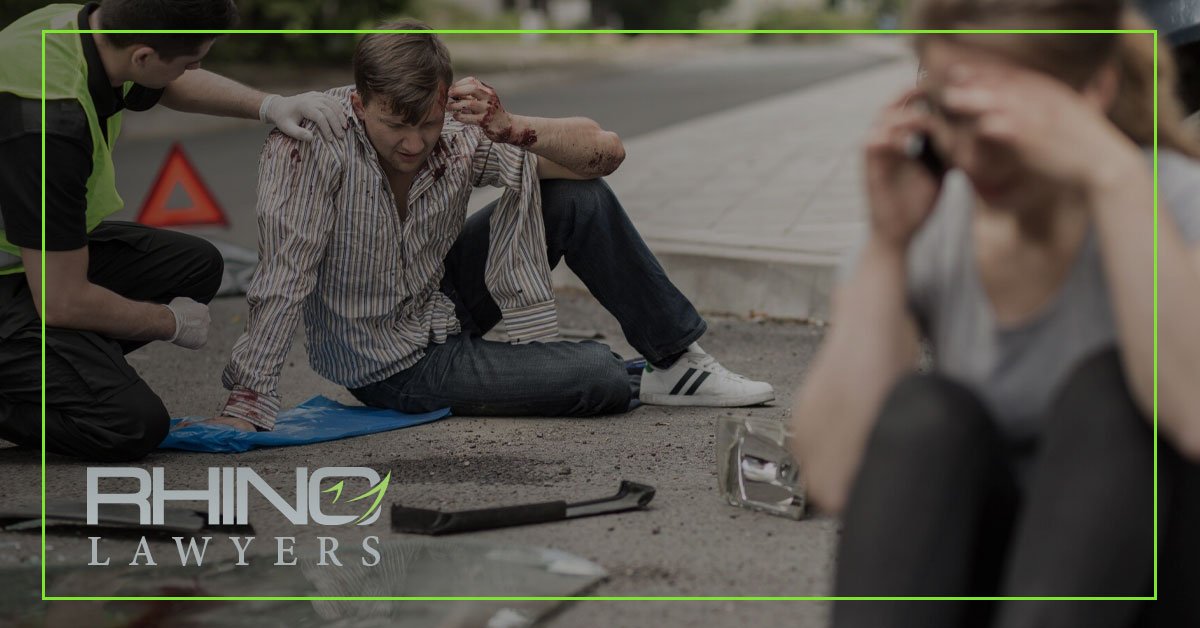
What Evidence Is Needed to Convict a Hit-And-Run in Florida?
In 2021 alone, there were close to 200,000 non-fatal hit-and-runs, up 21% from the 159,000 in 2012.
Getting justice for a hit-and-run starts at the scene of the accident. Because the at-fault driver decided to flee, the crime becomes more serious, but the burden of proof is more difficult to obtain. There’s nothing more important than evidence when prosecuting a hit-and-run.
In today’s post, we will guide you through handling a hit-and-run in Florida. Specifically, we’ll tell you what evidence you need to bring to the table to ensure a positive outcome.
After a serious accident, the most important thing is to look after your health and then account for the property damage. The next thing is to see to it that the driver who fled the scene is subject to penalty under Florida laws.
With an understanding of how the process should work and a good legal team, proving liability can be easy. Don’t let this heinous crime go unpunished. Keep reading and learn more about hit-and-run evidence.
What Is a Hit-and-Run in Florida?
According to Florida laws, a hit-and-run is defined as any accident where the at-fault party leaves the scene. Under normal circumstances, all parties are to remain at the scene of the accident until the authorities allow them to leave.
When injuries are involved, they are always the first priority. Regardless of the at-fault driver’s injury status, however, they must speak to the police after the accident. Fleeing turns a potentially small civil case into a much larger criminal one.
The Penalty for a Hit-and-Run
Hit-and-run penalties depend on the severity of the accident. For example, leaving the scene of an accident where the primary concern is property damage results in a 2nd-degree misdemeanor. The driver will be subject to up to 60 days in jail and a $500 fine.
When injuries are involved, it becomes a 2nd or 3rd-degree felony. This comes with a revoked license and up to 5 years in prison with a $5,000 fine. If a fatality occurs, the driver gets a minimum of four years in jail but up to 30 with a $10,000 fine.
What Evidence Do You Need to Prove a Hit-and-Run?
Being the victim of a hit-and-run conjures every emotion in the book. A prominent one is the desire to seek justice. The police may find the driver, but proving liability will depend on what evidence you and your lawyer bring to the table.
Photo and Video Evidence
Any photo or video evidence you can provide will bolster your case. Many people use dash cams, which will not only capture video of the accident and the person fleeing but can also capture their license plate. There are countless examples of this helping police catch a suspect.
Having such hard evidence will make it extremely easy to prove your version of events. If there are any witnesses to the accident, check to see if they’ve got dashcam footage. Following that, an experienced lawyer could also obtain traffic camera footage to support your case.
Witness Testimony
When there are witnesses to the hit-and-run, your life is going to be a lot easier. Being able to draw from eyewitness testimony to prove unequivocally what happened – who the defendant is, that they caused the accident, and that they opted to flee in the aftermath.
Oftentimes, however, people decide to flee because there are no obvious witnesses to the accident. That is when you will have to rely on first responder testimony and physical evidence.
First Responder Testimony
First responders, whether it is the fire department, EMTs, or police, are essential in the immediate aftermath of any accident. When you are dealing with a hit-and-run, however, first responder testimony can go a long way in proving your side of the story.
For example, an EMT will be able to effectively act as an expert witness to tell the court if your injuries are consistent with those caused by a car accident. Police testimony comes in handy if they’re able to find and detain the driver who fled the scene.
Skidmarks and Paint Scuffs
When it comes to physical evidence, you are going to be looking at the damage to your vehicle and any skid marks at the scene of the accident. Pictures of the scene of the accident can go a long way in determining what likely happened.
The other kind of physical evidence will be on the fleeing driver’s car. If the police can track down the other driver before long, they can see whether or not there’s any damage consistent with the accident. Time is of the essence in this scenario.
Medical Records and Lost Wages
Proving the defendant’s liability is one aspect of dealing with a hit-and-run. Once you’ve done that, you will need to prove how the accident has impacted your life and livelihood.
One of the reasons it is so crucial to get checked out by a doctor after an accident, regardless of whether you feel injured, is to prove your injuries in court. Showing your medical bills and having a doctor’s testimony will ensure you are properly compensated.
Another thing to showcase is your missed wages due to the recovery. Your employer should be able to clearly show that the injury has made it impossible to work and the lost wages therein. Any damage caused to your car should be factored in, as well as the mental anguish the accident has caused you.
Why You Need an Auto Injury Attorney’s Help
In presenting as much clear evidence as possible, you can ensure a better outcome after a hit-and-run in Florida. If you plan on seeking justice against someone who caused an accident and fled, you are going to need good legal counsel.
A good personal injury lawyer will leave no stone unturned in their quest to find the necessary evidence to prove your case. RHINO Lawyers is Tampa’s premier legal team for handling car and motorcycle accidents. Don’t hesitate to reach out today to book a consultation and put the trauma of this hit-and-run accident behind you.
CONTACT A TAMPA AUTO ACCIDENT ATTORNEY
In short, after a car accident, you may not know your rights. Above all, don’t struggle through the process alone. Actually, our personal injury team is here to help you with any legal needs you might have regarding your accident.
Lastly, let RHINO Lawyers answer your questions and review the facts of your case with a Free Consultation. So, get started by completing the “Free Instant Case Evaluation” or by calling us any time, day or night, at 844.RHINO.77.
Read More
Improper Signage Caused My Accident. What to Do?
It’s estimated that over 300,000 accidents have occurred in Florida this year alone. Now typically, they assign the cause of a car accident to a negligent driver. However, some car accident cases can be a little more complicated.
For example, who is to blame when improper signage causes your accident? And can you seek compensation for damages related to these types of accidents?
Accidents relating to road maintenance can be a sticky business legally. That’s why we made this guide to answer some of the common questions clients ask about these types of accidents. That way you can figure out the best course of action for your specific case.
What Are Some of the Types of Improper Signage?
Many types of improper road signage can lead to serious car accidents. Perhaps the most common is traffic signs that are either missing or stolen. Here in Florida, hurricane-level winds can cause stop or yield signs to fly away (especially if they’re on the older side).
Teenagers and intoxicated individuals are also prone to steal traffic signs for trophies. However, it’s important to note that these aren’t the only types of improper signage that can lead to accidents.
Sometimes an accident is caused by improper signage design, meaning there should have been a traffic sign at a location, but there wasn’t one. Other times, things like an overgrown tree can obscure a traffic sign from a driver’s vision.
During road construction, proper signs need to be in place that protect both workers and drivers from accidents. Improper signage is dangerous because it can lead to serious accidents even when someone is driving perfectly fine.
Other Types of Road Maintenance Problems That Can Cause Accidents
A missing road sign isn’t the only type of road maintenance that can cause car accidents. The road condition can also be a factor. One common cause of accidents is broken or malfunctioning traffic lights.
The same goes for road stripes that are missing on streets. Serious potholes, missing guardrails, and poor road design are all factors as well.
These types of problems are similar to improper signage in that it’s the responsibility of the Department of Transportation to find and fix them. As such, they should be treated with the same seriousness.
Who Needs to Maintain Roads?
It’s the responsibility of the Department of Transportation in a state or county to maintain all of the traffic signs in an area. However, these departments typically turn toward private contractors to carry out this maintenance.
The issue gets even more complicated with stolen signs. In these situations, the person who stole the sign is responsible for your accident. Unfortunately, finding these individuals can be difficult, if not impossible.
Regardless of whether a DOT or a private company is responsible for the road signage accident, you deserve compensation. After all, taxpayer dollars are responsible for maintaining the roads.
As such, you deserve for them to be safe. Unfortunately, as we’ll see, proving auto negligence with the Department of Transportation is a lot different than a traditional car accident. You will require a trained professional to assist you.
What Should You Do Following an Improper Signage Accident?
The first thing you need to do following a signage accident is make sure you’re okay. Get any injuries and property damage documented. You’ll also need an accident report. Do your best to point out to the officer filling out the report how improper signage may have been a factor.
Then, you need to find out who is responsible. The fastest way to do this is by contacting the FDOT Office of Maintenance. Inform them of where the sign is missing and what occurred at the location.
The Department of Transportation is responsible for missing, damaged, or neglected road signs. However, they’re also allowed a reasonable amount of time to replace said sign once it’s brought to their attention.
That being said, if the DOT is aware of a missing sign, and still doesn’t do anything, then you have grounds for a lawsuit against the government. However, as we’ll see, this can be a challenge.
Why Can Proving Liability Be a Challenge?
Sovereign immunity typically protects the Florida government from civil lawsuits. That being said, if an auto accident was caused because of the failures of a private company or a government agency, there are exceptions to this rule.
You can begin a formal filing procedure by giving the government or responsible party a Notice of Claim. However, you will require a lot of evidence for these proceedings, which can make proving liability a challenge.
First, you have to prove that improper signage was the cause of your accident. You also need to prove that the municipality was negligent in their upkeep of the improper signage.
The good news is that a car accident lawyer can help you decide whether or not suing the government is the right course of action for your specific case.
How an Auto Accident Lawyer Can Help You
Dealing with improper road signage accidents requires a lot of evidence. Not only do you need photographs of the area and accident reconstructions, but you also need to prove that the government agency or private company knew about the sign in question and didn’t do anything.
Attempting this on your own can be next to impossible. That’s why it’s vital to contact a Tampa car accident attorney.
These professionals can help you navigate the complicated process that’s required for these accidents. They can also assist you in gathering enough evidence to hold whatever party is responsible for the accident.
Need Help With a Road Signage Accident?
We hope this guide helped you learn what to do after you’ve been involved in an accident due to improper road signage. As you can see, getting compensation for these types of accidents requires a bold legal presence that’s familiar with all the nuances of Florida auto law.
Here at RHINO Lawyers, we combine extensive auto case experience with a personalized approach to our clients. That’s why we encourage you to schedule a free case review today so we can help you get the compensation that you deserve.
CONTACT A TAMPA AUTO ACCIDENT ATTORNEY
In short, after a car accident, you may not know your rights. Above all, don’t struggle through the process alone. Actually, our personal injury team is here to help you with any legal needs you might have regarding your accident.
Lastly, let RHINO Lawyers answer your questions and review the facts of your case with a Free Consultation. So, get started by completing the “Free Instant Case Evaluation” or by calling us any time, day or night, at 844.RHINO.77.
Read More
The Importance of Miranda Warnings in DUI Cases
Driving while intoxicated is incredibly dangerous, and it results in about 37 deaths every day in the US. It’s something you should always avoid, but if you do make this mistake, it’s important to understand what comes next.
A DUI arrest can be a difficult time. All of the legal elements are very complicated, but knowing your rights could help you out a lot. Most people believe that a police officer must read you your Miranda rights immediately after an arrest, but this isn’t the case.
In this guide, we’ll take a detailed look at Miranda warnings so you can get a better understanding of what they mean and why they’re important. Keep reading for more.
What Are Miranda Warnings?
Miranda rights are warnings that police need to read to a person before they can interrogate them. They apply in all cases, including a DUI arrest, and they’re to help protect against self-incrimination. The following two conditions need to be met:
- The suspect is in custody and not free to leave
- Law enforcement wants to conduct a custodial interrogation
The police don’t need to read someone their Miranda rights if the suspect is free to leave or isn’t being interrogated.
What Words Are in a Miranda Warning?
When reading someone their Miranda rights, there isn’t a specific wording that a police officer must follow. They can use any words as long as they make the suspect’s rights clear. A typical reading will contain phrasing such as:
- You have the right to remain silent
- Anything you say may be used against you in a court of law
- You have the right to an attorney
- If you cannot afford an attorney, one will be appointed to represent you before any questioning if you wish
In many cases, the officer will ask a suspect if they want to waive their Miranda rights and talk to them. A suspect can then choose whether or not to do this.
Do the Police Need to Read Rights During a DUI Traffic Stop and Investigation?
A DUI investigation is everything that takes place after a driver is stopped but before they’re arrested. This may happen at a DUI sobriety checkpoint or when they’re pulled over.
The police don’t need to read someone their Miranda rights during this. They’ll typically ask for some details like the driver’s license and registration, as well as questions that may help them determine if the driver is under the influence of alcohol.
Florida DUI laws state that a driver can remain silent throughout an entire DUI traffic stop if they choose. They don’t need to have their Miranda rights read for this to apply. They do, however, have to show their license and registration if asked.
Even after a DUI arrest, the police don’t need to read a driver their Miranda rights; the officer must only do so once they start a “custodial interrogation”.
How Does Someone Invoke Miranda Rights?
As stated above, a driver can invoke their Miranda rights and remain silent even if the officer hasn’t yet read them. However, the driver must state that they’re doing so; remaining silent won’t suffice.
This doesn’t require specific wording, it just needs to be clear and affirmative. They can say something along the lines of “I am invoking my right to remain silent” or “I want to have a lawyer present before I speak”.
It’s worth noting that choosing to remain silent could be introduced as evidence of guilt. A good practice is to say firmly and clearly:
- “I’m invoking my right to remain silent”
- “I would like to speak to a lawyer” (personal Florida DUI lawyer or public defender)
- Say nothing else until your lawyer is present
How Can Someone Waive Their Miranda Rights?
After reading a driver their Miranda rights, an officer will usually ask the driver if they understand them all. They’ll then ask if the driver wants to talk to them (this is a Miranda waiver).
Again, this doesn’t require specific wording, it just needs to be clear. It’s worth noting that a waiver can be “implied” depending on a driver’s behavior. This includes making a statement after being read their Miranda rights, as it shows they’re willing to talk when they know they don’t have to.
Can Someone Change His or Her Mind After Waiving Their Rights?
Even if someone has already waived their Miranda rights, they can change their mind and invoke them at any point. Any statements a driver makes after invoking their rights will be inadmissible, but statements made before invoking their rights may be admissible. It’s vital to remember that a driver can invoke their Miranda rights at any time, even if they’ve already agreed to answer questions.
What Happens in the Event of a Miranda Violation in a DUI Case?
A Miranda rights violation can often work in favor of a driver in their case. A DUI defense attorney may be able to use this to file a motion to suppress the evidence. If a judge grants such a motion, any evidence from statements the driver made after the violation will be excluded.
There are several ways in which someone’s Miranda rights may be violated, such as:
- The police failed to give any warning
- Law enforcement continued to question the driver after they requested a lawyer
- The police continue to question a driver after they invoke their right to remain silent
- They don’t read a driver their rights before beginning a custodial interrogation
- The police coerce or threaten a driver in order to induce them to waive rights.
A violation doesn’t necessarily mean that all statements will be thrown out. Anything said during a DUI investigation, of the driver’s own accord (not in response to an interrogation), or after the driver waived their Miranda rights may still be admissible.
What to Do if You’re Charged With a DUI
Understanding the above can be incredibly helpful. When dealing with Miranda warnings, the more you understand, the better. With that in mind, you’ll still want to seek professional legal assistance.
RHINO Lawyers is a professional law firm based in Tampa, FL. With over 600 5-star reviews on Google, you know we’re one of the most reliable options around. Contact us today to request a free case review.
CONTACT TAMPA TRAFFIC TICKET ATTORNEY
RHINO Lawyers can help and guide you through a system molded by law enforcement, judges, and lawyers for decades. Having won cases for our clients in similar circumstances, our criminal defense team knows what it takes to fight on your behalf.
Let RHINO Lawyers answer your questions and review the facts of your case with a Free Consultation. So, get started by completing the “Free Instant Case Evaluation” or by calling us any time, day or night, at (844) RHINO-77.
Read More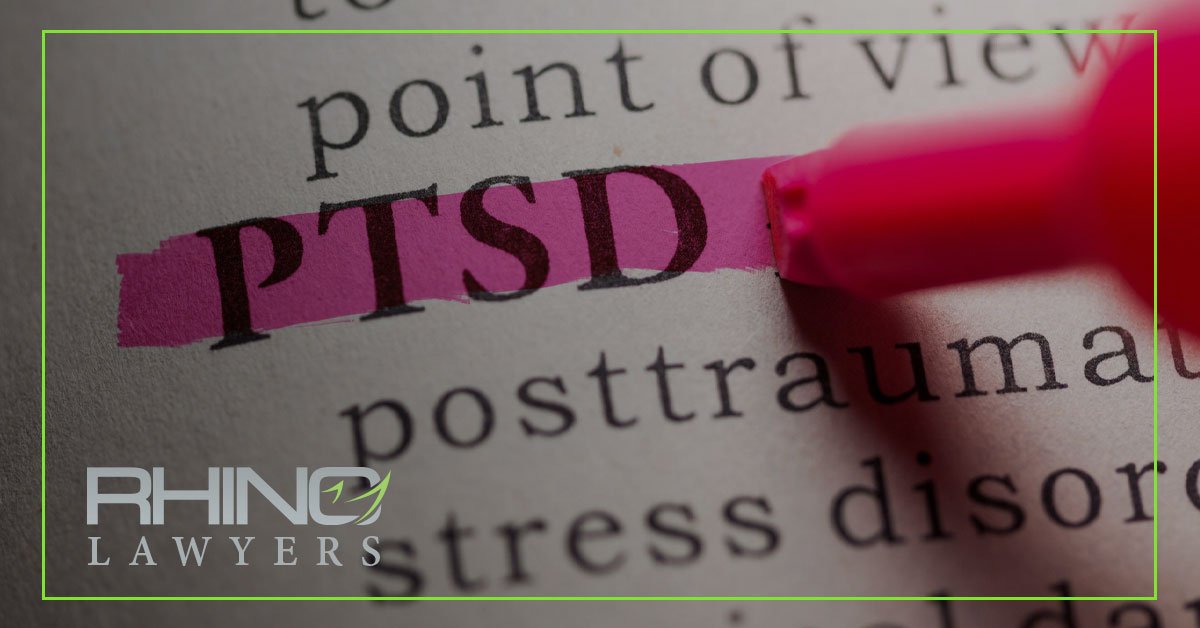
Can Post-Accident Trauma Affect Your Mental Health?
Car accidents are traumatic events that can cause as much emotional distress as physical distress.
If you’re one of the two million Americans who are injured in a car accident each year, then you know that the mental trauma is significant. Whether you suffer major or minor injuries, the event itself can completely dismantle your sense of well-being, sometimes for long periods.
Many people who suffer PTSD from a car accident never fully get back to being themselves. In today’s post, we’re going to examine the ways that post-accident trauma can affect your mental health, what you can do about it, and how a successful injury claim can help.
There’s no denying that car accidents can be life-changing. Keep reading and you’ll see that you’re not alone in this trauma and there are ways to navigate through it.
Car Accident Injuries Aren’t Just Physical
Car accident injuries can be physically devastating, but for many, that’s just the beginning of the suffering. Long after your body has recovered, there’s still the emotional toll that you have to deal with. There aren’t any safety measures in your vehicle to protect your mind.
According to Veterans Affairs, nine percent of people who are in car accidents develop post-accident trauma like PTSD. When you’re talking about two million injuries per year, that’s 200,000 people suffering from this type of emotional distress.
Examining PTSD From a Car Accident
It should be noted that PTSD affects everyone differently. For many, it means a complete disruption of your life, making it difficult to go to work, relate to friends and family, or get out of bed. The trauma may be short-lived, but it can also last years, and even crop up later in life.
Some of the symptoms of car accident PTSD include having involuntary memories about the accident itself. These memories might be triggered when you’re on the road or they can come on without explanation.
Occasionally, these “flashbacks” can result in blackouts. As a result, PTSD victims often avoid doing anything that reminds them of the accident.
That means no driving, no riding as a passenger, and sometimes not even being around a car. In a world where most people need to drive every day to get to work, drop the kids off, and get groceries, it’s easy to see how untenable these symptoms can be.
PTSD sufferers often have debilitating nightmares that can lead to a lack of sleep, which can spur more psychological distress. The result is that the person will start to withdraw from their life, develop anxiety and depression, have mood swings, and consider self-harming.
Coping With and Treating Post-Accident PTSD
The symptoms mentioned above won’t necessarily come on strong or all at once. As we said, symptoms can show up months down the road, long after you’ve recovered physically.
It’s important to make note of when you start feeling any symptoms and seek help if you can’t cope with them. When you allow your mental health to deteriorate, it’ll start to affect your relationships, employment, and daily life.
A mental health counselor is the best person to talk to if you think you might be suffering from PTSD. They’ll be able to get to the root of your mental trauma and help you come up with ways to handle it.
You may end up with a prescription for antidepressants or anti-anxiety medications if your condition is severe. They may also recommend different types of therapy, such as prolonged exposure, cognitive procession, or EMDR.
For more manageable cases, your counselor may recommend activities like meditation, yoga, and controlled breathing. These all work to foster calmer mental states that allow you to better compartmentalize your symptoms.
The Role of PTSD in Your Injury Claim
What makes car accidents so difficult is that you have to start dealing with the aftermath right away. The first step is to ensure your physical health isn’t compromised. Once you’ve seen a doctor, you move on to dealing with insurance companies and starting your injury claim.
Every car accident case is different. If you were the victim of someone else’s negligence, seeking compensation for your injuries is a must. You shouldn’t have to cover your medical bills, lost wages, or damaged property when it wasn’t your fault.
Most car accident cases are fairly cut and dry. You can prove medical bills, lost wages, and property damage. Because the emotional distress of the accident isn’t always obvious, it’s harder to quantify.
That’s not to say that you can’t put in a claim for your non-economic damages, however. Your injury claim can include things like pain and suffering, mental trauma, and loss of enjoyment of life.
Claiming these things and proving them are two different matters. You’ll need a good lawyer to help you maximize your claim so you can pay for things like therapy and medication, which aren’t cheap.
How Your Lawyer Can Help
If you’re going to receive appropriate compensation for all of your suffering – physical and mental – you’ll need to prove the impact the accident has had on your psychological health. This might include simple things, like therapy and medication bills.
It might include more complicated things, like eyewitness accounts of your behavior and expert witnesses. Working with an insurance company to receive a settlement can be triggering in itself, which is why hiring a lawyer is so important.
Your lawyer will be able to collect evidence on your behalf. Should your case go to trial, they’ll be able to present the evidence in a clear manner that clearly shows what you’ve been going through mentally.
Don’t Deal With Post-Accident Trauma On Your Own
When you have post-accident trauma from a car accident in Tampa, it’s not something that goes away with the snap of your fingers. It’s an issue you’ll be dealing with for months if not years. Dealing with PTSD may require consistent therapy and medication, which will cost money.
If you’re going to receive compensation for your pain and suffering, you need a lawyer who can bolster your claim. Contact us today to book a consultation and start to put your case behind you so you can start to improve your mental health.
CONTACT A TAMPA AUTO ACCIDENT ATTORNEY
In short, after a car accident, you may not know your rights. Above all, don’t struggle through the process alone. Actually, our personal injury team is here to help you with any legal needs you might have regarding your accident.
Lastly, let RHINO Lawyers answer your questions and review the facts of your case with a Free Consultation. So, get started by completing the “Free Instant Case Evaluation” or by calling us any time, day or night, at 844.RHINO.77.
Read More
How Joggers Can Avoid Being Hit by a Car
It’s estimated that at least 70,000 pedestrians are hit by cars every year, which includes joggers.
It would help if you had your wits about you when you’re jogging or else you’ll end up part of the statistics. A car won’t necessarily kill you if you’re hit while running, but you’re far more likely to experience a severe injury. You can’t trust that a driver is going to see you, let alone do what they can to avoid you, so you need to take matters into your own hands.
In today’s post, we’re going to discuss running safety and give you a few tips on how you can be a better defensive runner. Joggers have as much right to the road as drivers do, but you need to be extra careful. Keep reading and we’ll make sure you’re doing everything you can to prevent a pedestrian accident at your expense.
Have Your Wits About You
Defensive running is all about having your wits about you. The less you’re paying attention to your surroundings, the more likely it is that you’ll end up in an accident. When you’re running, you’re moving faster and have a shorter time to react to objects moving toward you, like cars.
That’s why it’s best to exercise extreme caution at all times, especially in areas where visibility might be low for drivers. A healthy portion of accidents involving joggers are because the driver just couldn’t see them.
If you’re running at night, stay on the sidewalk and stop at all crosswalks. You should stop at crosswalks and stop signs regardless of the time of day. If you’re running on a residential street, pay attention to the driveways to ensure a car won’t back out and into you.
Use Designated Running Paths
In reality, the best thing you can do as a jogger is to take designated running paths instead of busy streets. Many states have laws that prevent people from running on the street to protect both pedestrians and drivers.
Florida is no different. Sidewalk use is mandatory and if there are no sidewalks, you must stay as close to the shoulder as possible. Not many joggers are going to be pulled over for this, but if you decide to cross the road into traffic, it’s illegal.
Understand Traffic Laws and Signals
So, understanding the laws is an essential part of any running routine. If you know the traffic laws, what all the signs mean, and the signals you should be using, that’s a great start. It’s not enough to rely on the fact that you’re following the rules though, you still need to be wary of what drivers are doing.
The most important thing is to think of yourself as a vehicle. Just as drivers have to stop at stop signs and lights, yield in traffic circles, and signal when they’re changing lanes or turning, joggers need to stop at stop signs and use hand signals when possible.
You may recognize hand signals if you’ve ridden a bike before. They help let drivers know what you’re thinking while you’re on the road. You can find a short video describing them on Runner’s World.
Wear the Right Gear
What you wear while you’re running makes a massive difference in how well drivers can see you. If you run early in the morning or the evenings, it’s important to wear reflective clothing or, at the very least, bright clothing.
If you don’t have anything, you can always pick up a high-vis vest to wear over your running clothes. Many runners also utilize wearable lights that make it extremely easy to be seen in the dark.
A lot of runners choose to listen to music or podcasts while they work out. While this is fine on a running path, it’s not advisable when cars are in the mix because you won’t be able to hear their horns in an emergency. One solution is to use bone-conduction headphones that don’t go in your ears.
Run Toward the Traffic
When you’re on a bike on the road, it’s safer for everyone if you ride with the traffic. That’s not necessarily the case for runners, who benefit more from seeing what’s coming at them.
Try to always run with the traffic coming at you, then you’ll have time to take evasive action when necessary. For example, when a car is turning. Joggers aren’t legally obliged to do this, but many states do recommend this tactic.
Where to Run and Who to Do It With
The better you know your running route, the safer you’ll be each time you go for a jog. When you’re trying new streets and paths, you won’t have a feel for how the traffic flows, which can put you in harm’s way if you make a wrong turn.
If you’re trying a new route, make sure that you tell a friend or loved one where you’ll be. In the event something happens, you must be easy to find. Of course, you should always have your phone on you.
Lastly, to make your jogs as safe as can be, it’s always best to run in a group or with a buddy. When several people are running on the side of the road, it’s a lot easier for drivers to see and avoid than a single runner.
Take Running Safety to Heart
If you take running safety seriously, there’s a good chance you’ll never have any harmful encounters with vehicles. That being said, accidents can happen when you least expect them, even when you’re doing everything right. If you’re hit by a car while running, it puts your life at risk.
Whether you’re injured or not, you need to get yourself checked out by a medical professional. Plus, you need a lawyer. It may not have been the driver’s intention to hit you. But there are consequences for hitting a runner who was consciously being as safe as possible.
To get legal counsel after being hit by a car in Florida, contact us at RHINO Lawyers ASAP.
CONTACT A TAMPA AUTO ACCIDENT ATTORNEY
In short, after a car accident, you may not know your rights. Above all, don’t struggle through the process alone. Actually, our personal injury team is here to help you with any legal needs you might have regarding your accident.
Lastly, let RHINO Lawyers answer your questions and review the facts of your case with a Free Consultation. So, get started by completing the “Free Instant Case Evaluation” or by calling us any time, day or night, at 844.RHINO.77.
Read More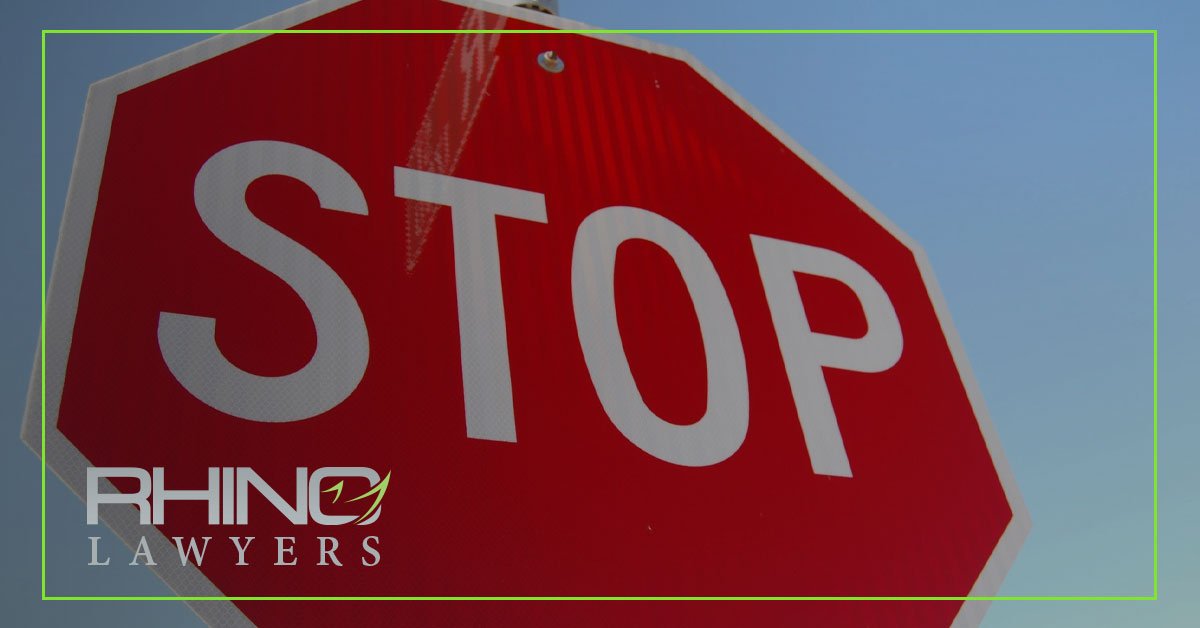
How Much Is a Stop Sign Ticket in Florida?
Stop signs are there for our safety, but almost 2,000 traffic accidents happen every day at intersections with stop signs. People make mistakes on the road, and as clear as stop signs are, drivers sometimes run them by accident.
It’s well known that it’s illegal to run a stop sign, but if it happens to you, that doesn’t mean you should panic. The penalty for a stop sign violation can vary depending on several factors, and knowing what these factors are will help you determine what kind of ticket penalty you might receive.
Keep reading through this guide for a breakdown of stop sign tickets so you can get a better idea of what to expect.
What Constitutes as Running a Stop Sign?
The first thing you need to understand is what it actually means to run a stop light. Florida traffic laws dictate that any motor vehicle approaching a stop sign must come to a complete stop at the limit line. This is the marked line on the ground just before the sign.
Some stop signs don’t have limit lines. In such cases, drivers must stop before the crosswalk marking or at the intersection’s entrance.
In Florida, running a stop sign is considered a noncriminal traffic violation, and is punishable as a moving violation. Many people think running a stop sign isn’t a big deal, but if you receive a ticket for doing so, you could face some severe consequences. This is especially true if you do it multiple times or have any other violations like reckless driving or a DUI.
Penalties for a Stop Sign Violation in Florida
If you do accidentally run a stop sign, your first thought might be “What’s the penalty for this?” Well, it can vary depending on the situation, and there are different types of penalties you could receive.
Stop Sign Ticket Fees
Stop sign violations are detailed in Florida Statute 316.123. You can take a deep dive into this statute, but it can quickly become very complicated.
In most cases, a driver can expect to pay somewhere between $50 and $200 for a stop sign violation. The penalty will typically be higher if the stop sign you run is in a construction or school zone as people are expected to drive more cautiously in these areas. You could also receive a more expensive citation if a police officer issues you with a failure to wear a seatbelt ticket or a violation or right-of-way ticket.
Once you receive the ticket, you’ll need to pay it within 30 days. You can go online straight away to pay it, but bear in mind that doing so will be admitting guilt. If you want to contest the ticket, don’t pay it straight away.
Points on Your Driving Record
Not all states use the points system, but Florida does. If you run a stop sign, you’ll get three points added to your driving record. Note that if you’ve paid your ticket online without contesting it, you won’t be able to avoid these points.
If you get 12 points in a single year, your license will be suspended for 30 days. 18 points in 18 months will result in a three-month suspension. If you manage to get 24 points within 36 months you’ll get a one-year suspension.
Three points for running a stop sign might not seem like a lot, but with other violations, they can quickly add up. Florida Statute 322.27 goes into further detail regarding points.
On top of the risk of a suspension from driving, points can cost you money. Insurance companies will see this as an indicator that you may not be a safe driver, so they’re likely to increase your premiums.
In Florida, all drivers are legally required to have liability insurance. If your premiums go up and you can no longer afford your insurance, Florida will suspend your license.
In some cases, a driver who receives a moving violation may be allowed to attend a driver improvement school. Generally, drivers who attend these don’t have points added to their records. They do, however, still need to pay the fine.
Defenses for Running a Stop Sign
In most cases, a traffic ticket in Florida is a case of the driver’s word against the police officer. As such, it can be difficult to contest a ticket if you’re wrongfully accused. If you want to go down this path, it’s essential that you seek out professional legal assistance.
Even with the information in this article, it’s simply for educational purposes rather than legal advice. For real help with any legal case, you want a qualified lawyer on your side.
Some common defenses in a stop sign violation include:
- The stop sign was new or hidden
- The limit line was difficult to see
- You stopped further from the intersection or the limit line
It’s ultimately a driver’s responsibility to stop at a stop sign, but in some situations, the court might offer some leeway. If the limit line is faded, for example, and the driver stops too far forward or back. A police officer might not see them stop and believe that they simply ran the stop sign.
It’s not the driver’s fault if a stop sign is hidden and they can’t see it. The city is responsible for making sure all traffic signs are visible to drivers. In a case like this, the driver isn’t at fault so should be able to successfully contest the ticket.
Winning Results
The best outcome depends on the specific case. If the citation wasn’t legitimate, then you could fight to dismiss the ticket which may lead to a positive outcome.
When this isn’t possible, however, working to reduce the penalties could be the best option. For example, attending a driver improvement school to protect you from receiving points.
What to Do if You Run a Stop Sign
Even if you don’t intend to run a stop sign, it can still happen. Understanding the information above will help, but the best thing to do is find a professional traffic ticket defense attorney.
RHINO Lawyers is based in Tampa and has years of experience in traffic ticket defense. We’ll work to minimize your penalty, and may even be able to have the ticket dismissed. Contact us today for your free case evaluation.
CONTACT TAMPA TRAFFIC TICKET ATTORNEY
RHINO Lawyers can help and guide you through a system molded by law enforcement, judges, and lawyers for decades. Having won cases for our clients in similar circumstances, our criminal defense team knows what it takes to fight on your behalf.
Let RHINO Lawyers answer your questions and review the facts of your case with a Free Consultation. So, get started by completing the “Free Instant Case Evaluation” or by calling us any time, day or night, at (844) RHINO-77.
Read More
How Long Does It Take To Recover Lost Wages After an Accident?
Millions of Americans are injured in accidents every year, with approximately 3 million of these accidents being caused by car crashes alone. In the unfortunate event that you’re involved in an accident and suffer injuries, one of your primary concerns might be recovering the wages you’ve lost due to your inability to work during your recovery.
In this article, we’ll explore the process of recovering lost wages after an accident. Plus, answer the crucial question: How long does it take to get back on your feet financially? Let’s get started.
The Basics of Lost Wage Recovery
Recovering lost income after an accident typically involves a combination of insurance claims, legal procedures, and proactive steps on your part. The timeline for this process can vary significantly based on several factors, including:
- The nature and severity of your injuries
- Type of accident
- The insurance companies involved
To simplify the concept, let’s consider a general outline of the steps involved in the process.
Seek Immediate Medical Attention
After an accident, your health should be your top priority. It’s important that you seek medical treatment promptly, as this will not only ensure your well-being but also create a medical record of your injuries.
Report the Accident
Next, you should inform the relevant authorities or parties about the accident. In the case of a car accident, for example, this might involve reporting the incident to the police and your insurance company.
You should also inform your employer about your injuries and inability to work. This is crucial for transparency and might be necessary for certain benefits, such as workers’ compensation.
During this time, it’s also beneficial to gather evidence related to the accident, including photographs, witness statements, and any documentation that can support your claim.
Consult with an Attorney
If your accident involves complex liability issues, serious injuries, or disputes with insurance companies, it’s advisable to consult with a personal injury attorney. Our team here at RHINO Lawyers can help navigate the legal aspects of your case.
Depending on the type of accident, you may need to file a claim with your insurance company or the at-fault party’s insurance provider. Our experienced attorneys can help to ensure you complete this step correctly.
During this period, it’s also necessary to keep thorough records of the income you’ve lost due to your injuries. This may include pay stubs, tax returns, and statements from your employer.
Negotiate a Settlement
Your attorney will work on your behalf to negotiate a settlement with the insurance company or at-fault party. This settlement will ideally cover your medical expenses, property damage, and lost wages.
Once an agreement is reached, you’ll proceed to resolve your case, which may involve signing a release of liability. At this stage, the timing of your wage recovery becomes more predictable.
Factors Influencing the Timeline
It’s important to note that the time it takes to recover lost wages after an accident is influenced by various factors. Here, we’ll take a closer look at these elements.
Severity of Injuries
The seriousness of your injuries has a direct impact on the time it takes to get back to work. Minor injuries often lead to a shorter recovery period and a quicker return to work. On the other hand, severe injuries, such as fractures or head trauma, may extend the time away from your job.
Insurance Company Cooperation
The efficiency and willingness of the insurance companies involved play a significant role. If the insurers are cooperative and quick to process claims, you are more likely to speed up the recovery process.
However, disputes and lengthy investigations by uncooperative insurers can slow it down. This is one of the reasons it is so important to have an experienced attorney in your corner.
Legal Proceedings
If your case escalates to the point of legal action, such as a personal injury lawsuit, the timeline for recovering lost wages can be extended. Legal proceedings involve multiple stages, including filing the lawsuit, discovery (the exchange of evidence between both parties), negotiations, and, if necessary, a trial. Each of these stages takes time.
Additionally, court dockets can be congested, leading to delays in scheduling trial dates. This legal process can significantly prolong the time it takes to recover lost wages, especially in cases with complex liability issues.
Delays and Disputes
Delays and disputes can arise at various stages of the claims process. Disagreements over liability (who is at fault), disputes concerning the amount of compensation, or difficulties gathering evidence can all slow down the process.
For instance, if the at-fault party disputes their responsibility in a car accident. It may take time to establish fault, which can delay the settlement. Similarly, disagreements on the value of the claim, such as medical expenses and lost wages, may lead to negotiations that extend the timeline.
Communication with Healthcare Providers
Open and clear communication with your healthcare providers can also influence the timeline for wage recovery. It’s essential to discuss your injuries and treatment options with your doctors.
Additionally, keeping them informed about your work requirements and the importance of returning to work promptly can help shape their treatment plans.
Effective communication between you and your healthcare team can ensure that your recovery aligns with your work goals. As well as, potentially minimizing the time it takes to regain lost wages.
How Long Does It Take To Recover Lost Wages?
The bottom line is that the exact time it takes to recover lost wages after an accident is subject to a wide range of factors. These factors include the severity of injuries, the cooperation of insurance companies, legal proceedings, delays and disputes, and effective communication with healthcare providers. Every accident is unique, and the interplay of these elements makes each case distinct in terms of timeline.
If you find yourself in a situation where you need guidance and support for your personal injury case in Florida, RHINO Lawyers stands as the leading choice of personal injury lawyers. We have the skills and experience to navigate the complexities of your case and work toward expediting your wage recovery.
Contact our team today to learn more. We look forward to speaking with you.
CONTACT A TAMPA AUTO ACCIDENT ATTORNEY
In short, after a car accident, you may not know your rights. Above all, don’t struggle through the process alone. Actually, our personal injury team is here to help you with any legal needs you might have regarding your accident.
Lastly, let RHINO Lawyers answer your questions and review the facts of your case with a Free Consultation. So, get started by completing the “Free Instant Case Evaluation” or by calling us any time, day or night, at 844.RHINO.77.
Read More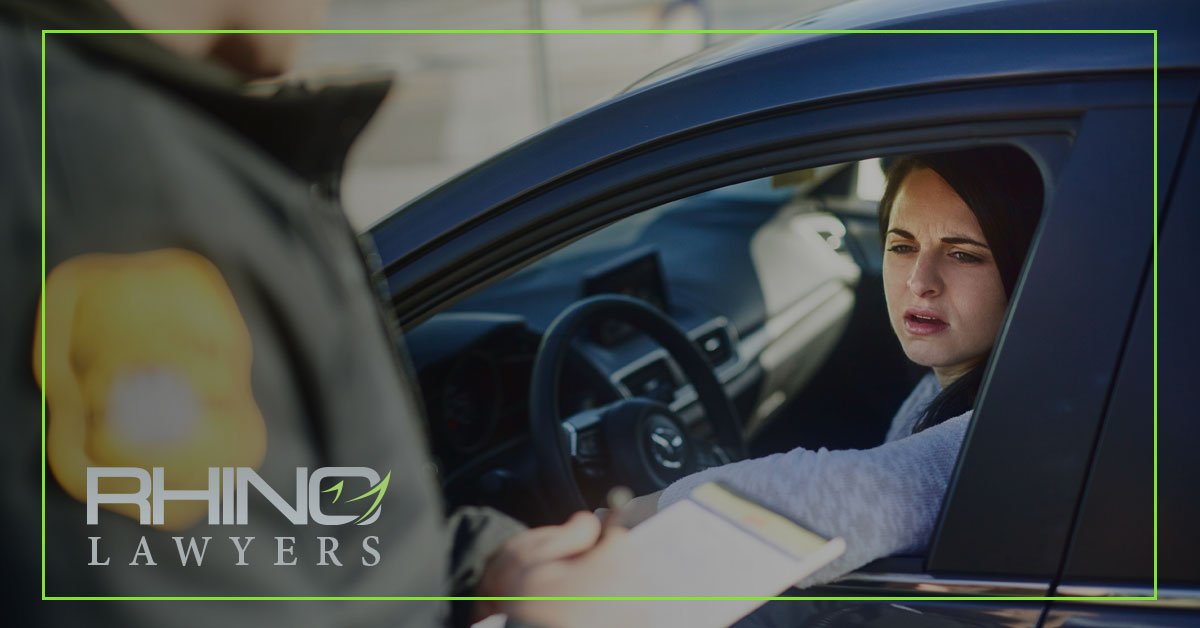
I Was Given My First Speeding Ticket! What Should I Ask an Attorney?
At the first “whoop whoop” of the sirens, your pulse starts to race in surprise. When you look up, flashing police lights dance in your rearview mirror. Your heart sinks.
With a tense grip on the steering wheel, you pull over and wait for the reporting officer to appear at your window, but your efforts to convince them you’re a safe, law-abiding driver don’t quite succeed.
If this sounds familiar, you might be fresh off of a first-time speeding ticket in Florida. Whether you’re a veteran driver or you’re new on the road, this event can be an alarming experience. Worse, the outcome is just as horrific: in Florida, a speeding ticket may run you anywhere from $50 to $680!
Because this is your first time facing this kind of charge, talking to an attorney is a smart move. Even if you’re on the fence about fighting your speeding ticket, scheduling a consultation can help you get answers about what to expect from your next steps. Here’s what to ask once you’ve come in for your scheduled appointment.
1. Should I Fight My First-Time Speeding Ticket in Florida?
During your consultation, ask whether the attorney thinks your ticket is worth fighting. The decision is up to you, but there are a few situations where it’s a good idea to fight a traffic ticket.
If this is your first traffic ticket in general, fighting can be a good way to keep your driving record clean. This can ensure that you pay lower auto insurance rates than other drivers. Prosecutors and judges may be more likely to go easy on you if this is your first ticket on an otherwise spotless record.
Fighting a speeding ticket may also help if you already have other violations under Florida’s traffic ticket points system. Accumulating 12 points in 12 months means an automatic 30-day license suspension, and speeding can accrue between 3-6 points, depending on how fast you were going. Fighting your ticket can ensure that you retain the use of your license.
You should also fight if the details on the ticket don’t match your memory of the event. If you don’t believe you were speeding or you think the police officer caught the wrong car, for example, be sure to bring this up with your attorney.
2. Will I Have to Appear in Traffic Court?
In the state of Florida, you have to appear in court for any speeding violation where you were driving 30 miles or more over the speed limit. Failing to appear can have severe consequences, especially if the police officer who ticketed you believes you were driving recklessly.
However, you should also appear in court for any speeding ticket you want to fight.
If you work a full-time job, getting off of work to come to court can be frustrating. Fortunately, Florida law allows you to hire a lawyer to represent you in court. This counts as your appearance in court, as the lawyer will argue on your behalf.
3. What Kind of Legal Experience Do You Have?
If you’re meeting with multiple law firms for consultations, you’ll want to ask about each lawyer’s experience. Don’t select the first traffic ticket attorney you find online!
Having a rookie lawyer on your side is better than nothing, but it won’t ensure a high chance of getting your ticket dismissed in court. You should look for a firm with qualified traffic ticket lawyers who have years of experience handling cases like yours.
Ask the firm what the usual outcome is for their cases. Make sure the attorney has experience working with drivers in the city where you were ticketed, as minute legal details can change between municipalities. In addition, a lawyer with experience in your area may be more familiar with the judges who will handle your case.
4. How Much Will Your Services Cost?
The price tag can be a major factor in any driver’s decision.
Ask the lawyer how much they charge to work on your case. Some firms may charge their clients a flat fee, while others may charge by the hour. You may pay more based on a firm’s location, reputation, and any travel time for the lawyer to reach the court.
The attorney may not be able to give you an exact quote for your case, but they should be able to estimate a price range based on similar cases they’ve worked on in the past.
On average, legal fees can range anywhere from $100-$500 throughout the state. You may have to pay more if your case is complex or if you have to go to trial.
This cost may seem expensive but don’t forget that you’ll have to pay much more if you don’t fight the speeding ticket. Though the details vary based on the details of the ticket, the cost of car insurance goes up by about 25% after a ticket.
This means the average driver will pay $546 more for insurance per year. The points you receive on your driver’s license will only “fall off” after three to five years, in most cases.
In other words, you can pay a one-time fee to a lawyer, or you could pay hundreds more on insurance for years to come.
5. Who Will Work on My Case?
If you’re working with a reputable legal firm, the chances are good that multiple associates will touch a single case. The attorney you speak to during your consultation may not always be the one who represents you in court.
This isn’t a bad thing, but you should still make sure you know who will be in charge of your case. Find out who will communicate with you and how. If you want only one attorney in charge, make sure to state this upfront.
Fight Your Traffic Ticket
Beating a first-time speeding ticket in Florida can be stressful and frustrating on your own. Worse, failing to beat the charge may mean higher car insurance premiums and even criminal charges in certain cases.
That’s where the team at RHINO Lawyers comes in. Our passion is helping drivers get their tickets dismissed: no court, no points, or your money back. Contact us today for a no-commitment, free case evaluation.
CONTACT TAMPA TRAFFIC TICKET ATTORNEY
RHINO Lawyers can help and guide you through a system molded by law enforcement, judges, and lawyers for decades. Having won cases for our clients in similar circumstances, our criminal defense team knows what it takes to fight on your behalf.
Let RHINO Lawyers answer your questions and review the facts of your case with a Free Consultation. So, get started by completing the “Free Instant Case Evaluation” or by calling us any time, day or night, at (844) RHINO-77.
Read More