
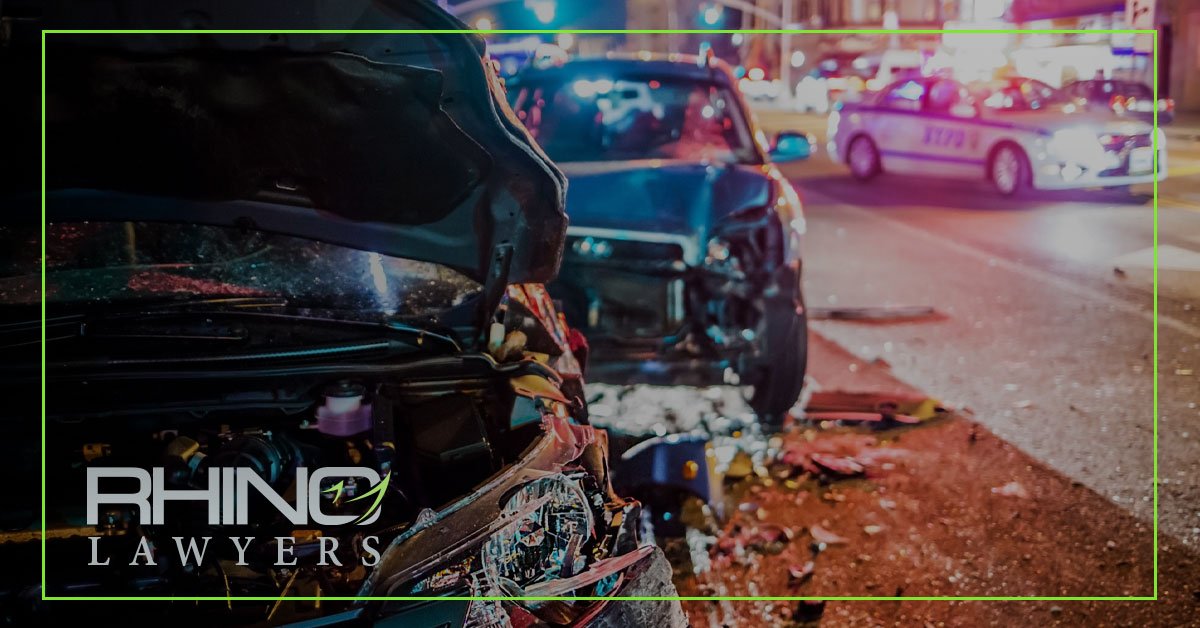
Is It Possible to File a Tampa Car Accident Claim Without a Police Report?
You were recently involved in a car accident. At the time, it didn’t seem like a huge deal. As such, you moved on without calling the police and filing a report.
Now, however, you’re starting to realize that the accident caused you injury. And so you’re wondering: is it possible to file a Tampa car accident claim without a police report?
The simple answer? Yes, it’s possible. The more complex answer? We’re going to get into that below.
Here’s everything you need to know about filing a car accident claim in Florida sans a police report.
Can You File a Car Accident Claim Without a Police Report in Florida?
Legally speaking, yes, you can file a car accident claim without a police report in Florida. Note, though, that without a police report, you’re going to have a much harder time getting compensation than you would have had if you had filed a police report. If you have the choice, you should, indeed, file a police report.
If you didn’t file a police report, and if you’re still looking to file a car insurance claim anyway, you’re strongly advised to speak with a car accident lawyer. Car accident attorneys defend countless clients in cases where police reports weren’t filed. And they will be able to guide you through the process with experienced-backed knowledge.
The Drawbacks of Not Filing a Police Report
We’ve discussed how not filing a police report can negatively affect one’s ability to receive compensation from insurance companies. Now, let’s delve into the specific drawbacks of not filing. They include the following:
It Allows the Other Driver to Lie About the Incident
A police report creates an official legal account of what happened at the accident scene. The police officer takes information from both sides, surveys the area, and makes deliberations about what occurred. The officer might even site a specific driver as being responsible for the accident.
Insurance companies see this as a credible account. They trust the authority of a third party (the police officer) over the account of the injured person in the accident. So, when a police report is present, the insurance company has very little interest in what the other driver has to say.
When a police report isn’t present, however, there are only two accounts for the insurance company to sort through. This includes yours and the other drivers.
Now, if the other driver is 100% honest, this won’t affect you. However, the odds of the other driver being 100% honest are low. In fact, the other driver could lie about the incident entirely as a means of avoiding blame.
This, of course, would make it extremely difficult for you to get insurance compensation. And that’s why the police report is so important: it nullifies the account of the other driver. It provides an official account for the insurance company to rule by.
It Allows the Other Driver to Accuse You
Not only does the absence of a police report enable the other driver to lie about the situation but it also enables the other driver to accuse you of causing the incident to begin with.
Should this happen, you’ll struggle mightily to get any compensation from the insurance company. In fact, your insurance company might end up having to pay out to the other driver, thus hurting you in the long run.
There are unscrupulous individuals out there who will falsely accuse others in an attempt to win compensation. You can prevent them from doing so entirely by simply filing a police report.
It Makes It Difficult to Connect Your Injuries to the Incident
The last drawback of not filing a police report is that it makes it difficult to connect your injuries from the incident to, well, the incident. Without a police report, you’ll have no solid proof that your injuries came from the incident at all. As far as the insurance company is concerned, you could have just as easily injured your back during a pickup game of basketball.
The police report shows without a shadow of a doubt that an accident happened. If you can get a police report filled out at a specific time, followed by a hospital record filled out directly after, you’ll have solid proof that the injury was directly related to the incident.
When Is It Legally Required to File an Accident Report?
Not only are you advised to file a police report after an accident. But, in some cases, the law requires you to file a report. Failing to file a police report in these situations can leave you vulnerable to legal penalties, particularly fines.
One situation that requires a police report is an accident with injuries. Both minor and large injuries should prompt a call to the police.
Extreme property damage (exceeding $500) should trigger a call to the police as well. This is true whether it’s damage to the vehicle or something inside the vehicle.
A fatality accident is the last situation that requires a police report. Failing to file a police report in this situation is a serious offense, one that could result in jail time.
Looking for a Tampa Car Accident Lawyer?
Were you recently involved in a car accident in Tampa? Looking for a Tampa car accident lawyer? If so, look no further than RHINO Lawyers.
We’ve represented countless car accident victims and have helped them secure ample compensation for their injuries. Whether you filed a police report or not, we’ll help you successfully file your car insurance claim and obtain the compensation you deserve.
Contact us today to get the process started!
CONTACT A TAMPA AUTO ACCIDENT ATTORNEY
In short, after a car accident, you may not know your rights. Above all, don’t struggle through the process alone. Actually, our personal injury team is here to help you with any legal needs you might have regarding your accident.
Lastly, let RHINO Lawyers answer your questions and review the facts of your case with a Free Consultation. So, get started by completing the “Free Instant Case Evaluation” or by calling us any time, day or night, at 844.RHINO.77.
Read More
Bodily Injury and Personal Injury: What’s the Difference?
Did you know that there are 62 million injuries in the United States every year? These are related to myriad situations, from motor vehicles and work injuries to accidents in your home or community.
Unfortunately, many of these are the result of neglect or wrongdoing on the part of an individual or company. These situations require seeking compensation through our legal system.
When it comes to civil litigation, you may be wondering about bodily injury vs personal injury claims. A lot of people use these terms interchangeably, but they describe distinct circumstances.
Understanding the differences between the two types of legal claims will give you a better idea of which one applies to your situation. Keep reading to find out what they are.
What Is Bodily Injury vs Personal Injury?
“Personal injury” refers to any situation where someone experiences harm. This can include physical harm, but also mental or emotional damage. “Bodily injury” refers to physical injury to a person.
To further explain the differences between bodily injury and personal injury, it is worth looking at examples of each. Bodily injury involves cuts, bruises, broken bones, spinal cord injuries, brain damage, or any other serious injuries to the body.
Personal injury comprises bodily injuries and any psychological and emotional trauma. This includes things like anxiety, depression, and post-traumatic stress disorder. The latter is sometimes categorized as “pain and suffering.”
Personal injury also can involve economic harm. This can be related to loss of wages, salary, or earning potential.
Legal Aspects of Bodily Injury vs Personal Injury
There are several components to every personal injury claim. For the case to be successful, you must prove all these “elements.”
The first is that you must show that the accused party had a duty of care to you. This can could be the duty to produce safe products or provide competent medical care.
This may seem pretty straightforward, but it can be a difficult concept in some circumstances. For instance, there is an implicit duty of motorists to provide a safe environment on the roads for others by not driving recklessly.
Next, you must show that there was a breach of the duty. For instance, a company fails to warn about the dangers of using products in a particular way or a doctor does not provide the right medical care.
The third aspect of a personal injury case is proving damages–that the breach of the defendant harmed you in some way. Very closely related is the fourth aspect of a claim: causation. You can prove all three other elements but still lose if you cannot show that the breach caused you harm.
Settlements and Judgements
A settlement is an agreement reached by both sides in a personal injury lawsuit. This is regarding the amount of compensation (“damages”) that are to be paid to the harmed party.
While these most often happen prior to trial (before dedicating time, effort, and expenses), they can occur at any time. This includes in the middle of a trial, often when one side presents evidence that encourages the other side to concede.
A “verdict” or “judgment” is when a case goes to trial. After all witnesses and evidence arrive, a jury and/or judge will determine if the defendant is liable. And, if so, how much they should pay in damages.
The important thing to note about settlements in personal injury cases. They can only award settlements for certain aspects of the suit. Including bodily injury, but not awarded for others. For instance, you might have strong evidence to prove bodily injury but fail to demonstrate how the breach of duty caused “pain and suffering.”
Bodily Injury Damages
Part of the reason it is important to distinguish between bodily and personal injury is in calculating “damages.” This is the dollar amount associated with the harm that has been done directly to the injured party or has resulted from the neglect or wrongdoing of a third party.
Proving damages is done through expert witnesses and testimony (if your case does not “settle” and goes to trial). This is where you really begin to lean on the legal expertise of an experienced personal injury attorney.
In general, bodily injury damages can be more easily calculated than personal injury damages. That is because you can look at hospital and rehabilitation bills to get a specific dollar amount.
It may be more difficult if some situations. For instance, if your rehabilitation is ongoing or indefinite, it might be tougher to calculate damages. An experienced personal injury attorney can help you determine an appropriate total for the claim.
Some aspects of estimating different personal injury claims can be pretty straightforward, while others are more complex. For instance, a legal professional can help you tally the loss of wages, salary, and earning potential due to your injuries.
Things like emotional trauma or not being able to work or participate in activities with your family or friends can be more difficult. That is because it is hard to ascribe a monetary value to these losses.
Insurance Protections for Bodily and Personal Injury
There is one final area where the terms “bodily injury” and “personal injury” become confused, and it does not have to do with the legal process per se. This is regarding different automotive insurance plans.
Every state requires liability insurance coverage for every licensed driver. This usually covers “bodily injury” of other drivers, in addition to any property damage.
Not all states require “personal injury protection” (PIP) coverage. These plans cover damages other than bodily harm that fall under personal injury lawsuits, like loss of income or pain and suffering. Both of these policies can be useful, but cover very distinct circumstances.
Find a Civil Action Injury Lawyer Near You
Now that you understand the distinction between bodily injury vs personal injury, you can have a better understanding of which––or if both––apply to your case. A qualified personal injury attorney can further advise you on each step of the process.
RHINO Lawyers have the knowledge and experience to help you navigate the complexities of our legal system. We will work hard to ensure you get the compensation you deserve. Go online to get a free case analysis or contact us directly today to set up a free virtual or in-person consultation.
CONTACT A TAMPA AUTO ACCIDENT ATTORNEY
In short, after a car accident, you may not know your rights. Above all, don’t struggle through the process alone. Actually, our personal injury team is here to help you with any legal needs you might have regarding your accident.
Lastly, let RHINO Lawyers answer your questions and review the facts of your case with a Free Consultation. So, get started by completing the “Free Instant Case Evaluation” or by calling us any time, day or night, at 844.RHINO.77.
Read More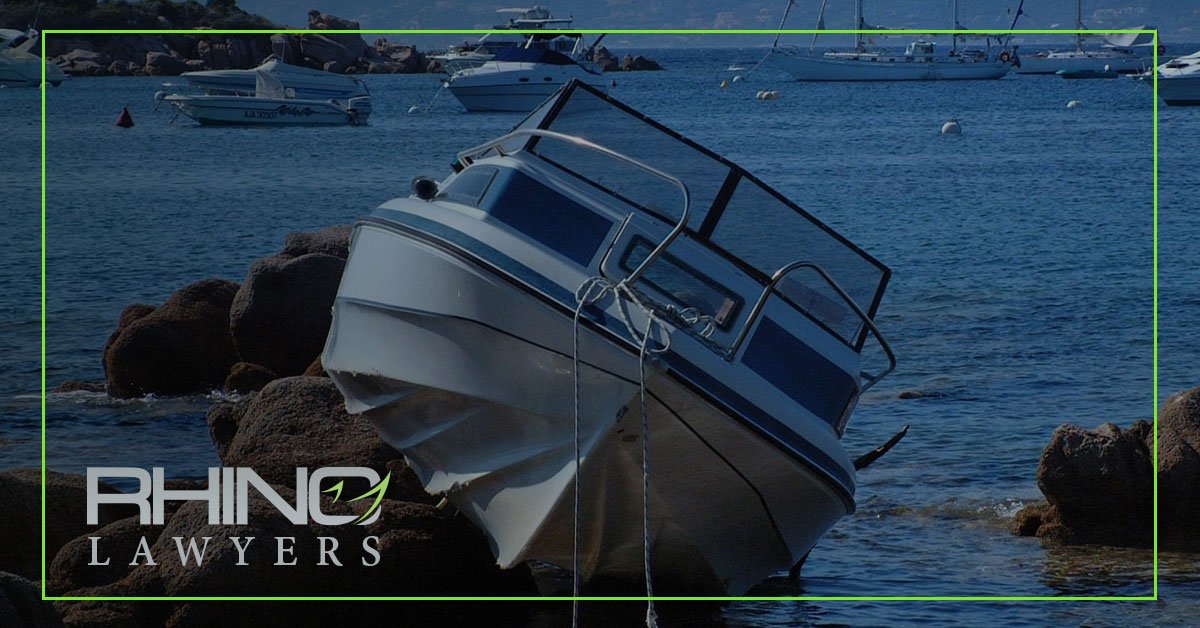
What You Should Know About Personal Watercraft Accidents
Personal watercraft accidents can occur unexpectedly and have serious consequences. Whether you are an avid rider or simply interested in understanding the risks, it is crucial to be informed about personal watercraft accidents.
In this article, we’ll discuss everything you need to know about personal watercraft accidents and what you can do to mitigate them in the event of one.
Let’s take a closer look.
Common Causes of Personal Watercraft Accidents
Personal watercraft accidents can occur due to a variety of common causes. One primary cause is excessive speed, where riders push the limits of their watercraft. This makes the craft difficult to control and hamper how you react to unexpected situations.
Another frequent cause is inexperience, as beginners may lack the necessary skills and knowledge to operate the watercraft safely. Reckless behavior, such as aggressive maneuvering and ignoring navigation rules, can lead to accidents.
Poor weather conditions, including strong winds and rough waters, also contribute to the risk.
Inadequate maintenance and equipment failure can play a role in accidents. Understanding these common causes can help prevent personal watercraft accidents and ensure a safer riding experience.
Types of Injuries in Personal Watercraft Accidents
Personal watercraft accidents can result in various types of injuries, ranging from minor to severe. One common injury is lacerations, caused by contact with sharp objects or propellers. These can lead to significant bleeding and tissue damage.
Fractures and broken bones are also prevalent. These often occur when riders collide with other watercraft, stationary objects, or when thrown off their personal watercraft.
Head injuries are a serious concern. Without proper protective gear like helmets, riders are at risk of traumatic brain injuries.
Soft tissue injuries like sprains and strains can happen because of sudden movements or falls during accidents.
Drowning or near-drowning incidents pose a severe threat, especially when riders are not wearing life jackets or are trapped under their watercraft.
The Importance of Safety Gear and Proper Training
Safety gear and appropriate know-how when it comes to operating a personal watercraft are vital for avoiding injuries and accidents.
Wearing a life jacket is essential to ensure flotation and enhance safety in case of a fall or collision. Protective equipment like helmets and goggles can also shield riders from head injuries and debris.
Proper training, including understanding watercraft operation, navigation rules, and emergency procedures, is vital for safe riding.
Training courses can provide valuable knowledge and skills, enabling riders to make informed decisions and respond effectively to different situations.
Legal and Insurance Considerations for Personal Watercraft Accidents
When it comes to personal watercraft accidents, understanding the legal and insurance aspects is crucial. It’s important to be aware of the laws and regulations governing watercraft operations in your jurisdiction. Different regions may have specific requirements regarding licensing, age restrictions, and operating zones. Failure to comply with these regulations can lead to legal consequences.
Insurance coverage is another vital consideration. Many watercraft accidents result in property damage or bodily injuries. Having adequate insurance coverage can provide financial protection in such situations.
It’s essential to review your insurance policy to ensure it includes coverage for personal watercraft accidents and liability for any harm caused to others.
In some cases, determining liability can be complex. Liability may rest with the operator of the personal watercraft, another involved party, or a combination of factors.
Proving negligence or fault may require evidence such as eyewitness testimonies, accident reports, or expert opinions. Consulting with legal professionals experienced in maritime or personal injury law can provide valuable guidance and assistance in navigating the legal complexities.
It’s important to note that some insurance policies may have exclusions or limitations for personal watercraft accidents. This can include things like coverage restrictions for racing, reckless operation, or unauthorized use.
Understanding these terms and conditions is crucial to avoid any surprises in the event of an accident.
How to Respond in the Event of a Personal Watercraft Accident
Knowing how to respond in the event of a personal watercraft accident is crucial for minimizing further risks and ensuring prompt assistance. The first step is to check for injuries and provide immediate medical attention if needed.
Next, try to move to a safe location away from other watercraft or hazards. Contact emergency services and provide them with accurate information about the incident and your location.
Collect any relevant details, such as the names and contact information of witnesses, to assist with potential investigations. It’s essential to cooperate with law enforcement or emergency responders and follow any instructions provided.
Report the accident to the appropriate authorities and inform your insurance company to initiate any necessary claims.
Who is at Fault in Personal Watercraft Accidents?
Determining fault in personal watercraft accidents depends on the specific circumstances. Generally, operators have a responsibility to navigate safely, follow applicable laws and regulations, and exercise reasonable care.
Factors such as reckless operation, failure to yield, or violating navigation rules can contribute to liability. However, liability may also extend to other parties involved, such as negligent operators of other watercraft or individuals responsible for maintenance or equipment.
Establishing fault often requires a thorough investigation, including gathering evidence, witness statements, and expert analysis.
Consulting legal professionals experienced in maritime or personal injury law can help navigate the complexities of determining liability in personal watercraft accidents.
Get Representation Today
Personal watercraft accidents can be serious. If you’ve recently been involved in one, then you may need to seek legal representation to establish fault and walk you through the mitigation process.
At RHINO Lawyers, we have some of the finest automotive injury lawyers out there. Our crack legal team is on hand to help you no matter what.
Get in touch with us today to discuss your case. We’re available 24/7 and you can always turn to us for help.
CONTACT A TAMPA ACCIDENT ATTORNEY
In short, after an accident, you may not know your rights. Above all, don’t struggle through the process alone. Actually, our personal injury team is here to help you with any legal needs you might have regarding your accident.
Lastly, let RHINO Lawyers answer your questions and review the facts of your case with a Free Consultation. So, get started by completing the “Free Instant Case Evaluation” or by calling us any time, day or night, at 844.RHINO.77.
Read More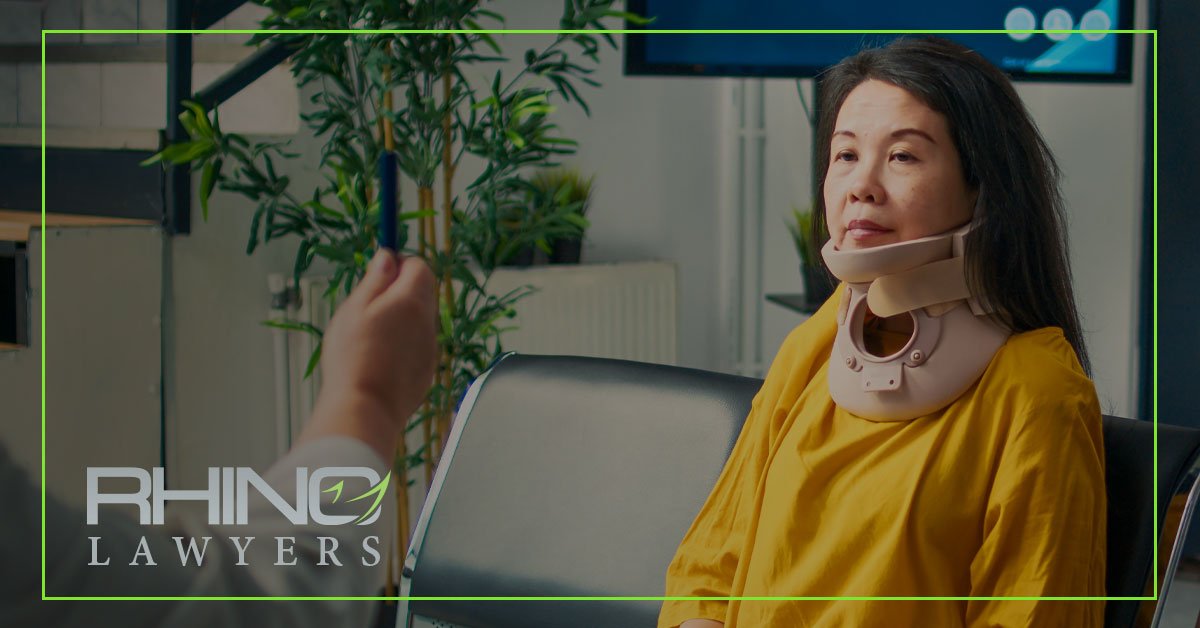
What Is the Average Settlement for Whiplash and Concussion?
Car accidents are more frequent than we like to think. They are so frequent, in fact, that most of us are likely to be in at least one during our lifetimes. When it comes to these accidents, two common injuries that often arise are whiplash and concussion. These injuries can result in various physical and cognitive impairments. These, in turn, lead to medical expenses, lost wages, and pain and suffering.
If you have sustained whiplash or a concussion due to someone else’s negligence, you may be wondering what the average settlement for these types of injuries is. While it’s essential to recognize that every case is unique, we can provide some general insights to help you better understand the settlement process.
What do you need to know about whiplash settlement? Read on, and we’ll walk you through the basics.
Understanding Whiplash and Concussion Injuries
Whiplash and concussion are two injuries that commonly stem from car accidents. While they can be caused by similar factors, these two injuries are quite different.
It’s important to your personal injury case that you understand what these injuries really are.
Whiplash occurs when the head and neck are suddenly jolted back and forth, causing strain on the soft tissues and muscles. It is commonly associated with car accidents. Symptoms of whiplash may include neck pain, stiffness, headaches, dizziness, and even cognitive difficulties.
On the other hand, a concussion is a traumatic brain injury that occurs when the brain experiences a sudden jolt or blow.
It can happen during car accidents when the skull makes a sudden impact against a surface, such as the steering wheel. Symptoms of a concussion can range from mild to severe and may include headaches, dizziness, confusion, memory problems, and sensitivity to light and noise.
A concussion can interrupt normal brain function and make it difficult to process events or perform simple actions.
After a car accident, it’s crucial to seek prompt medical attention, even if you don’t immediately experience severe symptoms. These injuries may not manifest immediately, and a medical evaluation can document any injuries and ensure appropriate treatment.
If you can, maintain detailed records of your injuries. Keep track of any and all medical treatments and related expenses. This includes medical reports, diagnostic tests, and prescription receipts. It also means receipts for other expenses, such as physical therapy or chiropractic sessions.
These documents will help establish the extent of your injuries and the financial impact they have had on you.
What Personal Injury Settlement Can You Expect?
If you’re facing large expenses due to your injuries, it can put you in a financially precarious place. It’s completely understandable that you may feel anxious about how much you may be able to get from your case.
Will it cover all the costs you’ve incurred as a result of the accident and help you get back on your feet? What can you really expect?
Determining the average settlement for whiplash and concussion cases can be challenging, as each case’s circumstances vary.
Whiplash settlements can range from a few thousand dollars to tens of thousands of dollars. More severe cases with long-term implications may even result in settlements exceeding six figures. This is particularly true if there are substantial medical expenses and a significant impact on the victim’s life.
It’s important to look at the details of your case to get a sense of what’s possible. A number of factors will end up playing a role.
The Severity of Injury
The severity of your whiplash or concussion will significantly impact the settlement amount. Medical reports and expert opinions will be crucial in establishing the extent of your injuries and their impact on your daily life.
This is why it’s important to keep detailed documentation.
Logic adheres here. The worse your injuries were, the more compensation you should be entitled to. Your pain and suffering will be more extreme, and you should be compensated fairly in relation to these troubles.
Medical Expenses
If you’ve been injured due to another’s negligence, there’s no reason you should have to face the costs of this accident on your own. All of the medical expenses you incur as a result of the accident should be covered in the settlement.
Not just the current costs but the future ones as well, in fact. Your car accident lawyer should be able to help you determine what kind of medical expenses you’ll face in the years to come as a result of your injuries.
Hospital bills, diagnostic tests, therapy, and medication will all be considered when calculating the settlement.
Lost Wages and Earning Capacity
Have your injuries caused you to miss work, experience a loss of income, or diminished your future earning capacity? This is a serious financial disadvantage.
These financial losses will be taken into account during settlement negotiations. You’ll need to provide evidence to support your claims here, a task an experienced attorney can help with.
Liability and Insurance Coverage
The liability of the party responsible for the accident and the insurance coverage available will also influence the settlement amount. It’s important to understand as much as possible about the insurance company you’ll be negotiating with.
The insurance company will typically consider the strength of the evidence and legal arguments presented when determining the settlement amount.
An experienced attorney will have faced off with insurance company lawyers many times before, and they will know how best to proceed with your case.
Predicting a Car Crash Settlement
If you’ve experienced whiplash and concussion injuries as a result of a car accident, it’s important to ensure you get proper compensation. How much can you expect in a settlement of this sort?
The above information can help you get a sense of what might be possible for your case.
Need more legal advice or information? Looking for help with your case right away? Give us a call anytime for assistance.
CONTACT A TAMPA AUTO ACCIDENT ATTORNEY
In short, after a car accident, you may not know your rights. Above all, don’t struggle through the process alone. Actually, our personal injury team is here to help you with any legal needs you might have regarding your accident.
Lastly, let RHINO Lawyers answer your questions and review the facts of your case with a Free Consultation. So, get started by completing the “Free Instant Case Evaluation” or by calling us any time, day or night, at 844.RHINO.77.
Read More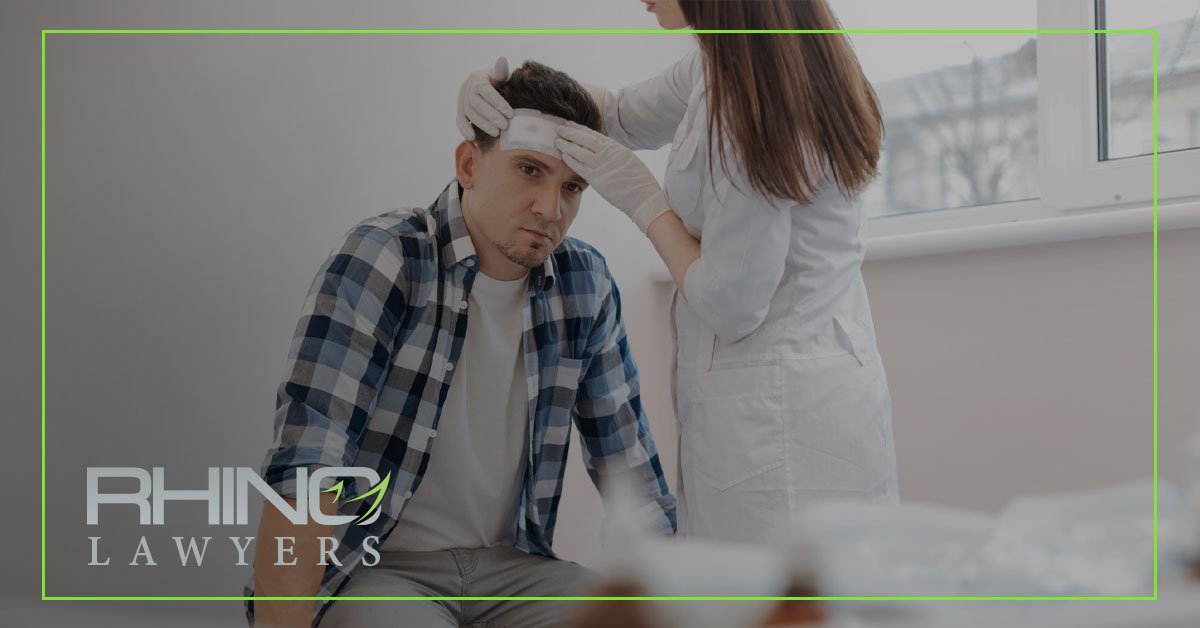
What Should You Do for Concussion Care and Recovery After a Car Crash?
Approximately 3 million people are injured in car accidents in the United States every year. Car accidents can result in various injuries, including concussions, which require proper care and attention for a full recovery.
If you or someone you know has experienced a concussion following a car accident, it’s essential to understand the necessary steps for optimal healing. In this blog post, we’ll explore what you should do to ensure proper concussion care and facilitate a smooth recovery process after a car crash.
This includes recognizing the symptoms, seeking medical evaluation, following rest and recovery guidelines, and more. Let’s get started.
Recognize the Symptoms
Following a car crash, it’s crucial to recognize the signs and symptoms of a concussion. A concussion can be defined as a mild traumatic brain injury that can occur after an impact to the head. Concussions can also occur during a whiplash-type injury, which is also common in car accidents.
Some common symptoms of a car accident concussion include:
- Headaches
- Dizziness
- Confusion
- Memory problems
- Nausea
- Sensitivity to light or noise
- Changes in mood or behavior
In the immediate aftermath, you may be in shock and not notice any of these potential symptoms. That is why it is important to seek medical evaluation, even if you feel fine. Even if any symptoms present seem mild, they should never be ignored, as they could indicate a more severe underlying issue.
Seek Medical Evaluation
As noted above, regardless of the severity of your symptoms, it’s essential to seek a medical evaluation after a car accident. A healthcare professional will assess your condition. This may include by conducting neurological tests, and potentially ordering imaging tests, such as a CT scan or MRI, to diagnose a concussion accurately.
Prompt medical evaluation helps identify any other injuries that may have occurred during the accident. It also ensures that you receive medical care that is appropriate to your injuries.
Follow Rest and Recovery Guidelines
It is essential that you follow all rest and recovery guidelines from your doctor and medical team. They will likely recommend physical and cognitive rest in the initial days following the injury. This means avoiding activities that can worsen your symptoms, such as:
- Strenuous exercise
- Excessive screen time
- Reading
- Intense mental concentration
Adequate sleep is also vital for healing, so prioritize getting enough restful sleep each night. Good-quality sleep allows your brain to repair itself and promotes overall recovery. Your doctor may suggest that you avoid caffeine and stimulating activities close to bedtime, for example.
Gradual Return to Activities
As symptoms improve, your doctor will guide you on gradually reintroducing activities. This step-by-step process may involve increasing physical and mental exertion gradually while monitoring your symptoms. Always follow your doctor’s instructions carefully to avoid setbacks and ensure a safe concussion recovery.
Your doctor may recommend a graded exercise program, which involves starting with low-intensity activities, such as light walking or stretching. Gradually, you can progress to more demanding exercises over time.
The same is also true when it comes to cognitive activities. This includes activities such as reading and using electronic devices. Initially, you may start with short periods of cognitive activity and slowly increase the duration as your symptoms remain stable or improve.
Manage Symptoms
Concussion symptoms can be challenging to deal with, but there are strategies to manage them effectively. For example, you should avoid bright lights and loud noises that may worsen your symptoms (known as triggers). It’s also beneficial to take frequent breaks throughout the day to prevent excessive fatigue.
It’s also beneficial to stay hydrated and maintain a balanced diet to support your body’s healing process. Your doctor may prescribe medications or recommend specific therapies to help you address persistent symptoms. These can include physical and occupational therapy.
Monitor YOuR concussion recovery Progress Over Time
It’s also important to regularly monitor your symptoms and track your progress throughout the recovery process. One way to do this is to keep a “symptom diary”. This diary can document any changes, improvements, or new symptoms that arise.
Additionally, attend all follow-up appointments with your doctor as scheduled. They will assess your progress and make adjustments to your treatment plan if needed. They will also provide guidance on when it is safe to resume normal activities, including work, school, and exercise.
Seek Emotional Support For concussion recovery
Dealing with a concussion can be emotionally challenging. That’s why it is important to seek support from loved ones, friends, or a counselor as you recover. They will help to provide understanding and encouragement during your recovery.
Discussing your feelings and concerns can help alleviate stress and aid in your overall well-being. Practicing self-care can also be beneficial. This includes:
- Mediation
- Deep breathing exercises
- Gentle physical activities
- Spending time with loved ones
Remember, seeking emotional support is not a sign of weakness but a proactive step toward your well-being.
Important Tips for Concussion Care
Suffering a concussion in a car crash requires prompt and proper care to facilitate recovery. If you experience symptoms of a concussion following an accident, be sure to seek medical care. Follow their guidance on concussion care and recovery closely and prioritize your well-being.
In the aftermath of a car accident, you may wish to seek justice and compensation from the at-fault party. We recommend that you partner with an experienced car accident attorney. This allows you to focus on your recovery while still pursuing justice.
Here in Florida, your premier choice for car accident attorneys is RHINO Lawyers. Contact us today to schedule a free consultation. We look forward to speaking with you.
CONTACT A TAMPA AUTO ACCIDENT ATTORNEY
In short, after a car accident, you may not know your rights. Above all, don’t struggle through the process alone. Actually, our personal injury team is here to help you with any legal needs you might have regarding your accident.
Lastly, let RHINO Lawyers answer your questions and review the facts of your case with a Free Consultation. So, get started by completing the “Free Instant Case Evaluation” or by calling us any time, day or night, at 844.RHINO.77.
Read More