
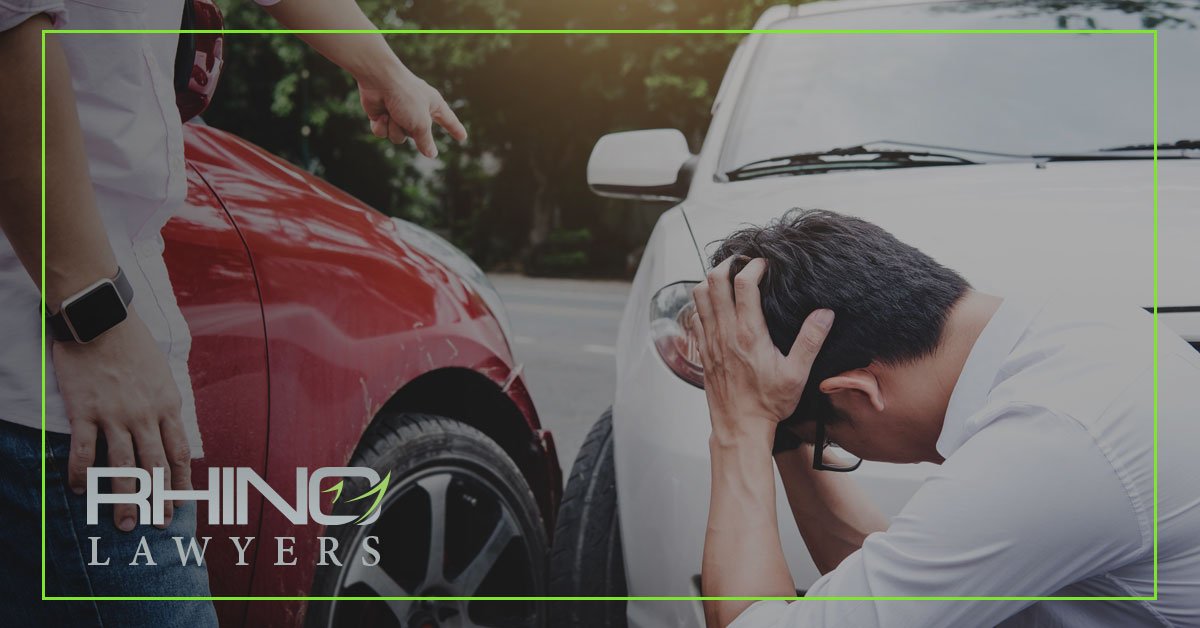
Sideswipe Collision: A Deceptively Dangerous Accident
We love spending time in our vehicles, but that doesn’t mean we are free of risk. Car accidents are more common than many of us would like to believe.
In fact, car accidents are so common that each one of us is likely to be in at least one accident during our lifetimes.
Sideswipe collisions are one of the most common types of car accidents. They occur when two vehicles on a roadway collide with each other while heading in the same direction. Learning about what a sideswipe collision is can help you know what to look out for, and can help you avoid such dangerous incidents.
What do you need to know about getting sideswiped? What should you learn about what to do after a sideswipe collision? Read on and we’ll walk you through what you need to know.
What is a Sideswipe Collision?
A sideswipe collision is a type of car accident that occurs when two vehicles make contact with each other while traveling the same way, down the same roadway.
This can happen in a variety of ways. One vehicle might drift into another lane, or both of the involved vehicles might attempt to merge into a lane at the same moment.
Sideswipe collisions can range from minor scrapes to severe crashes, depending on the speed and force of the impact. In some cases, sideswipe collisions can also lead to multi-car pileups, especially on highways and freeways where traffic is moving at high speeds.
While these accidents may not create as much direct damage as a head-on collision, they can still be quite dangerous. They can cause vehicles to spin out or push vehicles in the direction of other collisions.
What Leads to Sideswipe Collisions?
How can you best avoid this type of car accident? Understanding what leads to this sort of incident can help you stay alert while on the road, and look out for the signs that might lead to error.
There are many different factors that can contribute to sideswipe collisions. Some of the most common causes include:
- Distracted Driving: Drivers who are distracted by their phones, music, or passengers may not realize that they are drifting into another lane or that another vehicle is merging into the same lane. Distracted driving is a major cause of sideswipe collisions and other types of car accidents.
- Impaired Driving: Drivers who are under the influence of drugs or alcohol may have impaired judgment and may not be able to react quickly enough to avoid a collision. Impaired driving is a serious offense and can lead to severe consequences, including fines, jail time, and license suspension.
- Speeding: Driving too fast can make it difficult to control a vehicle, especially when changing lanes or merging. Speeding also increases the force of impact in the event of a collision, which can lead to more severe injuries and damage.
- Fatigue: Drivers who are tired or drowsy may have slower reaction times and may be more prone to drifting into other lanes. Fatigue is a common problem, especially for drivers who travel long distances or work long hours.
- Poor Road Conditions: Wet or icy roads can make it difficult to maintain control of a vehicle, especially when changing lanes or merging. Poor road conditions can also reduce visibility, making it harder for drivers to see other vehicles on the road.
Reducing the Risk of Sideswipe Collisions
There are several things that drivers can do to reduce the risk of a sideswipe collision. Here are some tips:
- Stay Alert: Drivers should stay alert and focused on the road at all times. Avoid distractions like texting, talking on the phone, or eating while driving. Keep your eyes on the road and be aware of your surroundings.
- Check Your Blind Spots: Before changing lanes or merging, drivers should check their blind spots to make sure that there are no other vehicles nearby. Use your side mirrors and turn your head to check for other vehicles that may be in your blind spots.
- Use Turn Signals: Drivers should use their turn signals to indicate when they are changing lanes or merging. This gives other drivers plenty of warning and helps to avoid confusion. Use your turn signals well in advance of your intended lane change or merge.
- Maintain a Safe Following Distance: Drivers should maintain a safe following distance behind other vehicles to allow for sudden stops or lane changes. A good rule of thumb is to keep at least one car length between you and the vehicle in front of you for every 10 mph you are traveling.
- Slow Down: Drivers should reduce their speed when driving in heavy traffic or in poor weather conditions. This can help to reduce the risk of a collision and give you more time to react if another driver makes a sudden lane change or merge.
- Take a Defensive Driving Course: Taking a defensive driving course can help drivers learn how to anticipate and avoid potential hazards on the road. Defensive driving courses teach drivers how to recognize and respond to dangerous situations, and can be especially helpful for new drivers.
If you heed all of these tips, you can reduce your odds of getting into this kind of accident.
What To Do After a Sideswipe Collision
A sideswipe collision can be a deceptively dangerous accident. The damage done to your vehicle and yourself can be great, even with a small amount of contact between vehicles.
The above information can help you to understand this type of accident and how best to avoid it.
Have you gotten into a sideswipe accident already, and are seeking help with your car accident case? Give us a call anytime for assistance in handling the legalities involved with this type of accident.
CONTACT A TAMPA AUTO ACCIDENT ATTORNEY
In short, after a car accident, you may not know your rights. Above all, don’t struggle through the process alone. Actually, our personal injury team is here to help you with any legal needs you might have regarding your accident.
Lastly, let RHINO Lawyers answer your questions and review the facts of your case with a Free Consultation. So, get started by completing the “Free Instant Case Evaluation” or by calling us any time, day or night, at 844.RHINO.77.
Read More
What Are My Rights If My Attorney Messed Up My Case?
There are more than 1.3 million lawyers active in the United States. While this is a large number, this doesn’t mean that all of these lawyers are good choices for you. Some lawyers might do more harm than good.
This is because some lawyers are not very experienced and they may mess up your case. This may prevent you from getting the compensation you need or it may turn the case away from the result you wanted. You might be wondering, “What are my rights if my lawyer messed up my case?”
Can you sue for an attorney error? Can you get the result from the case that you were looking for? You do have rights if this happens to you.
You can get compensation after an attorney error, but you will need another lawyer to help you. Keep reading and learn more about what you should do after your attorney messes up your case.
NOTE: RHINO Lawyers handles cases involving auto accidents and personal injury claims. This article is for informational purposes only. The information contained in this article does not constitute formal legal advice and does not create an attorney/client relationship.
What Does It Mean When a Lawyer Messes up a Case?
You might have heard of medical malpractice before, but what about legal malpractice? Legal malpractice happens when a lawyer makes a terrible mistake when handling a case. This is not acceptable because lawyers need to follow strict codes and guidelines in the legal system.
Straying from those guidelines can get a lawyer into serious trouble. Doing this can also be detrimental to the lawyer’s client. Legal malpractice can have different severities.
Some lawyers may push the boundaries of what is allowed and not allowed when practicing law. This is harder to sue for, especially if they don’t technically break any rules. But if a lawyer does break a rule or several rules, they could be tried for legal malpractice.
Their license to practice law may be taken away if they are found guilty too. This prevents them from making similar mistakes in the future. But this can still be hard to prove if there is no evidence.
The Details
Legal malpractice can be intentional or unintentional. Unintentional legal malpractice may involve a lawyer making a decision without knowing that he or she is breaking a rule. These are important to consider since all lawyers will make mistakes at some point in their careers.
But some mistakes are too serious to forgive. If a lawyer’s mistake causes you to lose your case, you may be able to sue them for legal malpractice. But if the lawyer’s actions did not have such serious consequences, there may not be much that you can do.
Intentional legal malpractice is when the lawyer does something to intentionally harm your case. An example of this is when a lawyer breaks their fiduciary duty. The lawyer may not listen to your wishes regarding your case.
The lawyer may also break the confidentiality between you and them. They may not act in your best interest either. The lawyer may also fail to investigate important facts in your case or hire the wrong expert witnesses.
Working while drunk or under the influence of drugs is yet another example of negligence and malpractice. Any of these factors may allow you to sue for legal malpractice. But where should you start?
What Are My Rights if My Lawyer Ruined My Case?
You can file a lawsuit against your lawyer with the help of another lawyer. But this can be difficult. This is because legal malpractice cases are known to be lengthy and strenuous.
The first challenge is proving that the lawyer did something negligent that directly affected the outcome of your case. Some actions are obvious such as the lawyer showing up to court drunk. But other actions are harder to prove as legal malpractice and negligence.
To prove that your lawyer was negligent, you need to show that they were not keeping your best interests in mind. There also needs to be direct harm to you. If no harm to you was caused by the lawyer’s mistake, you can’t make a legal malpractice case.
This is because not all mistakes that a lawyer makes are considered negligence or malpractice. But suppose your lawyer made a mistake that caused you to lose your case. You will likely have the chance to file a legal malpractice case.
What You Need to Know
The severity of the damage is also important. If the lawyer’s mistake didn’t do much damage, you might not be able to sue them. But you should sue if your lawyer missed an important piece of information such as a statute of limitations.
Such a serious mistake may prevent you from suing someone or pursuing a case further. It is also important to ensure your case is strong. If your case doesn’t have a good foundation or much evidence to work with, you won’t win the case.
But if you have plenty of evidence to back your case up, you shouldn’t have anything to worry about. You should also ensure that you hire a good new lawyer to help you. You don’t want the same mistake to happen twice.
A good lawyer will always keep your best interests at heart and provide you with the best outcome.
All About Suing a Lawyer for Legal Malpractice
Are you wondering, “What are my rights if my attorney ruined my case?” You may have a strong case against that lawyer if you can prove that they were legally negligent.
Getting a new and reputable lawyer can help you take on this case.
This ensures that you get the justice you deserve. To learn more about legal representation, check out our team.
CONTACT A TAMPA AUTO ACCIDENT ATTORNEY
In short, after a car accident, you may not know your rights. Above all, don’t struggle through the process alone. Actually, our personal injury team is here to help you with any legal needs you might have regarding your accident.
Lastly, let RHINO Lawyers answer your questions and review the facts of your case with a Free Consultation. So, get started by completing the “Free Instant Case Evaluation” or by calling us any time, day or night, at 844.RHINO.77.
Read More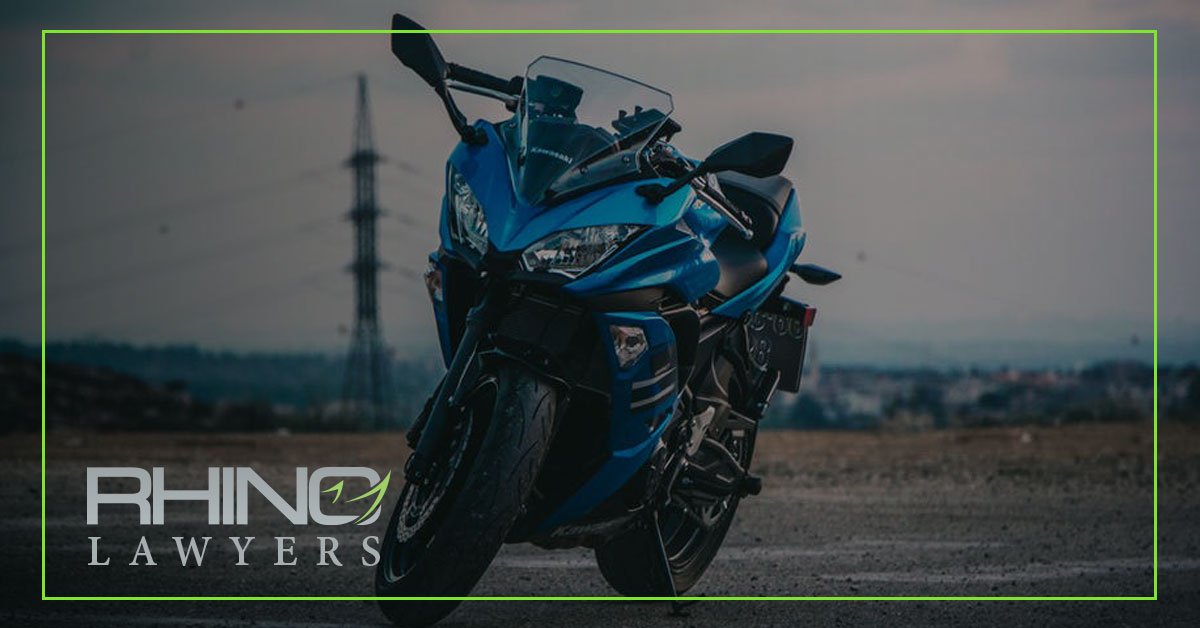
How to Treat Road Rash After a Motorcycle Accident
There were 5,579 motorcycle fatalities in 2020 alone. Riding a motorcycle can be dangerous and can often lead to injury. If you were knocked off your motorcycle and got road rash, you might be wondering what you can do to treat it.
You can learn how to treat road rash in this guide. If you have road rash from a motorcycle accident that wasn’t your fault, don’t forget to contact your motorcycle accident lawyer. This may allow you to get compensated for your injuries.
Keep reading and learn more about where you should start.
What You Need to Know About Road Rashes
Road rash can come in many different severities. They occur when your skin gets dragged against the road at a high speed. This often happens when motorcyclists are knocked off their bikes and tumble or slide along the ground.
Getting a road rash after a motorcycle accident can result in a very painful injury. Asphalt roads are very rough because they need to have enough traction for cars to drive efficiently. But when this asphalt scrapes against your skin, it can remove several layers of skin and soft tissue.
This may happen even if you were wearing long sleeves and long pants. You can better protect yourself by wearing leather or denim clothes. But the force and friction of the road may still tear through these materials and harm your skin.
Road rash can also happen if you slide along the pavement of a sidewalk, but this is less common. Road rash can cause abrasion which is when the upper layers of your skin are worn down by the pavement. They can also cause avulsion which is when the upper layers of your skin are separated from the deeper layers.
Lacerations are another type of injury to look out for. They are lashes and tears that may occur across the skin and soft tissue under the skin. There is also the risk of thermal burns.
A thermal burn occurs when the friction of the road against your skin creates heat. This heat may burn your skin and deeper tissues. Some road rashes are very mild and look like red marks on the skin.
Others are so severe that deep layers of muscle or bone may be exposed.
The Details
Road rashes can also lead to many different health complications. The main complication is an infection.
Road rashes tear open the skin and leave blood vessels exposed to the outside environment. This makes it easy for bacteria and debris to enter your body. This may create a serious infection that can spread throughout the body.
Some severe rashes may cause nerve damage. This often happens if some of the nerves were scraped or torn away. Muscle damage may also occur if the muscles were severely torn or lost during the injury.
Scarring is another common example of what can happen after getting road rash. Scarring is permanent. It may render the skin in that area very tight and rough.
The scarred skin may turn a different color too. But what can you do to treat this problem to minimize these health complications?
How to Treat a Road Rash
There are many options for road rash treatment. If your road rash is very severe, you will likely get taken to the hospital. The doctors there can then inspect the injury and determine the best course of action.
They will clean the wound, wrap it up, and give you antibiotics. This will reduce the risk of an infection taking hold. But if your road rash is not very severe, you can treat it at home.
Start by washing your hands and cleaning the wound. You don’t want to accidentally introduce harmful bacteria to the rash as this may cause an infection. Flush the area with warm water.
This will rinse away any pieces of debris that might be present. Avoid scrubbing the area as this may make it worse. The scrubbing motion may also cause pieces of debris to dive deeper into your skin where they may cause irritation or infection.
If you see pieces of debris still present after you wash the rash, remove them with tweezers. Do not force any debris out of the rash if it seems stuck.
This may mean that the debris is stuck in the deeper tissues of your body. Tearing it out may damage those tissues. You should instead go to a hospital and see if they can get the debris out for you.
What You Need to Know
You should then use an antibiotic ointment. This ointment will prevent an infection from taking hold. It will also add moisture to the rash that will prevent any bandages from sticking to it.
If your road rash is very small, you can cover it with a Band-Aid. But if the rash is larger, you will have to use bandages. Once the wound is wrapped up, monitor it over several days.
If the wound gets swollen, red, and painful, you may have an infection and need medical attention. But if the rash gets fainter and goes away on its own, you shouldn’t have anything to worry about.
Treating Road Rash After a Motorcycle Accident
A road rash could lead to serious health complications if you’re not careful. Serious road rashes need to get treated in a hospital. But minor cuts and scrapes can receive treatment at home.
Make sure you keep it clean and monitor it to ensure it gets better. Make sure that you know your legal rights after a motorcycle accident too. To learn more about your rights, check out our services.
CONTACT A TAMPA Motorcycle ACCIDENT ATTORNEY
In short, after a motorcycle accident, you may not know your rights. Above all, don’t struggle through the process alone. Actually, our personal injury team is here to help you with any legal needs you might have regarding your accident.
Lastly, let RHINO Lawyers answer your questions and review the facts of your case with a Free Consultation. So, get started by completing the “Free Instant Case Evaluation” or by calling us any time, day or night, at 844.RHINO.77.
Read More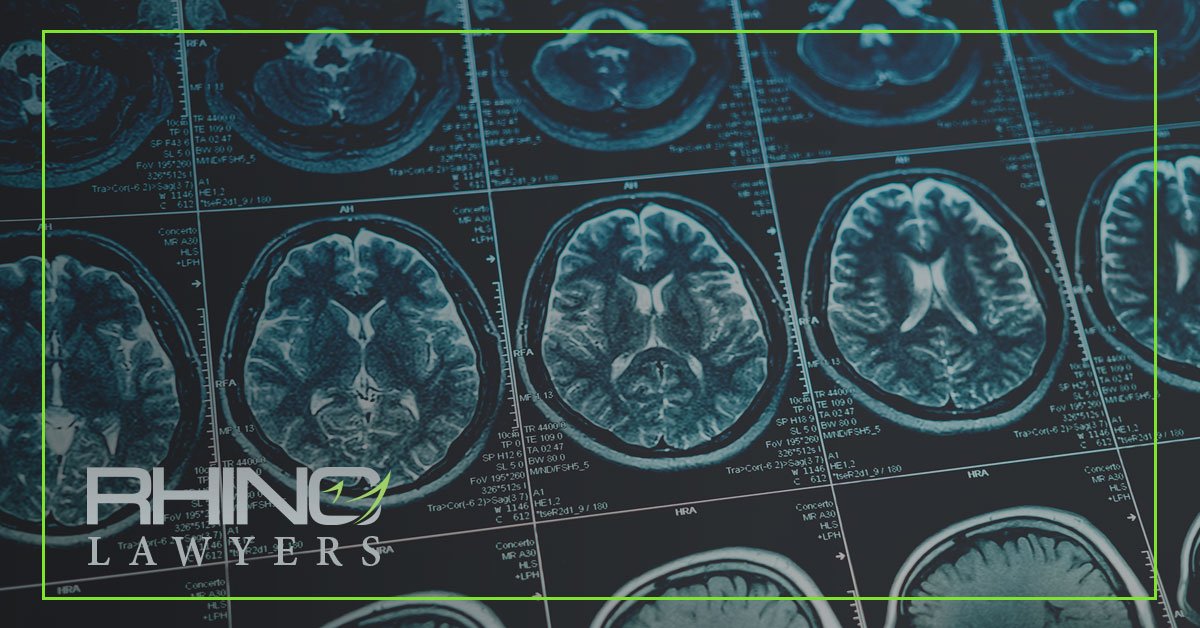
What Are Coup and Contrecoup Brain Injuries?
Driving kills as many Americans each year as guns. As much as we rely on our vehicles, it’s important to recognize that every time we get behind the wheel of an automobile, we put ourselves at serious risk.
Fatalities, of course, aren’t the only concern. Traumatic brain injuries often occur as a result of car accidents. Coupe and contrecoup brain injuries are among the more common types of brain injuries that occur following a serious auto accident.
What do you need to understand about these types of brain injuries if you or someone you love has been in an accident? What are the symptoms and treatments, and how might you afford coverage? Read on and we’ll walk you through what you need to know.
Understanding Coup vs Contrecoup Brain Injury
Traumatic brain injuries (TBIs) are serious and potentially life-threatening medical conditions. They occur when the brain experiences trauma, such as a blow or jolt to the head.
These injuries often occur during car accident incidents because the head is often forcefully collided with some part of the vehicle during an accident.
Two common types of TBI are coup and contrecoup brain injuries. These TBIs are similar but do have some important key differences.
What Is a Coup Brain Injury?
A coup injury is a type of TBI that occurs at the site of impact. This means the injury occurs exactly where the force of the blow is applied. This impact can cause the brain to hit the skull, resulting in bruising, swelling, or bleeding.
If a driver were to be thrust forward in an accident and hit their head against the steering wheel. Then this would likely result in a coup injury.
The injury would likely occur more or less directly where the skull made an impact with the wheel.
What is a Contrecoup Brain Injury?
A contrecoup brain injury, in many ways, is the exact inverse of a coup brain injury.
It occurs on the opposite side of the brain from the site of impact. This happens when the brain rebounds and hits the opposite side of the skull.
This might happen when a driver is rear-ended, and the driver would be pushed backward, against their own seat.
In this situation, the skull might move at a higher velocity than the brain, causing the front of the skull to make an impact on the brain. This means the point of injury might actually occur on the opposite side of the skull where the impact was actually made.
Symptoms of Coup and Contrecoup Injuries
Both coup and contrecoup injuries can occur in any part of the brain, but they most commonly occur in the frontal and temporal lobes.
The severity of the injury can range from mild to severe, and the symptoms can vary depending on the location and extent of the injury. The symptoms might also not be immediate.
They may develop or worsen in the hours and days after the accident. For this reason, it’s important to be on the lookout for signs of trouble even if you initially feel fine when leaving the scene of the accident.
Symptoms can come in many forms: physical, emotional, and cognitive difficulties.
The most common physical symptoms include headaches, dizziness, loss of consciousness, seizures, and difficulty with balance and coordination.
Cognitive symptoms can include confusion, memory loss, and difficulty concentrating. If you have trouble getting thoughts together or communicating with others, it can be a huge sign that some sort of traumatic brain injury has occurred.
Any sort of difficulty with language can be a huge red flag when it comes to this kind of accident.
Emotional symptoms can be harder to parse, but can also be a huge telltale sign of trouble.
These can include mood swings, anxiety, depression, and personality changes. If someone who is usually relaxed and easy-going suddenly becomes easily irritable or impatient, for example, it might be a sign of serious injury.
Diagnosis and Professional Treatment
The diagnosis of a coup or contrecoup injury typically involves a physical examination, as well as imaging tests such as CT scans or MRIs. It’s important to see a medical professional as soon as possible following an accident.
If you think there’s any chance you or a loved one has sustained a traumatic brain injury, it is not a ‘wait and see’ situation. You should seek medical attention right away.
Treatment for these injuries can vary depending on the severity of the injury and the array of symptoms experienced by the car accident victim.
In some cases, surgery may be necessary to relieve pressure on the brain. In other cases, medication and rehabilitation therapy might be all that is needed.
Early identification of this kind of injury can help to provide better treatment and lessen complications that might result from the injury. While this medical treatment can be largely expensive, it will be needed if the patient is to recover.
Experiencing a Brain Injury After a Car Accident
All accidents can be frightening and scary, but those resulting in serious injury can be truly life-altering. If you’ve been in an accident, it’s important to understand what coupe and contrecoup brain injuries are.
Knowing the symptoms to look out for and steps to take can help secure your well-being after a serious accident.
Need help obtaining the compensation that you have a right to following such an incident? Give us a call anytime for aid and assistance.
CONTACT A TAMPA AUTO ACCIDENT ATTORNEY
In short, after a car accident, you may not know your rights. Above all, don’t struggle through the process alone. Actually, our personal injury team is here to help you with any legal needs you might have regarding your accident.
Lastly, let RHINO Lawyers answer your questions and review the facts of your case with a Free Consultation. So, get started by completing the “Free Instant Case Evaluation” or by calling us any time, day or night, at 844.RHINO.77.
Read More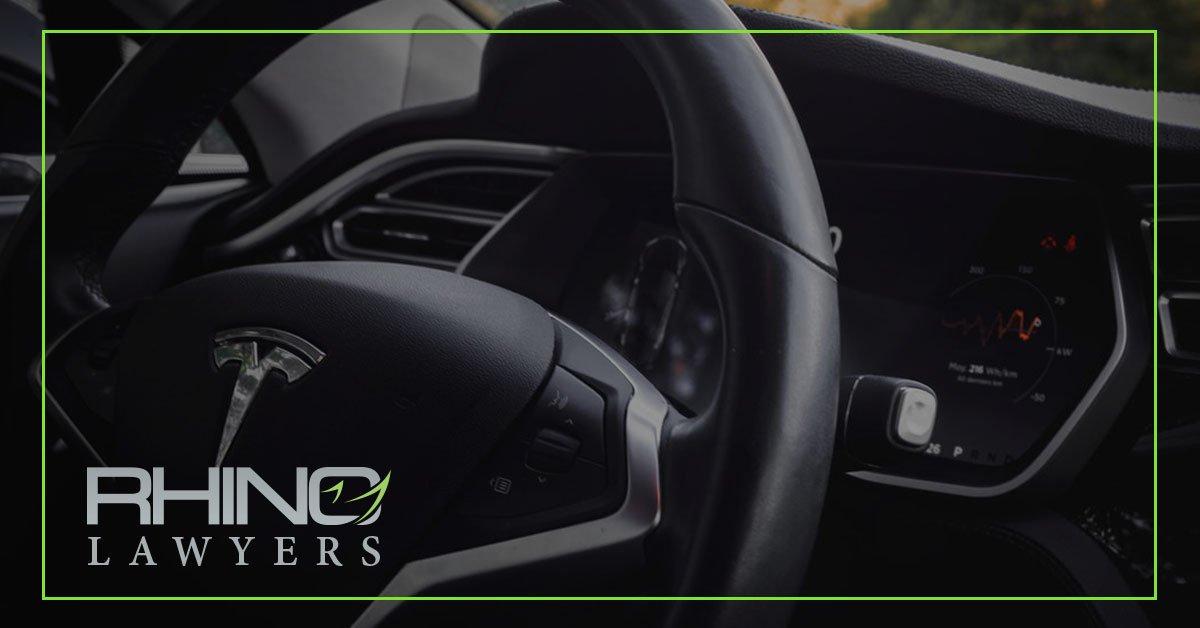
Can I Sue After a Tesla Autopilot Car Accident?
Tesla automobiles have generated a lot of headlines since first hitting the scene in 2008. Not to mention, Elon Musk’s vehicle has been a popular choice for many over the past decade and a half. As well as, the tech advances that these vehicles integrate have received great attention from consumers.
The Tesla autopilot has been one of the most talked about innovations. Self-driving cars represent a potentially exciting future, but questions about liability when it comes to autopilot vehicles have also raised concerns.
Involved in an accident while using Tesla’s Autopilot system? If you have been in an accident involving a Tesla Autopilot car, you may be wondering if you have grounds to sue. What steps can you take if the accident causes an injury?
Read on and we’ll walk you through what you need to know about the basics of this kind of case.
Understanding Tesla Autopilot
First, let’s start with the basics: what is Tesla Autopilot?
Tesla Autopilot is an advanced driver-assistance system (ADAS). It’s designed to help drivers navigate roads more efficiently.
Autopilot uses a combination of small cameras, sensors, and radar to detect and respond to other vehicles, people, and obstacles on the road.
When engaged, Tesla Autopilot can control the acceleration, braking, and steering of a vehicle. That being said, it still requires the driver to remain attentive and ready to take over control at any time.
Tesla has been testing and honing its autopilot for many, many years. It’s only in the past few years that models have been released to the public with these features in place.
Can I Sue Tesla for an Autopilot Accident?
If you have been injured in an accident involving a Tesla Autopilot car, you may be wondering if you can sue Tesla for damages.
The answer depends on many factors. They include the circumstances of the accident, the extent of your injuries, and the specific laws in your state.
To successfully sue Tesla, you would need to establish that the Autopilot system was defective or that Tesla was negligent in some way.
This could be difficult to prove. Tesla generally requires drivers to sign a waiver acknowledging that they are responsible for the safe operation of their vehicle. This means even while using Autopilot.
Tesla has also argued that its Autopilot system is still in beta testing and that drivers should exercise caution and be prepared to take over control at any time.
That being said, there have been several cases in which Tesla has been sued after Autopilot accidents.
In some cases, Tesla has settled out of court, while in others the cases have gone to trial. In one high-profile case, a Tesla owner sued the company after his Model S crashed into a parked fire truck while using Autopilot.
Tesla denied any responsibility for the accident, but ultimately settled the case for an undisclosed amount.
Your success in bringing this kind of lawsuit forward will likely depend on the details of the accident in question. Speaking with a qualified legal professional can help you determine whether or not you have grounds for a lawsuit.
A professional attorney could also help you to determine your likelihood of winning such a case, and how much compensation you might be able to seek.
What to Do After Car Autopilot Accidents
An autopilot accident can be as surprising and shocking as any other. If you’ve been involved in an accident, you might be facing damage and injuries that far exceed what you’re able to afford.
This is why it can be key to seek the compensation that you require to get your life back on track.
If you have been in an accident involving a Tesla Autopilot car, there are several steps you should take to protect your rights. Taking these steps can help to ensure that you receive the compensation you deserve.
1. Seek Medical Attention
Your health and safety should be your top priority after an accident, even if you feel fine! It’s important to get checked out by a medical professional to ensure that you haven’t sustained any injuries that could worsen over time.
2. Gather Evidence
Take photos of the accident scene, the damage to your vehicle, and any injuries you sustained. If possible, get contact information from any witnesses and exchange information with the other driver. Your doctor will also provide documentation that will be key evidence of the injuries that you sustained.
3. Contact an Attorney
A personal injury attorney can help you understand your legal options and determine if you have grounds to sue Tesla for damages. Many attorneys will allow for free consultations for this kind of case, allowing you to get a sense of what’s possible without committing to a firm right away.
4. Notify Your Insurance Company
Report the incident to your insurance company as soon as possible. Your insurance company may be able to provide coverage for your injuries and damage to your vehicle.
Recovering From a Tesla Autopilot Crash
If you’ve been in an accident that’s a result of the use of Tesla autopilot, you’re likely quite curious about what your legal options are. The above information can help you to understand what leads to these types of accidents.
The world of self-driving cars is very new, and it’s important for the law and a sense of justice to prevail when tech doesn’t live up to what it promises.
Need assistance with your Tesla autopilot case? Have more questions? Give us a call anytime for help.
CONTACT A TAMPA AUTO ACCIDENT ATTORNEY
In short, after a car accident, you may not know your rights. Above all, don’t struggle through the process alone. Actually, our personal injury team is here to help you with any legal needs you might have regarding your accident.
Lastly, let RHINO Lawyers answer your questions and review the facts of your case with a Free Consultation. So, get started by completing the “Free Instant Case Evaluation” or by calling us any time, day or night, at 844.RHINO.77.
Read More