
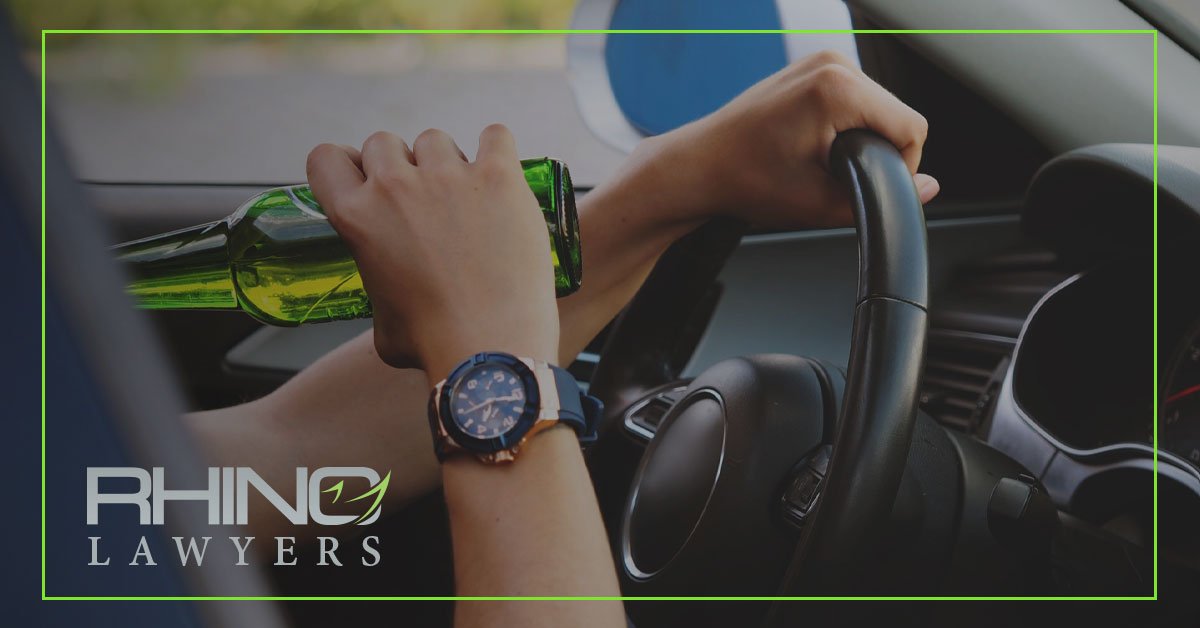
What To Do the Day After a DUI? 5 Steps To Take.
Impaired driving killed 799 Floridians in 2021. If you drink alcohol, you should not get behind the wheel of a motor vehicle and attempt to operate it. However, that does not stop people, and they find themselves arrested and facing charges of a DUI and possibly other offenses.
Getting arrested for a DUI has far-reaching consequences that reach beyond getting your license suspended. Get yourself started on the right path by doing these five things.
1. Get Out of Jail and Locate Your Car
Your first course of action after a DUI is to get out of jail and locate your car. You cannot get released from jail until three things have happened:
- You are no longer under the influence of alcohol or any chemical substances;
- Your blood or breath alcohol level is lower than 0.05;
- Eight hours have passed since you were arrested.
This means you could get released in hours or have to wait until the next day to get released. If you can secure a bail payment, the processing of this begins once the booking process gets completed. The booking process is when you get your mug shot taken, fingerprints recorded, and personal information entered into the system.
Your car likely got impounded at the time of your arrest. Go through the administrative process to get your vehicle out of impound. The police can tell you your car’s location.
Pay for storage, towing, and other fees to release the car. If your license is already suspended, you must bring someone with you who can legally drive the vehicle home.
2. Save Your Ability to Drive
Following a DUI arrest, Florida drivers have 10 days to take administrative action about their driver’s license status. If you submit to the breath test, the automatic suspension is six months. If you refuse the breath test, the suspension is one year.
You have ten days to request a formal or informal review of the suspension. This can determine your eligibility for restricted driving privileges. This means that you could drive to school or work during your license suspension instead of being unable to drive at all.
This ability can reduce the stress and hardship you experience over the next couple of months. However, you lose the opportunity if you do not file for this review within the ten-day window.
3. Gather Any Relevant Evidence
Take an active role in the defense of your DUI by gathering as much evidence as you can as early as possible. The longer you wait, the harder it will be.
Collect and preserve any receipts from that day or night. Keep the original but also take a picture of them. Make copies or take screenshots of any photos taken, text conversations, social media posts, or calls. Nothing is too small to document, and you do not know what could become beneficial to your attorney in arguing your case.
If someone else witnessed your DUI arrest or was with you earlier in the evening, record their information. Your attorney can contact them at a later date to testify as to what they witnessed.
4. Write Down What Happened
As soon as you can, sit down and write down everything that happened surrounding your DUI arrest. The longer you wait, the less accurate and more incomplete your memory becomes. If you were drunk driving, your memory is already compromised, so it becomes even more vital that you record as much as you can remember right away.
Write clearly and legibly so your attorney and staff can easily read it. Skip every other line so you can easily add additional facts as you remember them. Set the scene by starting your recording 24 hours before the arrest.
Create a timeline of events and include little details like what and when you ate and how much sleep you had. Record where you want, when, and with you. For example, write down what you drank, how much, and when.
When recording the arrest, set the scene by describing the time of day, traffic level, location, and weather. Write down the reason you were pulled over. Sometimes it is for suspected DUI, and other times it is for another traffic infraction.
Record the conversation between you and the officer, if they had you perform Standardized Field Sobriety Exercises (SFSEs), and the breath test process. In some circumstances, an attorney could argue that the officer improperly performed these tests, and that resulted in a wrongful DUI.
5. Hire a Florida DUI Attorney
While you have the right to represent yourself, this can put you at a disadvantage. Hiring a DUI lawyer means you will have someone who knows the Florida criminal court system and laws. This ensures you have someone looking out for you and fighting for your best interest.
Well-established DUI lawyers have a reputation within the legal community and relationships with prosecutors. This can help them negotiate for a better outcome for your case.
You can also ask your lawyer questions about the legal process and your options. That way, you understand what your best options are.
Hire a DUI Lawyer to Represent You
Getting arrested for a DUI is a scary and stressful experience. There are questions you want to be answered along with criminal and administrative procedures that you now face. This is not an arrest to ignore, so taking these five steps as soon as possible is paramount.
Request a free consultation today with one of our knowledgeable attorneys to discuss the circumstances surrounding your DUI arrest.
CONTACT TAMPA TRAFFIC TICKET ATTORNEY
RHINO Lawyers can help and guide you through a system molded by law enforcement, judges, and lawyers for decades. Having won cases for our clients in similar circumstances, our criminal defense team knows what it takes to fight on your behalf.
Let RHINO Lawyers answer your questions and review the facts of your case with a Free Consultation. So, get started by completing the “Free Instant Case Evaluation” or by calling us any time, day or night, at (844) RHINO-77.
Read More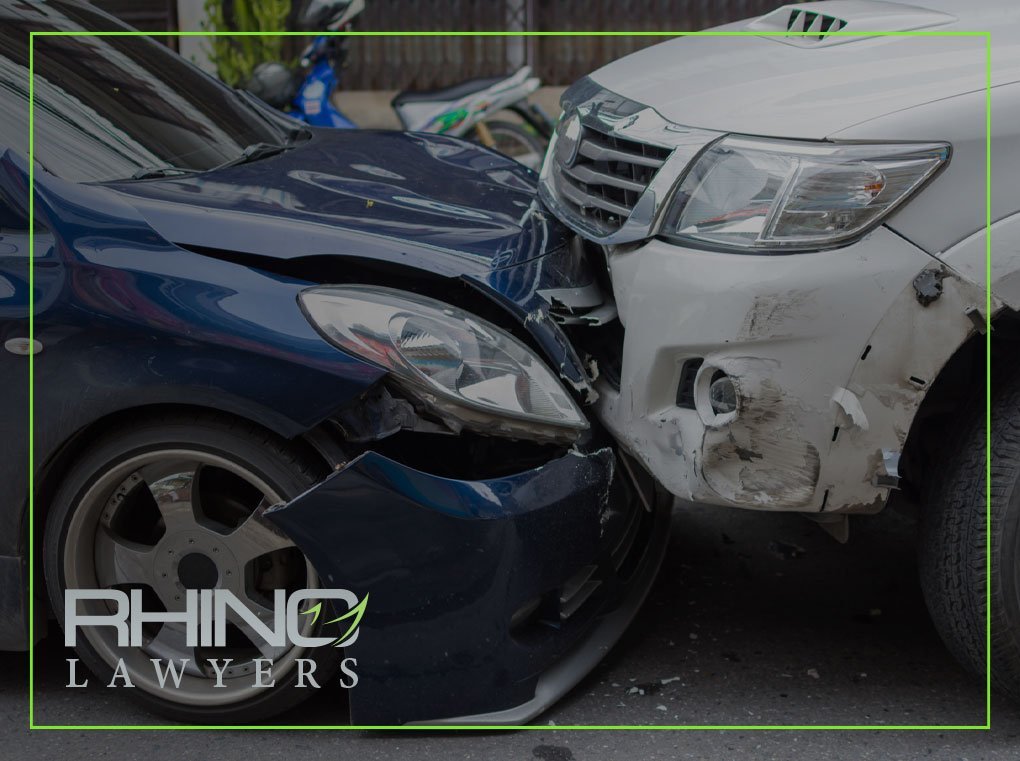
Will My Insurance Cover Physical Therapy After a Car Accident in Tampa?
Are you wondering how to afford treatment for your car accident injuries?
If you’ve been in a car accident in Tampa, you need to seek out medical treatment as soon as possible. If you don’t, you run the risk of suffering from long-term injuries and experiencing complications.
For many people who get injured in car accidents, physical therapy becomes an essential part of their treatment. Physical therapists guide patients through a series of motions designed to strengthen injured body parts and help the person regain movement.
But many people worry about affording their treatments. If you’ve been in an accident, you might not know who’s responsible for paying for your treatments.
Below, we’ll get into whether insurance will pay for your physical therapy. Keep reading so you can save money!
Will the Other Driver’s Insurance Pay?
When you get into a car accident in Tampa, you might be able to get the other driver’s auto insurance to pay for your physical therapy.
To do this, you’ll need to exchange insurance information with the other driver. Take pictures of their insurance card and let them do the same to yours. Then, give the insurance company a call. Let them know you’ve been in an accident with one of their drivers and would like to file a claim.
You should call the insurance company as soon as possible. Doing so will kickstart the process of getting your claim processed. The insurance company may ask you to take photos of the damage to both vehicles. These pictures will help them in their investigation of the incident.
During the investigation, they will try to determine who’s at fault. If they find their customer caused the accident, you will be entitled to have your bills and damage paid for. They may also determine that their customer was partially responsible for the incident, in which case you would get some settlement payment as well.
Will Your Insurance Pay?
If you’re at fault for the accident, you might not get money from the other person’s insurance company. Fortunately, though, your auto insurance company may pay to cover your injuries.
As long as you continue to pay your premiums, you’ll have access to insurance that will help you out if you get into a car accident. Most insurance plans cover auto repairs and will pay for accident-related healthcare.
If you’re unsure of what your insurance policy will pay for, call the customer service number on your card. There, you’ll have the opportunity to speak to a customer representative and ask if your insurance covers your injuries.
What if your treatment exceeds that covered by your car insurance? Take a look at your health insurance coverage. Your plan’s benefits may cover physical therapy for disaster-related incidents. However, every insurance plan is different. Your health insurance may limit how much they’re willing to pay for treatment.
No-Fault Insurance
Fortunately, in Florida, every car owner needs to purchase a no-fault insurance policy that covers at least up to $10,000 in damages. “No-fault” refers to the fact that it doesn’t matter whether the other person was at fault or not. All injured parties will get compensated up to a specific amount.
However, not everyone in Tampa has no-fault insurance. Often, drivers who don’t have insurance don’t purchase it because they can’t afford it. So, it’s important that you make sure your insurance policy is no-fault. That way, you’ll get covered even if you’re at fault for the accident.
How to Get More Out of Your Car Accident Claims
Sometimes, auto insurance coverage won’t cover all of your physical therapy charges. Instead, insurance companies often try to pay as little as they can. As a result, you might not get as much money out of your car accident claims.
That’s where hiring a personal injury attorney can come in. Personal injury lawyers who focus on car accidents will help you secure a better settlement by filing a lawsuit on your behalf. They will also gather evidence and listen to accounts from firsthand witnesses to establish your case.
Most car accident lawsuits settle outside of court. People often get thousands, sometimes millions, more than they would have if they didn’t pursue a lawsuit.
Even if your case does go to court, though, your lawyer will present the evidence and argue your case to the best of their ability. Then, the judge will hand down a verdict, and if you win, you’ll walk away with compensation for your injuries.
So, it’s important to find the right lawyer to represent you. The best attorney will have lots of experience navigating the car accident claim process and negotiating with insurance companies. They’ll also have great reviews from former clients and lots of respect in the field.
In a Car Accident in Tampa?
If you’ve been in a car accident in Tampa, it’s essential that you call an attorney as soon as possible. That way, you can get the process started and get your money quicker.
Looking for an excellent legal team? That’s where we come in. We make it our mission to form a personal partnership with every single one of our clients. Our lawyers will fight on your behalf and be there for you every step of the way.
Want to learn more about what we can do for you? Schedule a free consultation!
CONTACT A TAMPA AUTO ACCIDENT ATTORNEY
In short, after a car accident, you may not know your rights. Above all, don’t struggle through the process alone. Actually, our personal injury team is here to help you with any legal needs you might have regarding your accident.
Lastly, let RHINO Lawyers answer your questions and review the facts of your case with a Free Consultation. So, get started by completing the “Free Instant Case Evaluation” or by calling us any time, day or night, at 844.RHINO.77.
Read More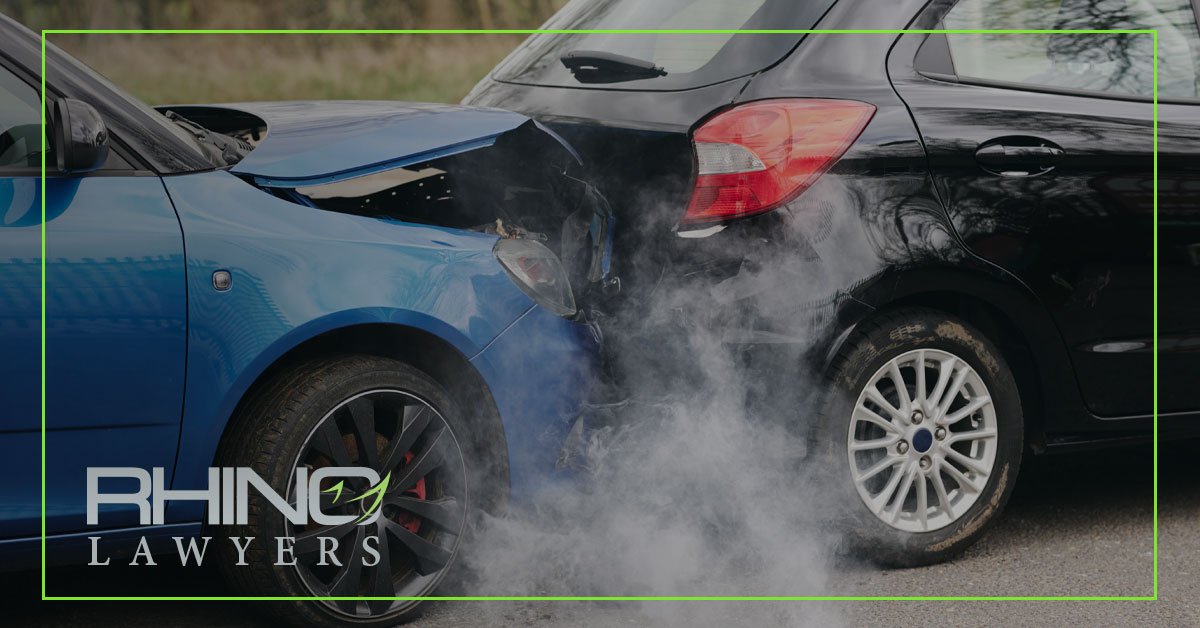
Lakeland Florida Car Accident Statistics
Few things make Florida residents feel as helpless as scary car accidents.
In Lakeland, drivers encounter careless and reckless drivers on busy routes like Interstate 4 and along Memorial Boulevard on every trip. A distracted driver’s lack of focus can end up causing frightening crashes and leave you or a family member recovering from a major injury.
In order to track the frequency of dangerous car accidents in Polk County, RHINO Lawyers of Lakeland studied accident statistics from the past five years. It’s the best way to determine if safety on Lakeland roads is improving or if more effort is needed to keep motorists safer.
Florida Traffic Accident Statistics for 2021 and 2022
Florida’s Department of Highway Safety and Motor Vehicles (FLHSMV) tracks car accidents across the state each year. As of the first week of October 2022, they’ve documented over 287,000 traffic accidents on Florida roads. Those accidents are blamed for over 182,000 injuries and a tragic 2,521 deaths
That compares with 2021 numbers when 401,501 traffic collisions were recorded in Florida in total. Those accidents were responsible for injuring almost 300,000 victims and led to the tragic deaths of 3,733 people.
Lakeland Car Accident Statistics for 2022
Lakeland doesn’t have quite the reputation for crazy traffic that places like Orlando or Tampa have, but Polk County still sees thousands of preventable car crashes every year. Unfortunately, a lot of reckless drivers travel between both cities and across Polk County. Drivers and passengers are hurt and local families suffer the consequences.
So far in 2022, the FLHSMV has tracked 9,613 motor vehicle crashes across Polk County. That’s according to numbers collected through October 6th of 2022.
This is a look at how Lakeland accident numbers have surged over the past five years:

There’s a way to go before this year’s numbers reach the elevated levels of 2021. In 2021, over 13,000 accidents were recorded on Lakeland and Polk County roads. That figure was at least a thousand accidents more than any of the three previous years.
Sadly, 2022 crash statistics still have time to match or surpass 2021 figures. Generally, over the past couple of years, October, November, and December have proved to be the months that see the most accidents out of all 12 months.
Lakeland Fatal Car Accidents in 2022
The surge in car accidents in 2021 was followed by a surge in fatal incidents as well. 2021 collisions in Lakeland were blamed for 181 heartbreaking deaths and over 9,000 injuries. That was well over 2020’s figures that documented almost 7,500 injuries and 134 deaths.
Over a five-year span, Polk County accidents remained steady until a sudden and tragic rise occurred in 2021:

Lakeland Car DUI Accidents in 2022
Polk County drivers might cause accidents when they stare at a cell phone instead of the road. They may also travel too fast for conditions and end up losing control. These mistakes in the lanes are regrettable, but even good drivers can make bad choices.
It’s harder to forgive the local drivers who decide to get out on the roads after taking drugs or consuming alcohol. Every other motorist on the highway has their safety put in jeopardy by the presence of an impaired driver.
Unfortunately, cases of drunk drivers causing accidents don’t seem to be a hazard that will be going away anytime soon. Crashes involving alcohol-impaired drivers rose dramatically in 2021.

WTSP-TV out of Tampa reported that Florida ranked 10th out of all states for the worst drivers in America. That ranking considered factors like DUI arrests, deadly accidents, and hit-and-run dangers. The research showed that Florida recorded 9.4 fatal crashes involving a drunk driver per 100,000 drivers. Georgia had the same report card with 9.4 fatal crashes, while Louisiana reported 12.2 alcohol-related fatal crashes per 100,000 drivers.
For cautious Lakeland drivers, it’s important to note an uptick in alcohol-related deaths on Lakeland roads in both 2020 and 2021.

Lakeland Hit-And-Run Accident Numbers in 2022
The WTSP report also reveals that about a fourth of all Florida drivers are uninsured. Unfortunately, that leaves Florida as the number one state in the U.S. for uninsured motorists. When drivers travel to Florida without car insurance, they can be tempted to flee the scene of any accident that they cause.
Unfortunately, that leads to an increase in hit-and-run accidents as drivers seek to avoid the consequences of their actions. In 2021, Florida’s Department of Highway Safety and Motor Vehicles recorded over 109,000 accidents involving hit-and-run drivers across the state. Those accidents left almost 25,000 people injured and caused just over 300 fatalities.
In Polk County, 2021 hit-and-run accident numbers topped the 3,000 mark. So far, 2022 numbers are inching toward that dangerous level.

Hit-and-run drivers often exit the scene without reporting an accident, leaving injured victims waiting longer for medical care. That extra time can be the thin line between a hit-and-run victim surviving an accident or becoming a tragic fatality statistic.
Lakeland’s deadly hit-and-run accident cases took a leap in 2020 and that frightening trend continued in 2021.

Seeking Support After a Lakeland Car Accident Injury
We can hope that 2022 ends with a safer stretch for Polk County drivers. It would be nice if 2022 accident statistics fell well short of where they’ve been heading over the past few years.
Unfortunately, accidents on local roads will be a way of life for many years to come. There’s always a chance you or a loved one will be the next victim. If you or a family member are hurt in a Lakeland traffic accident, it’s critical to your future that you understand the benefits and support that are available.
You can talk over your options in a free, no-obligation consultation with a real Lakeland Car Accident Attorney at RHINO Lawyers. It’s a chance to get every question you have answered and to find out what your case may be worth.
CONTACT A Lakeland AUTO ACCIDENT ATTORNEY
In short, after a car accident, you may not know your rights. Above all, don’t struggle through the process alone. Actually, our personal injury team is here to help you with any legal needs you might have regarding your accident.
Lastly, let RHINO Lawyers answer your questions and review the facts of your case with a Free Consultation. So, get started by completing the “Free Instant Case Evaluation” or by calling us any time, day or night, at 844.RHINO.77.
Read More
Should You Finish Treatment Before Receiving an Injury Settlement?
InjuryFacts.nsc.org reports that in 2020, 55.4 million people sought medical attention for nonfatal preventable injuries. These injuries come from several sectors, from medical malpractice to car accidents.
Medical attention can cost several thousands of dollars in medical expenses. That’s why insurance laws allow you to sue the person who caused your injury. You’ll receive an injury settlement at the end of this trial.
However, many people wonder whether they should pursue their injury settlement before they finish their medical treatment. But, there are several factors that could make this a dangerous decision.
So, when should you accept an injury settlement? We’ll explore that question in this guide!
Should You Accept an Injury Settlement Before You Finish Your Treatment?
The short answer to this is no. Accepting an injury settlement too soon can leave you with unexpected medical expenses to pay out of pocket. Waiting to complete your treatment enables you to know your final medical treatment bills.
Unfortunately, there’s often a great deal of pressure to accept a settlement prematurely. The other party’s insurance provider often tries to pressure you to accept this settlement early. They push for this because they understand it can save them substantial money in the long run.
It’s also tempting to accept this money because of short-term issues. After all, it seems helpful to take any sum when medical bills continue piling up.
However, this is an incomplete solution. The best thing you can do is contact a personal injury lawyer. These lawyers can help you navigate this process by directly dealing with the insurance company.
These lawyers can also help you determine how much your injury settlement should be. This knowledge can help you hold out until you receive the best deal.
What About Long-Term Treatment for Personal Injuries?
Unfortunately, many personal injuries can have life-altering consequences. For example, your case could require years of treatment and physical rehabilitation.
Some types of injuries require this scale of treatment more than others. Some of these include:
- spinal injuries
- head injuries
- joint damage
Others may require longer timeframes to make a full recovery. For example, a broken leg takes longer to heal than a sprained ankle.
The costs associated with these injuries could easily reach tens of thousands of dollars. In a worst-case scenario, they could climb to hundreds of thousands of dollars.
Once again, nobody could blame you if you accepted a settlement too soon in this condition. Many people do so because they believe it’s better to have some money to help them than none at all.
However, we urge you to remain patient during this process. Remember, long-term treatments can last for years. Each additional year accumulates new costs.
Instead of putting a band-aid on this financial injury, wait until you can heal the wound. Receive your injury settlement at the end of this process. This way, you know exactly how much your medical bills cost and what to fight for in your settlement.
When to Start Medical Treatment
Ideally, you’ve already begun receiving the medical treatment you require. If not, find a doctor to treat your injuries immediately.
It’s always best to begin treatment immediately after receiving your injury. Even minor injuries can cause more extensive damage than people realize.
Treating injuries soon prevents them from worsening. This decision doesn’t just affect your health, either; it can also impact your injury settlement.
If you fail to receive the medical treatment you need, you may discover the injury is worse than you knew. This scenario could have devastating consequences on your personal injury case.
So, start your case right by pursuing the treatment your injury requires. Remember to follow your doctor’s advice as closely as possible, too.
Following this guidance could make or break your injury settlement. Otherwise, the insurance company could claim you don’t deserve your desired sum because of reckless behavior regarding your health.
What Is Maximum Medical Improvement?
Doctors define maximum medical improvement as the point in your recovery when you can’t reach further improvement. Unfortunately, this doesn’t always mean you’ve achieved a full recovery.
Instead, this means you can’t get any better, regardless of the treatments you receive. In many cases, this could be because you made a full recovery. However, other situations have less optimal outcomes.
For example, imagine you received a traumatic brain injury. You’ve finally regained your motor skills and the ability to perform everyday tasks after extensive treatment. However, in spite of this, you still experience trouble with your memory.
In these cases, you may not be where you were before your injury. However, you’ve reached maximum medical improvement.
Why does this matter? Reaching this stage means you’ve completed your medical treatment. As a result, you’ll know how much your medical bills cost.
Accepting a settlement before reaching this stage allows your injuries to worsen afterward. You’ll require more treatment to deal with the complications. Unfortunately, the totals are final; you can’t go back once you’ve accepted an offer.
So, wait until you’ve reached this critical stage and completed your treatment. This patience can help you make the best decisions for your finances.
Find the Best Personal Injury Lawyer to Get the Maximum Injury Settlement
As you can see, it’s best to wait until the end of your medical treatment before accepting an injury settlement. However, this knowledge alone won’t eliminate the pressure to agree to premature settlement offers.
So, how can you guarantee you get the best settlement and get the insurance company off your back? The best solution is to hire personal injury lawyers.
Personal injury lawyers can solve several problems for you. First, they become your representatives when you hire them.
As such, they’ll deal directly with your opponent’s insurance provider. They’ll also keep you posted on events to keep you up-to-date on the proceedings.
Our team offers all of these benefits and more! Schedule a consultation with us today to learn more about your case.
CONTACT A TAMPA AUTO ACCIDENT ATTORNEY
In short, after a car accident, you may not know your rights. Above all, don’t struggle through the process alone. Actually, our personal injury team is here to help you with any legal needs you might have regarding your accident.
Lastly, let RHINO Lawyers answer your questions and review the facts of your case with a Free Consultation. So, get started by completing the “Free Instant Case Evaluation” or by calling us any time, day or night, at 844.RHINO.77.
Read More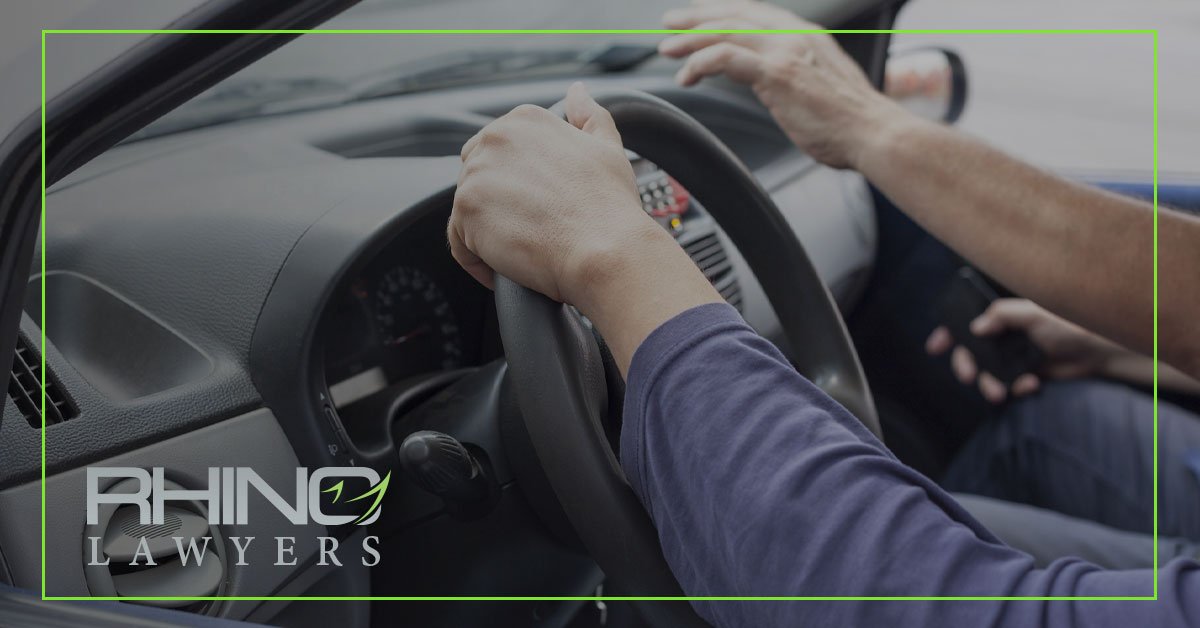
Driving on a DUI Suspended License: Your Essential Guide
Florida is cracking down on drivers! 600,000 people in Miami-Dade County are driving with a suspended license. Some of them are not aware of it, but they face significant charges if they get pulled over.
After a DUI arrest, you may have a lot on your plate. Getting arrested for driving with a suspended license will make your problems worse. But before you call a lawyer, you need to get the facts about suspended license crimes.
What are the penalties for driving with a suspended license? What are other consequences you may face? How can you defend yourself and avoid jail time?
Answer these questions and you can clear your name of suspended license charges. Here is your quick guide.
Florida Suspended License Laws
All drivers convicted of a DUI have their licenses suspended. A first-time conviction leads to a suspension of up to one year. A second-time conviction can create a suspension of five years while a third-time offense can lead to a 10-year suspension.
Section 322.34 of the 2022 Florida Statutes provides Florida’s laws on driving with a suspended license. A first-time offense of driving with a suspended license is a second-degree misdemeanor. But, a second-time offense and other subsequent offenses are first-degree misdemeanors.
A third-time offense carries a mandatory prison sentence of 10 days, though a judge can extend it further. Driving for the third time with a suspended license due to a DUI is a third-degree felony.
Second-degree misdemeanors can lead to a prison sentence of up to 60 days. First-degree misdemeanors can lead to a one-year prison sentence, and third-degree felonies can result in a five-year sentence.
You may be able to qualify for probation and community service instead of imprisonment. But prosecutors take driving with a suspended license seriously, especially if the license was suspended for a DUI. You may need to plead guilty to charges and waive your right to a trial.
Other Consequences
Imprisonment may be the largest consequence of driving on a suspended license. But it is by no means the only one. You face other difficulties that you must know about before you launch a defense.
Additional Charges
Reckless driving occurs whenever a driver operates a vehicle with disregard for other people’s safety. Many drivers are pulled over for reckless driving, only for the police to discover they have a suspended license.
You will receive a reckless driving charge if you were speeding or made an improper turn. In addition to the jail time you face for driving with a suspended license, you can go to jail for up to 90 days for a first offense.
If you were drunk driving with a suspended license, you will receive a DWI charge. You can also get a DWI charge if you have prescription drugs in your system that impair your driving. A second conviction can result in a prison sentence of one year.
Insurance Rates
Some insurance companies cancel the policies for drivers convicted of DUIs. The ones that don’t increase their premiums, making it harder for drivers to pay for insurance. Increases vary, but some companies jack up the prices by a few hundred dollars a month.
Ignition Interlock Devices
When you do get your license back, you may need an ignition interlock device on your vehicle. You must provide a breath sample in order to turn your engine on. If the device detects a high level of alcohol, the car will not start.
You are responsible for paying for and maintaining your device. You need to attend appointments to hand over the results from your device. The device may be on your car for a year or longer.
Criminal Records
A conviction for a DUI creates a criminal record. Many employers conduct background checks on applicants that include looking at criminal records. You may be denied job opportunities just for your DUI arrest.
A conviction for driving with a suspended license can make your problems even worse. It suggests you have a pattern of misconduct, which can diminish your job opportunities.
Defenses
A defense on suspended license charges can be very difficult. If you’re arrested for driving on a suspended license, you should invoke your right against self-incrimination. Do not tell the police anything besides your name and ask for a lawyer to be with you.
A police officer may have seen you behind the wheel, but your car may not have been on. If you can prove that the car was off, you may be exonerated at trial. You can use surveillance tapes and your testimony to prove that your car was not running.
You can dispute the circumstances of your arrest. If the officer pulled you over for reckless driving, you can use evidence to show you were not driving recklessly. This may allow you to assert that any evidence from your arrest cannot be used in the trial.
Mitigating circumstances lessen your culpability. You can point out that you needed to drive someone to the hospital or you were driving to escape an emergency. These circumstances can diminish your sentence, though you may be found guilty.
The Essentials of Suspended License Charges
Driving with a suspended license is no light matter. Even if you weren’t charged with a DUI, you face prison time for a first-time offense. Subsequent charges can lead to long sentences as well as extended suspension periods.
You may face other charges, and you will have a criminal record that others can access. You should gather evidence and fight to clear your name of charges or produce mitigating factors for your arrest.
The easiest way to defend yourself is with a lawyer’s guidance. RHINO Lawyers serves all Florida residents. Contact us today.
CONTACT TAMPA TRAFFIC TICKET ATTORNEY
RHINO Lawyers can help and guide you through a system molded by law enforcement, judges, and lawyers for decades. Having won cases for our clients in similar circumstances, our criminal defense team knows what it takes to fight on your behalf.
Let RHINO Lawyers answer your questions and review the facts of your case with a Free Consultation. So, get started by completing the “Free Instant Case Evaluation” or by calling us any time, day or night, at (844) RHINO-77.
Read More
Can Reaching Maximum Medical Improvement Affect Your Injury Claim?
Every year, people in America sustain more than 122 million accidental injuries. Even minor injuries can have a big impact on your life. You may have to take time off work for your recovery or pay a hefty medical bill.
Fortunately, if someone is responsible for your injuries, you can get compensation by making a personal injury claim. However, your lawyer may recommend waiting to reach maximum medical improvement before you make your claim.
So what does this mean, and how does it affect your personal injury lawsuit? Read on to find out everything you need to know about reaching maximum medical improvement before you make an injury claim.
What Does Maximum Medical Improvement Mean?
Reaching the stage of maximum medical improvement (or MMI) means that you have made as full a recovery as possible. However, what this means for each individual depends on the severity of your injuries.
For example, MMI can mean that:
- You have returned to exactly the same level of health that you had before your accident
- Your injuries will not improve anymore with further medical treatment, and your health is not what it was before your accident
- You will still require ongoing treatment for your injuries in the future for a stable recovery
For example, severe spinal injuries can result in permanent paraplegia or quadriplegia. In that case, the damage is irreversible so you will reach MMI when you become stable. Your long-term health will be very different from what it was before your accident.
Who Can Decide That You Have Reached Maximum Medical Improvement?
Your doctor will determine when you have reached maximum medical improvement. They will base this on their observations, examinations, and diagnostic tests.
When they do this, they will also outline any ongoing treatment that you might need to manage chronic conditions caused by your accident. This can include monitoring you to prevent future complications from your injuries. You may also receive a disability status from your doctor.
So how does this affect different types of personal injury cases? Let’s take a closer look.
What Affects Your Personal Injury Claim?
There are several factors that you should consider when making a personal injury claim. These include:
- The severity of your injuries
- The impact that they have had on you practically, financially, and emotionally
- How long it takes you to reach MMI
- The long-term consequences of your injuries
Some of these factors will be evident shortly after your accident. However, you generally have to wait until you have reached MMI to understand the full impact that your injuries will have on you in the future.
Once you have reached this point, you can determine how it will affect your claim.
Waiting For MMI Will Help You Determine How Much to Claim For
Reaching MMI helps you understand the full impact of your injuries, and this is crucial if you want to get a fair settlement. For example, this helps you understand:
- The cost of the treatments you need to reach maximum medical improvement
- The cost of any ongoing care that you will require
- How your injuries are going to impact your ability to work in the future and your financial security
- How your injuries might impact your emotional well-being and relationships
Settlements offered before you reach MMI could be way under the value that you are owed. So it is worth holding off to get a fair payout.
MMI and Workers’ Compensation Claims
If you have been injured at work, you could make a claim using your employer’s workers’ compensation insurance. In this case, several things happen when you reach maximum medical improvement.
Most employers will offer you two options: ongoing benefits or a final lump sum payout.
Your MMI will determine how much you need to receive in ongoing benefits (if this is the type of compensation that you choose). For example, your disability rating might entitle you to additional benefits.
If you plan on accepting a lump sum payout, it is important to speak to an experienced lawyer before doing this. Most employers will expect you to sign a release before you receive the payout. This releases them from any future liability surrounding your medical treatment and injuries.
If you have not reached MMI by the time that you sign this, you could miss out on valuable compensation. You may also end up having to pay for your ongoing medical expenses yourself. So it is always worth talking your options through with a lawyer before accepting an injury claim settlement.
MMI and the Statute of Limitations
Recovering from serious injuries can take a long time. However, it is very important to be aware of how long you have to make a personal injury claim.
According to the statute of limitations, you have three years to start legal proceedings from the date of your accident. So the clock starts ticking the minute you sustain your injuries. If you miss this deadline, you will struggle to make a claim at all.
Because of this, it is a good idea to seek legal advice even if you haven’t reached MMI yet.
While you are receiving treatment, your lawyer will help put together a strong case for your injuries. They can then adjust this based on your condition when you do reach maximum medical improvement.
This ensures that you won’t miss your deadline for filing a claim and miss out on compensation altogether.
Get Support With Your Personal Injury Lawsuit Today
As you can see, waiting to reach maximum medical improvement after an injury can help you calculate a fair settlement.
This gives you a clear picture of the long-term impact of your accident. So you can make an informed decision when agreeing on a settlement.
Hiring an attorney will help you decide how to proceed with your claim and whether or not you should wait to reach maximum medical improvement. Schedule a free video consultation with RHINO Lawyers today to find out more about our legal services. We’re happy to help!
CONTACT A TAMPA AUTO ACCIDENT ATTORNEY
In short, after a car accident, you may not know your rights. Above all, don’t struggle through the process alone. Actually, our personal injury team is here to help you with any legal needs you might have regarding your accident.
Lastly, let RHINO Lawyers answer your questions and review the facts of your case with a Free Consultation. So, get started by completing the “Free Instant Case Evaluation” or by calling us any time, day or night, at 844.RHINO.77.
Read More
Street Racing Crimes Involve More Than Just the Drivers in Florida
Street racing is a problem in Florida that is common among young drivers. It is illegal to engage in this type of activity, and it can be the cause of all sorts of accidents and big problems for other drivers. People who take part in highway racing are playing with their own lives and the lives of those around them.
The danger street racing poses is so extreme. In fact, the state of Florida has imposed many very harsh penalties on anyone who races on the highway. The consequences of engaging in street racing crimes can result in an arrest. Plus, include very large fines, as well as jail time. Careless drivers on the streets face the harsh reality of the danger they put others in when racing.
Street racing is a dangerous and illegal activity that many young drivers engage in. It can be the cause of fatalities and other consequences. Continue reading our overview to see why street racing can involve a lot more than just the drivers in Florida.
The Consequences of Street Racing
The Florida statutes Section 316.191 defines racing as a second-degree misdemeanor. This results in a first offense penalty of 60 days of jail time. The penalty can increase for multiple offenses of street racing crimes or has been part of highway racing in the past.
Offenders can receive a $1,000 to $5,000 fine and a two-year license revocation. As well as, one year of incarceration in county jail. A second offense will boost the mandatory fine to around $1,000 to $3,000. This can also result in the loss of a vehicle title if convicted of two or more violations within a five-year period.
Anyone can get arrested for street racing if they deliberately stop traffic and drive a vehicle for racing on the highway. Or if they assist in setting up a race. A passenger of the vehicle racing can receive a street racing charge.
Multiple offenses within a five-year period can result in jail time and a four-year license revocation. The severity of street racing offenses also applies to spectators watching an illegal street race for any reason.
Spectators receive a $500 fine and points against their license, even if they didn’t drive any vehicle or engage in the organization of a street race.
It does not matter if a street race is highly organized or a spur-of-the-moment event. Everyone involved gets prosecuted to the full letter of the law. They make little to no exceptions when arresting street racing participants. This is why spectating a street race can have dire and costly consequences for everyone.
Other Related Consequences
Going to jail for street racing crimes isn’t the only thing that happens. Actually, more comes along with it that can make things much worse. They can bring other charges against someone arrested for racing. Or if involved in a street race.
Even if they are bystanders and not operating any vehicle involved at the time. You will need to find a lawyer to represent you if the state decides to take action with additional charges.
Some of the other charges that can be applied in court include vehicular homicide and reckless driving with serious bodily injury. Vehicular homicide is when death happens due to reckless driving.
A conviction gets seen by a court as a class 2 felony and results in up to 15 years in prison. An even more serious penalty of 30 years in prison will apply if a driver flees the scene of the crime.
A person charged with reckless driving with serious bodily injury faces up to five years in state prison if convicted. This charge becomes a third-degree felony if the driver causes injury or disfigurement to a victim. Both of these charges can also result in the loss of a driver’s license for up to three years.
No matter what type of charges you face as a result of street racing, the state will require everyone to attend and submit proof of completion of a basic driver improvement course. Depending on the number of or severity of the offenses, a court can require someone to complete a 4-hour course or as much as a 12-hour driving course.
Defenses for Street Racing Charges
If you or someone you know gets charged with any kind of illegal street racing, the next step would be to have a legal defense. The penalties for a conviction of street racing are severe, so being ready to face them can be intimidating.
An experienced lawyer will use a lack of evidence or inability to prove beyond a reasonable doubt as a defense argument. This can also include showing that speeding occurred, but not knowingly street racing. The best defense against any charges or consequences of highway racing is not to be anywhere close to it at all.
Knowing About Street Racing Consequences
Our street racing consequences overview will inform you about what happens when someone engages in highway racing. The recklessness of speed while racing on the highway puts many people at risk. Even those not involved in the race. The penalties in place should help prevent drivers from partaking. Because racing on public roads is a careless activity.
Want to learn more about traffic laws and find a good lawyer when facing criminal charges? Visit the website for RHINO Lawyers and read articles on their blog that cover a wide range of topics from criminal offenses to unpaid traffic tickets.
CONTACT TAMPA TRAFFIC TICKET ATTORNEY
RHINO Lawyers can help and guide you through a system molded by law enforcement, judges, and lawyers for decades. Having won cases for our clients in similar circumstances, our criminal defense team knows what it takes to fight on your behalf.
Let RHINO Lawyers answer your questions and review the facts of your case with a Free Consultation. So, get started by completing the “Free Instant Case Evaluation” or by calling us any time, day or night, at (844) RHINO-77.
Read More
What Is the Sudden Medical Emergency Defense?
Did you know that third-party liability for personal injury claims is often about timing and circumstance? Most personal injury cases hinge on whether the defendant was negligent at a particular moment. If there is no negligence found, then there is no liability.
This does not mean that you can not get sued. It does mean if you have a solid defense, your case will not go much further than the initial stages.
A sudden medical emergency defense may make it possible to have an entire defense to a claim of personal injury. But, the circumstances must meet specific factors that remain consistent for the defense to be effective.
Have you found yourself in one of these unfortunate circumstances? Read on to learn more about the sudden emergency defense and how it could impact your case.
What Is a Sudden Medical Emergency Defense?
A sudden medical emergency defense is a defense used in a personal injury case where a medical condition arises, causing an auto accident. A sudden medical emergency could absolve a driver of responsibility for an accident if a sudden medical emergency is to blame.
Personal injury law believes if someone caused an accident by their negligence, that person should be accountable for the costs resulting from the accident. A person experiencing a medical event did not intend to injure another person. So, the sudden medical emergency defense may release them from blame.
What Is Foreseeability?
Foreseeability evaluates if the responsible party could have expected that their action or inaction would result in harm to another person. If the accident did not stem from an act of negligence, the individual is not to blame for the injuries suffered by another person. If a medical emergency causes a car collision, the at-fault party must prove the following:
- the driver lost consciousness
- they lost control of the vehicle as a result of loss of consciousness
- the loss of consciousness was a result of an unexpected medical incident
They must also prove that the onset of the medical emergency prevented the driver from taking any preventative measures. It was an unexpected event that the driver could not prepare for.
What Defines a Sudden Medical Emergency?
A sudden medical emergency is a sudden onset or an exacerbation of symptoms. These symptoms then led to a situation requiring immediate medical treatment. A sudden medical emergency does not include conditions that were already present.
Or symptoms that were being treated before the auto accident. This is important to note. If the medical condition was present before the accident and only treated after the accident. Then you cannot use a sudden medical emergency defense.
When Can You Use the Sudden Medical Emergency Defense?
The sudden medical emergency defense is only valid in specific circumstances. To use this defense, the medical condition that arose must be sudden and unexpected. The event was so severe that it required immediate medical attention.
The medical issue must have presented itself during the accident, and you must not have known about the condition beforehand. You must have acted as reasonably as possible in light of the circumstances.
If you made an error in judgment or failed to act appropriately despite knowing the condition, you cannot use this defense. It’s also important to note that the defense is not valid if the treatment required is not consistent with that of a standard emergency.
What Are the Requirements for a Sudden Medical Emergency Defense?
There are several requirements for sudden medical emergency defense. First, the condition that caused the medical emergency must qualify as an emergency.
This means that it must have required immediate medical attention. The medical condition must have arisen suddenly and unexpectedly.
This means that it must have been sudden in onset and not something that was even foreseen. So, they did not have time to get proper medical attention. Which means they did not have an opportunity to go to a doctor’s office, hospital, or another medical facility for treatment.
Types of Car Accidents Involving the Sudden Emergency Defense
Many auto accident causes stem from a medical emergency. A sudden medical emergency defense could apply in a collision between two or more vehicles. Or between a vehicle and a pedestrian or bicyclist.
But, only if one or more of the drivers or passengers experienced an unexpected or sudden onset of a medical condition. However, if a vehicle occupant experiences symptoms of a medical condition before an accident. As well as, worsening of the condition that was present before the accident. Then they cannot use the sudden medical emergency defense.
But, if the condition is sudden and unexpected during the accident, the occupants of that vehicle might be able to. A collision between a vehicle and a stationary object also falls under the sudden medical emergency defense. In this circumstance, sudden and unexpected medical conditions with any people involved in the accident could qualify for the defense.
How Hiring a Lawyer Can Help You
Your attorney will help you build your case by finding the most relevant evidence and putting together the best possible defense. The sudden medical emergency defense can be weak if the defense team is not working with all the facts of your particular circumstances.
Your attorney can handle everything for you. They will conduct a thorough investigation and retain expert witnesses. All to help strengthen your case and give you a better chance of winning.
Your attorney will conduct discovery, or a thorough investigation, to gather any evidence that supports your case. This evidence could include witness statements, medical records, and police reports. Your attorney will also be able to examine the evidence that the other side gathers.
Throughout the case, your attorney will interview all witnesses relevant to your case. They will review police reports, and request lab results.
Your attorney will also work with expert witnesses to build your case. Expert witnesses are people who have special knowledge or skills that apply to your case.
Have You Been Involved in an Accident Involving a Sudden Medical Emergency?
An exceptional attorney is an ideal person to offer guidance on how to proceed with your case and protect you. Are you a victim of another driver’s unexpected medical emergency? Or have you experienced a sudden medical event yourself? We can help you.
Contact us or check out our About Us section to learn more. We proudly serve all of Florida, and our goal is to establish a long-term relationship with each client. The people we assist and the lives we transform are what we are most passionate about.
CONTACT A TAMPA AUTO ACCIDENT ATTORNEY
In short, after a car accident, you may not know your rights. Above all, don’t struggle through the process alone. Actually, our personal injury team is here to help you with any legal needs you might have regarding your accident.
Lastly, let RHINO Lawyers answer your questions and review the facts of your case with a Free Consultation. So, get started by completing the “Free Instant Case Evaluation” or by calling us any time, day or night, at 844.RHINO.77.
Read More
How Penalties Rise Depending on Speed Limit
In 2020 alone, Florida law enforcement gave out nearly 550,000 speeding tickets. Officers issue speeding citations when someone exceeds the speed limit. You can then receive a fine for speeding.
But a fine is not the only penalty for speeding in Florida. You may end up paying higher insurance premiums. And you will incur points to your driving record.
Luckily, fighting your speeding ticket in traffic court can help you avoid these consequences. We will talk more about how our attorneys can help you get out of a Florida speeding ticket at the end.
But first, let’s talk about how the fines you pay for speeding increase depending on how fast you are driving.
What Is the Penalty for Exceeding the Speed Limit in Florida?
There are two types of penalties for speeding in Florida. This includes a warning and a fine. You can not go to jail for speeding tickets in Florida, though you may have to serve time if you are pulled over for reckless driving.
A Warning
There is a common misconception that an officer will only pull you over if you are going 10% or more above the posted speed. Other people will tell you that going a few miles over the speed limit will not result in you getting pulled over.
However, this is untrue. Going even 1 MPH over can get you pulled over. But as long as you keep your speed below 5 MPH, you will only receive a warning. And warnings do not typically come with fines.
A Fine
Going 6 MPH to 30+ MPH over the speed limit will earn you a fine in Florida. The exact amount you pay depends on how many miles per hour you were driving over the posted speed.
You can check out Title XXII Chapter 318.18 to see the speeding fines for yourself. Or keep reading below for a full breakdown.
Driving Points
Florida uses a points system to record driving infractions on your record. There are 3-point infractions as well as 4-point infractions.
Speeding by 15 MPH or less will only incur 3 points on your driving record. Speeding by 15 MPH or more will incur 4 points on your driving record.
License Suspension
The points system is not only used by insurance companies to determine your auto insurance premiums. Officers also use it to track your driving history.
For instance, say you accumulate a total of 12 points on your record. If you accrue these points within 12 months, a traffic court could suspend your license for up to 30 days.
How Much Is a Speeding Ticket?
Florida breaks down speeding fines in the following way:
- 6–9 MPH over the speed limit receives a fine
- 10–14 MPH over the speed limit receives a fine
- 15–19 MPH over the speed limit receives a fine
- 20–29 MPH over the speed limit receives a fine
- 30 MPH or more over the speed limit receives a fine
Here are the fines for each.
Fines for Going 6–14 MPH Over
Going 6–9 MPH over the speed limit is a pretty minor infraction. You could only receive a warning. But most likely, the officer will issue you a ticket plus a $25 fine.
Going 10–14 MPH over the speed limit will incur a $100 fine.
Fines for Going 15–29 MPH Over
The fine for going 15–19 MPH over the posted speed limit is $150 in Florida. The fine for going 20–29 MPH over is higher at $175.
Remember that going 15+ MPH over will earn you 4 points on your driving record. And if you get three of these violations, you will have to forfeit your license for 30 days.
Fines for Going 30+ MPH Over
Going 30 MPH or more over the speed limit is a major traffic violation in Florida. You will have to pay a $350 fine.
If you go 50+ over and have other offenses, you may have to serve jail time. Call a traffic ticket lawyer ASAP to find out your rights in a situation like this.
How Much Is the Fine for Subsequent Speeding Tickets?
The only time you receive a penalty for a subsequent speeding ticket in Florida is if you go 30+ MPH over. When you receive your second citation within 12 months, you will pay a $700 fine.
However, if a traffic court did not convict you of the first speeding citation, you can not get this penalty. Again, this is why it is so important to call a traffic ticket lawyer the first time you receive a citation.
How Much Is the Fine for Speeding in a School Zone?
There are no warnings for speeding in a Florida school zone. If you go 1–5 MPH over, you will receive a ticket and a $50 fine. If you go 5+ MPH over, you will pay two times the regular traffic fines we listed above.
How Much Is the Fine for Speeding in a Construction Zone?
Speeding in a posted construction zone while workers are present can earn you double the fines listed above. However, this only applies if the workers are on the road or adjacent to the road.
How Much Is the Fine for Speeding in a Penalty Zone?
Enhanced penalty zone fines begin at $50 for going 1–5 MPH over. If you go 6–30+ MPH over, you will pay the fine listed above plus $50.
How Much Is the Fine for Speeding on a Toll Road?
Speeding in a zone that collects electronic or manual tolls will earn you two times the amounts listed above. However, you can get out of a toll road fine if there is no traffic control device on that toll road.
Need a Lawyer to Represent You in Traffic Court?
Exceeding the speed limit in Florida comes with fines, points, and a potential loss of your driving rights. The higher your speed when the officer pulled you over, the more these penalties will increase.
Stop falling victim to Florida’s strict speeding regulations. Call RHINO Lawyers today to get a free case evaluation and learn how we can help you fight for your rights in traffic court.
CONTACT TAMPA TRAFFIC TICKET ATTORNEY
RHINO Lawyers can help and guide you through a system molded by law enforcement, judges, and lawyers for decades. Having won cases for our clients in similar circumstances, our criminal defense team knows what it takes to fight on your behalf.
Let RHINO Lawyers answer your questions and review the facts of your case with a Free Consultation. So, get started by completing the “Free Instant Case Evaluation” or by calling us any time, day or night, at (844) RHINO-77.
Read More