
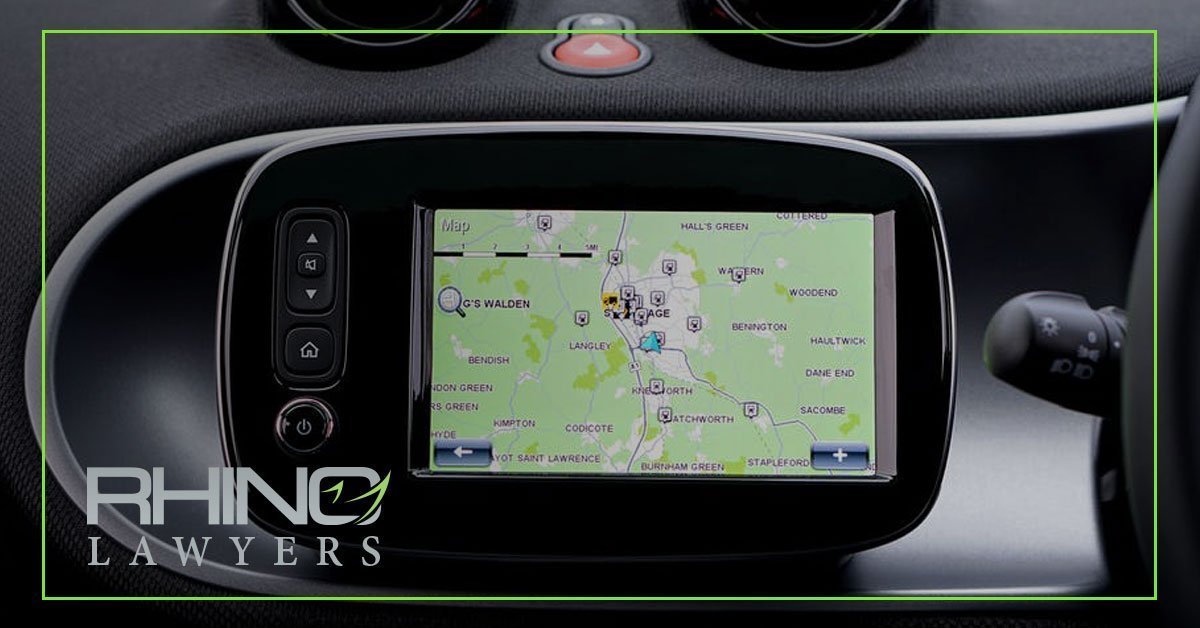
Could Data Collected From an Insurance Tracking Device Be Used to Devalue Your Claim?

If you own a car like most Americans, shopping for car insurance that provides the best coverage at an affordable rate can be challenging. Many insurance companies offer a discount for using an insurance tracking device. As the consumer, this seems like a win because if you don’t have any accidents, you’re saving money.
Yet, insurance tracking devices can be used against you when it matters. After all, these devices collect information about your driving habits. If you happen to be in an accident, they can use this data when determining your claim amount.
Understanding how an insurance tracking device can affect you is critical. Here is what you need to know about an insurance tracking device.
How Does an Insurance Tracking Device Work?
When you select to participate in insurance tracking, the company will track your driving in two ways. The first way is with a telematics device that plugs into your car to collect data. The second way is with an app used on your mobile device.
Data That Is Being Collected With an Insurance Tracking Device
While each company will have its own rules around what information is being tracked, they will analyze several driving habits. Insurance tracking devices collect information about your speed, acceleration, and braking, for starters.
If you are driving fast in areas of low speed, this data could be used against you. If you frequently stop or hard break, this can negatively impact you if you have a claim.
Another data the insurance tracking device collects is how often you drive. Mileage is a crucial measurement of how often you are at risk of an accident. The more miles you drive, the more chances you could be in an accident. Additional data collected through an insurance tracking device are sharp turns, phone usage, and the time of day you drive.
For example, if you drive between 12 am-5 am, insurance companies may view that as a high risk for an auto accident. During those hours, more people tend to drink and drive low visibility, and there is more chance for drivers being tired during these hours.
How Are Insurance Companies Using Data from the Insurance Tracking Device?
Insurance companies are using data from an insurance tracking device in many ways. They can use this data to determine your rates.
For instance, say you are paying one rate for a 6-month insurance term and decide to use the tracking device. Your rates could increase based on your driving habits on your new term.
Insurance companies may also use your driving data and share that information with affiliate marketers. Since these devices need your location-enabled, it is a possibility that you are sharing your data with a third party.
Insurance companies have used data from tracking devices for accidents and claims. Insurers can learn more about the time of an accident and use the device to determine what happened. As a driver, you should understand the raw data from the insurance tracking device, which can have a negative impact on you.
How Insurance Tracking Programs Affect a Car Accident Claim
When you sign up for an insurance tracking device program, you are granting your insurance company permission to use any data collected to resolve a claim. It is essential to be aware of this as the data gathered can devalue or even deny your claim.
One of the main ways insurance companies retain their profits is to minimize their claims. If you are involved in an auto accident and file a claim against a driver that hit you, the insurance company will gather any evidence. Since there aren’t clear regulations on who can access your driving data, an opposing insurance company can gain access to this data.
The opposing insurance company could use this data to say you were accelerating too quickly or using your phone during the accident if that insurance company can show that you had any fault in the accident that could reduce your claim amount.
You want to consider the risk of using an insurance tracking device because it can provide skewed data. The only information it is collecting is about you and your car. It doesn’t consider other drivers, pedestrians, or any other external factor that could affect your driving habits.
For example, if you were trying to avoid an accident and slammed on brakes, the insurance tracking device wouldn’t recognize that you were a defensive driver. The raw data they collect would only show aggressive braking.
How Can a Personal Injury Lawyer Help?
Insurance companies use the data collected from insurance tracking and a specified formula to determine your settlement amount after a car accident.
Yet, this data and formula do not calculate the long-term impact of a car accident on you.
A personal injury lawyer can help because they know a fair settlement amount based on medical expenses, lost wages, mental trauma, and more. That’s why it is always a good idea to contact a lawyer for advice about insurance tracking device usage and how it can affect your claim.
Legal Advice You Can Trust
If you have used an insurance tracking device and have been in an accident, your next steps will make all the difference. Your insurance company can devalue or deny your claim based on data collected by the tracking device.
By contacting our skilled attorneys, we can listen and understand how to build the best case to maximize your compensation for your losses. Contact us today so we can get started working for you.
CONTACT A TAMPA AUTO ACCIDENT ATTORNEY
In short, after a car accident, you may not know your rights. Above all, don’t struggle through the process alone. Actually, our personal injury team is here to help you with any legal needs you might have regarding your accident.
Lastly, let RHINO Lawyers answer your questions and review the facts of your case with a Free Consultation. So, get started by completing the “Free Instant Case Evaluation” or by calling us any time, day or night, at 844.RHINO.77.
Read More
How Insurers Mislead Crash Victims About Hiring an Attorney

In 2019, there were 4.5 million car crash injuries that required medical attention. For each personal injury after a car crash, there were medical bills and treatments.
Who pays for those expenses? Of course, it’s the reason you have car insurance and the reason you hope the person who hit you also has car insurance.
It’s likely that every time a car crash injury occurs, there’s an insurance company that will need to pay out. Here’s the dirty little secret, insurance companies like you to think they are there to protect your interests, but in reality, they don’t like to pay money out in claims.
Often, in fact, they’ll work hard to avoid having to pay or work to pay the bare minimum to you. So, if you want advice about car crash injuries, it’s smart to get a lawyer.
Read on to learn how insurers mislead car crash victims and why you need to consult a personal injury lawyer to handle your case.
Thinking of Going It Alone? Why You Need to Get an Attorney
For many victims of car accidents and resulting injuries, they assume the insurance company will automatically do right by them. In fact, many victims may start out trying to deal with their insurance company on their own.
This is what the insurance company hopes you’ll do. Then they can make you a settlement offer quickly and hope you’ll accept it.
While you might be facing medical bills and be anxious to get funds from insurance, you might not fully know all of your expenses right away. Most people, who are not lawyers, don’t fully realize all the things that can be a part of an accident claim.
This is what the insurance company is banking on. They can get you to agree to their first early and low offer.
The opposite is also possible without the help of an attorney. If you have multiple insurance companies involved in your claim, nobody wants to pay. Or they expect the other insurance company to pay. Meanwhile, you need to wait while the sides tussle it out.
Be Prepared to Handle the Insurance Company
After an injury accident, the last thing you need is to deal with a difficult insurance company or one that’s not straightforward.
So, you need to have your guard up for the potentially misleading statements. Let’s take a look at some things an insurance company might say to you to get you to avoid hiring an attorney.
The Lawyer Will Take A Big Chunk of Your Settlement
First, any honest attorney will tell you if they think you’d be better off without an attorney.
The insurance company knows they will get away with offering you less if you don’t have an attorney. On the flip side, an experienced personal injury lawyer will know all the things that should be a part of your claim. This might include things like compensation for missed work or money for your pain and suffering.
Will you need to pay an attorney? Yes, but you’ll be paying for their experience. Which, in the long run, will get you a larger settlement.
The Insurance Company Will Look Out for Your Best Interest
If you hear an insurance adjuster say this to you, it should alarm you. Remember, who the insurance adjuster works for, the insurance company.
It’s their job to look out for the insurance company, hoping to pay out as little as possible, not you. When the insurance company employs them, they can’t be looking out for your best interest.
Your Claim Value Is the Same With or Without an Attorney
Here’s the problem with that statement, you don’t know what you claim is really worth. The insurance adjuster and the personal injury lawyer can figure out what it’s worth because they have experience.
If the insurance adjuster tells you your claim is worth a certain amount, you are taking a leap of faith that they are including all they should in the claim.
The truth is that an experienced attorney will know all the things that should be included in your claim and hold the insurance accountable for including those in your claim. Some of those things include:
- Pain and suffering
- Cost of future medical care
- Punitive damages
They can include things like lost wages for caregivers and make sure you have all the rehabilitative care you might need too.
The Claims Process Will Slow Down With an Attorney
While your attorney will want to gather evidence and consider all the facts and that takes time, the truth is that often an attorney can speed up the process, especially if the insurance company is giving the brush off.
The attorney can put together a concrete settlement package with a timeline attached to it. This means the insurance has to respond and keep things moving along.
The Insurance Company Will Need an Attorney If You Hire One
Don’t let the threat of them hiring an attorney dissuade you from protecting yourself. First, your attorney is likely going to negotiate with the adjuster.
If the case goes to trial, the insurance company will bring in its attorney. Be assured, they already have an attorney at their disposal if the case proceeds, don’t let this empty threat throw you off.
Accept This Offer or We’ll Withdraw All Offers
The insurance company is obligated to pay its claims and do so in good faith. They can’t refuse to pay a claim if you’re insured. This is often an empty threat to get you to accept an early offer.
Hire a Personal Injury Attorney to Protect Your Interests
Personal injury cases from an auto accident can get complicated quickly when there are multiple insurance companies involved.
The average person doesn’t have the knowledge to understand all that can be included in a claim. They also don’t have the necessary experience to negotiate the best possible settlement.
Because this is what a personal injury attorney does all the time, they won’t be intimidated or fooled by the insurance company’s tactics.
Avoid Insurance Company Trickery After Car Crash Injuries
Car crash injuries are awful and can really throw your whole life into a tailspin. You deserve the right compensation for your accident claim.
Have you been in an accident with injuries? We can help you handle the insurance company and get you the settlement you deserve. Contact us today for a free case review and we’ll get started working on your behalf.
CONTACT A TAMPA AUTO ACCIDENT ATTORNEY
In short, after a car accident, you may not know your rights. Above all, don’t struggle through the process alone. Actually, our personal injury team is here to help you with any legal needs you might have regarding your accident.
Lastly, let RHINO Lawyers answer your questions and review the facts of your case with a Free Consultation. So, get started by completing the “Free Instant Case Evaluation” or by calling us any time, day or night, at 844.RHINO.77.
Read More
Willful Car Collisions in Hillsborough County
An average of 254 hit-and-run fatalities happens each year in Florida, with that number only continuing to rise. Most people can’t imagine hitting another person or car with their vehicle and then fleeing the scene. Unfortunately, it happens more than you think. Protecting yourself from willful car collisions is important when you’re driving on the road. You need to think about so many things when you’re operating a car. Unfortunately, you have to worry about the other people on the road as well.
This guide will go over ways to prevent being in a car accident, especially if a negligent driver caused it. Be proactive and find ways to protect yourself and your car when you encounter negligent drivers.
Don’t Get Confrontational
If you were in a car accident and didn’t cause it, your first instinct might be to get out of your vehicle and confront the other party. In many situations, that’s not the greatest idea. The negligent driver might be under the influence, resulting in them being dangerous or aggressive.
If you can see that the other driver is behaving erratically, it’s best not to make eye contact with them or confront them. If they approach your car, stay inside and keep the doors locked. Notify the police immediately.
Watch Out for Distracted Drivers
It seems that more and more distractions get added to vehicles every year. From in-car WiFi to smart systems, plenty of things are going on inside a car to capture someone’s attention.
To protect yourself from distracted drivers, you first need to notice them. Seeing a phone in their hand or another type of distraction in their vehicle is a sure sign they’re not paying full attention to the road. You’ll notice that they’re distracted most of the time based on how the car is moving.
Look out for drivers who are:
- Erratically or needlessly changing their speed
- Going much slower or faster than the speed limit
- Unpredictably weaving throughout traffic
- Stopping longer than necessary at a stop sign or traffic light
- Not staying in their lane
The driver could be under the influence or fatigued, but they could also be distracted. If you start to notice a distracted driver, there are a few things you should do. They are:
- Keep your car as far away from them as you can
- Assume that they’re unaware of everything around them
- Try to get past them, or slow down so they can get ahead
Your goal should be to keep you and your vehicle as far away from the distracted driver as you can. You want to minimize how much risk you’re exposed to.
Be Wary of Tailgaters
We’ve all had cars that follow us so closely that we can’t see their headlights in our rearview mirror. There are a variety of reasons a person will tailgate you. They’re not necessarily important when thinking about how to protect yourself.
While you can’t control the other driver, you can reduce how much of a threat they pose to you. No matter how tempting, don’t slam on your brakes. That’s a dangerous tactic for every vehicle involved.
Take a deep breath and stay focused on driving. Check your speed to ensure you’re not driving considerably slower than the speed limit. Give them room to pass you, if needed.
If you can, pull over to the side of the road. Sometimes there’s no way to win with a tailgater. Getting out of their way is essential to protecting yourself and your car.
Watch Out for Inebriated Drivers
Drunk driving is incredibly dangerous. In addition to carrying with it all the risks that reckless drivers have, you also have to deal with a driver whose judgment is impaired. Drunk drivers show the same signs as distracted drivers.
You should respond to a drunk driver the same way as you would a distracted one. Create as much distance as you can between your vehicle and theirs.
Don’t try to stop them or get their attention by yelling or honking. Doing so will increase the likelihood of an accident occurring. Police officers and emergency service workers are trained to deal with drunk drivers.
If you can, make note of the car’s license plate, make, color, and model. Pull over and contact emergency services to report the drunk driver. Tell the dispatcher the following items:
- You want to report a drunk driver
- Describe the car
- Give the nearest cross-streets
- Describe the driver’s behavior
Once you’ve made the call, you’ve done everything you needed to. You’ve reported the driver to the proper authorities. You’ve also removed yourself out of harm’s way.
Don’t Lend Negligent Drivers Your Car
Prevention is also another way to protect yourself and others from willful car collisions. If you know someone is a reckless driver, or that they’re under the influence, don’t let them get behind the wheel. Lending someone your car puts yourself and your property at risk.
Have Car Insurance
Auto accidents do happen even if you do your best to avoid negligence on the road. Having car insurance is essential to protecting yourself financially. Your insurance company will cover medical costs, car repairs, and other items if you’re in a car accident.
Additionally, you should also have health insurance. While car insurance does cover some medical costs, health insurance will provide you with added benefits. While you can’t always avoid reckless drivers, you can protect yourself as much as possible.
NEED Help With Willful Car Collisions
Being mindful of the other drivers on the road is essential to avoiding willful car collisions. Unfortunately, car collisions do happen. It’s vital to have an experienced auto accident attorney on your side.
Contact us today for a complimentary consultation.
CONTACT A TAMPA AUTO ACCIDENT ATTORNEY
In short, after a car accident, you may not know your rights. Above all, don’t struggle through the process alone. Actually, our personal injury team is here to help you with any legal needs you might have regarding your accident.
Lastly, let RHINO Lawyers answer your questions and review the facts of your case with a Free Consultation. So, get started by completing the “Free Instant Case Evaluation” or by calling us any time, day or night, at 844.RHINO.77.
Read More
What Happens When a Driver Accepts a Plea Deal for a DUI?
One of the worst things you might think of happening to you is getting a DUI.
Florida has plenty of people that pay the price for this, with over 32,000 people in the state getting arrested for DUI charges last year.
When you think of a DUI, you may think of automatically losing your license or even going to jail.
But, what if there was a way out of that? What if there was a way for you to have lighter charges against you than you might have expected?
A plea deal would be the best way for you to be able to take that option. This is what you need to know if you want to accept a plea deal.
Reducing Charges
In a plea deal, one of the key pieces of the negotiation between the prosecutor and the defendant’s lawyer is the reduction of charges. For a DUI, that can potentially mean avoiding jail time, reducing fines, and reducing the time of your license suspension.
When you accept a plea deal, one thing that might happen is that the penalties for your charges get reduced. An example would be that in Florida, you can be fined up to $1,000 for your first DUI.
Your DUI attorney may get a plea deal for you that reduces that fine to the state minimum of $500.
If you are lucky, other plea deals can allow you to have the DUI charge dropped entirely. One example could be that if there is not sufficient evidence to prove that you had a DUI. Such as a breathalyzer test. Then they may negotiate for you to accept a lesser charge that was piled on such as unsafe driving.
These can be minor changes that end up on your record. But allow you to avoid a bigger criminal offense and more severe penalties from something like a DUI.
Number of Offenses
The number of offenses you have in the past will be a big factor in how much leniency you get with a plea deal. For example, it is highly unlikely that you will go to jail for your first offense for a DUI. You would most likely have more room to negotiate a plea deal in that situation.
Whereas if you are on your fourth offense, there are going to be higher minimum penalties for a DUI. Plus, the judge and prosecutor are going to be tougher on you. Because you keep coming back into their courtroom for the same charge.
Another example of this is the license suspension length. For a first offense, you may be able to get your months of suspension down to the minimum. But, on your fourth offense, it jumps up to a permanent license suspension with you not being eligible for hardship reinstatement for five years.
So, do not expect to get as easy of a plea deal if you have more priors. The stronger the evidence and the case are for the prosecutor, the less negotiation room you have for your case.
Judge Can Reject It
When it comes to plea deals, they are generally made between a DUI lawyer and a prosecutor. What that means is even if an agreement is made between those two people, a judge has to sign off on it.
If the judge does not like what they are seeing on paper or feels that your punishment is too lenient. Then they have the power to reject the plea deal. They must declare this before you enter your plea. But nevertheless, that type of decision could impact whether you would want to plea guilty.
Say you get your fourth DUI and there is a negotiation going on between an attorney and the prosecutor over how much jail time you will serve. Those two may agree to give you 90 days in jail, which is just 60 days over the minimum amount required.
However, the maximum amount that you can give in this situation is five years, so a judge in this situation may feel like you are getting off easy by only having to serve 90 days. In that situation, they would reject your plea deal and demand that there be a longer jail sentence on your plea.
Avoiding Trial
One of the best reasons to take a plea deal is to avoid trial. For a DUI, you would have to be strongly confident that you are completely innocent of the charges that are against you.
Not going to trial allows you to avoid the possibility of facing even more severe penalties. And more severe charges on your record. On top of that, it can also save you a lot of money in attorney fees.
If you were to go to trial, you would have to pay your attorney more money for more hours of their time in a courtroom defending you. This is not always necessary. So in the case of a DUI, the majority of the time it is beneficial for you to take the deal to avoid this financial burden.
Hire a Lawyer to Get a Plea Deal
The best thing to have in your back pocket to get a plea deal is an experienced lawyer with DUI cases. Our representation can not only save you time but potentially save you money. As well as, your privilege to drive, and even your freedom.
Are you a loved one looking for representation to try to get a deal for your DUI charge? Contact us today to learn more about what steps to take.
CONTACT TAMPA TRAFFIC TICKET ATTORNEY
RHINO Lawyers can help and guide you through a system molded by law enforcement, judges, and lawyers for decades. Having won cases for our clients in similar circumstances, our criminal defense team knows what it takes to fight on your behalf.
Let RHINO Lawyers answer your questions and review the facts of your case with a Free Consultation. So, get started by completing the “Free Instant Case Evaluation” or by calling us any time, day or night, at (844) RHINO-77.
Read More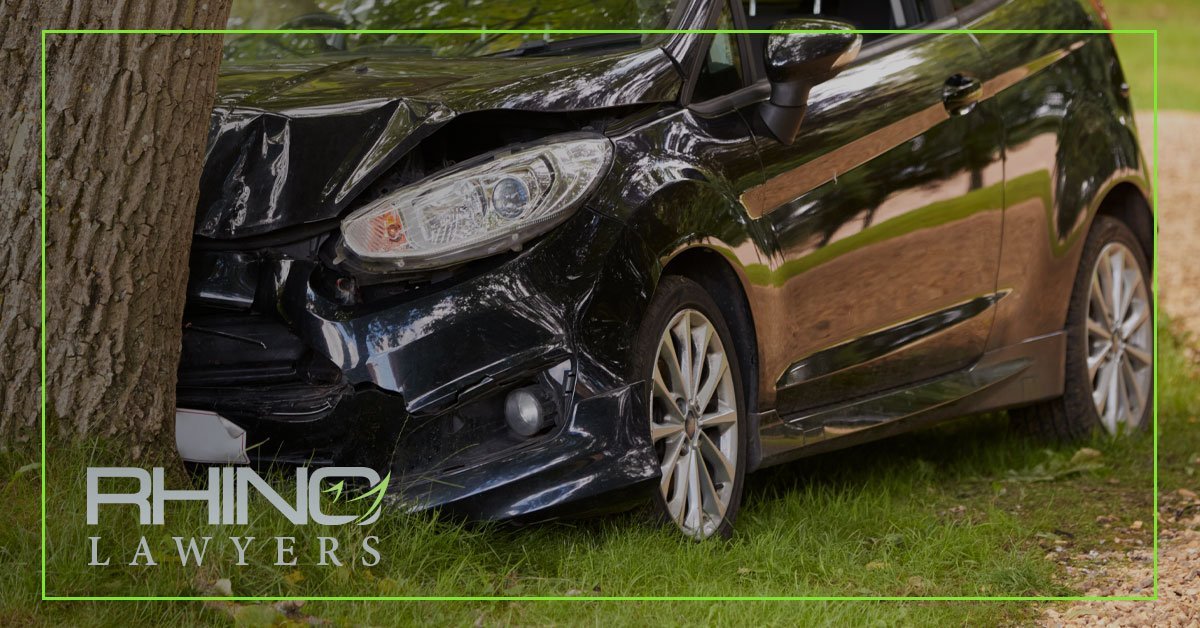
Can I File a Claim for Compensation for a Single-Vehicle Crash?

The single-vehicle crash accounts for many of the 341,000-plus auto accidents that the state of Florida experiences each year. These accidents are often non-fatal, but they can result in serious injuries.
You might think the motorist is automatically at-fault in all such cases and ineligible for compensation. If so, you’d be wrong. You can receive compensation for a single-vehicle crash, but there are some parameters that must first be established.
Cause Must Be Established
The first step to getting compensation for a single-vehicle auto accident is to establish the cause. This is vital if the accident was unavoidable and caused through no fault of your own. Below, we’ll examine three scenarios where this might occur.
Pedestrian Versus Vehicle
Laws tend to favor pedestrians when it comes to pedestrian-versus-vehicle accidents, as Florida is the most dangerous state in the US for pedestrians. That said, it’s not automatically the motorist’s fault when such an accident occurs. As you’ll learn later in this article, there are circumstances where the fault is not your own.
Vehicle Versus Property
Striking property with a vehicle is another case that brings with it a higher burden-of-proof on the motorist. Property isn’t going anywhere. It’s static and, thus, avoidable if you are paying attention to traffic laws. However, there are some scenarios where that may not be the case.
Rollover Accident
A rollover accident is another frequent cause of a car accident. These generally occur when one is traveling at a higher rate of speed, but again, there are contributing factors in which the motorist may not be at fault. In these cases, they are eligible for compensation.
Contributing Factors Must Be Established
Receiving compensation for a single-vehicle crash is as much about the contributing factors as it is the cause itself. Contributing factors are where you can argue your case and establish the accident as being the fault of a second party. Here are the most common contributing factors that will work in your favor.
Poor Infrastructure
Infrastructure issues can establish the fault of the accident on another party. For example, conditions on a property that violate code and instigate an accident can become the responsibility of the property owner instead of the motorist.
When speaking to your attorney, make sure you tell them about any circumstances that impaired visibility and made it difficult to proceed. Also, take pictures as soon as you can so you can capture the conditions of the infrastructure at the time of the accident.
Unaddressed Vehicle Hazards
Another case for car accident compensation in a single-vehicle accident can be made when there are defects with the automobile you were driving at the time. Particularly, undisclosed defects or malfunctions that have yet to be recalled and reported.
When this occurs, you would have a strong case against the auto manufacturer and, potentially, the individual or dealership from which you purchased. That’s provided the seller knew about the issues and did not disclose them.
Roadway Objects
Another contributing factor that can turn these cases in your favor is the presence of roadway objects. For example, let’s say that a logistics company is transporting a load that is not properly secured. If an object comes loose from the load and results in you plowing into a barrier or experiencing a rollover, then you would be eligible for auto accident compensation.
Improper Crossing
It’s also possible that a pedestrian could be considered at-fault in a single-vehicle accident. For starters, there is the question of whether they were using established crosswalks when attempting to pass in front of you.
You still have an obligation to avoid the pedestrian as a motorist. But if the pedestrian lunges out in front of your car and you were not exceeding the speed limit or violating any other rules of the road at the time, then you could be entitled to compensation.
Now that we’ve examined the pro-motorist situational aspects of a single-vehicle accident, it’s time to take action. Here are the steps you should take in the immediate aftermath of the accident.
1. Do Not Admit Fault
The immediate aftermath of an accident, one vehicle or otherwise, can be a disorienting time. That’s particularly true if you’ve experienced an injury of some kind.
Never admit fault in the aftermath of a single-vehicle accident. Police might seize on this because it can make the reporting easier, but you owe it to your case to work back through your memories of the accident. Admitting fault puts you behind the 8-ball.
2. Obtain Police Report
The police report will have a specific rundown of the events, including any parties and properties involved. It also will have a record of any citations issued.
The issuance of a citation does not necessarily mean you are at fault. You can still fight the terms of the citation in court. A win there can influence the case in your favor and make you eligible for some type of compensation from whoever was responsible for the major contributing factor(s) of the accident.
3. Address Any Issues
Single-vehicle accidents are only going to be successful in your favor if you address the issues that are potentially holding back your case. That means challenging citations, collecting photographs of the contributing factors, and speaking to an attorney about any further research that your case will need.
4. File Your Claim
That brings us to the claim itself. Go ahead and file, but think about obtaining an attorney immediately as well. It’s always possible that an insurance adjuster will try taking the easy way out by going no-fault or taking the word of a faulty police report.
Attorneys experienced in fighting one-vehicle accident determinations will be able to help you steer through this situation. They can push back and get their clients the kind of representation they deserve.
A Single-Vehicle Crash Can Be Compensated
If a single-vehicle crash occurs, don’t make the mistake of thinking that you have to simply accept what the insurance company is willing to give you. Instead, seek out someone who has your interests at heart and is good at pushing back against the common traps that these types of accidents can experience.
In Tampa and the surrounding area, those attorneys are RHINO Lawyers. Contact us today to see what quality representation looks like.
CONTACT A TAMPA AUTO ACCIDENT ATTORNEY
In short, after a car accident, you may not know your rights. Above all, don’t struggle through the process alone. Actually, our personal injury team is here to help you with any legal needs you might have regarding your accident.
Lastly, let RHINO Lawyers answer your questions and review the facts of your case with a Free Consultation. So, get started by completing the “Free Instant Case Evaluation” or by calling us any time, day or night, at 844.RHINO.77.
Read More