
What to do if You are a Victim of a Staged Auto Accident

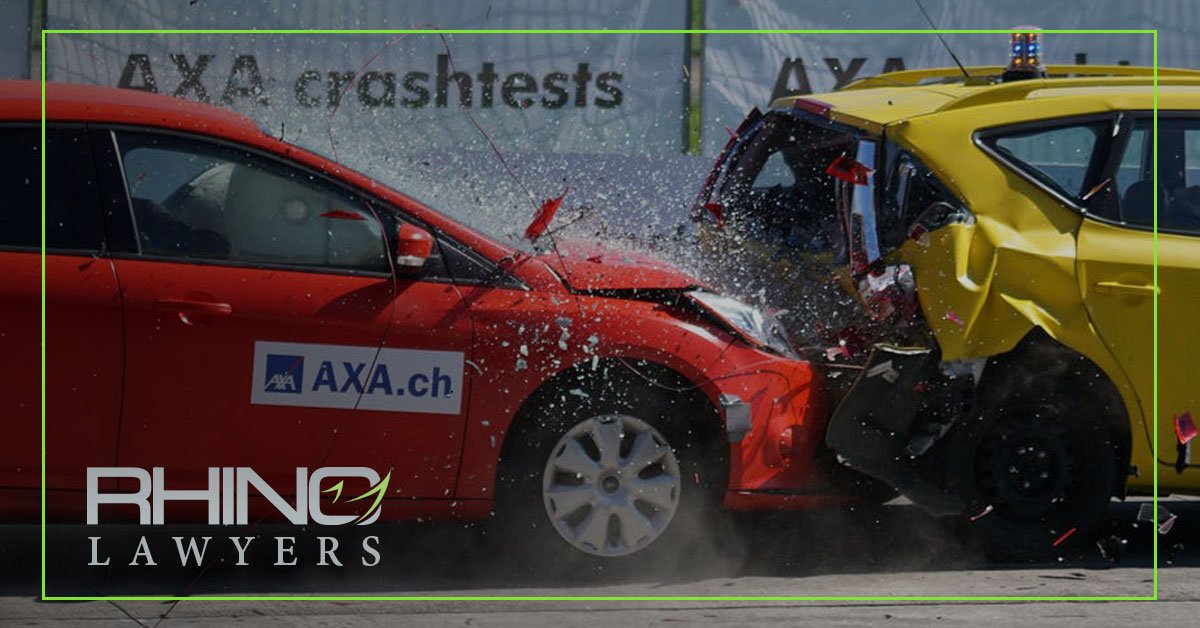
What is a staged auto accident? This is when a driver purposely causes an auto accident so that they can make a fraudulent insurance claim. If you are the victim of a staged car accident, it may cause your insurance premiums to jump.
This is why it is important to take the right steps after car accident fraud. Do you want to learn more about the steps you should take if you believe you’re the victim of a fraudulent accident?
Keep reading this guide for everything you should do in this situation.
Understand the Types of Staged Accidents
One of the first things you need to do if you believe you were the victim of a staged car accident is to understand the types of staged car accidents. This way, it will be easier to identify what happened in your situation and will make it easier to know what steps to take.
First, there is a swoop and squat staged accident. This is when the driver in front of you is cut off and you rear-end them.
Next, there is something called a drive down. This happens when a driver waves you to merge into their lane and then hits you. Often, they will claim that they never waved you into their lane and that it was your fault.
Another common type of staged accident is a sideswipe. If you drift over slightly in your lane, the driver next to you will intentionally sideswipe you and claim that you drifted into their lane.
The last common type of staged accident is the t-bone. A driver will broadside your car and then claims that you ran a light or a stop sign and hit them.
Insist That the Police Come to the Scene
One of the first steps you need to take if you think that you’re the victim of a staged accident is to insist that the police come to the scene.
Often, these stagers will protest this and will claim that you can settle it between yourselves. However, they will try to convince you that the accident was your fault.
Instead, you need to call the police to the scene. When you call 911, make sure you tell them that you believe that it was a staged accident. This way, the police officers can look for helpful evidence.
Next, you also need to get a copy of the onsite incident report as well as the full police report.
Write Down Important Information
Next, it is vital that you write down as much information as you can about the accident, how it happened, and more.
First, you should write down the information about the other car. This includes their license plate number, how many passengers were in the car, and more.
You also need to gather their contact information, their driver’s license numbers, and more.
You may also want to write down how the other people involved in the accident behave while they wait for the police. Often, they will seem fine until the police come to the scene.
Then they will act injured when the police arrive to make their personal injury claim seem accurate.
Get Contact Information From Witnesses
When you are meeting with the police, you can also ask for contact information from the witnesses of your car accident. You can give this information to the department that is investigating the fraud.
Witnesses may be able to prove that the accident was staged and can provide other helpful insights into what happened.
Document Damage to Both Cars
The most important thing you can do if you believe you were involved in a staged car accident is document the damage to both cars. Make sure you write notes and take photos of both cars, even if it doesn’t seem like there is much damage.
This is because many stagers will file an insurance claim for much more money than the damage was worth.
Having photos of both cars will prove that there was not much damage to either of your cars.
Notify Your Insurance Company
After you gather any important information after your accident, you need to notify your insurance company of the accident. This way, you can get your claim filed as quickly as possible.
You also need to notify your insurance agent that you believe that you were the victim of a staged accident. Most insurance companies have a team that deals with auto accident fraud and can investigate the incident for you.
Hire a Car Accident Attorney
Finally, it is important that you hire a car accident attorney if you believe you were in a staged accident. They are experienced in these types of cases and can help prove your innocence in this case.
A car accident attorney will also help you receive compensation for your injuries or damages to your vehicle.
By having a legal professional on your team, you can feel confident that you will not be taken advantage of.
Are You the Victim of a Staged Auto Accident? We Can Help!
Insurance fraud is something that needs to be taken seriously. If you were the victim of staged auto accidents, it can cost you a lot of money and may even increase your insurance premiums.
By following each of these tips, you won’t be at fault after a staged auto accident.
Are you looking for a car accident attorney to help you through this process? RHINO Lawyers can help! Contact our team today to learn about our services and to get a free case analysis from our auto accident team.
CONTACT A TAMPA AUTO ACCIDENT ATTORNEY
In short, after a car accident, you may not know your rights. Above all, don’t struggle through the process alone. Actually, our personal injury team is here to help you with any legal needs you might have regarding your accident.
Lastly, let RHINO Lawyers answer your questions and review the facts of your case with a Free Consultation. So, get started by completing the “Free Instant Case Evaluation” or by calling us any time, day or night, at 844.RHINO.77.
Read More
Symptoms To Watch Out for After an Auto Accident

In the United States, 4.4 million people are injured enough to require medical attention after a road crash. While some of these injuries may not seem serious, they may lead to worse complications or even death if they go untreated. By understanding what types of symptoms might indicate an injury after an auto accident, you can get the medical attention that you need.
Do you want to learn more about car accident injuries? Keep reading this article for the top symptoms of auto accident injuries to look out for after an accident.
Headaches
One of the most common symptoms that people experience after a car accident is headaches. You might experience a headache right after a car accident but headaches can also appear days after your auto accident.
Often, headaches are caused by whiplash, the tension in your neck or shoulders, and even due to anxiety or PTSD after your accident.
While headaches are typically a minor injury, they may be due to a more serious underlying issue. If your headaches last longer than normal or are worse than normal, you should visit your doctor to rule out any other causes.
Back or Neck Pain
Another common injury after an auto accident is neck or back pain. Most often, this pain is caused by stress and muscle tension after your accident. If this is the case, you can improve your pain by getting a massage or even by stretching.
However, other causes of back and neck pain include damage to your nerves or tissue, injuries to your muscles, and more.
Bruising
Next, it is common to experience bruising after being in a car accident This is because the force of the accident can damage the capillaries beneath your skin, which causes bruising and discoloration.
Often, bruises will get worse over the course of a few days after your accident and will heal on their own.
However, some car accidents can cause damage to your internal organs. If your bruising doesn’t improve after a few days, it can be a sign of something worse.
Abdominal Pain and Nausea
Something else that can be a sign of damage to your internal organs after a car accident is abdominal pain and nausea. When you wear a seatbelt during a car accident, it pulls tight across your body to protect you.
While seatbelts are effective forms of protection, they can also cause bruising and internal damage to your body. If you are experiencing serious abdominal pain or nausea, it can be a sign of internal bleeding or another serious issue.
Swelling and Stiffness
Something else that commonly occurs after a trauma, like a car accident, is swelling of your body. This can happen if you have damage to your muscles or tissue, whiplash and other sprains, and more.
Often, this swelling is accompanied by stiffness and difficulty moving. If you have minor swelling, you can improve this by icing the affected area. If it doesn’t heal on its own, you may need medical attention to improve your movement.
Swelling and stiffness also may not set in until a few hours or days after your injuries. Often, the swelling will get worse as your injuries are healing. If your swelling gets worse, you should also rest and elevate the injured area or wrap it to keep it immobilized.
Trouble Concentrating
Another serious symptom that often occurs after a car accident is trouble concentrating or problems with your memory. This most often occurs after a car accident where you hit your head or if you were in shock.
Even stress can make it difficult to concentrate and remember things. While it may not seem like a serious issue, difficulty concentrating may be an early sign of a brain trauma that needs to be addressed by a medical professional.
If your trouble concentrating stems from the stress of your accident, you may also need help from a mental health professional to resolve the issue. If you are experiencing memory loss or difficulty concentrating, this can also be due to a concussion. These are common injuries in a car accident and may require medical attention.
Dizziness and Blurry Vision
After a car accident, many people experience dizziness and changes to their vision. These can cause issues for weeks after your accident. Most often, these symptoms stem from concussions, post-traumatic stress, whiplash, and more.
If you have double vision or blurred vision after your car accident, these may resolve themselves. However, if it lasts more than a few hours or days, you may need to get treatment and testing to determine the cause of your vision changes.
Tingling Sensation
Finally, one of the auto accident symptoms includes a tingling sensation. If you were in a serious accident, this may be due to damage to your nerves or tissues in your back, neck, and shoulders.
This is also often accompanied by pain in the areas that have a tingling sensation.
Need Help After an Auto Accident? We Can Help
After an auto accident, it is important that you keep an eye out for these car accident symptoms to make sure you stay in good health. If you have been injured in an auto accident, it may be helpful to work with a lawyer.
If you are looking for a lawyer, RHINO Lawyers can help! Our attorneys can help you increase your settlement, reduce your medicals, and get money for your losses.
Contact us to get a free case analysis and learn how we can help you after a car accident.
CONTACT A TAMPA AUTO ACCIDENT ATTORNEY
In short, after a car accident, you may not know your rights. Above all, don’t struggle through the process alone. Actually, our personal injury team is here to help you with any legal needs you might have regarding your accident.
Lastly, let RHINO Lawyers answer your questions and review the facts of your case with a Free Consultation. So, get started by completing the “Free Instant Case Evaluation” or by calling us any time, day or night, at 844.RHINO.77.
Read More
Car Accidents: What Does It Mean to Yield the Right Of Way?
Are you looking for clarification on what may or may not have led to your car accident? Do you want to learn the rules of the road and how they applied to your injuries? If so, then you need to first understand what it means to yield the right of way.
Every car driver has heard the term “the right of way” at one point or another; but what does it mean to yield the right of way for another driver.
See below for an in-depth guide on what it means to yield the right of way and why it’s such an important rule of the road.
What Does “Yielding the Right of Way” Mean?
When most people think of deadly car crashes, they tend to think of car accidents that occur on a highway, due to the higher speeds. However, you might be surprised to find out that intersections are just as dangerous, if not more so.
In fact, statistics from the Federal Highway Administration show that more than 50 percent of all fatal and injury car crashes occur at an intersection.
With traffic coming in so many different directions, it’s important that each driver understands the rules of the road and is willing to let their fellow drivers enter the intersection before themselves.
Yielding the right of way simply means that you’re allowing another vehicle to pass the intersection before you do. If everyone on the road applies this concept, then it can help everyone avoid an accident.
Unfortunately, that isn’t always the case. Drivers fail to yield the right of way and, as a result, get involved in serious car accidents.
All it takes is two drivers to head into the intersection at the same time—from different directions—to start a fatal car crash.
If you’ve been the victim of someone else not yielding the right of way to you, then you need to hire a lawyer right away. They can help you identify the guilty party, file an auto accident lawsuit, and build evidence to support your claims.
When Should You Yield the Right of Way When Driving?
Almost every driver understands the basic concept of yielding the right of way: if someone comes to a complete stop at an intersection before you, you should allow them to enter the intersection first.
That said, there are different scenarios in which you need to yield the right of way. Let’s list a few of the major ones to ensure you don’t become the root cause of a future accident:
- Yield for any pedestrians waiting to cross the street at a crosswalk
- Let the signage lead the way; if you have a stop sign, you should yield to all incoming traffic from a lane that does not have a stop sign
- Whenever you make a left turn, be sure to yield to oncoming cars and pedestrians crossing the road you’re turning on to—don’t assume they’ll stop for you (even if you have the right of way)
- When you see a yield sign, be sure to observe for any oncoming traffic or pedestrians; you’re not required to stop at a yield sign
Why You Should Hire a Lawyer for Your Case
Many of you reading this article have sustained injuries due to someone else not yielding the right of way for you. See below for why you should hire a lawyer to represent you.
Get the Compensation You Deserve
You didn’t ask for this to happen. You were driving safely when suddenly, someone violated the rules of the road and caused a car accident.
So, you shouldn’t have to sacrifice your own financial well-being for an accident that you didn’t cause. If someone else is at fault, then their insurance company is liable for all of your lost income and costs.
When you hire a lawyer, they can help you pursue the compensation you’re entitled to. They’ll help you calculate things like medical bills, lost wages, and long-term costs to figure out the exact compensation you should hold out for in a settlement.
Peace of Mind
This is a stressful time. You’re trying to recover from serious injuries, make sure that your finances aren’t sabotaged, and try to settle with an insurance company. It’s too much.
When you hire a car accident attorney, you’ll find yourself much more at peace with the entire process. They’ll give you instructions to follow and take over as the primary representative for your case.
A lawyer will allow you to focus on your recovery while they work on building evidence and waiting it out for the right level of compensation. They can even direct you to a pre-settlement funding provider to pay for those costly medical bills in the short term.
They’ll Take Over Communications
If you’ve ever talked with an insurance company before, then you know how frustrating it can be. Just imagine trying to get them to hand over money. They’ll do anything they can to avoid that.
That’s why hiring an attorney is so crucial for your case. They will take over all communications with the insurance company so that you can focus on getting things back to normal.
Better yet, they’ll only update you on significant occurrences; that way, you aren’t tied up in the back and forth of a typical settlement.
Hire a Trusted Attorney for Your Case Today
Now that you have a firm understanding of what it means to yield the right of way, be sure to use this information to your advantage.
Take the time to read this article for more information on what to do after a fatal auto accident if you or someone you know has been involved in one recently. To get started, please reach out to us at 844.RHINO.77.
CONTACT A TAMPA AUTO ACCIDENT ATTORNEY
In short, after a car accident, you may not know your rights. Above all, don’t struggle through the process alone. Actually, our personal injury team is here to help you with any legal needs you might have regarding your accident.
Lastly, let RHINO Lawyers answer your questions and review the facts of your case with a Free Consultation. So, get started by completing the “Free Instant Case Evaluation” or by calling us any time, day or night, at 844.RHINO.77.
Read More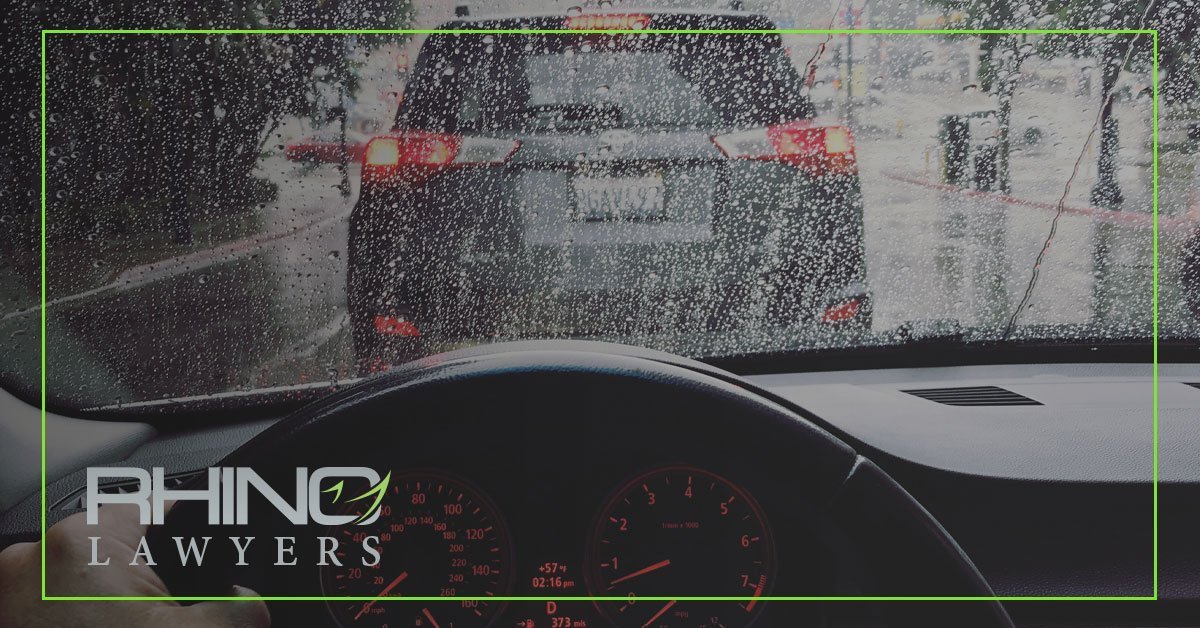
7 Tips to Avoid a Car Accident When It’s Raining

Getting behind the wheel when it’s raining can be overwhelming for many drivers. The ability to drive safely when it’s raining is underrated and can be vital to saving your life. As well as, avoiding a car accident when it’s raining.
Driving in the rain increases the chances of car accidents claiming about 3,400 people and injuring 357,300 others yearly within the US. The problem with wet roads is that they’re slippery, and rain decreases visibility which can have catastrophic consequences.
You’ll therefore need to be careful to wade the situation and reach your destination safely.
One of the main ways for accident prevention is to postpone your trip. If possible, wait out for a few hours to avoid putting yourself in danger.
However, not every situation is delayable. If you must go, you’ll need to be prepared to face the conditions out there.
If the worst happens, and you get involved in an accident, you’ll need to hire a lawyer. A reputable car accident attorney will be best for you whether you’re injured in an auto accident or facing criminal charges.
Read on to learn the seven tips to avoid a car accident when it’s raining.
1. Ensure Ventilation And Wipers Are On
As a driver, you understand the necessity of having wipers on when it’s raining. It would be best if you also didn’t forget to ensure your car remains ventilated.
Your wipers are critical in the rain by clearing out water from your windshield. Having them on at an appropriate speed depending on the rains will ensure your visibility is retained.
Aside from the windshield, ventilation is necessary when driving in the rain. During such periods, humidity builds up on the inside, causing car windows to become foggy.
Unfortunately, visibility is a significant problem caused as a result, and you’ll need ventilation to combat that. By reducing the fog on windows, you’re offered access to visibility on the road and even for blind spots.
Ensure you pull over and wait out if you experience zero visibility.
2. Focus On The Road
Do you get quickly distracted while driving? Being alert is a necessity anytime you’re behind the wheel. Focus on the road is an extra precaution when driving in the rain and can assist you in avoiding accidents.
Distractions of all sorts, including your cell phone or even staring at sites, can end fatally for you. You wouldn’t want that, right? Be extra attentive on the road; check for road signs and stick to your specific lane.
It’s also imperative to look out for water puddles and avoid driving through them. Most of the standing water accumulates in potholes and, if hit wrongly, can cause the car to swerve. Avoid splashing water as well since it’s able to cause mechanical damage to your car.
3. Maintain a Safe Distance Between The Vehicles
It would be best if you protect yourself and other road users while driving. One of the major ways you can do this is by maintaining a safe driving distance between vehicles when driving in the rain.
In bad weather, cars tend to have less traction because of hydroplaning. Your vehicle, therefore, slides uncontrollably, which, if not managed, can end up in your car crushing. Maintaining a safe distance between you and the car in front of you will ensure you have a comfortable braking room.
Besides other cars, the distance also serves to reduce the risk of hitting pedestrians or animals crossing. You’ll have more reaction time with the distance maintained to brake or avert accidents.
4. Reduce Your Speed Cautiously
Speed is the number-one killer on roads. Safety when driving in the rain is largely dependent on the speeds you maintain.
Take your foot off the gas pedal to allow your vehicle to slow down, and make sure you have control before lightly pressing back. Low speeds while driving in the rain will assist with accident prevention.
When braking, avoid a hard press. You have higher chances of your car spinning out of control with hard braking, so be careful. It would be best if your braking were gentle to allow the car to gain traction on the road surface.
5. Turn on Your Headlights
As a driver, your visibility is paramount. Consider turning on your headlights to better your visibility when driving in poor conditions, including rain.
Having headlights on is a legal requirement when driving in bad weather. It, therefore, could be used in an accident when determining fault. Ensure that your hazard lights are off to avoid confusing other motorists.
6. Turn Off the Cruise Control
Do you enjoy driving with cruise control? Turning it off when driving in the rain can help avoid a car accident.
You’ll need control of your car to react appropriately when in the face of adversity. Disengaging cruise control is a smart move while driving in the rain.
7. Ensure the Tires Condition Is Perfect
Are your car tires well-treaded? Ensuring your tire conditions are in the best state can be imperative to avoiding car accidents while driving in the rain.
Tire traction loss is common in wet weather, having drivers to experience challenges while driving. It’ll serve you best if you check your tire condition before you start driving in the rain.
Consider The Above Tips for Accident Prevention When It’s Raining
You don’t always have to be worried about the challenges of driving in the rain. It would be best if you considered the above tips for accident prevention when driving while it’s raining. In the unfortunate event that you have an accident, hire a lawyer.
Are you looking for a car accident attorney? RHINO Lawyers are your go-to option. We are here to help in your car accident lawsuit, whether you’re injured or arrested. We believe in exceptional preparation to ensure no details are missed, which is critical to problem-solving and winning your case.
Contact us today for a free case evaluation.
CONTACT A TAMPA AUTO ACCIDENT ATTORNEY
In short, after a car accident, you may not know your rights. Above all, don’t struggle through the process alone. Actually, our personal injury team is here to help you with any legal needs you might have regarding your accident.
Lastly, let RHINO Lawyers answer your questions and review the facts of your case with a Free Consultation. So, get started by completing the “Free Instant Case Evaluation” or by calling us any time, day or night, at 844.RHINO.77.
Read More
What Traffic Violations Are Considered Criminal Offenses?
Whether it’s a traffic issue or any other part of life, we all want to keep our noses clean and stay out of trouble with the law. But if you see the flash of blue lights in your rearview mirror, you might wonder if you’ve committed a criminal offense.
There is a difference between going a few miles over the speed limit and committing a serious traffic violation. We’re going to shine a light on exactly what traffic violations are actually crimes.
Read on to find out what traffic violations are actually criminal offenses.
Traffic Violations: What’s the Law?
A traffic violation is any unlawful activity that occurs while you are operating a motor vehicle. Generally, each state has its own laws for this, so there are no federal traffic crimes as such. Federal agents do not usually have the authority to issue traffic tickets but can call the police to do so.
Many states categorize traffic violations in three ways:
- civil infractions
- misdemeanors
- felonies
It’s important to note that the police will take other factors into account when classifying the offense. This includes your prior convictions and the level of damage to people or property.
Traffic Infraction
A traffic infraction can also be known as a violation or a civil infraction. Although the action is against the law, it is not a crime.
This could include:
- failing to stop at a stop sign
- failing to signal
- not wearing a seat belt
- speeding (usually 5-10mph over the limit)
- red light violations
So rest assured, if you got a couple of speeding tickets for going 5 miles over the limit, you are not a criminal. You have not committed traffic crimes. You will almost certainly however get demerit points on your license and a fine.
Traffic infractions are often broken down into two further groups – moving and nonmoving violations. Moving violations are usually the more serious as there is greater risk involved.
Criminal Traffic Offenses: Misdemeanors and Felonies
Infractions are not punishable by jail time. A traffic offense that is punishable by imprisonment is usually considered to be a criminal offense. There are two types of criminal offenses – misdemeanor and felony.
As the name suggests, a traffic misdemeanor is a violation of traffic law. Many offenses can be either misdemeanors or felonies. The difference is usually the risk of harm to others that the violation causes.
For example, an infraction like speeding may become a misdemeanor. This happens in certain states if the driver exceeds the speed limit by an excessive amount. Serious speeding can be a traffic felony. In this case, it could become reckless driving.
Examples of traffic violations that are misdemeanors include:
- DUI – driving under the influence of drugs or alcohol
- driving while suspended
- hit-and-run
- vehicular homicide
- reckless driving
- expired registration
Some of these could become traffic felonies if certain aggravating factors are present. These include:
- being a repeat offender
- causing damage to property or people
- causing death
Repeat offenders face stiffer penalties in all states for the same offenses.
What Is a Habitual Traffic Offender?
Many states charge repeat offenders as habitual traffic offenders (HTOs). Each state has its own criteria for what qualifies as such. If you receive a certain number of convictions within a set period, you can face losing your license, hefty fines, and jail time.
If this is likely to happen to you, take legal advice. Get on board with driver improvement programs to get as far away from this as possible.
How States Handle Traffic Violations
For example, in the State of New York, a first DUI (known as a DWI – driving while intoxicated) may be a misdemeanor or a felony. This depends on aggravating factors. For your first offense, you could face a mandatory fine of $1,000-$2,500 and a maximum of 1 year in jail.
If you face a second aggravated DWI, you could face a mandatory fine of $1,000-$5,000 and up to 4 years in jail. A third could get you 7 years in jail, and a mandatory fine of up to $10,000.
Other states handle a first DUI differently. They may impose a fine, and send you to mandatory alcohol addiction classes. However, other states have a zero-tolerance approach to driving while under the influence.
Each state will have its own way of classifying and handling traffic violations. The one thing they all have in common? Obey traffic laws, drive carefully, and you’ll never have anything to worry about.
How Traffic Violations Are Handled
The majority of minor traffic infractions result in a ticket from a police officer on the spot. But if you are charged with one of the major traffic violations we have discussed, the process is different.
Depending on this situation, the officer may arrest you. After charging you at the station, you will then appear in court to face the charges against you.
If you ever get into a car accident, whatever has happened, do not leave the scene. This in itself can become a serious traffic crime.
Appearing in Court
Whenever you receive a traffic ticket, you will be summoned to appear in court. Usually, you will have to pay a fine.
In more serious misdemeanor and felony cases, you may be facing a heavy fine, suspended license, probation, and possibly jail time. You will also now have a criminal record, which can affect your future job prospects.
You will need to hire a lawyer with proven experience in this type of case. An experienced lawyer can argue your case and help to get possible fines reduced or jail terms reduced to probation.
Without proper legal support, you are more likely to face severe consequences.
Traffic Violations? Find the Right Lawyer
Facing court for traffic violations is a scary business. If you ever find yourself in that situation, you need a crack legal team on your side to fight your case.
At RHINO Lawyers, your case is our passion. We focus on auto accident law. We will fight to get the best possible outcome for your individual situation.
Contact us today for a free case review.
CONTACT TAMPA TRAFFIC TICKET ATTORNEY
RHINO Lawyers can help and guide you through a system molded by law enforcement, judges, and lawyers for decades. Having won cases for our clients in similar circumstances, our criminal defense team knows what it takes to fight on your behalf.
Let RHINO Lawyers answer your questions and review the facts of your case with a Free Consultation. So, get started by completing the “Free Instant Case Evaluation” or by calling us any time, day or night, at (844) RHINO-77.
Read More