

What Is a Personal Injury Lawsuit and How Does It Work?

In the event of an injury or accident, one might want to file for compensation. This usually involves a personal injury lawsuit.
In essence, a personal injury lawsuit is a civil legal procedure in which a plaintiff sues a defendant for damages, holding them responsible for injuries.
In this article, we will cover everything you need to know about this legal jargon so that you can determine if you’d like to initiate a lawsuit for your needs.
Whenever you’re ready to start learning, get your notes ready and keep reading.
Personal Injury Lawsuit: The Basics
Personal injury lawsuits are disputes of a legal nature. Because they occur when one person is a victim of injury or accident, they can hold someone legally responsible.
The responsible insurance agency will pay damages to the victim for pain and suffering and all medical expenses. If it’s a medical malpractice case, your attorney will work closely with hospital attorneys and insurance companies.
Any personal injury claim is formalized via personal injury lawyers who represent you at proceedings of the civil court. These sessions will focus on seeking fault legally through a court judgment. However, these lawsuits often get settled out of court before they even occur.
We listed below some likely outcomes of personal injury cases, such as property damage or car accident injuries.
Settlement
To be truthful, most injury disputes resolve early with settlements of an informal nature. This is done among the people involved, the attorneys on both sides, and the insurers.
A settlement is a negotiation, followed by written proof, where both parties forgo all legal action in the future. Thus, they choose to resolve the issue with payment, rather than legal discourse.
Lawsuit
Unlike a criminal case, which is initiated by government entities, a personal injury lawsuit starts with private individuals. These individuals file civil complaints against a business, person, government, or corporation.
They usually allege that the other entity acted irresponsibly or carelessly about the injury/accident that caused harm. This action is the process of filing a lawsuit.
Statute Of Limitations
Plaintiffs have a certain amount of time in which they can file their lawsuit. They call this a statute of limitations. Generally, this period of time begins when the plaintiff discovers the injury or when the injury happens.
Within this timeframe, one must find an attorney that will provide a suitable experience and sue for punitive damages. Initiating a lawsuit removes any time limit to present a case.
Statutes of limitations are developed by state laws and they vary by each injury type. For example, the individual injury statute of limitations in Texas is 2 years. However, for sex crimes, it’s 5 years. This varies state by state.
Unlike other aspects of the law that find their rule in statutes, the personal injury law developed occurs through court decisions and treatises written by scholars. Many states have taken action to summarize all of the injury law in statutes, but for practical court decisions, it remains the primary law for legal cases arising from injury or accidents.
How Long Does It Take to Resolve?
The time it takes to resolve a personal injury lawsuit is highly variable. For some people, it only takes 2 months. For others, it takes over a year.
On average, the process takes about a year. Naturally, a victim would want quick payouts, but faster resolutions don’t constitute better outcomes.
For example, it takes longer to resolve claims with successful results (court awards or settlements). Many of the factors that increase the chance of success also increase the time needed to resolve. These are but are not limited to hiring lawyers, negotiating with insurers, threatening or filing lawsuits.
There are patterns in how insurance companies value their injury cases. In most cases, one does not have control over these factors. For example, you most likely don’t have control over the injuries or the insurance policy of the defendant.
Serious injury results in more expenses and substantial suffering damages, which leads to better payouts. Insurance companies won’t offer to settle beyond the policy limits, so keep that in mind.
The Benefit Of Legal Help
Hiring a personal injury lawyer is one of the most important things you can do to increase your likelihood of getting compensated for your injuries.
Almost all people with legal representation receive their awards and settlements. This number of people is severely higher than that of people who represent themselves.
Legal representation also makes a huge difference in the personal injury payout amount. Even after deducting the average 32% contingency fee for lawyers, the new payouts are 3 times higher on average.
The results are not uncommon. Lawyers know what it takes to build a proper claim. Because they know how to deal with insurance adjusters and they know how to gather evidence.
Without legal assistance, you are left to the tidal waves of the legal world. You can fall victim to predatory insurance adjusters, threatening defendants, and poor legal decisions from the civil court. A lawyer can help you keep these problems out of your lawsuit.
Attorneys for Auto-Accident Victims
Now that you know what a personal injury lawsuit is and how it works, you are that much closer to deciding if you’d like to file one. If you do choose to do so. Just remember that the outcomes are almost always better with a legal representative.
If you’re interested in legal assistance from highly focused lawyers who know how to build auto-accident injury claims, get in touch, and we will happily accommodate your needs.
CONTACT A TAMPA AUTO ACCIDENT ATTORNEY
In short, after a car accident, you may not know your rights. Above all, don’t struggle through the process alone. Actually, our personal injury team is here to help you with any legal needs you might have regarding your accident.
Lastly, let RHINO Lawyers answer your questions and review the facts of your case with a Free Consultation. So, get started by completing the “Free Instant Case Evaluation” or by calling us any time, day or night, at 844.329.3491.
Read More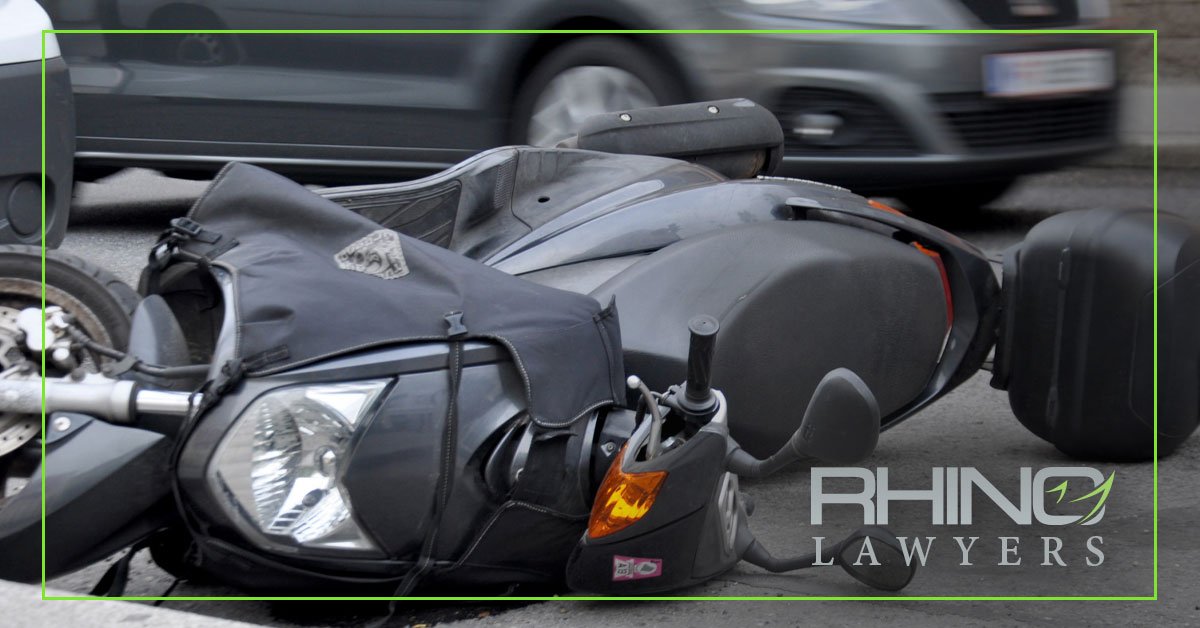
Motorcycle vs Car Accidents: Which Is Worse?
If you have ever been in an auto accident, you know just how terrifying it can be. Motorcycle incidents are no exception—in fact, they could be even worse.
There are six million car accidents every year. This means almost everybody has either been in an accident themselves or knows someone who has.
The traffic fatalities for motorcycle incidents aren’t great either. More than 80% of motorcycle accidents result in an injury or death.
When comparing motorcycle accidents vs. car accidents, which is worse? This motorcycle accidents vs. car accidents guide will go through the differences between these two types of vehicle incidents.
Let’s get started.
What Can Cause an Accident?
Both motorcycle and car accidents mainly occur because of speeding and drunk driving. In fact, 28% of all traffic fatalities in the United States are due to drunk driving. This is a surprising statistic, considering how many targeted media campaigns there are against driving under the influence.
Speeding and distracted driving are also big problems. Speeding was a factor in 26% of all traffic fatalities in 2018. People are also aware of the dangers of using their phones while driving. But that doesn’t seem to change the fact that they continue to use them.
Regardless of motorcycle and car accidents having these two unfortunate similarities, motorcycles are inherently more dangerous than cars.
Although motorcycle riders only account for 3% of the road’s registered vehicles, they are part of a disproportionate amount of traffic injuries and fatalities. If you’re thinking of switching your car for a motorcycle, keep in mind that you’ll be increasing your chances of being involved in a crash that results in injury or death.
Motorcycle Accidents
Outside of drinking, speeding, and distracted driving, there are a handful of common causes of motorcycle accidents unique to that specific vehicle.
Motorcyclists are in more danger of a car accident when it involves a car making a left-hand turn. This occurs when a motorcycle is going straight through an intersection, passing other vehicles, or trying to overtake the car. The car driver might not see or expect the motorcycle’s maneuver and end up striking them.
Then there’s lane splitting, which is not legal in all states because it is such a big factor in motorcycle accidents. If you own a bike, driving between two lanes will put you at a higher risk of being involved in an accident. This is because you won’t have the same space to maneuver. And your proximity to other vehicles will make it so car drivers can’t anticipate your movements.
Car Accidents
With car accidents, you can pin the cause between two different categories. You have driver error and external circumstances; this includes weather conditions, health emergencies, or failure with your brakes or tires.
You should know that distracted driving is the most common cause of car crashes. In fact, 25% of all car accidents are related to using a cell phone. So be sure to put your phone away while you drive and keep it hands-free when you’re making important calls.
Another common cause of car accidents is driver fatigue. If you’re feeling tired, you must pull over and take a break. Otherwise, you risk falling asleep at the wheel, and that can lead to devastating consequences.
It’s worth mentioning that you should also avoid aggressive driving. Keep your safety as the top priority, and don’t take any risks when you’re driving. Especially if they could result in an accident. Take it nice and easy, even if you’re in a rush.
Injuries and Fatalities
Motorcycle accidents are naturally more dangerous than car accidents because of the difference in protection between them. After all, motorcyclists aren’t protected by steel in the same way that car riders are; this can cause a motorcyclist to be thrown from their bike during an accident.
The most common motorcycle accident injuries include brain damage and concussion, road rash, joint injuries, facial disfigurement, and biker’s arm.
You can reduce the severity of a head injury by wearing a helmet. Many people are unaware of what a biker’s arm is, but essentially, it’s when the upper arm’s nerves are damaged. This can lead to permanent paralysis of your arm.
Clearly, motorcycle injuries are no joke, and it doesn’t help that these accidents have a high likelihood of resulting in injuries. In fact, not only are motorcyclists more likely to be hurt than someone in a car accident, but they’re 26 times more likely to die.
There’s also the concern with sport and supersport motorcycles. These are bikes that are designed for impressive speeds. The problem is that they account for a disproportionate number of motorcycle incidents and deaths.
This is a scary statistic, especially when you consider how dangerous regular motorcycles are. Supersport motorcycles have a death rate that is four times higher than that of your standard bike.
This doesn’t mean that you need to forget about buying the motorcycle of your dreams. Being aware of the risks can make you a more alert and prepared driver.
Avoid being under the influence when you go for a motorcycle ride, drive defensively, and stay alert.
Motorcycle Accidents vs. Car Accidents
The last thing you want to think about when you get into your car or hop on your motorcycle is the potential dangers of the road. Although it may be a scary thought, knowing the statistics can help you become a better driver and know how to handle any accidents.
When it comes to motorcycle accidents vs. car accidents and which is worse, it’s clear that there’s a bigger danger in riding a motorcycle. However, every type of vehicle comes with its own risks. The best thing you can do is drive defensively and obey traffic laws.
If you were injured in any vehicle accident or looking for any other type of legal help, our team of motorcycle accident lawyers, auto accident, and personal injury lawyers can help you! Be sure to contact us for a free video consultation today.
CONTACT A TAMPA AUTO ACCIDENT ATTORNEY
In short, after a car accident, you may not know your rights. Above all, don’t struggle through the process alone. Actually, our personal injury team is here to help you with any legal needs you might have regarding your accident.
Lastly, let RHINO Lawyers answer your questions and review the facts of your case with a Free Consultation. So, get started by completing the “Free Instant Case Evaluation” or by calling us any time, day or night, at 844.329.3491.
Read More
Everything to Know About Florida No Fault Law
One of the most common traffic accidents is due to driver distraction. In 2018 distracted driving was responsible for the deaths of 2,000 people in the United States. This puts you at high risk of a collision with a distracted driver, even if you are a cautious driver. Do you know that under Florida’s no-fault law you only have 14 days to preserve your insurance benefits? If you receive a ticket, that does not remove your ability to receive no-fault compensation. Even if you are not feeling any impact on your health at this time, preserve your ability to later file a claim by contacting a personal injury lawyer today.
There are only 14 states that have no-fault insurance, and Florida is one. Read on for all the “must-know” information about no-fault auto insurance law.
What Does No-Fault Mean?
In the majority of states, the driver found at fault in an accident is responsible for covering all the expenses the other driver incurs as a result of that collision. Florida is one of a few states with a no-fault auto insurance law. This means each person uses their own insurance coverage to cover their damages.
The advantage to no-fault insurance is that regardless of who is at fault in a car accident, liability for expenses falls on each individual’s personal auto insurance. This allows claims to move quickly and those suffering from injuries obtain coverage for their expenses faster.
No-Fault Insurance Coverage
Every automobile in Florida must carry Personal Injury Protection (PIP) insurance. This provides coverage to you and others in your household who are in an automobile accident, your vehicle passengers, and persons who are hit by your automobile and were not in another vehicle (i.e. pedestrians, those on a bicycle, etc.) Entitlement to this insurance coverage is guaranteed regardless of which driver is at fault.
There are minimum amounts of coverage you need to purchase which covers bodily injury and property damages. This is written on your policy as 10/20/10. What this means is:
- $10,000 for bodily injuries to one person
- $20,000 total body injuries in any number of persons in one accident
- $10,000 for property damage
The minimum coverage amounts are very low in comparison to the average costs incurred for medical treatment, so it is always advisable to increase the amount of coverage you have.
What many don’t realize is that Florida Statute §627.730 not only requires owners to have insurance, but it also requires non-resident owners who have their own automobile in Florida for more than 90 days to have no-fault insurance. This means that snowbirds who do not reside in a no-fault state but spend more than 90 days in Florida over the winter months must purchase no-fault insurance.
You should also be aware that motorcycles do not have a PIP coverage requirement. That is because this type of vehicle does not fall under the “motor vehicle” definition under the law. If your automobile collides with a motorcyclist, the rider will be treated as if you hit a pedestrian.
What PIP Pays
Personal Injury Protection does not cover medical expenses in full. The required benefits are set forth in Florida Statute §627.736 and cover 80% of reasonable medical expenses including surgery, x-rays, dental, and rehabilitation services. To receive coverage medical care must be initiated within 14 days of the accident.
It will also pay a death benefit of $5,000, a 60% lost wage benefit, and 100% of replacement services. Replacement services are those things you must hire done because your injuries prevent you from performing them yourself. This includes things such as mowing the lawn, doing laundry, cleaning your house, etc.
Insurance Deductible
The deductibles you have on your policy must be paid before the insurance coverage kicks in. That means if you have a $1,000 deductible and $4,000 in medical bills, you must pay the $1,000 deductible, after which 80% or $3,200 of your medical bills will be paid by the insurance.
To make sure you have better coverage in the event of a catastrophic accident, talk to your insurance provider about increasing your coverage amounts under no-fault insurance. Medical payment riders will provide coverage for additional medical bills after your PIP insurance coverage reaches the maximum.
Does Everyone Need to Buy No-Fault Insurance?
In Florida, everyone who registers a car must have no-fault insurance coverage. If you do not own a vehicle then you do not have an obligation to purchase insurance. Although if someone else in your household owns an automobile, you may have PIP coverage through their insurance.
If no one in your household owns a vehicle and you suffer injuries, the other driver’s personal injury protection (PIP) may help cover your medical expenses.
Florida No-Fault Law Impact on Lawsuits
If you suffer serious, permanent injuries in a car accident Florida’s no-fault insurance law may not apply. Injuries of this nature fall under Florida Statute §627.737. This law makes every owner and operator of motor vehicles legally responsible for losses incurred as a result of their negligent motor vehicle operation.
Your personal injury attorney will evaluate your injuries to see if they meet the qualifications for tort law or no-fault coverage. You may need to file a lawsuit regarding no-fault coverage if your insurance company does not cooperate with paying your claim. The lawsuit may be against your own or the other driver’s insurance company for not providing appropriate coverage.
In this type of lawsuit, the claim deals with the insurance company failing to pay your PIP benefits. This means the insurance company is acting in bad faith. There is no need to prove which driver is at fault.
A Personal Injury Attorney Can Help
Navigating Florida’s no-fault law can be confusing. You need knowledge of Florida law, insurance law, accident law. You must also have the ability to understand medical records and terminology.
If you have been injured in an accident we can help you receive the compensation you deserve under Florida no-fault law. We are available 24/7 and you have the option of contacting us by phone or text message at (844) 932-0568. You may also request a free instant case valuation using our online form, and for your safety, we offer video consultations.
When filing a personal injury claim, we only receive a payment if we win your case. Consultations are free and with no up-front attorney fees, you have nothing to lose. Contact us today for a free evaluation of your rights under Florida no-fault law.
CONTACT A TAMPA AUTO ACCIDENT ATTORNEY
In short, after a car accident, you may not know your rights. Above all, don’t struggle through the process alone. Actually, our personal injury team is here to help you with any legal needs you might have regarding your accident.
Lastly, let RHINO Lawyers answer your questions and review the facts of your case with a Free Consultation. So, get started by completing the “Free Instant Case Evaluation” or by calling us any time, day or night, at 844.329.3491.
Read More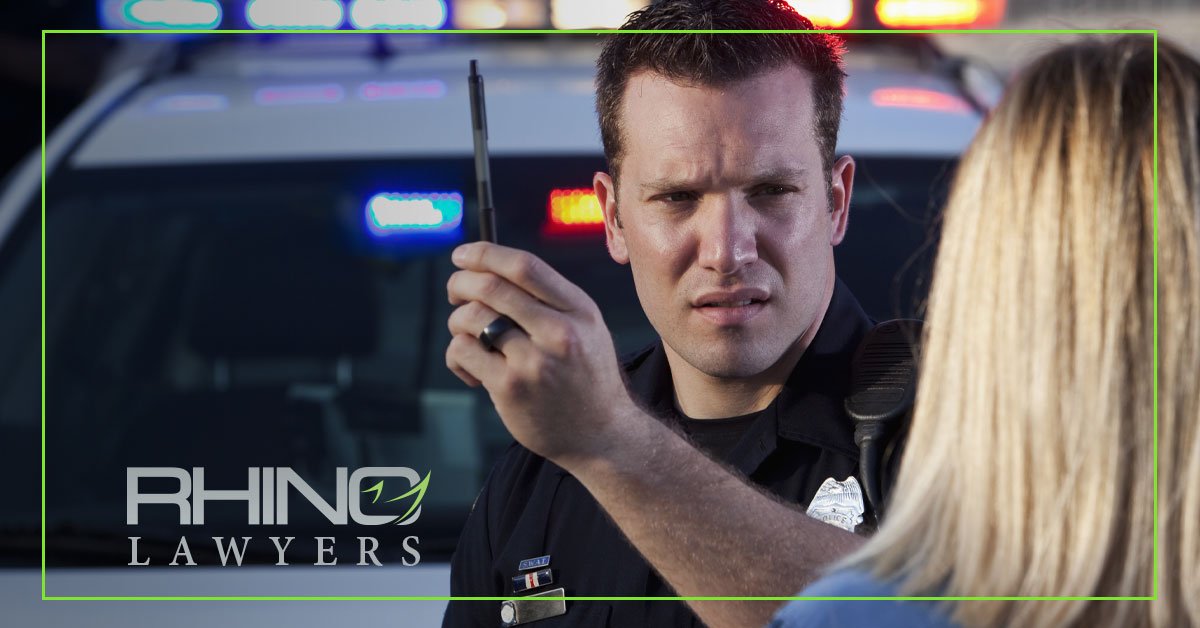
What Happens When You Get a DUI In Florida?
Driving under the influence of alcohol or drugs puts you in danger. As well as everyone else on the road. If you aren’t sober, it’s always better to get a ride with someone who is. According to the CDC, Florida’s number of intoxicated drivers is higher than the national average. If you’re a Florida driver, you may want to brush up on Florida DUI laws. So, you know what to expect after getting a DUI in Florida.
DUI laws can be complicated, and there are a lot of factors for the court to take into consideration when deciding on a suitable punishment for the crime. It goes without saying that if you’ve gotten a DUI, your first step should be to hire a DUI attorney.
What are some of the possible outcomes of a DUI in Florida? What should you expect in the days and months after getting arrested for driving under the influence? Read on to find out everything you need to know.
What Counts as a DUI In Florida?
Florida DUI laws can get a little bit confusing, so let’s start with what officially counts as a DUI in Florida. The basic concept is that if you’re over the legal limit of intoxication while driving, you’ve broken the law. The question is, how do you know when you’ve crossed the legal limit?
Like other states, Florida considers a BAC level of 0.8% or higher over the legal limit. If you are asked to take a breathalyzer test and blow a BAC of 0.8% or higher, you will receive a DUI.
That being said, this isn’t the only way to land a DUI. Police officers are also allowed to make a judgment about whether your normal faculties (ie seeing, walking, and driving) are impaired by the use of a substance. As such, a DUI can also apply to instances when a driver was on a drug (including some prescriptions) that impaired their ability to drive safely.
What Happens Next?
So you’re pulled over and arrested for driving under the influence. After the initial arrest, you can expect at least one. If not several–dates in court, when a judge will determine what punishments you should face for your crime. Most of the time, DUIs are considered misdemeanors, but the consequences can still be harsh.
Fines
DUIs result in fines that can add up quickly. Even after your first DUI in Florida, you can expect a fine of no less than $500. If you blew a BAC of 0.15% or higher, that fee will be at least $1,000 and could be as high as $2,000.
But, if it’s your second DUI, your fine will be no less than $1,000. And, if it’s your third, it will be no less than $2,000. As you can see, getting a DUI is an expensive matter.
Community Service
Community service is often one of the requirements you will need to fulfill after getting a DUI. How much community service you have to do (and what options are available to you) will vary from case to case. A first offense DUI tends to come with a mandatory 50 hours of community service, which you can skip in exchange for another $10 fee per hour of community service you don’t serve.
Probation
Most first-time offenders who are in court for a DUI receive a minimum of six months of probation. During this time, you may be required to periodically check in with a probation officer. There may be limitations on your ability to travel, and this could last anywhere from six months to one year depending on the conditions of your DUI.
Jail Time
Not everyone who gets a DUI will walk away with jail time, but it is a possible consequence whether it’s your first DUI or your third.
For your first offense, you may face up to six months of jail time. If your BAC level was 0.15% or higher, that maximum sentence goes up to nine months.
For your second offense, you may face up to nine months of imprisonment. If your third offense is within ten years of your second offense, you will face a mandatory sentence of at least 30 days. Depending on the circumstances of your DUI, that could last up to twelve months.
License Suspension
After getting a DUI, you will definitely face license suspension. The minimum length of time for a first offense is 180 days, which is a long time to go without a license. You may be able to apply for a hardship license that first time, but after a second offense, you will not be granted one.
When Is a DUI In Florida a Felony?
As we mentioned earlier, most DUIs are misdemeanors–but not all. At what point does a DUI become a felony?
There are three circumstances under which a DUI can become a felony:
- DUI Manslaughter: another person was killed by the intoxicated driver
- DUI with serious bodily injury: another person was seriously injured or harmed by the intoxicated driver
- Third offense DUI
Once a DUI is considered a felony, it is possible to face a prison sentence of one year or longer. In turn, many of the other punishments are harsher, as well.
Don’t Fight DUI In Florida Alone-Hire RHINO Lawyers
Florida DUI laws tend to get complicated. If you received a DUI in Florida, don’t try to fight it alone. With the help of RHINO Lawyers, you may be able to avoid a suspended license, receive lighter fines, lower your jail time, and more.
To get started, contact us for a free case review. You tell us the facts of your case and we’ll let you know what kind of sentence you may be looking at, how we can help you, and more.
CONTACT TAMPA TRAFFIC TICKET ATTORNEY
RHINO Lawyers can help and guide you through a system molded by law enforcement, judges, and lawyers for decades. Having won cases for our clients in similar circumstances, our criminal defense team knows what it takes to fight on your behalf.
Let RHINO Lawyers answer your questions and review the facts of your case with a Free Consultation. So, get started by completing the “Free Instant Case Evaluation” or by calling us any time, day or night, at 844.329.3491.
Read More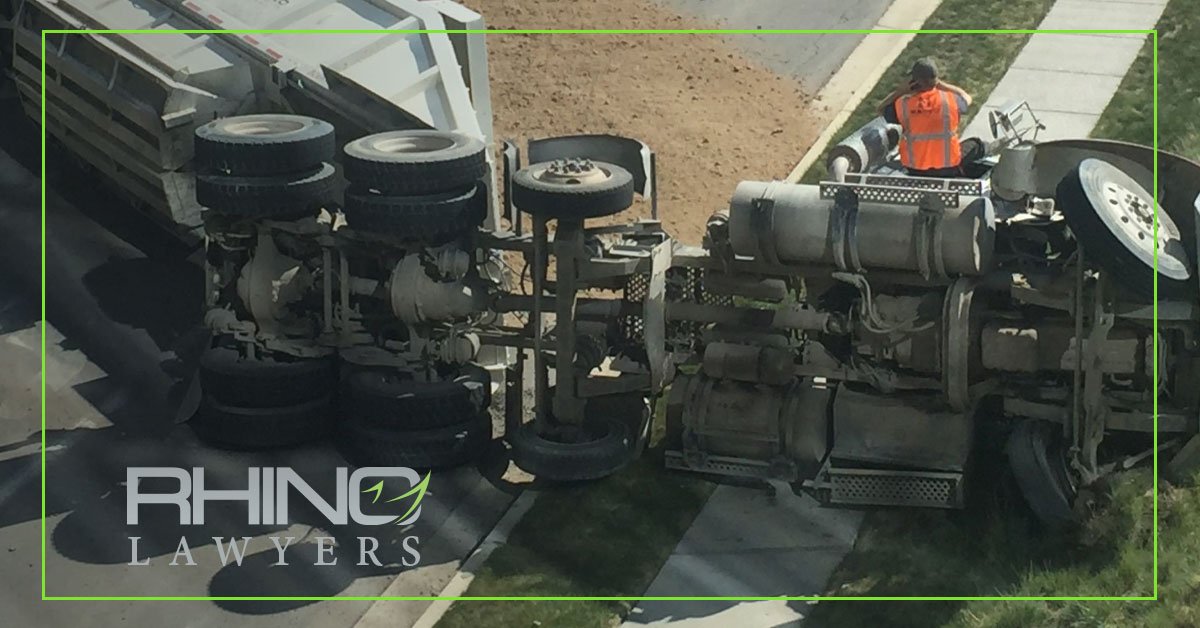
What Happens After a Trucking Accident?
Although every motor vehicle accident is an incredibly dangerous occurrence. Typically, trucking accidents are more damaging. The government estimates that there are hundreds of thousands of trucking accidents every single year in the US, causing a significant portion of all motor vehicle deaths and billions of dollars in damages.
Regardless of whether you are a driver, a pedestrian, or a passenger. It is essential to know exactly what happens in a trucking accident and what you can expect. As well as the immediate steps to take afterward. Whether you drive a semi-truck cross-country or take public transport, read this essential guide to what happens after a trucking accident.
1. Immediate Steps After A Trucking Accident
Seek Medical Help
No matter which party you belong to. It is essential that you call emergency services and seek medical help immediately following a truck accident. Truck operation accidents are significantly more likely to cause life-changing injuries than other types of motor accidents. Even an injury that you think is minor could become serious. Seek medical treatment before doing anything else.
Document Everything
If you are able to, you should be collecting a proper record of every aspect of the accident. This will significantly boost your case if you decide to take legal action. This means, first and foremost, getting the names and contact information of everyone involved in the accident. As well as, compiling photos of the accident and your injuries. And, retaining a record of all interactions with insurers. It also, crucially, means getting a police report in the aftermath of the accident.
Report the Accident
If you are involved in a trucking accident, always report it to the authorities. Doing so will allow the police to file a comprehensive report. This report will be available to help your case if you take legal action against the liable party. You should also report the accident to the trucking company. Because this may force the company to take measures to prevent future accidents from occurring. It may also be your legal responsibility to report an accident.
Consult an Attorney
While your first priority should be your health and safety, it is also important to get in touch with an attorney shortly after the incident has occurred. A qualified trucking accident attorney will be able to explain your legal options and help you put together a strong case to help get you any compensation you might be entitled to. Always consult an attorney after an accident, regardless of whether or not someone else is obviously at fault.
2. Determining the Cause of the Trucking Accident
There are many causes of trucking accidents, some of which are not always the fault of the truck driver themself, such as a poorly-placed roadblock. When preparing your truck accident lawsuit, here are the main causes of trucking accidents in America that you should be aware of.
Driver Fatigue
It is no secret that truck drivers are encouraged to work brutally long shifts in order to meet tight delivery deadlines, with many drivers eschewing proper rest in order to meet these deadlines. Driver fatigue is endemic to the trucking industry, which is why there is a wealth of rigorous legislation and regulations aimed at ensuring truck drivers are properly rested. If a driver was suffering from fatigue at the time of an accident, it may be the fault of the trucking company.
Drug and Alcohol Impairment
Unfortunately, countless numbers of Americans continue to recklessly endanger themselves and others by driving under the influence of drugs and alcohol. This remains true within the trucking industry, where alcoholism and drug addiction have been identified as being major problems within the industry. Regardless, there is no excuse for driving an 80,000-pound truck under the influence of drugs or alcohol.
Lack of Proper Training
Many trucking accident lawsuits have revealed that the cause of an accident has been a lack of training. Many trucking companies have been found guilty of cutting corners when it comes to training their drivers how to operate their equipment, endangering the public as a result. A trucking accident lawsuit may reveal that a trucking company is guilty of negligence and is therefore liable to pay damages.
Driver Distraction
Driver distraction is another common cause of trucking accidents. Truck drivers can spend 12 hours at a time on the road, making them prone to distraction. This is why there are so many laws governing how often truck drivers should rest. A simple glance at a text message or a moment of daydreaming can have absolutely catastrophic consequences and cost lives. Driver distraction is negligence no matter which way you cut it.
Poor Truck Maintenance
Another surprisingly common cause of trucking accidents is poor vehicle maintenance. The maintenance needs of an 18-wheeler are very different from those of a Prius. Typically, it is the trucking company that is responsible for maintenance, meaning that the company is liable when a lack of maintenance causes a truck to crash. Poor maintenance can quickly cause a massive truck to break down on the road, causing unimaginable damages.
3. Recoverable Damages from a Trucking Accident
If you have decided to take a trucking accident to court, a lawyer can help you get the compensation you deserve. If you have suffered damages as a result of a trucking accident that is not your fault, there is a wide variety of truck accident claims that you can be eligible for. Here are some of the most frequently recovered damages from trucking accidents in America.
- Funeral and burial expenses for a loved one who lost their life in a trucking accident.
- Medical bills for yourself and any family members that require medical treatment of any kind.
- Lost earnings and income as a result of being incapacitated by the accident.
- Lifetime lost earnings based on how many years a person would have worked if they had not been killed in the accident.
- The value of household services that were previously completed by the deceased.
- Emotional and trauma damage as a result of psychological pain.
- Expenses occurred through the administration of a deceased person’s estate.
Hire an Experienced Trucking Accident Lawyer Today
If you have been involved in a trucking accident, it is time to explore your legal options and pursue any compensation and damages that you might be owed. For this, do not hesitate to call the professional and friendly team at RHINO Lawyers to find out how we can fight your case for you.
CONTACT A TAMPA TRUCKING ACCIDENT ATTORNEY
In short, after a trucking accident, you may not know your rights. Above all, don’t struggle through the process alone. Actually, our personal injury team is here to help you with any legal needs you might have regarding your accident.
Lastly, let RHINO Lawyers answer your questions and review the facts of your case with a Free Consultation. So, get started by completing the “Free Instant Case Evaluation” or by calling us any time, day or night, at 844.RHINO.77.
Read More